How to Zero Your Red Dot Faster (Without Wasting Ammo or Confidence)
If you’ve ever stood at a range, burning through ammo while your shots refuse to land where your red dot is pointing, you’re not alone. This is one of the most common early frustrations for new optic owners: you mounted a red dot, you expected instant improvement—but now you’re stuck trying to zero it with no clear feedback loop. You’re not missing something obvious. You’re missing structure. This is exactly the problem tools like SIG CONNECT are built to solve: turning frustrating guesswork into a fast, repeatable zeroing process.
The Real Problem: Zeroing Feels Random
Most shooters trying to zero a red dot experience the same cycle:
- Fire a few rounds
- Adjust the optic
- Fire again
- Question everything
- Waste more ammo
- Lose confidence
The issue isn’t effort. It’s that traditional zeroing lacks clear correction logic. So instead of learning, you’re essentially guessing: “Was that me? The gun? The optic? My stance?” That uncertainty is what drains confidence—and burns ammo.
What You Actually Want (Even If You Haven’t Said It)
When someone says “I just want my red dot to work,” what they really want is:
- A fast zeroing process
- Confidence their setup is correct
- Minimal wasted ammo
- Immediate validation that they’re on track
Not theory. Not long explanations. Just results.
Why Traditional Zeroing Fails New Red Dot Owners
Most zeroing guidance assumes experience you don’t yet have:
- Understanding point-of-impact vs point-of-aim shifts
- Knowing how many rounds to confirm adjustments
- Interpreting group dispersion correctly
- Controlling shooter-induced error under pressure
If you’re new, every shot feels like new information—but none of it is organized. So instead of tightening your zero, you end up chasing it.
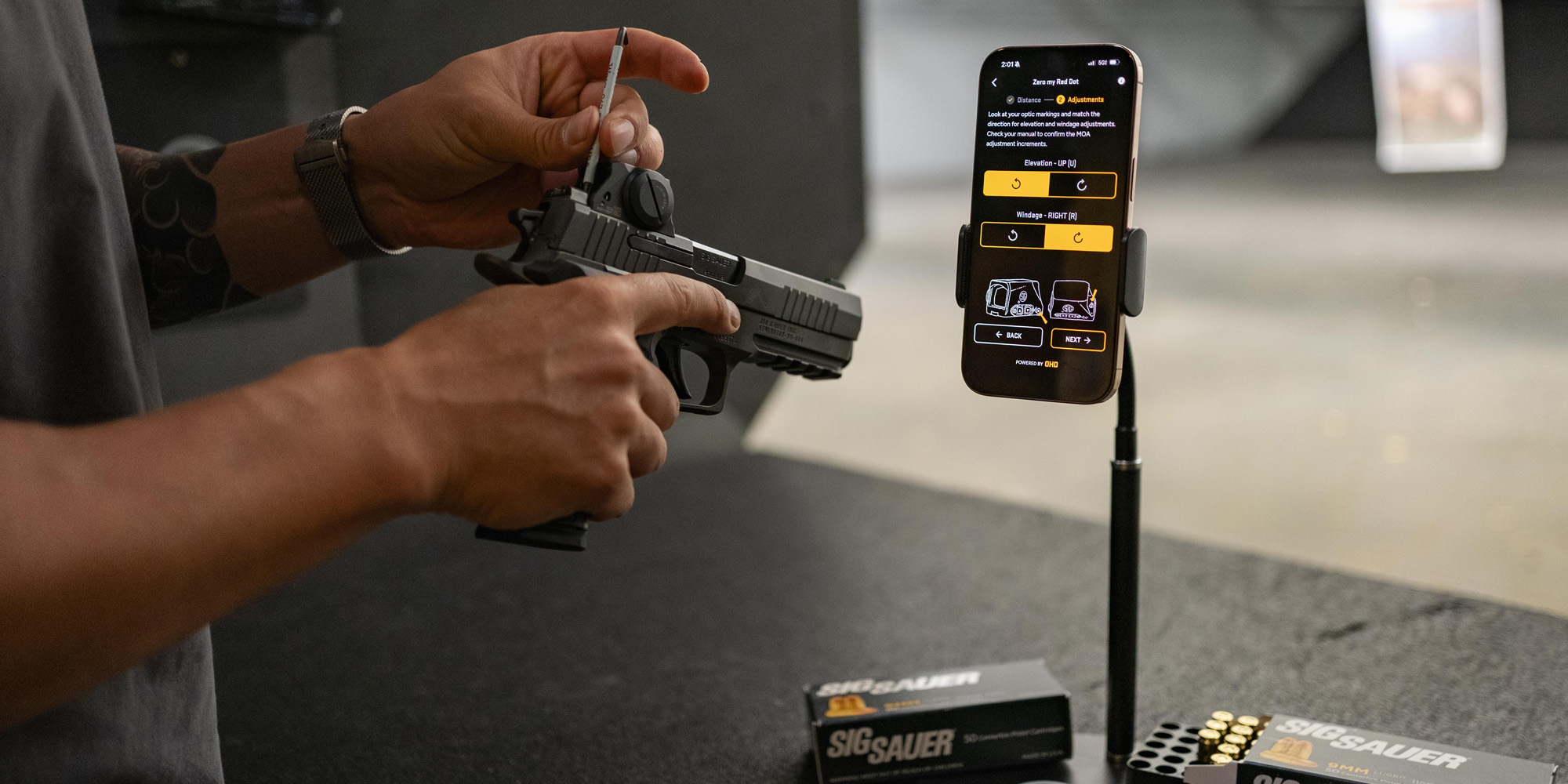
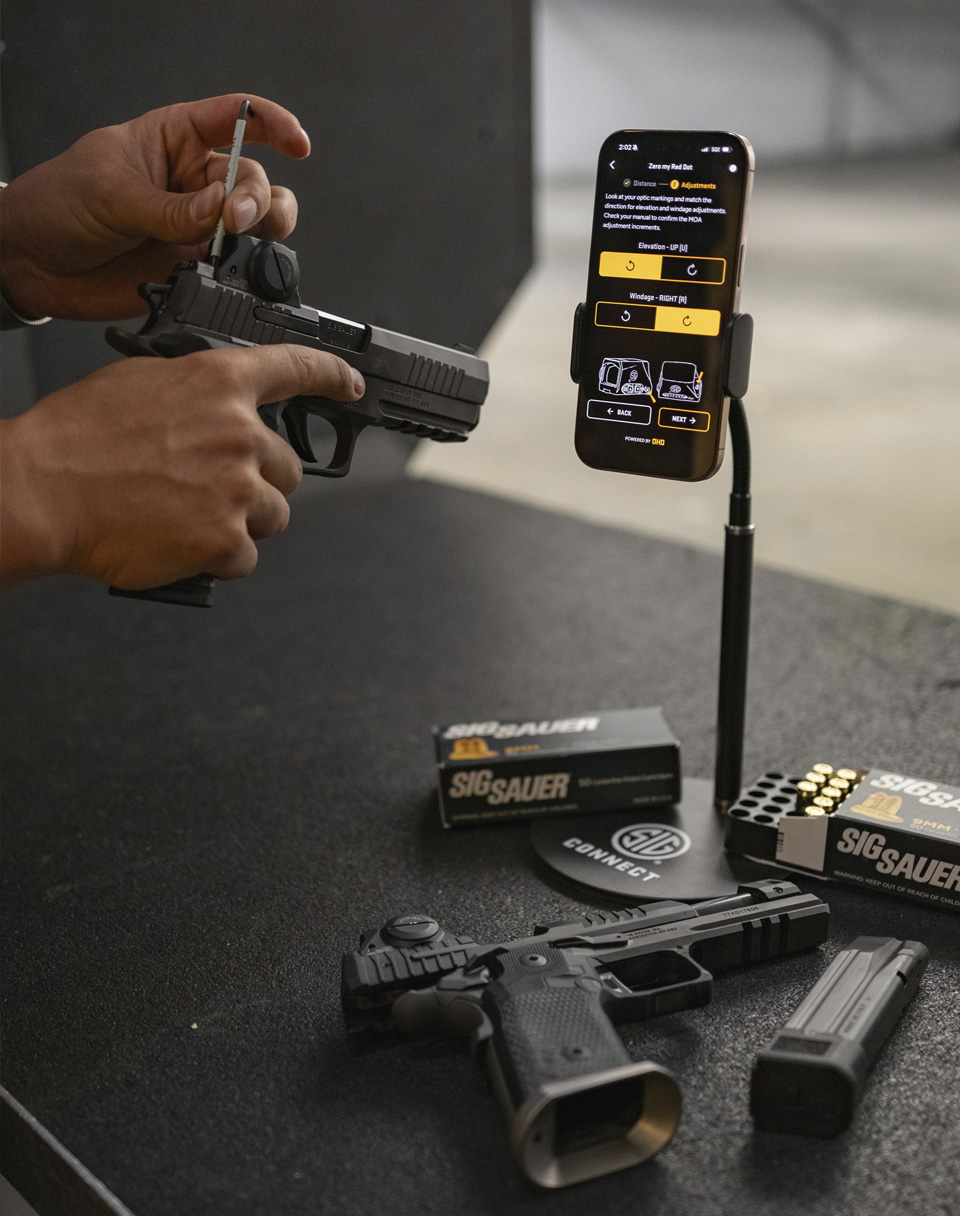
The Shift: From Guessing to Guided Zeroing
A proper zeroing experience should feel like this:
- Shoot a controlled group
- Get clear feedback on adjustment direction
- Apply a known correction
- Confirm with fewer rounds
- Lock in confidence quickly
This is where structured systems like SIG CONNECT change the experience entirely. Instead of guessing, you’re following a guided correction loop that shortens the path to zero.
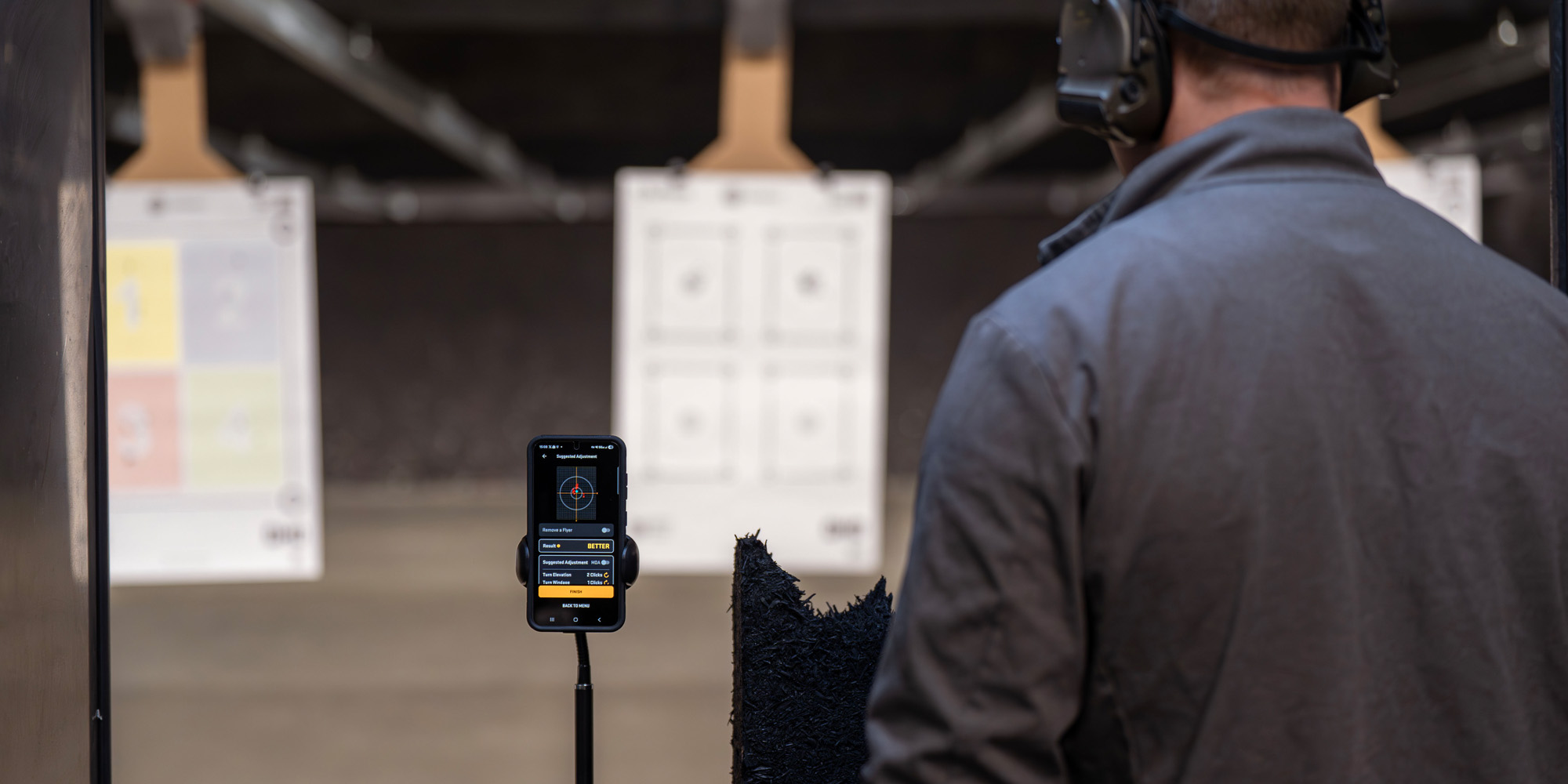
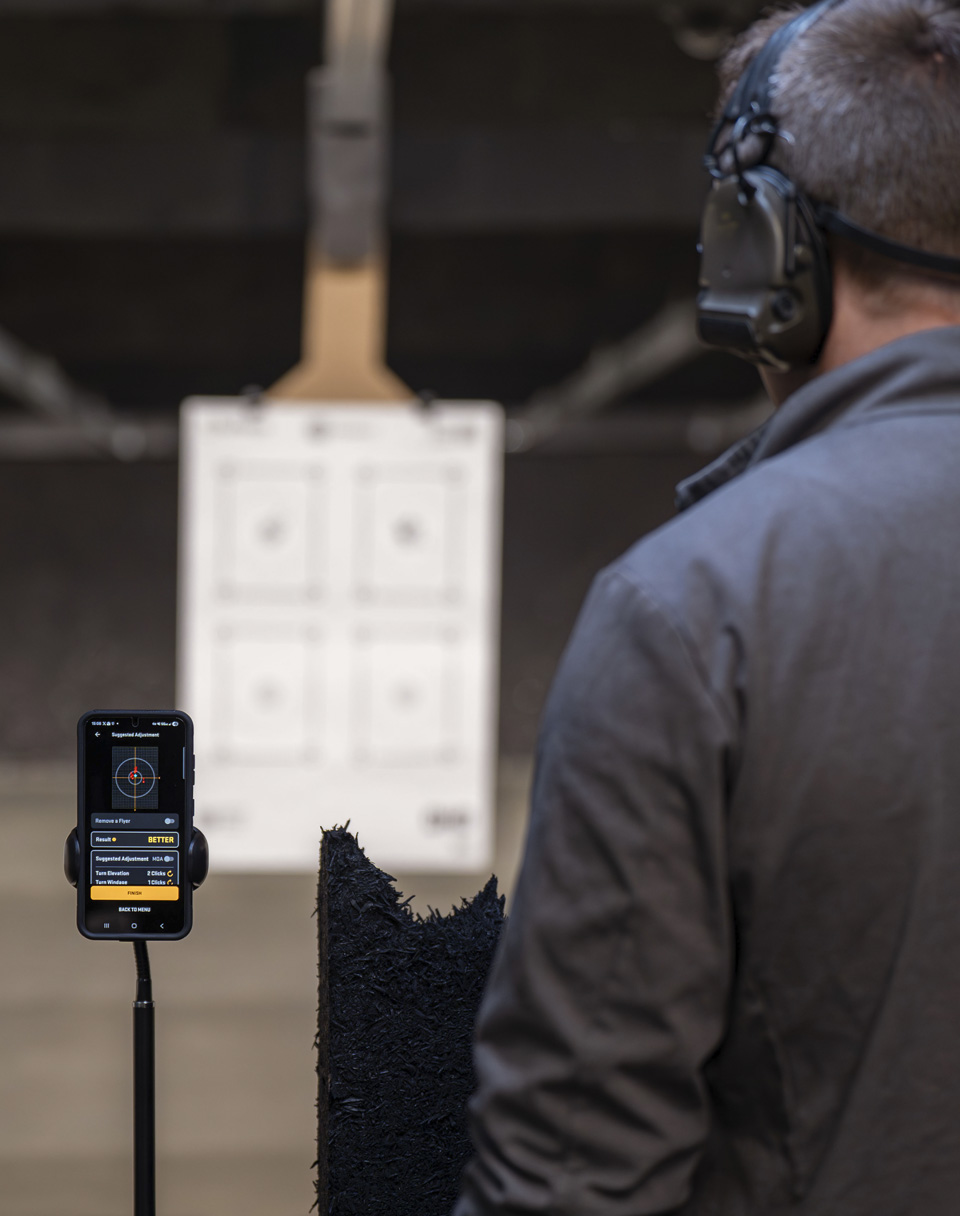
How SIG CONNECT Changes the Zeroing Experience
For new red dot owners, the biggest value is not complexity—it’s clarity. With SIG CONNECT, the zeroing process becomes:
- Faster — fewer wasted adjustment cycles
- More precise — structured feedback after each group
- More confident — no ambiguity about next steps
- More efficient — often achieving usable zero in ~10 rounds instead of extended trial-and-error
Instead of asking “what am I doing wrong?” you start seeing, “here’s exactly what to adjust next.” This video gives you a quick overview of how to do this with the SIG CONNECT app.
The Emotional Breakthrough: Confidence Comes Early
The biggest pain point isn’t mechanical—it’s psychological. When your optic doesn’t behave as expected, you start doubting:
- Your mounting
- Your shooting fundamentals
- Your equipment choice
But once you get a clean, repeatable zero quickly, everything changes:
- Shooting becomes predictable
- Confidence stabilizes
- Ammo stops feeling wasted
- Practice becomes productive instead of frustrating
That shift is what keeps new shooters engaged instead of discouraged.
Common Mistakes When Zeroing a Red Dot
If you’re struggling, you’re likely doing one (or more) of these:
1. Chasing single shots instead of groups
One shot tells you almost nothing. Groups tell the truth.
2. Over-adjusting too quickly
Small corrections matter more than constant big changes.
3. Mixing fundamentals with zeroing
Inconsistent grip or stance can mask true optic alignment.
4. Not confirming after adjustment
Many shooters adjust but never validate with a clean follow-up group
Faster Zeroing Checklist
If you want a smoother process immediately:
- Use a stable shooting position
- Fire controlled 3–5 round groups
- Adjust in small increments
- Confirm every adjustment
- Track results instead of guessing
Or use a structured system like SIG CONNECT that turns these steps into a guided flow.
FAQ: Red Dot Zeroing
How many rounds does it take to zero a red dot?
With a structured approach, many shooters can establish a usable zero in ~10–20 rounds. Without structure, it often takes significantly more.
Why does my red dot keep shifting?
Common causes include inconsistent grip, loose mounting, or adjusting without group confirmation.
Do I need perfect zero before practicing?
No—you need a repeatable zero, not perfection. You refine from there.
Bottom Line
Zeroing a red dot shouldn’t feel like burning ammo and hoping for the best. It should be fast, repeatable, and confidence-building. If you’re stuck in the loop of “adjust, shoot, doubt,” the issue isn’t your effort—it’s the lack of structure in the process. And once that structure is in place, zeroing stops being frustrating and starts being what it should be: A quick step before you actually start shooting with confidence.

Compare Products
Items