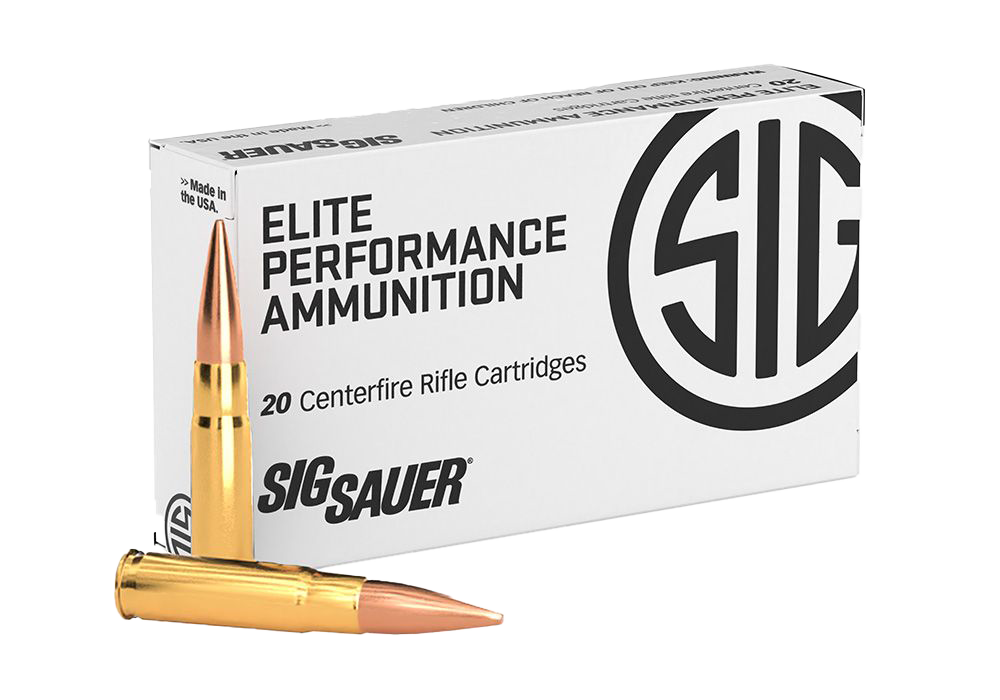
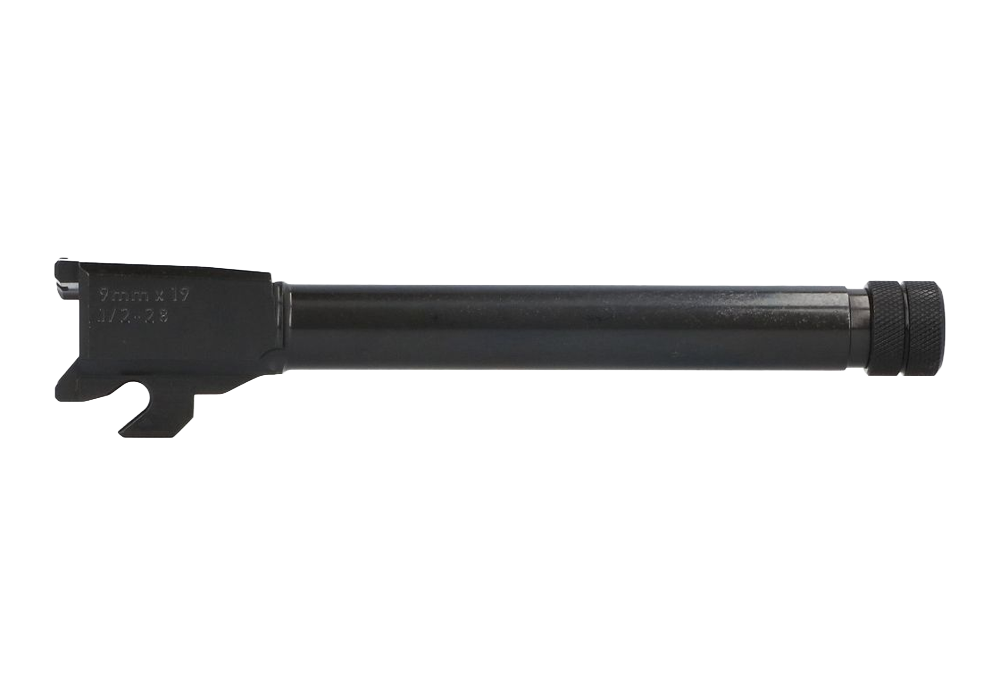
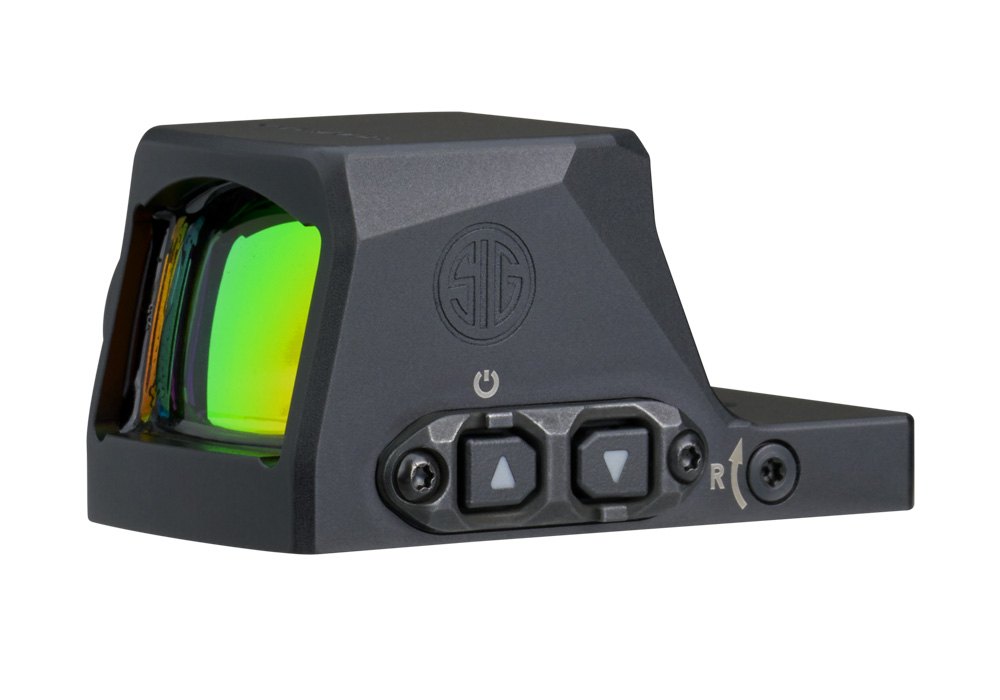
A collection of top-selling items in North Carolina brings firearms, ammunition, optics, suppressors, and shooting accessories into a regional shopping context. These categories serve recreational target shooters, hunters, experienced enthusiasts, and people beginning with professional instruction. Popularity can help shoppers discover equipment worth considering, but suitability depends on intended use, physical fit, compatibility, and the responsibilities that accompany ownership. Someone visiting a supervised range for introductory lessons has different priorities from a regular participant in organized shooting sports. A hunter may place greater emphasis on comfortable transport and equipment appropriate for lawful hunting activities, while a frequent range visitor may focus on repeatable handling, straightforward maintenance, and accessories that fit an established setup. Across North Carolina, from larger metropolitan communities to smaller towns, access to suitable facilities and qualified instruction can also shape purchasing decisions. Equipment should match the places where it will be used, including any facility rules or activity requirements. For firearms, comfortable fit involves more than overall size: grip shape, reach to the controls, balance, and manageable weight all deserve attention. An unloaded assessment with a qualified professional can help reveal whether a particular configuration feels natural without forcing the hands or wrists into an awkward position. For optics and related accessories, secure attachment and compatibility matter more than appearance alone. Even a well-regarded accessory can be unsuitable if it does not match the equipment it is intended to accompany. Shoppers comparing popular categories benefit from distinguishing essential functions from optional features, especially when building a first setup. A clear purpose usually leads to a more coherent selection than choosing several unrelated accessories simply because they attract attention. Regional interest offers useful context, but a dependable purchase starts with the individual owner’s needs, experience, and commitment to safe handling. The strongest choices remain useful beyond the initial purchase because their fit, function, and upkeep requirements are understood from the beginning.
Materials and construction help explain how shooting equipment feels in use and how it holds up over time. Steel, aluminum, and reinforced polymers each have different roles, and the material name alone does not establish overall quality. Design, surface treatment, component fit, and adherence to maintenance guidance all contribute to durability. Metal surfaces may benefit from corrosion-resistant finishes, but fingerprints, perspiration, and cleaning residue still warrant attention. Polymer components can reduce weight and offer textured contact surfaces, although comfort depends on the individual user rather than texture alone. Small details often become more noticeable during repeated use: an edge that presses against the hand, a case handle that feels uncomfortable when carrying equipment, or a compartment that leaves accessories rubbing together. Protective cases should support secure transport, with suitable internal dimensions and padding that keeps equipment from shifting. Their closures and handles deserve the same scrutiny as their exterior materials. Optics introduce another set of considerations, including viewing comfort, optical clarity, control accessibility, and compatibility with the intended mounting arrangement. A clear view should not require an uncomfortable posture, and adjustment controls should be understandable before equipment reaches the range. Protective lens covers and cleaning materials appropriate for optical surfaces help preserve that clarity without unnecessary abrasion. Ammunition requires an especially careful compatibility check: the designation on its packaging must match the firearm’s requirements and the manufacturer’s guidance. Packaging condition, clear labeling, and organized storage help prevent confusion between similar-looking cartridges. Suppressors involve additional legal requirements and compatibility considerations, so ownership, installation, and use should follow applicable law and qualified guidance. They do not replace appropriate hearing protection. Across all these categories, durability is best understood as reliable service supported by correct use and care, rather than an expectation that equipment can be ignored between outings. Straightforward maintenance instructions, accessible documentation, and a realistic understanding of upkeep can matter as much as an appealing finish or a compact profile.
Care and storage connect every purchasing decision to the routines that follow it. After a range visit, a consistent inspection and cleaning routine can help identify residue, loose accessories, worn protective materials, or other conditions that deserve professional attention. Follow the relevant manuals, use cleaning products approved for the surfaces involved, and keep solvents away from materials they could damage. Firearms should be unloaded before cleaning or inspection, with ammunition kept outside the work area. Secure storage should prevent unauthorized access, particularly by children, and should fit the household rather than relying on concealment alone. Ammunition also benefits from orderly storage in clearly identified packaging, away from incompatible substances and unnecessary handling. A dedicated place for manuals, purchase records, and maintenance notes makes important information easier to find when questions arise. For shoppers selecting a gift, broadly useful categories such as hearing protection, protective eyewear, and secure storage accessories can be worth considering when the recipient’s preferences and requirements are known. Fit still matters: eyewear should sit comfortably with hearing protection, and a transport case needs suitable dimensions for its intended contents. Firearms, ammunition, and suppressors require additional attention to eligibility, transfer rules, and recipient suitability; a gift should never bypass those responsibilities. North Carolina shoppers comparing regional collections can also explore Top Selling Items In North Dakota for another geographic view of popular shooting-related categories, while keeping local requirements and personal needs at the center of any decision. A regional collection is a useful starting point for discovery, not a substitute for checking compatibility or seeking qualified advice. Equipment earns a lasting place in a responsible owner’s routine when it fits comfortably, serves a clear purpose, travels securely, and receives consistent care. Those practical qualities give a purchase relevance well beyond its position among popular selections.