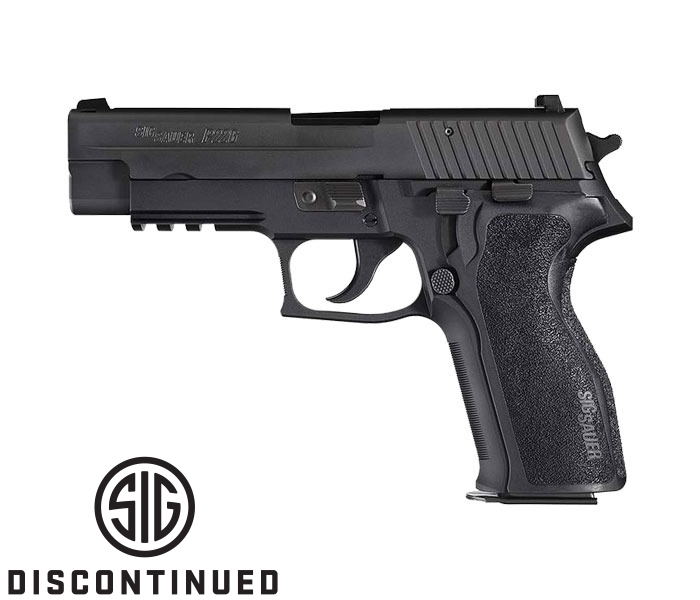
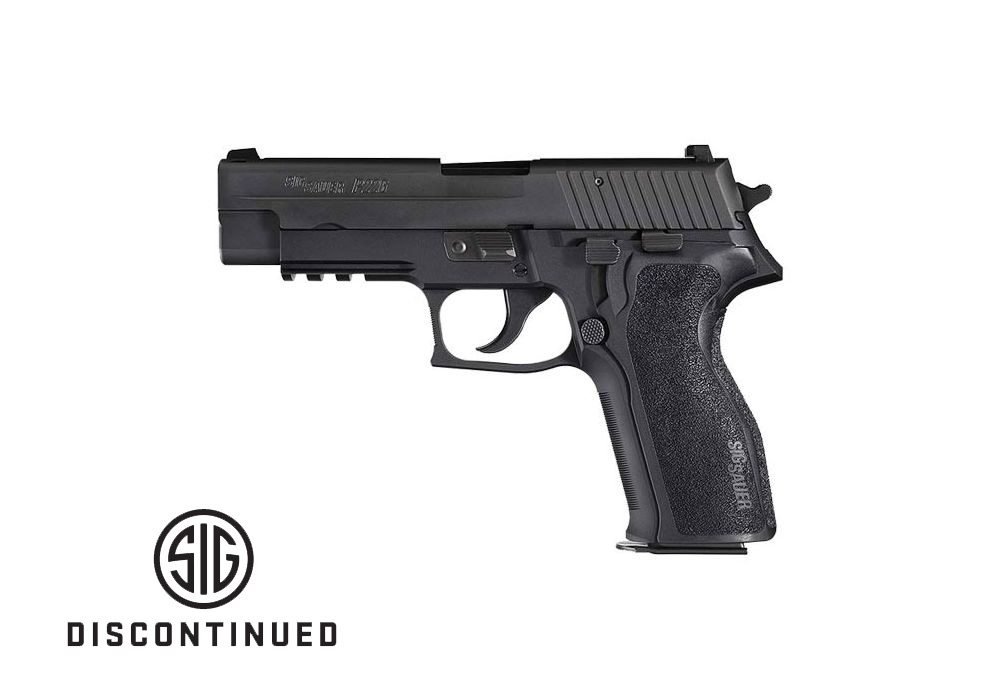
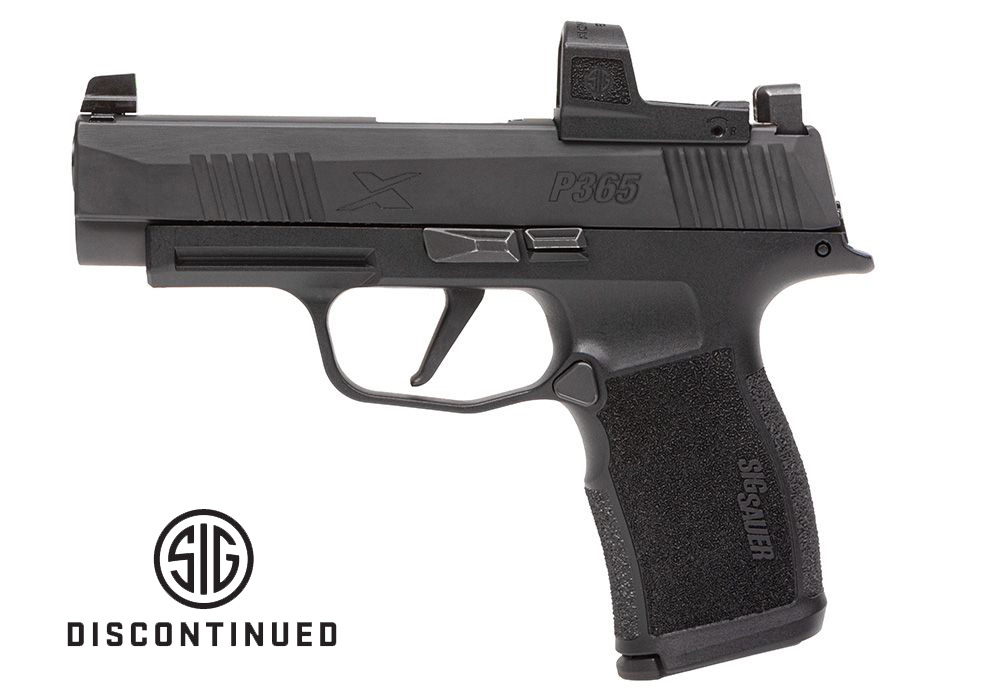
Pistols chambered in .357 SIG with steel magazines combine a distinctive bottleneck handgun cartridge with a magazine construction long associated with service-style semiautomatic pistols. The cartridge designation identifies the chambering, while “steel magazines” generally describes the magazine body rather than every component inside it. Followers and baseplates may use polymer or other materials, and the spring is a separate working component. That distinction matters when comparing descriptions: a steel-bodied magazine is not the same construction as a polymer-bodied magazine with an internal steel liner. Likewise, a pistol’s frame material does not determine its magazine material. Both metal-framed and polymer-framed designs can use steel magazines, provided the magazine matches the firearm’s specifications. The .357 SIG cartridge has a narrower neck above a wider case body, giving it a visibly different profile from many common handgun cartridges. It is also distinct from .357 Magnum; the similar number in their names does not indicate ammunition compatibility. For shoppers considering this category, the central relationship is between the pistol’s exact chambering, its magazine design, and the handling characteristics of the complete firearm. Steel magazine bodies can provide a relatively thin-walled, rigid enclosure for cartridges, but material alone does not establish reliability. Feed-lip geometry, follower shape, spring condition, and correct fit all contribute to proper function. A well-matched combination is more meaningful than a broad claim about steel being inherently better than every alternative. These pistols may appeal to experienced handgun owners familiar with the cartridge, recreational target shooters interested in a different chambering, or collectors drawn to service-pistol design. Depending on the firearm, the shooting experience can include a pronounced report and brisk recoil, so comfortable handling and access to appropriate instruction deserve consideration alongside construction. Eye and hearing protection remain essential at the range. The most useful product descriptions identify the chambering, frame construction, operating system, dimensions, and magazine specifications clearly enough to distinguish genuinely compatible equipment from items that merely look similar.
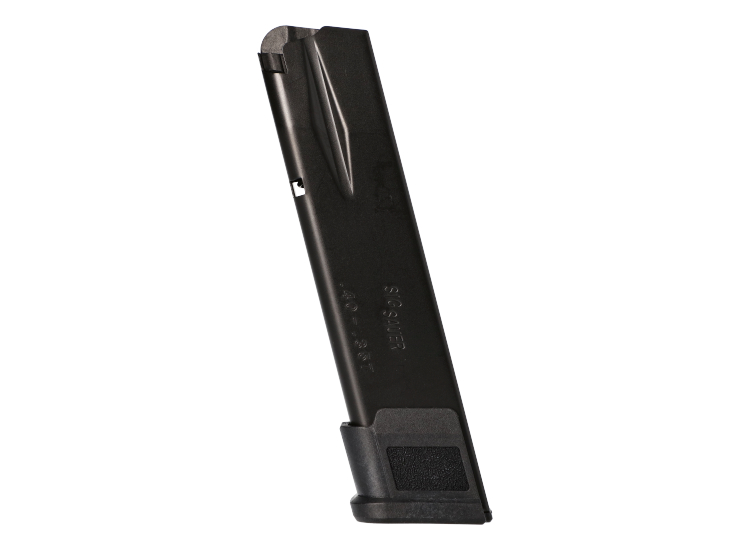
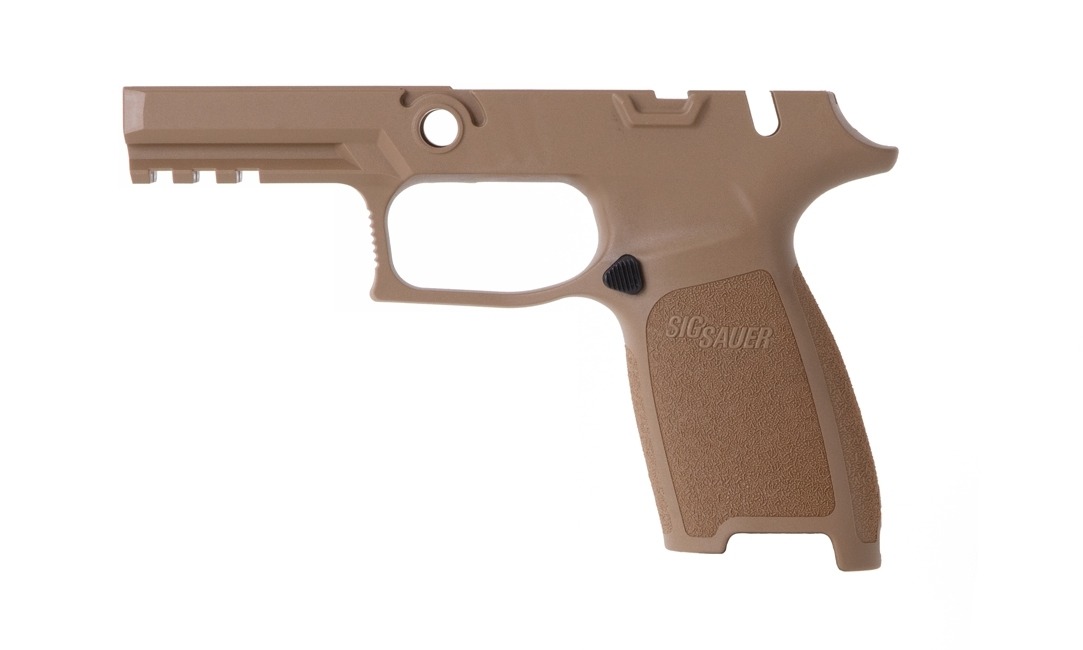
Fit begins with the pistol itself, not just the magazine that accompanies it. Grip circumference, trigger reach, overall weight, and control placement influence how comfortably a handgun sits in the hand. A textured grip may feel secure during a brief handling session yet become abrasive over a longer range visit, while a grip that feels smooth and comfortable at first may offer less purchase than expected. Metal frames often contribute more weight, whereas polymer frames commonly reduce it, although dimensions and internal construction can change that comparison considerably. Neither material guarantees a better fit. A shooter with smaller hands may find trigger reach more important than total grip length, while someone accustomed to larger handguns may prefer additional room below the trigger guard. A flush-fitting magazine base generally follows the bottom of the grip; an extended base may project farther and change the surface available to the hand. That projection should not be mistaken for proof of a particular round count or compatibility. Magazine selection calls for equal attention to detail because visually similar bodies can differ in catch openings, feed lips, overall length, and baseplate clearance. Some firearm families use magazines designated for both .40 S&W and .357 SIG, but that shared designation is specific to the approved application, not a rule covering every pistol in either chambering. The firearm and magazine manufacturers’ compatibility information should agree on the exact configuration. A magazine that enters the grip is not necessarily the correct magazine, and apparent similarity is no substitute for documented fit. For shoppers comparing larger handgun formats, Full Size Pistols With Steel Magazines provides a related category centered on overall pistol size and magazine construction. Full-size dimensions can offer a longer grip and, with conventional iron sights, a longer sight radius, though the benefit depends on the individual design and shooter. Compact dimensions change those proportions and may leave less space for the support hand. Comparing measurements alongside frame material and magazine configuration gives a clearer picture than relying on size labels alone.
Care and durability are especially relevant to steel magazines because the body serves both as a cartridge enclosure and as a precisely shaped part of the feeding system. Steel resists many forms of everyday wear, but it is not immune to dents, corrosion, or distorted feed lips. Stainless steel and protective finishes can help resist corrosion without eliminating the need for inspection and routine care. A clean exterior can still conceal grit around the follower or residue beneath the baseplate. After a range session, inspection should focus on visible damage, unusual wear, and contamination, with cleaning performed according to the manufacturer’s directions. The firearm should be unloaded before maintenance, with ammunition kept separate from the work area. Abrasive tools, aggressive chemicals, and excessive lubricant can create problems rather than solve them, particularly where finishes or polymer components are involved. A magazine showing cracks, significant dents, altered feed lips, or recurring functional problems warrants removal from use and assessment by the manufacturer or a qualified professional. Bending or reshaping components to force compatibility is not an appropriate substitute for the correct equipment. Storage deserves the same care as cleaning: keeping magazines protected from moisture and loose debris helps preserve their condition, while firearms and ammunition require secure storage that prevents unauthorized access. For a target shooter, practical ownership may mean a protective case, clearly identified compatible magazines, and a maintenance routine that makes inspection easy to remember. For a collector, preserving original finishes and keeping documentation with the firearm can be just as important as maintaining its mechanical condition. Anyone considering a firearm as a gift should confirm the recipient’s suitability, preferences, and applicable transfer requirements rather than treating chambering or grip fit as a matter of guesswork. Across these uses, the strongest reasons to consider .357 SIG pistols with steel magazines are their particular combination of cartridge, platform, and construction—not an assumption that a single material tells the whole story. Clear specifications, comfortable fit, verified compatibility, and responsible care provide a sound basis for evaluating the category.