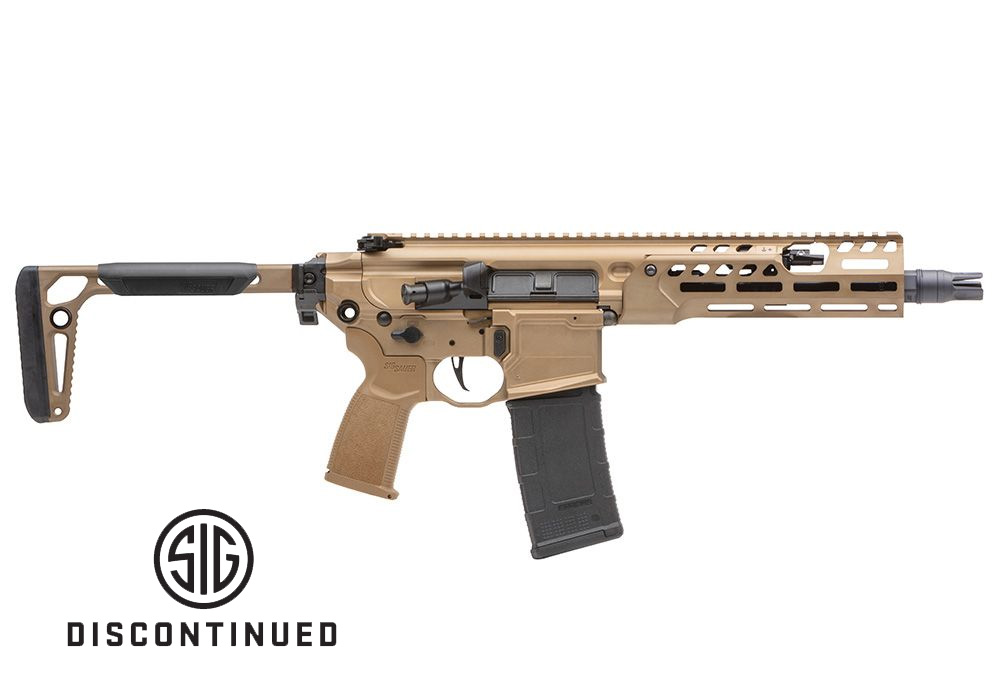
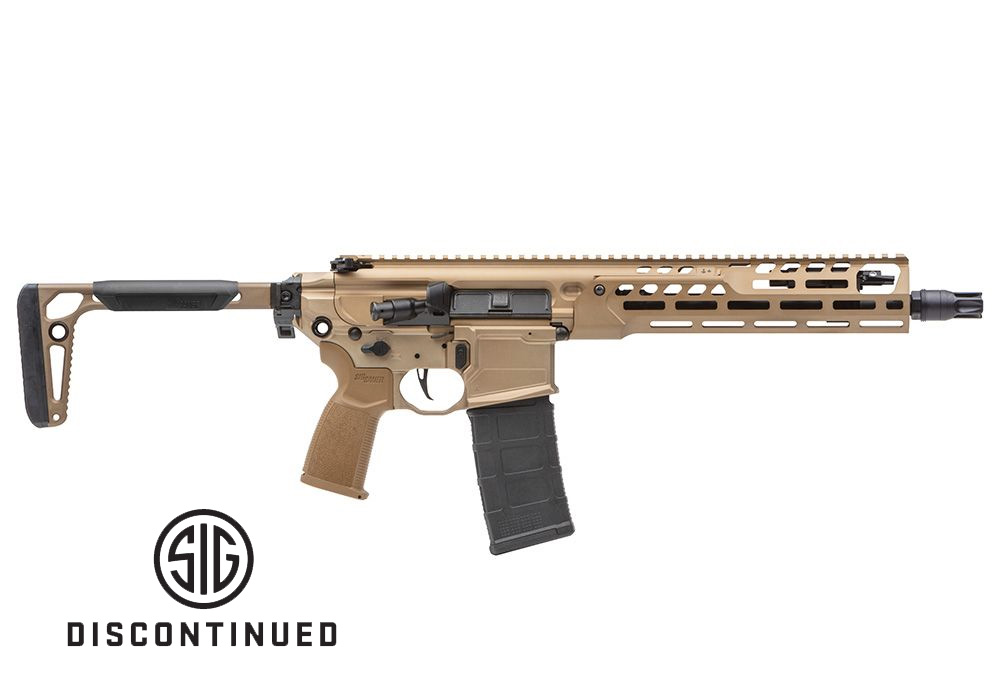
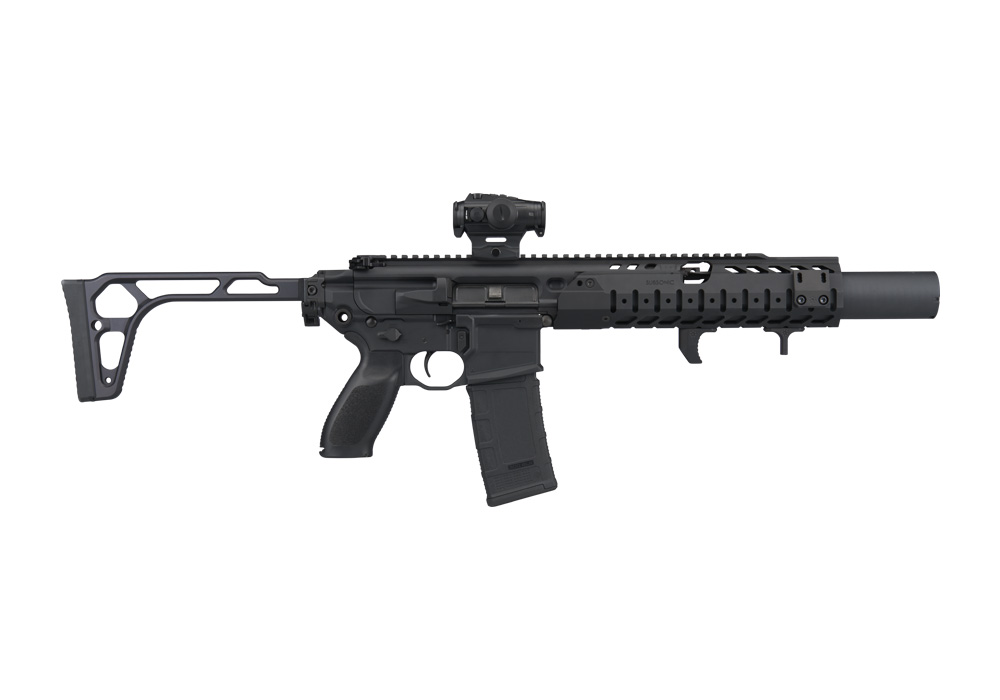
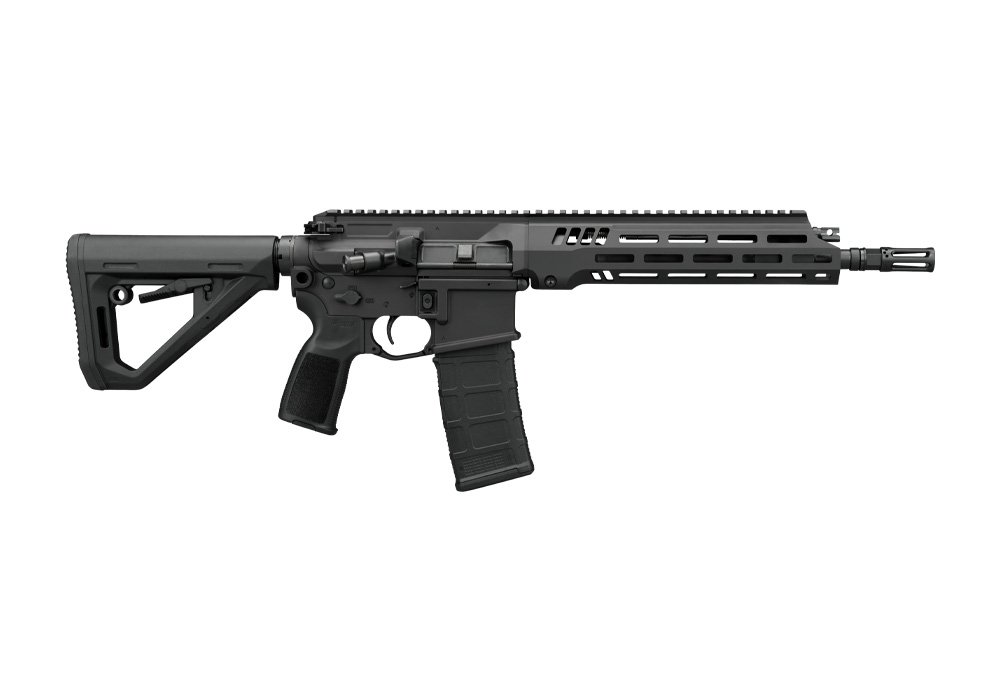
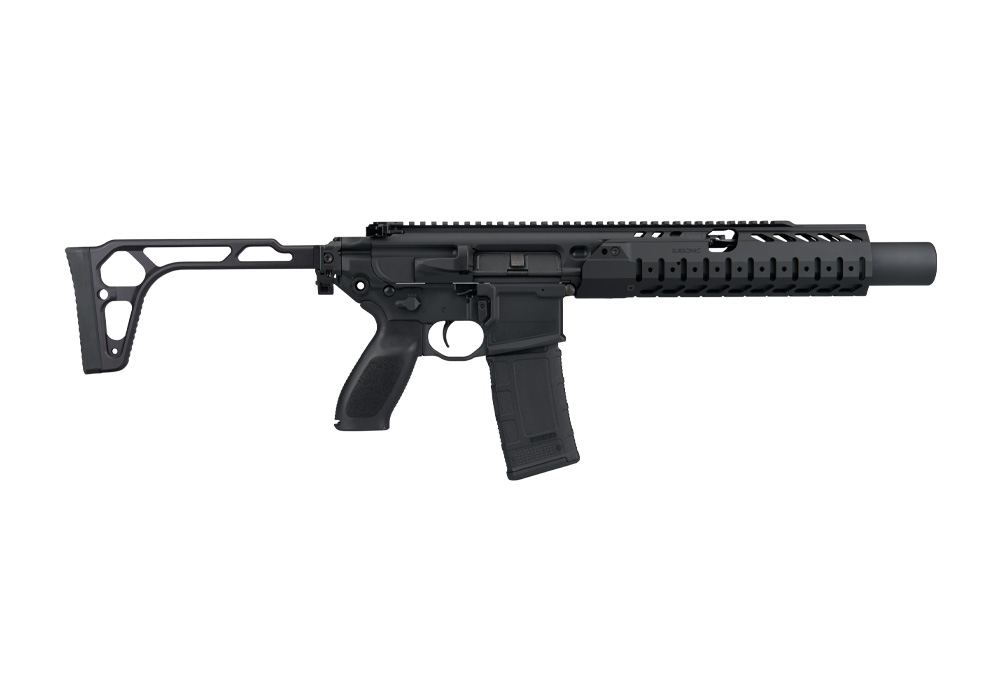
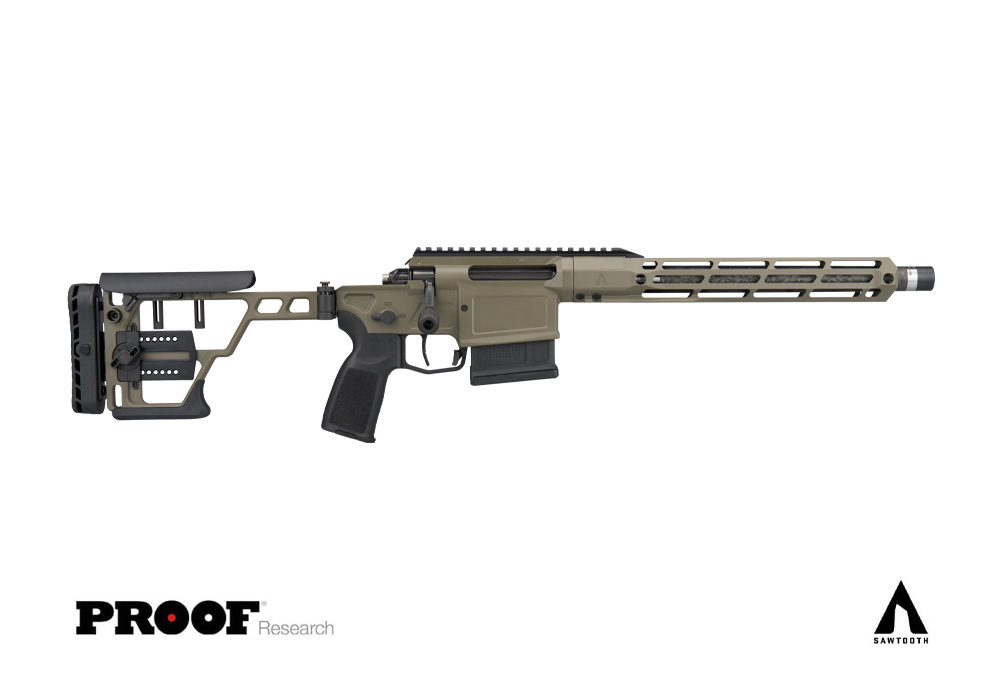
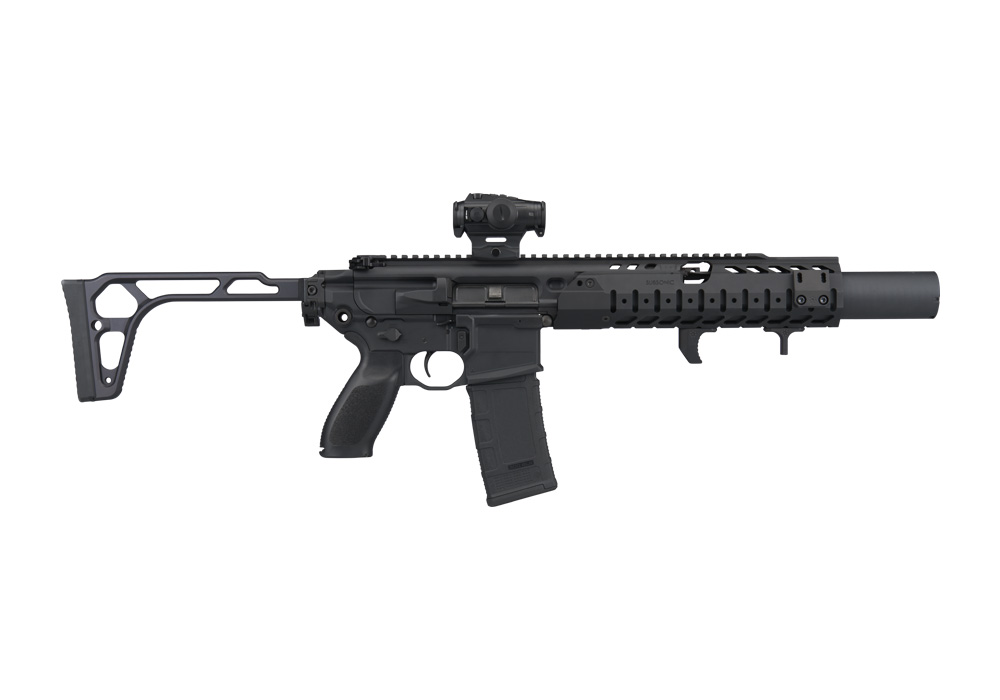
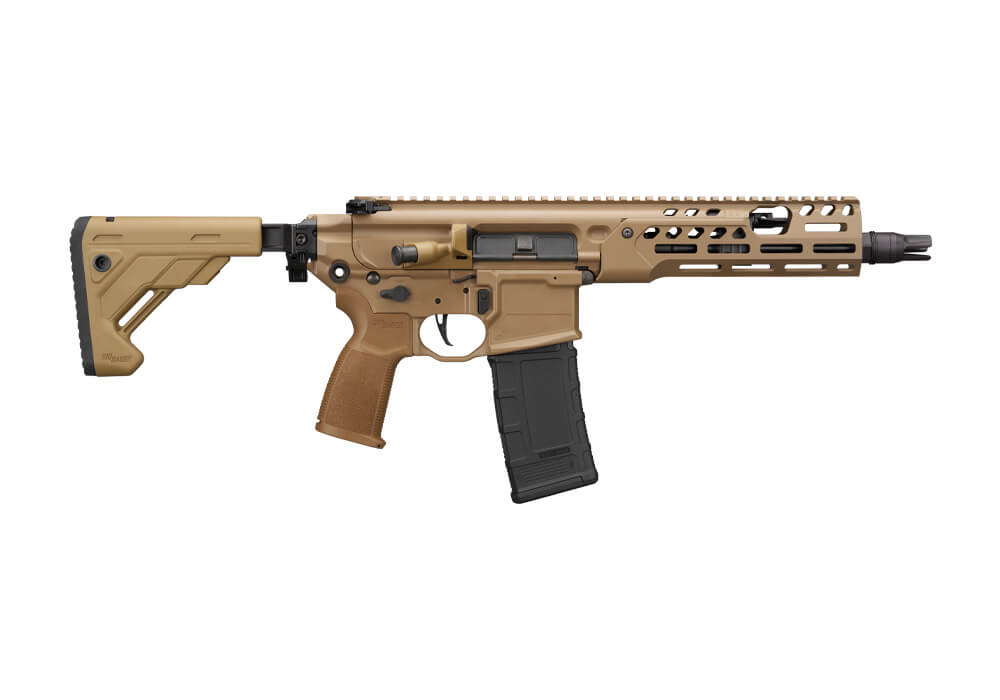
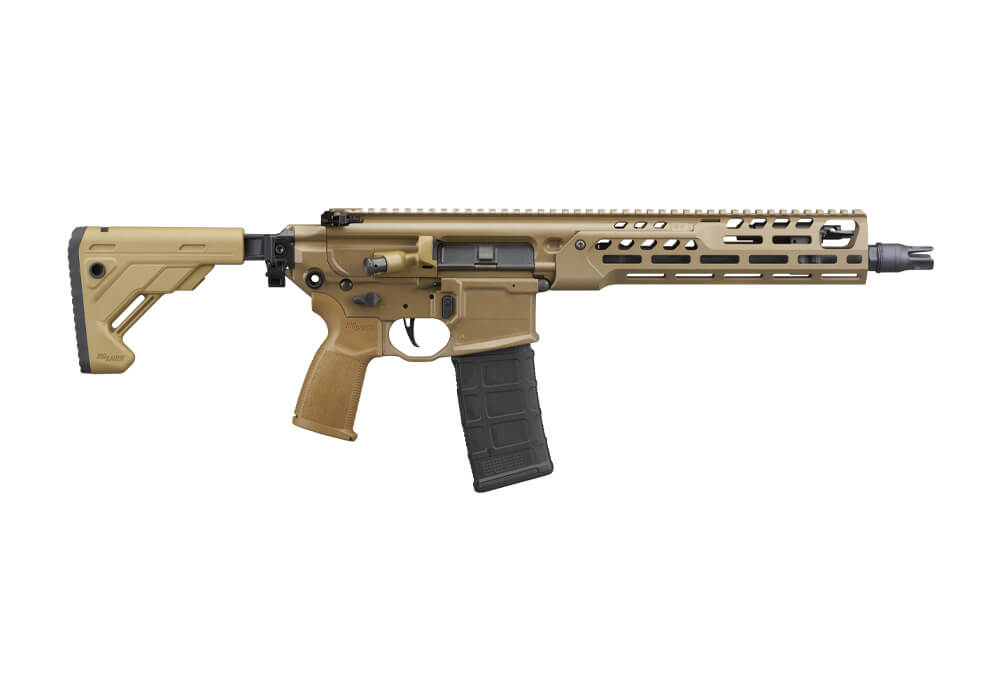
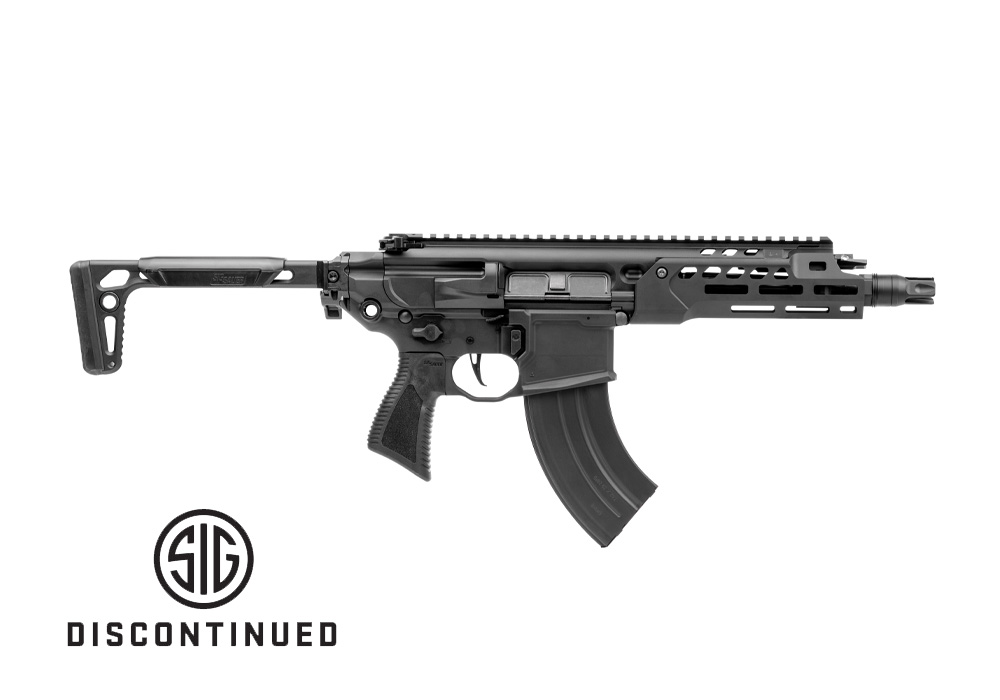
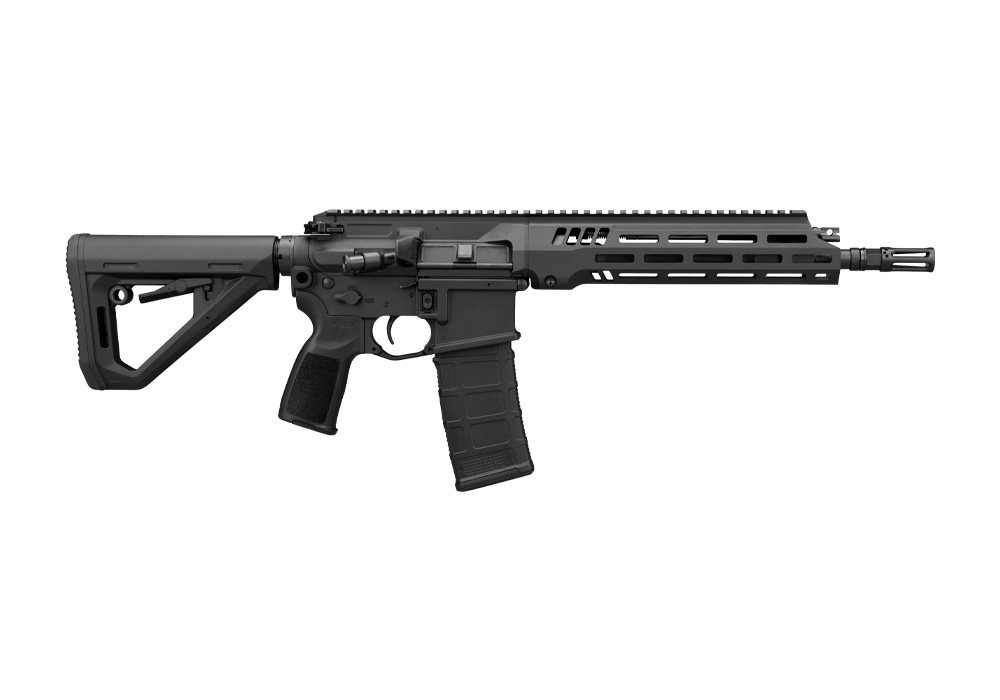
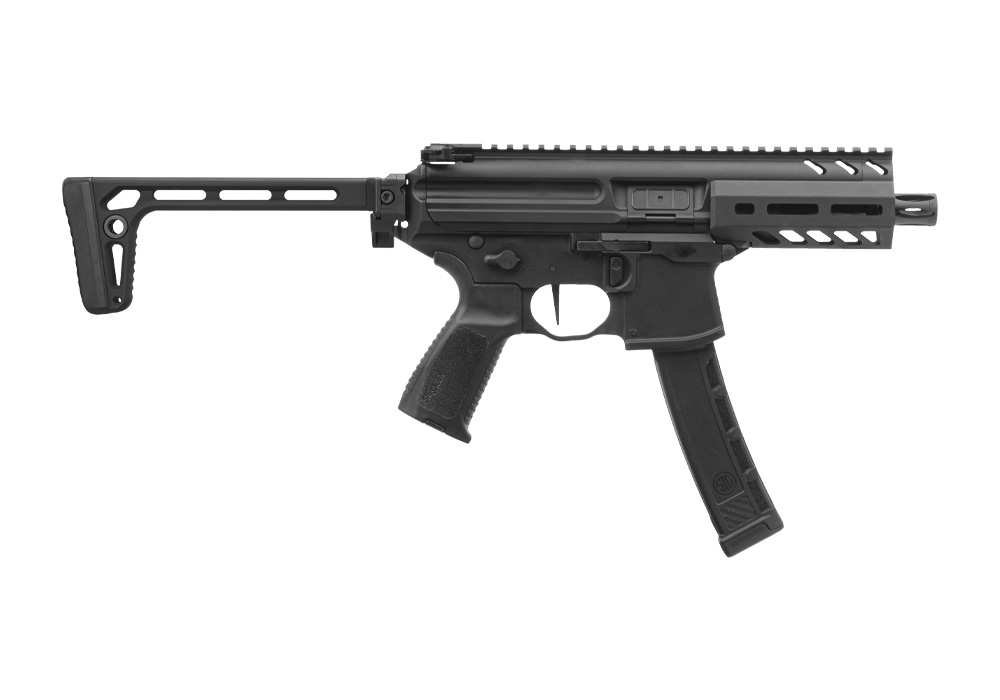
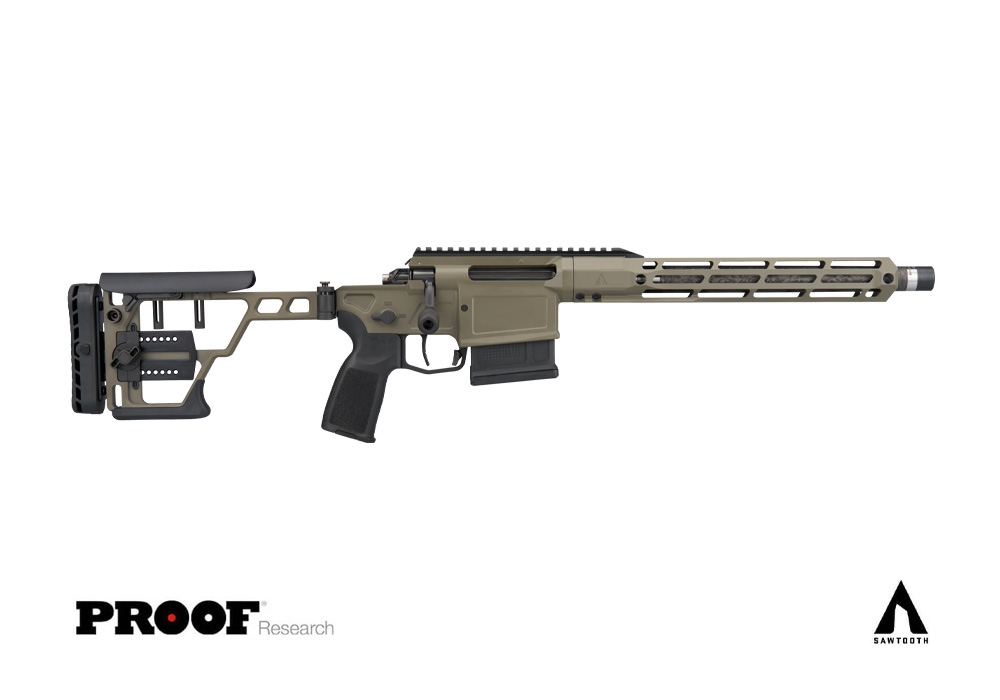
Maneuverable SBR rifles combine shorter dimensions with a shoulder-fired platform, offering a compact format for lawful recreational shooting, structured training, and authorized professional use. SBR stands for short-barreled rifle. Under federal law, the term generally includes rifles with barrels shorter than 16 inches, along with certain weapons derived from rifles that measure less than 26 inches overall. Their defining appeal is reduced length, which can make a rifle less cumbersome to carry in an appropriate case and handle within the boundaries of an approved shooting environment. Compactness, however, is only one part of the experience. Overall weight, balance, stock dimensions, and the placement of controls all influence whether a rifle feels comfortable or awkward. Two firearms with similar barrel lengths can feel noticeably different when one carries more weight toward the muzzle or has a longer receiver assembly. For an experienced owner, that difference may be apparent when moving a cased firearm between secure storage and the range, or when spending an extended session with an instructor. Shorter does not automatically mean lighter, and a compact profile does not guarantee an ideal fit for every shooter. Barrel length can also affect velocity and muzzle report, so an SBR should be evaluated as a complete firearm rather than simply a smaller version of a longer rifle. Appropriate eye and hearing protection remain essential. Recreational owners may appreciate a compact platform for supervised range practice, while qualified professionals may have equipment requirements established by their organizations. Across those settings, the most relevant qualities are predictable operation, comfortable proportions, dependable construction, and compatibility with the intended shooting environment. A maneuverable rifle earns that description through the relationship between its dimensions and its user, not through barrel length alone. Published measurements provide a useful starting point, but the complete configuration determines how much space the firearm occupies and how its weight is distributed.
Materials and construction give compact rifles their character over years of use. Aluminum receivers, steel barrels and operating components, and polymer furniture are common across this category, with each material serving a different purpose. Aluminum can help manage weight, steel supports durability in demanding mechanical applications, and polymer can provide comfortable contact surfaces without unnecessary bulk. The particular alloys, treatments, and finishes vary, so manufacturer specifications are more informative than broad material labels. Protective finishes help resist corrosion and surface wear, but no finish eliminates the need for appropriate care. Consistent machining, sound component fit, and clearly documented maintenance requirements matter more than an aggressive appearance. A rifle that looks compact in a photograph may feel quite different once its stock, sights, sling, and other compatible equipment are considered together. Published weights may describe an unloaded firearm without accessories, making the stated configuration an important part of any comparison. Fit deserves the same attention as dimensions. Stock adjustment range, grip shape, and the amount of usable handguard space can affect comfort for shooters with different builds. A compact rifle need not feel cramped, but proportions that suit one person may be uncomfortable for another. During a supervised range session, pressure points or an awkward reach to the controls can become more noticeable than they were during an initial inspection. Clear, accessible controls and contact surfaces that feel secure support a more consistent experience without requiring an oversized platform. Compatibility also matters: mounting interfaces, sighting equipment, cases, and storage arrangements should match the manufacturer's specifications and the complete firearm's dimensions. Accessories add weight and occupy space, sometimes changing the qualities that attracted an owner to a compact rifle in the first place. A restrained configuration suited to a defined, lawful purpose often preserves the practical appeal of the format better than a collection of unnecessary additions. The strongest comparisons account for the whole firearm, including its documented specifications, user fit, and expected maintenance demands.
Long-term ownership depends on care, secure storage, and an understanding of the responsibilities attached to this regulated firearm category. Cleaning, lubrication, inspection, and service should follow the manufacturer's manual, with attention to the firearm's actual use rather than an arbitrary schedule. Residue, dust, perspiration, and moisture can affect surfaces and components even when a rifle spends much of its time in storage. An appropriate case protects against contact and abrasion during lawful transport, while a suitable secure-storage arrangement helps prevent access by unauthorized people. Storage materials should not trap moisture against metal surfaces, and protective finishes should still receive the care specified by the manufacturer. Wear marks at contact points are not necessarily the same as functional damage; concerns about cracks, loose components, corrosion, or irregular operation warrant evaluation by a qualified professional. Owners whose priorities include protective finishes, durable construction, and sustained use can also explore Durable SBR Rifles for Field Use for another perspective on those characteristics. Legal suitability is equally important. SBR ownership and transfers are subject to applicable requirements under the National Firearms Act, along with state and local restrictions, and required approvals must be in place before possession. Interstate transport can involve additional authorization, and individual ranges or training facilities may impose their own rules. A qualified dealer and the relevant authorities can help clarify requirements for a particular situation. For established enthusiasts and other eligible users, a compact rifle can be a purposeful addition when its dimensions, construction, and legal requirements align with a clearly defined use. The lasting value of maneuverability is not simply having the shortest possible firearm. It is having a manageable overall package with comfortable fit, durable materials, suitable storage, and a maintenance routine that supports dependable service over time. Those qualities keep the emphasis on responsible ownership and the complete experience rather than a single measurement.