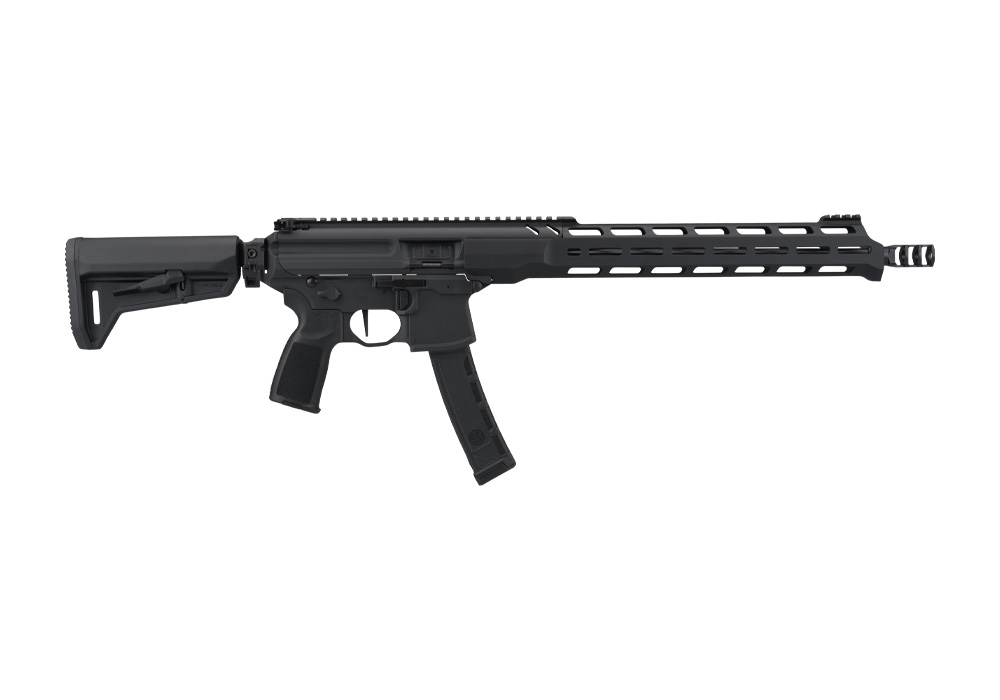
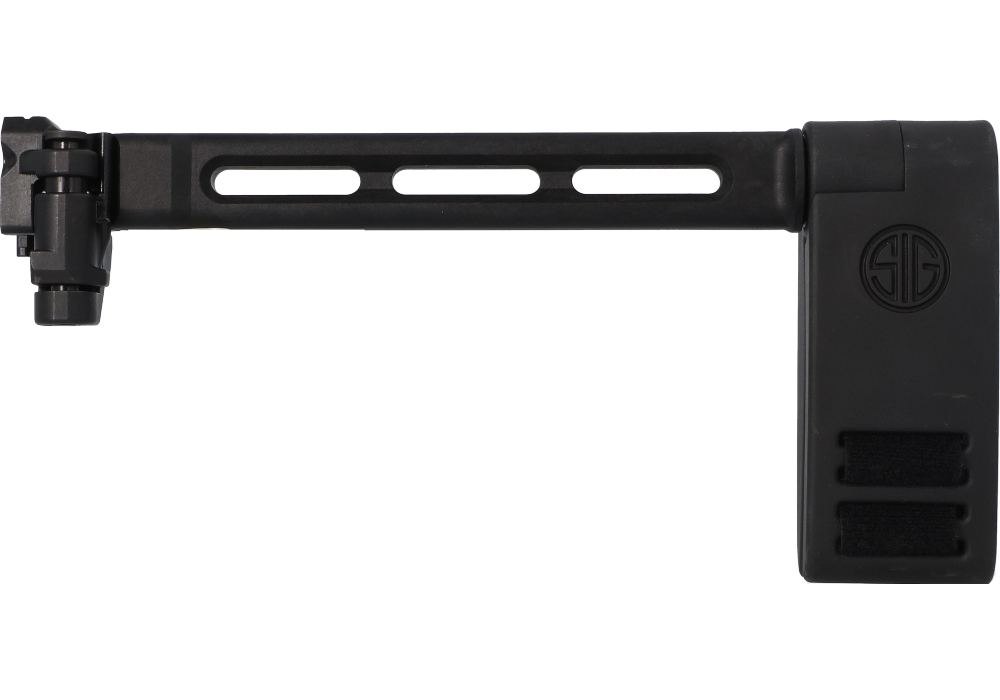
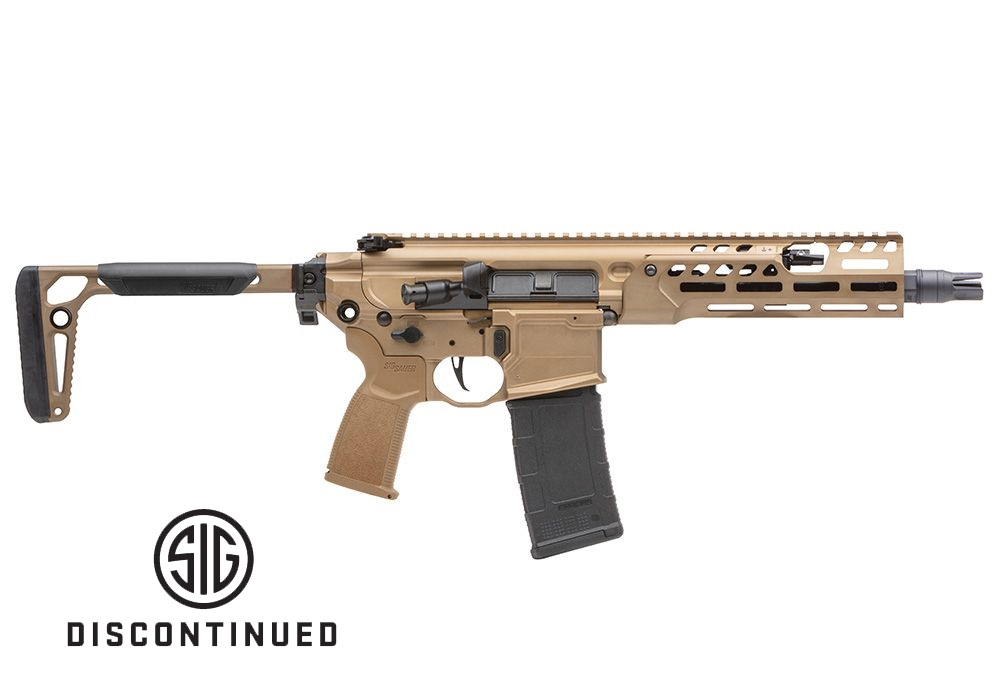
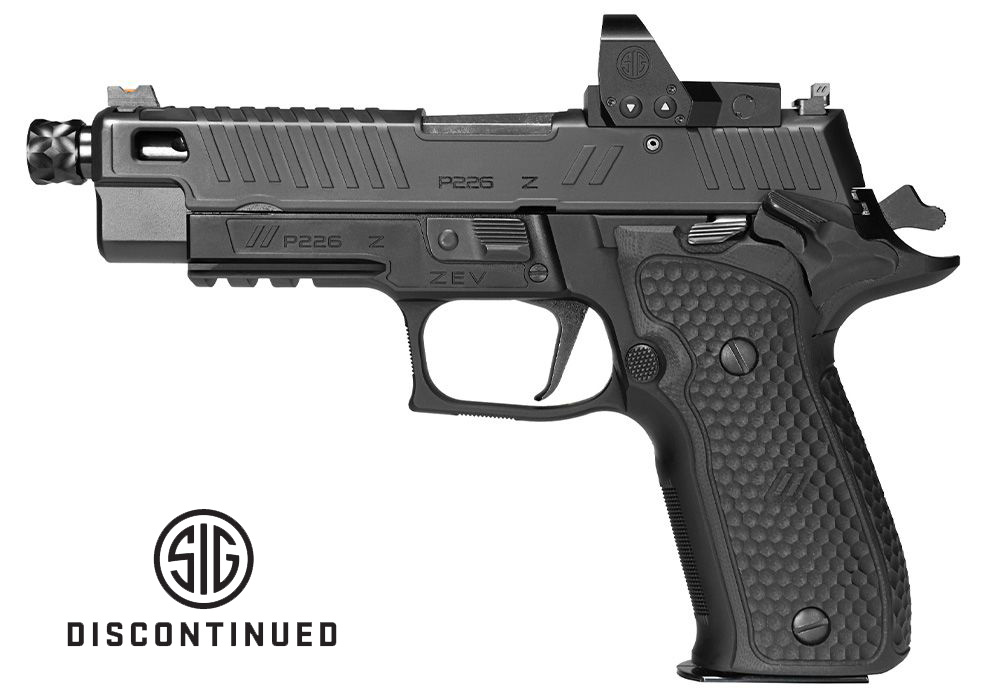
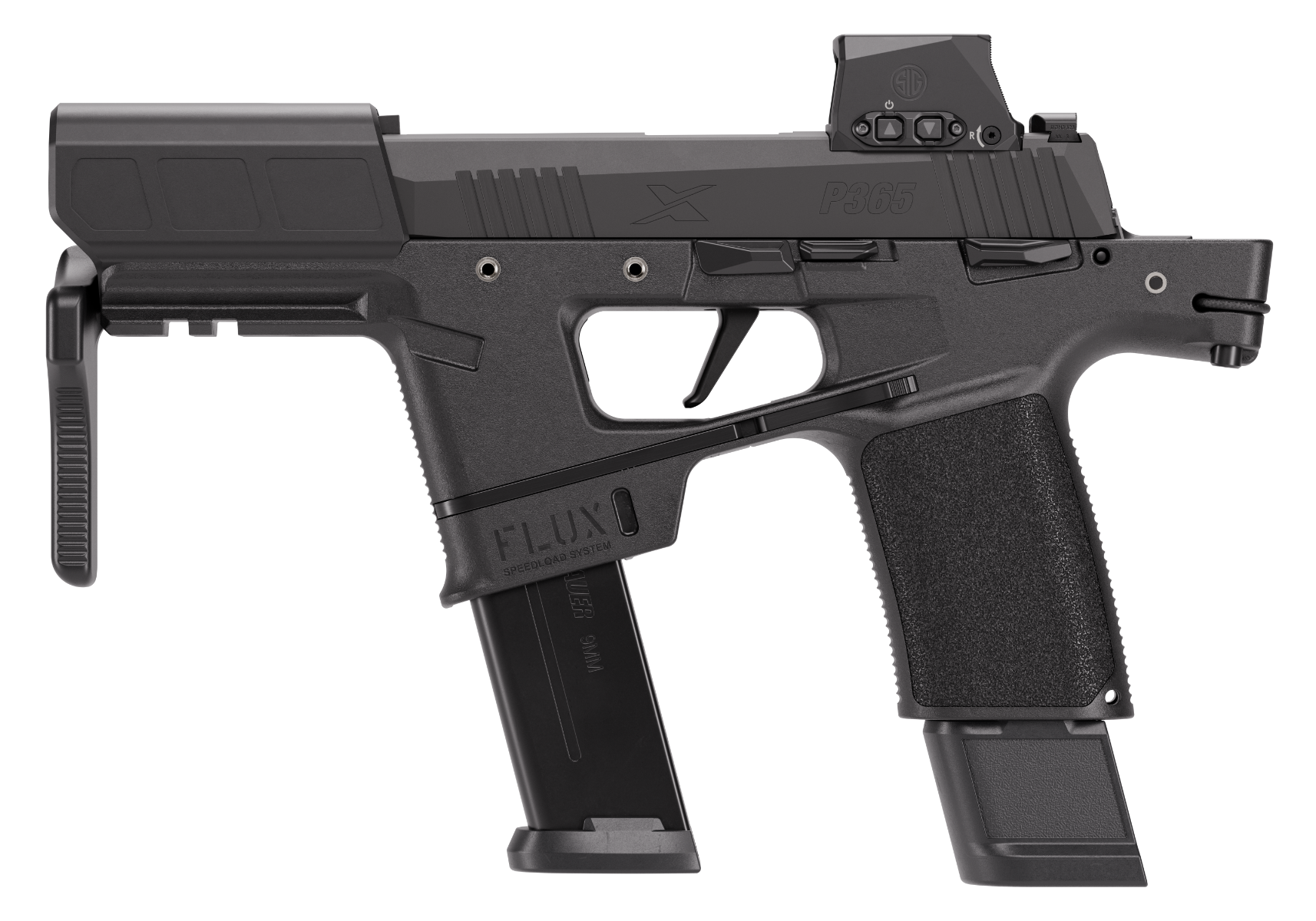
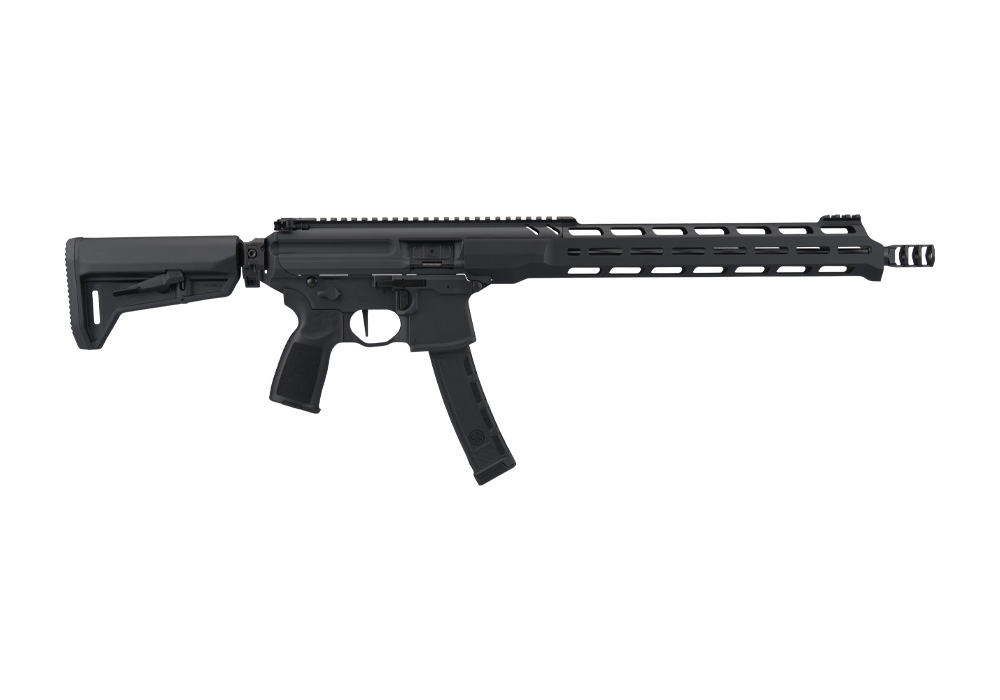
A 9mm Short Barrel Rifle, commonly called an SBR, combines the compact handling of a short firearm with the shoulder-stock stability of a rifle. For range shooting, that combination can be especially appealing when a shooter wants a platform that feels quick between target transitions, comfortable during extended practice sessions, and easy to control from supported or standing positions. The 9mm cartridge is widely available, generally produces modest recoil, and can help keep the cost of regular practice manageable compared with many rifle cartridges. Less felt movement between shots may also support smoother follow-up shots, better target tracking, and less fatigue during a long day at the range. Barrel length, overall configuration, operating system, stock design, and weight all influence the experience. A shorter barrel can keep the platform easy to maneuver on a compact firing line, while a slightly longer configuration may provide a different balance and sighting feel. Some shooters prefer familiar controls modeled after modern sporting rifles, while others favor layouts inspired by classic pistol-caliber platforms. The right choice often comes down to how naturally the controls fall to hand, how comfortably the stock fits the shoulder, and whether the sights or optic align easily with the shooter’s preferred stance. Anyone comparing options in this category should also review the ammunition guidance, magazine compatibility, sighting system, thread pattern, and included accessories before purchasing. For a broader selection of compact rifle configurations, explore Maneuverable SBR Rifles.
A 9mm SBR can suit new owners building confidence with a controllable range platform, experienced shooters refining transitions and sight alignment, or enthusiasts who enjoy compact firearms with familiar rifle ergonomics. It may also be a thoughtful gift for an experienced, properly licensed shooter, although firearms and regulated configurations should always be selected with the recipient’s preferences, training, and local requirements in mind rather than treated as a surprise purchase. Before choosing one, confirm that the intended range permits SBR use and verify every federal, state, and local rule that applies to ownership, transfer, transport, storage, and use. In the United States, an SBR is regulated under the National Firearms Act, and the required registration and approval process should be completed before possession or configuration changes. Requirements can vary by jurisdiction, and rules may apply differently to the firearm, its stock, its barrel, and any accompanying suppressor. A qualified dealer or attorney familiar with firearm regulations can help clarify questions that arise during the purchasing process. Safe handling remains central at every stage: keep the firearm pointed in a safe direction, keep the finger outside the trigger guard until ready to fire, treat every firearm as loaded, and identify the target and what lies beyond it. Secure storage is equally important when the firearm is not in use, particularly in homes shared with children or visitors. At the range, eye and ear protection, careful lane awareness, and clear communication with range staff contribute to a calm and predictable experience. Shooters should also inspect the firearm before use, follow the owner’s manual, use ammunition that matches the markings and specifications, and stop immediately if anything feels or sounds unusual.
The compact dimensions of a 9mm SBR can be useful on indoor lanes, covered firing lines, and outdoor ranges where space between benches and targets is limited. Its balance may feel natural during ready-position drills, controlled pairs, slow-fire groups, and positional practice, while the low-recoil cartridge allows many shooters to concentrate on trigger control instead of managing substantial movement. Ammunition selection can shape the range experience as well. Full metal jacket loads are commonly chosen for routine target practice, while other compatible loads may be reserved for specific training or testing purposes after confirming that they function reliably in the individual firearm. Magazine design matters during extended sessions, so compare included magazines and available replacements while keeping applicable local restrictions in mind. An optic can speed up sight acquisition for some shooters, while conventional iron sights offer a durable, uncluttered setup and help reinforce fundamental alignment skills. Threaded barrels may permit the addition of a compatible muzzle device or suppressor where lawful, but attachment should follow all applicable regulations, manufacturer instructions, and range policies. A suppressor can alter balance, length, sound levels, and point of impact, so the firearm should be tested and sighted in again after any configuration change. During cooler months, a compact 9mm SBR can be convenient for range bags and covered benches, yet temperature, moisture, and condensation still deserve attention. Wipe down exposed surfaces after use, inspect the bore and action as directed, and store the firearm unloaded in a secure location. With thoughtful selection, proper training, and responsible upkeep, a 9mm SBR can provide a practical and enjoyable way to spend time refining accuracy, handling, and confidence at the range.