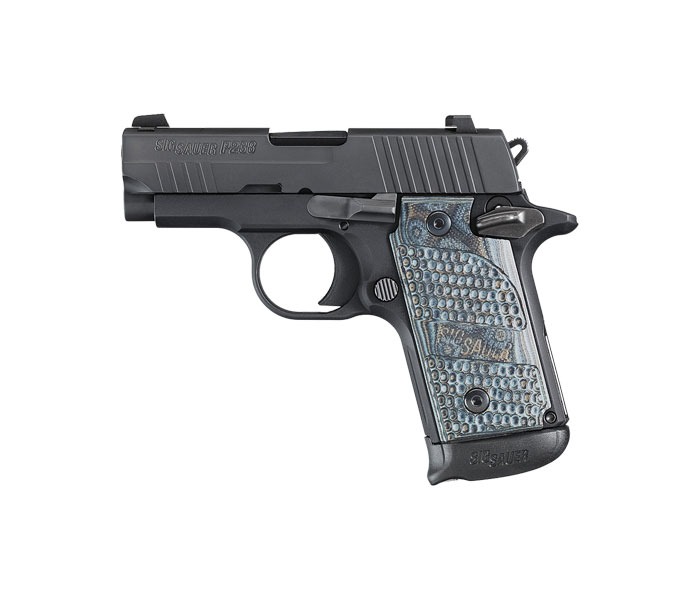
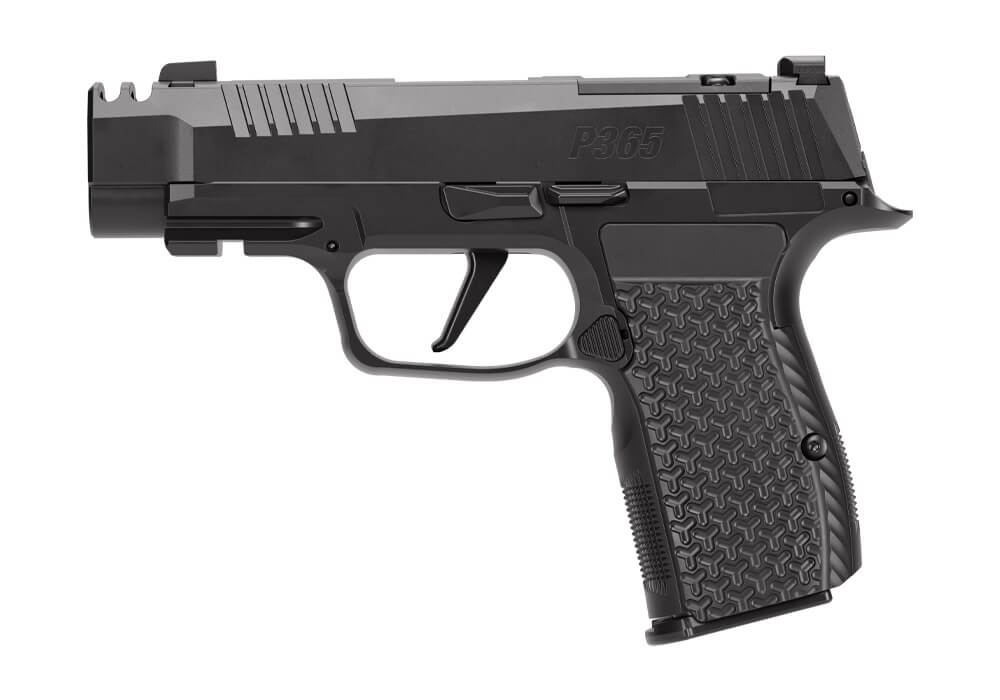
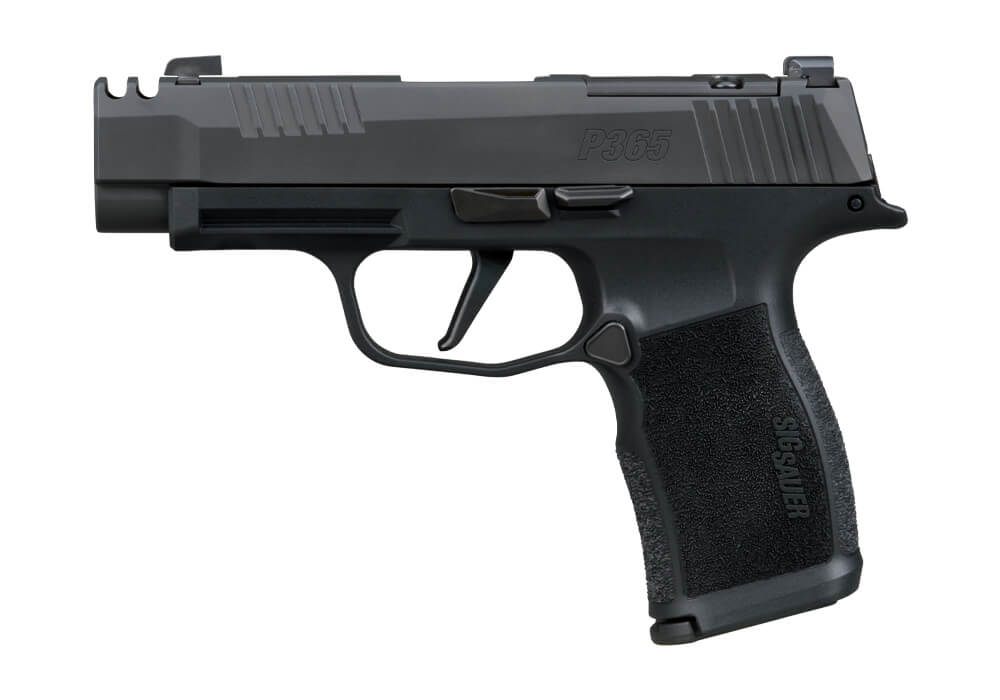
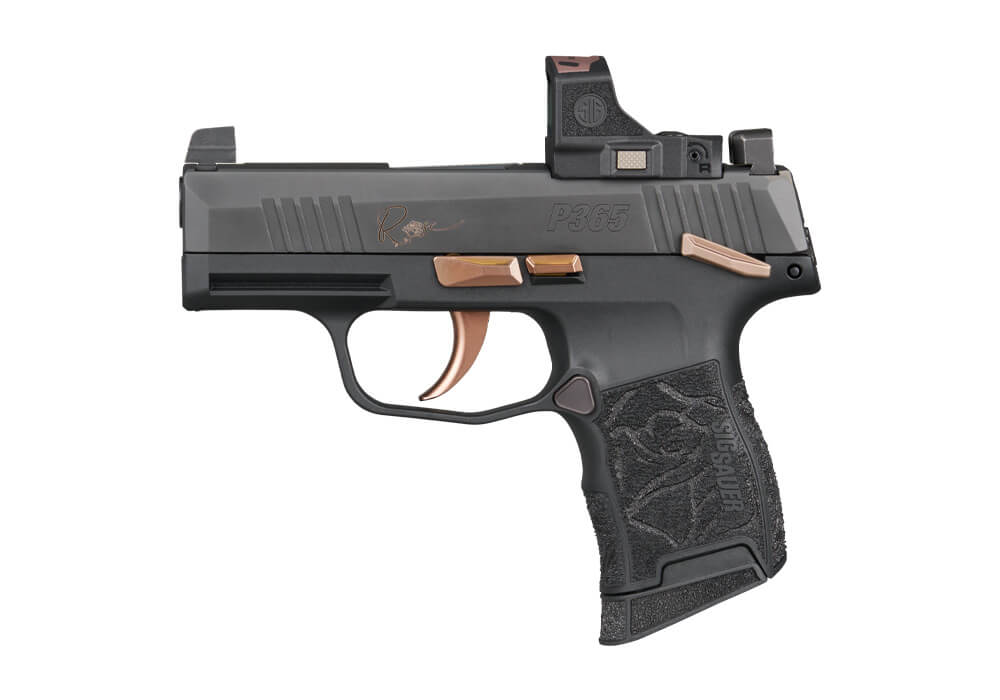
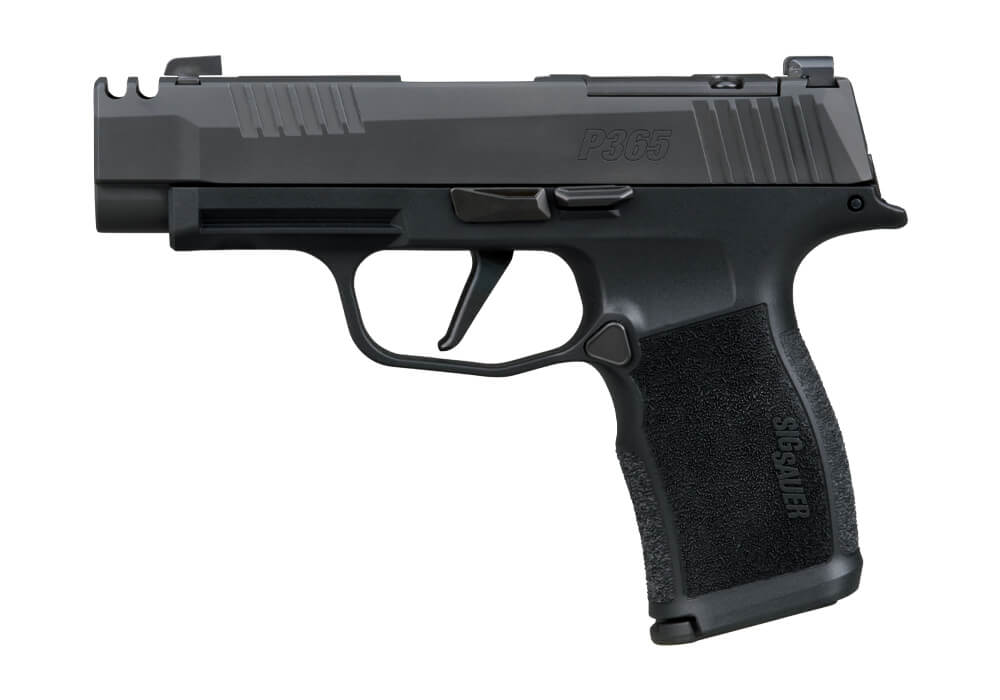
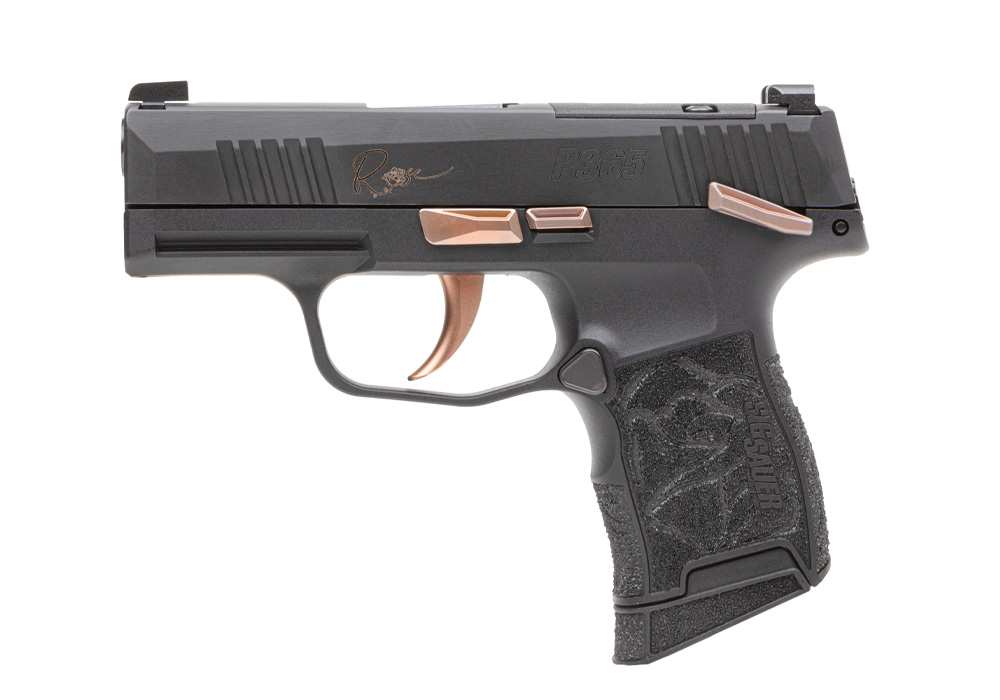
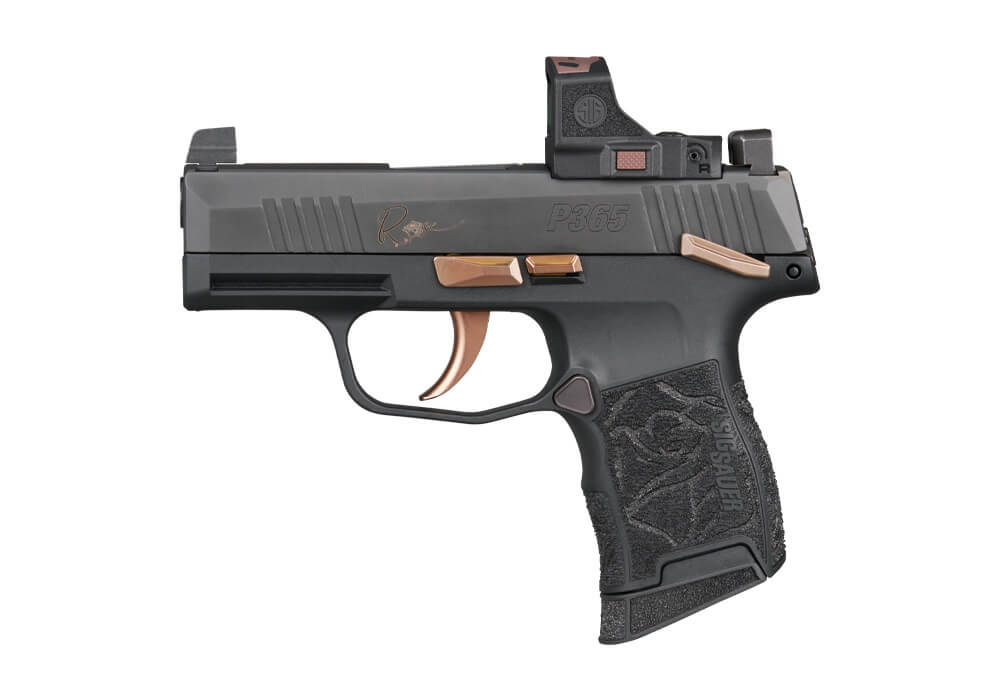
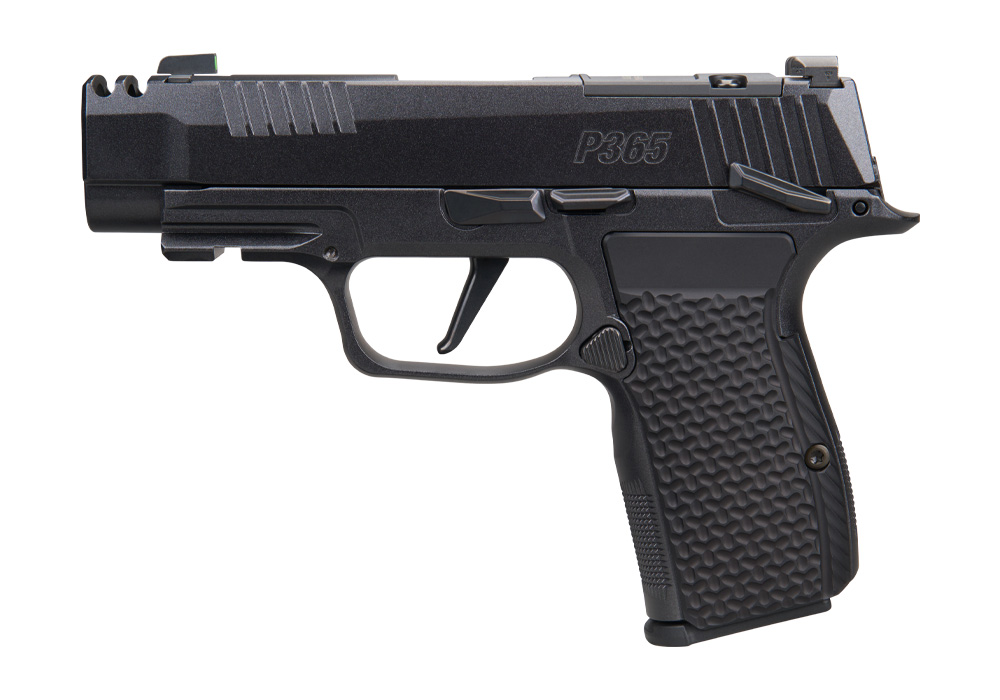
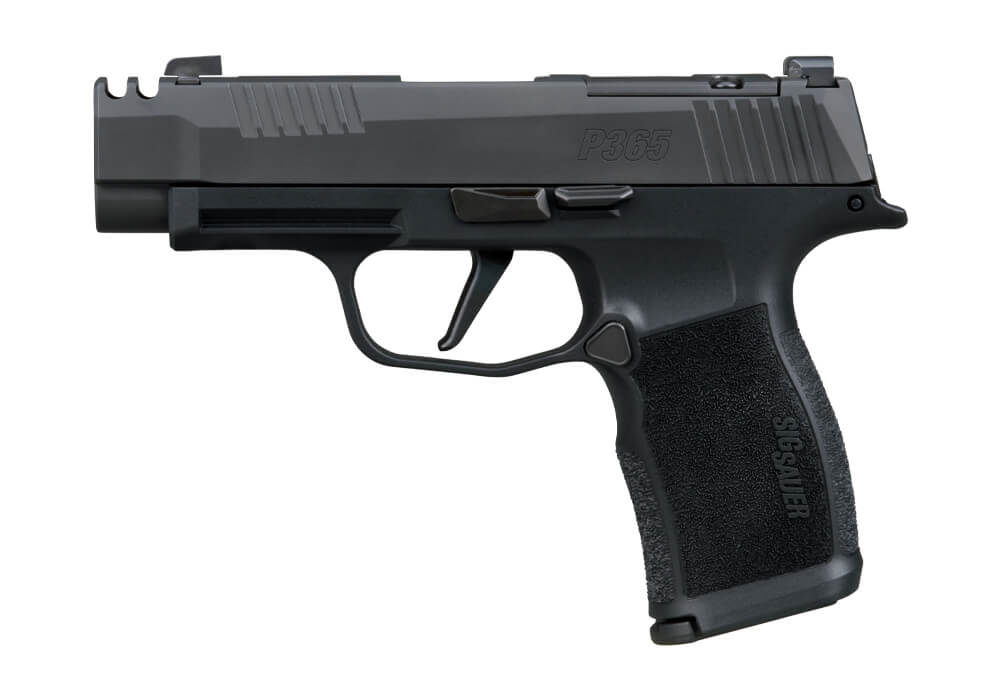
Choosing a .380 Auto pistol for everyday use starts with matching the handgun to the way it will actually be carried, practiced with, and handled. Also known as .380 ACP, this cartridge is commonly chambered in compact pistols designed for discreet carry, straightforward operation, and manageable recoil. A smaller frame can be convenient for a pocket, purse, or inside-the-waistband holster, while a slightly larger grip may provide better control during practice and a more comfortable fit on the belt. When comparing the 380 Auto Pistols available for everyday use, pay close attention to overall length, height, width, unloaded weight, grip texture, sight design, and trigger reach. Those details matter when a pistol is carried for hours through a long workday, tucked beneath a jacket during cooler weather, or worn with lighter clothing as the seasons change. Pocket-sized designs often emphasize minimal dimensions and easy concealment, while belt-oriented models may offer a fuller grip, longer sight radius, and a more comfortable shooting experience. Magazine capacity is another practical consideration: some compact pistols use a flush-fitting magazine for the smallest profile, while others accept a standard or extended capacity magazine that adds rounds along with a little more grip length. A spare magazine can be useful for training or lawful defensive carry, provided it is stored securely and carried in a purpose-built carrier rather than loose in a pocket. Every choice involves a balance between concealment, control, capacity, and convenience, so the most suitable option is the one that fits the user’s hand, clothing, routine, and level of experience.
Operating systems and controls also deserve careful attention before purchase. Many .380 Auto pistols use a striker-fired design with a consistent trigger pull and uncomplicated controls, while others incorporate a hammer-fired action or a manual safety that may appeal to users who prefer an additional mechanical control. Locked-breech pistols generally produce a softer recoil impulse than simple blowback designs, which can make extended practice more comfortable, particularly in very small frames. Recoil is subjective, however, and grip shape, spring weight, ammunition, and shooting technique all influence how a pistol feels. A model that seems mild in one shooter’s hands may feel sharper to another, so handling the unloaded firearm at a qualified retailer or range can reveal whether the controls are easy to reach and whether the slide can be manipulated without strain. An easy-to-rack slide, clearly visible sights, and a trigger that can be operated without shifting the hand may be especially important for newer shooters or anyone with reduced hand strength. A .380 Auto pistol may be selected by an experienced concealed carrier seeking a compact option, by a first-time owner looking for a manageable platform, or by someone who wants a discreet firearm for lawful defensive purposes without the bulk of a full-size handgun. It may also be considered as a gift for a qualified adult, but firearms should never be presented as a surprise purchase; the intended recipient should be involved in selecting the fit, controls, accessories, and training plan, and all transfers must follow applicable federal, state, and local laws. Before carrying, become familiar with the owner’s manual, verify the pistol is unloaded when learning its controls, and obtain hands-on instruction from a reputable firearms professional. Regular practice should include a firm two-handed grip, safe trigger-finger placement, drawing only under qualified supervision, and careful confirmation that every round is directed toward a suitable backstop.
A dependable carry setup is more than the pistol itself. Use a rigid, purpose-built holster that fully covers the trigger guard, keeps the firearm secured in the chosen position, and prevents contact with the trigger during movement. This is particularly important with striker-fired and single-action pistols, as well as any firearm carried with a round chambered in accordance with the owner’s training and local law. Avoid loose pocket carry, shared pockets containing keys or phones, improvised fabric sleeves, or bags that allow the pistol to shift among other objects. A pocket holster should remain in the pocket when the firearm is drawn, while a waistband holster should maintain its position during sitting, walking, and bending. Ammunition selection should follow the manufacturer’s guidance, and new carry ammunition should be tested at the range to confirm reliable feeding, extraction, and point of impact before it is relied upon. Set aside time for routine cleaning, inspect magazines and springs, and store the pistol and ammunition responsibly when it is not under the owner’s direct control. During the cooler months, heavier clothing can make waistband concealment easier but may introduce draw complications from coats, scarves, or layered garments; as the weather warms, lighter clothing places greater emphasis on holster position, garment fit, and disciplined movement. Safe storage at home, informed handling, and ongoing practice help ensure that a compact .380 Auto pistol remains a practical part of a responsible owner’s everyday routine rather than an accessory chosen on size alone.