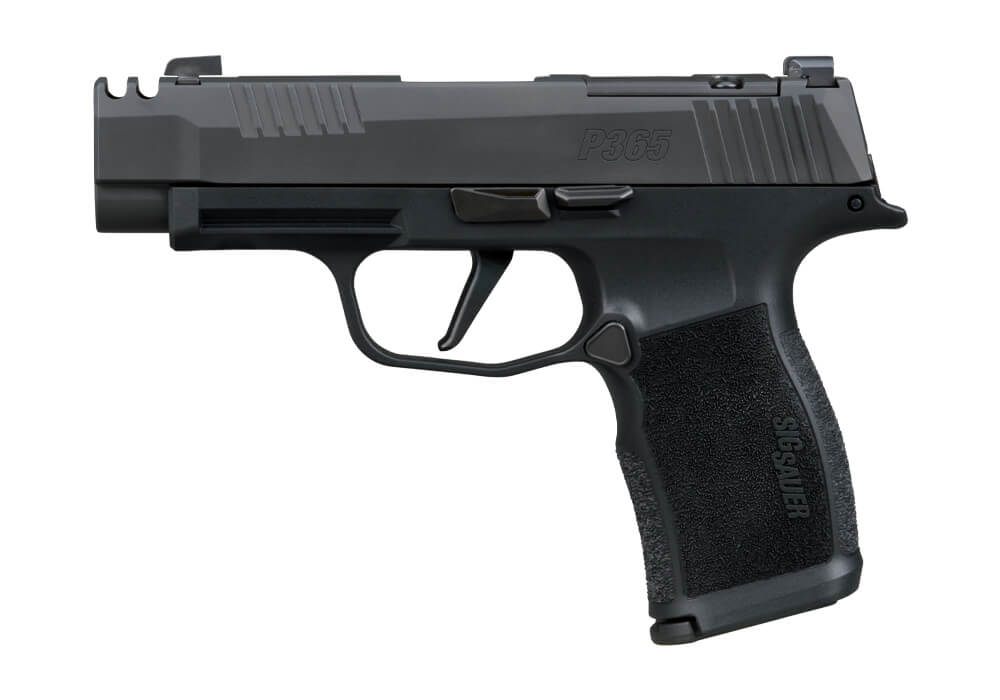
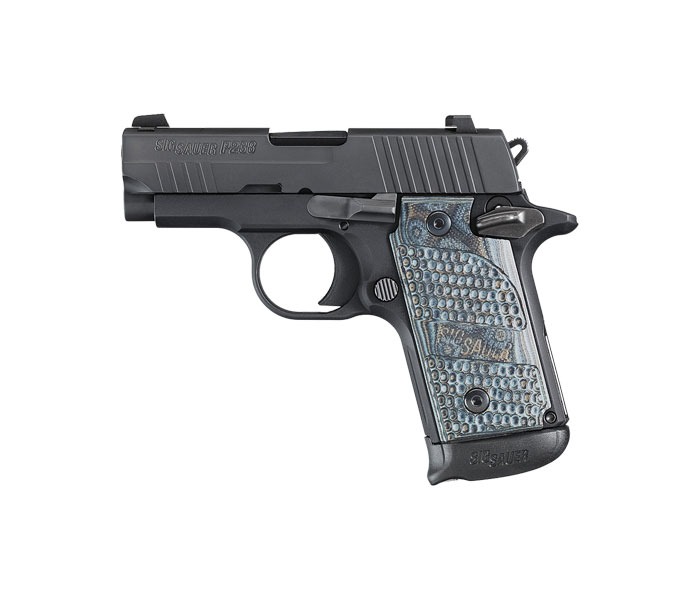
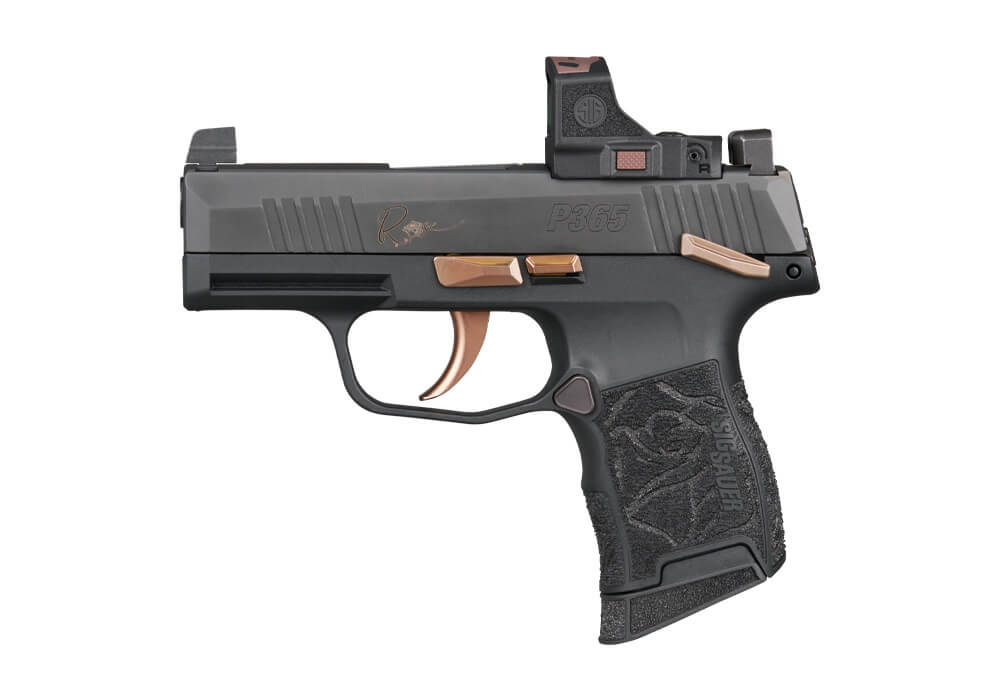
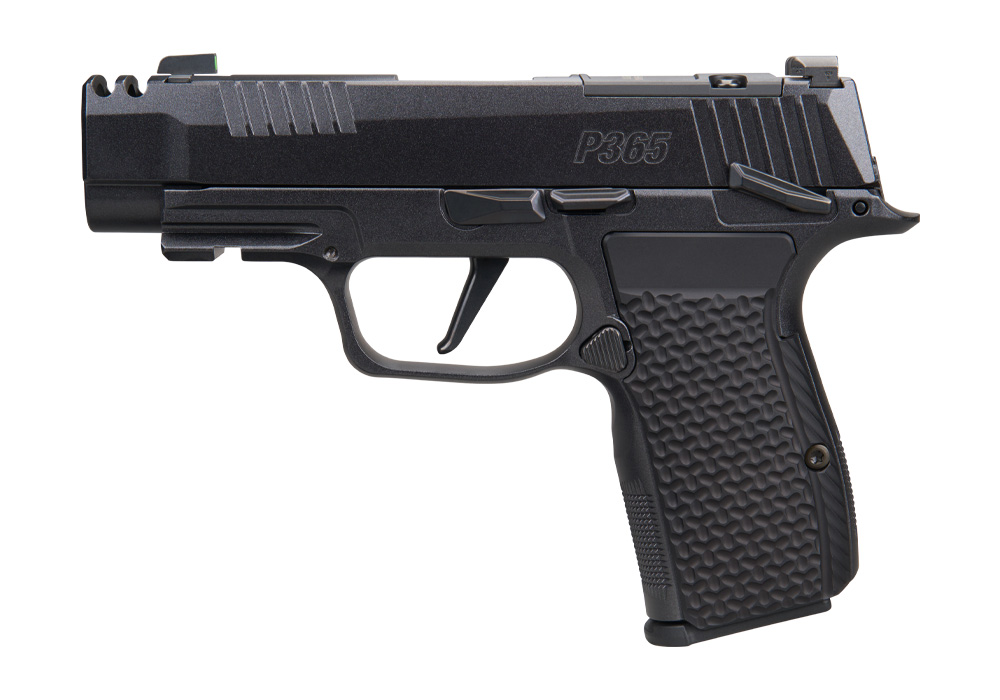
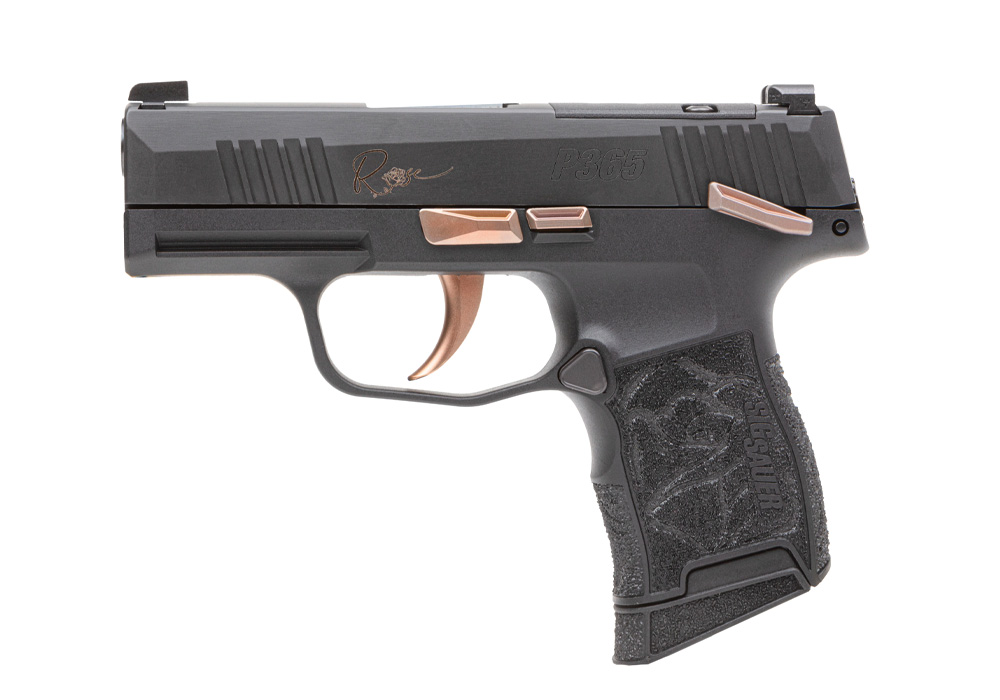
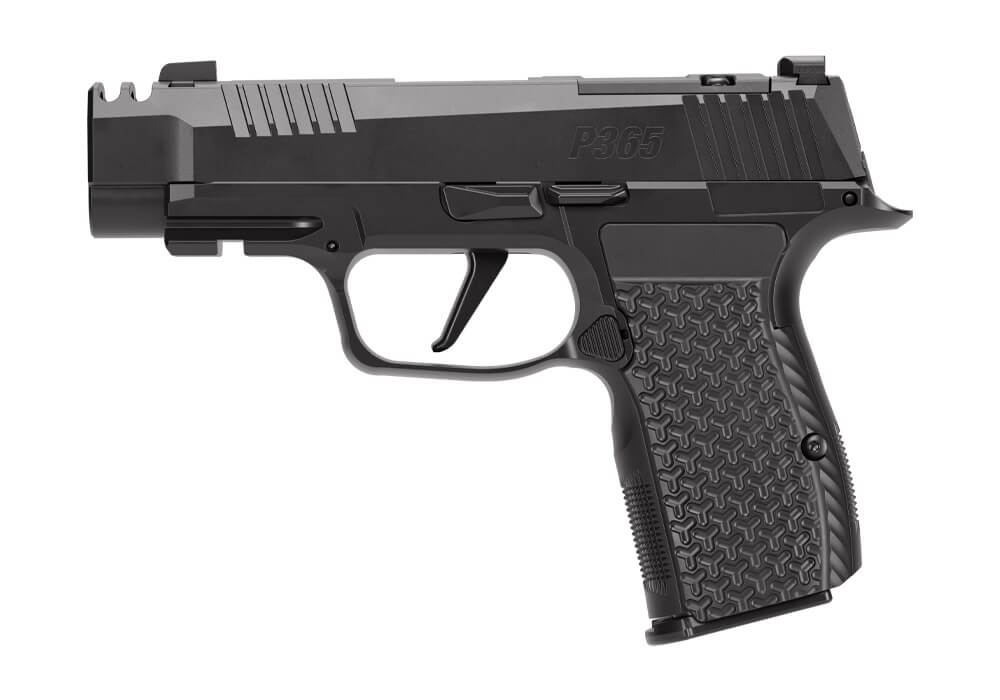
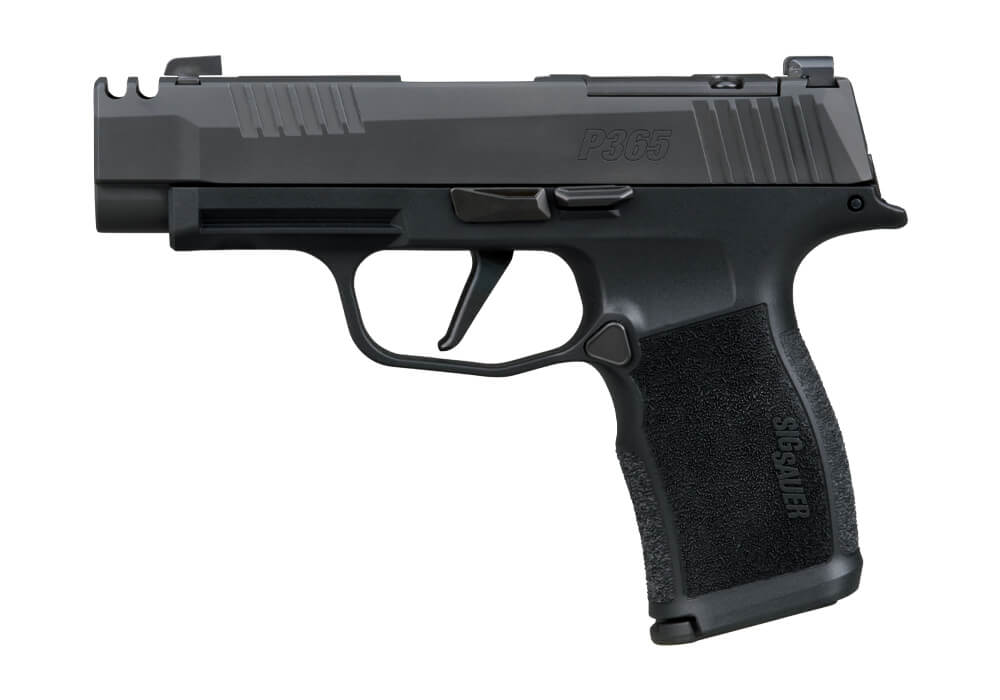
.380 Auto pistols for self defense are often chosen for the balance they offer between everyday concealment, practical handling, and defensive capability. Also known as .380 ACP, this compact pistol cartridge is commonly chambered in slim, lightweight handguns that are easy to carry in a belt holster, inside-the-waistband holster, ankle rig, or purpose-built pocket holster. That small footprint can make a meaningful difference when clothing changes with the season. A pistol that disappears beneath a light jacket, overshirt, or everyday sweater is more likely to be carried consistently than one that feels cumbersome or difficult to position. Many .380 Auto pistols use a standard capacity magazine, while others accept an extended capacity magazine that adds rounds without dramatically changing the overall profile. The right choice depends on how the pistol fits the hand, how it carries on the body, and how confidently the owner can operate it. A compact defensive pistol should not be selected by measurements alone. Pay close attention to grip texture, control placement, sight visibility, trigger reach, slide serrations, and the way the magazine releases and seats. Micro-sized pistols can be remarkably discreet, yet their abbreviated grips may leave less room for the little finger and provide less leverage during recoil. Shooters with larger hands may prefer a slightly fuller grip or an extended magazine base, while those with limited hand strength may value a design with an easier-to-rack slide and clearly defined controls. The most useful .380 Auto pistol is the one that can be safely accessed, loaded, carried, and fired with calm confidence.
When comparing .380 Auto pistols for self defense, handling and practice matter just as much as size. Although .380 Auto generally produces less recoil than many compact 9mm pistols, an ultra-light model can still feel sharp in the hand, particularly during a longer range session. Recoil is influenced by the pistol’s weight, grip geometry, spring system, ammunition, and the shooter’s grip, so published specifications tell only part of the story. A secure two-handed grip, a firm support hand, and a consistent stance can make the pistol feel substantially more manageable. Look for sights that are easy to pick up against a variety of backgrounds, including the muted colors and low light often encountered during the cooler months. A smooth, snag-resistant exterior can be helpful for concealed carry, while durable finishes and well-protected controls support regular use. Before relying on any .380 Auto pistol for personal protection, spend time learning its operation and confirming that it functions reliably with the defensive ammunition selected. Begin with standard practice ammunition to develop a steady grip, sight alignment, trigger control, and safe reloading habits, then test the chosen defensive load at the range. Confirm that the magazine feeds properly, the slide locks back when expected, and the shooter can maintain control through a realistic practice session. Ammunition selection also deserves care: modern jacketed hollow-point loads are designed to expand in suitable conditions, while full metal jacket ammunition is commonly used for economical practice. Availability and cost can vary, so maintaining an appropriate supply of both practice and defensive ammunition helps support consistent training. A quality holster that fully covers the trigger guard is essential, and carrying loose in a pocket, purse, or drawer without proper protection should be avoided.
These pistols may appeal to experienced concealed carriers, first-time handgun owners, travelers who can legally carry, and family members seeking a discreet defensive option for home or everyday use. They can also be considered as a gift for a qualified adult, but firearms should never be presented casually or transferred without regard for applicable federal, state, and local laws. The recipient should be legally eligible to possess the firearm, comfortable completing any required background check or transfer process, and prepared to receive instruction in safe handling. A thoughtful gift may include professional training, a secure lockbox, eye and ear protection, a properly fitted holster, or a range session rather than simply handing over a boxed pistol. For many owners, the first few visits to the range are less about speed and more about building familiarity: checking that the pistol fits naturally in the hand, learning the feel of the slide, practicing safe loading and unloading, and becoming comfortable with the sights at defensive distances. At home, store the firearm unloaded or in the manner recommended for the owner’s situation, secured from unauthorized access, and separate from children and anyone who is not legally permitted or properly trained to handle it. Review local requirements for concealed carry, transport, storage, and the use of force before carrying. Those looking for a broader selection suited to routine carry can also explore 380 Auto Pistols For Everyday Use. Whether carried beneath a jacket during a cool walk, secured at home, or practiced with regularly at an indoor range, a .380 Auto pistol should be treated as a serious defensive tool. Careful selection, reliable equipment, responsible storage, and ongoing training are what turn a compact firearm into a practical part of a well-considered safety plan.