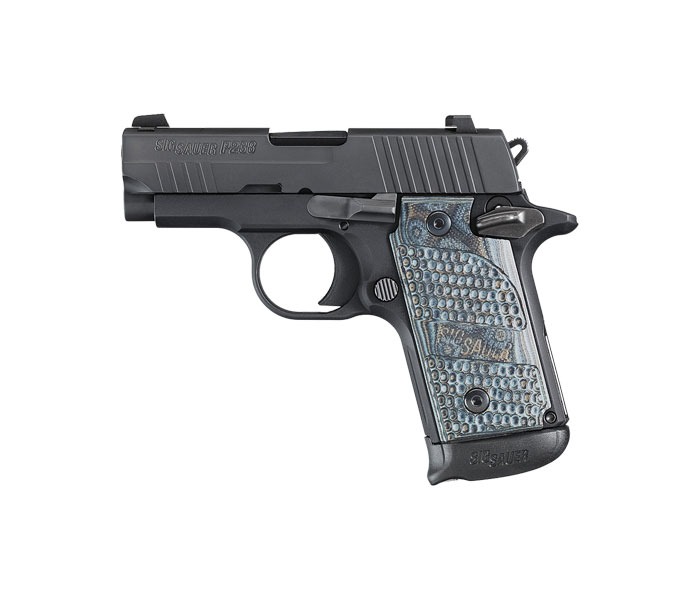
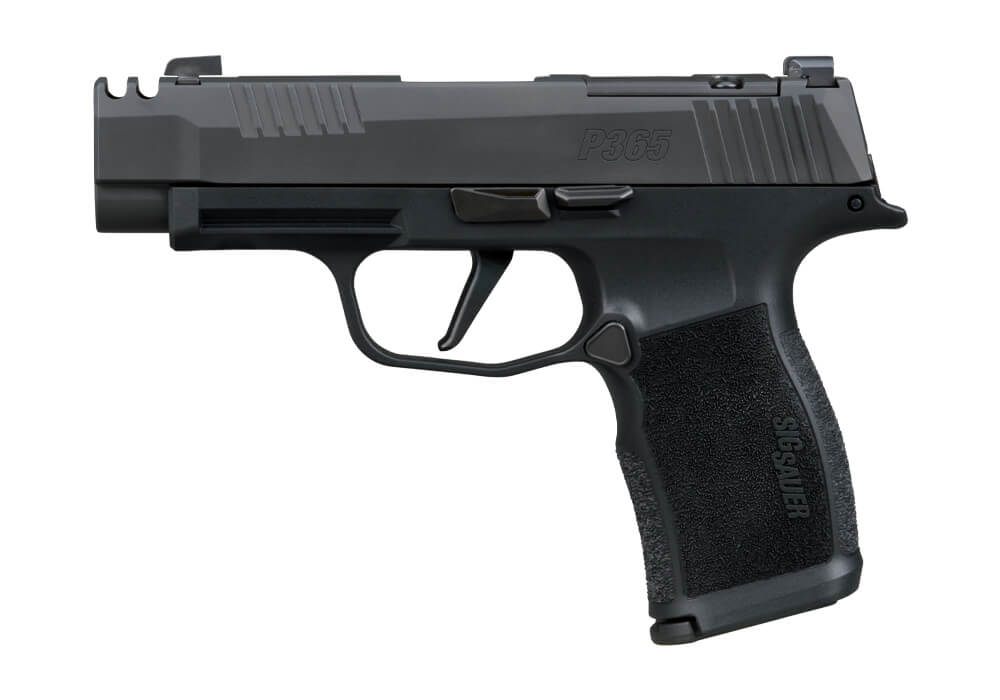
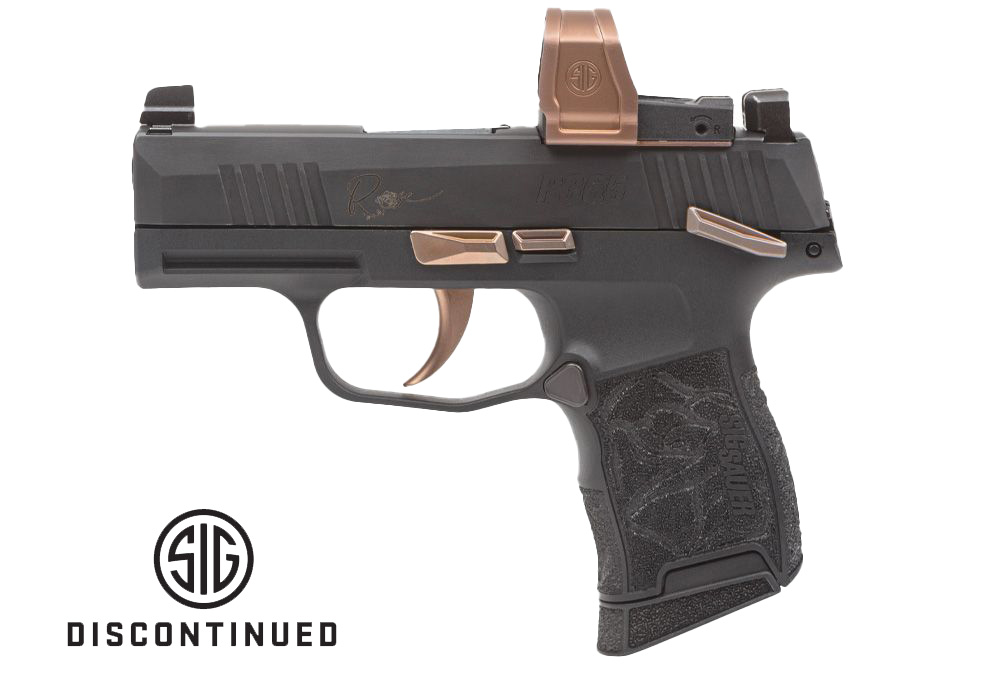
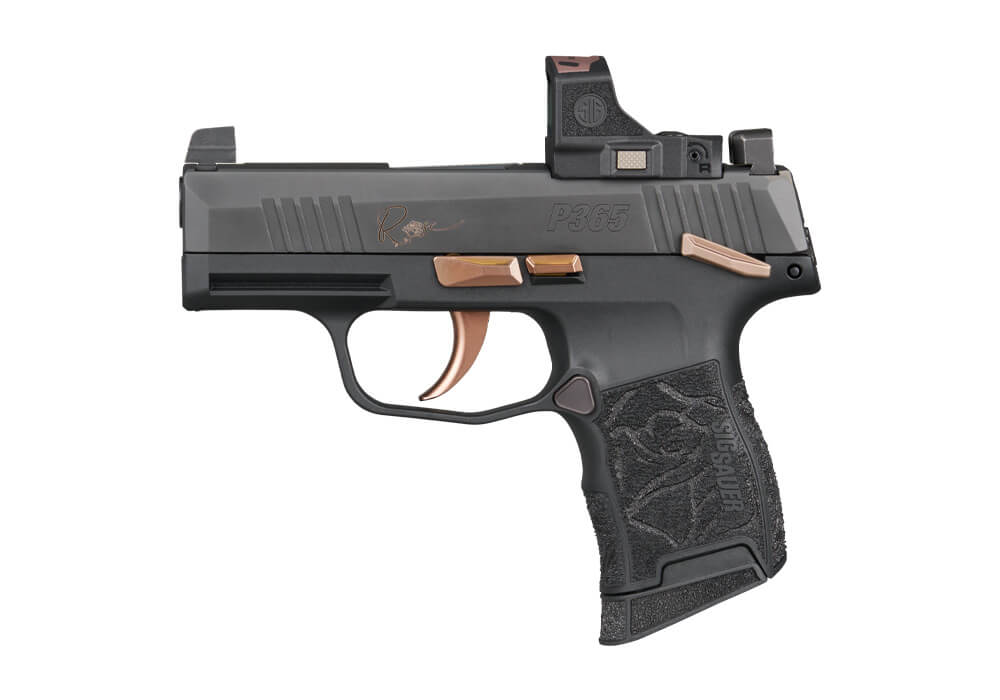
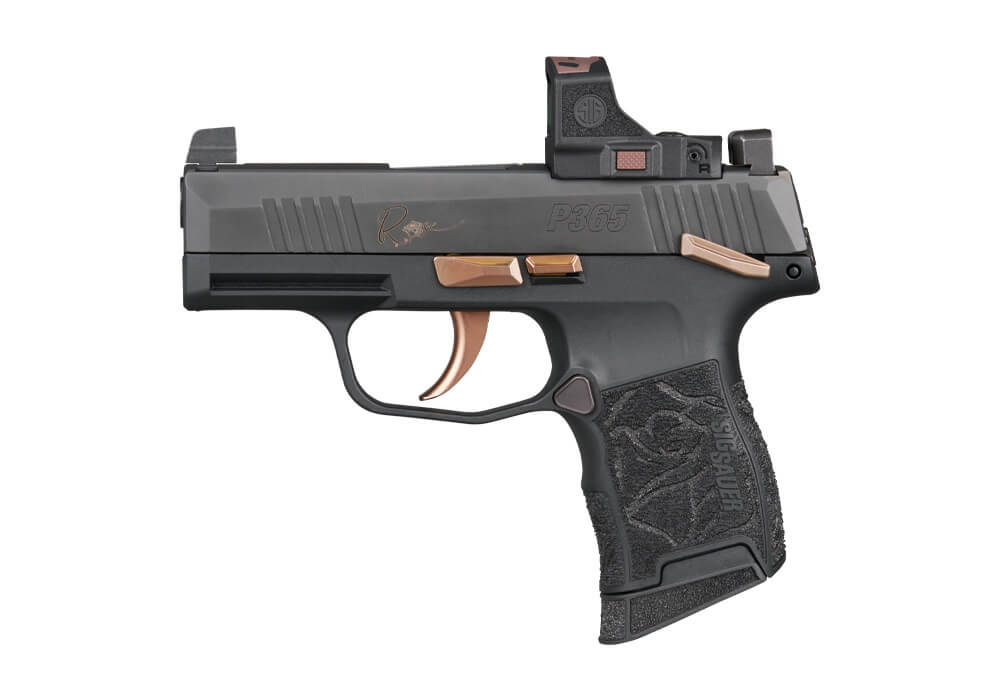
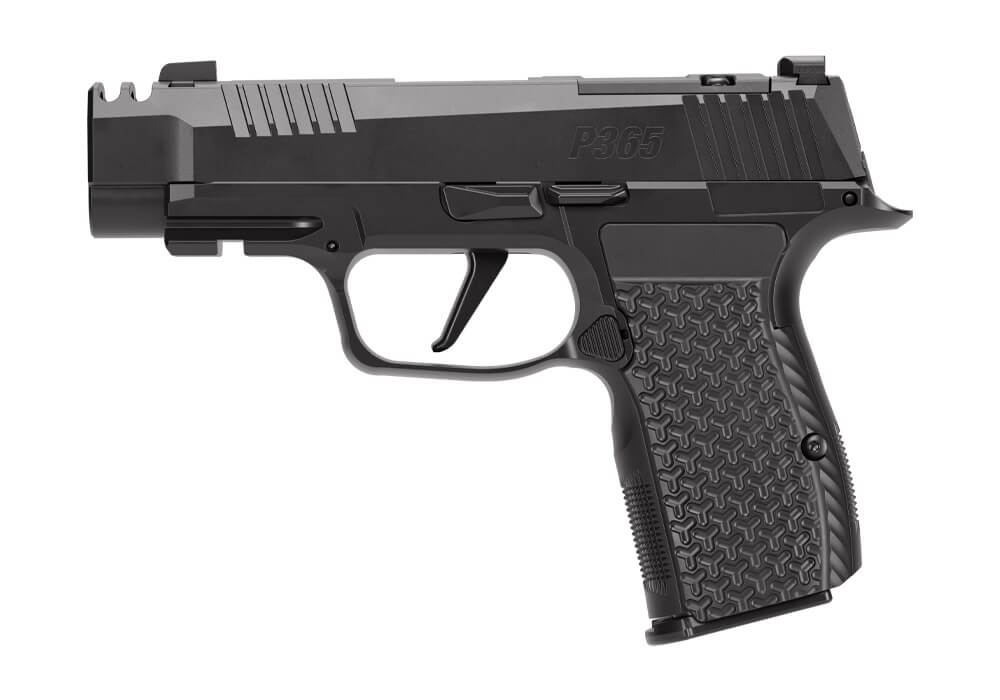
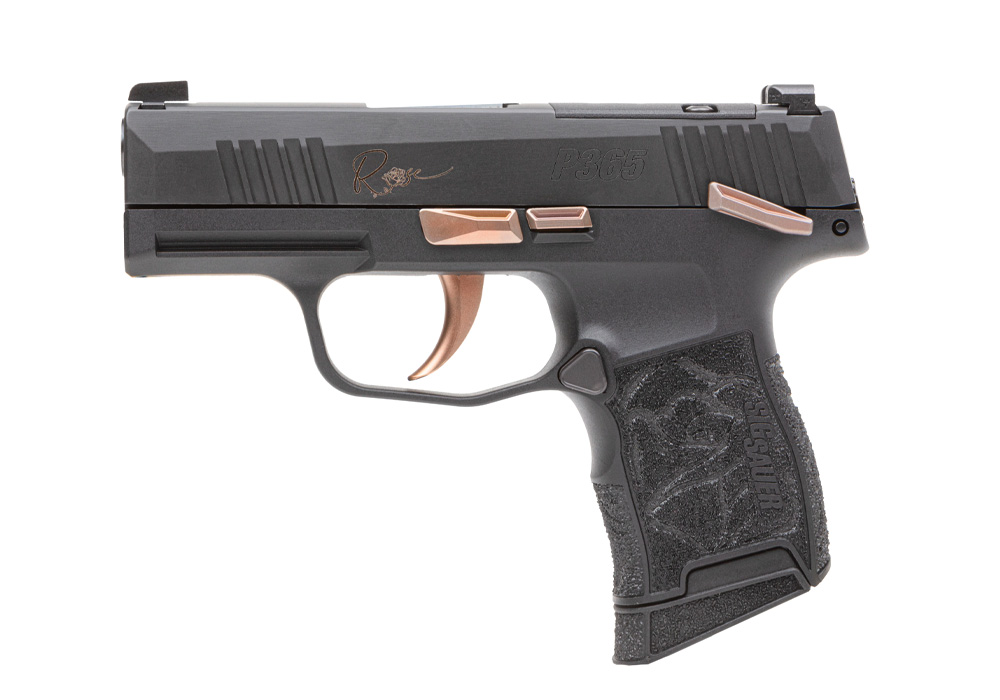
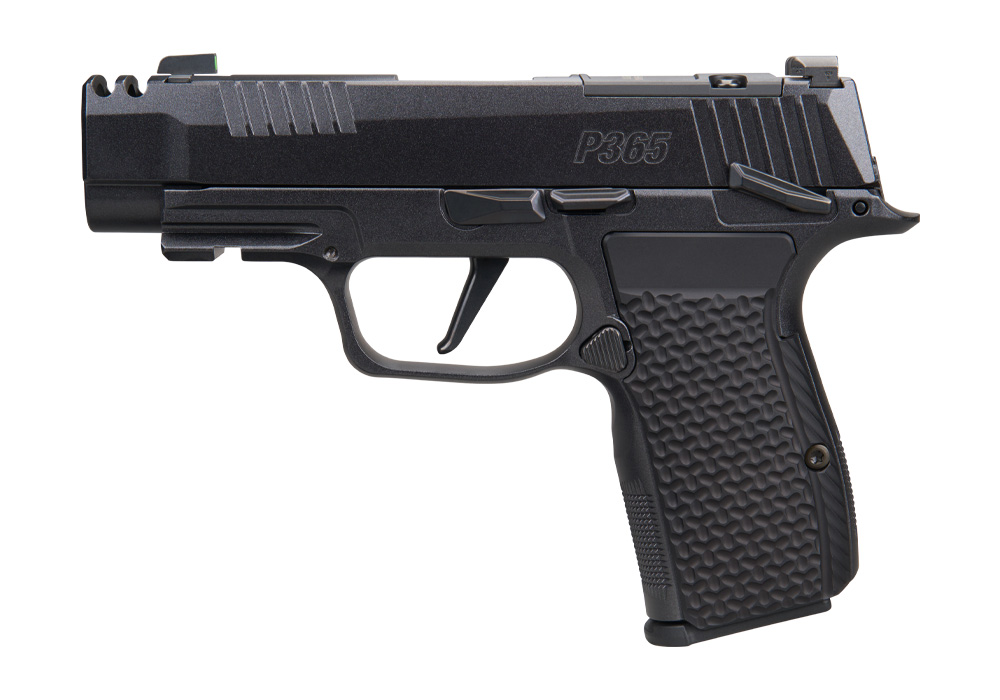
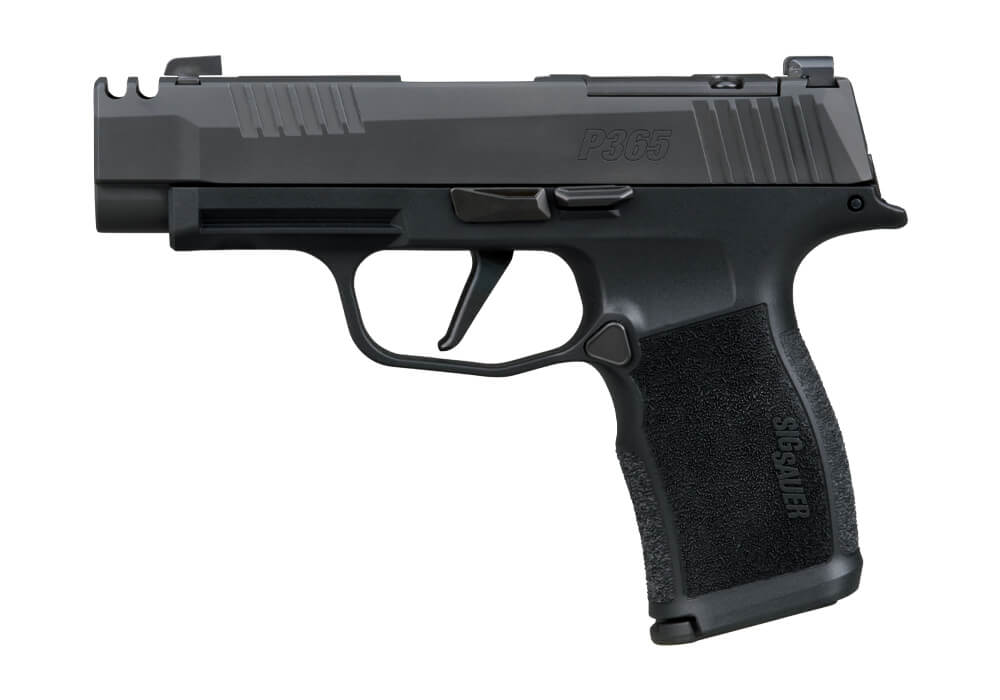
Compact .380 Auto pistols for purse carry combine a small footprint with features that matter for lawful personal protection: reliable function, manageable weight, usable sights, and a grip that feels secure in the hand. The cartridge is also known as .380 ACP, and pistols chambered for it often suit shoppers seeking a handgun that fits a dedicated carry compartment without overwhelming the bag. Small dimensions alone, however, do not establish suitability. Overall length, slide width, grip height, and the space required by a properly fitted holster all influence how comfortably a pistol fits inside a purse. The handgun’s loaded weight matters as well, especially when the bag also holds a phone, wallet, glasses, and everyday essentials. A very light pistol can be convenient to carry but feel sharper under recoil than a somewhat heavier design. Similarly, a shorter grip may fit a compact compartment neatly while offering less room for the hand. A slightly larger frame can provide a more comfortable hold, depending on the shooter’s proportions. Across compact pistol designs, polymer frames, metal frames, steel slides, and different grip surfaces offer distinct combinations of weight, feel, and durability. Polymer can help limit overall weight, while metal frames may contribute additional heft and a different balance. Neither material alone determines quality or reliability. Fit, construction, finish, and ongoing care deserve equal attention. Controls also vary: slide operation, trigger characteristics, magazine release placement, and manual safety features can feel quite different from one design to another. For adults with smaller hands, reduced hand strength, or limited familiarity with compact handguns, those differences can be more meaningful than a minor change in dimensions. Comfortable handling is something to confirm through supervised experience, not infer from chambering or appearance. The strongest match for purse carry is a pistol that fits both its owner and its dedicated carry setup, rather than simply the smallest handgun that fits inside the bag.
Purse carry places particular demands on the relationship between the handgun, holster, and bag. A dedicated firearm compartment helps separate the pistol from ordinary contents, but that compartment should also contain a secure, properly fitted holster that completely covers the trigger guard. Loose carry among keys, charging cables, cosmetics, or other belongings leaves essential protection to chance and is not an appropriate arrangement. A rigid holster shaped for the handgun provides a protective barrier around the trigger area and helps keep the pistol in a consistent position. Retention, attachment, and compatibility with the compartment are important parts of that setup; a generic pocket or soft pouch is not a substitute for a holster designed for the firearm. The combined dimensions of pistol and holster therefore deserve more attention than the handgun’s measurements by themselves. A purse that appears roomy when empty may feel crowded once daily necessities are added, and an overfilled bag can put pressure on its dedicated compartment. Structure matters here. A supported compartment, dependable closures, sturdy stitching, and hardware appropriate to the bag’s weight contribute to a more stable arrangement. Grip texture and exterior contours also affect compatibility. A pronounced grip surface may feel reassuring in the hand, yet it still needs enough clearance within the compartment to avoid rubbing against the lining or interfering with the holster. The practical setting is familiar: a purse accompanies its owner into a workplace, a shop, or a family gathering, then can easily be set on a chair or beside a desk. Unlike a handgun carried on the body, a firearm in a bag can become separated from its owner. Purse carry therefore requires continuous control of the bag and careful attention to who could reach it. Children, visitors, and other unauthorized people must never have access. When the bag is not under its owner’s direct control, secure firearm storage is essential. Convenience does not replace that responsibility, and a carry purse should not be treated as a storage safe.
Durability and care help distinguish a useful everyday carry setup from one that merely looks compact. Handbags collect lint, dust, and small debris, so the condition of both the firearm and its dedicated compartment deserves regular attention. Exterior finishes can resist wear and corrosion, but no finish eliminates the need for appropriate cleaning, inspection, and lubrication according to the firearm manufacturer’s instructions. Cleaning products should be compatible with the handgun’s materials and coatings, and excess lubricant can attract debris. Maintenance belongs in a suitable area with the firearm safely unloaded; unfamiliar procedures or signs of damage call for help from a qualified professional. Holsters need attention too, particularly around retention features, mounting points, and the portion that protects the trigger guard. Purse linings, closures, straps, and stitching should remain sound enough to support the intended arrangement. A worn attachment or damaged compartment can undermine an otherwise suitable combination. Shoppers considering 380 Auto pistols for self defense often weigh these same fundamentals alongside comfort, controllability, and familiarity with the handgun’s operation. Magazine dimensions and round count influence grip length and overall bulk, while sight visibility can affect how confidently an owner uses the pistol during supervised practice. Ammunition must match the firearm’s chambering and manufacturer specifications, and dependable function should be confirmed through appropriate range use rather than assumed from cartridge size. The smaller profile of a compact pistol does not remove the value of professional instruction, safe handling habits, or continued practice. Experienced owners may appreciate a compact option that complements an established routine, while newer owners may need additional time to evaluate fit and learn the responsibilities involved. Applicable laws, permit requirements, and restrictions on carrying firearms vary by jurisdiction and destination. Thoughtful selection brings those responsibilities together with the physical details: a manageable handgun, a protective holster, a suitable purse, and secure storage whenever the firearm is not being carried. That combination supports an informed purchase rooted in everyday practicality rather than size alone.