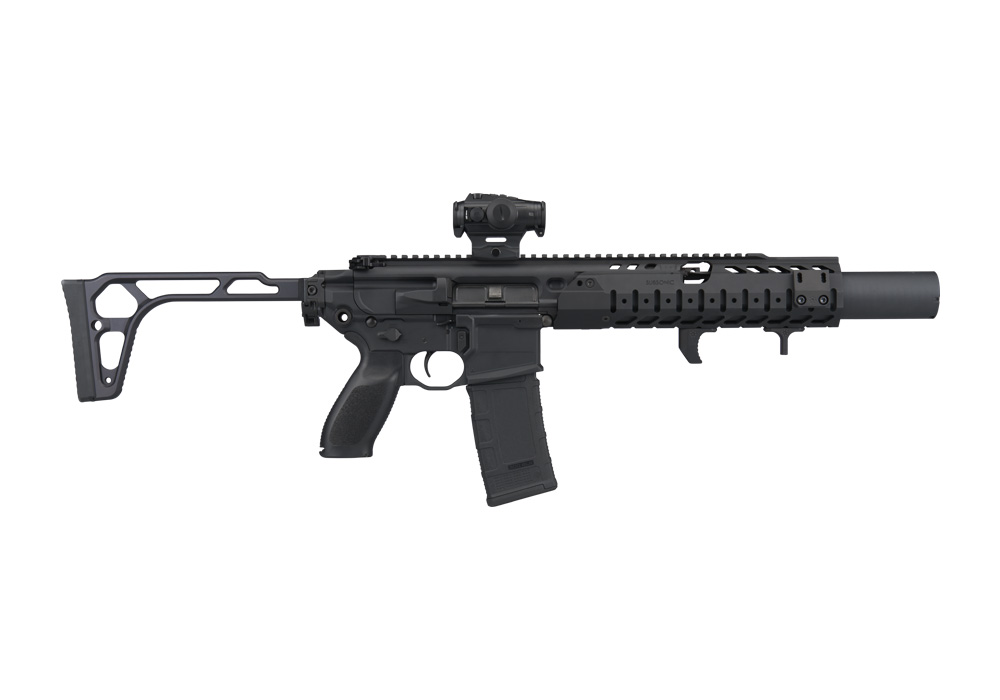
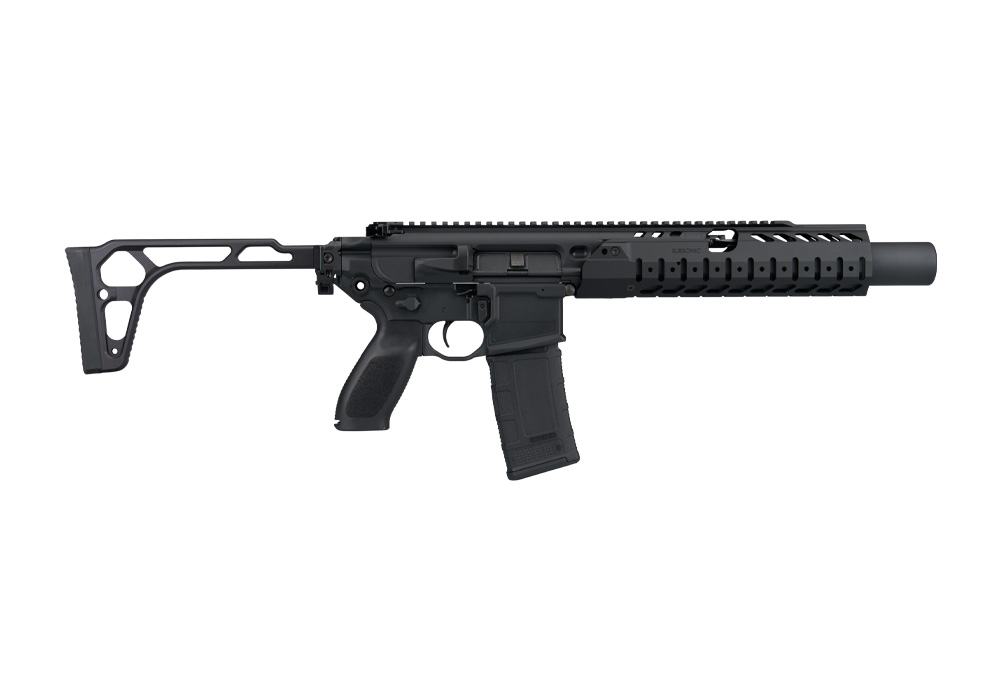
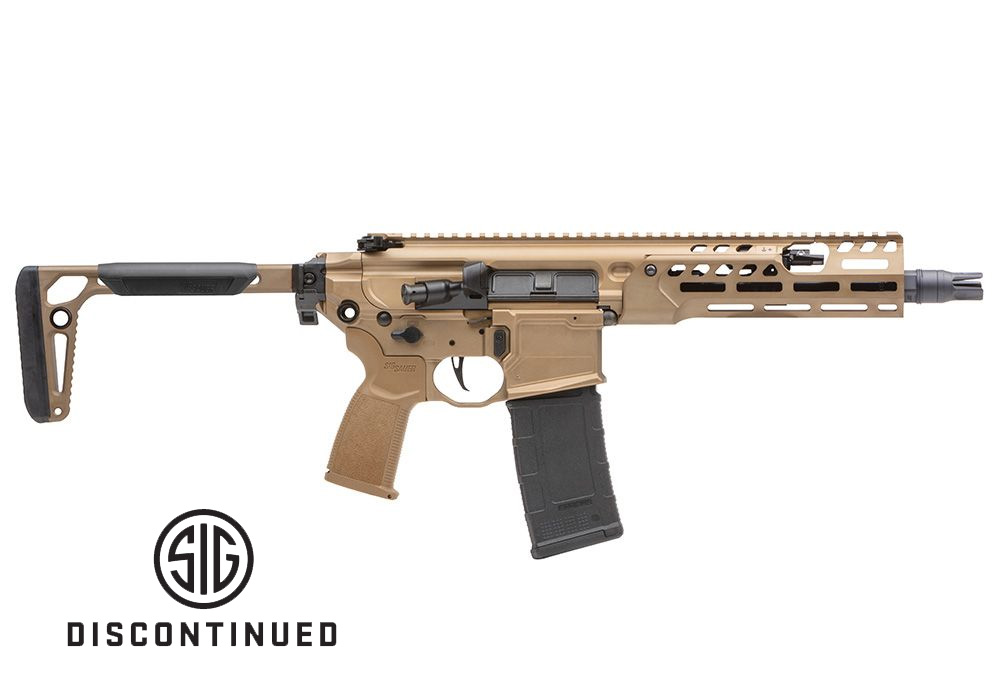
High performance .300 Blackout rifles are valued for combining compact handling, flexible ammunition options, and dependable performance across a wide range of shooting applications. Developed around the familiar AR-style platform, .300 AAC Blackout uses the same basic magazine dimensions and often shares many accessory and control conventions with compatible .223 Remington/5.56 NATO rifles, while requiring a dedicated .300 Blackout barrel. That combination makes the cartridge appealing to experienced rifle owners who want to add a versatile platform without learning an entirely different manual of arms. Short-barreled configurations are especially popular because the cartridge is designed to perform efficiently from compact barrels, with many platforms using barrels in the approximately 8.5- to 10.5-inch range. A full-length 16-inch rifle can offer a longer sight radius, a familiar rifle configuration, and additional velocity from supersonic loads, while compact rifles and legally configured short-barreled rifles can be easier to maneuver in confined spaces, transport to the range, or carry in the field. When comparing options, examine the barrel length, twist rate, operating system, stock or brace configuration, overall weight, handguard design, optic mounting surface, and compatibility with the accessories you already own. A well-designed gas system is important because .300 Blackout rifles may be used with both lighter supersonic ammunition and heavier subsonic loads, and the rifle should be selected for reliable cycling with the ammunition and configuration intended for use. Always confirm chamber markings, ammunition compatibility, and the manufacturer’s specifications before purchasing or firing, and follow all applicable federal, state, and local requirements.
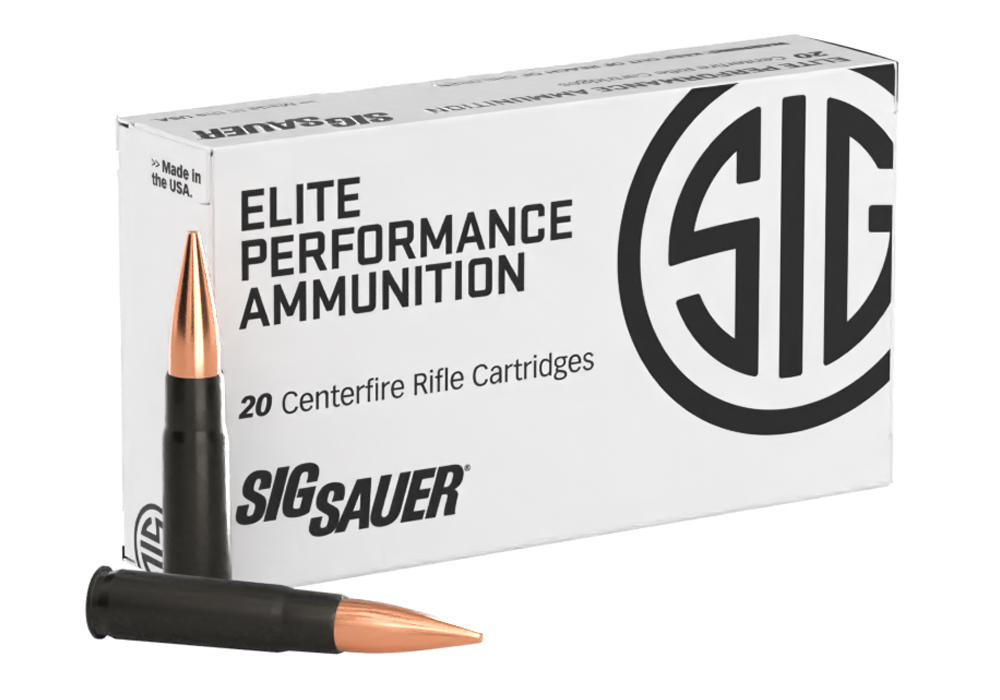
One of the defining strengths of the .300 Blackout cartridge is its dual-purpose ammunition selection. Supersonic loads commonly use lighter projectiles in the approximate 110- to 125-grain range and are chosen when a flatter trajectory, increased velocity, and greater reach are priorities. They are well suited to general range practice, training, property use where lawful, and hunting applications appropriate for the cartridge and local regulations. Subsonic loads generally use much heavier projectiles, often in the 200- to 220-grain range, and are intended to remain below the speed of sound. When paired with a compatible suppressor, subsonic ammunition can significantly reduce the rifle’s report and muzzle blast, although it does not make a firearm silent and still requires proper hearing protection and safe shooting practices. A suppressor also changes the rifle’s balance, backpressure, sound signature, and point of impact, so buyers should look for a platform and gas system suited to suppressed use rather than assuming every rifle will perform identically. Optics deserve equal attention. A compact red dot can provide a fast, uncluttered aiming solution for close-range use, while a low-power variable optic may be better for shooters who want magnification and more precise shot placement at distance. Adjustable stocks, ambidextrous controls, free-floating handguards, dependable sights, and a comfortable grip can all make a noticeable difference during long range sessions or field carry. Magazine selection matters as well; use magazines specifically rated for .300 Blackout and select standard or extended capacity according to local law, the rifle’s design, and the intended application. For additional platform context and configuration options, browse Modern Sporting 300 Blackout Rifles.
These rifles can suit a variety of responsible owners, from recreational shooters building a compact range setup to hunters seeking a handy platform for suitable game and distances. They may also appeal to someone assembling a practical sporting rifle for property management, competition training, or suppressed recreational shooting where permitted. A .300 Blackout rifle can be a thoughtful gift for an experienced adult shooter when the recipient’s preferences, local laws, storage arrangements, and licensing requirements are known in advance; firearms should never be given casually or transferred without following the required legal process. For a first-time buyer, the best choice is often the configuration that feels natural in the hands and has readily available ammunition, clear controls, and a support network for training and maintenance rather than the most aggressively compact or specialized setup. During the cooler months, compact rifles are convenient for range trips when layered clothing and gloves can make bulky equipment feel cumbersome, while a well-balanced 16-inch configuration remains comfortable for extended practice and field use. Regardless of season or application, plan for secure storage, a quality sling, appropriate eye and ear protection, regular cleaning, and instruction from a qualified professional. Confirm that the rifle is unloaded before transport or maintenance, keep the muzzle pointed in a safe direction, identify the target and what lies beyond it, and use ammunition that matches the marked chamber. With the right configuration and disciplined handling, a high performance .300 Blackout rifle can provide a versatile, adaptable foundation for practice, hunting, and lawful sporting use.