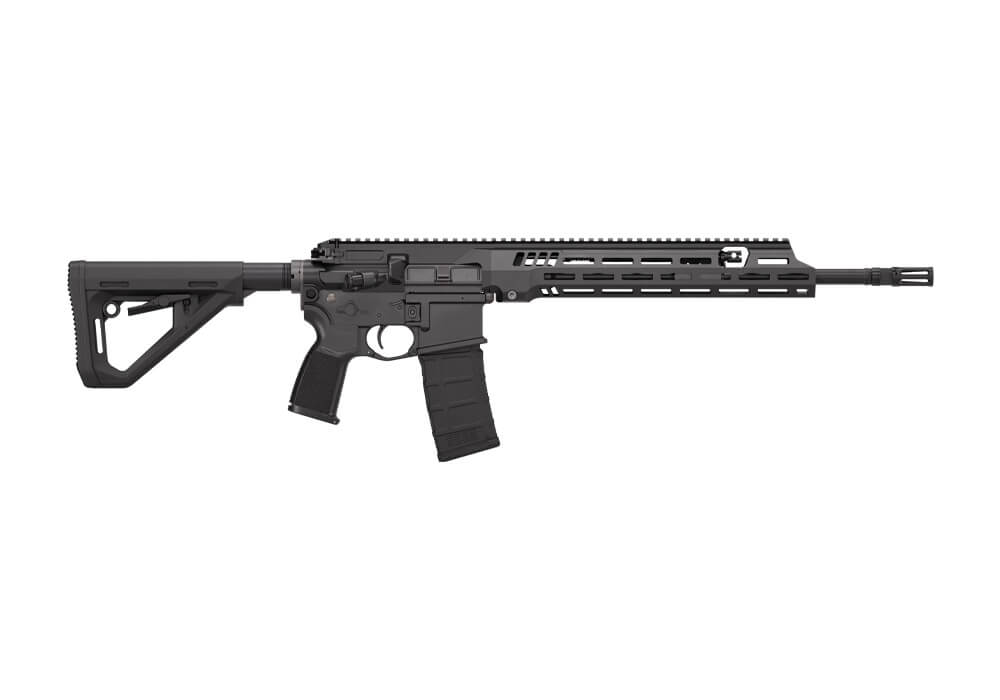
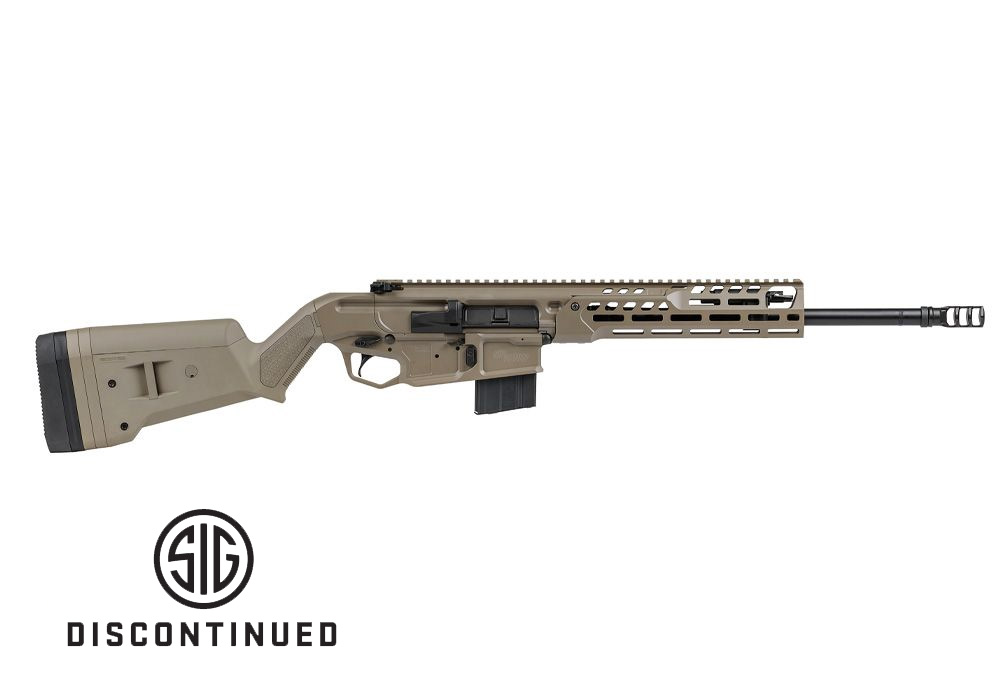
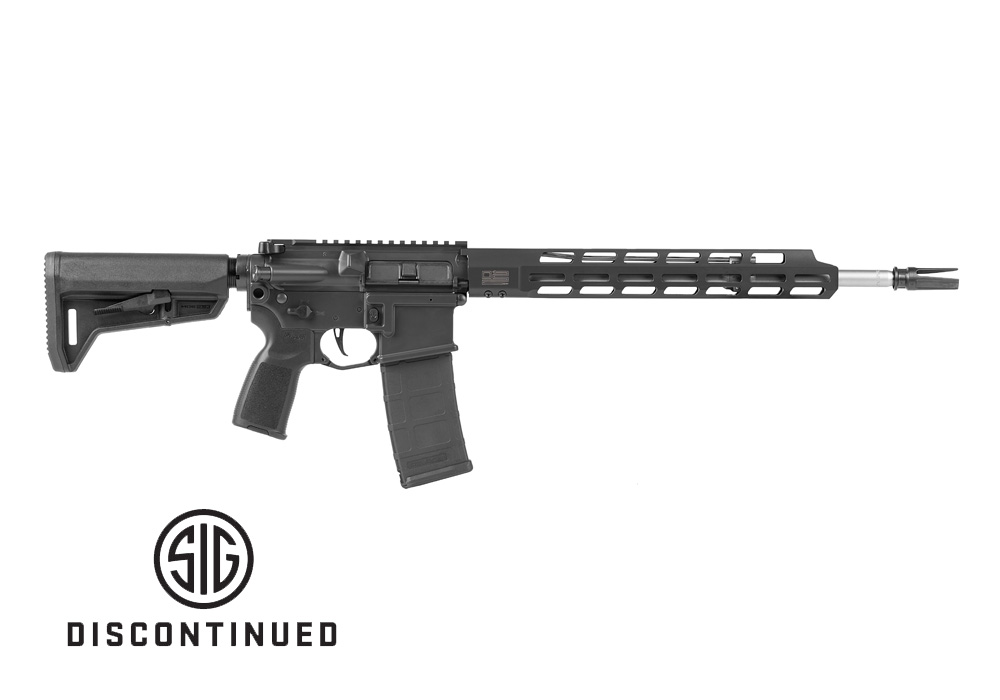
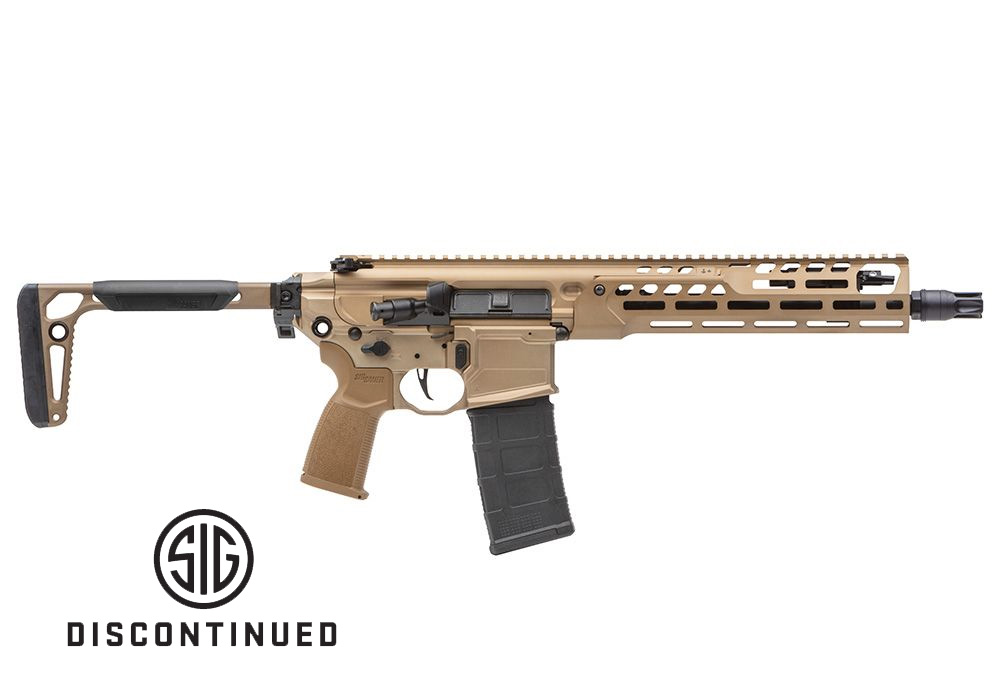
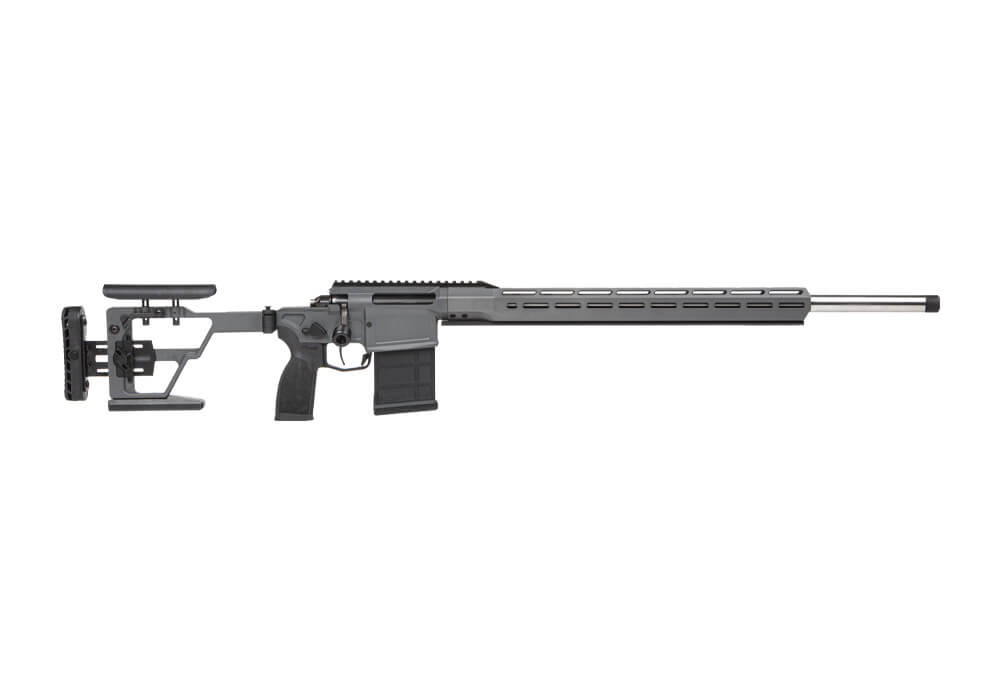
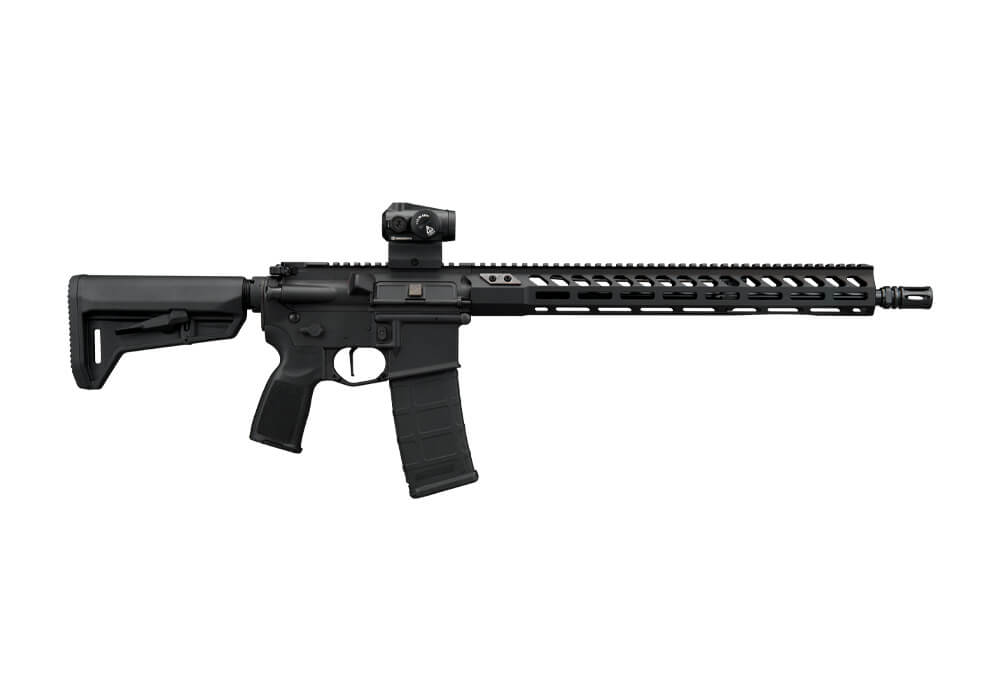
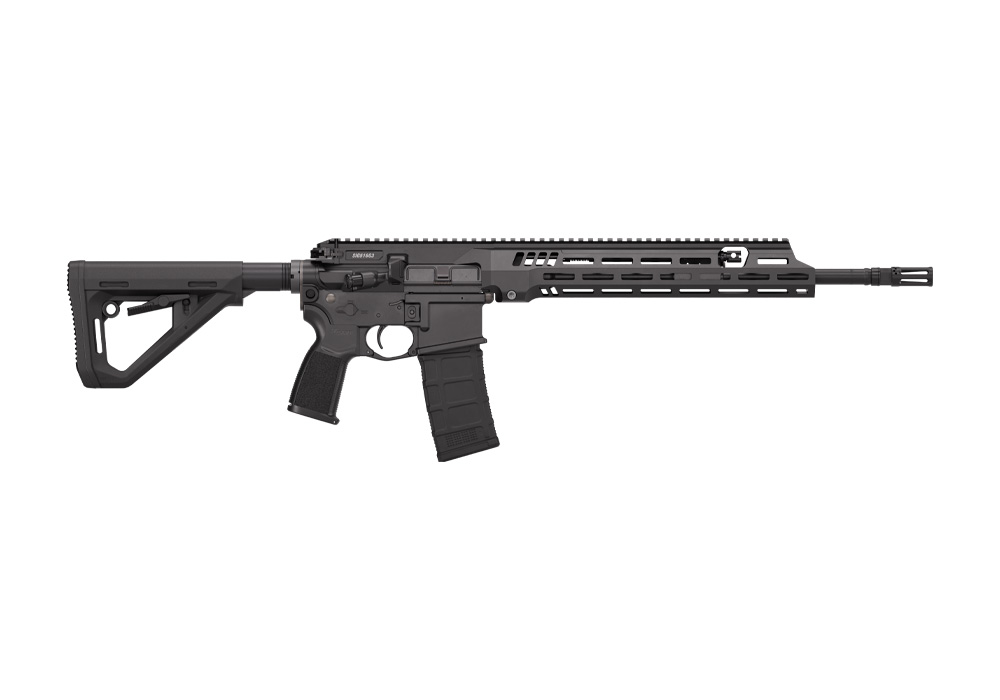
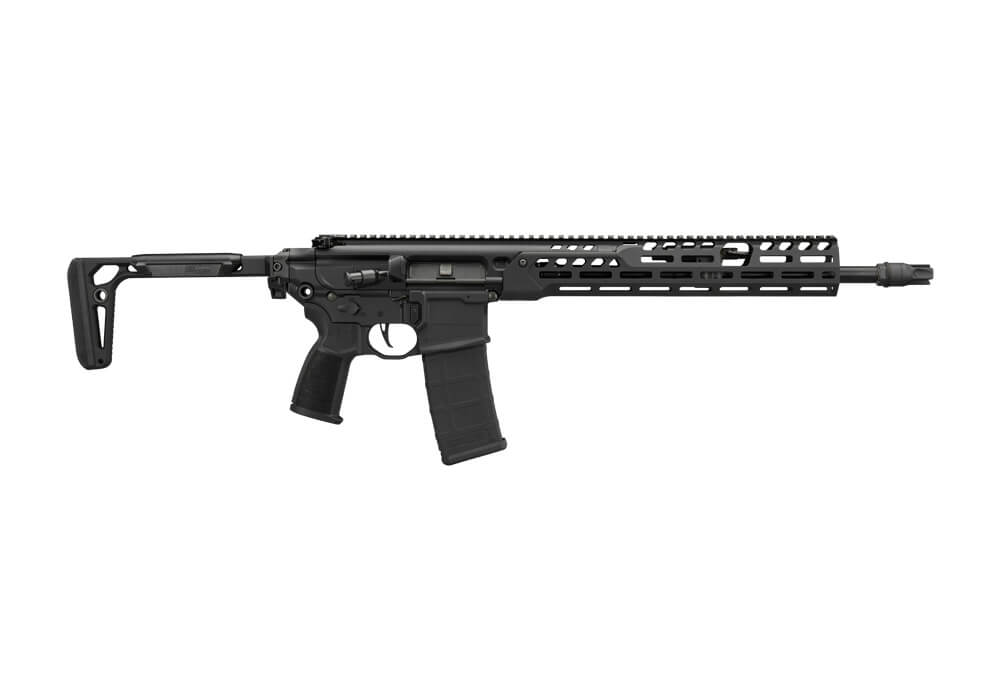
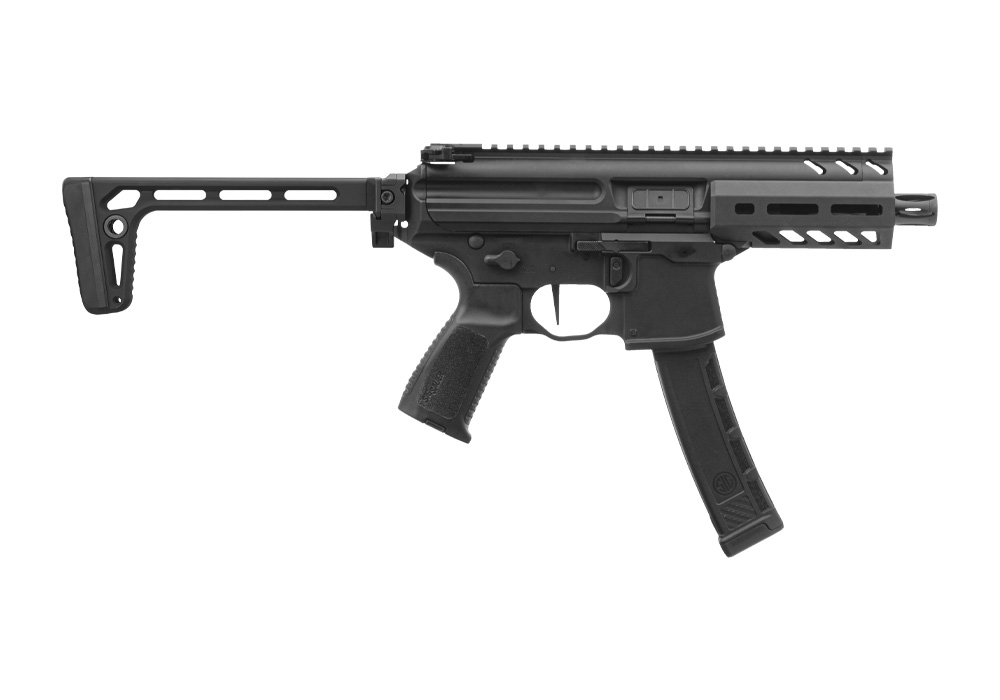
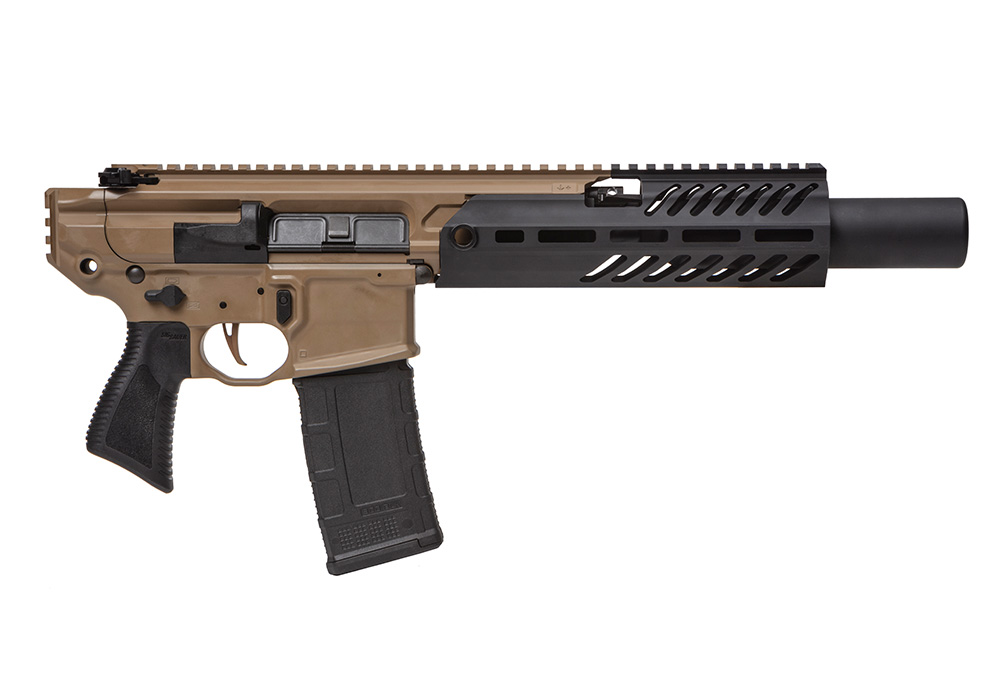
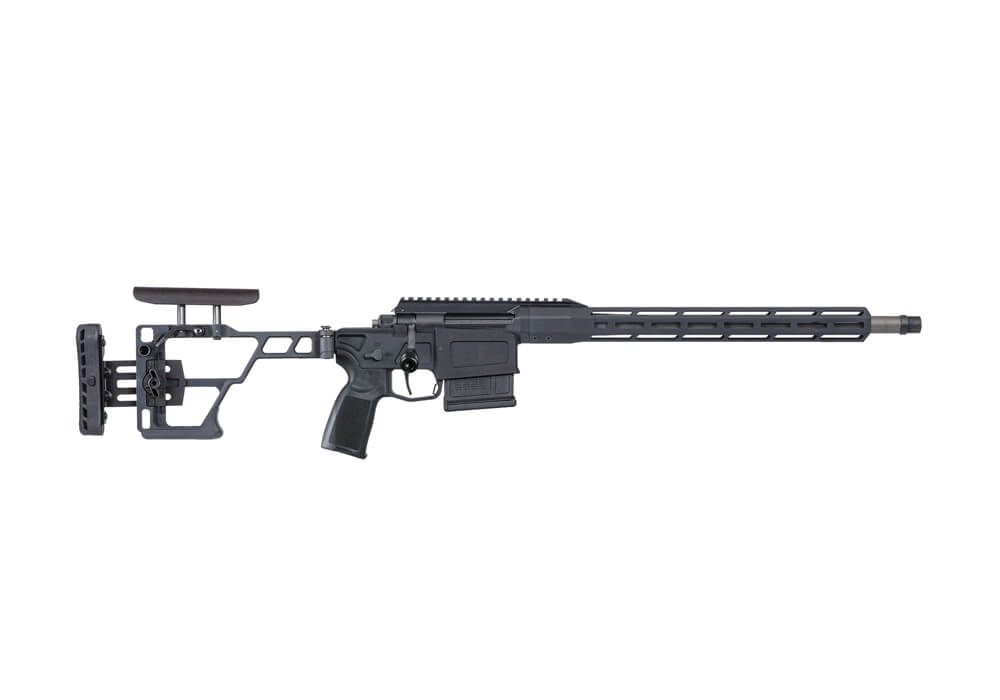
High performance AR rifles are built for shooters who value a thoughtful balance of accuracy, reliability, handling, and long-term durability. Rather than focusing on a single feature, these rifles bring together carefully selected components that work as a complete system. A free-float handguard can help reduce outside pressure on the barrel while providing a stable platform for compatible accessories, and a well-designed gas system can contribute to smoother cycling and more manageable recoil. Barrel construction also deserves close attention. Cold-hammer-forged and other premium barrel options are often selected for their strength, consistency, and ability to maintain dependable performance through extended use. For shooters who spend time refining groups on the range, a crisp single-stage or predictable two-stage trigger can make it easier to press straight to the rear without disturbing the sight picture. Bolt carrier group materials, surface treatments, extractor design, feed-ramp geometry, and overall fit and finish all influence how a rifle performs over time. These details may be easy to overlook when comparing product images, but they become meaningful during a long practice session, a match stage, or a demanding training day when dependable operation matters most. Buyers should also consider the rifle’s overall weight, stock adjustment, grip shape, rail configuration, and control placement. A lighter setup may be more comfortable to carry and transition with, while a slightly heavier configuration can feel steadier from a supported position. Ambidextrous controls can be especially useful for left-handed shooters, positional practice, or anyone who prefers additional flexibility in how the rifle is handled. Every feature should support the intended role rather than simply add complexity.
The right high performance AR rifle depends on how and where it will be used. A recreational shooter may prioritize a balanced 16-inch configuration, a comfortable stock, and a handguard that accepts a preferred optic and sling setup. A competitor may look more closely at trigger characteristics, barrel profile, recoil behavior, magazine changes, and the rifle’s ability to return quickly to the target. Someone preparing for structured defensive training may place greater emphasis on proven reliability, durable controls, corrosion-resistant finishes, and a configuration that remains practical in confined spaces and changing conditions. Shooters who spend cooler months outdoors should give equal consideration to clothing, gloves, weather exposure, and the ability to manipulate the rifle safely without losing a secure grip. Optic compatibility is another important part of the selection process. A red dot sight may suit fast target transitions and close-to-moderate distances, while a low-power variable optic can offer additional aiming flexibility when greater visual detail is useful. Whichever sighting system is chosen, it should be mounted securely and paired with a consistent zeroing and practice routine. Ammunition selection, magazine fit, and maintenance habits also have a direct effect on the overall experience. Use quality ammunition appropriate for the rifle, inspect magazines for damage or worn feed lips, and follow the manufacturer’s instructions for cleaning, lubrication, and inspection. The High Performance AR15 Magazines available for this platform can help shoppers complete a compatible setup, but magazine choice should always be confirmed against the rifle’s specifications and applicable regulations.
These rifles can be a meaningful purchase for an experienced shooter, a serious competitor, or a family member who has demonstrated a responsible interest in marksmanship and firearms training. As a gift, an AR rifle is best approached with care: confirm that the recipient is legally eligible to possess it, understands safe handling, and is prepared to complete any required transfer through the proper process. For many owners, the most valuable additions are not flashy accessories but practical improvements that encourage safe, consistent practice, such as a properly fitted sling, dependable eye and ear protection, a secure locking container, and instruction from a qualified professional. New owners should begin with a thorough review of the manual, keep the muzzle pointed in a safe direction, keep the action open when the rifle is not in use, and treat every firearm as loaded until it has been personally checked. Storage deserves the same attention as selection, particularly in homes with children or other unauthorized users; a locked container or approved locking device helps prevent unintended access, while ammunition should be secured separately as appropriate. Buyers should review federal, state, and local laws before completing a purchase, including rules concerning magazine configuration, transport, storage, private transfers, and use on public or private ranges. During the cooler months, a carefully chosen high performance AR rifle can become the foundation for disciplined range time, structured training, and steady improvement. The best setup is the one that fits the shooter, supports the intended use, and inspires confidence through reliable function, sensible ergonomics, and responsible ownership.