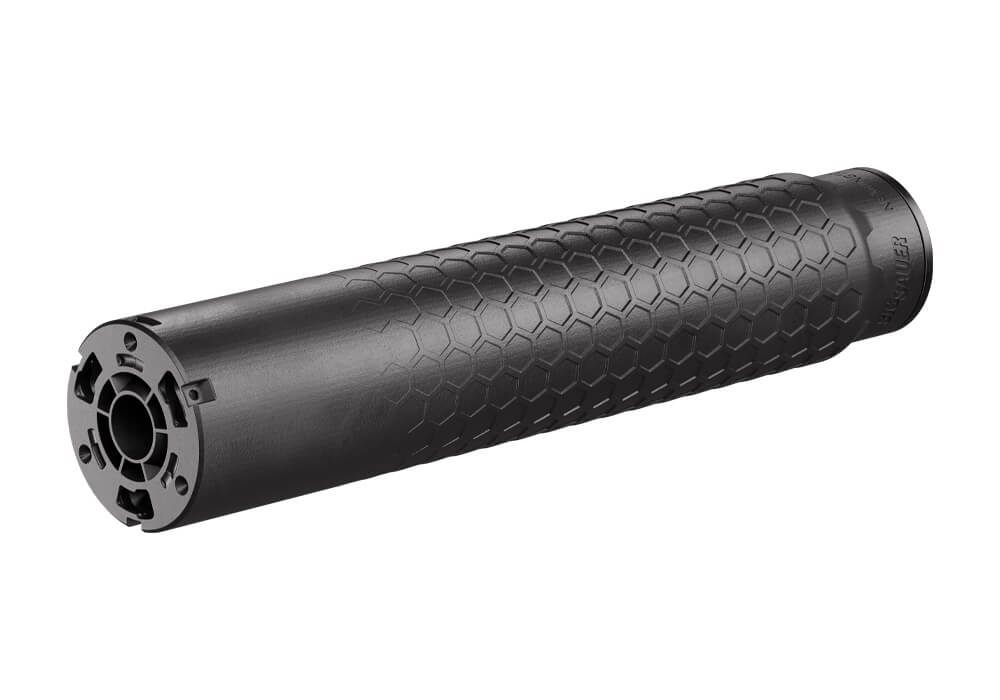
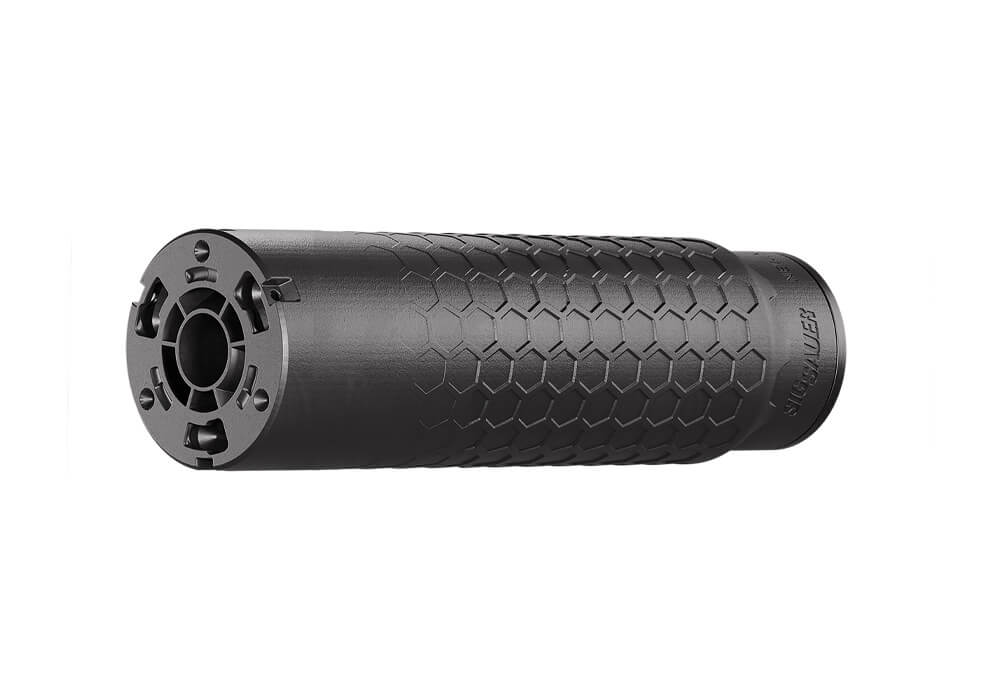
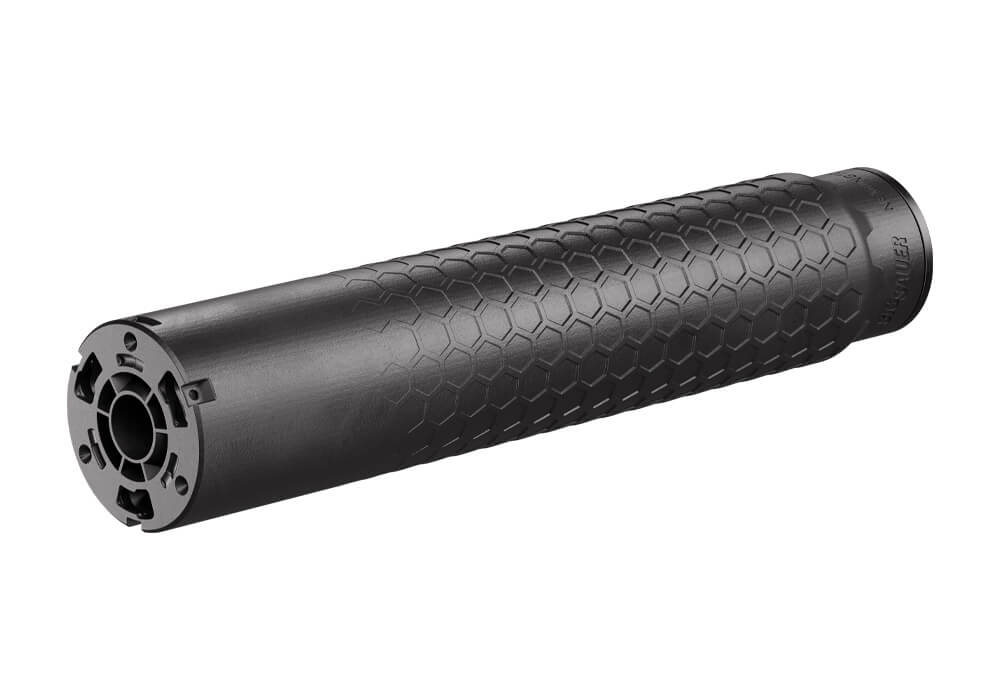
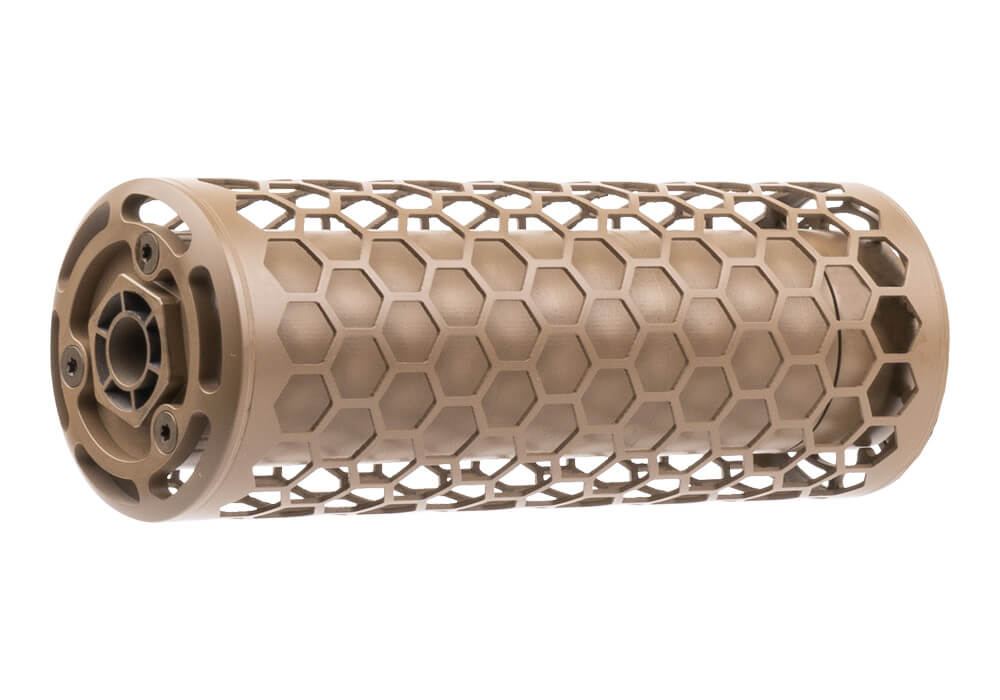
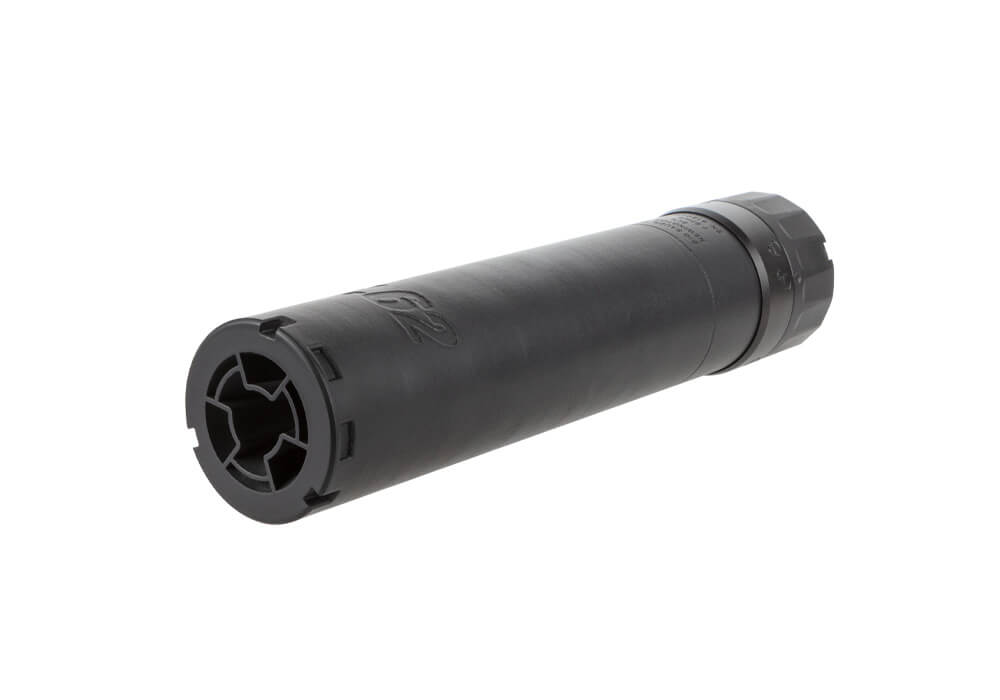
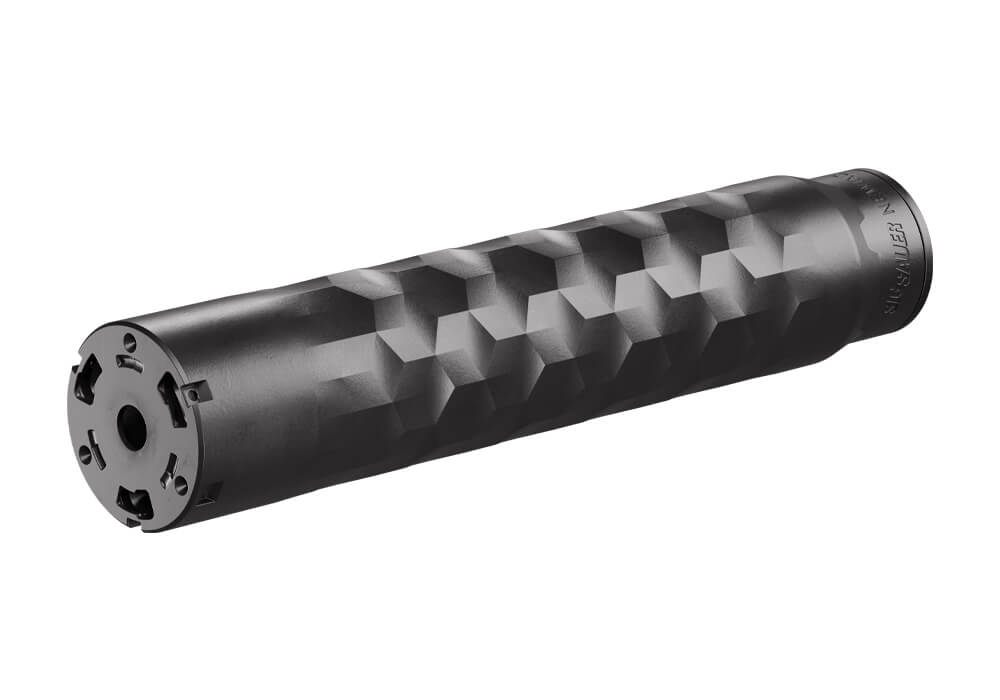
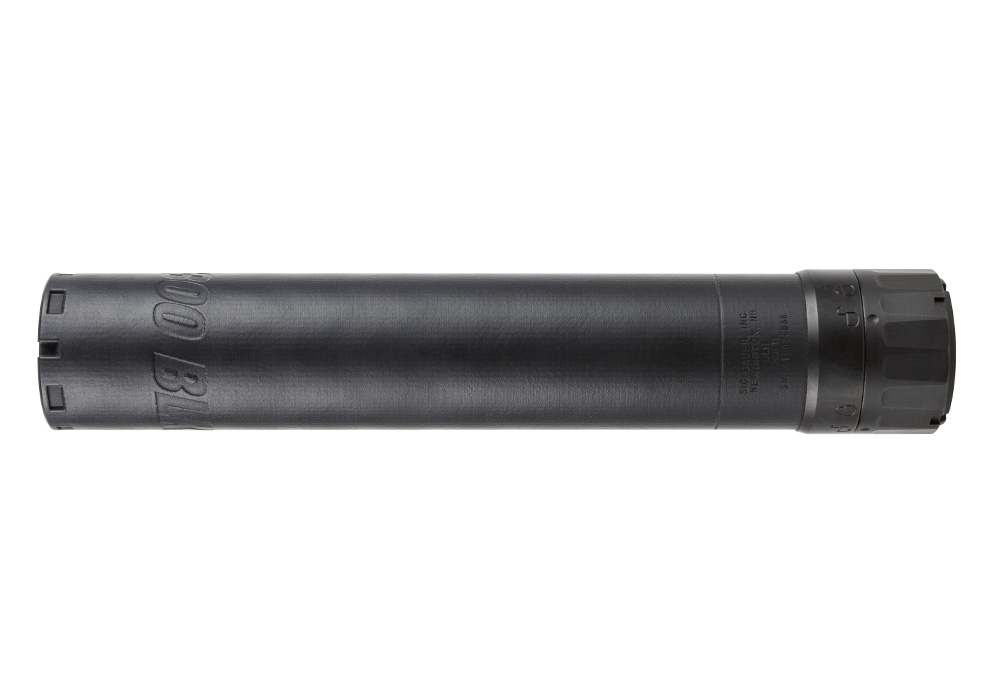
High-performance suppressors for AR-15 rifles balance sound reduction, gas management, durability under firing heat, and overall weight. The right match depends on the rifle’s configuration, the ammunition being used, and the demands of the intended shooting activity. For recreational target shooting, organized range sessions, and lawful sporting use, those factors matter more than a single standout specification. A suppressor reduces the sound associated with expanding propellant gases, but it does not silence a firearm or remove every source of noise. The rifle’s action remains audible, and a projectile traveling faster than the speed of sound produces a separate sonic crack. Appropriate hearing protection remains essential, even when a suppressed rifle sounds noticeably quieter than an unsuppressed one. Sound measurements also need context: ammunition, barrel length, microphone position, and the surrounding environment can all influence recorded results. A number measured near the muzzle does not necessarily describe the sound experienced at the shooter’s ear. Gas management deserves similar attention because suppressor designs differ in how they handle gases moving through the system. On a semiautomatic rifle, added back pressure can affect the shooting experience, including the amount of gas reaching the area around the shooter’s face. Designs intended to limit back pressure address that concern, although no single design offers identical results across every rifle configuration. Someone spending an extended session on a covered firing line may value comfortable gas behavior alongside sound reduction, while a recreational shooter carrying equipment between shooting positions may place greater emphasis on balance. These priorities can overlap without producing one universal winner. Meaningful performance comes from the combination of sound characteristics, handling, compatibility, and durability—not simply the shortest body, the lowest weight, or the most impressive isolated test result. Clear manufacturer specifications and testing information help distinguish those qualities, especially when comparing suppressors with different dimensions, materials, or intended firing schedules.
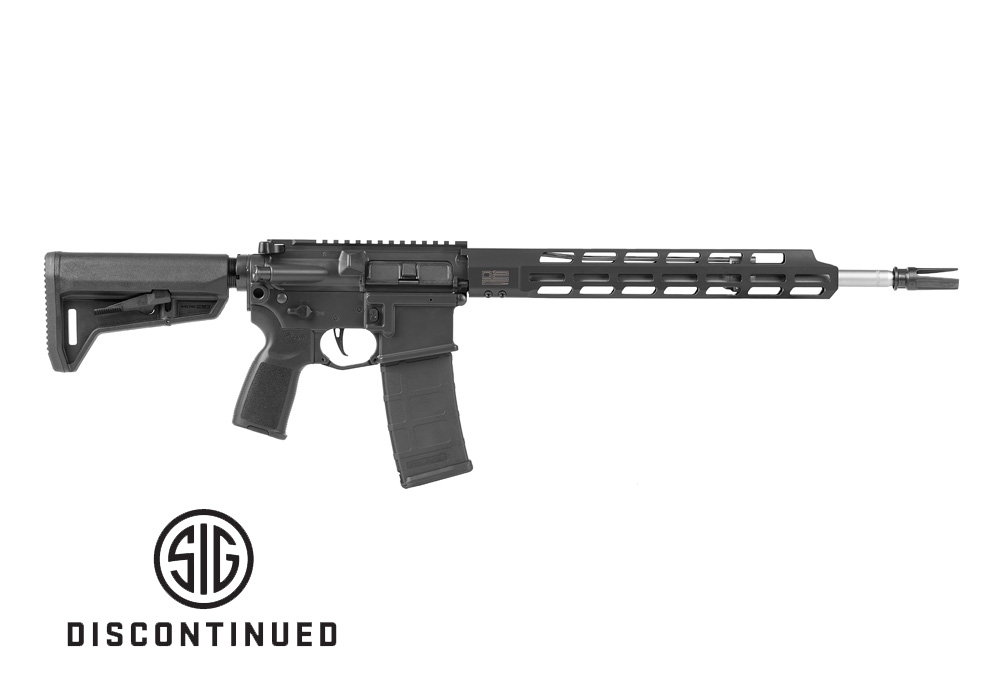
Compatibility begins with the complete rifle configuration, not appearance or thread size alone. A suppressor must be approved for the ammunition caliber, barrel length, mounting interface, and intended use specified by its manufacturer. Restrictions can differ substantially between designs, so similar-looking suppressors should not be assumed to share the same operating limits. Barrel length is particularly relevant because it affects the conditions a suppressor encounters when a round is fired. The mounting system is another important part of the relationship between rifle and suppressor. Direct-thread and quick-attachment designs offer different approaches to attachment, with compatibility determined by the exact components involved rather than a broad platform label. A secure, properly matched interface and correct alignment are essential; uncertain fit is a reason to consult the manufacturer or a qualified gunsmith, not to improvise. For shoppers also comparing High Performance AR Rifles, suppressor compatibility belongs among the considerations that shape the overall firearm configuration. Length and weight affect that configuration in ways that become apparent during ordinary handling. A compact suppressor may preserve a more familiar feel, while a longer design may offer different sound characteristics at the cost of additional length. Weight positioned at the muzzle can feel more noticeable than the same weight closer to the receiver, especially during an extended practice session. Published suppressor weight also deserves a close look because mounting components may contribute additional weight to the complete setup. Exterior diameter can influence clearance around nearby components, and accessory compatibility should always follow the relevant manufacturer’s requirements. Consistent attachment is also relevant to repeatability: a suppressed rifle may have a different point of impact than the same rifle without its suppressor, and that relationship should be evaluated in an appropriate range setting. These practical details help explain why a suppressor that suits one AR-15 may not be the right choice for another, even when both rifles use the same ammunition. Fit, handling, and documented compatibility belong together in any meaningful comparison.
Materials and construction influence how a suppressor handles repeated firing, routine handling, and long-term ownership. Stainless steel, titanium, and nickel-based alloys appear in suppressor construction because each offers a different balance of weight, strength, corrosion resistance, and behavior under firing heat. Titanium can support a lighter overall package, but a lightweight specification does not automatically indicate suitability for every firing schedule. Other alloys may be selected for demanding heat exposure, sometimes with a weight tradeoff. The material name alone is not enough to establish durability; the internal structure, joining methods, protective finish, and manufacturer’s stated use limits also matter. Heat tolerance should therefore be considered alongside firing restrictions and care requirements rather than treated as an unlimited endurance claim. Suppressors become extremely hot during use and can remain hot after shooting stops, making safe handling and suitable storage practices important parts of ownership. Surface appearance is only one consideration when evaluating finishes. Resistance to corrosion and routine wear can be useful qualities, but no finish eliminates the need for appropriate care. Maintenance requirements vary by construction, and some designs are not intended for owner disassembly. Cleaning products, methods, and service intervals should follow the instructions for the exact suppressor rather than advice intended for a different model or material. Care should take place only with the firearm unloaded and the equipment sufficiently cool, with unusual wear, damage, or attachment concerns referred to qualified support. For a frequent range visitor, straightforward maintenance expectations and accessible service information can be as meaningful as a small difference in published dimensions. For an occasional recreational shooter, clear compatibility documentation and manageable handling may carry more weight. Ownership also involves legal responsibilities: suppressors are regulated, and purchase, possession, transport, and use must comply with applicable federal, state, and local requirements. A thoughtful selection brings these responsibilities together with the physical product’s characteristics, resulting in a suppressor suited to the rifle, the owner’s lawful activities, and the care it will receive over time.