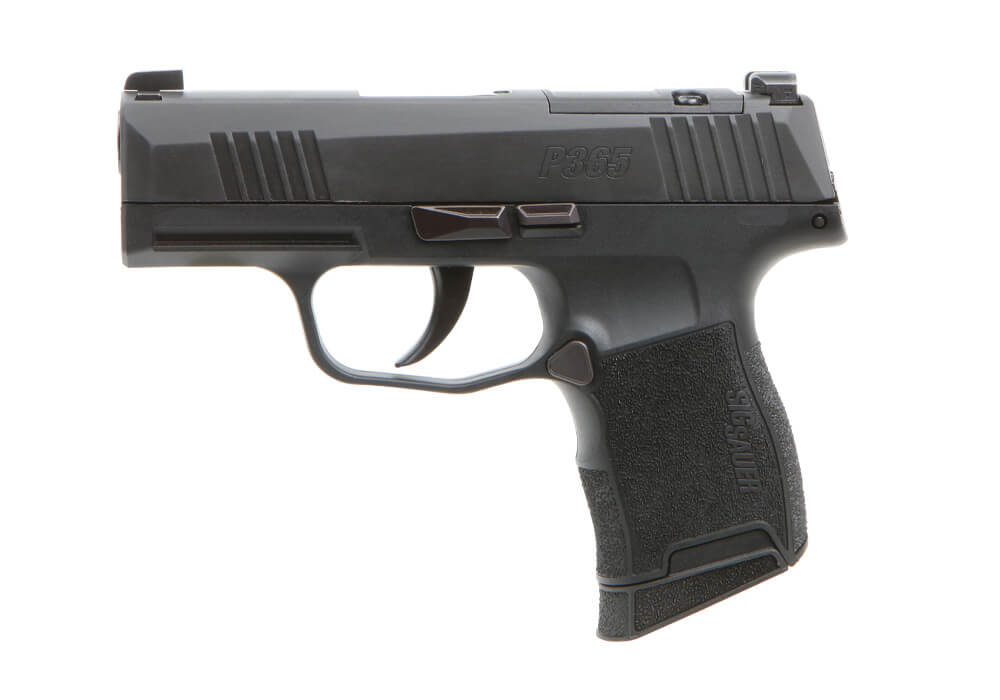
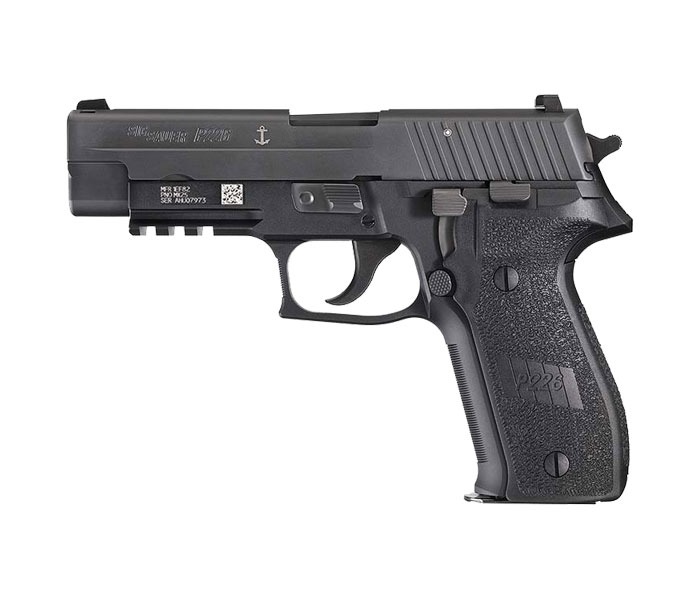
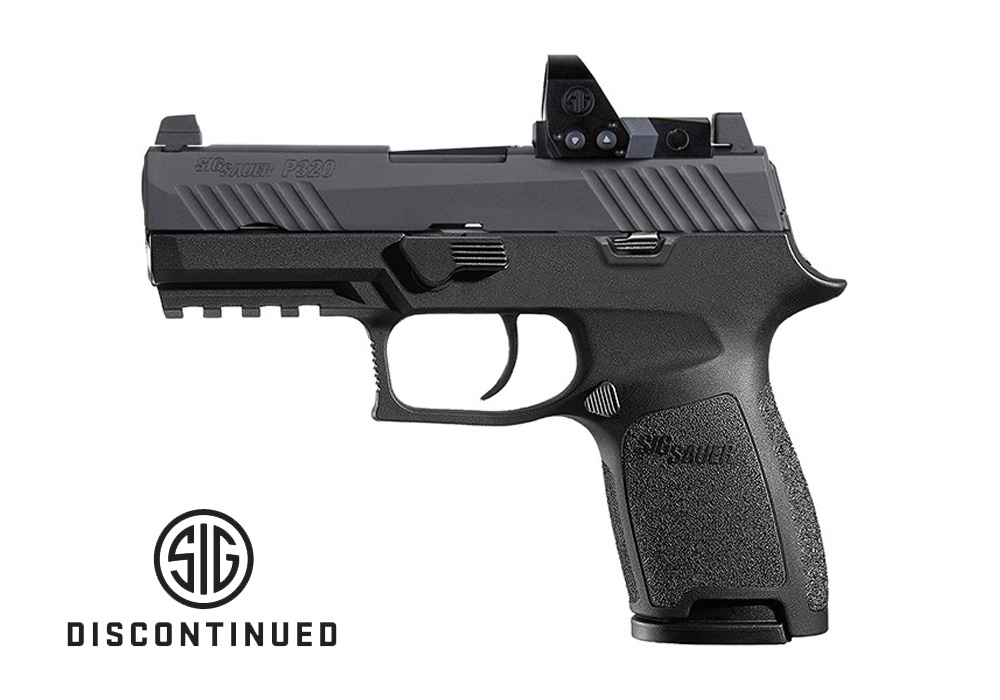
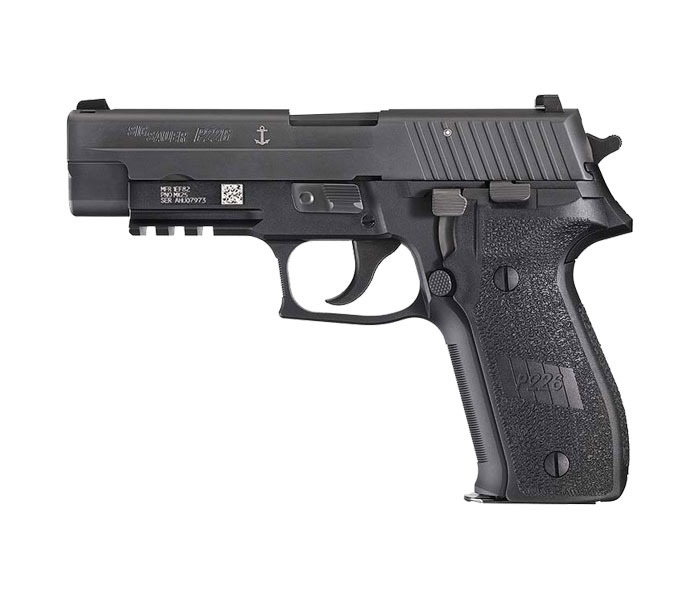
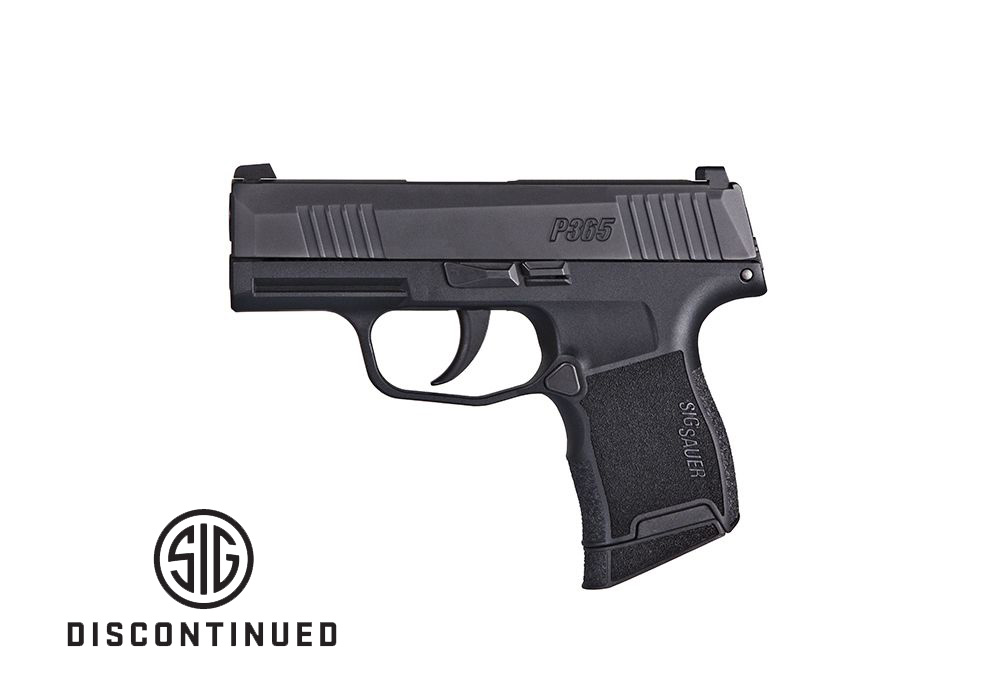
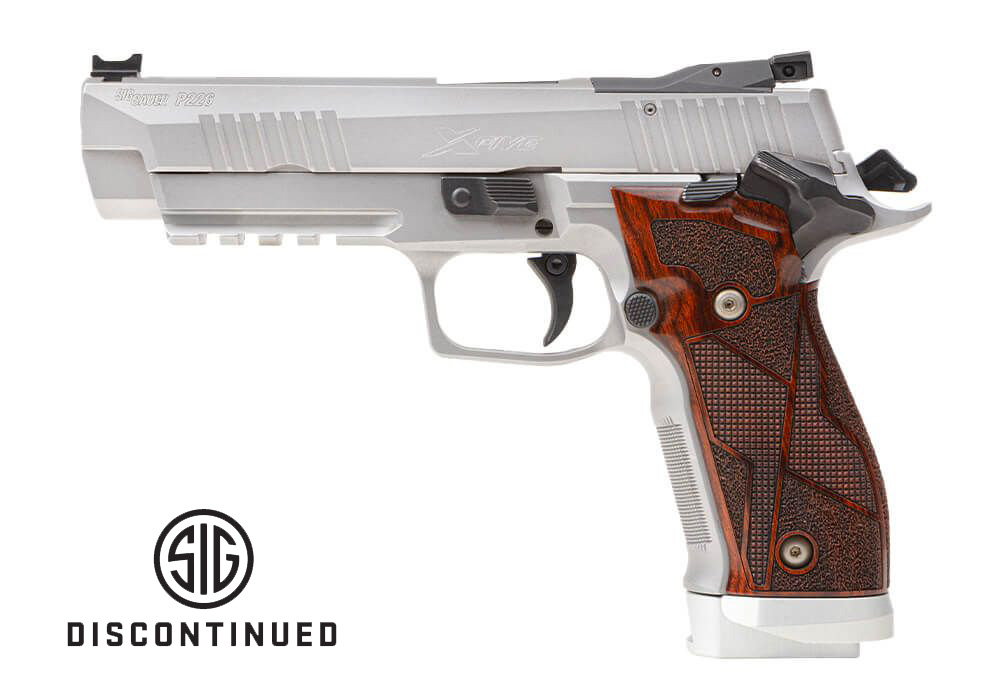
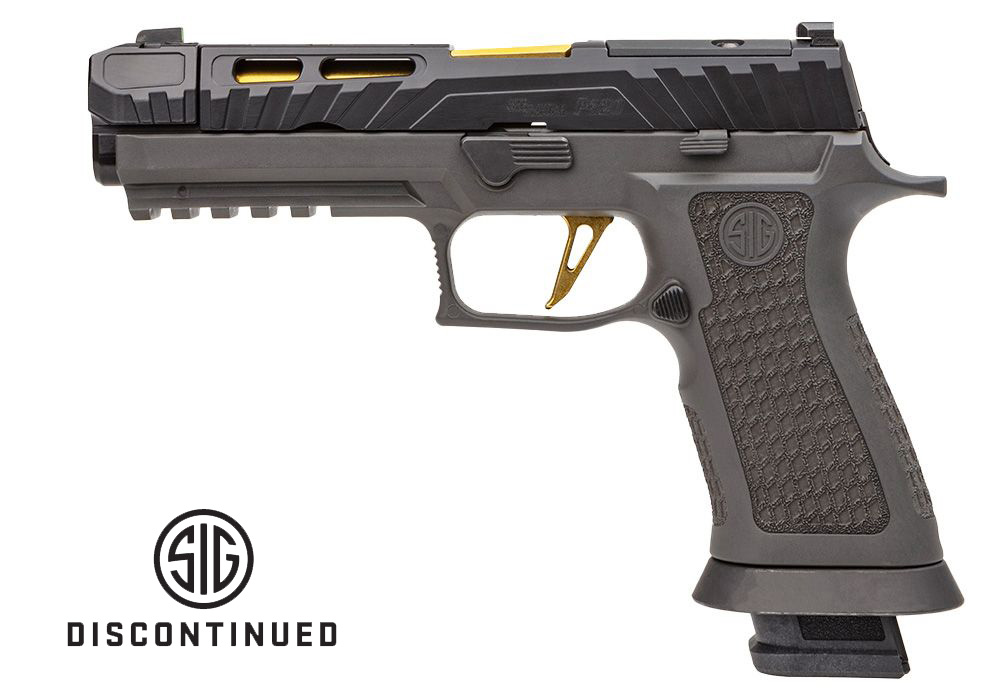
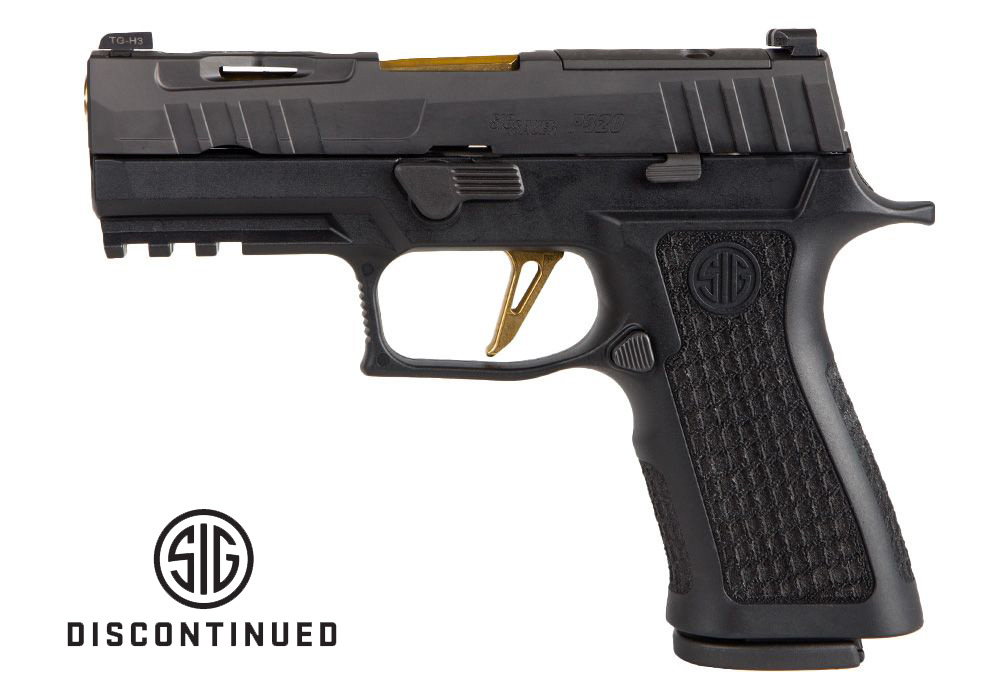
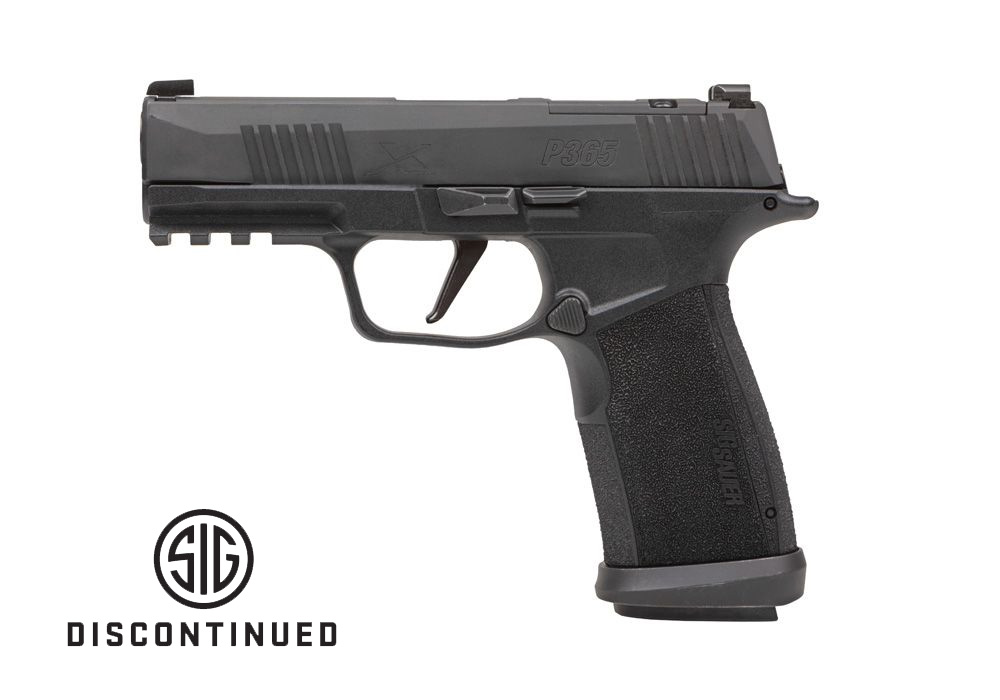
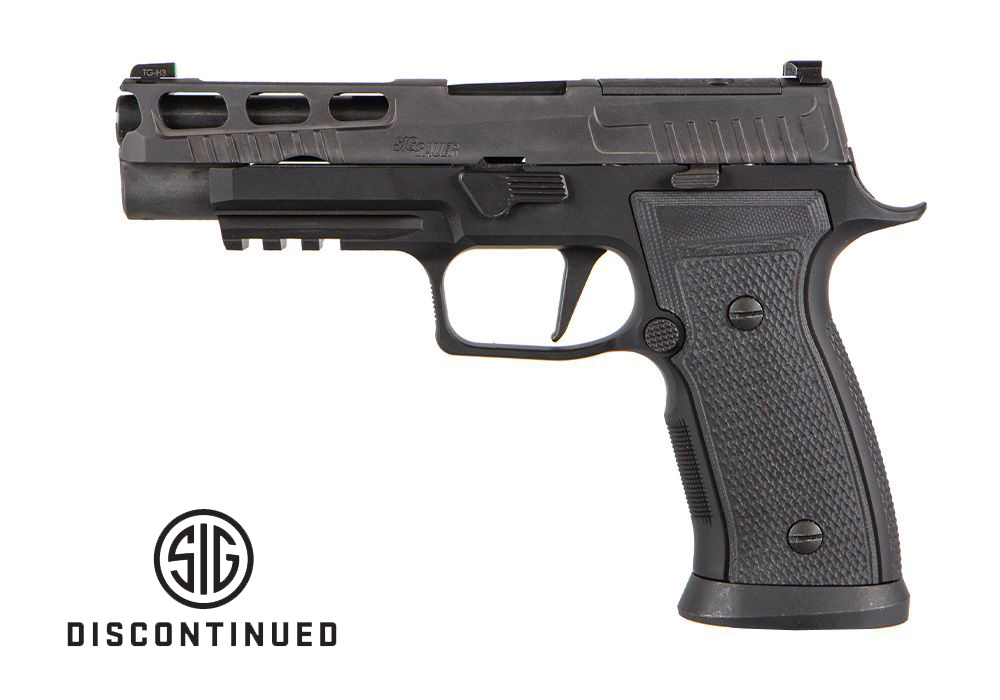
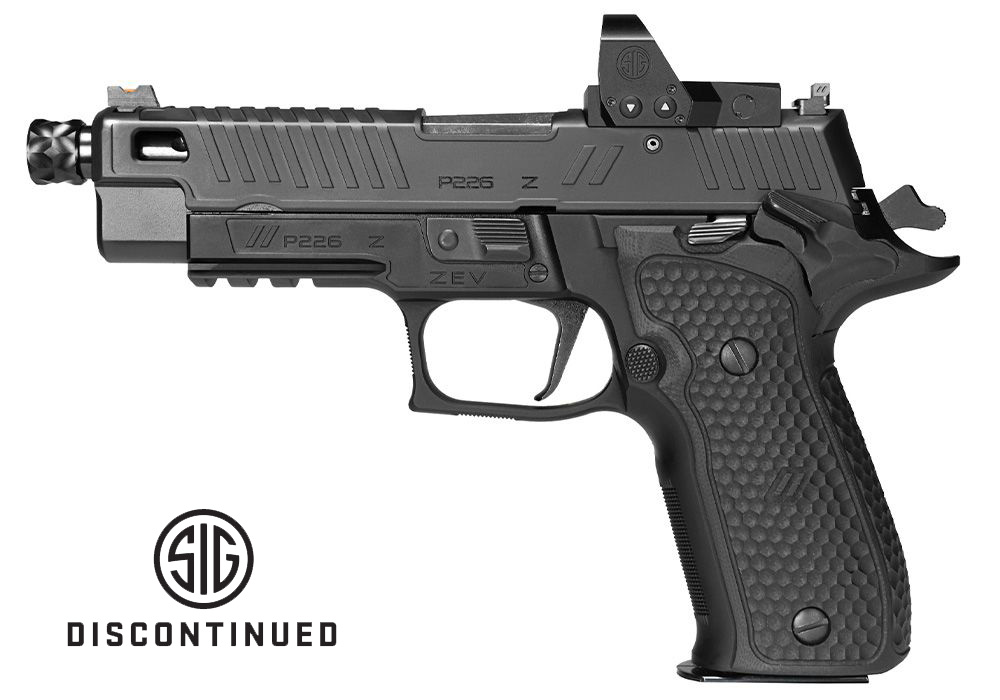
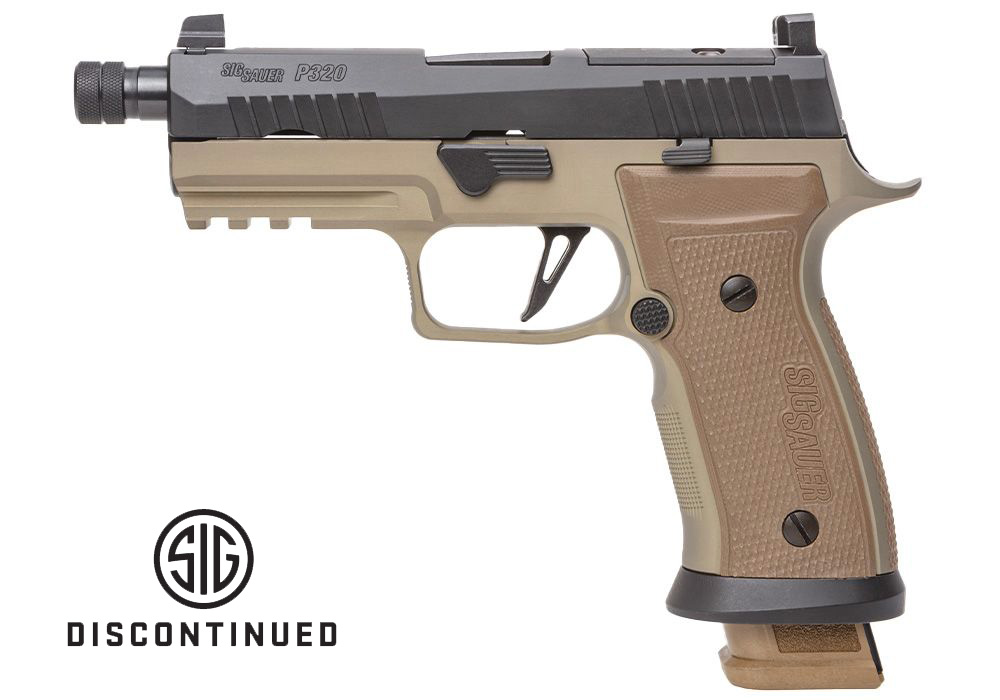
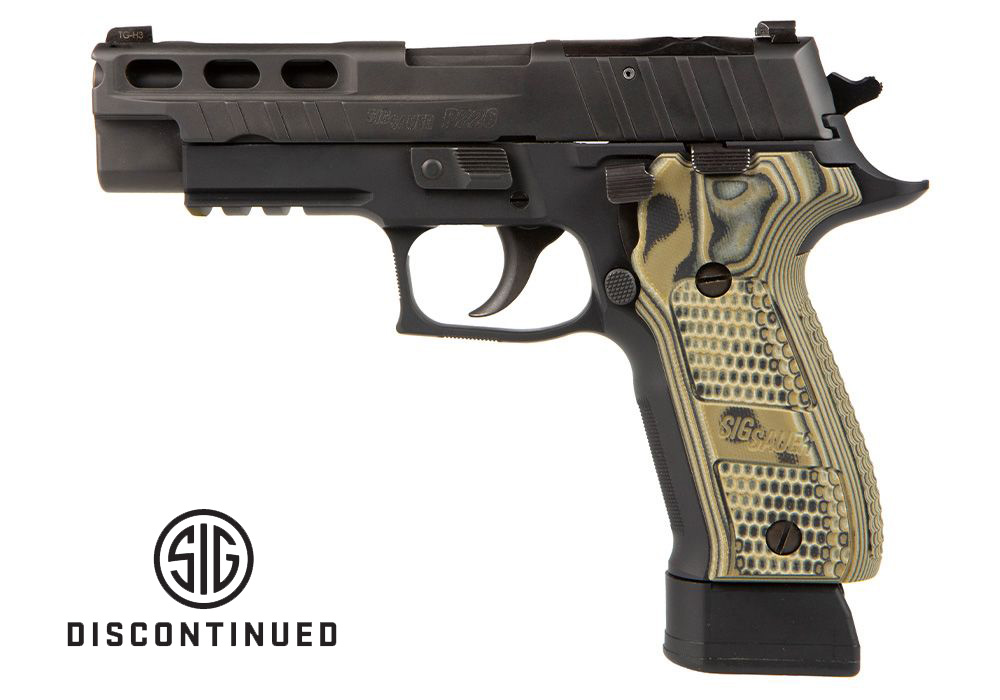
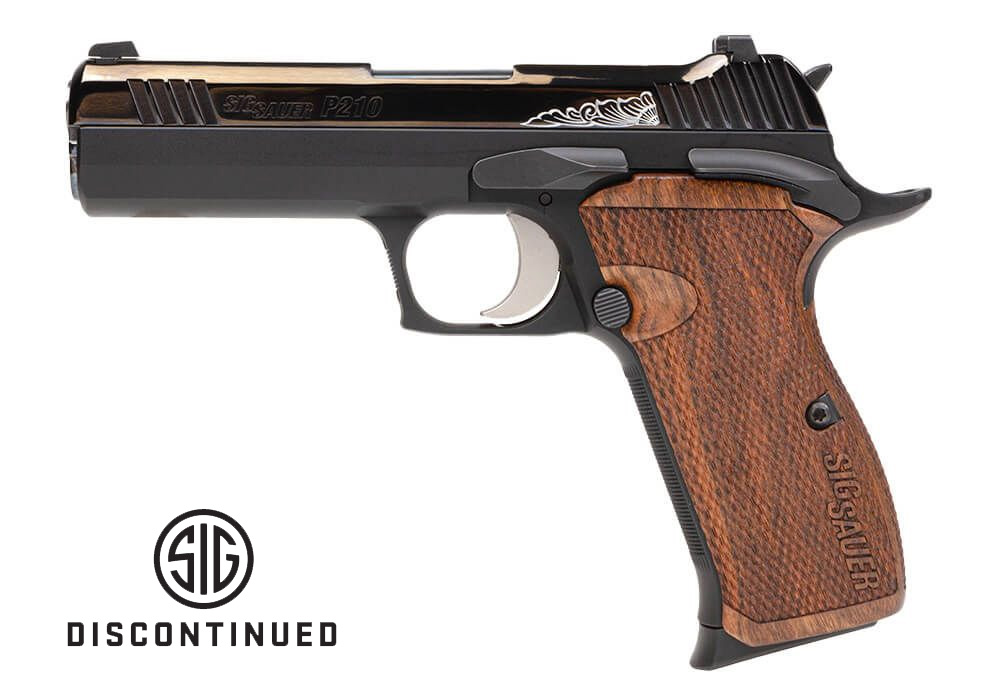
The best 9mm pistols combine dependable function, comfortable fit, manageable recoil, and dimensions suited to their intended use. A full-size pistol for regular range practice serves a different purpose than a smaller handgun selected for lawful concealed carry, so the strongest choice is not necessarily the smallest, lightest, or most feature-rich option. Chambered for 9mm Luger, also known as 9x19mm, these handguns span a broad range of sizes and configurations. Full-size designs generally provide more room for the hands, a longer sight radius with iron sights, and additional weight that can help soften the sensation of recoil. Compact designs balance handling space with reduced overall dimensions, while micro-compact pistols emphasize a smaller footprint. Those distinctions matter in everyday situations: a grip that feels comfortable during a brief inspection may feel different after an extended practice session, and a handgun that is easy to conceal may offer less room for the support hand. For shoppers considering that middle ground, Compact 9mm Handguns represent a category where grip length, slide dimensions, and weight deserve consideration together. Grip circumference, texture, and access to the controls often matter more than a single measurement on a specification sheet. Someone with smaller hands may appreciate a narrower grip and shorter trigger reach, while someone with larger hands may prefer additional contact area. Neither preference automatically points to one frame size. A useful fit allows comfortable access to essential controls without an awkward stretch or a substantial shift in the hand. For recreational shooters, frequent range visitors, and qualified owners considering a handgun for personal protection, consistent handling is more valuable than a feature that adds complexity without a clear purpose. The best 9mm pistol for an individual is the one that supports safe handling and repeatable practice while fitting that person’s physical needs, experience, and lawful use. A supervised rental session can reveal differences in comfort that photographs and dimensions alone cannot convey.
Materials and construction influence how a 9mm pistol feels in the hand and how it responds to regular use. Polymer frames often reduce overall weight, while aluminum-alloy and steel frames bring different weight balances and handling characteristics. A lighter handgun can be more comfortable to carry, but less weight may also make recoil feel sharper. A heavier pistol can feel steadier during range practice, although that same weight becomes more noticeable when carried for extended periods. Slide and barrel materials, protective finishes, and the quality of high-contact surfaces also deserve attention. Corrosion resistance is useful wherever a handgun encounters perspiration, repeated handling, or moisture, but no finish eliminates the need for proper care. Texture presents a similar tradeoff: pronounced grip surfaces can provide a secure feel, yet may be less comfortable against clothing or during a long session. Replaceable backstraps, where included, offer another way to accommodate different hand shapes without assuming that one grip profile fits everyone. Sight design affects usability as well. Clearly defined iron sights can be easy to interpret, while an optics-ready configuration provides a mounting arrangement for a compatible electronic sight. Compatibility depends on the specific mounting system, hardware, and manufacturer specifications rather than on appearance alone. Any sighting setup still requires familiarity and practice; added equipment is not a substitute for sound fundamentals. Trigger feel and operating controls vary across striker-fired and hammer-fired designs, and preferences should reflect both comfort and an understanding of the pistol’s safety features. External safeties, decocking controls, and other mechanisms are not interchangeable, even when two handguns look similar. Clear documentation and professional instruction help owners understand the system they choose. For a pistol expected to see frequent use, durable construction also includes the less visible details: secure component fit, consistent operation, and straightforward access for routine maintenance according to the owner’s manual. These practical qualities usually matter longer than cosmetic styling.
Long-term satisfaction with a 9mm pistol depends on more than its initial feel. Maintenance requirements, compatible accessories, ammunition specifications, and secure storage all become part of ownership. Range use leaves residue on working surfaces, and regular handling can introduce moisture and debris, so cleaning and lubrication should follow the manufacturer’s schedule and procedures. More lubricant is not automatically better, and cleaning products should be suitable for the finishes and materials involved. Routine inspection can help identify unusual wear, damaged components, or changes in function that warrant attention from a qualified professional. Ammunition should match the chamber marking and the manufacturer’s stated specifications; similar names or dimensions do not establish compatibility. Quality eye and hearing protection belong alongside any range equipment, and structured instruction provides a useful foundation for both new shooters and experienced owners learning an unfamiliar design. For lawful carry, a properly fitted holster should cover the trigger area, retain the handgun securely, and match its exact configuration, including any attached accessories. A general-purpose pouch is not equivalent to a purpose-built holster. At home, secure storage helps prevent unauthorized access, particularly where children, visitors, or other household members may be present. A lockable storage solution appropriate to the firearm and household circumstances deserves consideration from the beginning, with ammunition secured separately when appropriate and all applicable laws observed. Owners also benefit from considering the practical support surrounding a handgun: clear operating instructions, compatible replacement magazines, service options, and access to qualified instruction. For a first-time owner, simple, understandable controls and comfortable fit can make training less distracting. For an experienced shooter, familiar ergonomics and a configuration suited to regular practice may take priority. Across these needs, the best 9mm pistols are defined by a balanced set of qualities rather than one headline feature. Thoughtful attention to fit, construction, care, and responsible ownership helps distinguish a handgun that merely looks appealing from one that remains comfortable and dependable through repeated use.