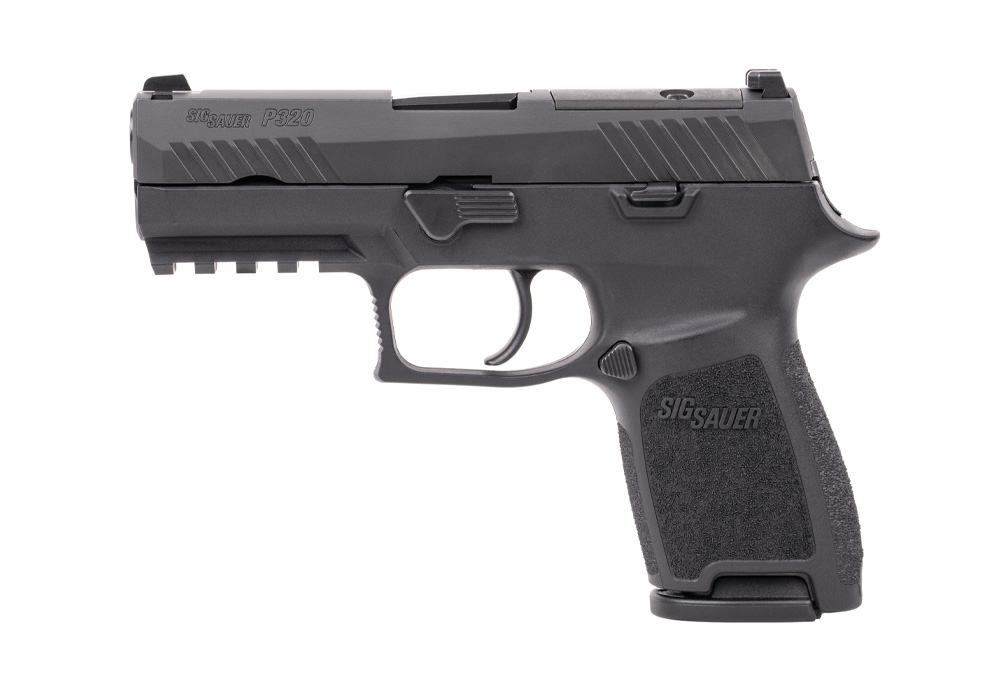
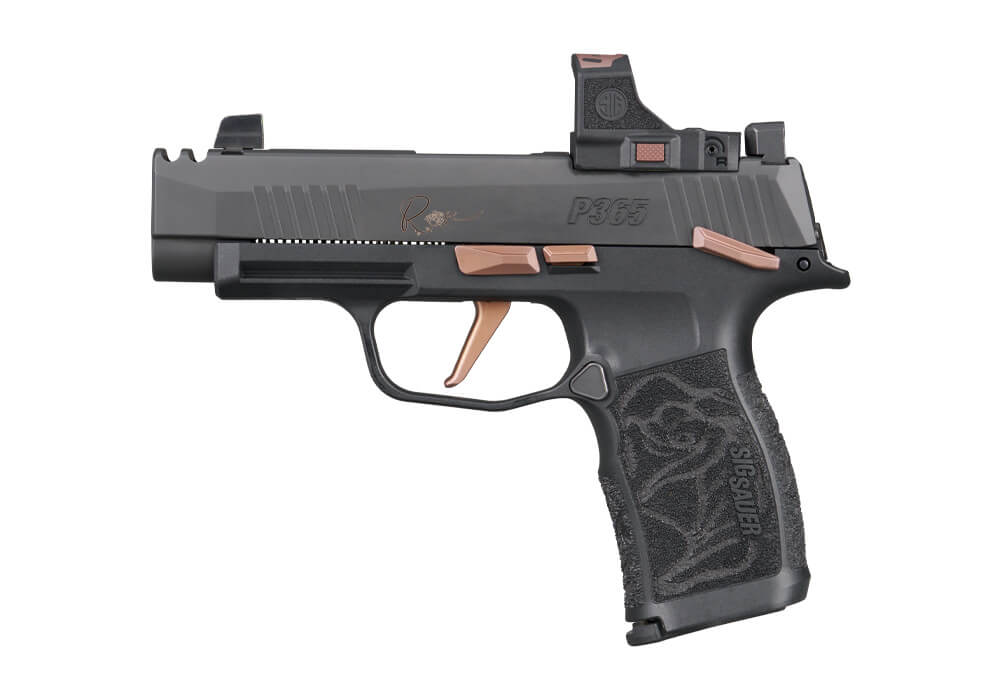
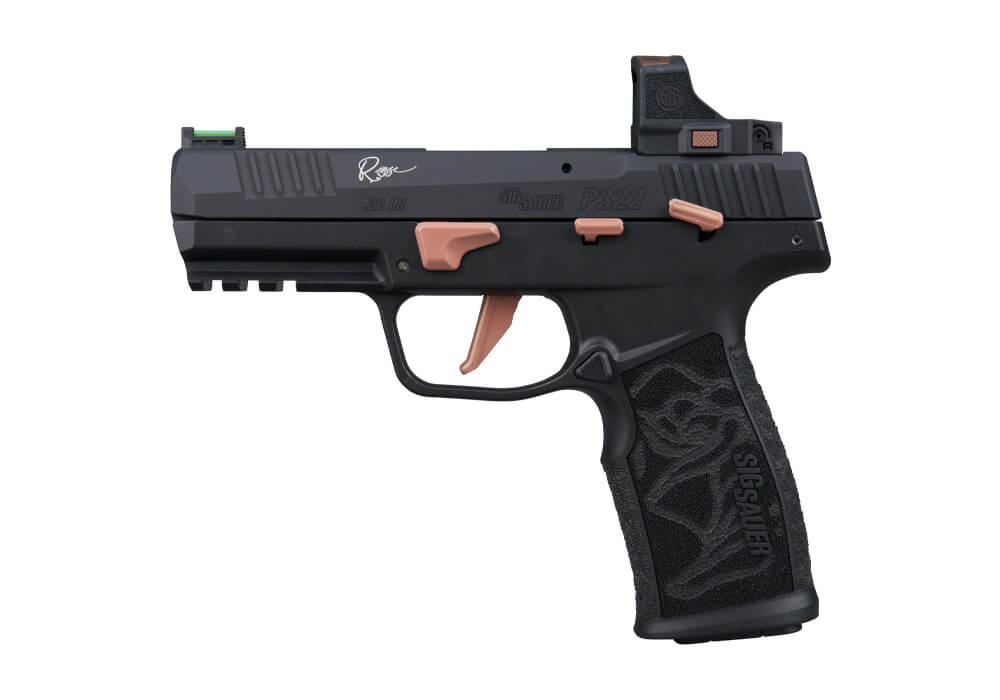
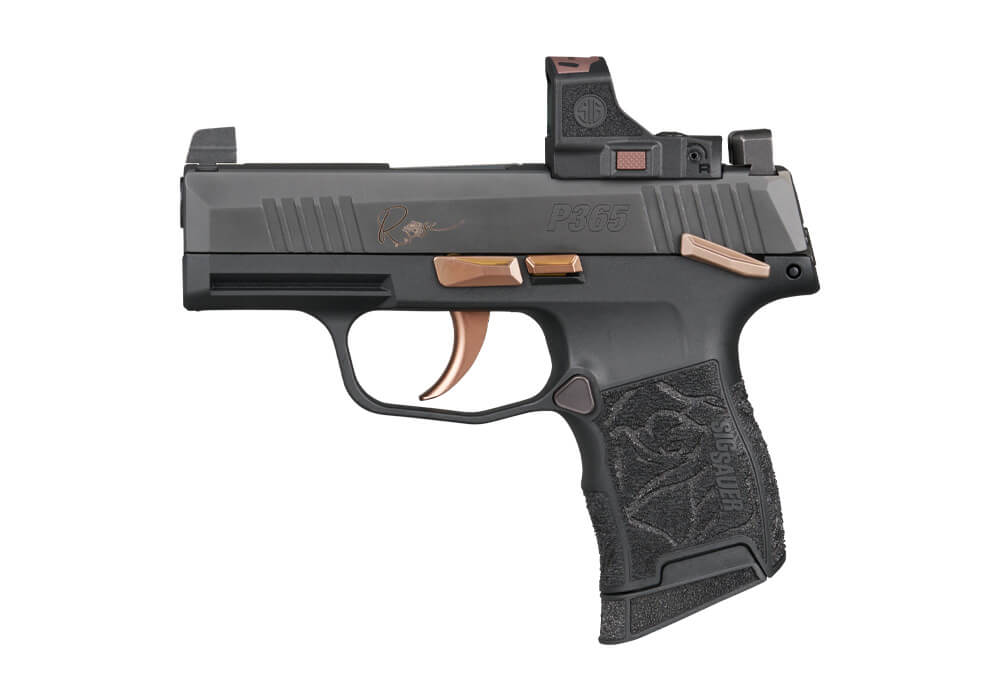
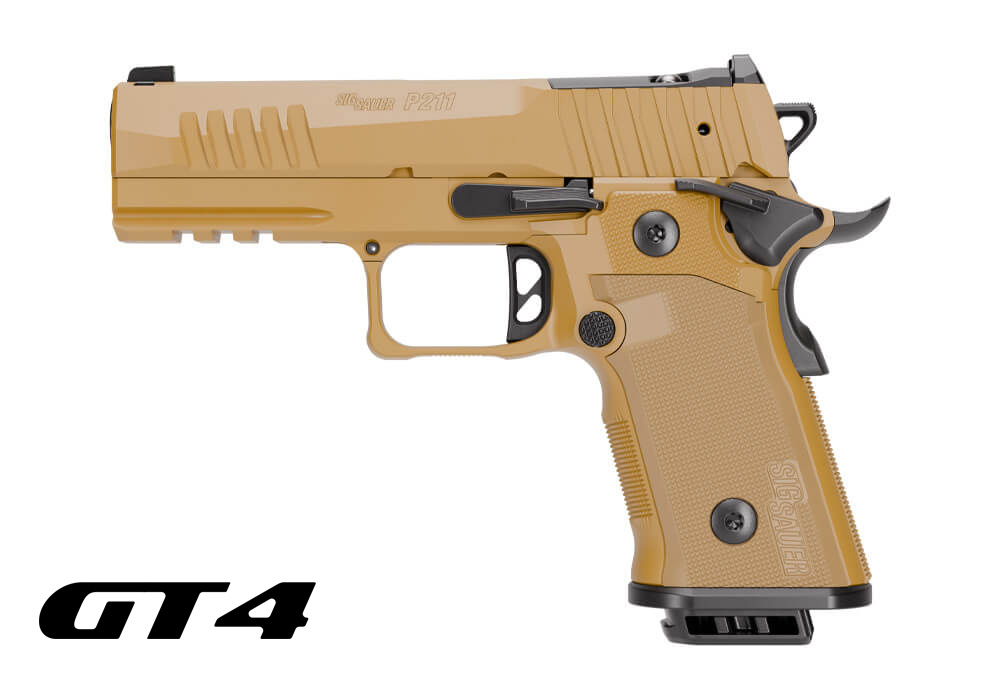
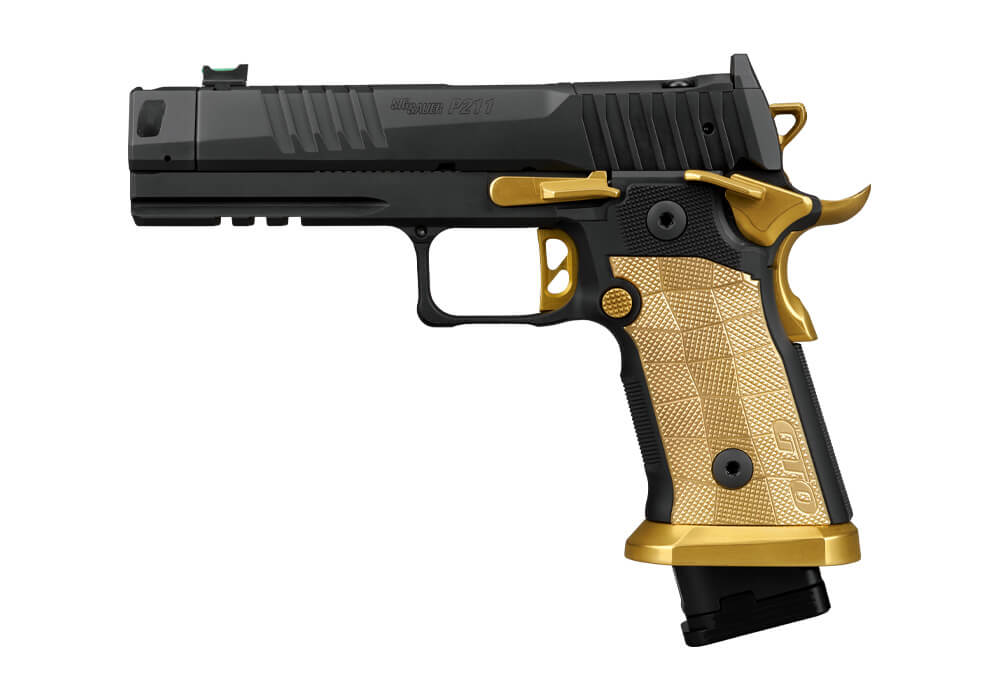
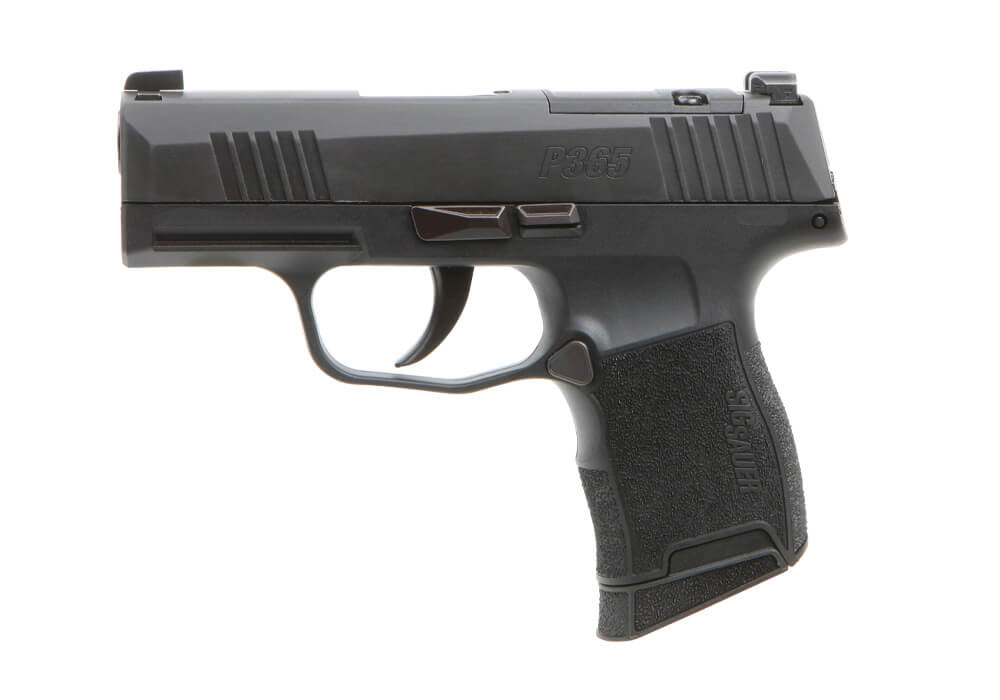
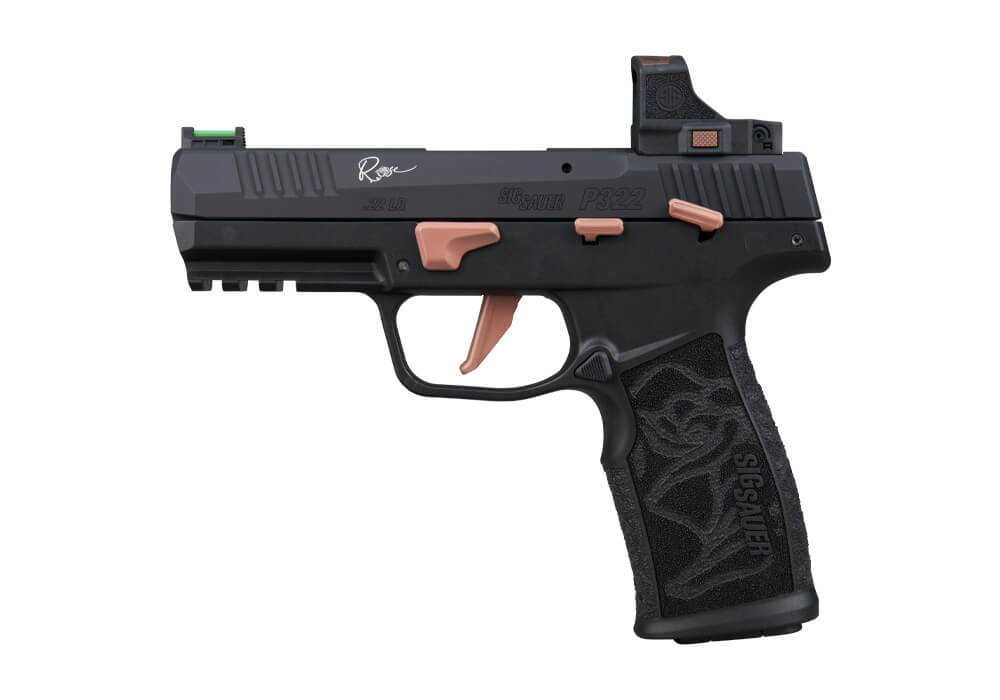
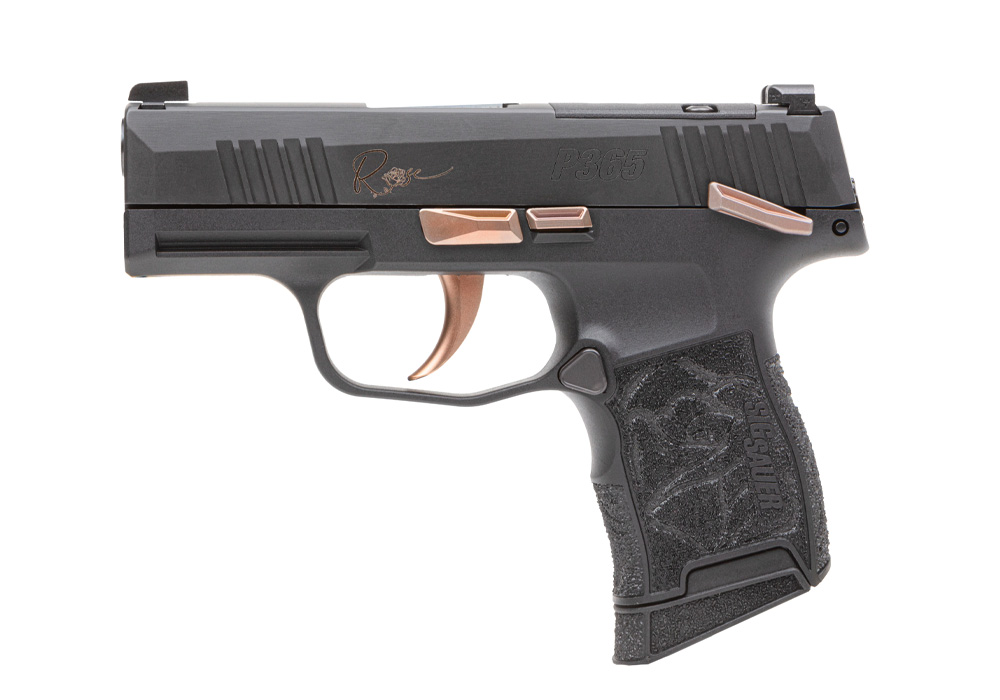
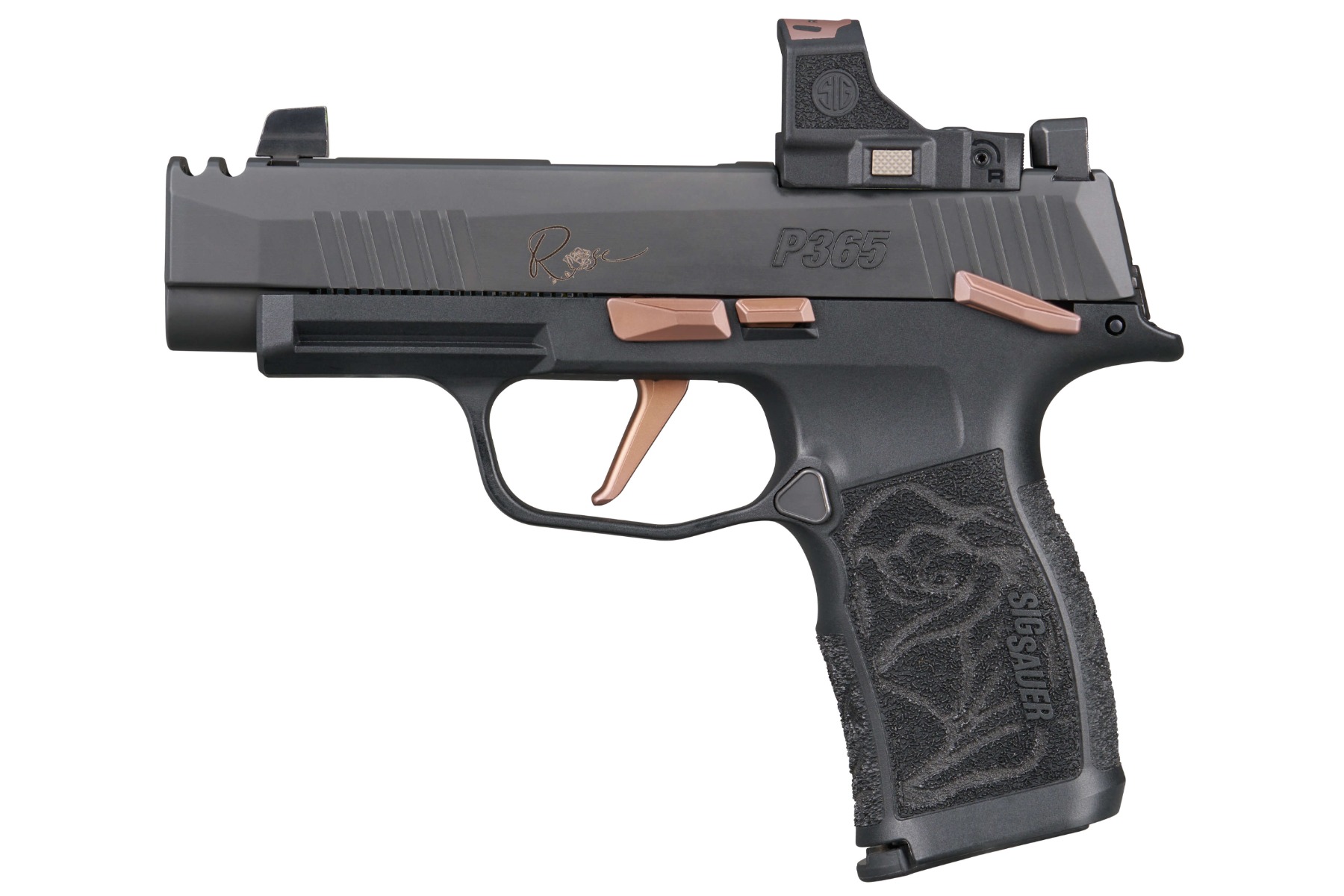
Firearms for women shooters should be selected around the individual, not around a label. Women have varied hand sizes, reach, grip strength, experience levels, and intended uses, just as all shooters do. The right firearm is one that can be held securely, operated confidently, and practiced with consistently. For many shoppers, a compact or micro-compact handgun offers a practical balance of portability and shootability, while a full-size or midsize handgun may provide a longer sight radius, a larger gripping surface, and softer perceived recoil during range sessions or home-defense practice. Grip circumference is an especially important consideration. A slimmer grip may help a shooter with smaller hands maintain a straight, comfortable trigger reach without shifting the palm or straining the wrist. Controls should also be easy to locate and manipulate without forcing the shooter to change hand position. When evaluating firearms for women shooters, consider whether the frame feels stable in the hand, whether the trigger finger rests naturally on the trigger, and whether the sights can be aligned without excessive tension. A firearm should never be chosen solely because it is small; some very short, lightweight models can produce sharper felt recoil and may be more difficult to control than a slightly larger handgun. Visiting a properly supervised range, handling unloaded firearms, and working with a qualified instructor can make the selection process more personal and productive. During the cooler months, when layered clothing and changing routines may influence how a firearm is stored or carried, buyers should also think about access, secure storage, and the practical requirements of their intended use.
Ease of operation is another central factor when comparing firearms for women shooters. Slide-racking effort, magazine loading, takedown procedures, and the placement of the magazine release or other controls can all affect confidence and consistency. A shooter with less hand strength may appreciate a design that uses a lighter slide manipulation force, an easy-to-reach grip, or controls that do not require excessive pressure. These features should be evaluated in person whenever possible, since a specification that looks helpful on paper may feel different from one hand to another. Ammunition choice also influences the experience. Compact 9mm handguns are widely considered a versatile option for practice, personal protection, and everyday carry when the shooter can manage the recoil and operating controls comfortably. A .380 ACP handgun may offer a lighter, more compact alternative for some users, although the best choice depends on reliable function, accuracy, ammunition availability, and the shooter’s ability to make consistent hits. Standard or extended capacity options may be relevant depending on the firearm’s role, local regulations, and the user’s comfort with the added size or weight. Those purchasing a firearm as a gift should treat fit and preference as personal decisions rather than making assumptions based on gender. A gift card, training session, secure storage solution, or range experience may be a thoughtful complement to a firearm, while the recipient should be involved in selecting the actual gun whenever possible. Any transfer or purchase should follow applicable federal, state, and local laws, including requirements that may apply to background checks, waiting periods, permits, and private transfers.
The best firearm is one the owner can operate safely and practice with regularly. New shooters may benefit from beginning with a fundamentals course that covers the four universal rules of firearm safety, safe loading and unloading, storage, sight alignment, trigger control, and range etiquette. Practice should take place only in an approved setting with appropriate eye and ear protection, and a qualified instructor can help identify fit or recoil issues before they become habits. For home defense, buyers should consider secure storage that prevents unauthorized access while allowing lawful access when appropriate, along with a household safety plan that accounts for children, visitors, and changing circumstances. For concealed carry, the firearm’s unloaded dimensions are only part of the decision; holster quality, trigger coverage, clothing, belt support, and the ability to safely draw and reholster under instruction are equally important. Range-focused shooters may prefer a model with a comfortable grip, visible sights, manageable recoil, and standard or extended capacity magazines that support longer practice sessions. Left-handed users should also examine ambidextrous controls and ejection patterns; additional options can be found among Firearms for Left Handed Shooters. Whether the goal is training, recreational shooting, personal protection, or a carefully considered gift, firearms for women shooters should support a secure grip, natural control placement, manageable recoil, and a level of confidence built through safe instruction and continued practice.