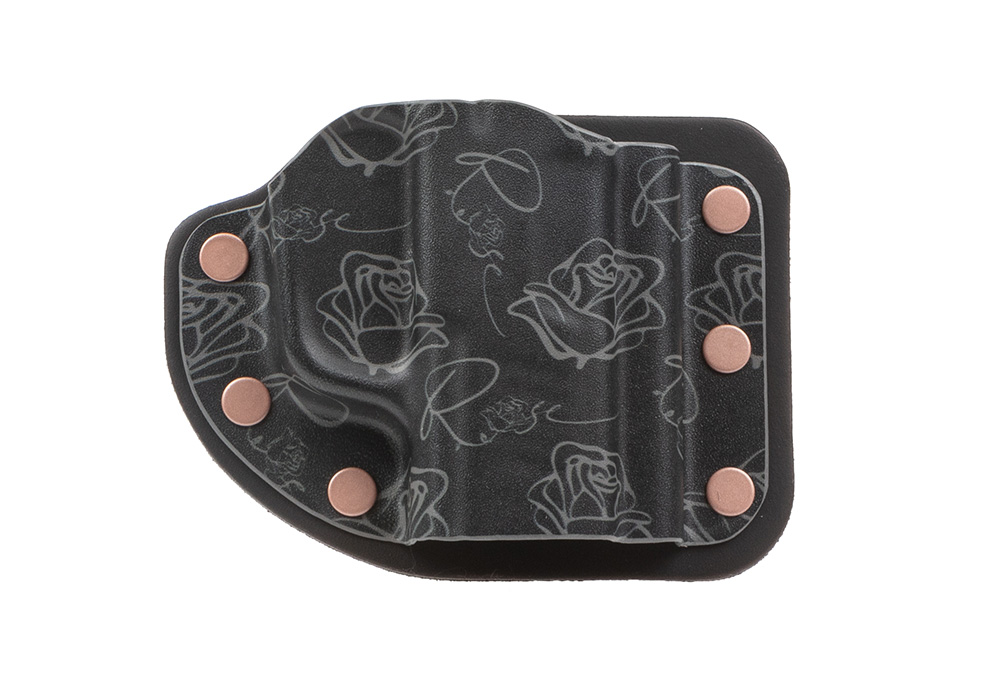
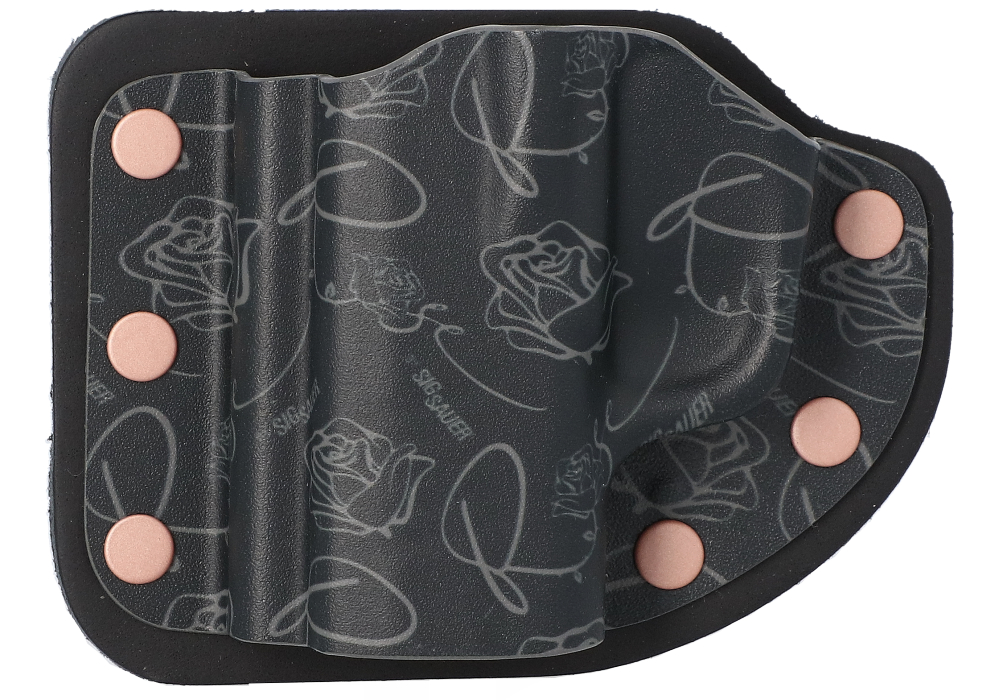
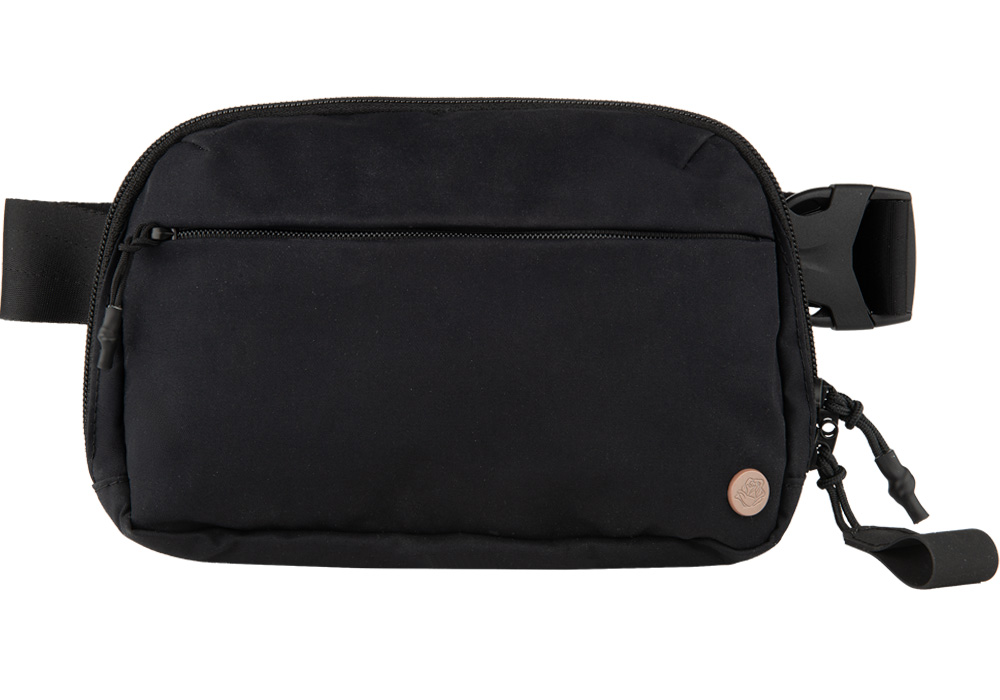
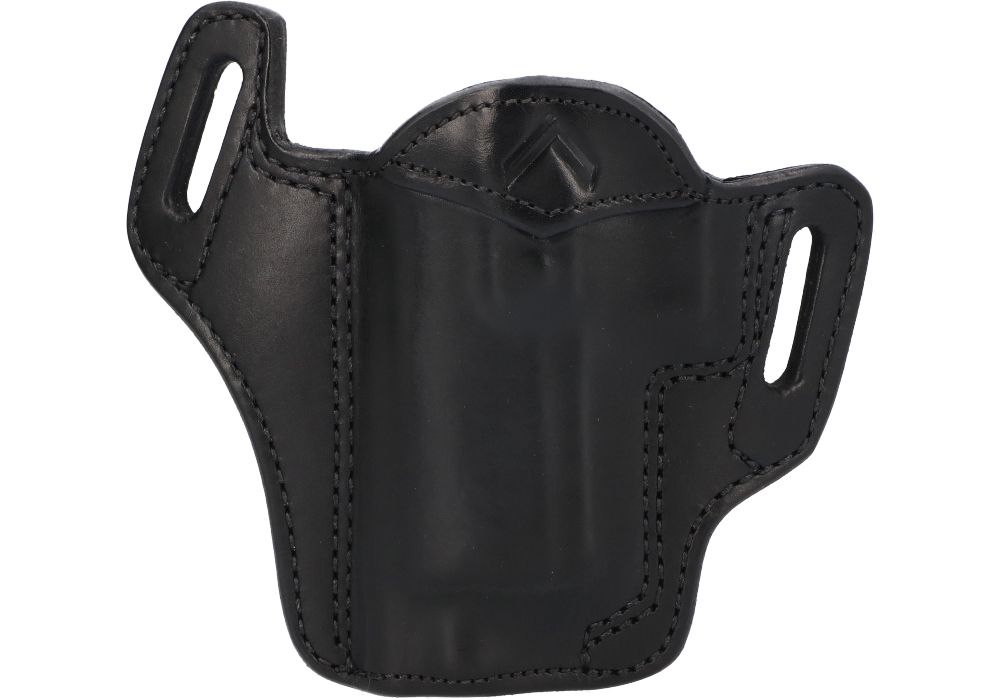
Women’s gun accessories include holsters, carry belts, concealed-carry apparel, dedicated bags, protective equipment, and range essentials that accommodate different body types, wardrobes, and shooting interests. Their value comes from how well they fit the person, the firearm, and the intended setting—not from a particular color or a smaller silhouette. A woman attending her first range session may prioritize comfortable eye and hearing protection, while an experienced firearm owner may be looking for a more supportive belt or a better-organized range bag. For on-body carry, holster compatibility is especially important: the fit must account for the exact firearm configuration, including any compatible attachments, rather than relying on a broadly similar shape. A suitable holster covers the trigger guard completely, retains the firearm securely, and remains stable during ordinary movement. Molded polymer offers a structured profile and a surface that is generally easy to wipe clean. Leather offers a different feel against clothing, but its shape, stitching, and condition deserve attention throughout its service life. Neither material compensates for an incorrect fit. Body proportions, waistband height, belt-loop placement, and the structure of a garment all influence comfort. A setup that feels balanced while standing can feel different while seated at a desk or in a vehicle, making everyday routines a meaningful part of fit. Supportive belts help distribute weight, while apparel intended for concealed carry needs more than stretch alone; secure support and compatibility with an appropriate holster remain essential. Off-body bags serve a different purpose and require particular care around access control. A dedicated firearm compartment should separate the firearm from keys, cosmetics, and other loose belongings, with a compatible holster protecting the trigger guard. The bag must remain under the owner’s control and should not be treated as a substitute for secure storage. Across these categories, thoughtful proportions, secure attachment points, and comfortable contact surfaces matter more than assumptions about what women prefer.
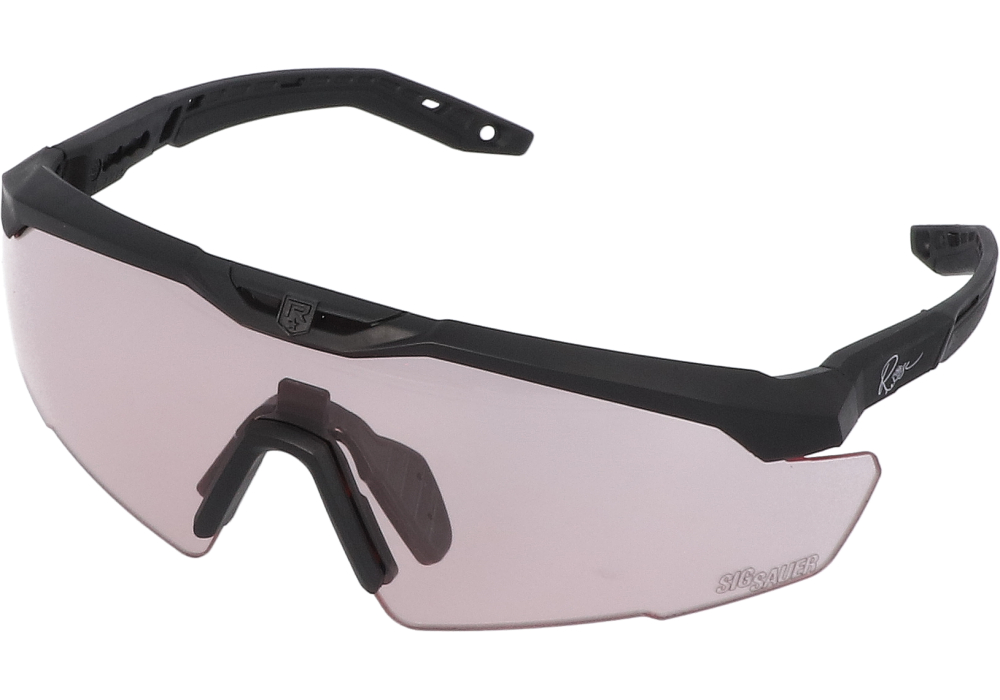
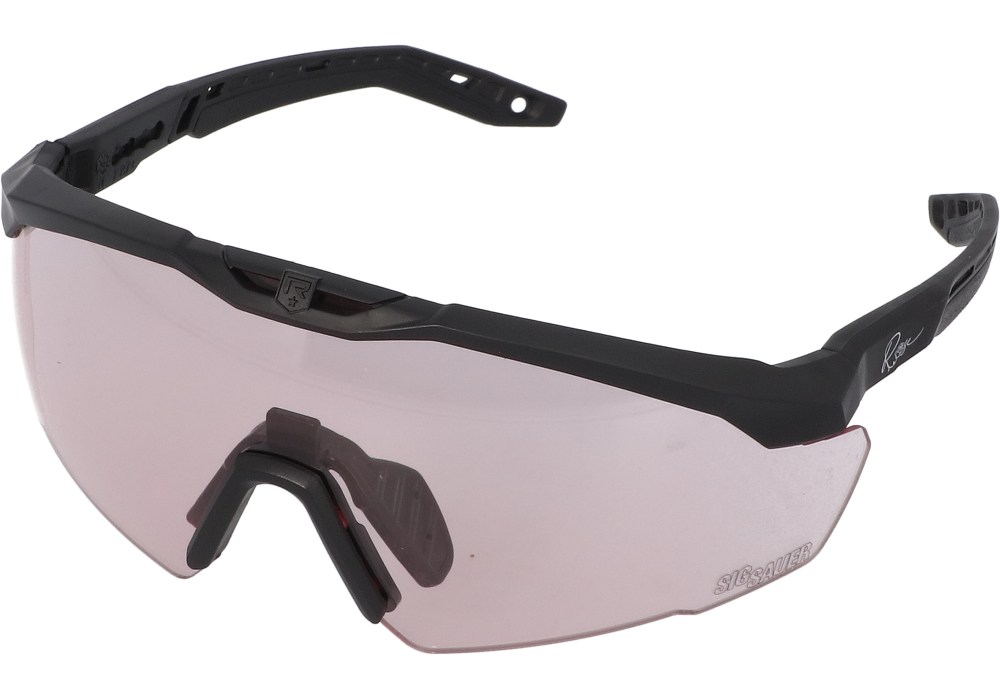
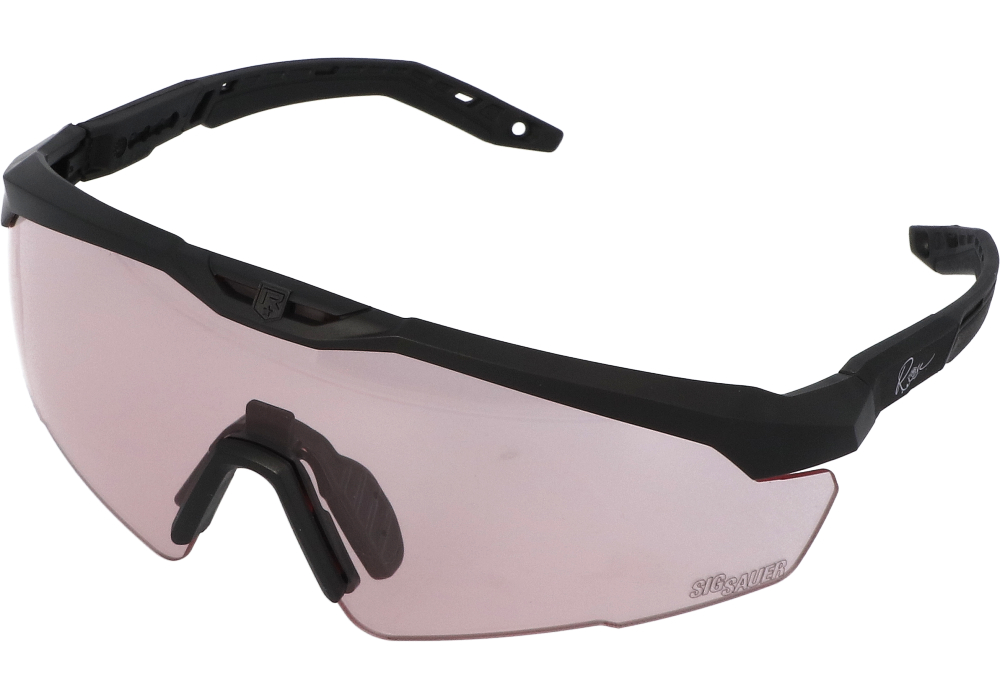
Range-focused accessories bring another set of practical details into view. A well-organized bag gives protective equipment, ammunition, cleaning supplies, and personal belongings distinct places, reducing the clutter that can turn a simple practice visit into a search through tangled straps and loose packaging. Reinforced handles, durable seams, dependable zippers, and a base that holds its shape help a bag withstand repeated trips between home, vehicle, and range bench. Interior dividers can protect lenses and other delicate surfaces, while separate compartments help keep residue away from personal belongings. Comfortable shoulder straps and balanced weight distribution are particularly useful when carrying equipment across a large parking area or through a training facility. Eye protection should have an appropriate impact rating for shooting activities, along with a secure fit that does not slide or pinch. Lens clarity and frame shape both matter when glasses must work alongside earmuffs or prescription eyewear. Hearing protection also depends on fit: earmuff cushions need an effective seal, and earplugs need to fit correctly according to their instructions. Thick eyewear temples, hair, or headwear can interfere with that seal, so accessories that feel comfortable separately may need closer attention when worn together. Clothing and footwear contribute to the same practical picture. Unrestricted movement, secure pockets, closed-toe coverage, and necklines that help keep hot cartridge cases away from skin are more relevant than decorative styling alone. For women attending a recreational shooting session, a supervised introduction, or an established training program, familiar equipment can make the experience feel more organized and comfortable. Small details often distinguish useful range gear: zipper pulls that are easy to grasp, smooth seams along contact points, washable surfaces, and pockets that keep protective glasses from rubbing against harder objects. These features support regular use without requiring a competition-focused setup. The best match reflects the actual outing, including how much equipment needs to travel and how comfortably it can be carried.
Materials and construction influence how women’s gun accessories perform over time, especially when the same equipment moves between daily wear, transportation, and range use. Woven nylon can offer abrasion resistance and relatively straightforward care, while leather benefits from material-specific cleaning and conditioning guidance. Rigid polymer components should retain their intended shape without cracks, sharp damage, or loose attachment hardware. On textile accessories, stitching around handles, belt attachments, and other load-bearing areas deserves particular attention because those points absorb repeated strain. Care requirements vary, and manufacturer instructions take priority over general cleaning habits. A detergent suited to a fabric bag may be unsuitable for leather, coated lenses, or electronic hearing protection. Cleaning cloths, brushes, and firearm-care supplies also need to match the surfaces and materials involved; aggressive chemicals or abrasive tools can damage finishes rather than preserve them. Any firearm-related maintenance begins with following the firearm manufacturer’s unloading and safety procedures, and accessories should be inspected regularly for wear that affects secure function. For browsing across related categories, Gun Accessories provides a broader context for comparing equipment by purpose rather than appearance alone. That distinction is useful when selecting a gift as well. Protective equipment, organizers, and other personal accessories can suit a woman who enjoys recreational shooting, but comfort, sizing, and compatibility still matter. A holster or fitted carry garment is a particularly personal choice, since an appealing design cannot resolve a mismatch with the recipient’s firearm or body. Knowing her preferred activities and existing equipment is more helpful than guessing from a general style preference. Secure storage accessories call for similar attention to intended use, locking features, and access restrictions, particularly in homes with children or visitors. Women’s gun accessories are most useful when they work together as a coherent set of equipment: comfortable enough for the intended routine, durable enough for repeated handling, and appropriate to the owner’s responsibilities. Practical design leaves room for personal style while keeping fit, protection, and dependable function at the center.