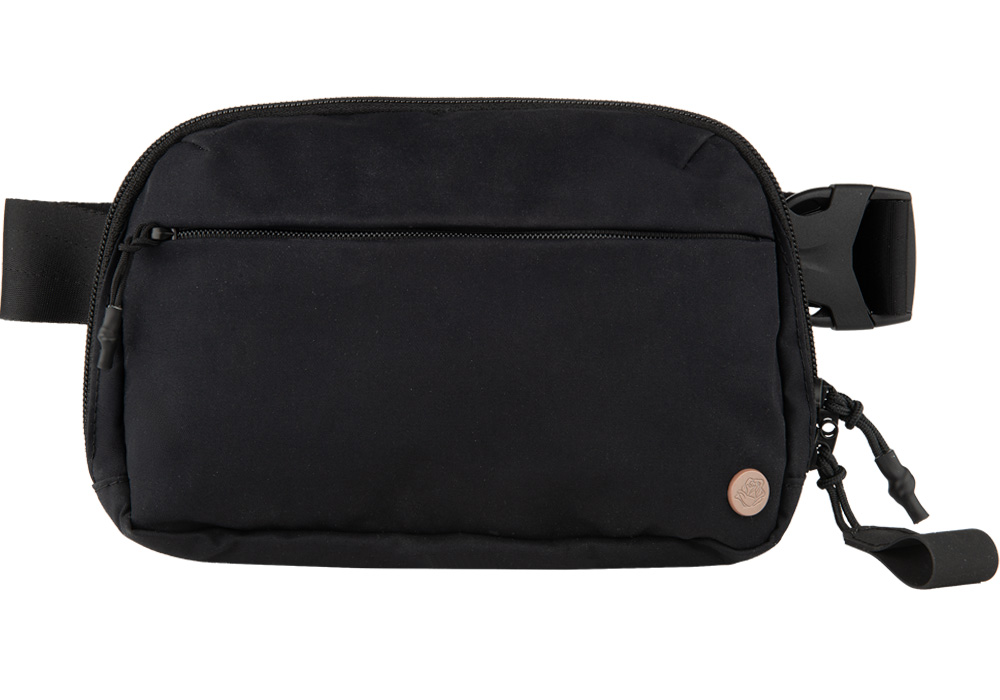
Women's tactical accessories combine practical organization, protective features, and comfortable fit for range visits, professional training, duty assignments, and everyday routines. The category can encompass belts, gloves, headwear, protective eyewear, hearing protection, bags, and purpose-designed carrying accessories, with the most useful choices shaped by the activity rather than appearance alone. A woman's fit is not simply a smaller version of a men's fit: hand proportions, waist-to-hip relationships, head shape, and preferred clothing layers can all affect how an accessory feels and functions. At the same time, individual measurements matter more than a gender label, and an adjustable or unisex design may suit some women better than a women-specific cut. Thoughtful ergonomics show up in small details, such as glove fingers that do not leave excess fabric at the tips, a belt that follows the waist without creating uncomfortable pressure, or eyewear that stays in place when looking down into a bag. For someone attending a first range class, comfort and straightforward adjustment can help keep attention on the instructor instead of a slipping waistband or pinching ear cushions. An experienced participant may place greater emphasis on consistent fit across a familiar setup, durable contact points, and organization that keeps essentials easy to identify. Women working in professional environments may also need accessories that integrate with uniform requirements and other protective equipment. These needs are related, but they are not interchangeable. A streamlined accessory for a short practice session may feel very different from equipment worn through a full training day. Useful comparisons therefore center on dimensions, adjustment range, material feel, and compatibility with the clothing and equipment already in use. Color and styling remain personal choices, but they do not replace a secure fit, appropriate protection, or dependable construction. The strongest foundation for a coordinated setup is equipment that feels stable and unobtrusive during ordinary movements such as sitting, reaching, walking, and bending.
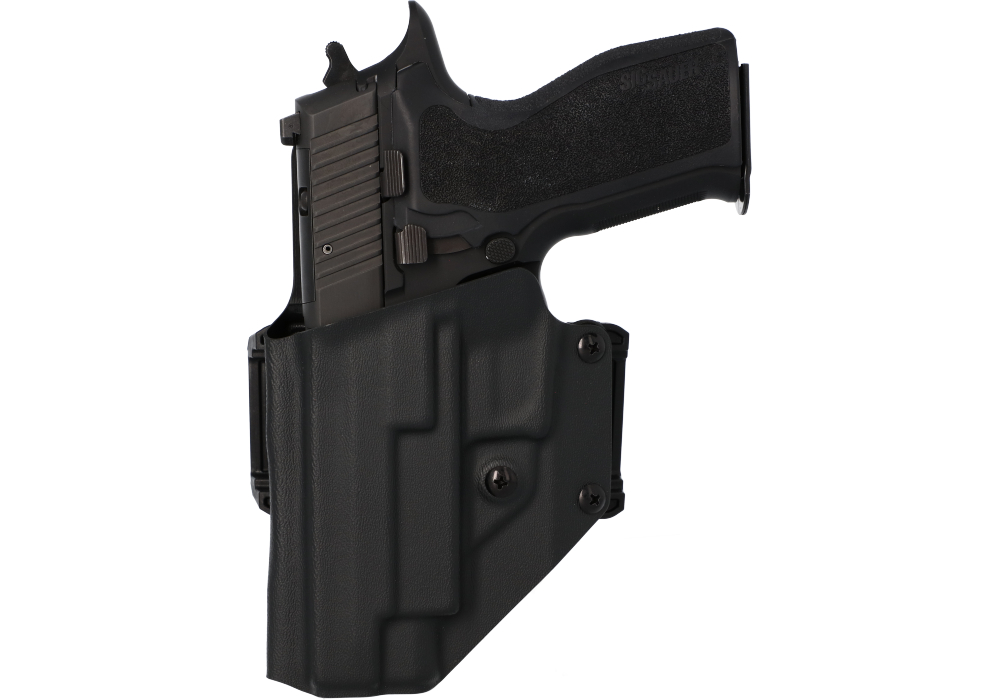
Materials and construction influence both comfort and service life. Woven nylon and polyester are common choices for bags and belts because they can combine abrasion resistance with manageable weight, while reinforced stitching adds support around handles, attachment points, and frequently used openings. Denser fabric is not automatically better for every purpose; flexibility, weight, lining, and seam placement also affect the experience of carrying an accessory. Leather offers a different feel and can develop character with use, though its care requirements differ from those of synthetic textiles. Stretch panels and breathable fabrics can improve comfort in gloves or headwear, provided the overall fit remains secure. In gloves, a close, flexible fit supports ordinary tasks such as opening zippers, handling paperwork, and adjusting protective equipment without bunching across the palm. Belts benefit from enough structure to support their intended load without excessive rolling or edge pressure, and their width must work with the wearer's belt loops and compatible accessories. For any holster, exact firearm compatibility, full trigger-guard coverage, secure retention, and sound construction are essential safety considerations; a general-purpose pocket or loose compartment is not an equivalent substitute. Protective accessories deserve equally careful attention. Eyewear should have documented impact protection appropriate to its intended use, along with a bridge and temple shape that remain comfortable beneath hearing protection. Broad frames or bulky temples can interfere with an earmuff seal, so the interaction between pieces matters as much as the fit of each piece separately. Hearing protection should carry a stated noise reduction rating and suit the environment and any range requirements. Electronic features can support communication, but they do not remove the need for appropriate protection and correct fit. Bag construction is similarly practical: a stable base, comfortable handles, easy-to-clean surfaces, and clearly separated compartments can make a busy check-in counter or shared range bench easier to navigate without turning every search for a small essential into a complete unpacking.
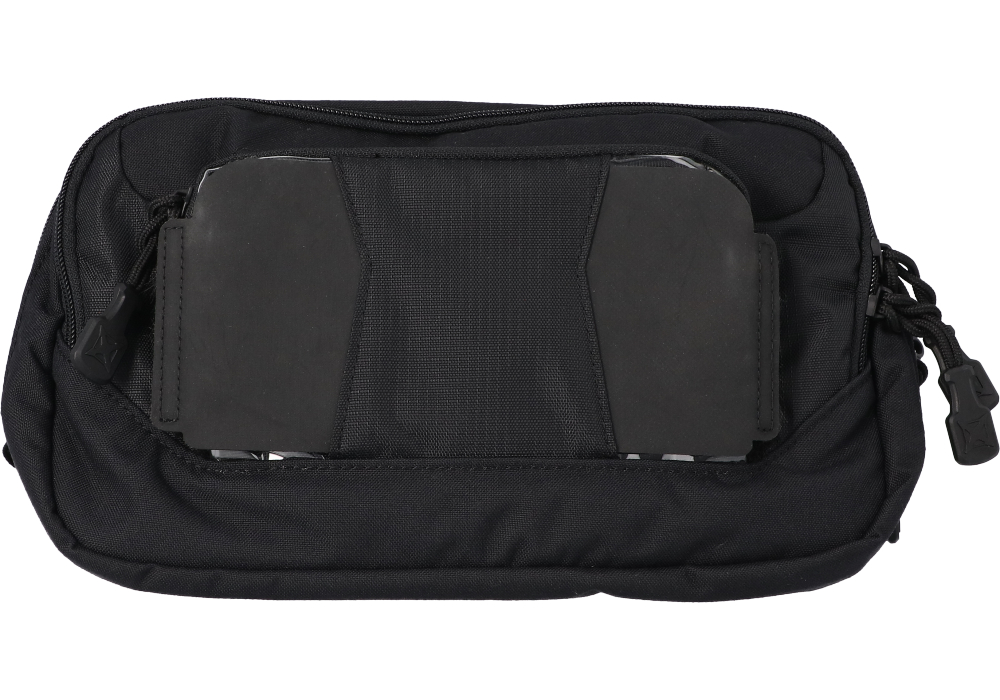
Long-term usefulness also depends on how accessories fit into an established routine. A compact organizer may suit someone who carries only a few essentials, while a larger bag can accommodate protective equipment, paperwork, and personal belongings without crowding everything into one compartment. Pocket arrangement often matters more than the number of pockets: frequently used objects benefit from a consistent place, and contrasting interior fabric can make small belongings easier to see. Zipper pulls and closures should be comfortable to operate, including when gloves are part of the setup. The same attention to fit and function applies across Tactical Accessories, whether the priority is a focused training kit or a versatile group of everyday essentials. Care should follow the manufacturer's directions, particularly where coated lenses, electronic components, leather, or specialized fabrics are involved. Removing ordinary grit before it works into seams, allowing damp textiles to dry thoroughly before storage, and avoiding unsuitable cleaning chemicals can help preserve useful features. Protective eyewear needs a storage space that keeps lenses from rubbing against hard objects, while hearing protection benefits from regular checks of cushions, seals, and other replaceable components. Fraying, loose stitching, cracked hardware, and changes in fit are reasons to inspect an accessory more closely rather than relying on appearance alone. For gift giving, women's tactical accessories can be a thoughtful choice for a partner, friend, family member, or colleague who enjoys range practice or structured training. The most personal gifts reflect an established interest and a known preference, not assumptions about what women should wear or carry. Size-dependent equipment calls for accurate measurements, and protective equipment requires attention to the recipient's existing setup. An organizer that suits a familiar bag, headwear with a comfortable adjustment system, or accessories aligned with a regular training routine can feel more considered than an elaborate collection of unfamiliar features. Lasting value comes from comfortable use, sensible organization, and construction suited to the job, with each accessory earning its place through repeated use rather than unnecessary complexity.