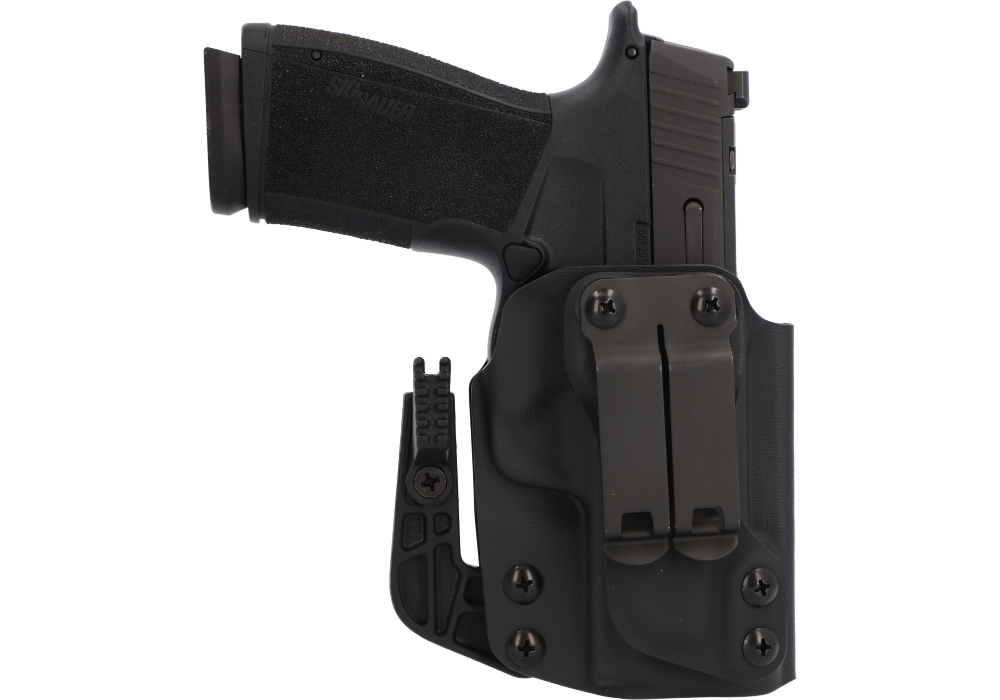
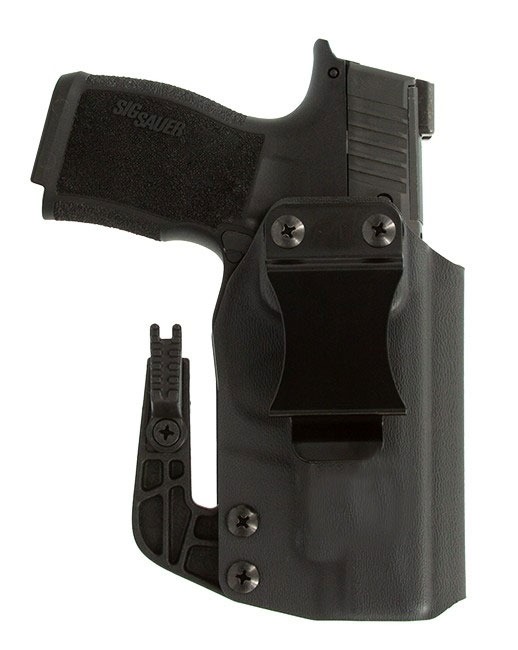
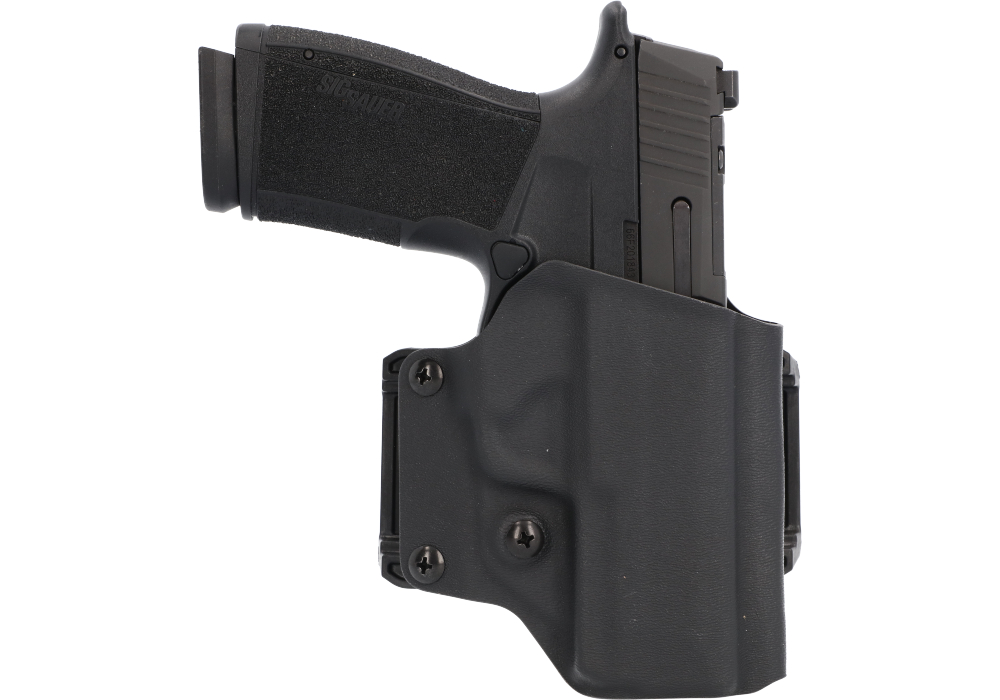
Tactical gun accessories include firearm-mounted lights, optics, slings, grips, mounting components, and protective cases that support handling, sight visibility, transport, and storage. These accessories serve different purposes, but their value comes from how well they suit a particular firearm and its intended use. A recreational target shooter may prioritize a clear sight picture and a comfortable grip, while a professional working within an authorized equipment policy may need compatible mounting hardware and dependable retention. For someone traveling between a vehicle and a designated shooting area, a comfortable sling and a well-organized case can matter as much as equipment attached to the firearm itself. Optics offer different viewing formats, adjustment features, and dimensions, with suitability depending on the firearm, shooting discipline, and individual preferences. Firearm-mounted lights differ in their controls, power sources, housings, and attachment requirements; illumination does not replace positive identification or safe muzzle direction. Slings provide a means of carrying a firearm, with differences in webbing, padding, attachment style, and adjustment range affecting comfort. Grips and related contact surfaces influence how equipment feels in the hand, particularly when the user has smaller hands or wears gloves. Protective cases address another part of the experience, helping separate equipment from loose tools and other belongings during transport. Across these categories, compatibility is more meaningful than a tactical appearance. Similar-looking mounting surfaces are not necessarily interchangeable, and a familiar model name alone may not establish fit across different firearm configurations. Relevant specifications include the exact firearm configuration, mounting interface, overall dimensions, and clearance around existing equipment. Accessories should not interfere with operating controls, required safety features, or established handling practices. A setup that feels balanced and remains straightforward to use is generally more practical than one burdened with attachments that serve no clear purpose. For regular range visits, organized training, or authorized professional use, the strongest starting point is a defined need supported by documented compatibility.
Materials and construction help explain how tactical firearm accessories feel, wear, and respond to regular handling. Aluminum housings can provide structural strength without unnecessary bulk, while steel components are often used where wear resistance and secure engagement matter. Reinforced polymers offer another balance of weight, shape, and resilience, especially in grips, protective shells, and equipment organizers. Material names alone do not tell the whole story: wall thickness, surface treatment, hardware quality, and the design of contact points all contribute to durability. Edges should feel finished rather than sharp, moving parts should operate consistently, and attachment areas should match the stated specifications. For soft accessories, tightly woven fabric, reinforced stitching, substantial zippers, and thoughtfully positioned padding are useful details to consider. A sling that feels comfortable for a brief fitting can feel different after extended carrying, just as a case with generous exterior dimensions may have less usable interior space than expected. Interior layouts matter when a firearm shares a case with hearing protection, eye protection, and other range essentials. Separate compartments help prevent loose accessories from rubbing against lenses or finished surfaces, while suitable padding supports equipment without forcing it into place. Care requirements also deserve attention before an accessory becomes part of a regular routine. Cleaning methods vary by material and finish, and products intended for one surface may be unsuitable for another. Manufacturer instructions provide the appropriate reference for approved cleaners, lens care, battery maintenance, and inspection intervals. Dust, skin oils, and cleaning residue can accumulate around controls and attachment points even when equipment looks clean at a glance. Routine visual inspection can reveal frayed webbing, damaged stitching, cracked housings, or worn fasteners before those issues become harder to address. Any maintenance involving a firearm calls for an unloaded firearm and adherence to the manufacturer’s safety procedures. When fit or condition is uncertain, a qualified professional is a better resource than improvised adjustments. Long-term usefulness depends on sound construction, appropriate care, and recognition of wear.
Tactical gun accessories also belong within the broader category of Tactical Shooting Gear, where firearm-mounted equipment, carrying solutions, and range essentials work together around a specific activity. That relationship is easiest to see during an ordinary range visit: a protective case keeps equipment organized for the trip, a suitable sling supports carrying where permitted, and compatible accessories remain clear of the firearm’s controls. Each component has a distinct job, and none needs to compete for attention. Thoughtful selection takes account of the entire arrangement, including the space an accessory occupies, its added weight, and whether existing storage or carrying equipment still fits correctly. An attachment that appears compact on its own can change the balance of a firearm or prevent it from fitting inside a previously suitable case. Likewise, controls that feel accessible to one person may be awkward for another because of hand size, reach, or other equipment. These practical differences make personal fit important for experienced owners and newer shooters alike. For participants in structured training, equipment requirements established by the instructor or facility can help define which accessory categories are relevant. Professional users may also need to follow organizational specifications rather than personal preferences. Gift selection benefits from the same attention to detail. Accessories can be thoughtful gifts for responsible firearm owners, but exact compatibility, preferred features, and the recipient’s established setup deserve confirmation before choosing anything that attaches directly to a firearm. General-purpose organization and protective storage may involve fewer interface questions, though dimensions and intended contents still matter. Documentation, accessible care information, and clear specifications are useful parts of ownership, particularly when equipment will see frequent use. Accessories do not replace safe handling, secure storage, or qualified instruction, and no single attachment can guarantee a particular shooting result. Their practical contribution is more specific: supporting a comfortable, orderly, and compatible setup suited to lawful use. The most useful tactical accessories remain those with a clear purpose, a dependable fit, and care requirements that match the owner’s routine.