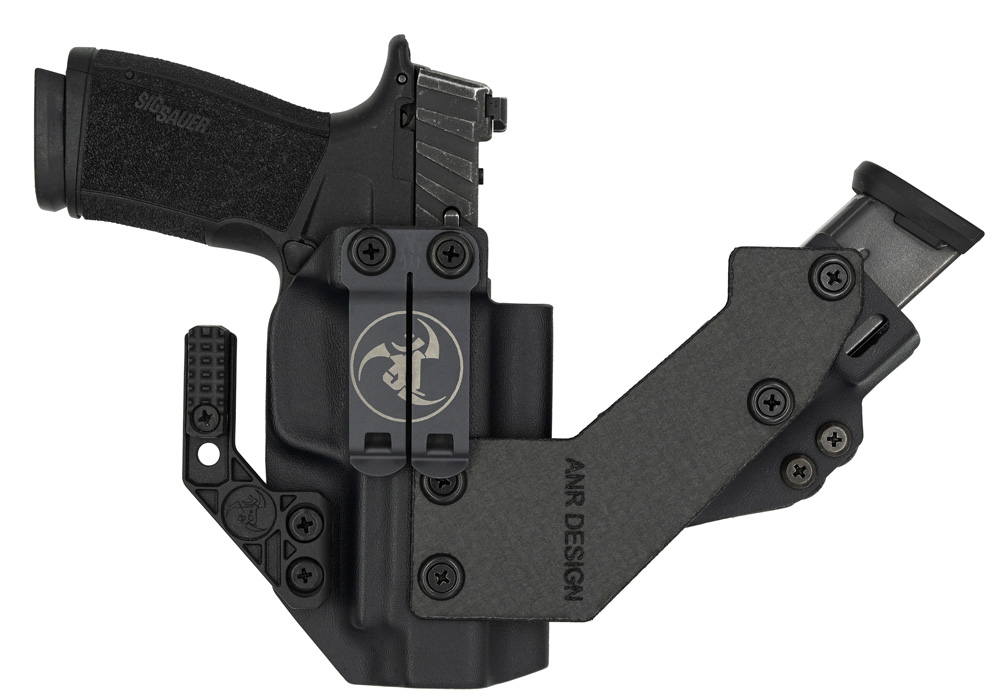
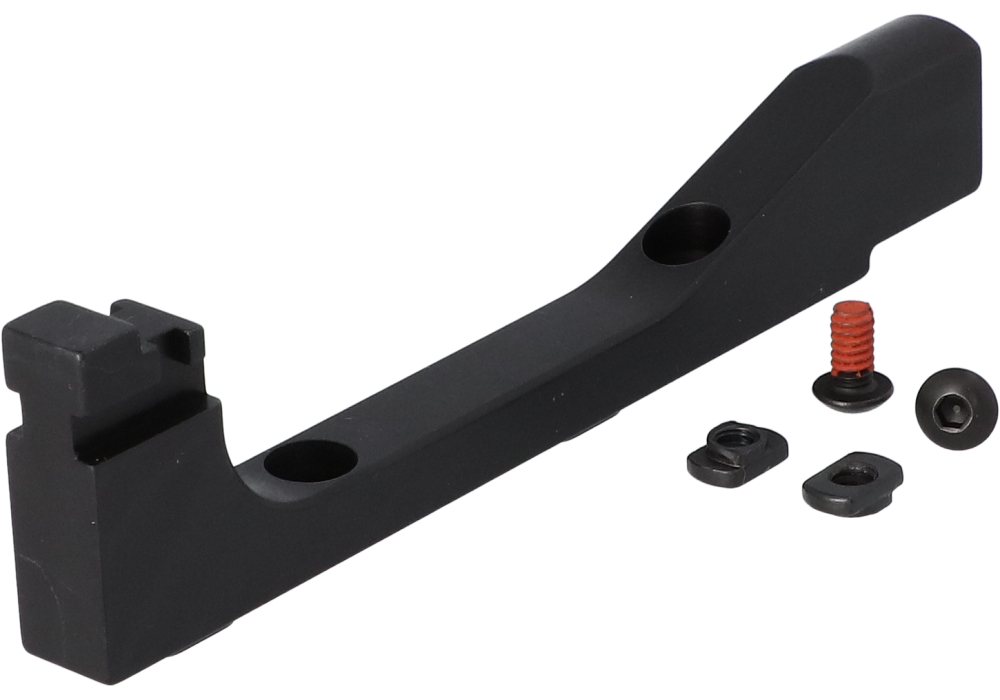
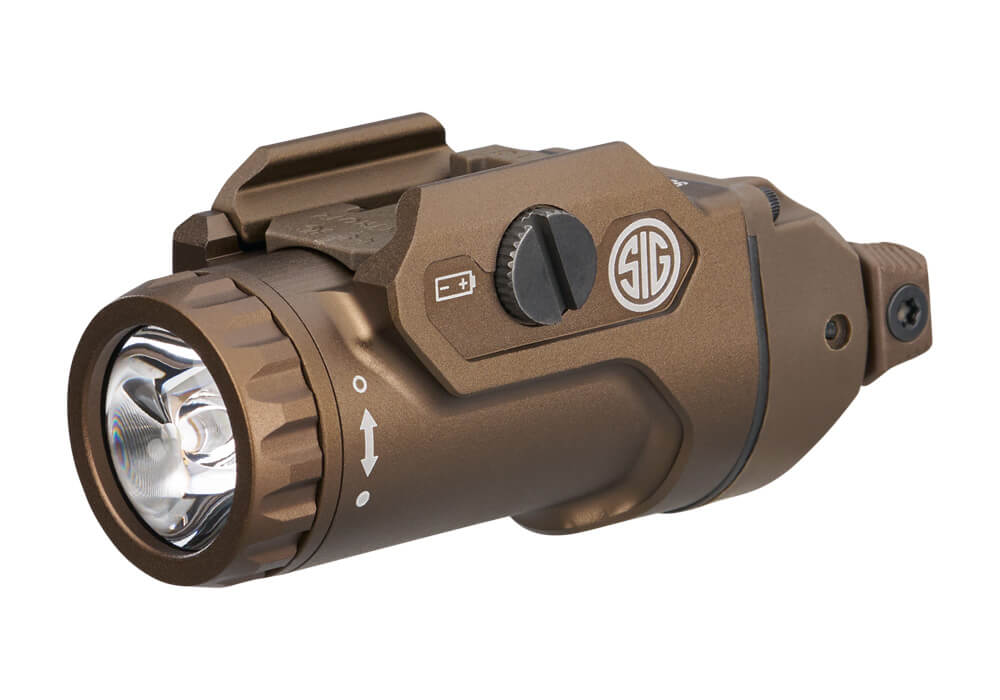
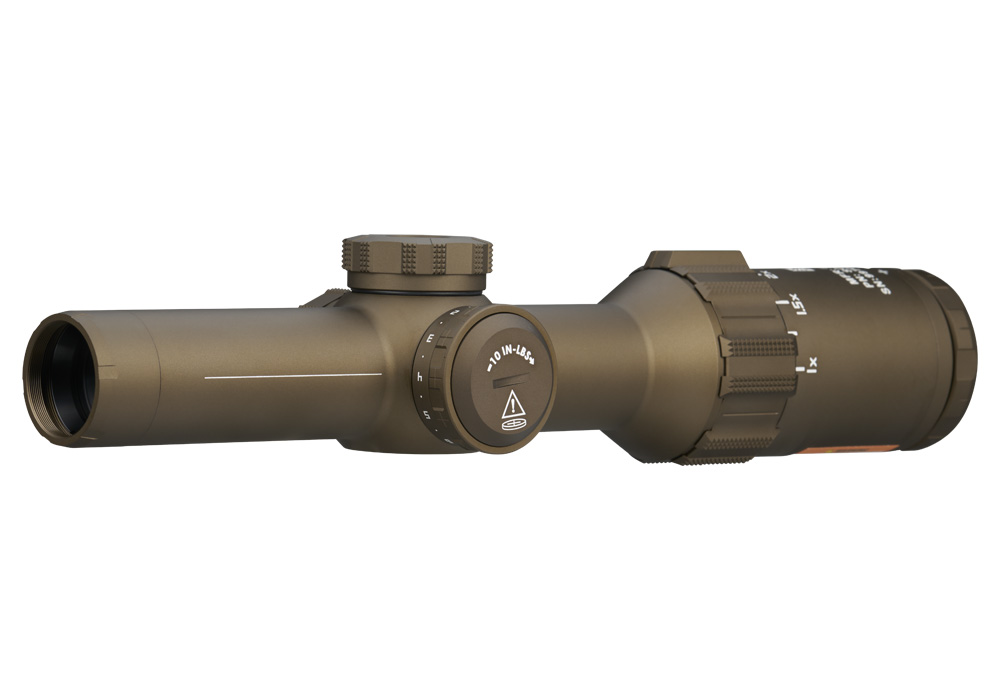
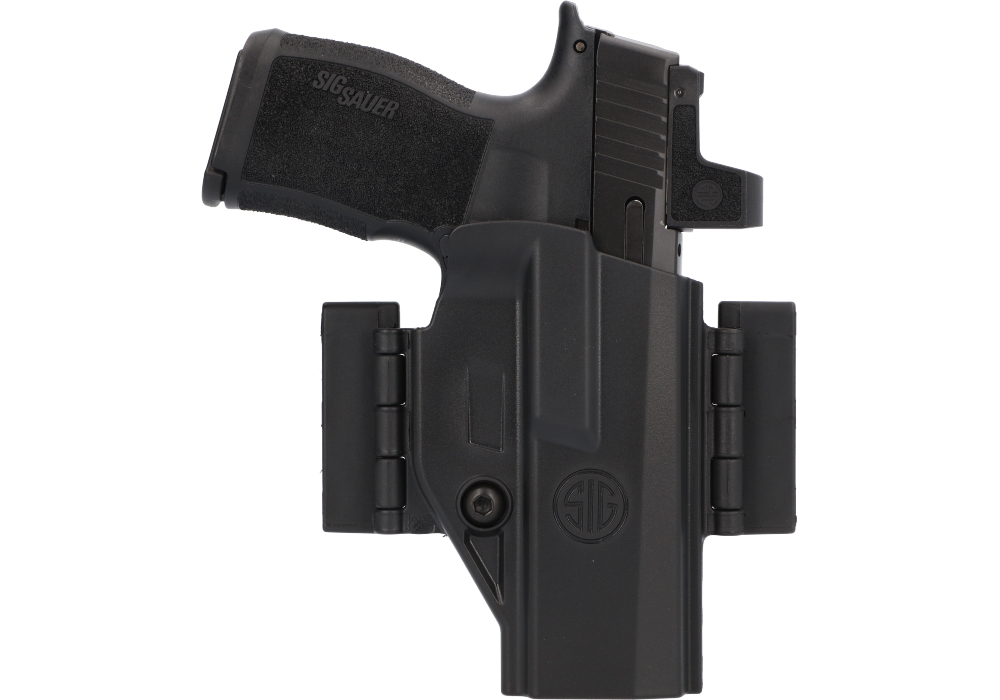
Tactical accessories are the practical components that help organize, carry, protect, and maintain equipment in demanding environments. Rather than replacing a primary platform, these additions refine the way a setup works from one task to the next. Modular pouches provide dedicated storage for medical supplies, tools, magazines, flashlights, communications equipment, or other essentials, while specialized belts and holsters create a stable foundation for equipment that needs to remain accessible. Multi-tools and field-maintenance accessories support quick adjustments and basic repairs when a workbench is out of reach. Together, these categories can improve organization and readiness for range sessions, training, outdoor activities, professional duty, and responsible everyday carry. The best accessory setup is rarely the largest one; it is the one that places necessary items where they can be reached without unnecessary movement, keeps weight balanced, and matches the user’s clothing, equipment, and environment. A pouch that attaches to a modular platform can turn an otherwise crowded pack into an orderly work area, with each item secured in a known location. A well-fitted belt can distribute equipment more comfortably during long hours on foot. A properly selected holster can help support safe, consistent carry when used with the firearm and carry method for which it was designed. For those building a modern rifle configuration, complementary equipment can also be explored through Modern Rifle Accessories, where accessory choices can be considered alongside the overall platform. Across every category, compatibility, durability, fit, and intended use matter more than appearance alone.
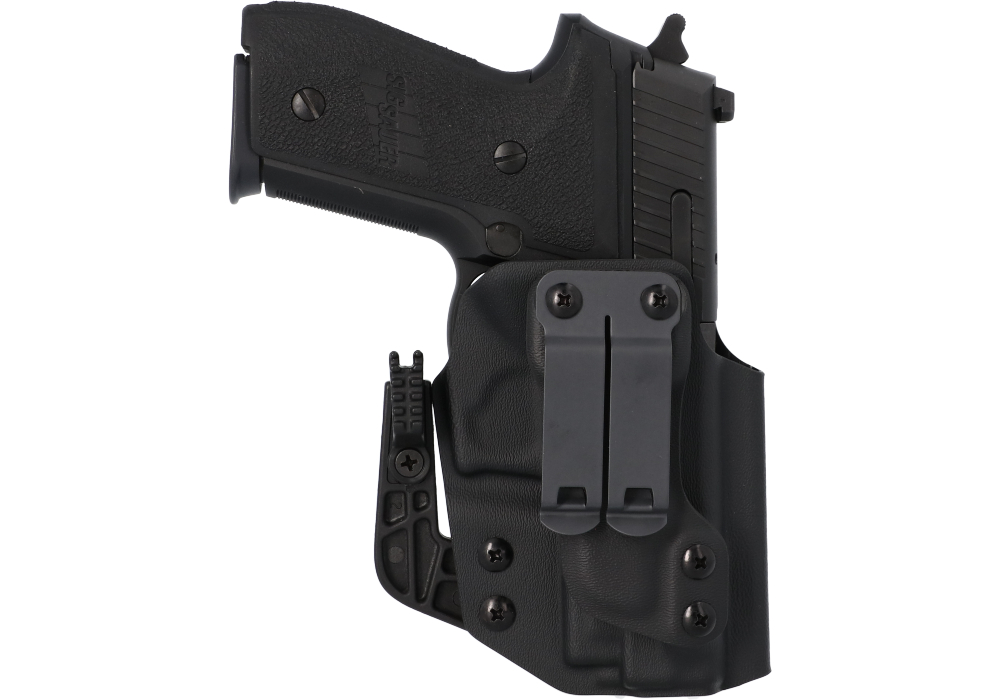
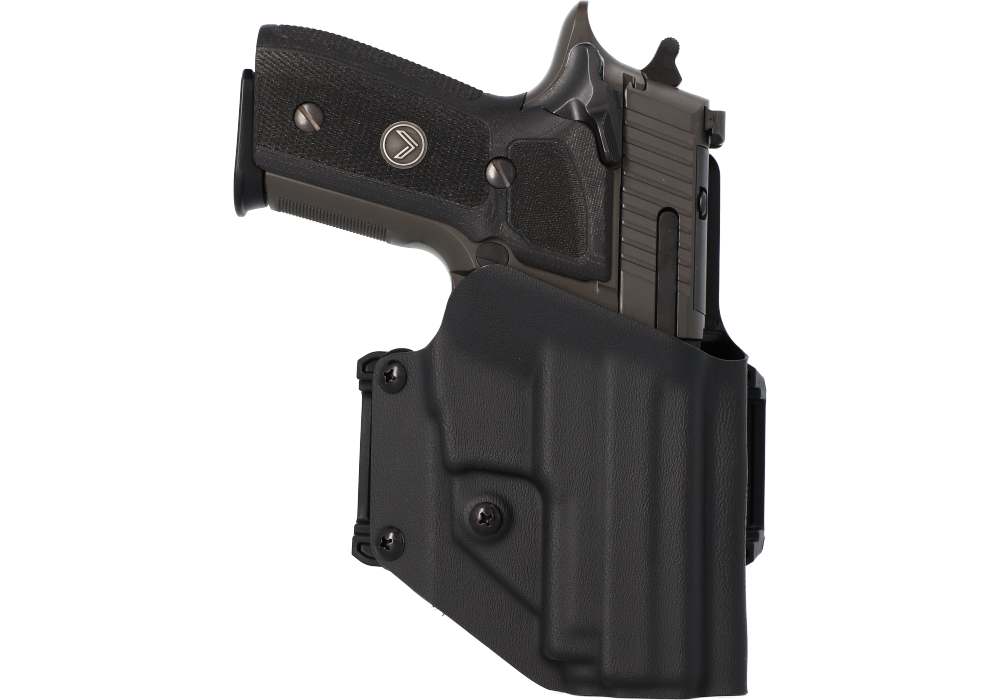
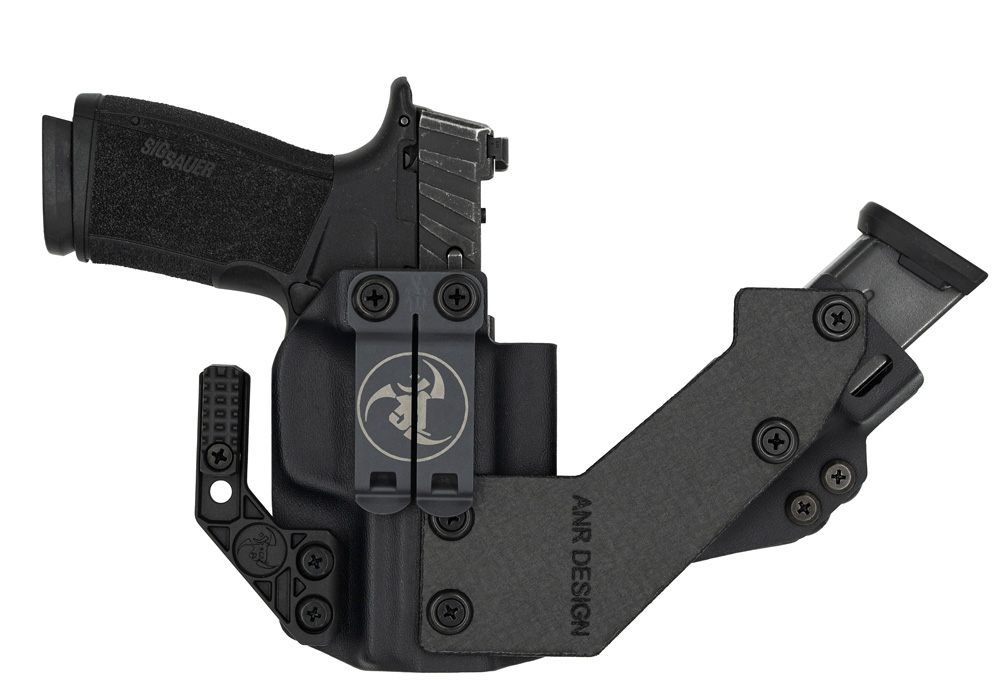
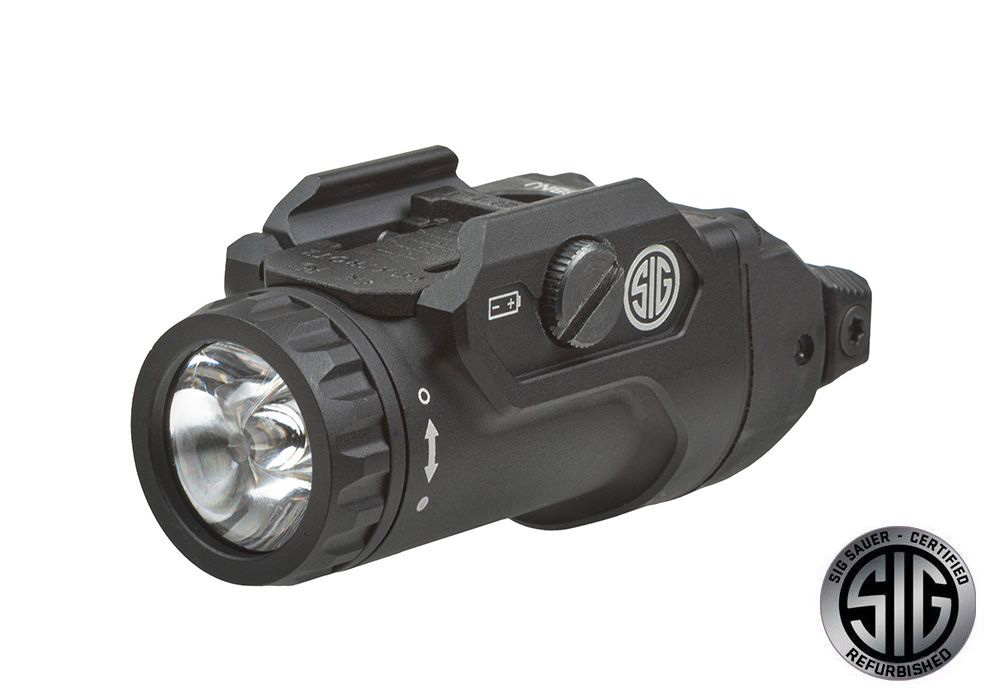
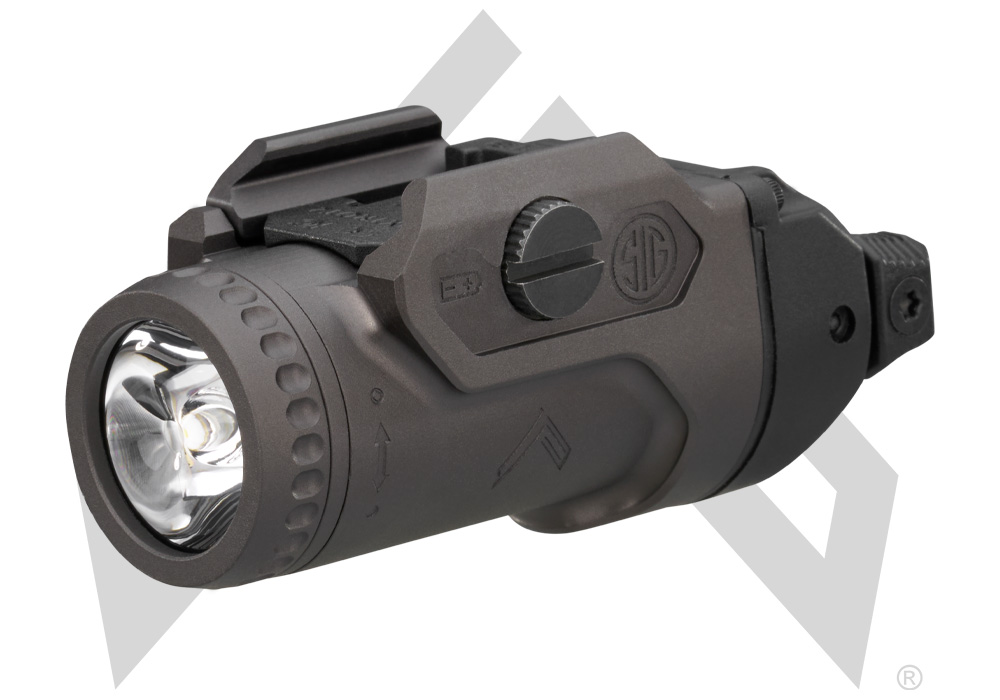
When selecting tactical accessories, begin with the platform and the job rather than buying individual pieces in isolation. A plate carrier, chest rig, battle belt, range bag, and backpack each place different demands on attachment points, available space, and weight distribution. MOLLE-compatible pouches are valued for their modularity because they can be positioned and repositioned as a setup changes, but the attachment method should be checked carefully to confirm that the pouch sits securely and does not interfere with adjacent equipment. A medical pouch may be mounted where it can be reached quickly by the intended user, while a utility pouch may be placed farther back because it is accessed less often. Belts deserve the same attention to purpose. A duty or battle belt is generally built to support more equipment and may accommodate a holster, magazine carriers, medical storage, and other load-bearing accessories. An everyday carry belt tends to emphasize a lower-profile shape, dependable support, and comfortable wear beneath or over ordinary clothing. Buckle design, adjustability, stiffness, belt width, and compatibility with the selected holster all affect the final result. Holsters should be chosen for the exact firearm model and configuration, including mounted lights or optics when applicable, and should provide appropriate retention for the intended environment. Retention is particularly important for movement-heavy work, outdoor use, and professional applications where equipment may encounter vehicles, obstacles, or frequent changes in position. Before carrying, users should practice safe handling and verify that the holster, firearm, and accessories function together as intended. Multi-tools can be useful additions to a range bag, pack, or work kit, especially when they combine practical functions such as drivers, pliers, cutters, or other maintenance features in a compact format. They are not a substitute for purpose-built armorer’s equipment, but they can be valuable for small adjustments, tightening hardware, and handling everyday tasks. Materials, stitching, fasteners, weather resistance, and ease of cleaning are also worth reviewing, particularly when gear will be used outdoors during cooler months, in damp conditions, or around dust and debris.
Tactical accessories can serve a broad range of users, from someone organizing a first range kit to an experienced professional refining a familiar loadout. Recreational shooters may use pouches and organizers to keep eye and ear protection, tools, ammunition, and personal items separated and easy to locate. Hikers, campers, and outdoor enthusiasts may appreciate compact storage for navigation tools, lighting, first-aid supplies, or repair items, provided the gear is appropriate for the activity and carried in a way that does not restrict movement. Security professionals, military personnel, first responders, and other duty users often select accessories according to uniform requirements, agency policies, training standards, and the need for reliable access under pressure. Responsible firearm owners may also choose a practical belt, range organizer, or maintenance tool as a useful gift for someone who already has a well-established collection. Gifts in this category are easiest to choose when the recipient’s platform, preferred carry position, clothing, and existing attachment system are known; a gift card or broadly useful organizational accessory may be more suitable when those details are uncertain. Seasonal changes can make thoughtful organization even more valuable, as outer layers, gloves, wet ground, and reduced daylight may affect how equipment is carried and accessed. A flashlight pouch, weather-resistant organizer, or secure belt can help keep essential items in place while moving between the range, vehicle, trail, and home. Before purchase, compare dimensions, attachment standards, handedness, retention features, material construction, and manufacturer guidance. Confirm that an accessory does not block controls, obstruct safe handling, create an unsafe trigger condition, or place critical equipment beyond the user’s practical reach. Training with the completed setup is equally important: walk, kneel, sit, enter and exit a vehicle, and perform ordinary range tasks to identify snags or pressure points before relying on the gear. With careful selection and regular inspection, tactical accessories can make a setup cleaner, more comfortable, and easier to use while supporting the habits that matter most—secure storage, consistent organization, safe handling, and readiness for the environment ahead.