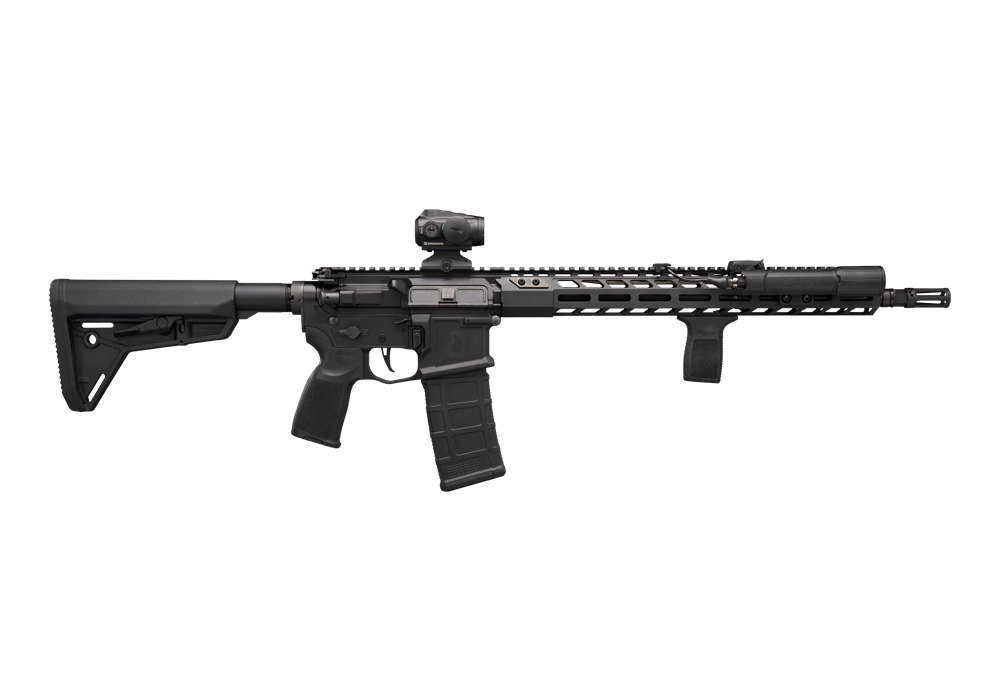
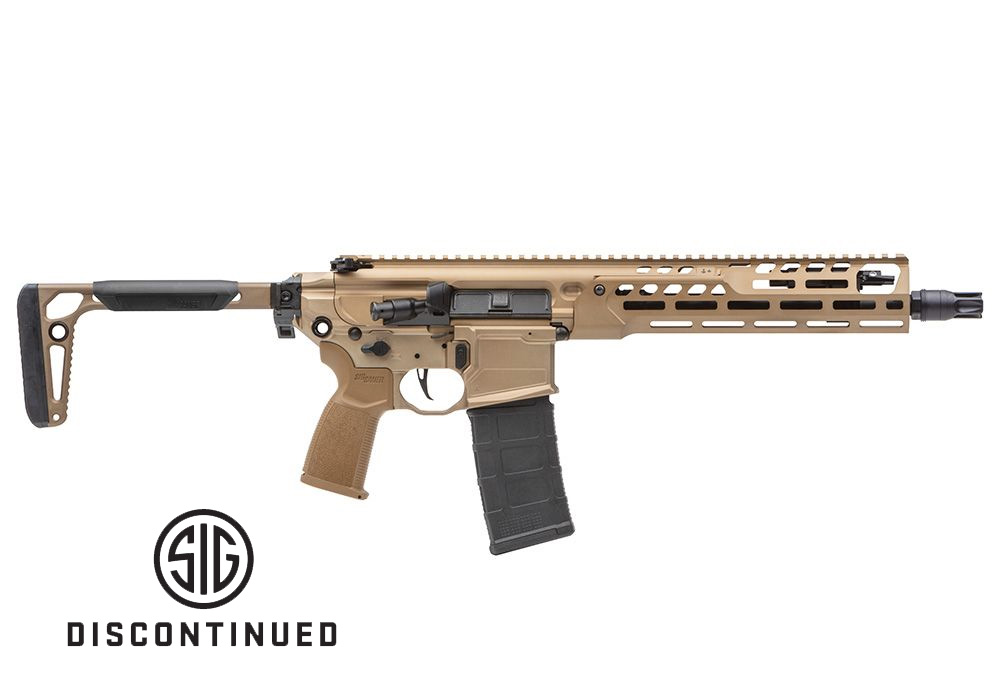
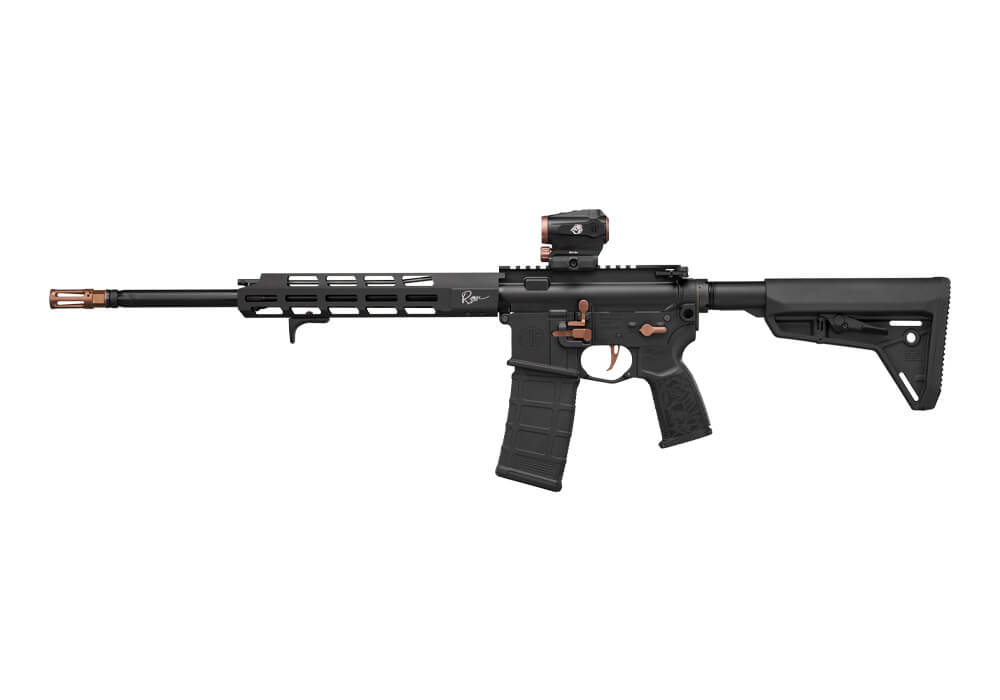
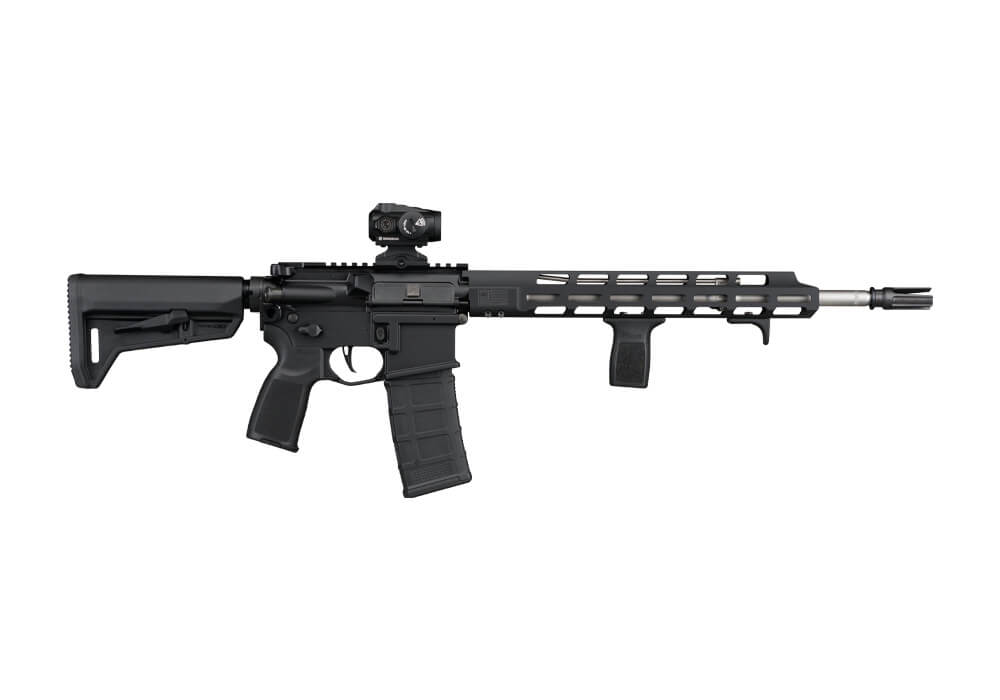
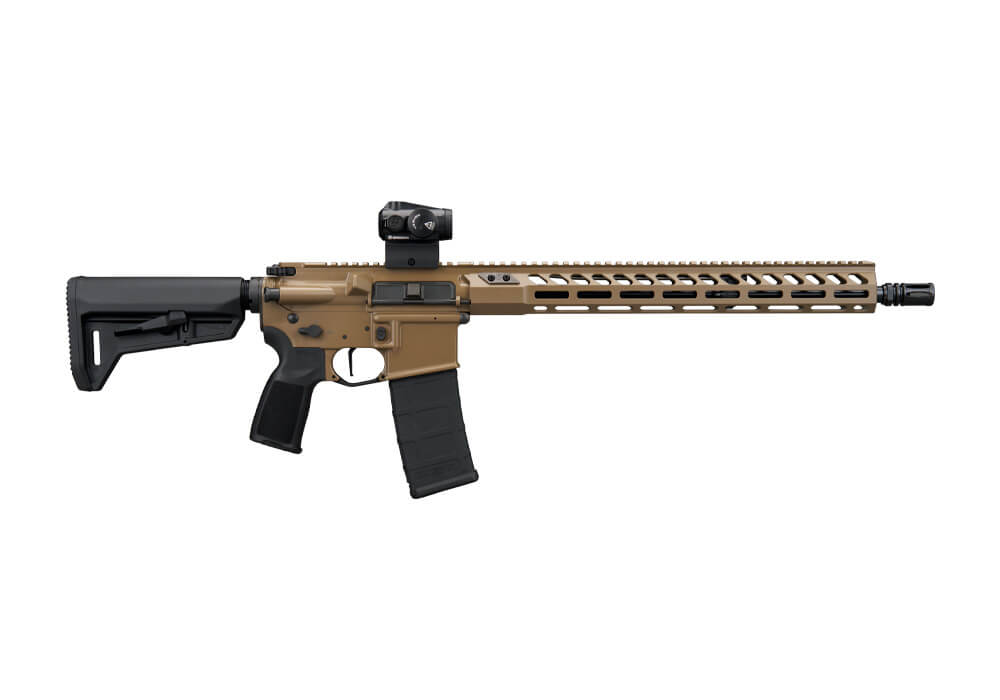
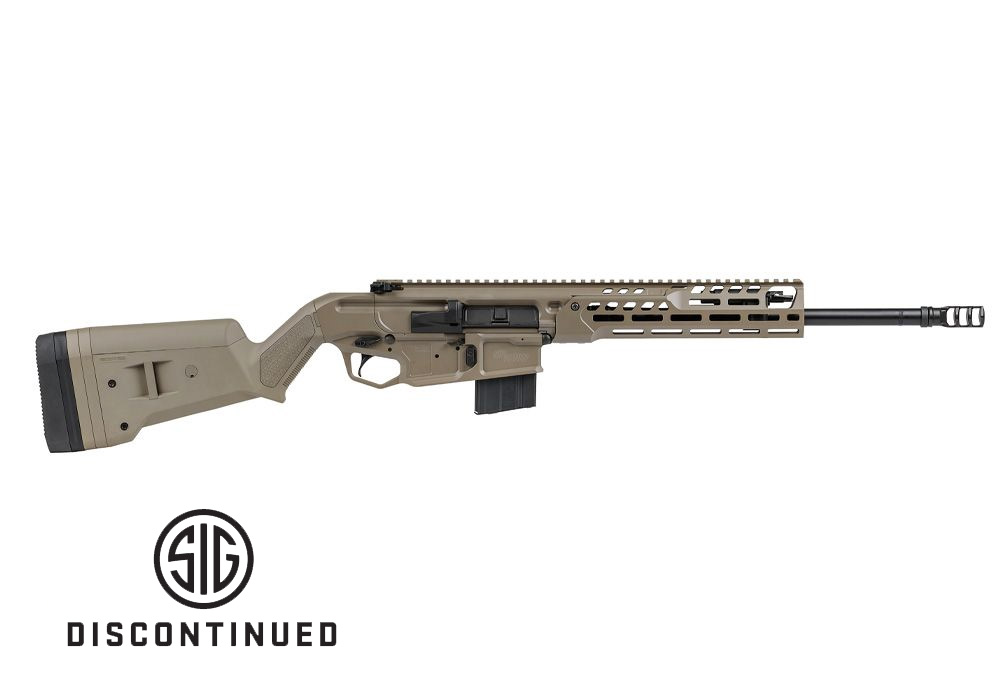
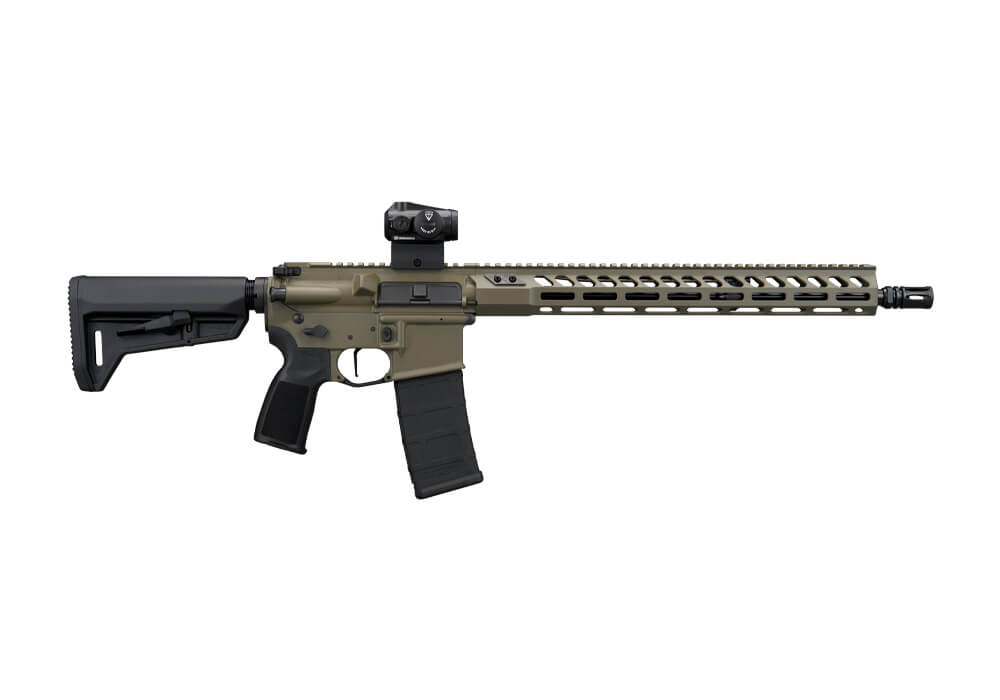
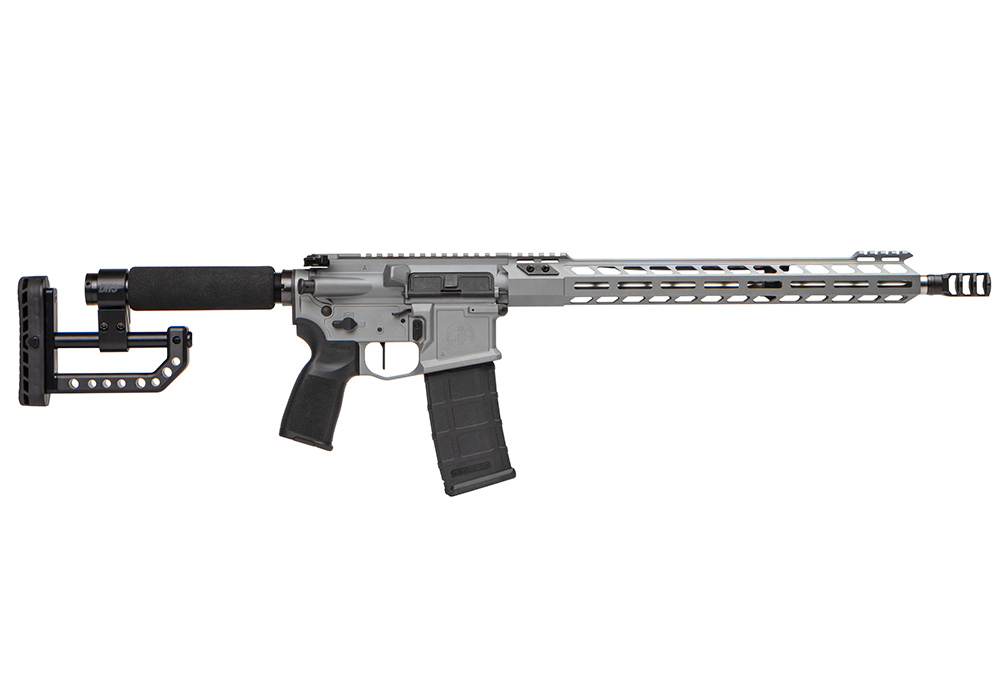
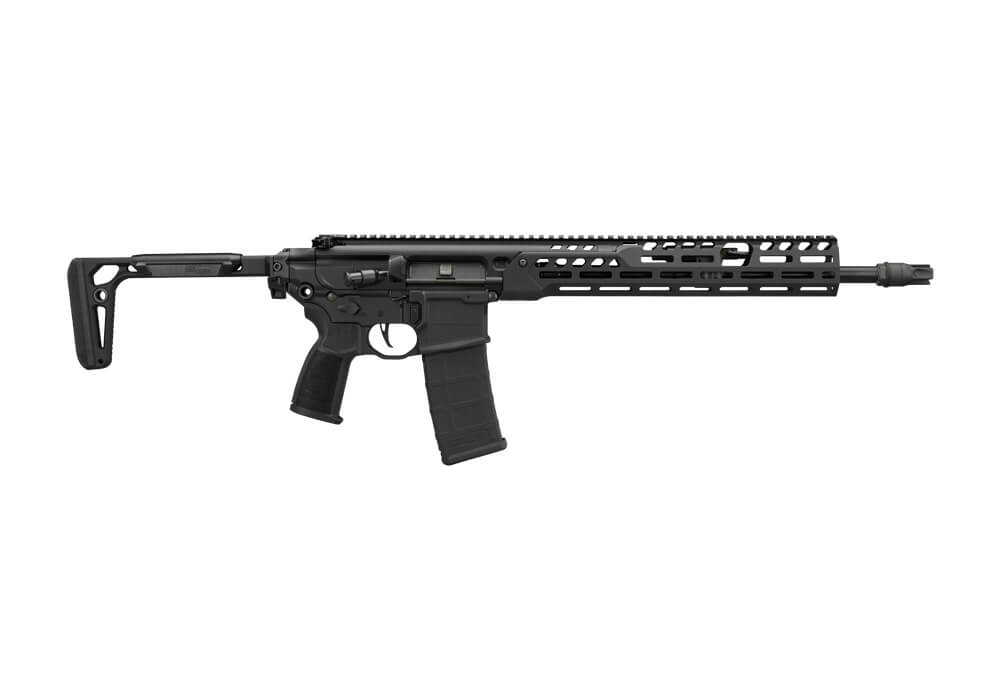
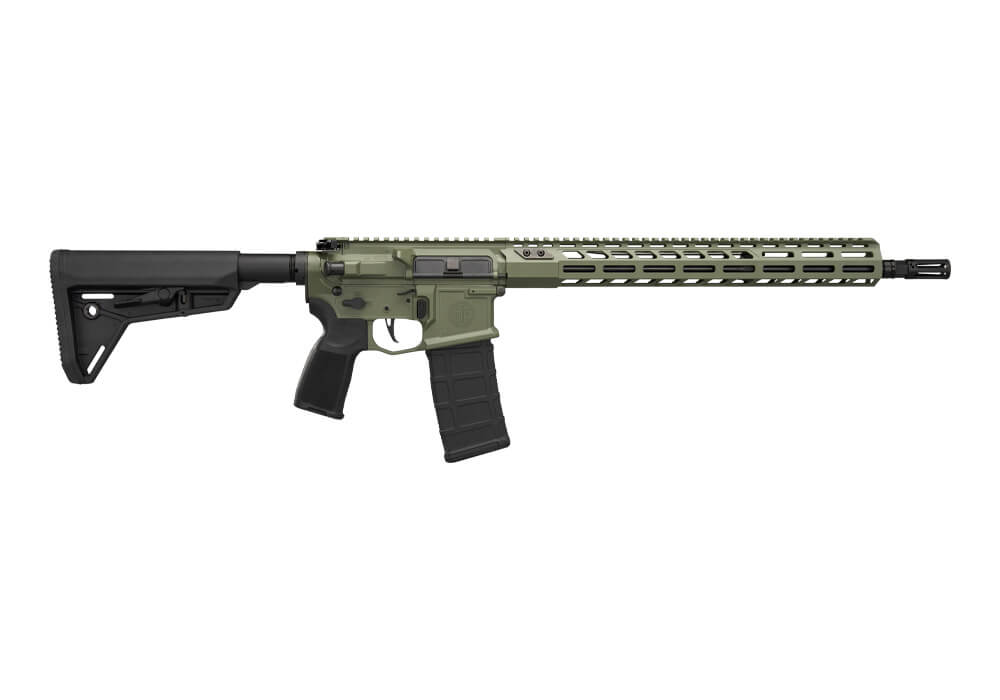
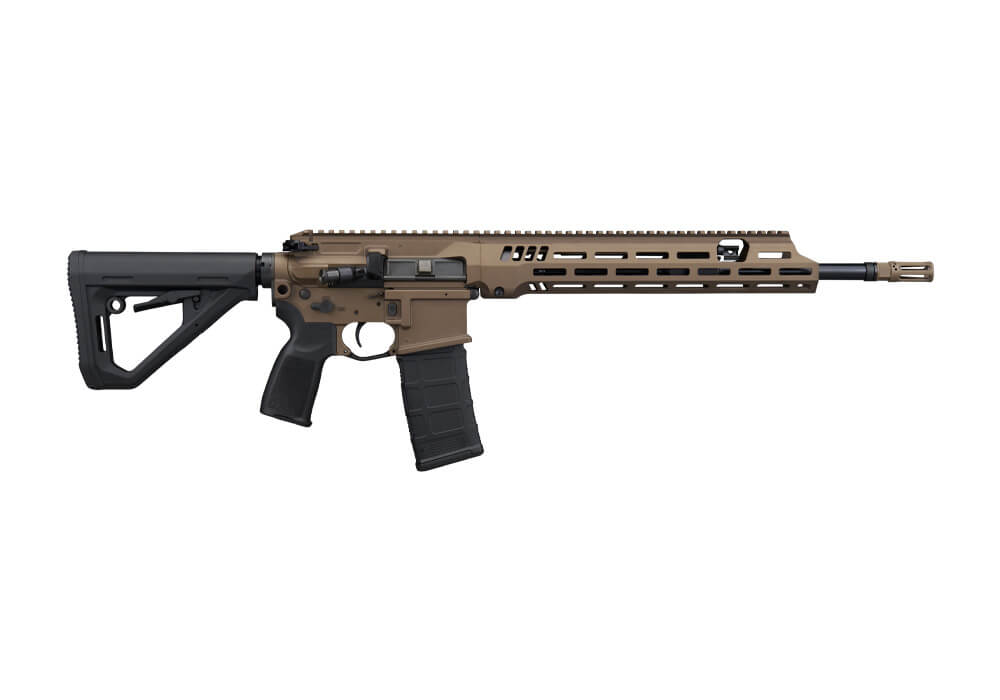
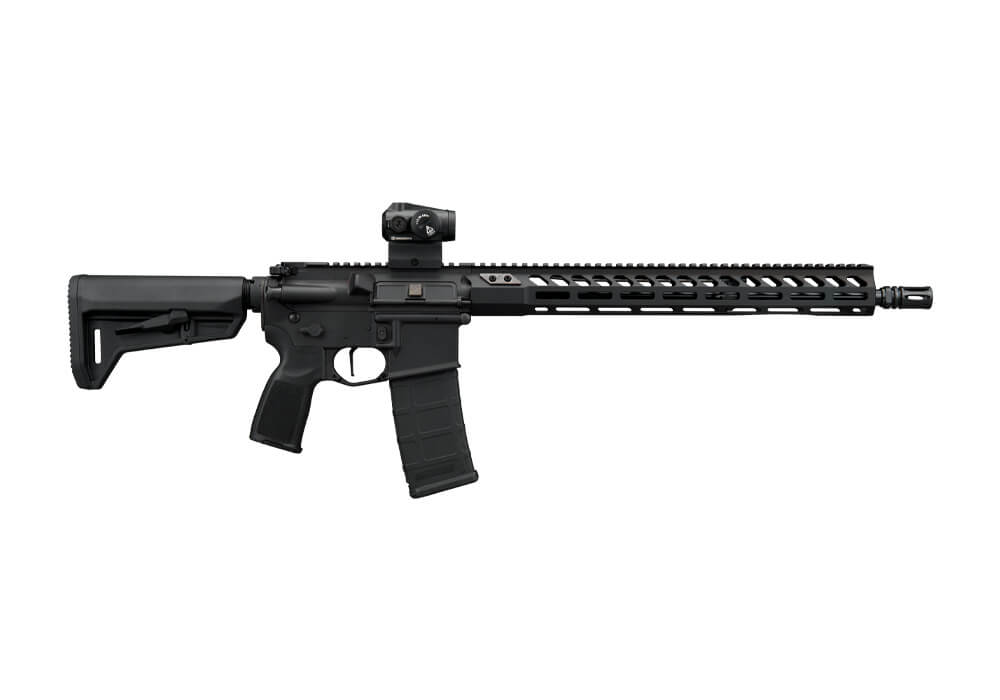
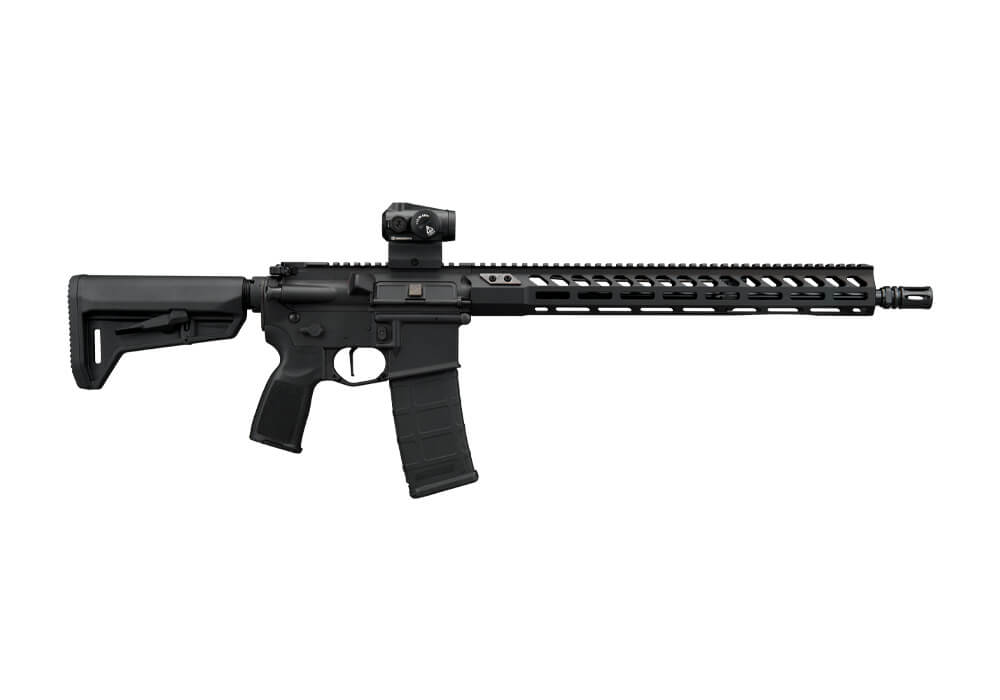
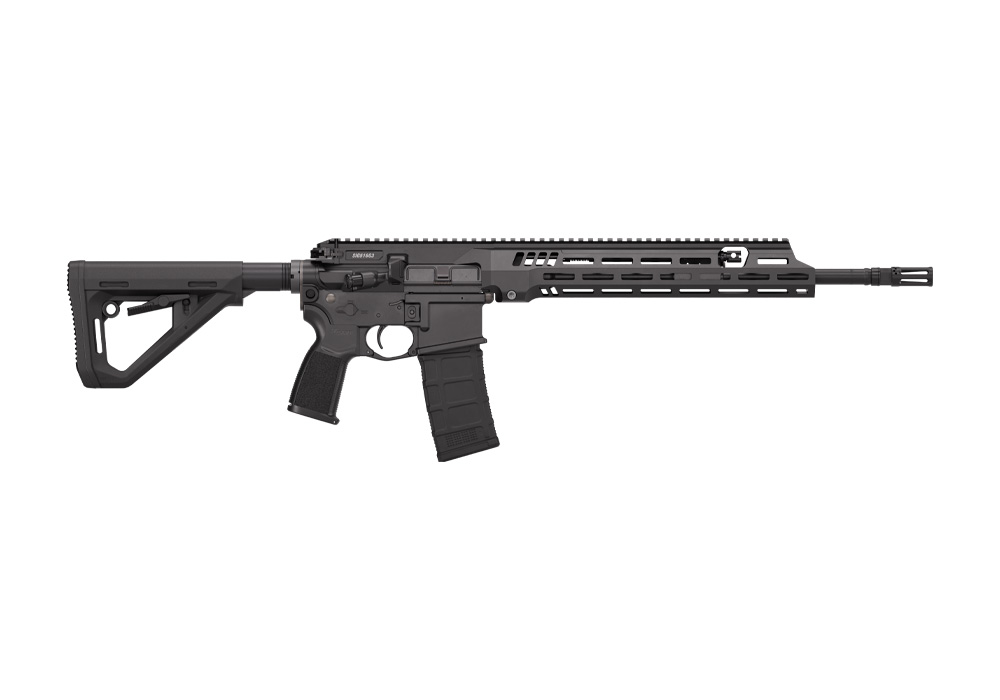
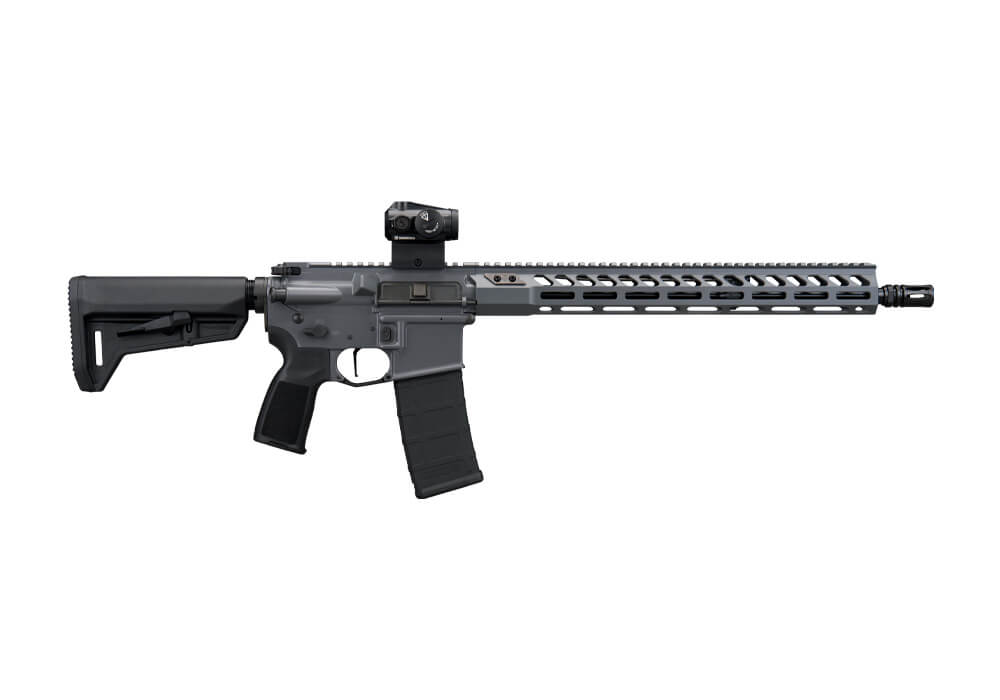
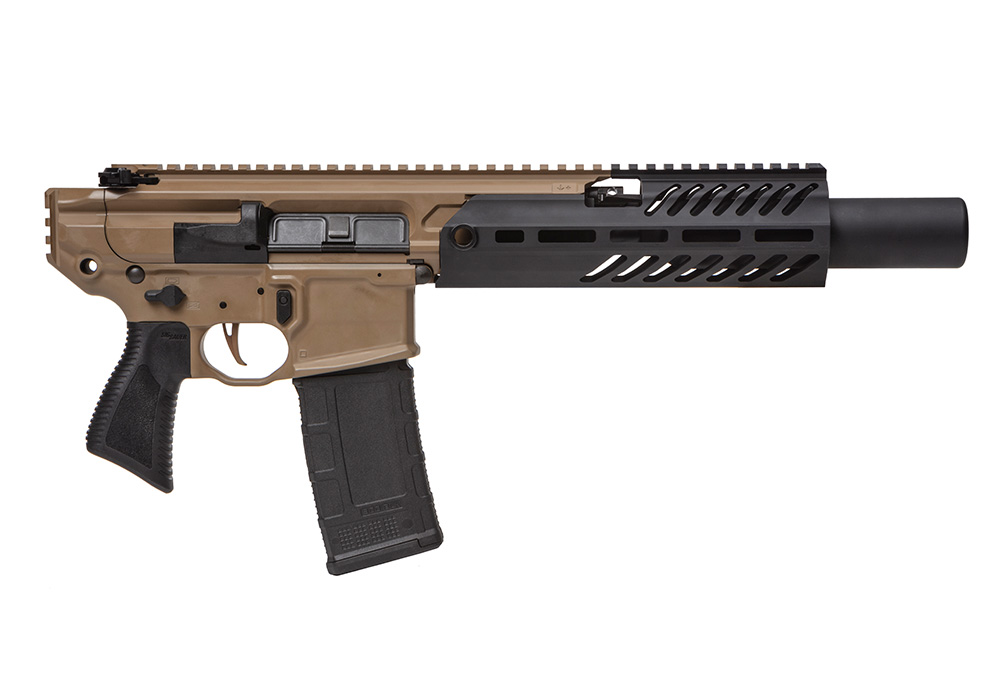
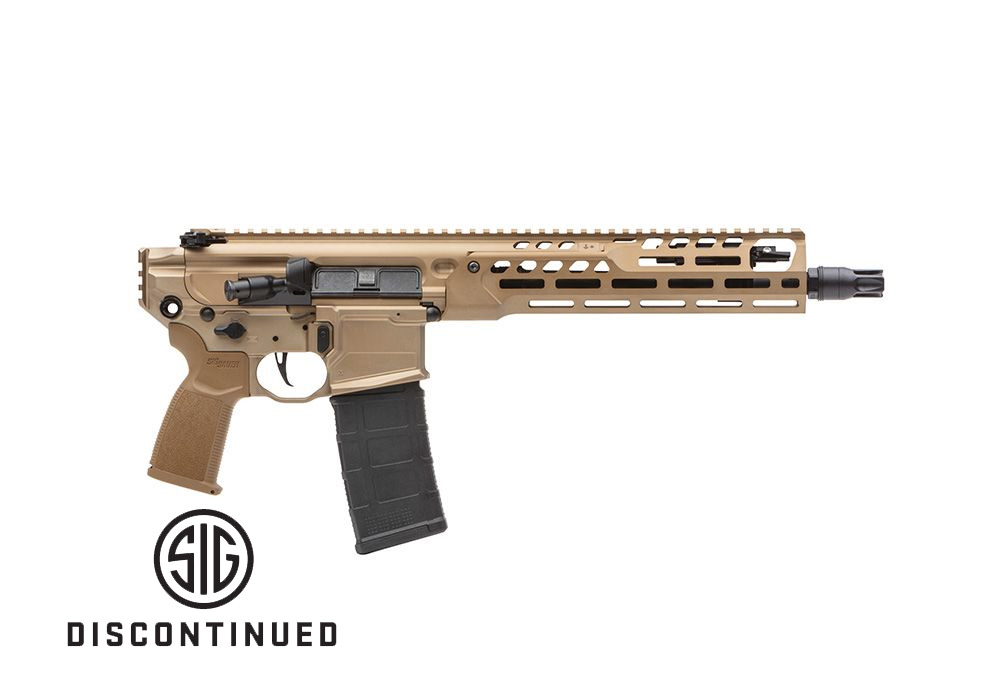
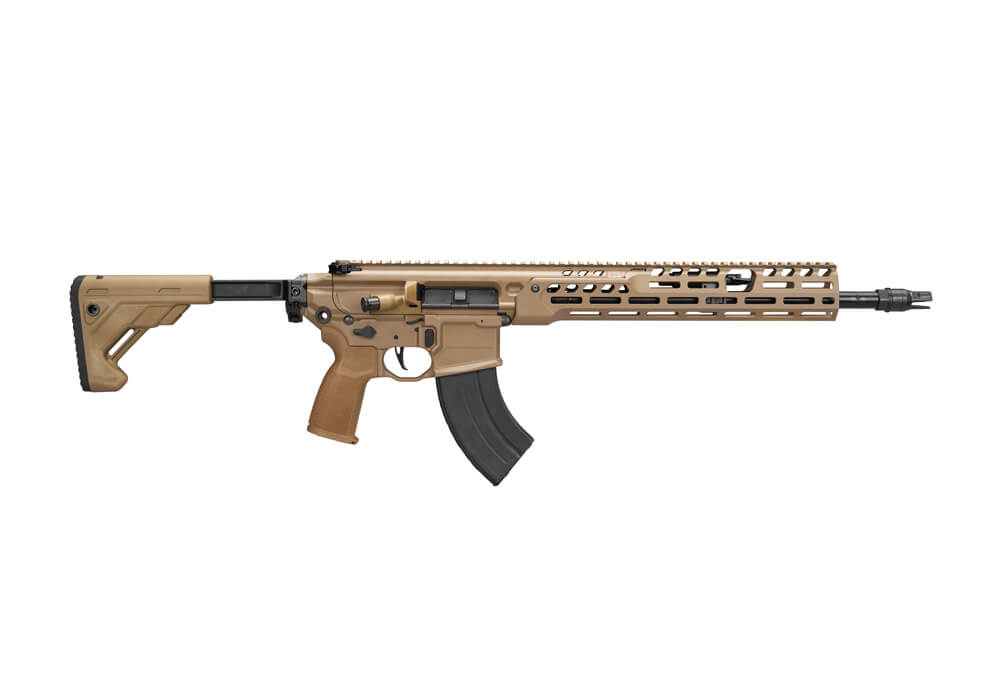
5.56 NATO rifles are a practical choice for target shooting because they combine manageable recoil, broad ammunition availability, and the potential for excellent mechanical accuracy. On a well-organized range, a rifle chambered for 5.56 NATO can be equally comfortable from a bench, prone position, or supported field position. The cartridge is suitable for informal paper targets, sight-in work, steel targets approved for rifle use, and structured training sessions where consistent shot placement matters. Many shooters appreciate the straightforward controls, familiar ergonomics, and adaptable design of modern sporting rifles, while others prefer a more traditional precision-oriented configuration with a fixed stock, heavier barrel, or bolt-action operating system. When comparing rifles in this category, consider the type of target shooting you enjoy, the distances you expect to cover, and how often you plan to train. A lightweight configuration is convenient for carrying between firing points and handling during long range days, while a heavier, free-float-barreled rifle may provide a steadier platform for deliberate groups. Barrel length also affects balance, sight radius on rifles using traditional sights, and overall portability. A 16-inch barrel is a common all-purpose choice, while longer barrels may appeal to shooters who prioritize a stable bench setup and a little more velocity. Stock design, grip shape, trigger feel, and the ability to adjust the length of pull can make a meaningful difference during a full afternoon on the firing line. Small fit details often become more noticeable as the round count rises, especially when moving between standing, kneeling, seated, and prone positions.
A 5.56 NATO chamber is designed to safely fire 5.56 NATO ammunition, and it generally accepts .223 Remington ammunition as well; always confirm the markings on the rifle and follow the manufacturer’s specifications before loading or firing. Shooters seeking the most consistent results should use ammunition appropriate for the rifle, keep lots separated when comparing groups, and record bullet weight, weather conditions, and point of impact in a simple range notebook. Bullet weights in the 55-grain range are widely used for general practice, while heavier match loads may be favored for longer distances or more demanding accuracy work. Rifling twist rate is another useful specification to review. Common 1:7 and 1:8 twist rates can stabilize a broad range of bullet weights, including many heavier projectiles selected for target shooting, although the ideal ammunition remains dependent on the individual barrel and intended distance. A free-float handguard can help reduce changes in point of impact when the rifle is supported against a rest or barricade, and a quality trigger may make it easier to press straight to the rear without disturbing the sights. For sighting systems, a red dot can be quick and uncomplicated at shorter range, while a low-power variable optic offers flexible magnification for targets that appear smaller or farther away. A traditional magnified scope may be the better match for a bench-focused setup where deliberate group size is the primary goal. Mounting height, eye relief, reticle design, and adjustment range deserve the same attention as magnification. The rifle, ammunition, optic, and shooter work as a system, and the most expensive individual component cannot replace a proper fit, a stable position, and a repeatable trigger press.
These rifles may suit new range users building their first serious target setup, experienced shooters refining fundamentals, or families and friends choosing a lawful, responsible gift for someone who already participates in recreational shooting. A firearm should only be given or transferred in accordance with applicable federal, state, and local laws, and the recipient should be able to receive and use it legally. Safe storage, transportation, and handling equipment are essential parts of ownership: a secure locking container, appropriate eye and ear protection, chamber flags for range use, and a reliable cleaning kit help establish good habits from the beginning. Before heading to the range, review the rifle’s manual, verify the ammunition designation, inspect the firearm, and learn the range’s rules for ammunition, target distance, steel targets, and firing positions. During the cooler months, a clear morning at the range can make it easier to settle into a steady rhythm—magazine checks, sight alignment, a smooth press, and a careful review of each group on paper. In warmer weather, hydration, shade, and a plan for managing equipment can keep a long session comfortable and focused. Shooters interested in a different use case can also explore 5.56 NATO Rifles for Tactical Patrol. Whether the goal is learning consistent fundamentals, preparing for a local match, confirming an optic’s zero, or simply enjoying an afternoon of deliberate practice, the right 5.56 NATO rifle should feel natural in the hands and provide a dependable foundation for safe, repeatable shooting.