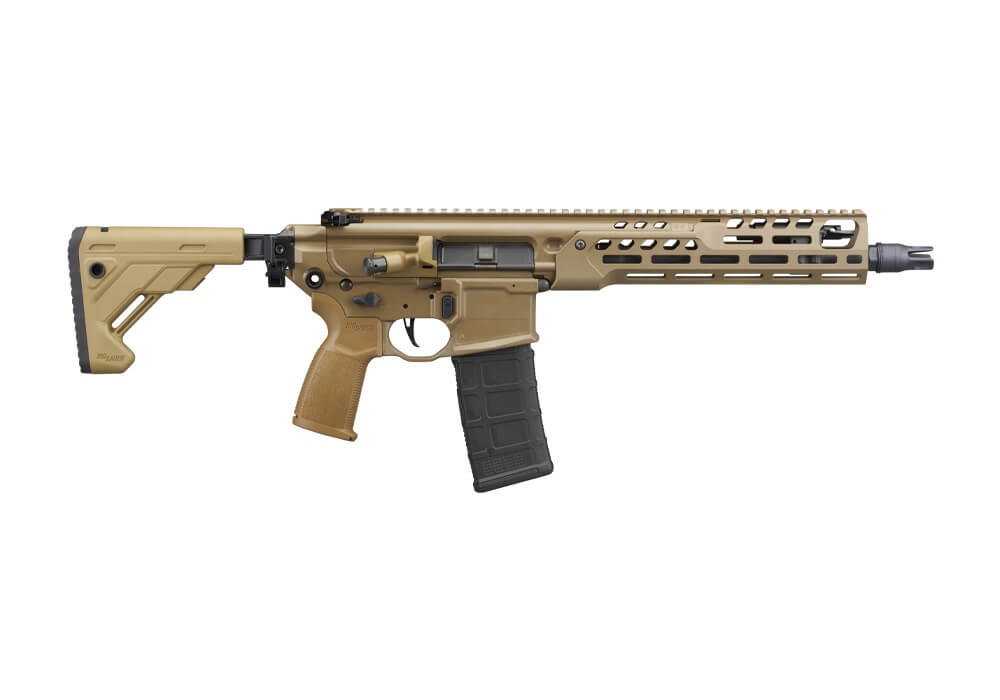
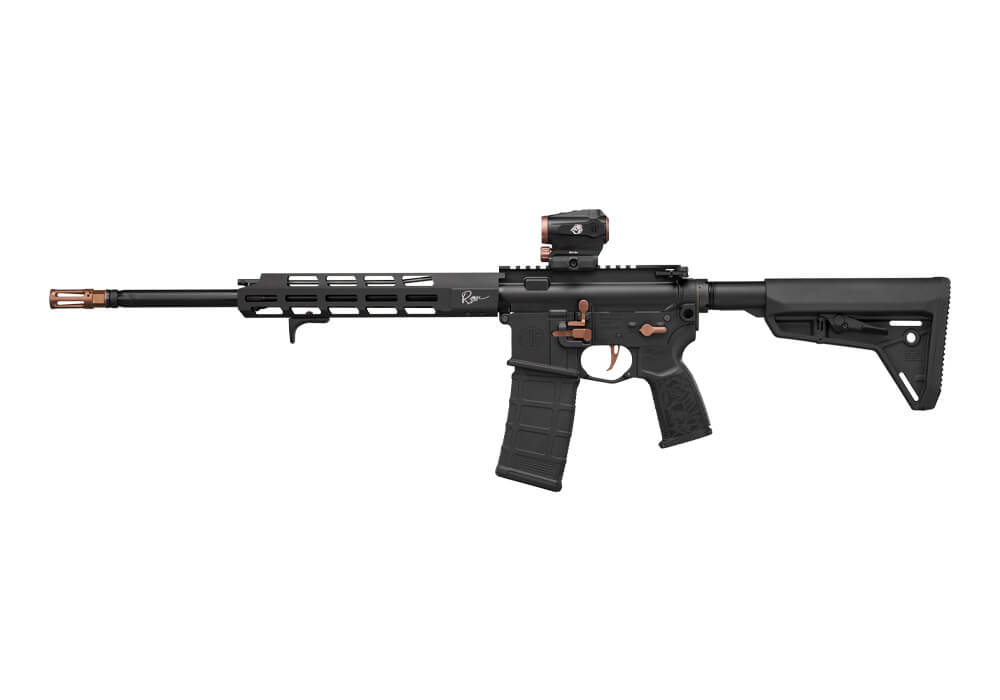
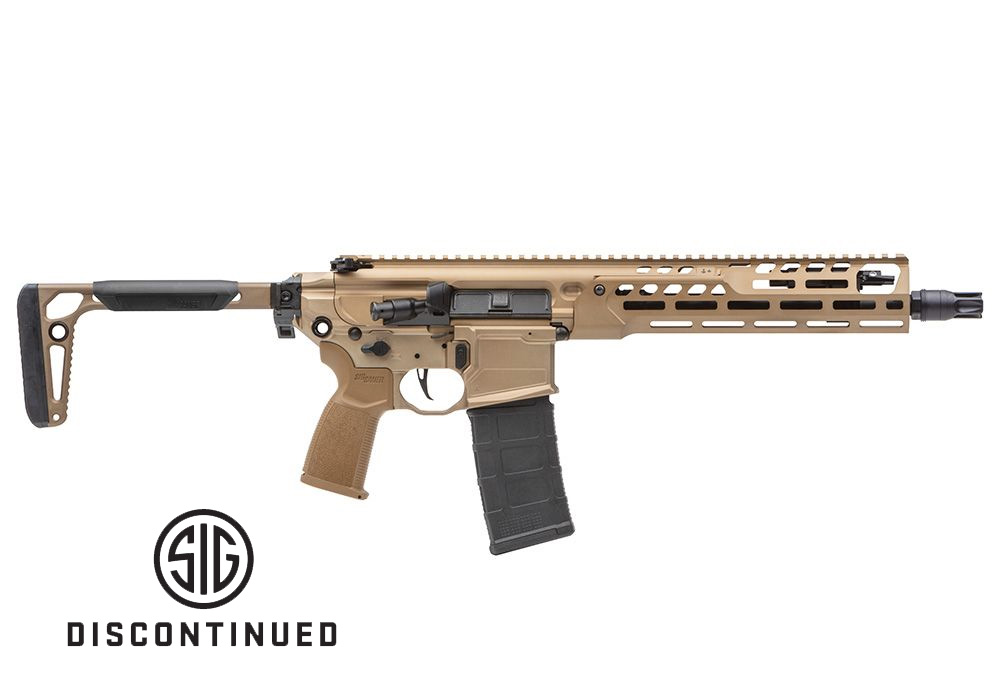
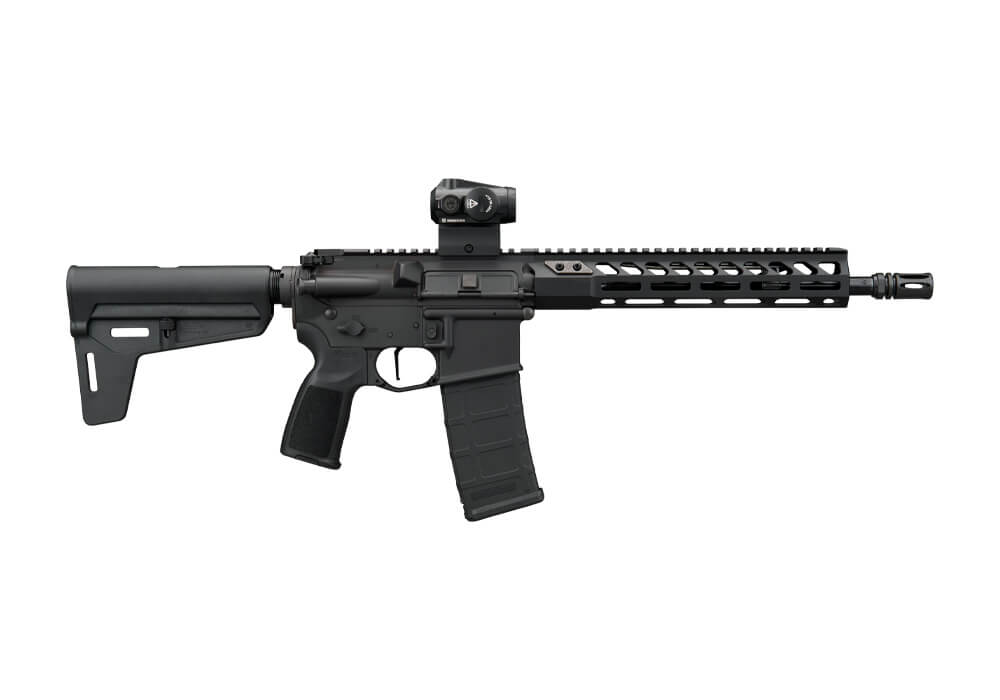
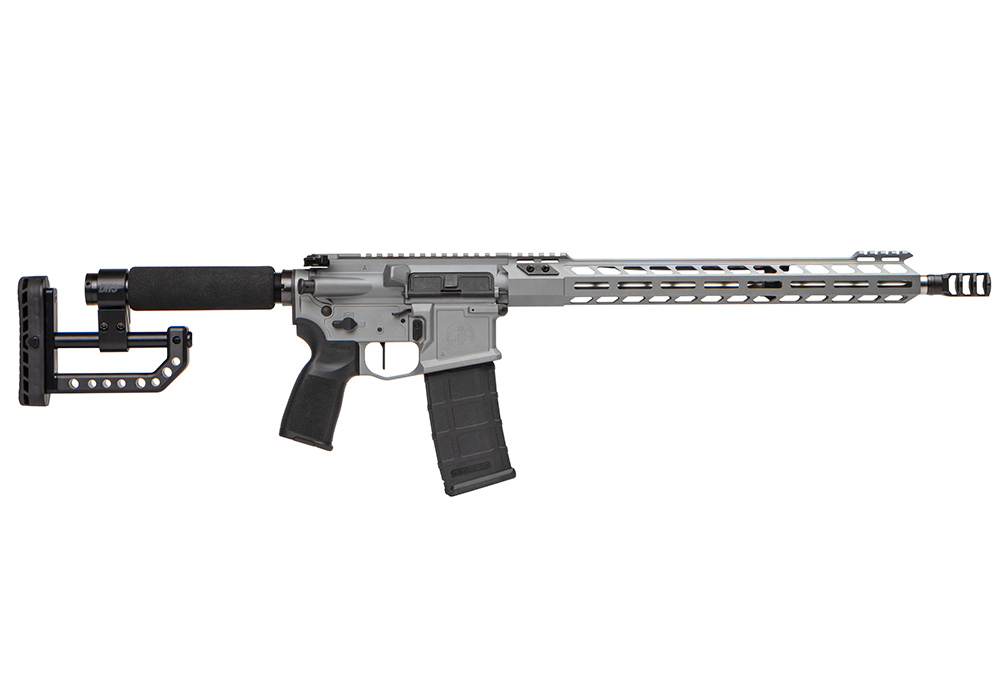
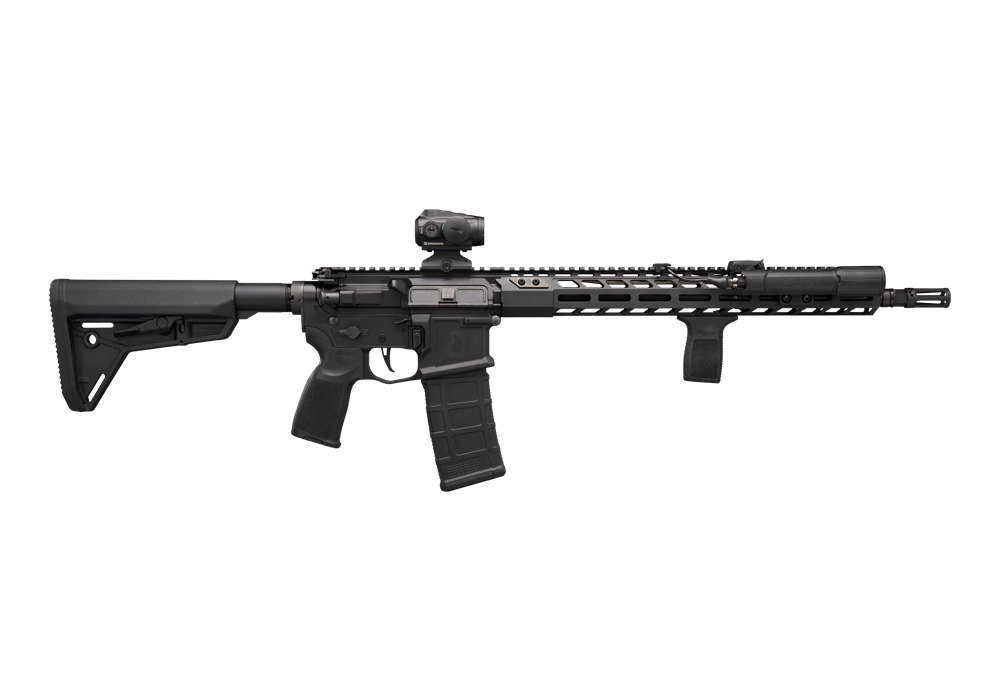
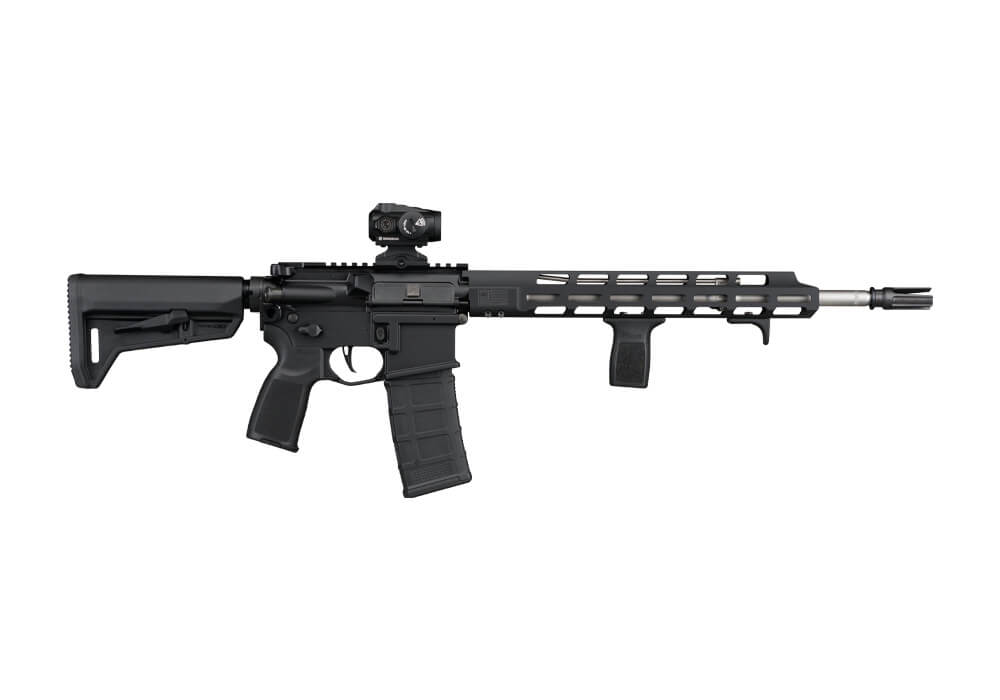
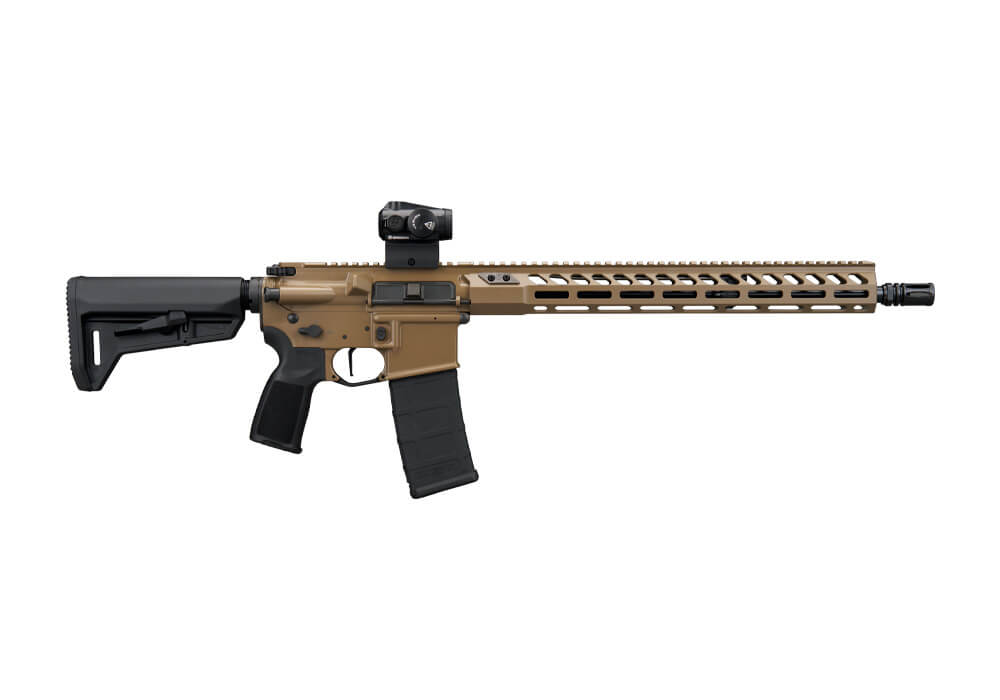
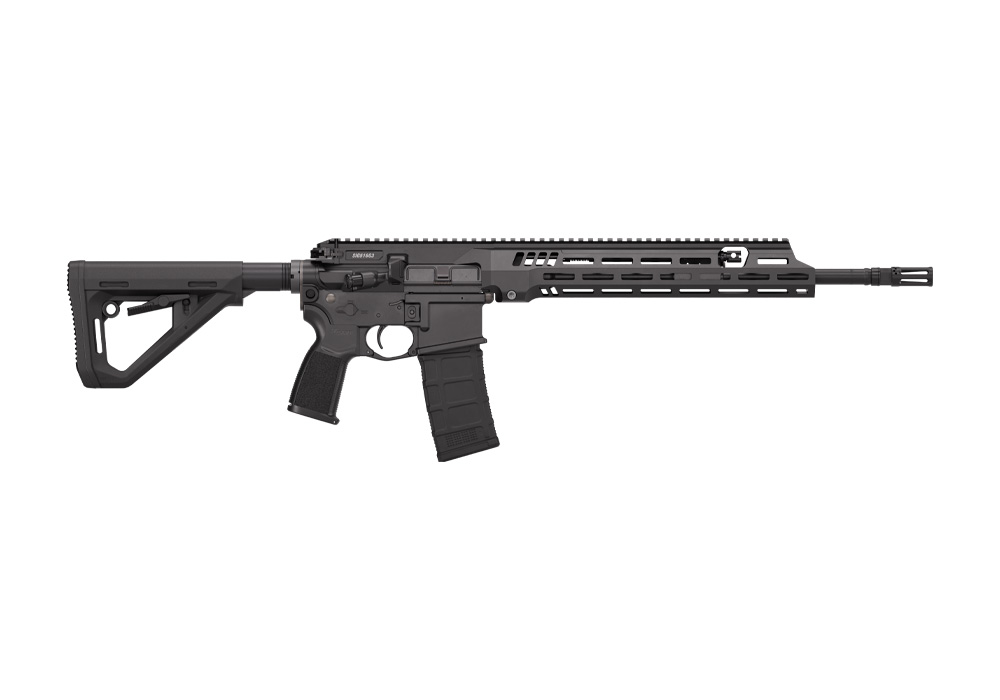
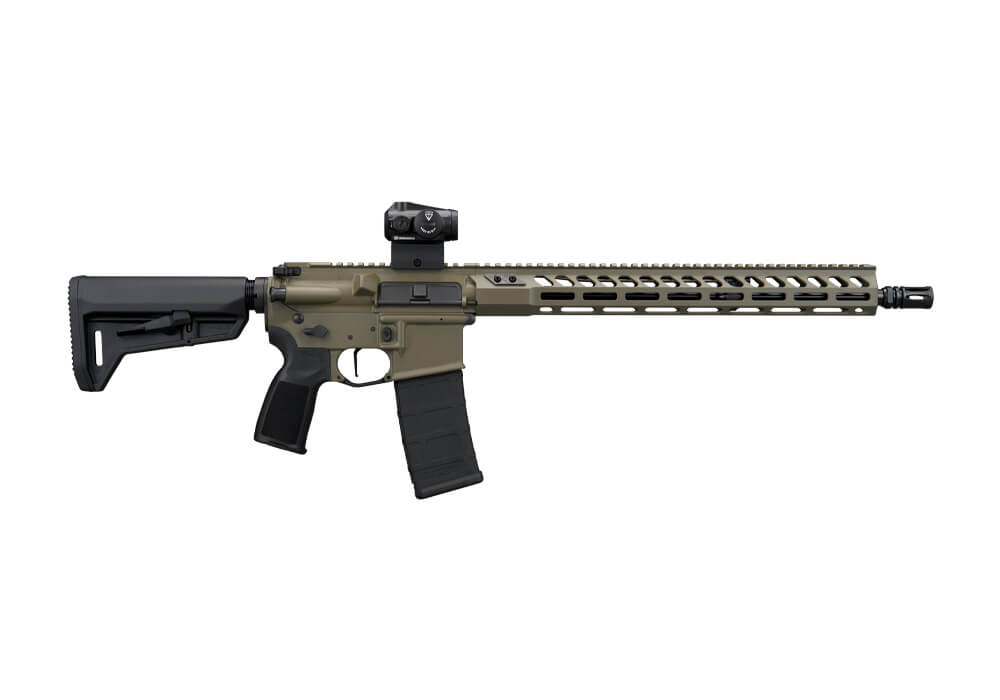
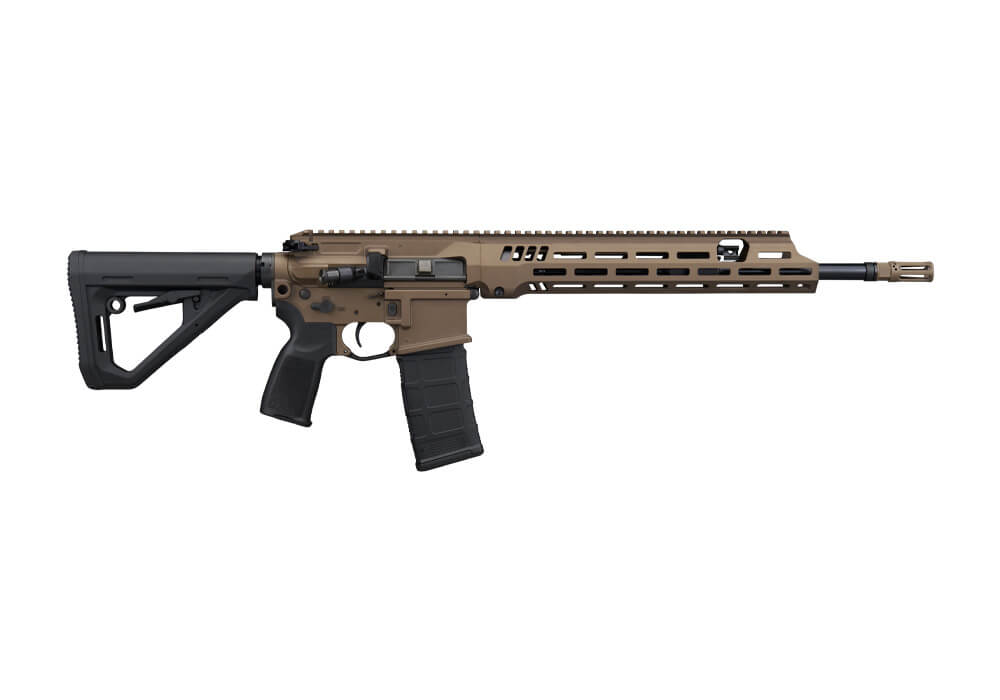
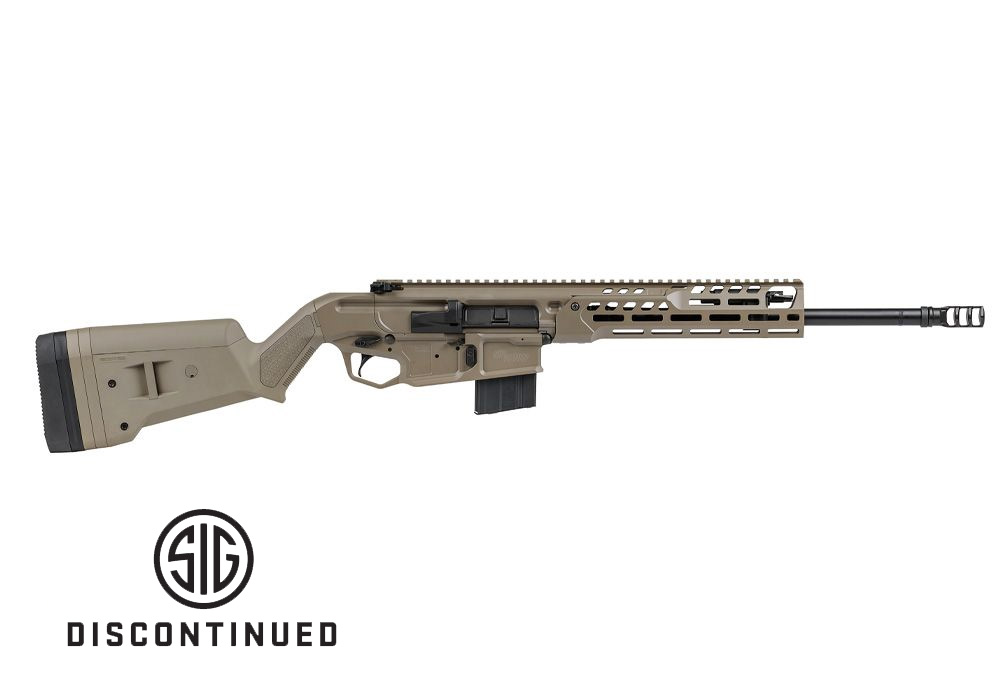
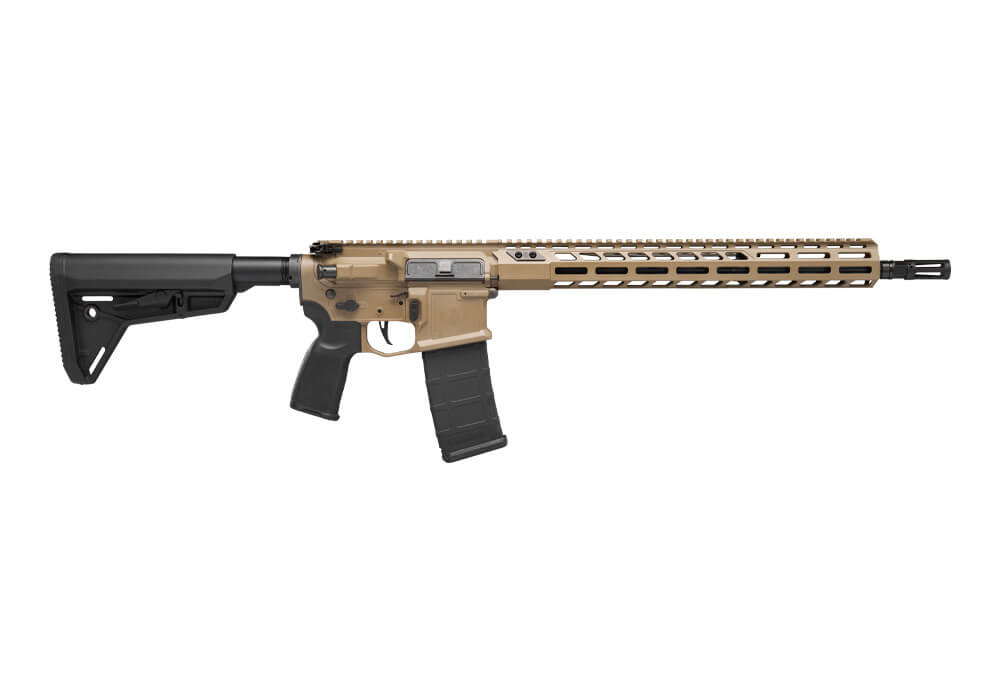
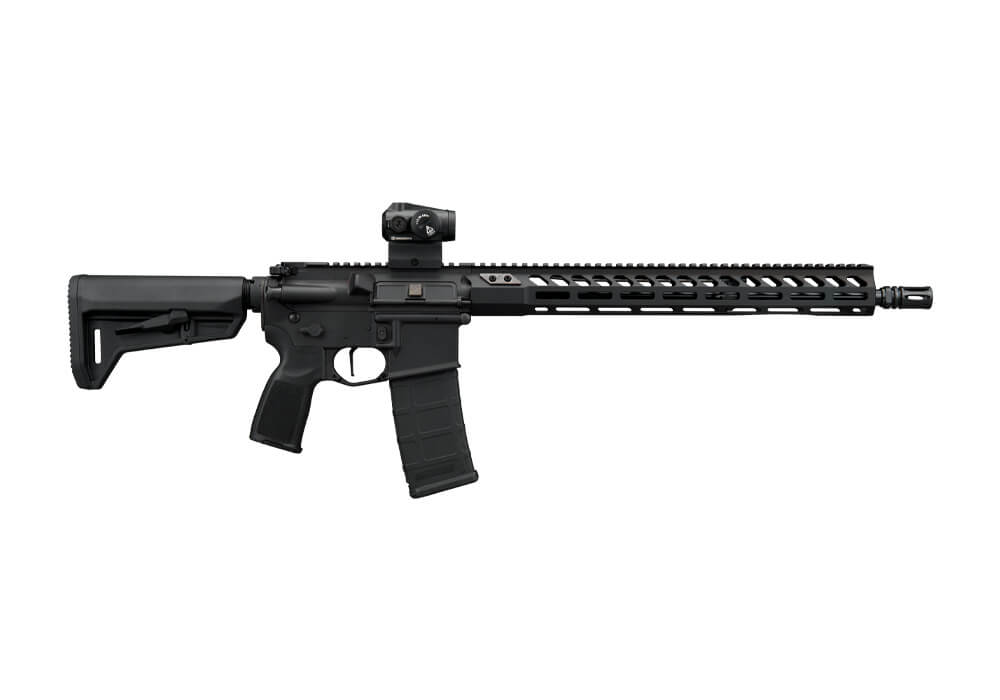
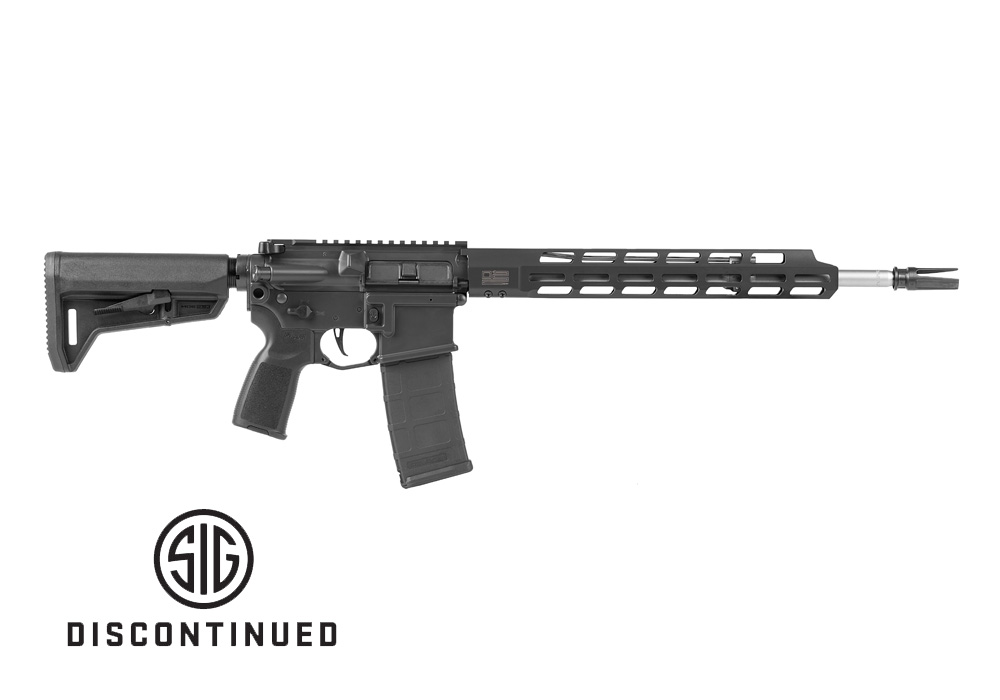
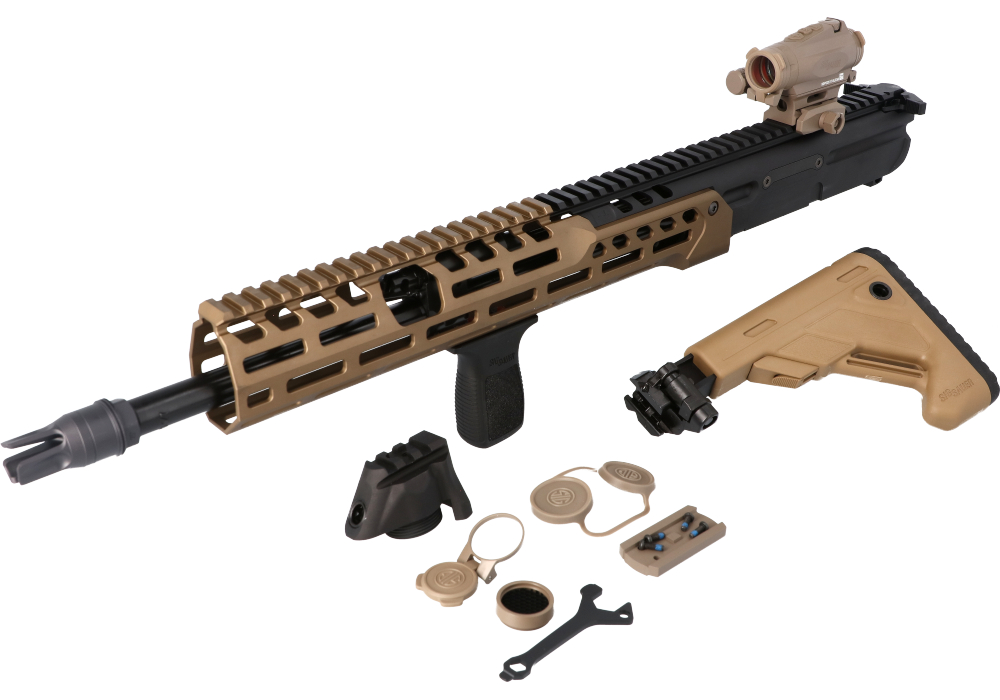
Compact 5.56 rifles for competition shooting are designed for speed, control, and efficient movement through demanding stages. In matches that combine positional shooting, barriers, short transitions, and movement between target arrays, a compact rifle can feel noticeably easier to manage than a longer, front-heavy setup. The reduced overall length helps a shooter navigate ports, barricades, doorways, and narrow shooting positions without constantly catching the muzzle or handguard on the surrounding environment. The 5.56 NATO cartridge is also widely used in practical rifle competition because it offers manageable recoil, a relatively flat trajectory, and broad ammunition availability. When comparing rifles in this category, start with the match rules and the distances typically encountered. Barrel lengths in the approximately 11.5-inch to 14.5-inch range are popular when maneuverability is the priority, while a 16-inch barrel may offer additional velocity and a more familiar rifle configuration. Shorter barrels can make target transitions and movement feel quick and natural, but velocity may be reduced, which can matter when a match includes distant steel, narrow scoring zones, or target activation requirements. A rifle that handles beautifully around close targets still needs to produce dependable performance at the far end of the stage. Shooters should also confirm whether a particular configuration is classified as a rifle, pistol, or short-barreled rifle under applicable federal, state, and local laws, and whether it meets the requirements of the division in which they plan to compete. A trusted firearms dealer, range officer, or qualified legal professional can help clarify registration, transportation, storage, and match-compliance questions before purchase.
Configuration and balance often matter as much as overall length. A free-float handguard provides a stable interface for a competition support hand and allows the shooter to build a consistent position on barricades or other approved stage props. Look for a handguard that offers useful mounting space without adding unnecessary bulk, since excess weight at the front can become tiring during a long match. A well-balanced rifle should settle quickly when moving from one target to the next, much like a familiar tool that naturally returns to the hand rather than pulling the shooter off line. Folding or compacting features can be valuable for transport and storage, although buyers should verify that the rifle remains safe, secure, and compliant when configured that way. Stock adjustability is another practical consideration, especially for shooters who change between standing, kneeling, and supported positions. A properly fitted length of pull can improve comfort and help maintain a consistent cheek weld, while ambidextrous controls may benefit teams, instructors, or competitors who practice from both shoulders. Direct-impingement and short-stroke piston operating systems each have devoted users. A direct-impingement design may offer a familiar manual of arms, broad parts compatibility, and a straightforward maintenance routine. A piston-operated system can provide a different recoil feel and may be attractive to shooters who plan to run a suppressor where permitted. Adjustable gas systems can help tune the rifle’s cycling characteristics, but any adjustment should be performed according to the manufacturer’s instructions and verified with the ammunition and accessories being used. Trigger quality, charging-handle access, safety selector feel, muzzle device compatibility, optic mounting, and magazine fit all deserve hands-on attention. A clean, predictable trigger can support precise shots and fast follow-up shots, while a bright, durable optic with an appropriate reticle can help the shooter move confidently between close and intermediate targets. Many competitors pair a compact 5.56 rifle with a low-power variable optic, a red-dot sight, or an offset sighting system, depending on the division, stage design, and personal preference.
These rifles can suit experienced competitors refining split times, new shooters entering practical rifle matches, and recreational range users who value a compact, adaptable platform. They may also be considered as a gift for a knowledgeable shooter, but firearms should only be purchased as gifts when the recipient’s preferences, eligibility, and local transfer requirements are fully understood. A thoughtful gift may instead include compatible training equipment, a secure case, quality eye and ear protection, magazines in a standard or extended capacity, or professional instruction, provided the items are suitable for the recipient’s rifle and match rules. Before selecting a compact 5.56 rifle, consider the complete system rather than the bare firearm: optic, mount, sling, magazines, ammunition, case, cleaning supplies, and any competition-specific accessories can change the final weight and handling characteristics. It is also wise to inspect controls with the rifle unloaded, shoulder the firearm from both sides when possible, and imagine carrying it through a full stage rather than judging it only from a bench. At the range, dependable function matters more than novelty. Use quality ammunition, follow the owner’s manual, establish a maintenance routine, and confirm zero after changing optics or mounting hardware. Shooters preparing during the warmer season may spend more time practicing movement and transitions outdoors, while cooler months can highlight the importance of gloves, clothing clearance, and reliable equipment handling under changing conditions. Safe storage, muzzle awareness, disciplined trigger-finger placement, and strict adherence to range commands remain essential at every practice session and match. For competitors who also train with a sidearm, browsing Compact Pistols for Competitive Shooting can help complete a practical competition setup. The best compact 5.56 rifle is the one that fits the shooter, complies with the intended division, balances comfortably, and performs consistently through the final stage.