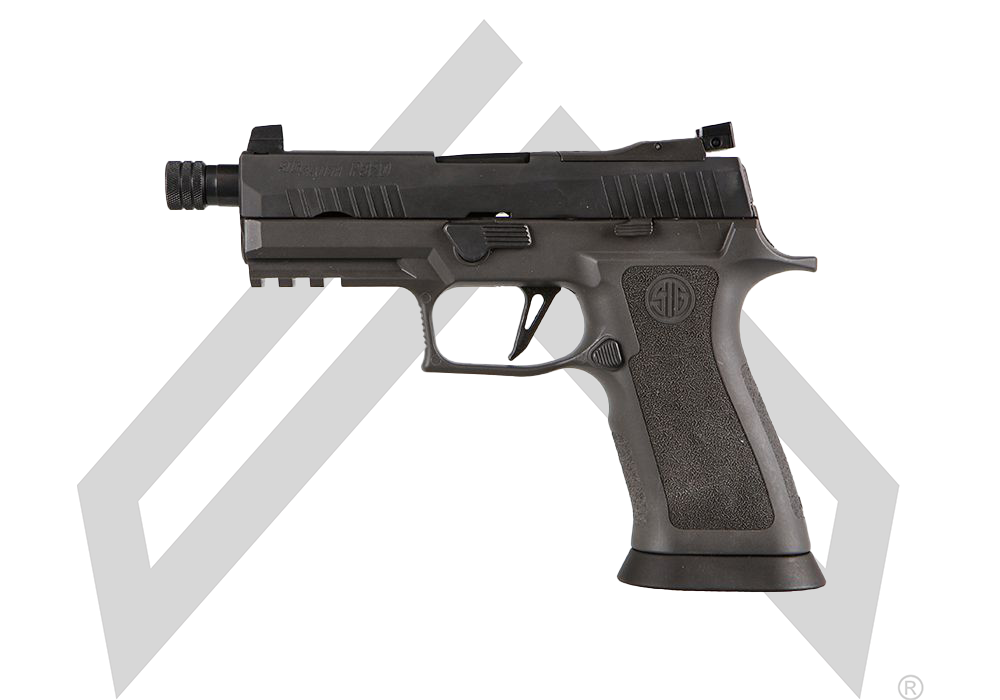
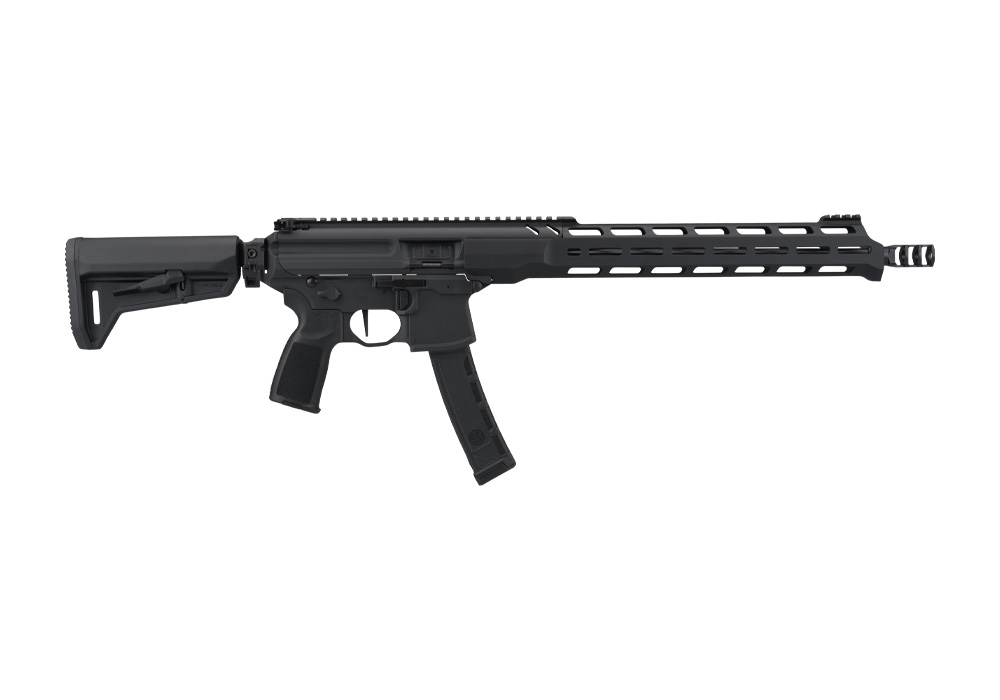
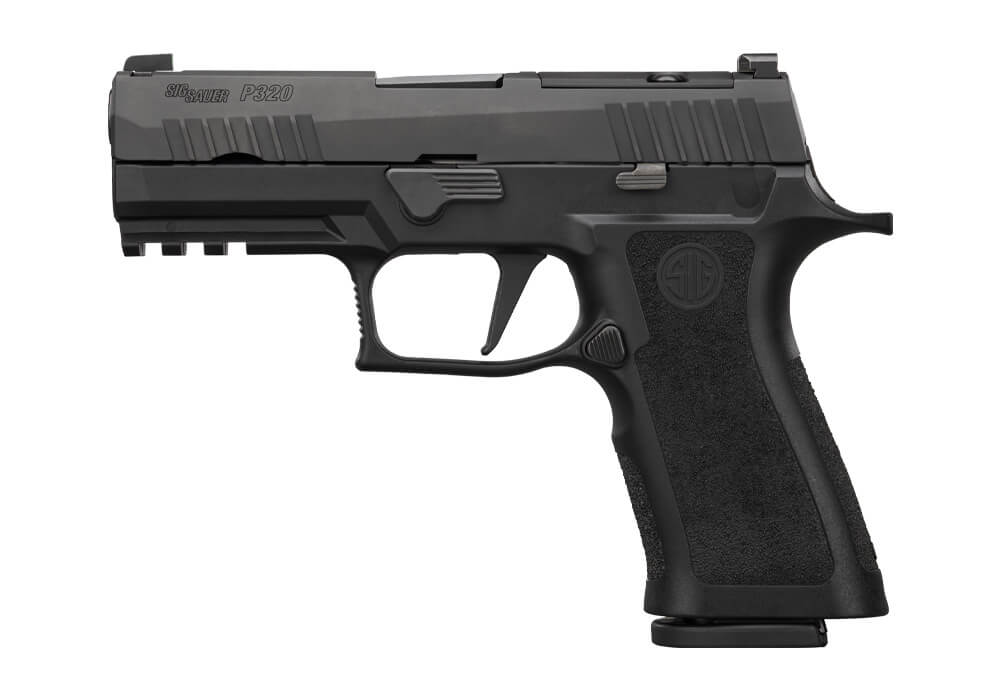
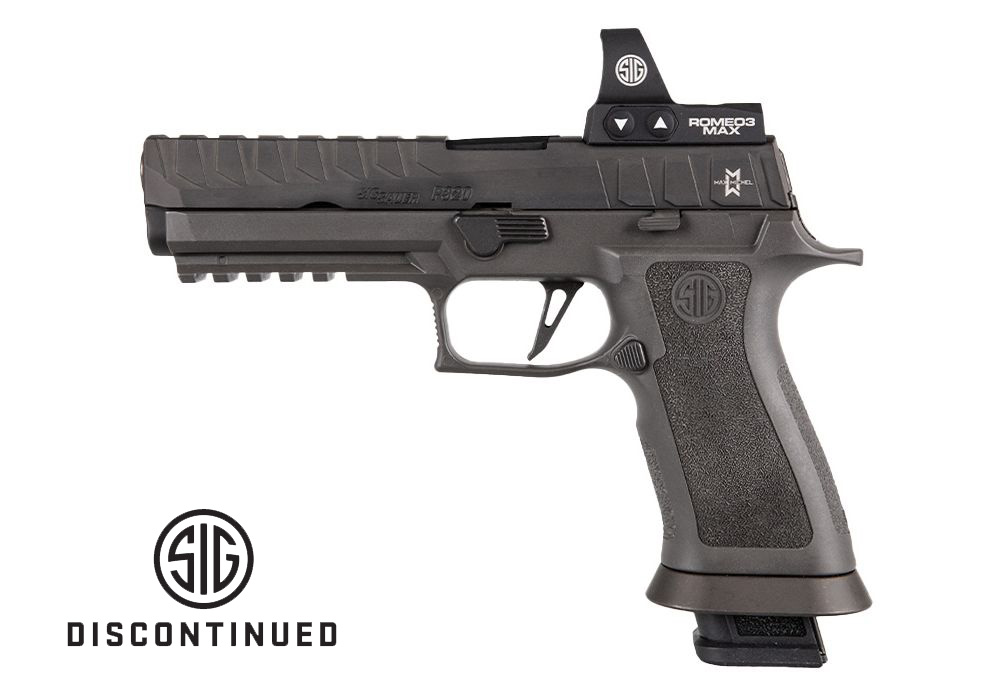
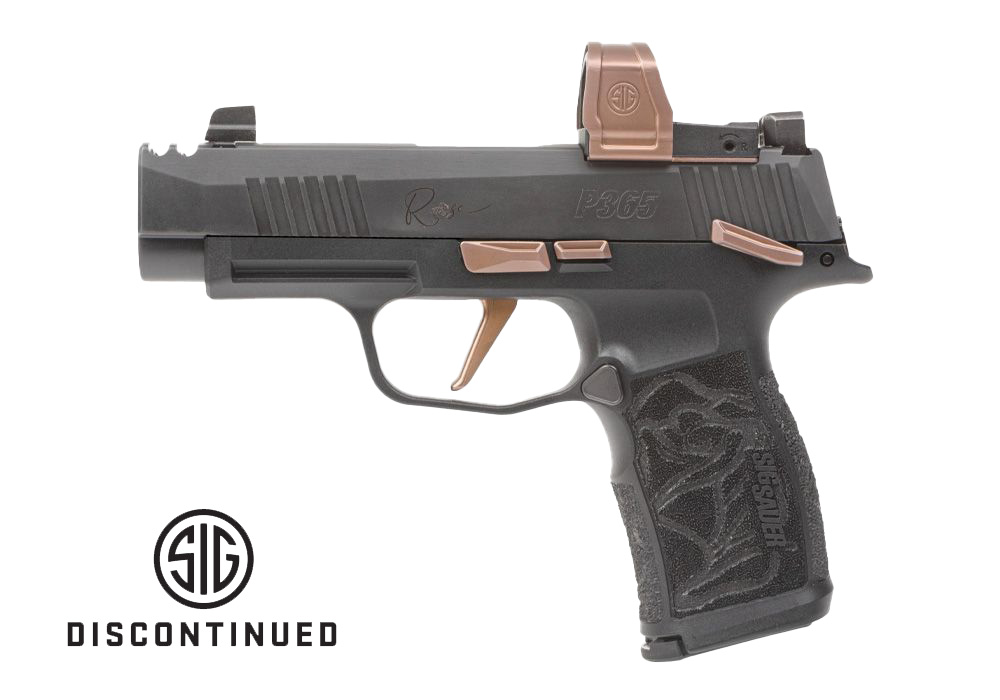
Compact pistols for competitive shooting bring together the handling qualities many competitors value when a match rewards speed, control, and repeatable accuracy. A shorter barrel and compact grip can help a pistol feel quick between targets, while a well-balanced frame keeps it settled as the pace increases. The right choice depends on the rules of the division, the target distances at your local range, and the way the pistol fits your hands. Competitors who spend long sessions moving between paper targets, steel plates, and barricades often appreciate a handgun that points naturally and remains comfortable through dozens of practice strings. A crisp, predictable trigger can help reduce unnecessary movement during the shot, while a short reset may support faster follow-up shots when the sights return to the target. Grip texture is equally important. A secure surface helps keep the pistol aligned during rapid fire, especially when hands become warm or conditions turn cool during outdoor matches. Frame materials also influence the experience: polymer frames are often light and easy to carry between stages, while metal frames can add useful weight to soften felt recoil and steady the sight picture. Neither approach is universally best; the ideal balance comes down to hand size, strength, division requirements, and personal shooting style. Competitors with smaller hands may prefer a grip that allows the trigger finger to rest naturally without stretching, while those with larger hands may look for additional surface area and a fuller hold. Controls should be easy to reach without shifting the firing grip, and magazines should seat cleanly and release without hesitation. When reviewing the products in this collection, consider how each pistol feels with an unloaded magazine inserted, how easily the slide can be manipulated, and whether the sights remain visible as the pistol cycles. Those small details become familiar points of contact during practice and can make a noticeable difference when a stage begins.
Sight configuration deserves close attention when selecting a compact competition pistol. Traditional iron sights remain dependable and offer a simple, low-maintenance setup, while an optics-ready slide provides the option to mount a compatible electronic red-dot sight for faster target acquisition. A red dot can be especially useful when transitions between targets demand a clear aiming reference, though it still requires regular practice to build a consistent presentation. Look for a sighting system that works with the rules of the intended competition and leaves enough room for a secure, properly fitted installation. A compact pistol with a short sight radius may reward a steady grip and a clean presentation, making trigger control and follow-through especially important. Compensated configurations can also help manage muzzle movement by redirecting expanding gases upward, but competitors should confirm that the setup is permitted in their chosen division and understand how it affects sound, blast, and maintenance. Ammunition selection matters as well. Reliable, consistent loads help a shooter focus on technique rather than wondering whether each round will cycle the action. Before a match, many experienced competitors test their chosen ammunition with the exact magazines, optic, and accessories they plan to use, then inspect the pistol after each session. A simple routine—checking screws, cleaning contact surfaces, confirming magazine function, and verifying that the optic remains secure—can preserve confidence over time. New competitors may benefit from starting with local steel matches or introductory action-shooting events, where the atmosphere is often welcoming and the stages provide a practical way to learn movement, target transitions, and safe handling under supervision. More experienced shooters may seek a pistol tuned to a specific division, a refined trigger feel, or a sight system that supports faster visual tracking. For rimfire practice and economical training, explore 22 Pistols For Competitive Shooting as another category to consider.
These pistols can suit a broad range of lawful, safety-minded shooters, from someone attending a first local match to a seasoned competitor refining fractions of a second between targets. They may also be a thoughtful gift for an experienced shooter, provided the recipient’s preferences, local laws, and transfer requirements are understood before purchase. A gift card, range membership, training session, or quality eye and ear protection can be a more suitable option when the intended recipient’s hand size, division, or sight preference is unknown. Anyone selecting a firearm for another person should handle the transaction through the proper lawful process and confirm that the recipient is eligible to possess it. For the owner, practice should begin with a qualified instructor or range officer, a secure direction for the muzzle, and a careful understanding of the pistol’s controls. Competitive skill grows through deliberate repetition: establishing a consistent grip, presenting the sights to the intended target, pressing the trigger smoothly, and returning the sights before beginning the next shot. During cooler months, gloves or chilled hands can change how a grip feels, so outdoor competitors should test their equipment in conditions that resemble their match environment and confirm that controls remain accessible. Storage and transport deserve the same attention as performance. Keep the pistol secured from unauthorized access, use a suitable case, and transport it according to applicable laws and range policies. At the bench, a compact pistol should feel like a natural extension of the shooter’s hands rather than a piece of equipment that demands constant adjustment. Evaluating trigger quality, grip texture, frame material, sight options, recoil characteristics, magazine fit, and match compatibility together provides a clearer path toward a confident selection. With the right fit and consistent training, a compact competition pistol can support focused practice, smooth stage movement, and the calm, deliberate rhythm that turns each string of fire into a measurable step forward.