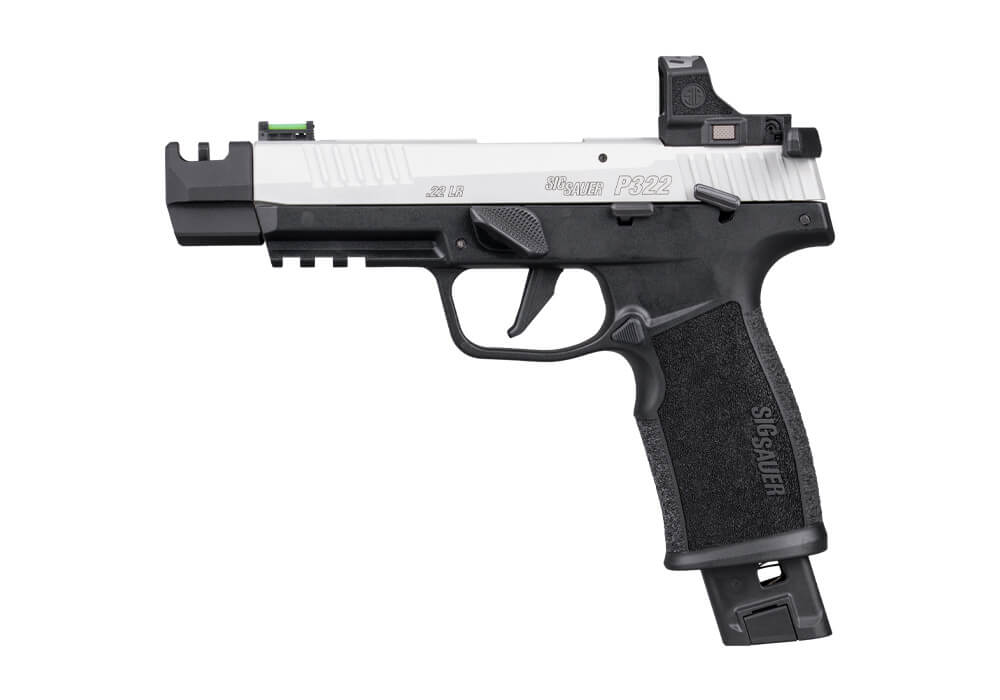
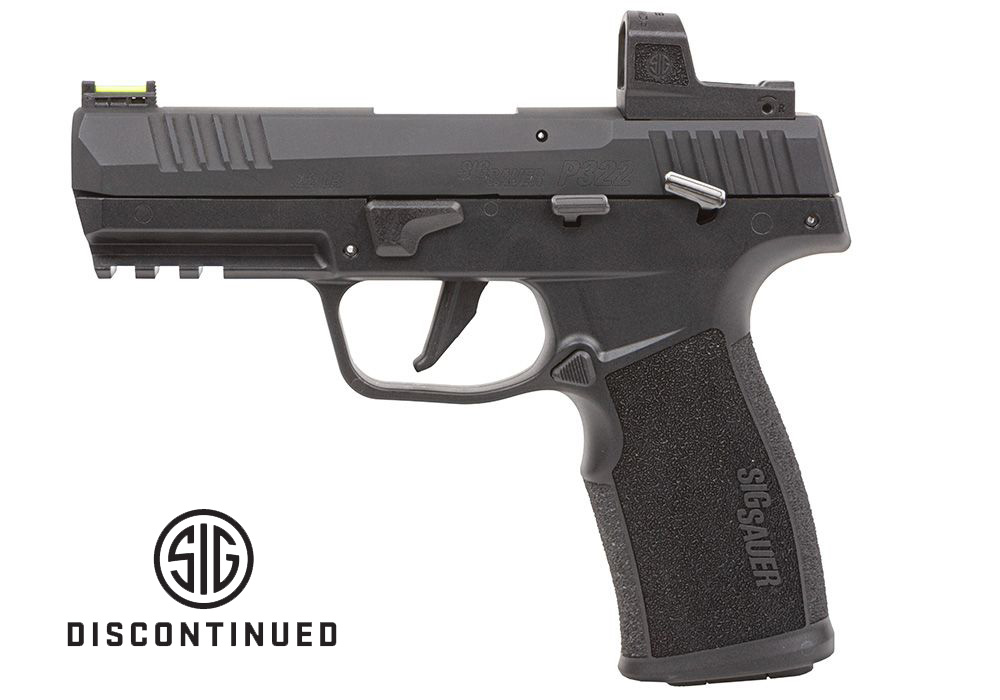
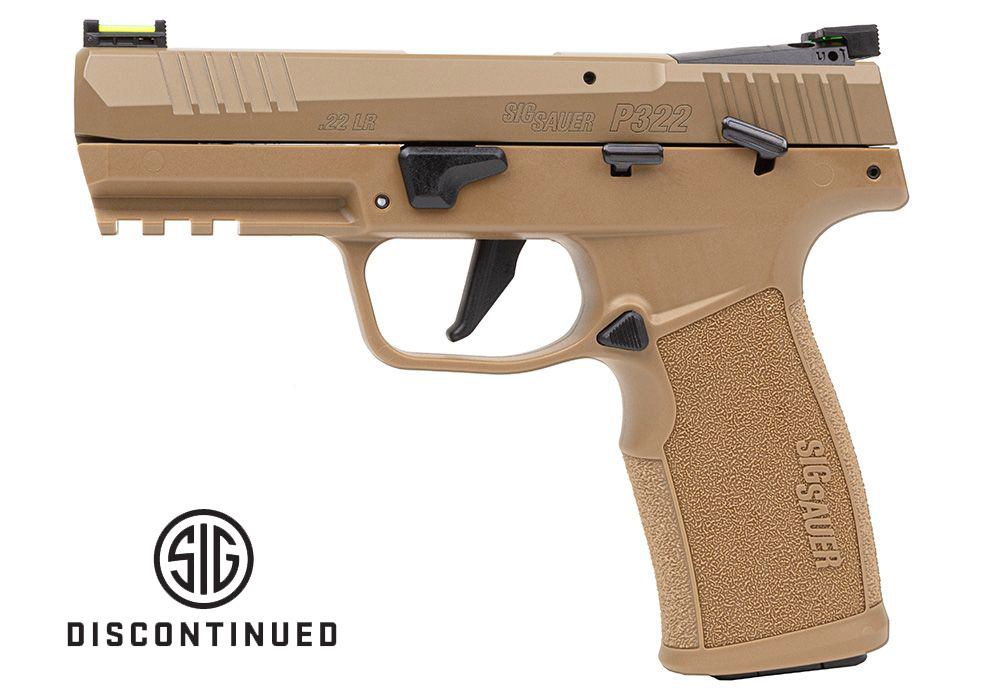
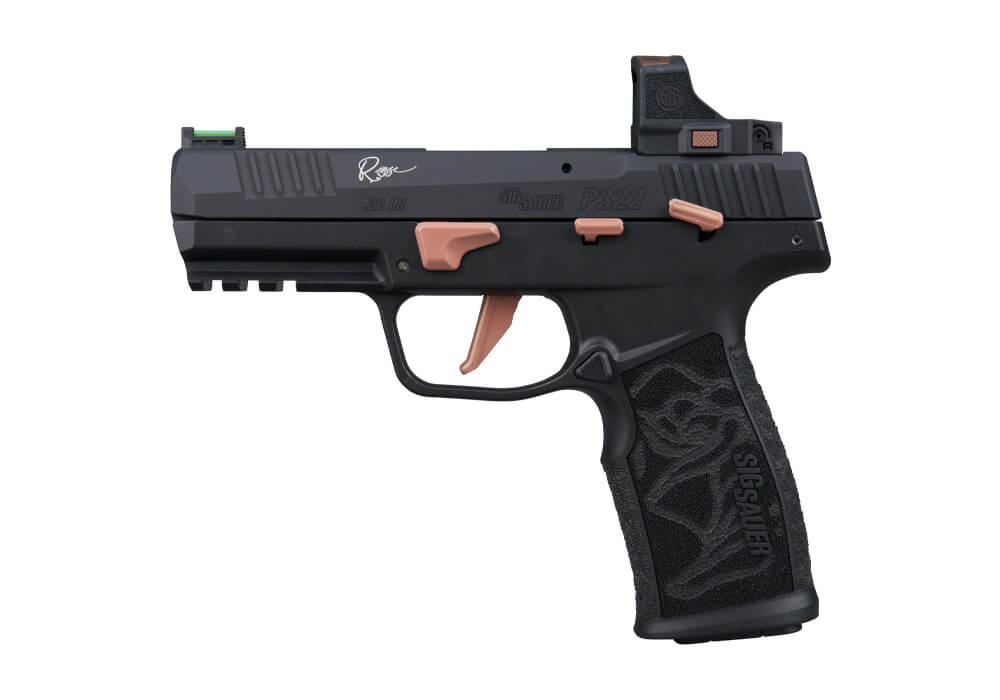
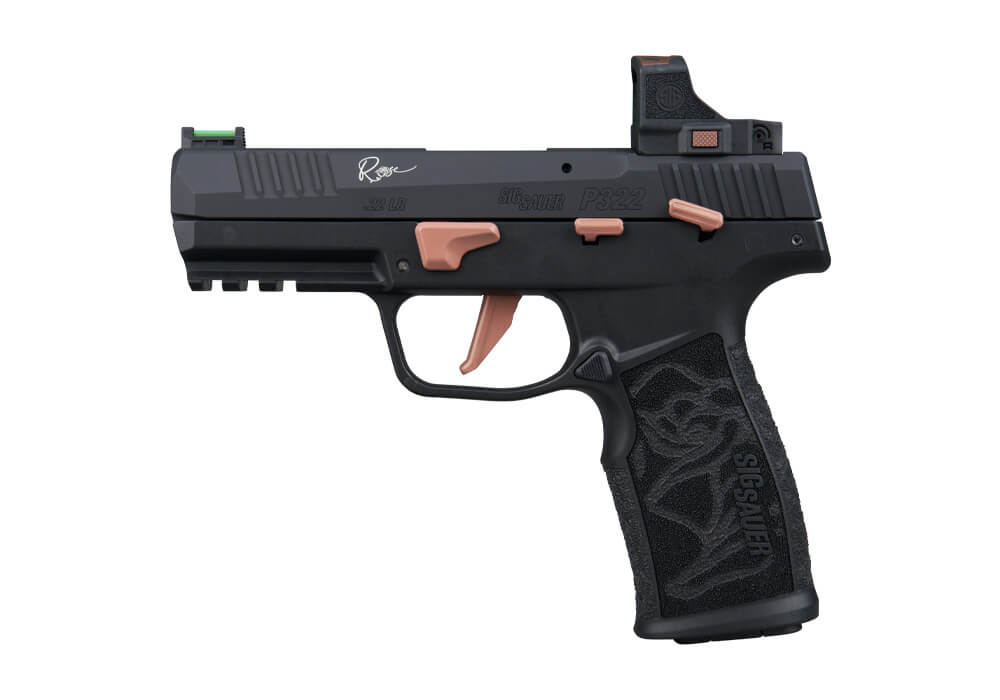
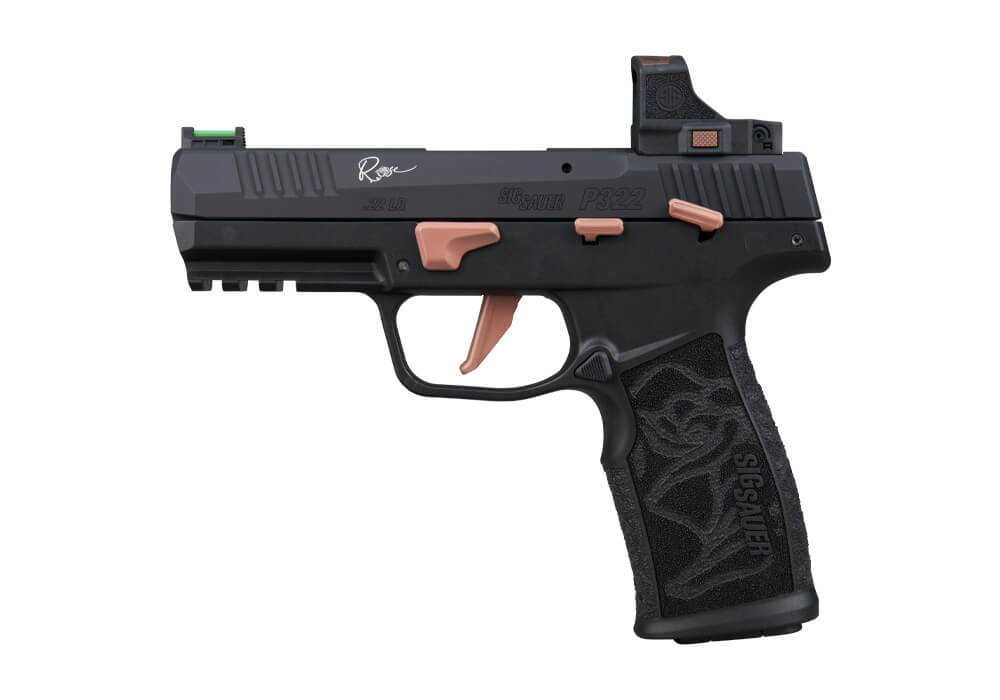
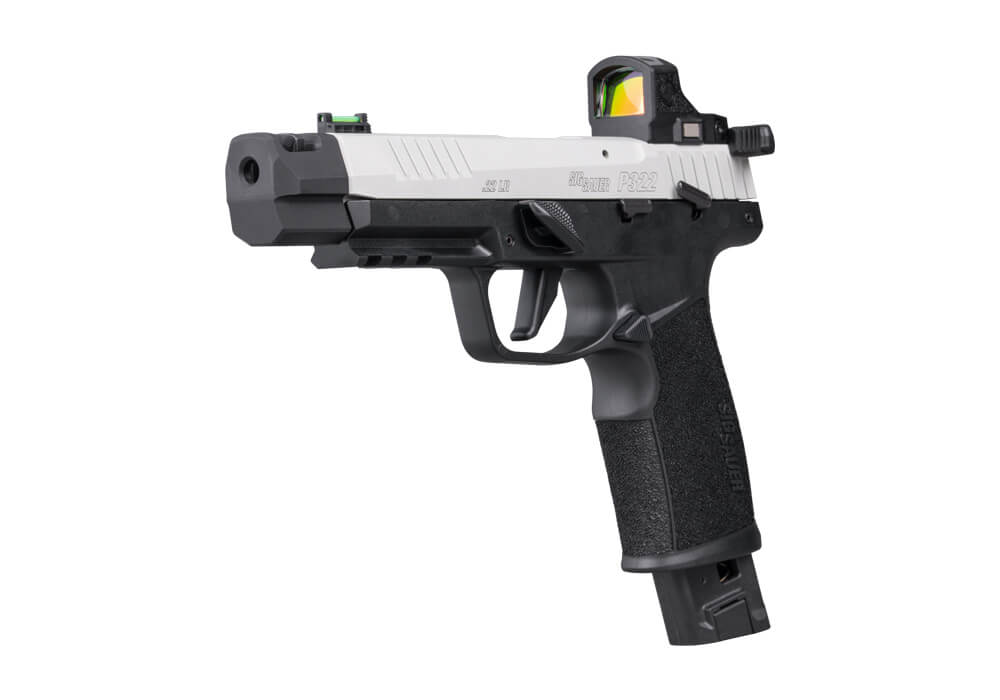
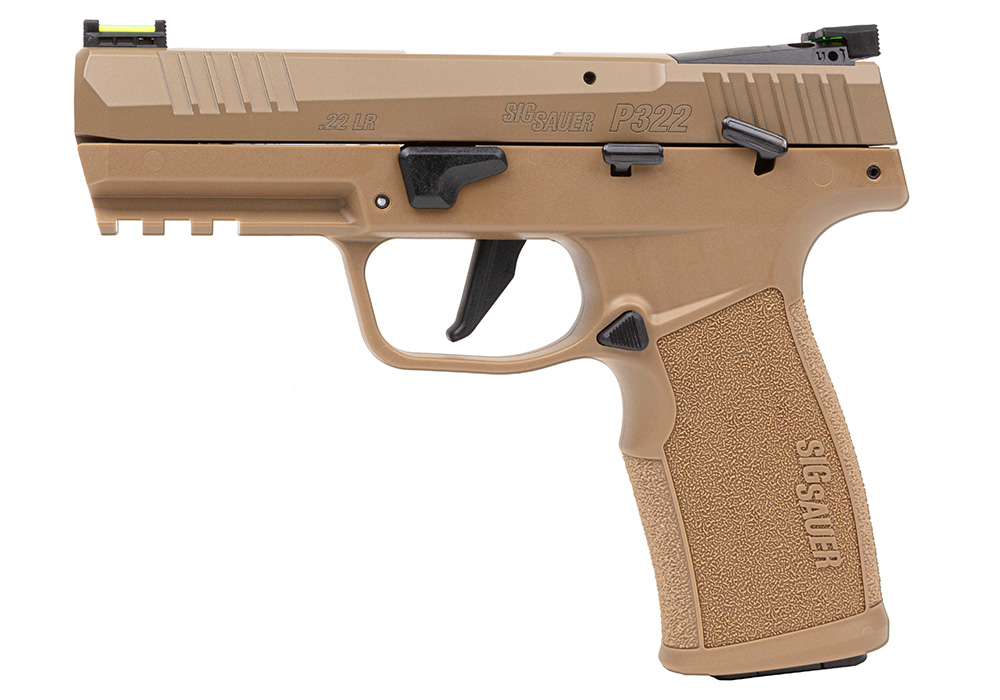
The best .22 pistols for competitive shooting pair dependable operation with a fit, balance, and sighting system suited to the intended match. Most competition-focused rimfire pistols use .22 Long Rifle ammunition, commonly written as .22 LR, which offers mild recoil and generally lower ammunition costs than centerfire handgun cartridges. Those qualities appeal to first-time competitors, experienced target shooters, and club members who spend regular afternoons at the range. The category includes lightweight pistols that feel lively in the hand, heavier target configurations that settle comfortably during deliberate shooting, and optics-ready designs for divisions that permit electronic sights. For precision-oriented events, shoppers often prioritize a clearly defined trigger feel, finely adjustable sights, and a stable hold. For timed rimfire matches, comfortable handling, an easy-to-see sight picture, and reliable cycling tend to receive closer attention. Neither style is automatically better; the useful distinction is how well the pistol suits the event and the person holding it. A heavier barrel can shift balance forward, which some shooters appreciate during slow-fire strings, while a lighter configuration may be more comfortable over a full afternoon. Total weight tells only part of that story. Two pistols with similar specifications can feel quite different because of grip angle, barrel profile, and the placement of weight within the frame. A well-fitting grip should feel secure without forcing an awkward wrist position, and controls should be accessible without excessive stretching. For someone preparing for a first local match, that comfortable, repeatable fit can matter more than an extensive list of competition features. For a longtime competitor, a familiar grip shape or preferred sight arrangement may be the deciding factor. The appeal of a good rimfire target pistol is easy to picture: a quiet pause behind the firing line, a fresh paper target waiting downrange, and equipment that feels familiar before the first string begins.
When comparing .22 competition pistols, start with the rules of the intended event rather than assuming every target-oriented configuration belongs in the same division. Requirements can address sights, dimensions, weight, trigger characteristics, and permitted modifications, so a pistol that suits one discipline may not qualify for another. Iron sights remain a practical choice for many competitors, particularly when the rear sight allows precise adjustments and the front sight is easy to distinguish against the target. With iron sights, a longer sight radius can make small alignment differences easier to recognize, although barrel length alone does not determine accuracy. An optics-ready pistol offers another route where rules allow it, but the mounting arrangement deserves a close look. Confirm the supported footprint, whether a separate mounting plate is necessary, and whether required hardware is included. Trigger quality also involves more than a listed pull weight: consistency, a clearly defined release, and a feel the shooter finds predictable all contribute to the ownership experience. Any adjustment should remain within manufacturer specifications and applicable match requirements. Reliability deserves equal attention because rimfire pistols can differ in their ammunition preferences. Manufacturer recommendations are a sensible starting point, and testing approved ammunition at a supervised range helps establish dependable function before competition. Premium ammunition is not automatically the best match for every pistol, nor does a competition label guarantee identical results across different loads. Look at the practical details as well: magazine availability, ease of loading, straightforward cleaning access, replacement-part support, and the terms of the warranty. Rimfire residue can accumulate during regular use, making an uncomplicated maintenance routine especially welcome after a busy range session. The full purchase budget should account for ammunition, eye and hearing protection, secure storage, a suitable transport case, and any match-permitted accessories. A pistol with a manageable purchase price and accessible support may offer better long-term value than a more elaborate configuration whose added features go unused.
These pistols serve a broad range of sporting interests, from a new club member entering a first sanctioned event to an experienced competitor maintaining a regular practice schedule. Mild recoil can make .22 LR approachable, but a rimfire pistol is still a firearm and requires the same disciplined handling, instruction, and secure storage as any other handgun. New owners benefit from qualified instruction and a range environment with clear safety procedures; experienced shooters often appreciate the opportunity to participate without the ammunition expense associated with some centerfire disciplines. During the cooler months, indoor ranges can help keep a target-shooting routine consistent, while outdoor club events remain an option where conditions and schedules permit. Comfort over repeated sessions is worth considering at purchase time. A grip that feels appealing for a moment at the counter may feel less accommodating after extended use, particularly for someone with smaller hands or limited hand strength. Where available, a supervised rental session offers a useful opportunity to assess fit and basic operation before committing to a purchase. It is also worth separating compact dimensions from competition suitability. A smaller pistol may be convenient to transport and comfortable for some shooters, but a shorter grip or sight radius can introduce compromises depending on the event. Shoppers comparing those tradeoffs can also explore Compact Pistols for Competitive Shooting while keeping match eligibility and individual fit at the center of the decision. For a gift occasion, personal preferences and legal requirements deserve particular care. Rather than selecting a firearm without the recipient’s involvement, consider helping an eligible adult choose through a licensed retailer, with all required checks and transfer procedures observed. Eye protection, hearing protection, or a secure case can also be thoughtful choices when matched to the recipient’s needs. Ultimately, a satisfying competition-pistol purchase is less about finding the most specialized option and more about finding equipment that fits the shooter, the discipline, and the realities of regular ownership. Clear specifications, dependable support, and a realistic understanding of ongoing costs help turn that choice into something useful for many range visits to come.