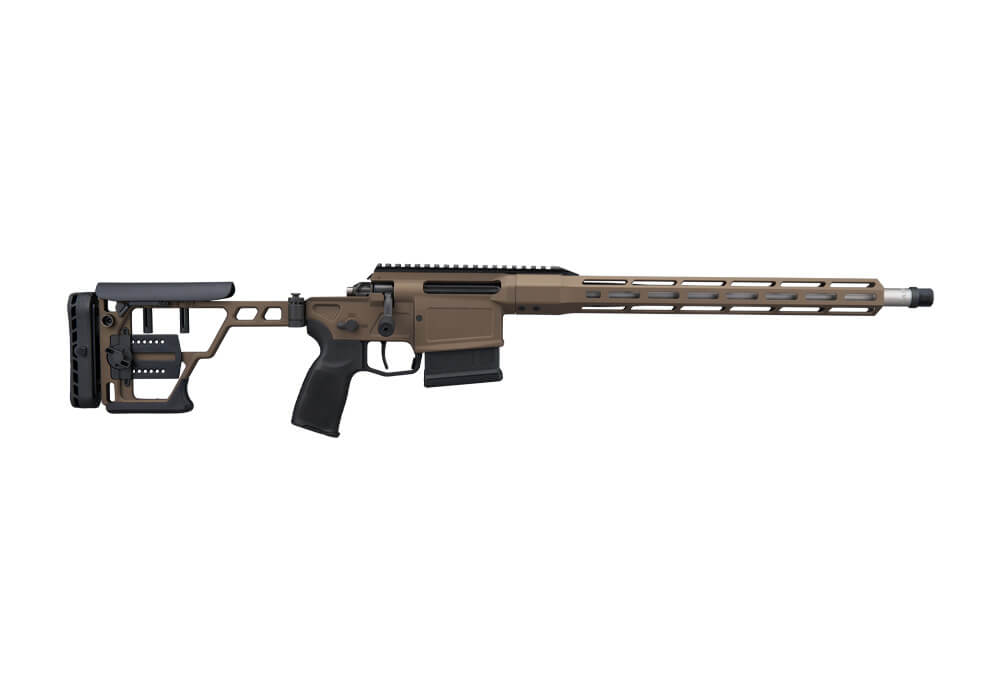
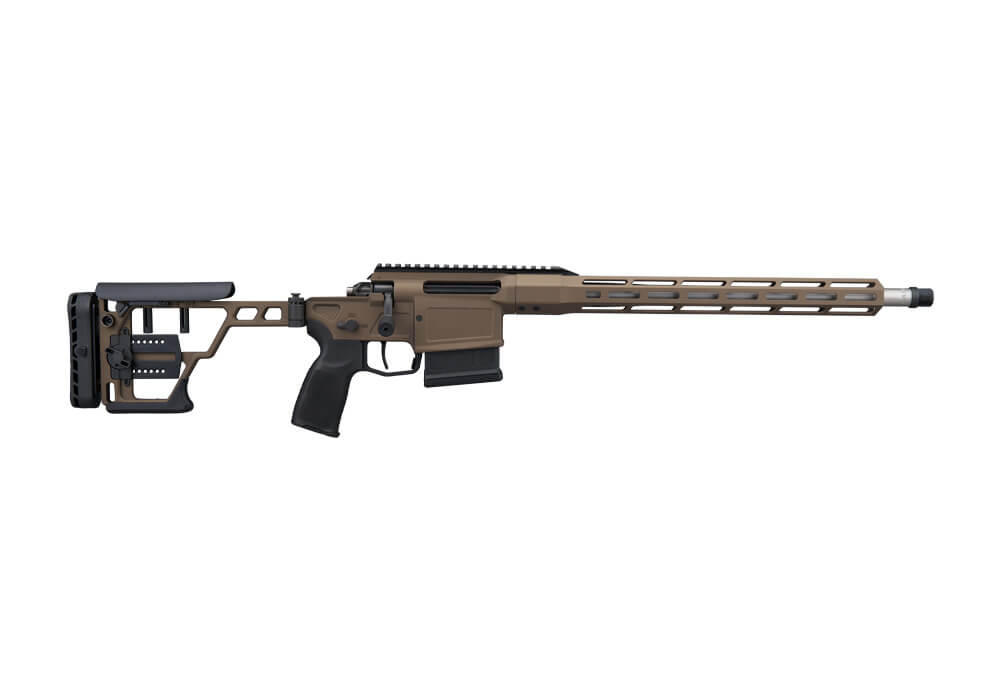
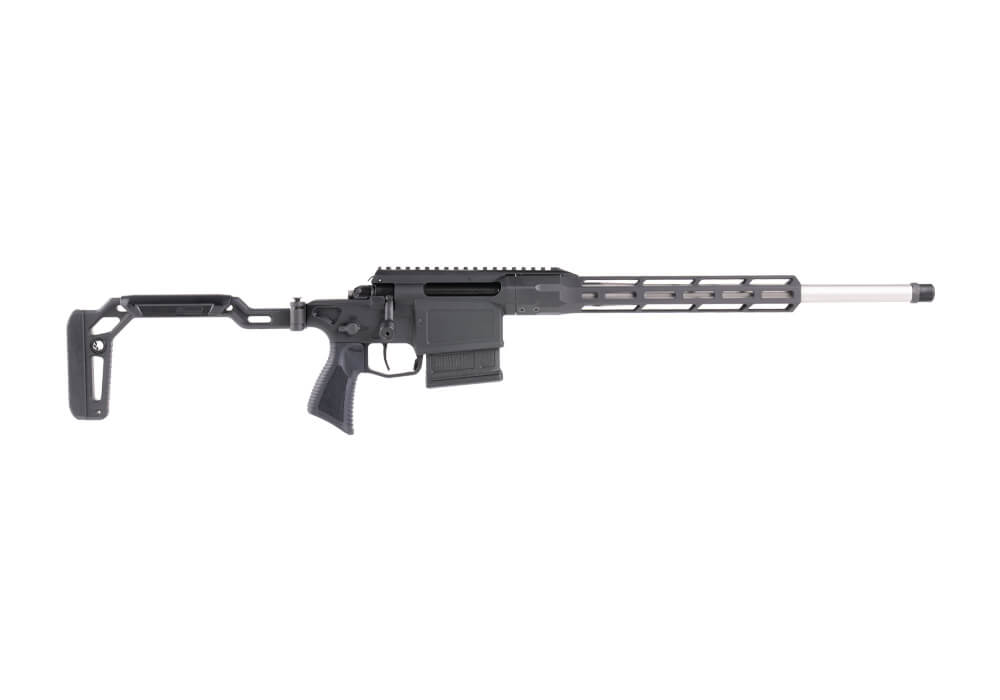
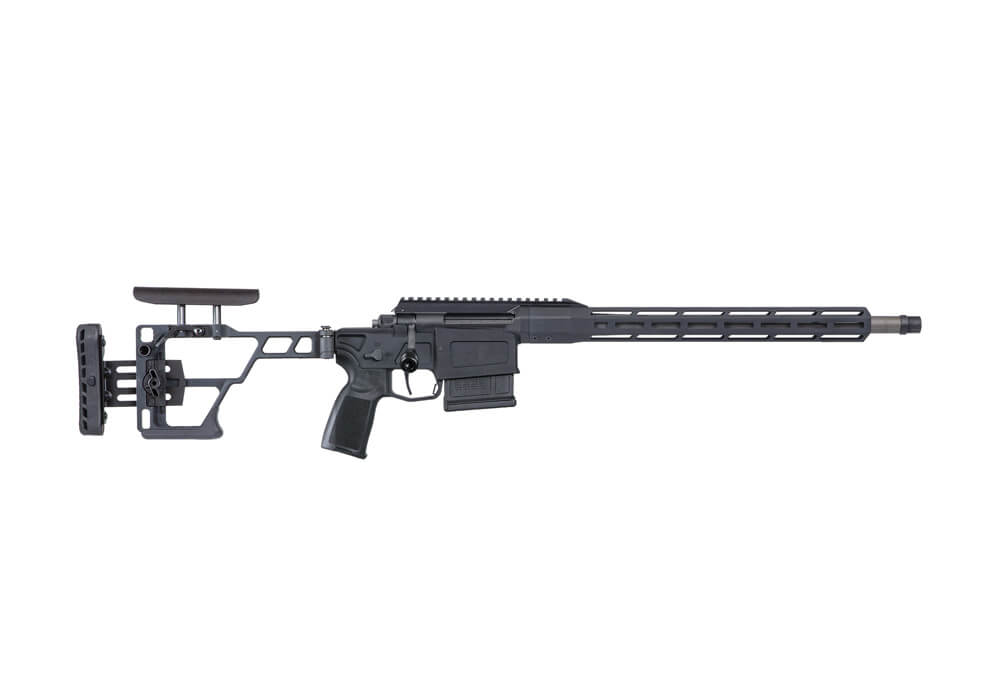
High accuracy .308 Win rifles appeal to shooters who value repeatable performance, a comfortable fit, and a cartridge with a long history in target shooting and hunting. Also known as .308 Winchester, this centerfire rifle cartridge supports a broad range of sporting applications, from measured practice at a local range to organized precision matches and lawful big-game hunting. Accuracy, however, belongs to the complete rifle-and-ammunition combination rather than the cartridge name alone. Barrel quality, action consistency, structural support, sighting equipment, and ammunition compatibility all influence how closely successive shots group on a target. A well-built rifle brings these elements together without relying on any single feature to carry the result. Bolt-action designs offer straightforward operation and are common among shooters who prefer a deliberate pace, while semiautomatic designs accommodate successive shots without manually cycling a bolt. Neither action type guarantees better accuracy simply by its category. Manufacturing tolerances, overall design, and the suitability of the rifle for its intended role matter more than broad assumptions. Published accuracy claims also deserve context: group size can vary with the ammunition, shooting distance, number of shots, and testing conditions. A sub-MOA claim generally describes groups measuring less than one minute of angle, approximately 1.05 inches at 100 yards, under the stated test conditions; it is not a promise that every shooter or load will reproduce that result. For someone comparing accurate .308 Winchester rifles, clear specifications and documented testing are more useful than an unsupported precision label. Intended use helps put those specifications into perspective. A rifle carried over uneven ground presents different handling priorities from one used primarily from a supported position at a range. The most suitable choice balances the desired level of precision with manageable weight, comfortable dimensions, and an operating system the owner can use safely and confidently. That balance is often what separates a rifle that looks appealing on paper from one that remains satisfying through years of regular use.
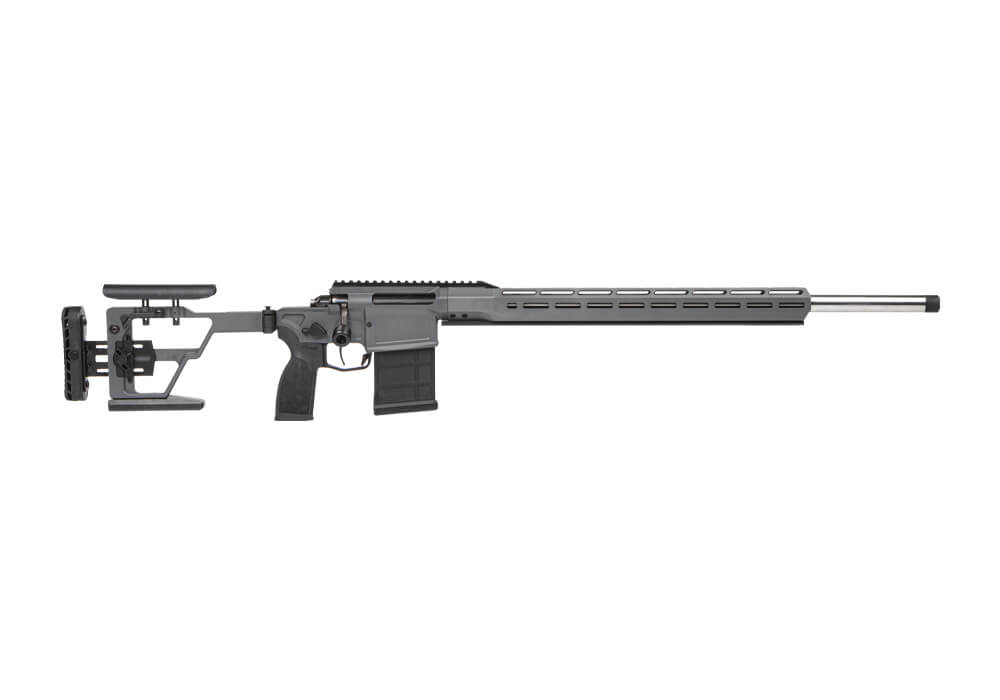
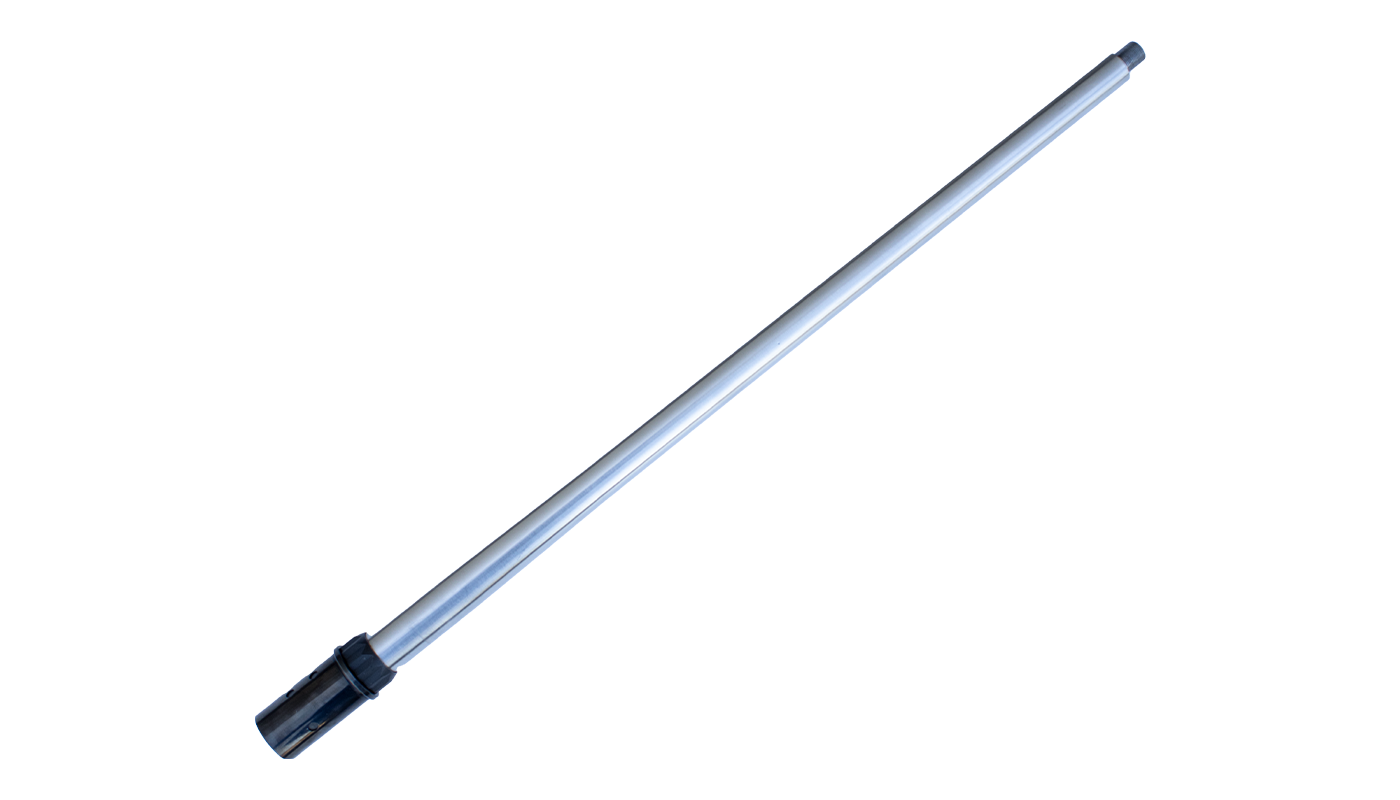
Materials and construction give a precision-oriented .308 rifle much of its character. Steel barrels and actions provide strength in critical areas, while aluminum chassis systems and reinforced synthetic furniture can provide rigid support with different weight and handling characteristics. Stainless steel and protective finishes offer varying levels of corrosion resistance, but no finish eliminates the need for care. Barrel contour is another meaningful distinction: a heavier contour adds mass and can support consistency during longer shooting strings, while a lighter contour reduces the burden of carrying the rifle. Barrel length affects overall dimensions and can influence velocity, yet a longer barrel is not automatically a more accurate barrel. Consistent manufacturing and a design appropriate to the intended application remain central. A free-floating barrel has clearance from the surrounding fore-end along its unsupported length, helping limit changes in contact pressure that could affect consistency. Bedding systems and chassis interfaces provide support between the action and the stock or chassis, with the goal of maintaining a stable relationship between those components. These features are worth understanding as parts of the overall design, not as isolated guarantees of smaller groups. Fit is equally important because a rifle that feels awkward can make a repeatable shooting position difficult to maintain. Length of pull describes the distance between the trigger and the rear of the buttstock, while cheek support influences how naturally the eye aligns with the sights or optic. Adjustable dimensions can accommodate different body proportions and equipment, although a fixed configuration may suit a shooter just as well when its measurements are appropriate. Grip shape, fore-end width, and balance also affect comfort. At a range bench, a broad fore-end may feel settled on a suitable rest; during a supervised fit assessment, another shooter may prefer a slimmer profile that sits more naturally in the hand. A predictable trigger feel and accessible controls contribute to confident handling, but specifications alone cannot describe every aspect of comfort. Comparing overall dimensions and, where possible, evaluating fit in person helps connect technical details with the way a rifle actually feels.
Choosing among high accuracy .308 Win rifles also involves considering ownership beyond the first range visit. Target shooters may prioritize consistent performance across regular practice sessions, competitors may need equipment that meets their event rules, and hunters may place greater emphasis on manageable carry weight and suitability for the game pursued. Someone moving from casual target shooting into structured practice may appreciate a rifle with room for fit adjustments, while an experienced owner may already know the dimensions and handling characteristics that work best. For a broader view of related rifle configurations, the High Precision Shooting Rifles collection offers another category to consider alongside a cartridge-specific selection. Optic compatibility, appropriate mounting interfaces, and support for intended accessories are practical considerations, but compatibility should always be confirmed against the relevant manufacturer specifications. Ammunition deserves the same care: use only ammunition appropriate for the firearm’s marked chambering and approved in its documentation, rather than assuming that similar cartridge names are interchangeable. Match ammunition emphasizes consistency for target use, whereas hunting ammunition serves a different purpose and should be suitable for the intended application. Neither a particular bullet weight nor a match label guarantees the best result in every rifle. Long-term satisfaction also depends on straightforward maintenance and responsible storage. Access for routine cleaning, clear owner documentation, and suitable protective storage can matter as much over time as an attractive feature list. Cleaning and inspection should follow the manufacturer’s instructions, with the firearm unloaded and ammunition kept separate from the work area. Protective finishes, synthetic furniture, and metal chassis components still benefit from regular attention to wear, moisture, and residue. Unusual operation or suspected damage calls for evaluation by a qualified professional rather than continued use. Secure storage that prevents unauthorized access is an essential part of ownership, as are applicable legal requirements and established range rules. Viewed together, accuracy, fit, durability, and upkeep define the lasting value of a .308 Winchester rifle: not merely a promising group on one target, but a dependable sporting firearm suited to its owner’s legitimate activities.