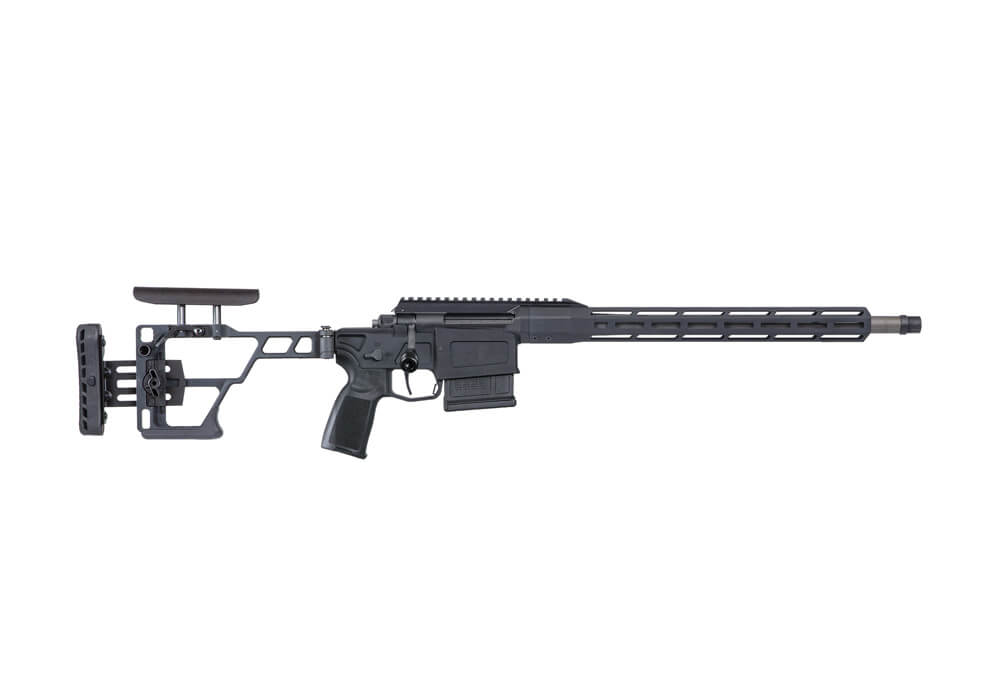
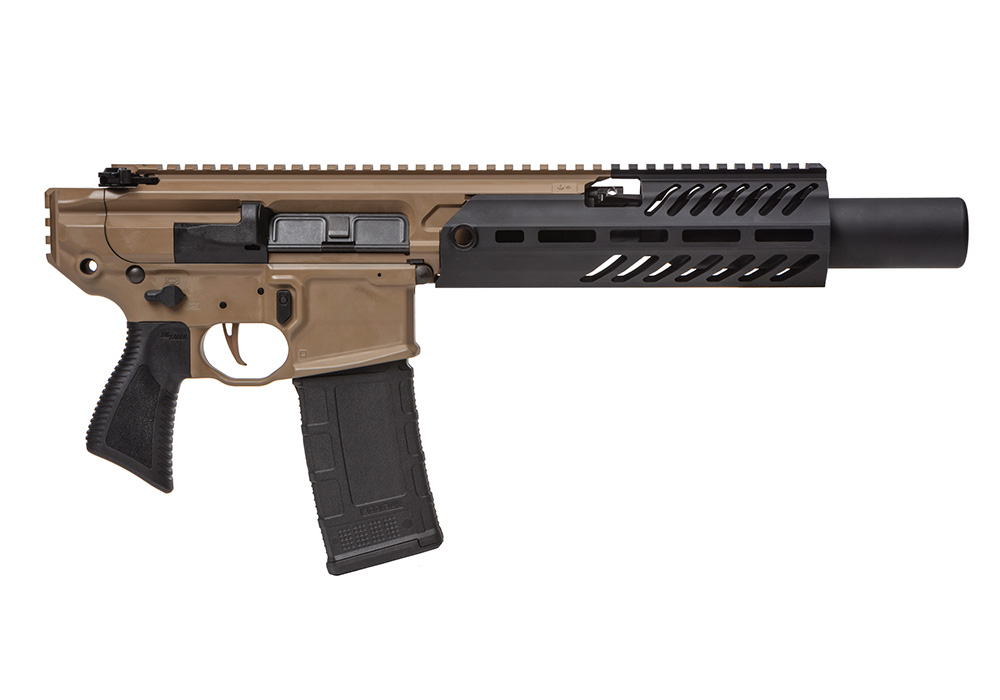
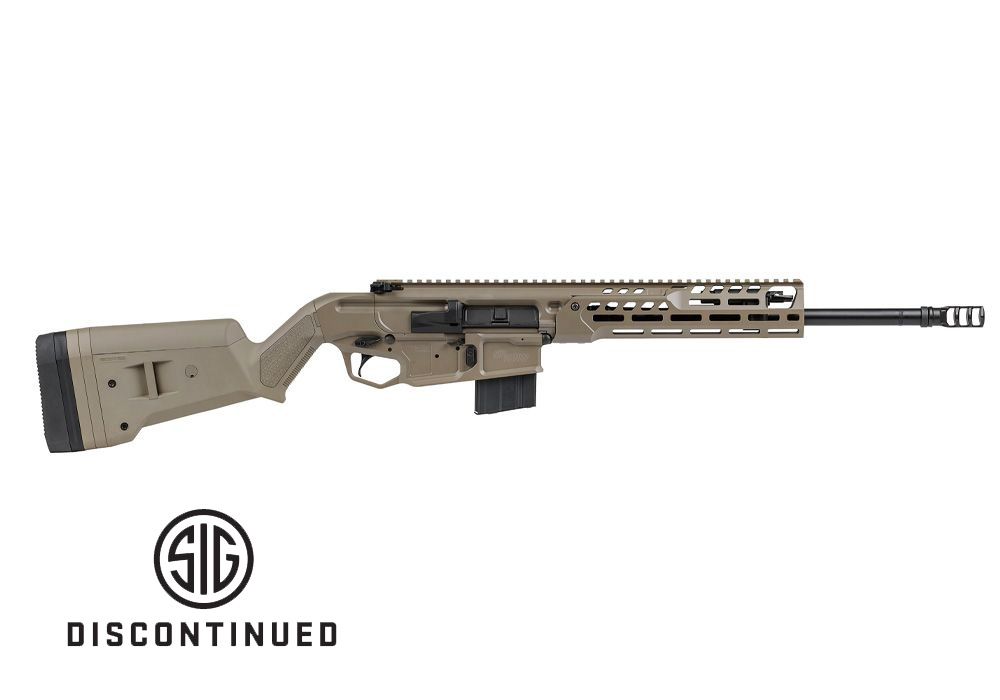
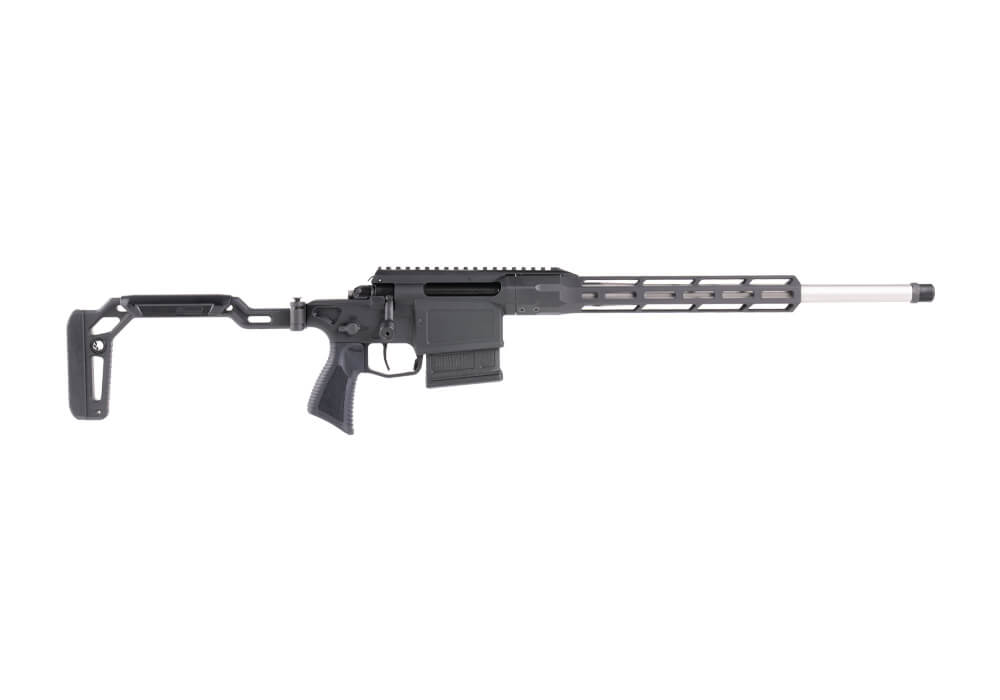
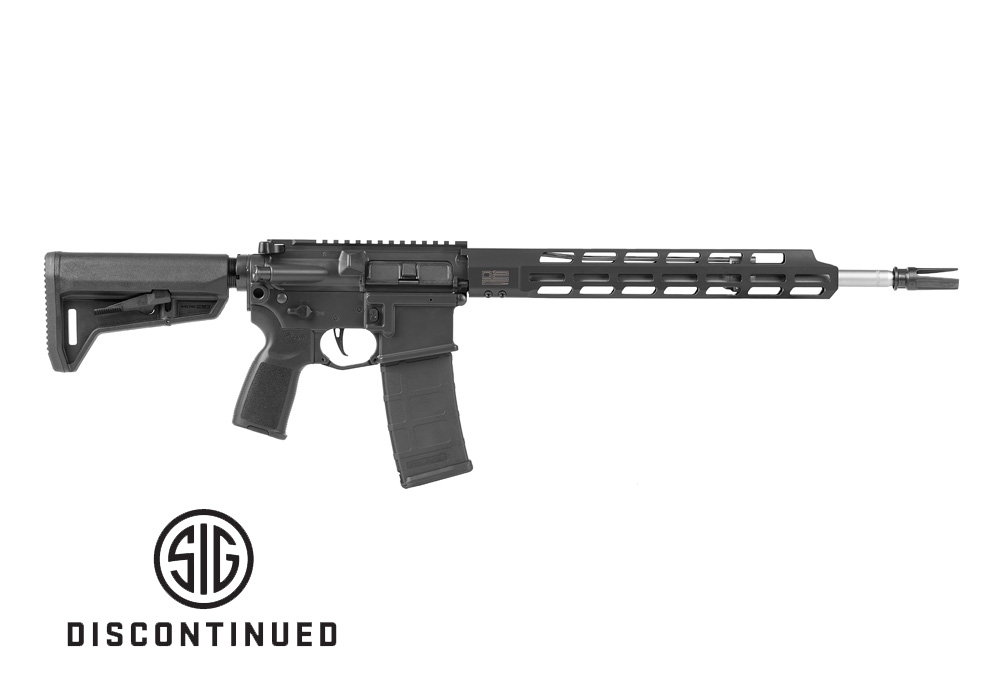
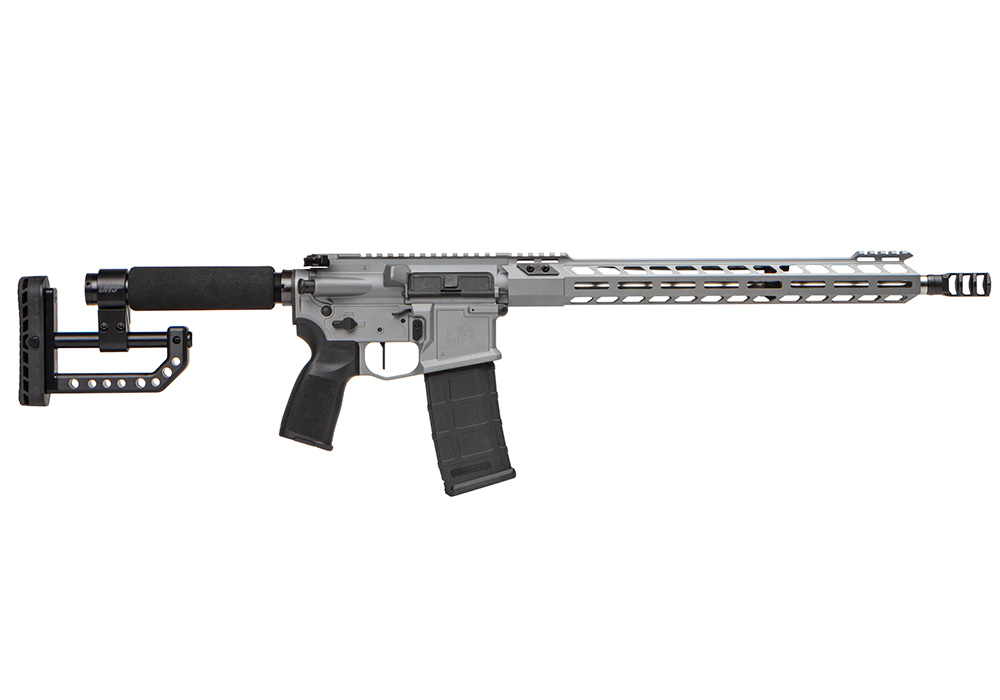
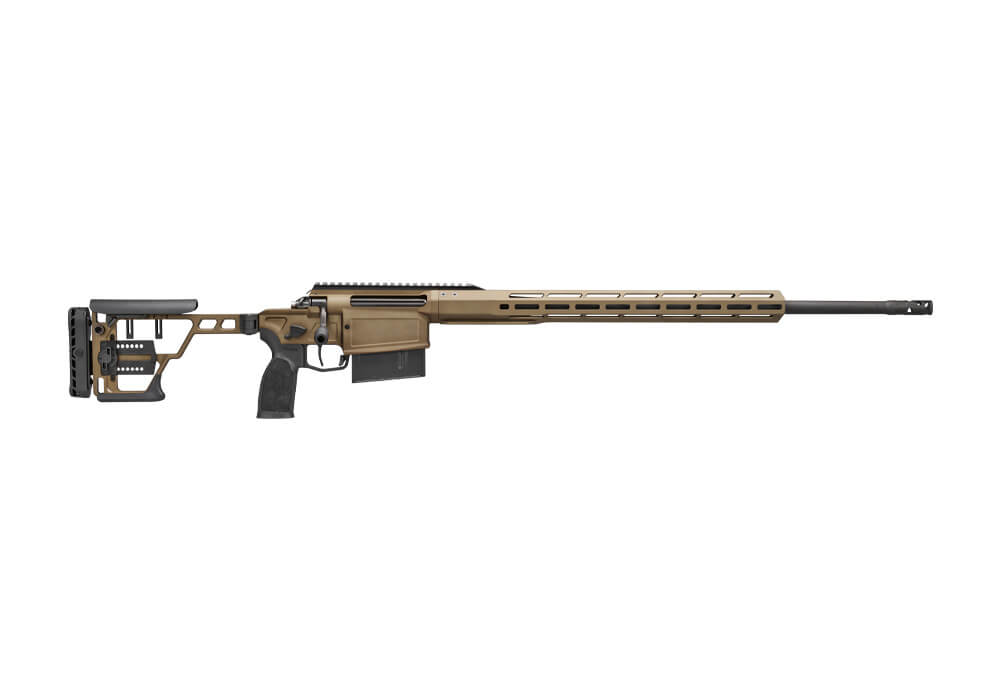
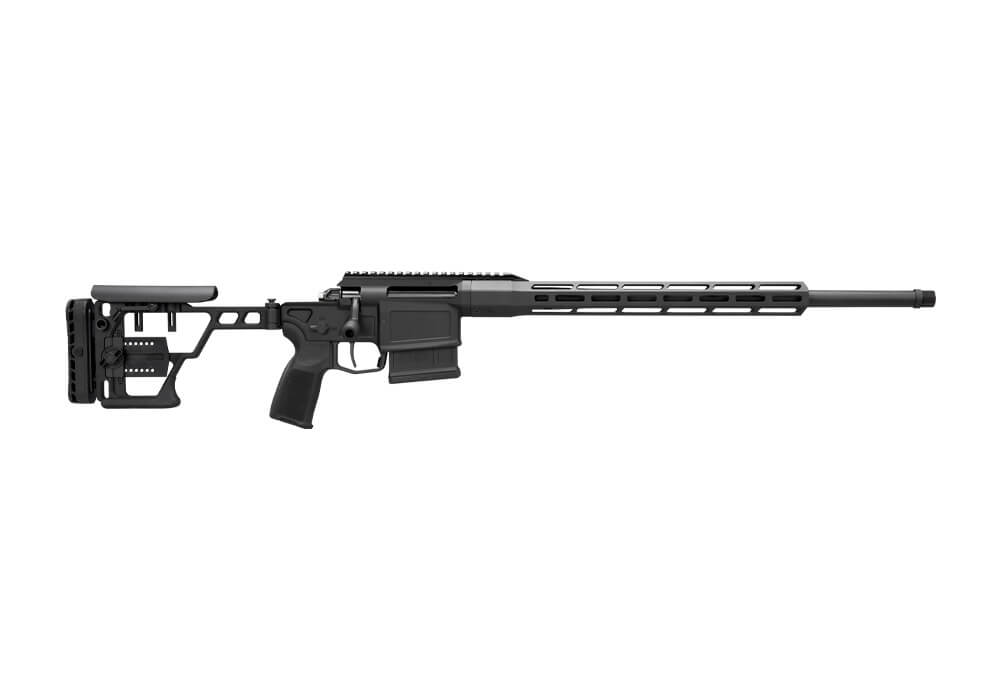
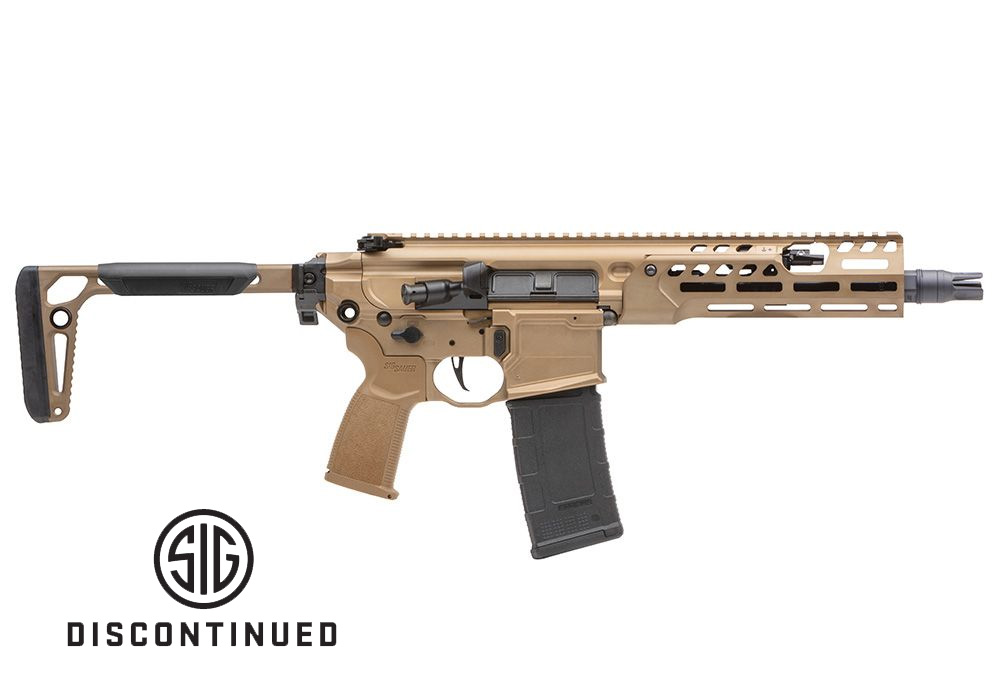
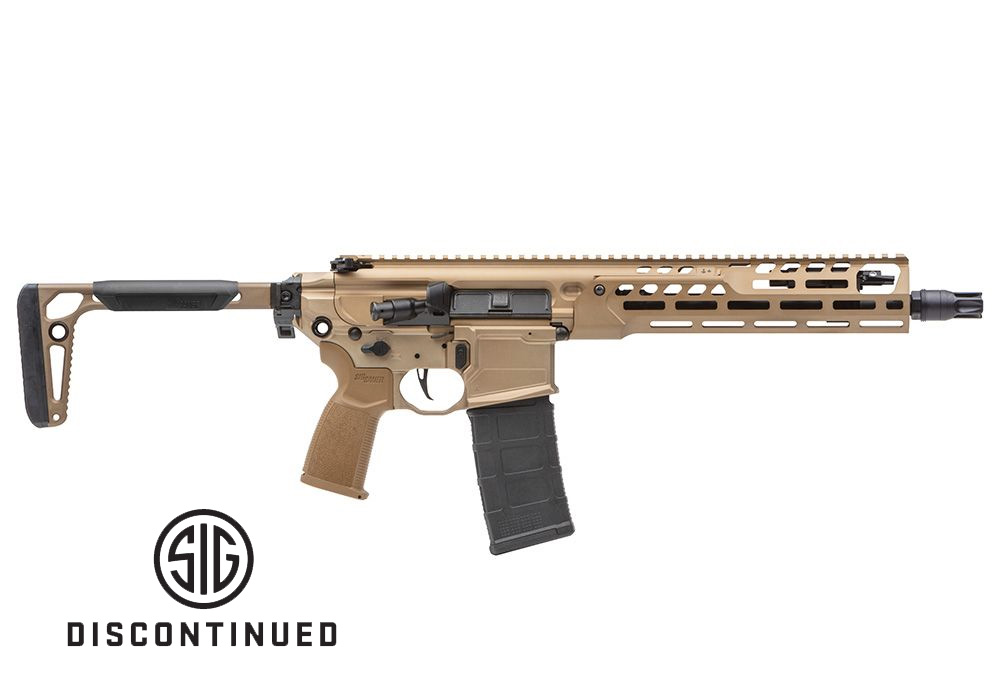
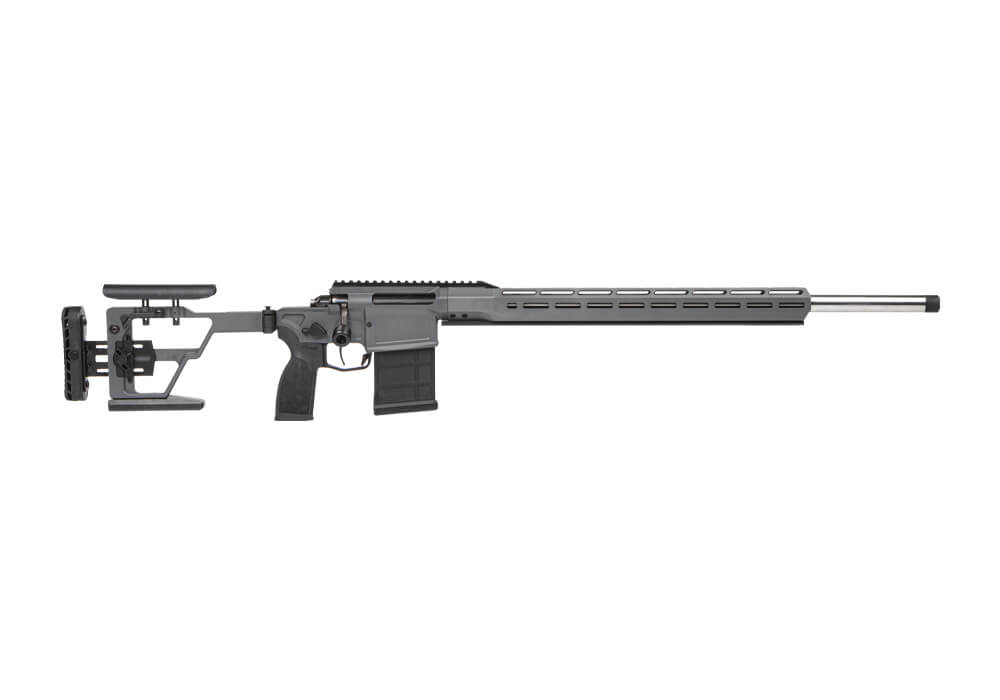
Long range accuracy rifles are built for shooters who value repeatable performance, careful setup, and the satisfaction of seeing a well-centered group appear on paper at extended distances. These rifles typically combine a rigid receiver, a stiff barrel, a stable stock or chassis, and a refined trigger to help the shooter maintain a consistent point of aim from one shot to the next. A bolt-action design is common in this category because its straightforward operation and solid lockup can support excellent mechanical consistency, while modern semi-automatic platforms may appeal to shooters who prefer faster follow-up shots and a familiar manual of arms. When comparing options, start with the intended use. A rifle for benchrest sessions or precision rifle competition can be heavier, with a substantial fore-end, an adjustable cheek rest, and a stock designed to settle firmly on a bag or bipod. A rifle carried across uneven ground for field practice benefits from a more manageable overall weight, a comfortable balance, and attachment points for a sling and support equipment. Barrel length and contour also deserve close attention. Longer, heavier barrels can help maintain velocity and reduce the effects of heat during extended strings, but they add weight and may be less convenient when moving between firing points or navigating a wooded property. A rigid chassis or reinforced stock helps create a stable, repeatable shoulder position, while adjustable length of pull and cheek height allow the rifle to fit the individual shooter rather than forcing the shooter to adapt to a fixed shape. Trigger feel is equally important: a clean, predictable break lets the shooter press straight to the rear without disturbing the sight picture. These details do not replace skill, but they can make good fundamentals easier to apply. For shoppers comparing long range accuracy rifles, consider the chambering, ammunition availability, optic mounting system, magazine format, barrel service life, and the availability of replacement parts or factory support. Standard magazine configurations may suit many range sessions, while extended configurations can reduce interruptions during organized practice where local rules allow them. Always verify state and local requirements, range policies, transportation rules, and any restrictions that apply to the specific rifle and accessories before completing a purchase.
The most satisfying long-range sessions often begin long before the first shot. On a cool morning, with the bench still carrying a trace of dew and the distant berm softened by pale light, a shooter can learn more from a deliberate ten-shot group than from a hurried afternoon of firing. Begin with a secure rest, a properly mounted optic, and ammunition that is consistent from round to round. Confirm the rifle at a known distance, then record environmental details such as temperature, elevation, humidity, and wind direction. At longer distances, even a light crosswind can shift the point of impact, and the shooter’s ability to read changing conditions may matter as much as the rifle’s mechanical precision. A stable position, steady breathing, and a smooth trigger press help reduce movement behind the rifle, while a solid bipod or rear bag can provide the support needed for careful aiming. Optics with repeatable adjustments, a clear reticle, and useful elevation and windage references can simplify corrections, but every scope should be mounted and confirmed by a qualified shooter rather than trusted straight from the box. These rifles can suit experienced range regulars, precision competition participants, hunters who operate within lawful seasons and ethical distances, and enthusiasts building a disciplined marksmanship routine. They may also be a thoughtful gift for a responsible adult who already has a secure storage plan, access to appropriate instruction, and a clear understanding of local regulations; for many recipients, quality time at the range and professional training are more valuable than simply receiving another piece of equipment. Newer shooters should seek supervised instruction and begin at modest distances before extending their practice. Safe handling remains central at every stage: keep the muzzle pointed in a safe direction, keep the finger outside the trigger guard until ready to fire, treat every firearm as loaded, use suitable eye and hearing protection, and store the rifle unloaded in a locked container separate from unauthorized users. A well-planned setup can include a compatible optic, rings or a mounting rail, a sling, a bipod, a chamber flag, a secure case, cleaning supplies, and a written record of sight settings. For shoppers who want to explore related configurations, the High Precision Tactical Rifles collection offers another place to compare precision-focused options. Whether the goal is a quiet morning of fundamentals, a structured competition day, or careful field preparation during the cooler seasons, the right long-range rifle should feel dependable, controllable, and well matched to the shooter’s experience, surroundings, and responsible plans.