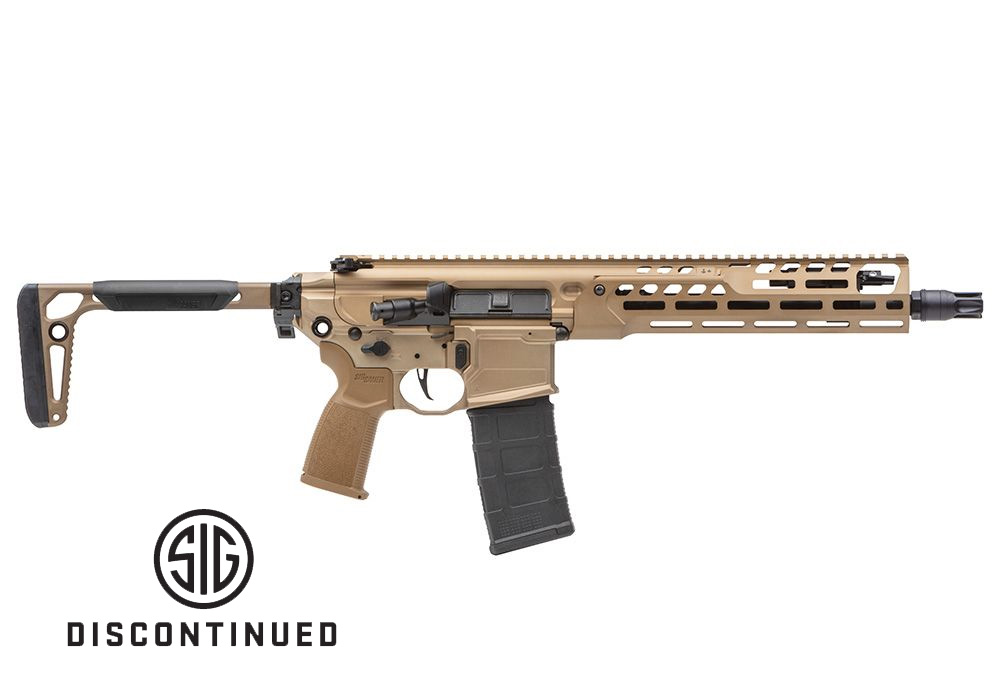
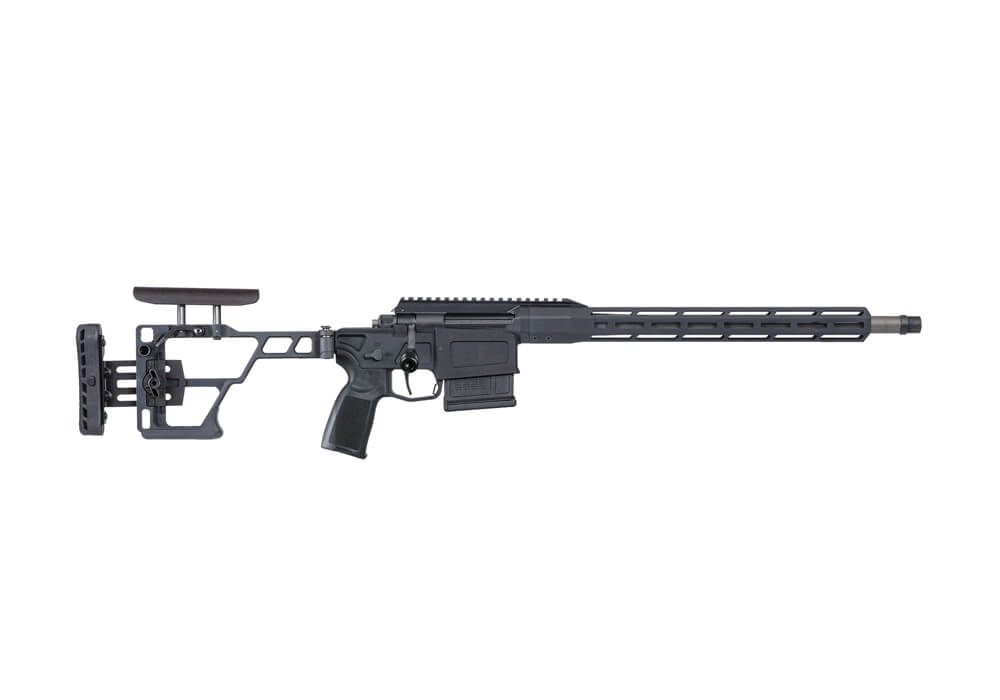
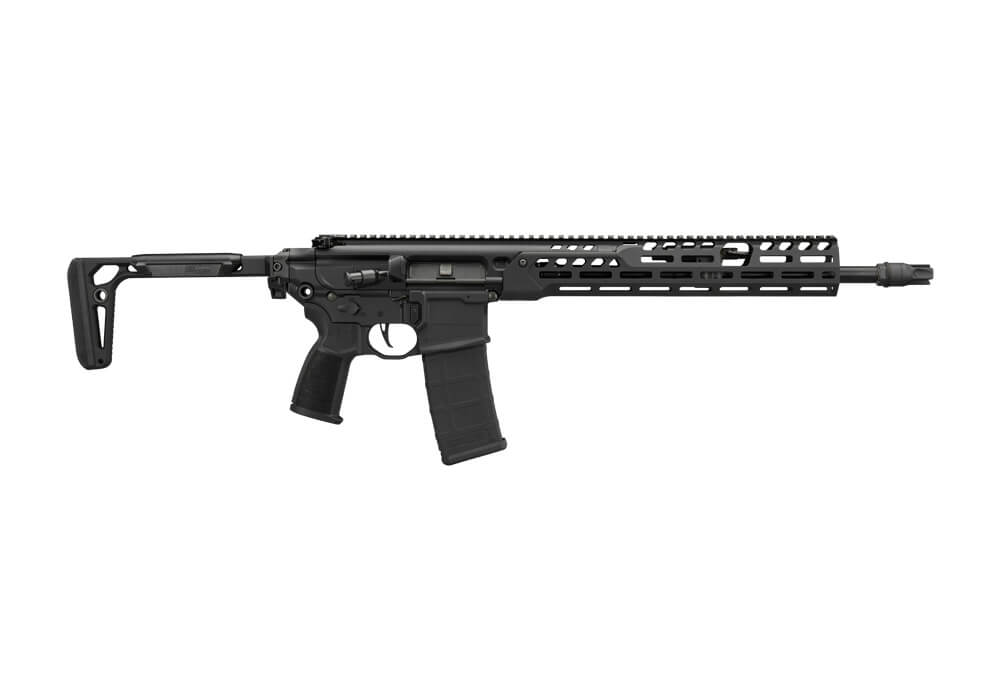
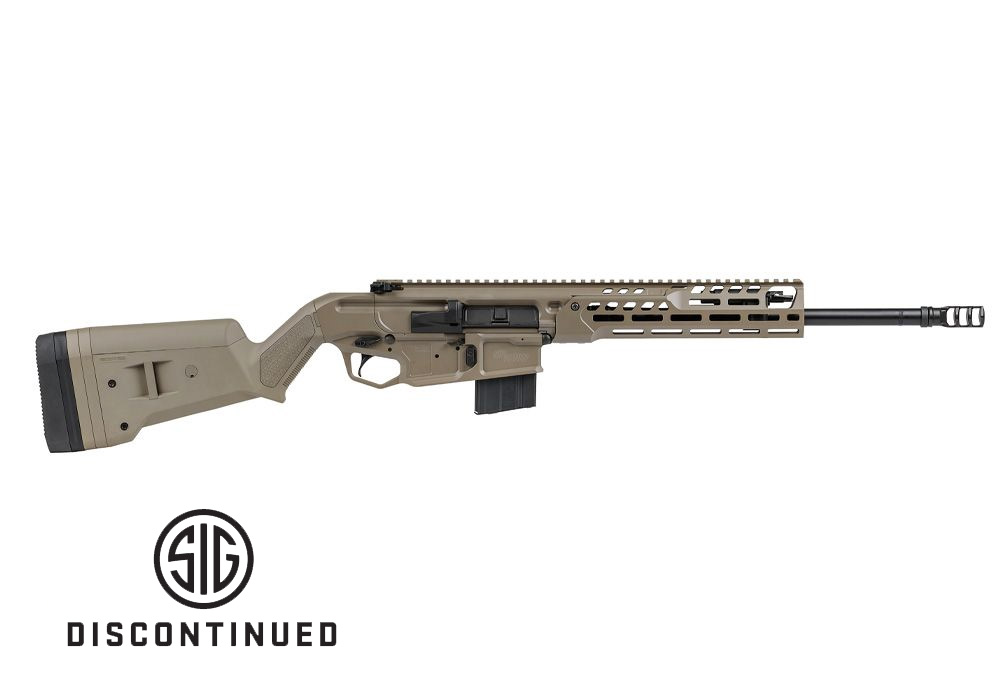
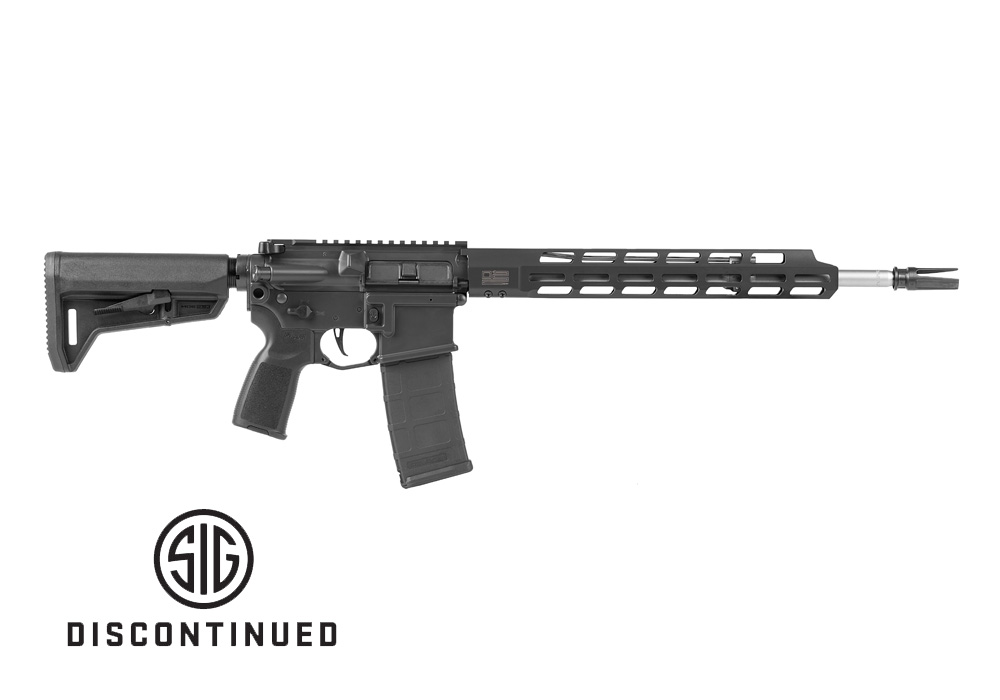
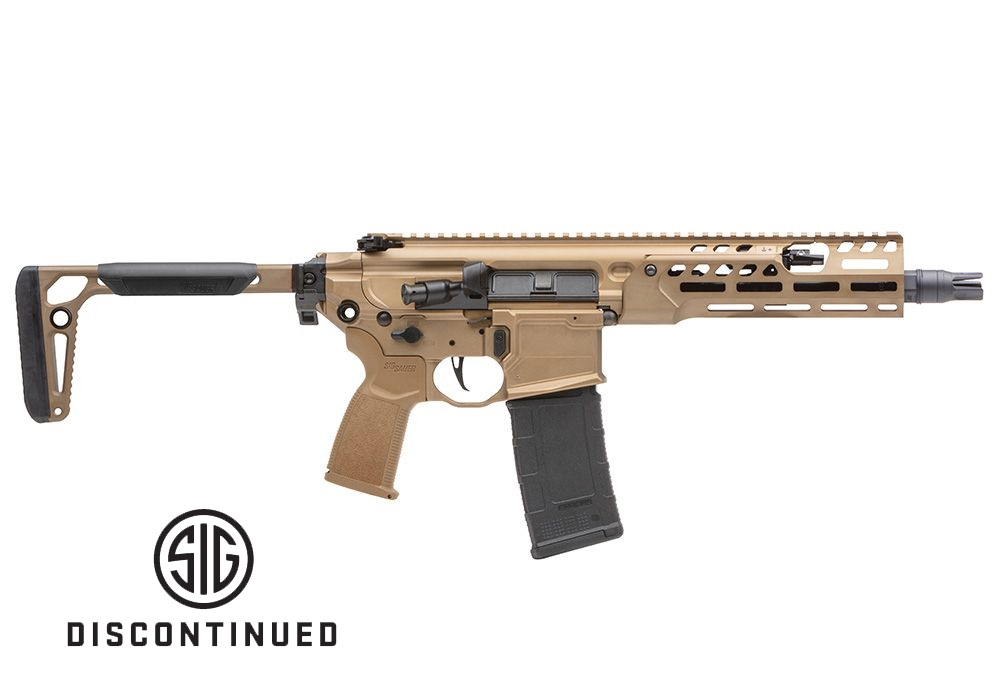
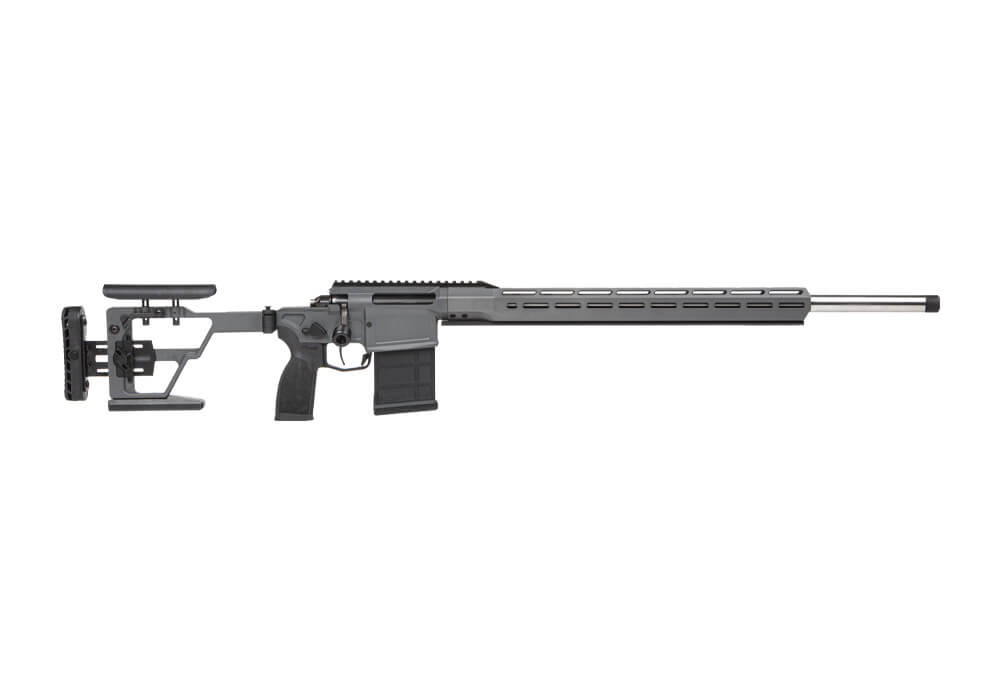
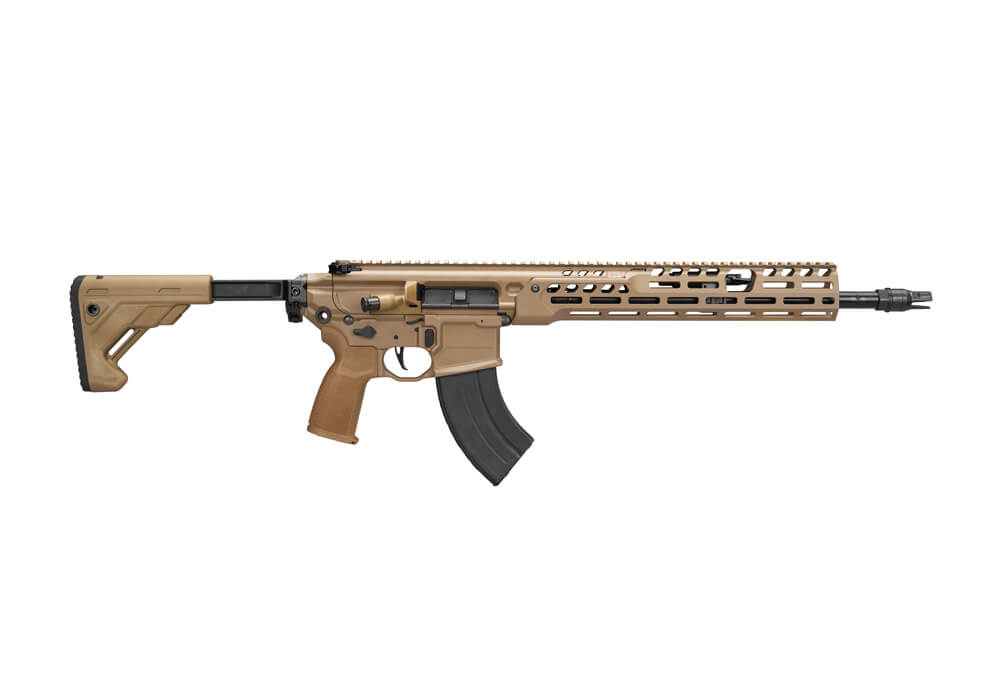
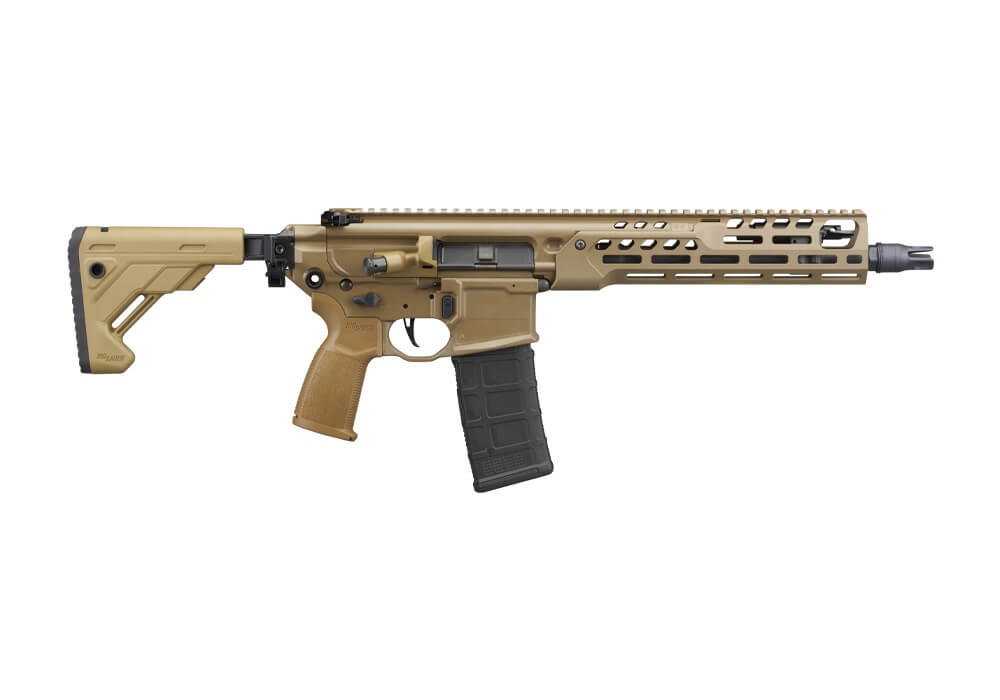
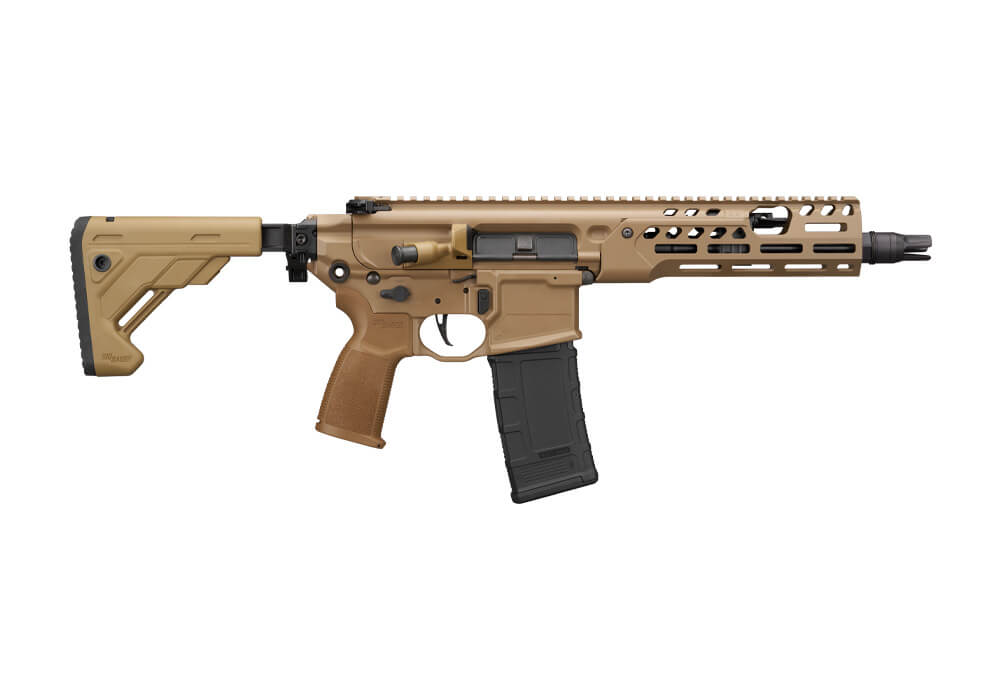
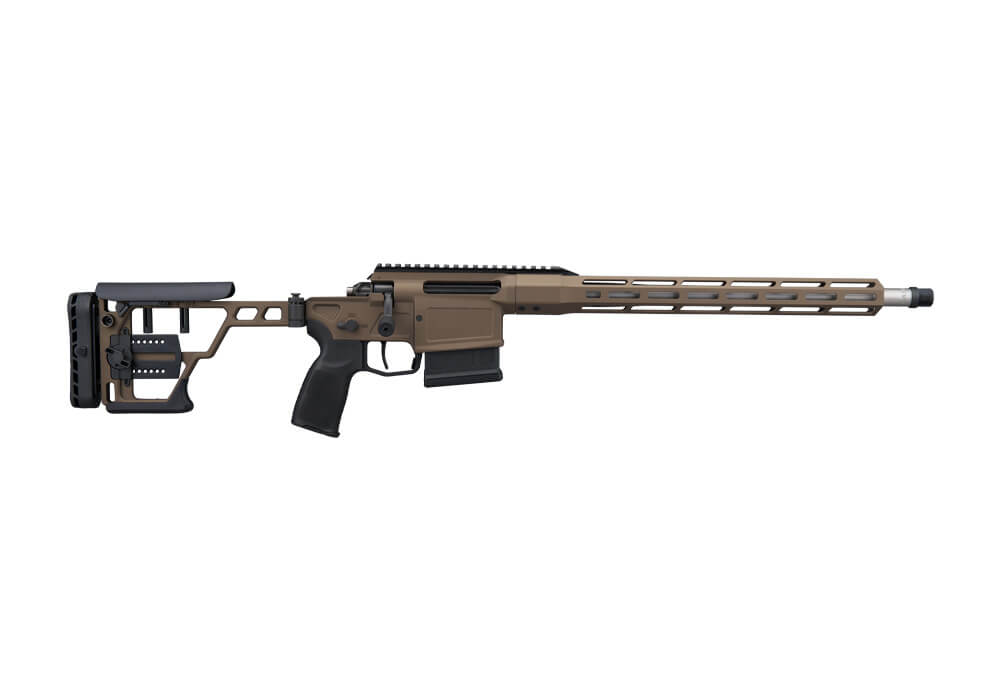
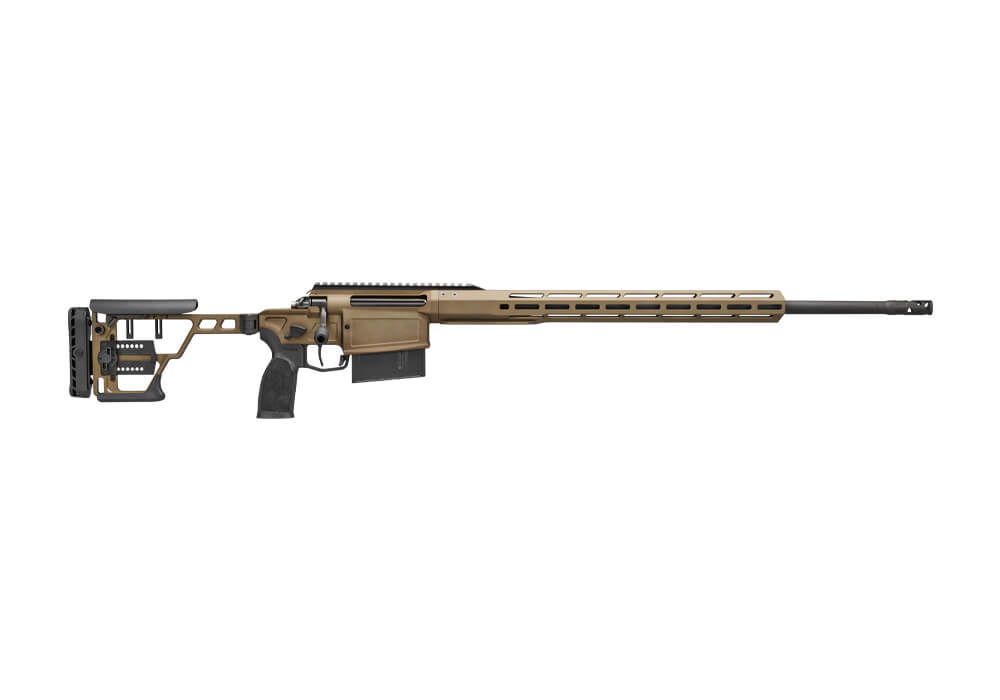
High Precision Tactical Rifles are designed for shooters who value repeatable accuracy, dependable function, and a platform that can be configured around a deliberate shooting style. Unlike lightweight hunting rifles built for carrying over long distances, these precision-oriented firearms typically emphasize a rigid receiver, a free-floating match-grade barrel, a stable stock or chassis, and controls that remain consistent from one shot to the next. A heavier barrel can help manage heat during extended strings of fire, while careful rifling and a properly fitted action support consistent bullet alignment. The result is a rifle suited to measured shooting at the range, precision practice, competition, and other lawful applications where shot placement matters more than rapid movement. Both bolt-action and semi-automatic platforms have a place in this category. Bolt-action rifles are often appreciated for their straightforward operation, rigid lockup, and smooth, deliberate cadence, while semi-automatic designs can offer faster follow-up shots and familiar ergonomics for dynamic sporting disciplines. When comparing options, consider the cartridge first, including ammunition availability, recoil, bullet selection, and the distances you expect to shoot. Common precision cartridges vary in recoil and trajectory, so a load that feels comfortable during a long range session may be more useful than an especially powerful option that encourages flinching or fatigue. A rifle’s intended role, overall weight, barrel length, and transport requirements should also guide the decision. A substantial chassis rifle can feel reassuringly planted on a bench or supported firing position, yet its weight may be noticeable when moving between stages or carrying equipment across uneven ground. Reviewing the manufacturer’s specifications, local regulations, and any applicable purchasing requirements is an important part of selecting the right firearm.
Fit and adjustability are central to a precision rifle’s performance. An adjustable stock or chassis allows the shooter to set length of pull, cheek height, and butt position so the eye naturally meets the optic without stretching the neck or lifting the head. A comfortable, repeatable cheek weld helps maintain the same sight picture, while an ergonomic grip can reduce tension in the firing hand during a long session. Many rifles in this category include a full-length mounting rail or a receiver prepared for precision optics, giving the owner flexibility when choosing a scope, rings, and other compatible accessories. A rail with built-in elevation can be useful for extended-distance optical setups, although the correct mounting height and available adjustment range still depend on the scope and cartridge. Trigger design deserves close attention as well. A clean, predictable trigger break can help the shooter maintain sight alignment, but the safest and most practical setup is one that combines a controlled pull with clear, familiar operation. Other details can make a meaningful difference over time: a reliable magazine system, accessible controls, a stable bipod interface, a durable finish, and a stock that remains comfortable when shooting from prone, supported, or bench positions. Standard or extended capacity magazines should be selected only when lawful and compatible with the rifle, and owners should confirm local restrictions before purchase or use. Optics, ammunition, a secure case, hearing and eye protection, and a quality maintenance kit are also part of the complete system. During the cooler months, changing temperatures and damp conditions make simple preparation especially worthwhile; protect the rifle from moisture, allow equipment to acclimate when moving between environments, and inspect the bore, action, fasteners, and optic mounts before heading to the range.
These rifles may appeal to experienced precision shooters, competitors refining their stage times, hunters who need a stable platform for lawful game pursuits, and responsible firearm owners building a carefully selected collection. They can also suit a new precision enthusiast who is prepared to learn proper handling, safe storage, sight-in procedures, and range etiquette with qualified instruction. A precision rifle is sometimes considered as a gift, but firearms should never be presented casually or transferred without confirming the recipient’s consent, eligibility, and compliance with all applicable laws. In many cases, a gift certificate, optic, range bag, shooting rest, or training session is a more suitable choice when the recipient’s preferences or legal requirements are not known. Before purchasing, think beyond advertised accuracy claims and consider the complete ownership experience: whether replacement magazines and ammunition are readily available, how the rifle fits your safe, whether its controls are intuitive, and whether you can maintain a consistent shooting position with its weight and dimensions. Accuracy also depends on the relationship between rifle, ammunition, optic, and shooter, so carefully testing compatible loads and keeping disciplined records can reveal what performs best. A simple notebook with ammunition details, environmental conditions, zero adjustments, and group sizes often becomes one of the most useful tools on the range. For shoppers comparing refined configurations and purpose-built features, the Enhanced Precision Rifles category offers another way to explore precision-focused options. Store every firearm unloaded, locked, and inaccessible to unauthorized users, transport it according to local requirements, and treat every firearm as loaded until personally verified otherwise. With thoughtful selection, proper training, and consistent care, a High Precision Tactical Rifle can provide a stable, confidence-building foundation for disciplined practice and accurate shooting across changing range conditions.