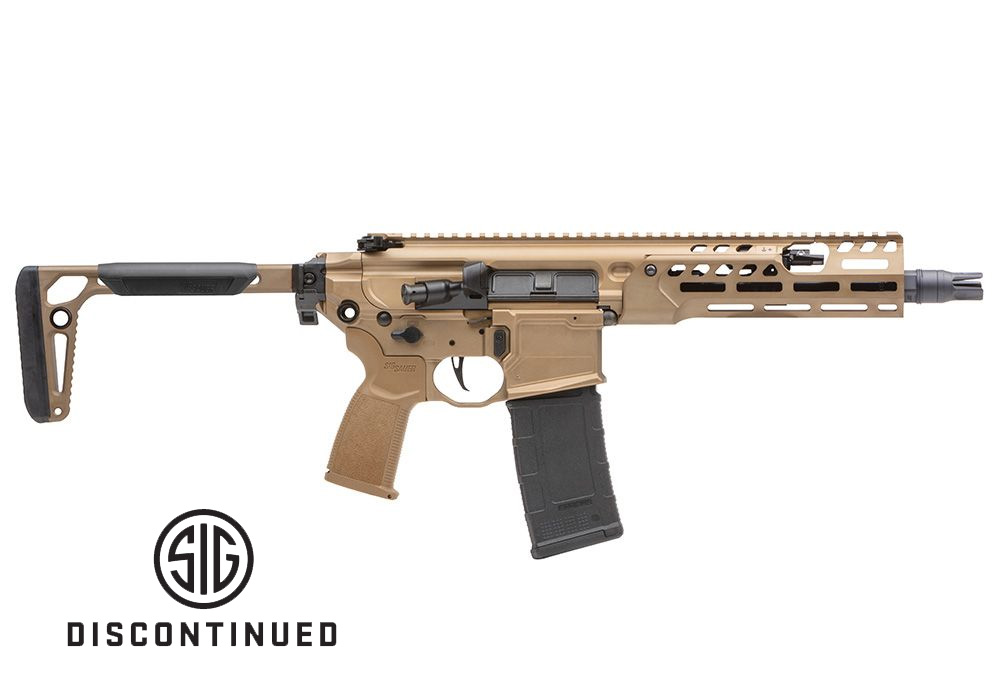
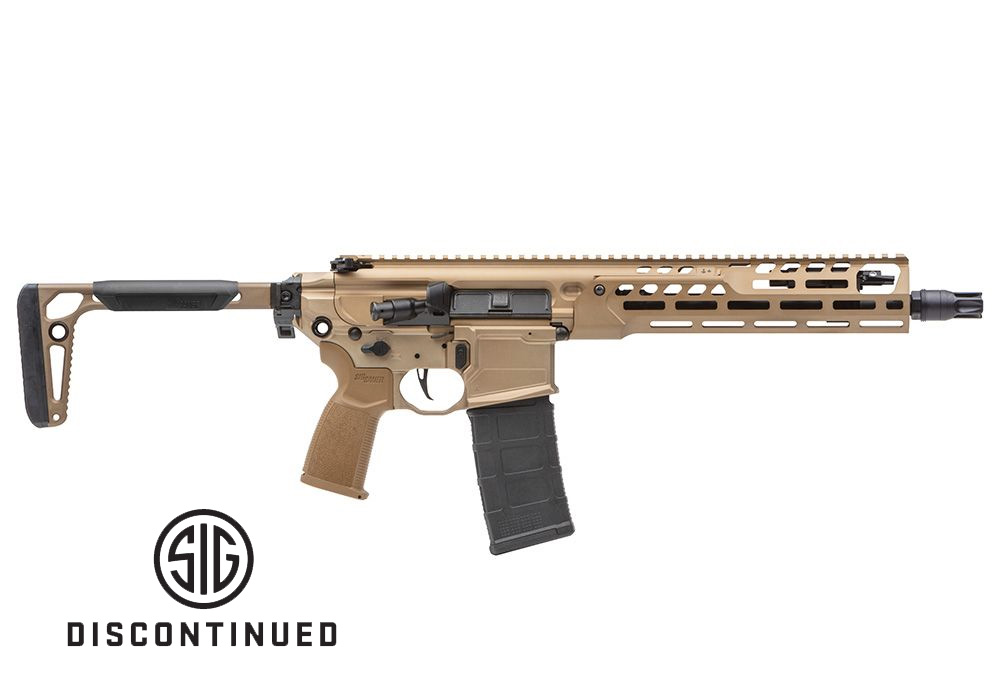
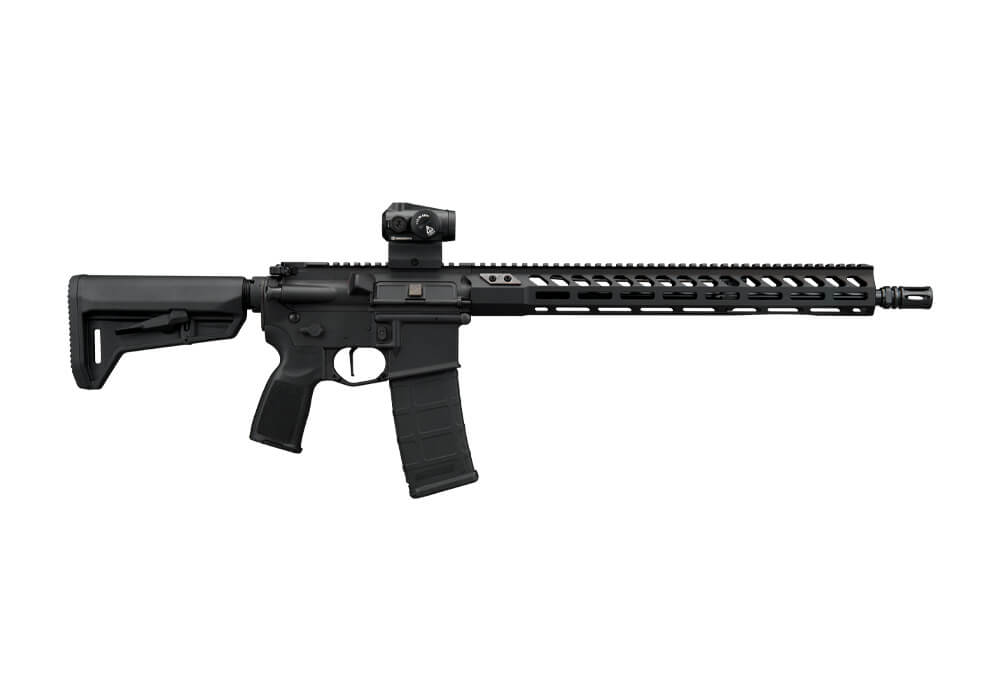
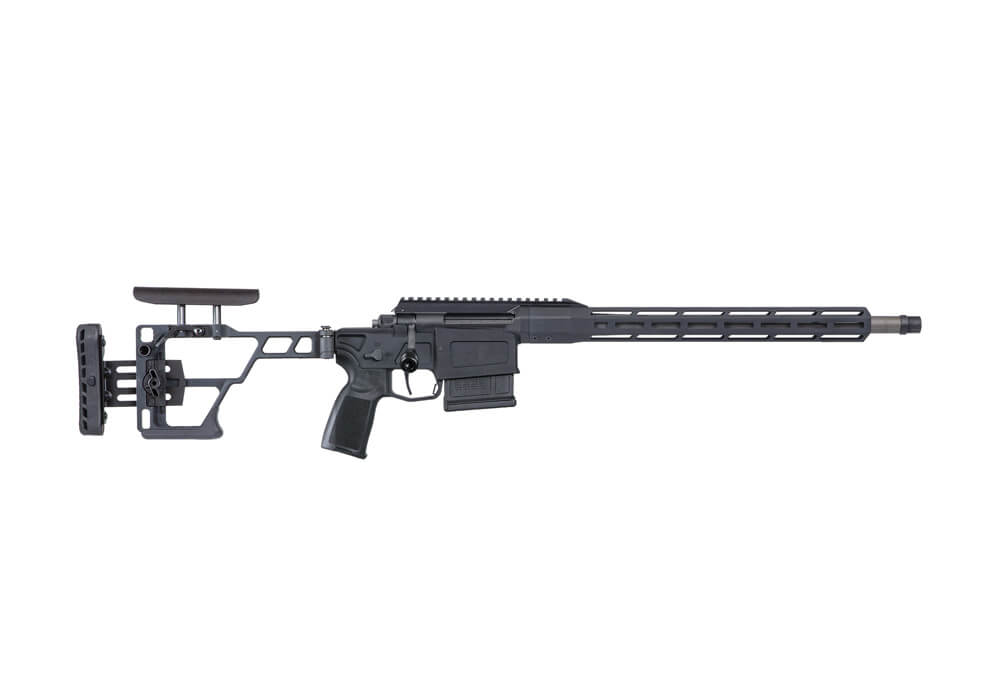
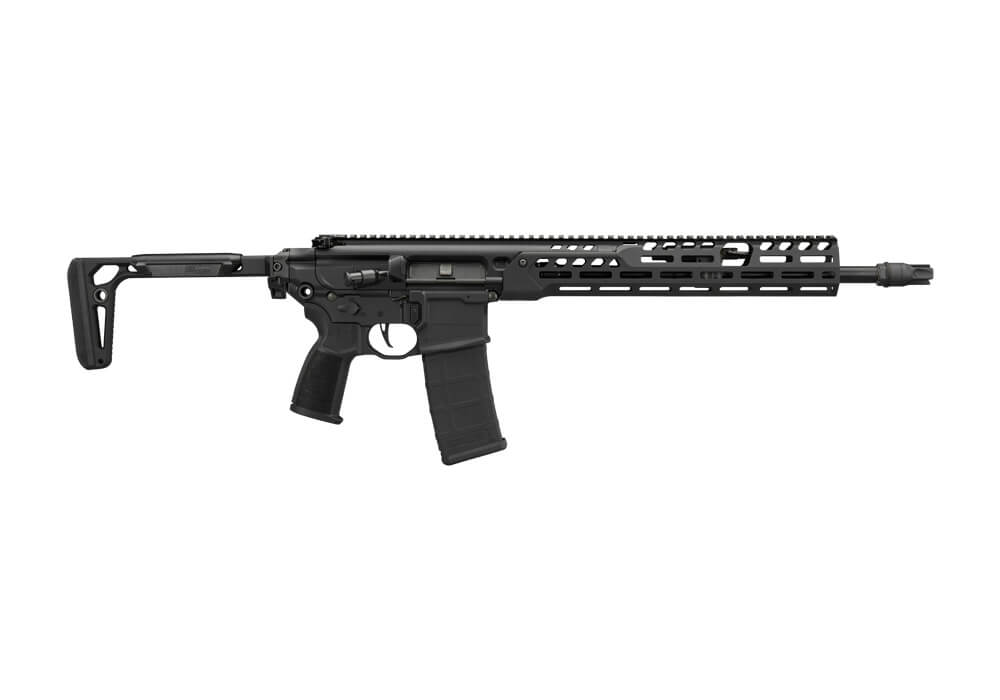
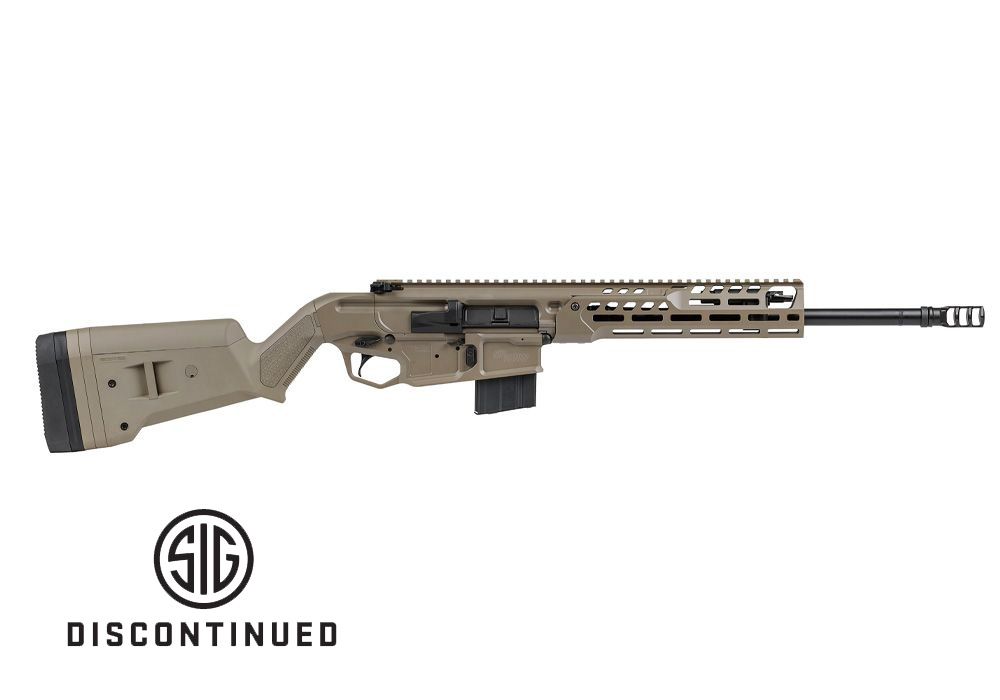
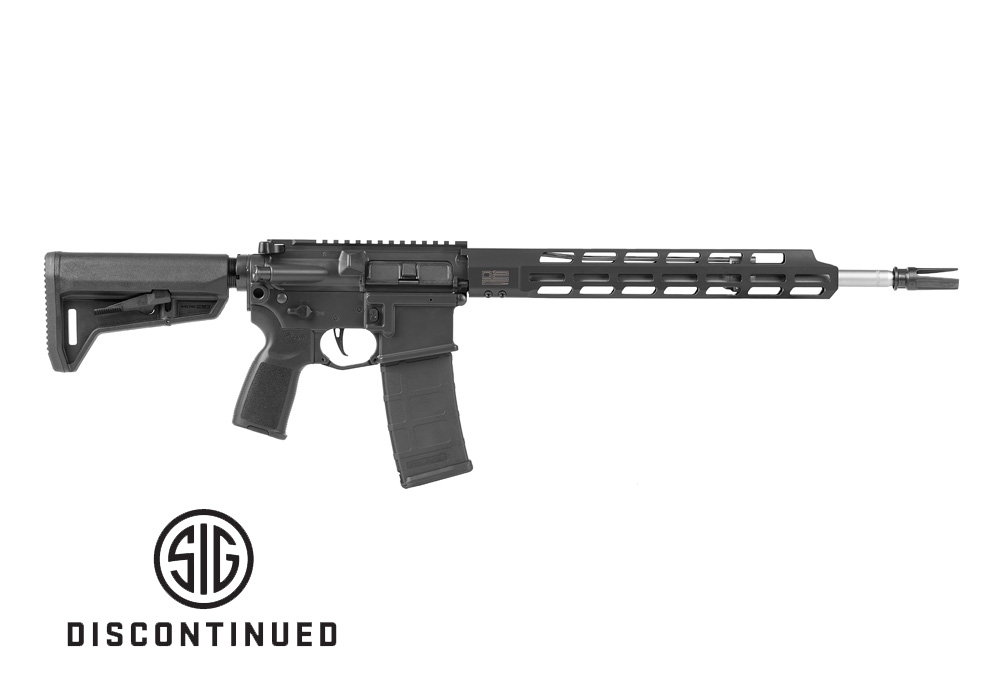
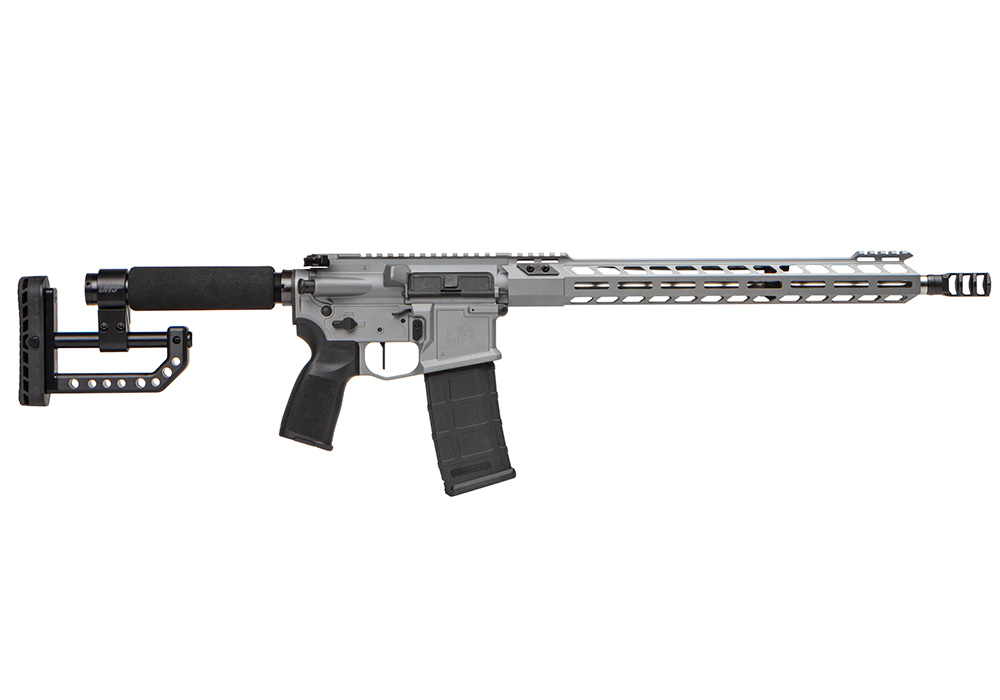
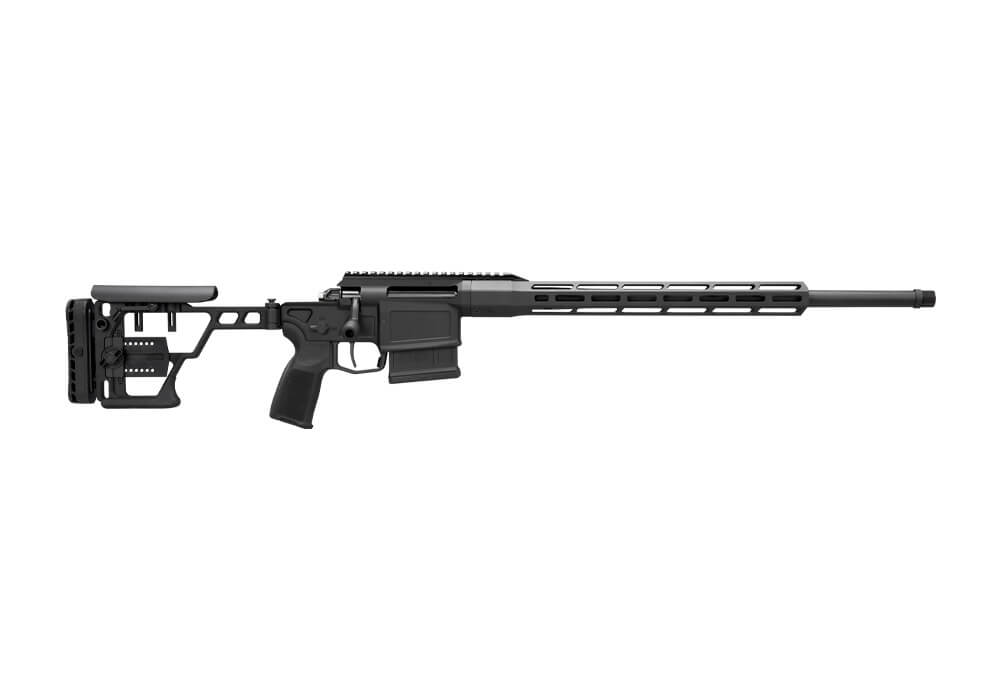
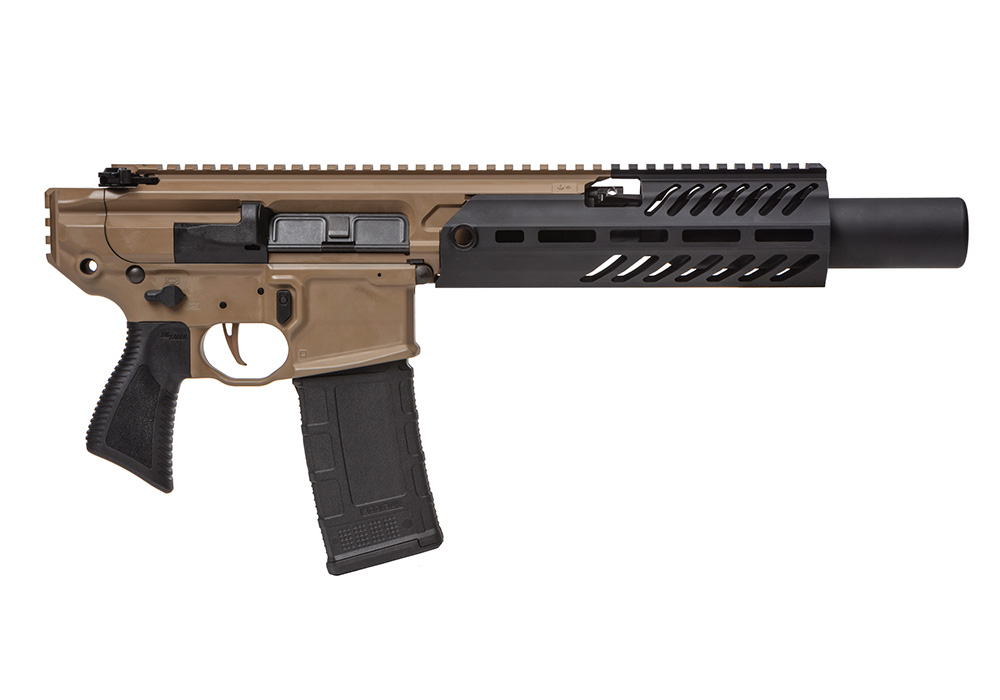
High-performance tactical rifles are defined by dependable operation, consistent accuracy, durable construction, and a fit that supports controlled, repeatable handling. The category encompasses semi-automatic and bolt-action designs, with different configurations suited to recreational target shooting, organized competition, formal training, and authorized professional use. Performance is not a single specification or a particular appearance. It is the relationship between the action, barrel, stock, controls, and sighting system, along with the quality of the ammunition and the shooter’s familiarity with the firearm. A rifle that feels balanced during a short handling session may feel quite different over a full day of supervised range practice, making overall weight and weight distribution meaningful considerations. Semi-automatic actions cycle between shots without manual bolt operation, while bolt-action designs require the shooter to operate the bolt between shots. Both can deliver excellent target accuracy, but neither action type alone establishes the quality of a rifle. Barrel construction, manufacturing tolerances, ammunition compatibility, and overall mechanical consistency all contribute to results. Accuracy claims also need context: a small group recorded with selected ammunition under controlled conditions does not guarantee identical results for every shooter or every load. Terms such as match-grade and duty-ready are most useful when supported by clearly stated specifications and testing information. For shoppers comparing tactical rifles, the strongest starting point is an honest description of intended use. Regular practice on a supervised range, a structured marksmanship course, and a precision-focused competition each place different demands on comfort, portability, and equipment rules. An experienced sport shooter may value familiar controls and consistency across practice sessions, while someone entering formal rifle training may place greater importance on manageable dimensions and straightforward maintenance. The most suitable rifle is not necessarily the one with the longest feature list. It is the one whose documented characteristics fit the activity, the owner’s experience, and the requirements of responsible firearm ownership.
Materials and construction help explain how a tactical rifle feels, wears, and performs throughout its service life. Steel commonly serves in barrels and other components subject to substantial mechanical stress, while aluminum alloys often appear in receivers, handguards, or chassis structures where rigidity and weight both matter. Reinforced polymers can provide durable gripping surfaces and stock components without unnecessary bulk. These material choices work together; no single material automatically makes an entire rifle more durable or more accurate. Protective finishes help resist corrosion and routine surface wear, although their effectiveness still depends on proper handling, cleaning, and storage. Well-finished edges, secure component fit, and controls that operate consistently are practical qualities that matter long after the initial purchase. Fit deserves equal attention. Stock dimensions influence how naturally the rifle settles against the shoulder, and grip shape affects whether the hand rests comfortably without strain. Where adjustable stock features are present, their value lies in accommodating different body proportions within the manufacturer’s intended configuration. A comfortable cheek position and an appropriate relationship between the stock and sights help keep range sessions from becoming an exercise in compensating for awkward fit. These details are especially noticeable during supervised instruction, when repeated exercises can reveal discomfort that a brief inspection misses. Handguard shape and surface texture also affect comfort, particularly during longer practice sessions, while overall balance can matter as much as the number on a specification sheet. Modularity is another common characteristic of tactical rifle platforms, but compatibility should never be assumed from appearance alone. Mounting interfaces, accessory dimensions, and manufacturer requirements differ, and any equipment changes should follow official guidance or involve a qualified gunsmith when appropriate. A clean, purposeful configuration is often easier to understand and maintain than one crowded with accessories. For shoppers whose primary interest is target-group consistency and precision-oriented construction, High Precision Tactical Rifles offers a related category to consider alongside broader performance characteristics such as ergonomics, durability, and ease of ownership.
Long-term satisfaction with a high-performance tactical rifle depends as much on care and familiarity as on its initial specifications. Cleaning access, the clarity of the owner’s manual, and the manufacturer’s service guidance are practical ownership considerations, particularly for shooters who practice regularly. A rifle used often will accumulate residue and show wear at contact points, so routine inspection and maintenance belong in the ownership plan rather than being treated as occasional extras. Cleaning products and lubricants should be appropriate for the firearm’s materials and finishes, with procedures and intervals drawn from the manufacturer’s instructions. More lubricant or more aggressive cleaning is not automatically better. Careful attention to approved methods helps protect finishes, preserve component function, and identify concerns that warrant professional service. Before cleaning, handling for inspection, or storage, follow the manufacturer’s unloading and safety procedures, and keep ammunition separate from the maintenance area. Secure storage should prevent unauthorized access, with particular attention to children, visitors, and anyone unfamiliar with firearms. A suitable locked storage solution and a protective transport case are part of responsible ownership, not afterthoughts. Ammunition selection likewise begins with the exact chamber marking and manufacturer approval; similar cartridge names or dimensions do not establish interchangeability. At the range, eye and hearing protection, compliance with facility rules, and instruction from a qualified professional support a more confident and consistent experience. Even experienced shooters benefit from time spent learning an unfamiliar control layout before participating in structured exercises. Owners who intend to compete should also confirm the applicable equipment rules, since a configuration suitable for general target practice may not meet a particular event’s requirements. Purchase, possession, transport, and transfer requirements vary by jurisdiction and firearm configuration, making a review of applicable laws essential. Taken together, these considerations give high performance a practical meaning: a rifle with documented specifications, suitable fit, dependable construction, and a care routine its owner can sustain. Those qualities remain relevant well beyond a first range visit and help distinguish lasting utility from features that add little to the intended shooting experience.