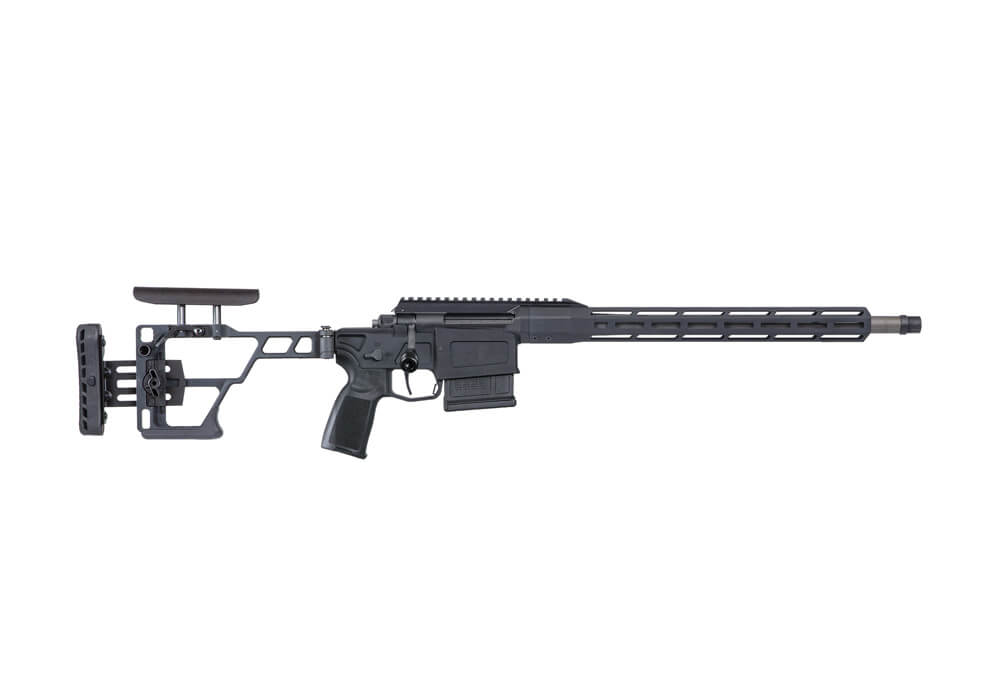
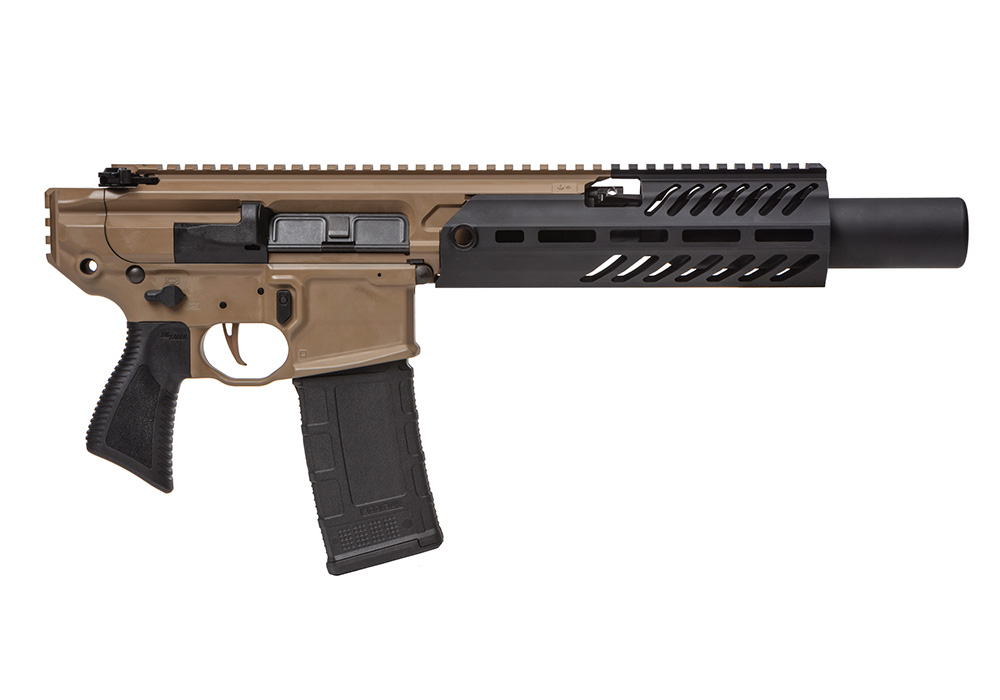
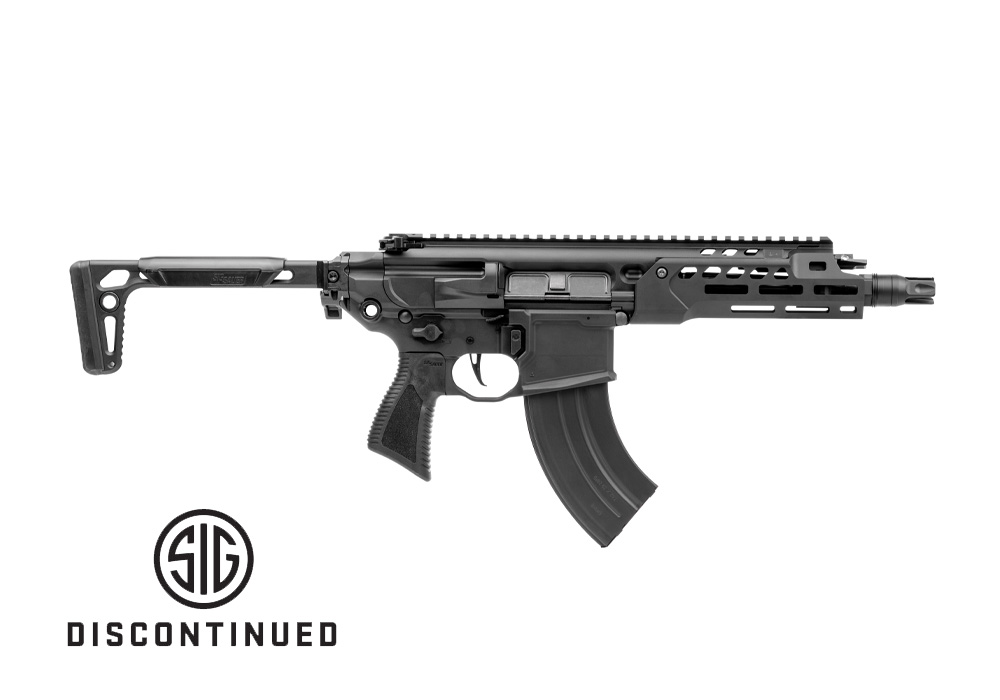
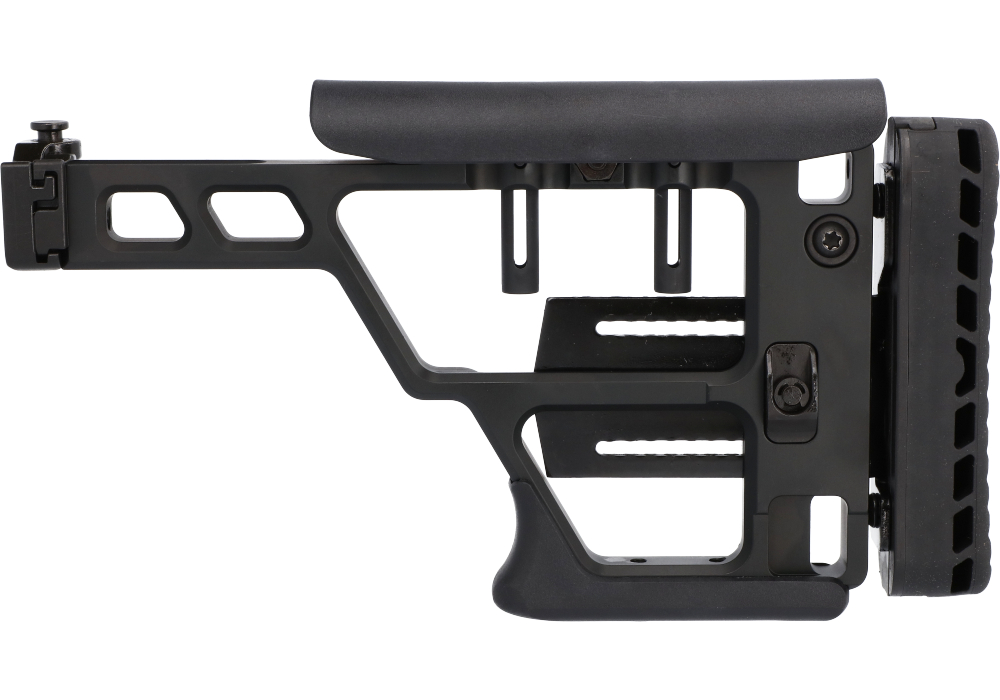
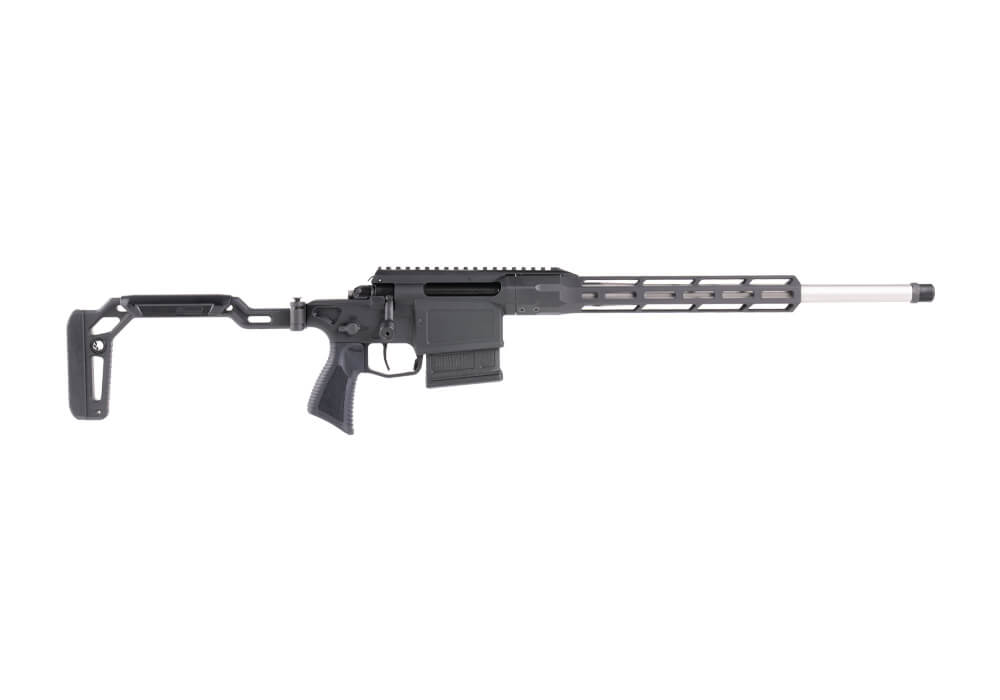
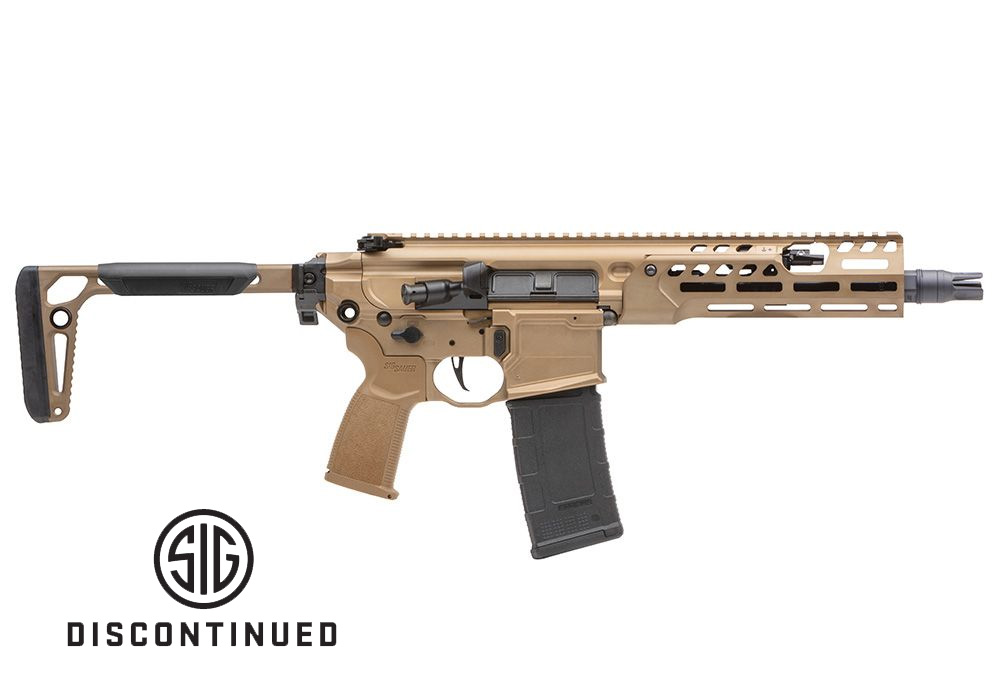
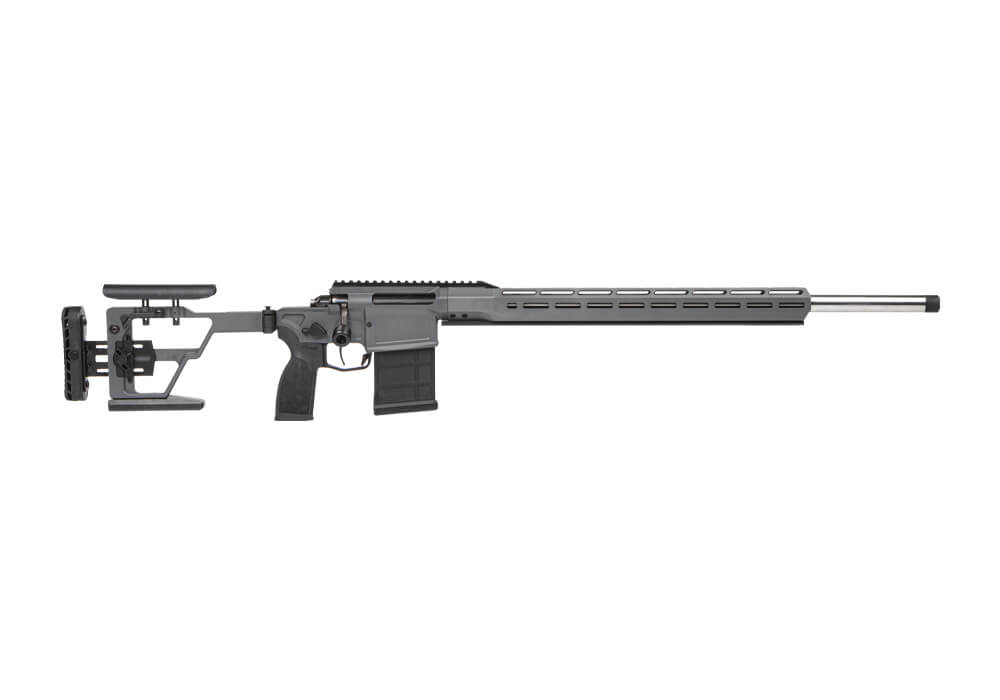
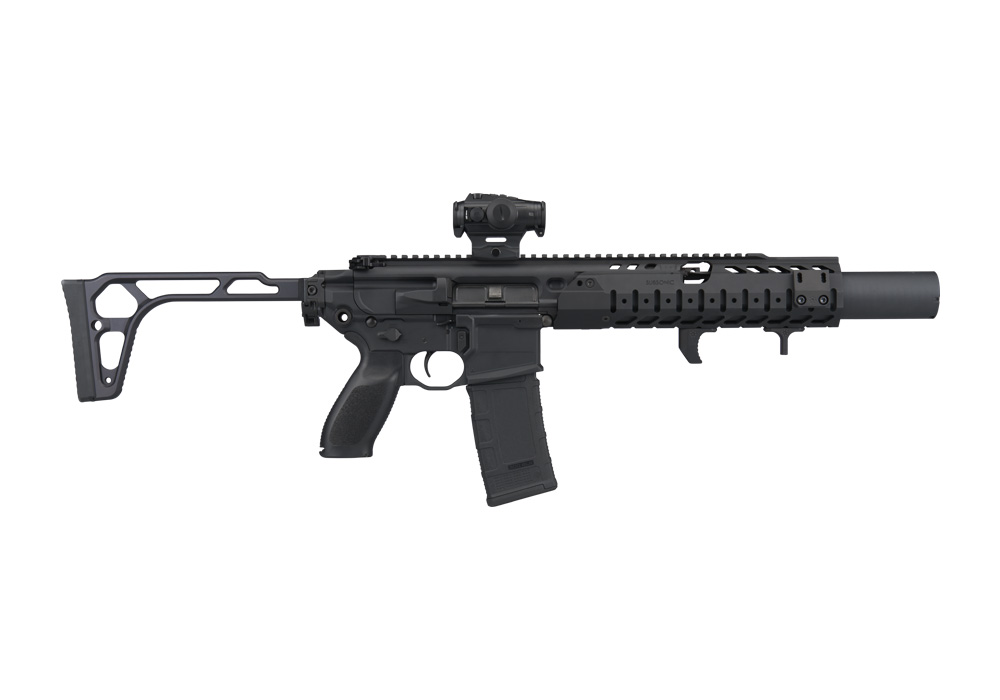
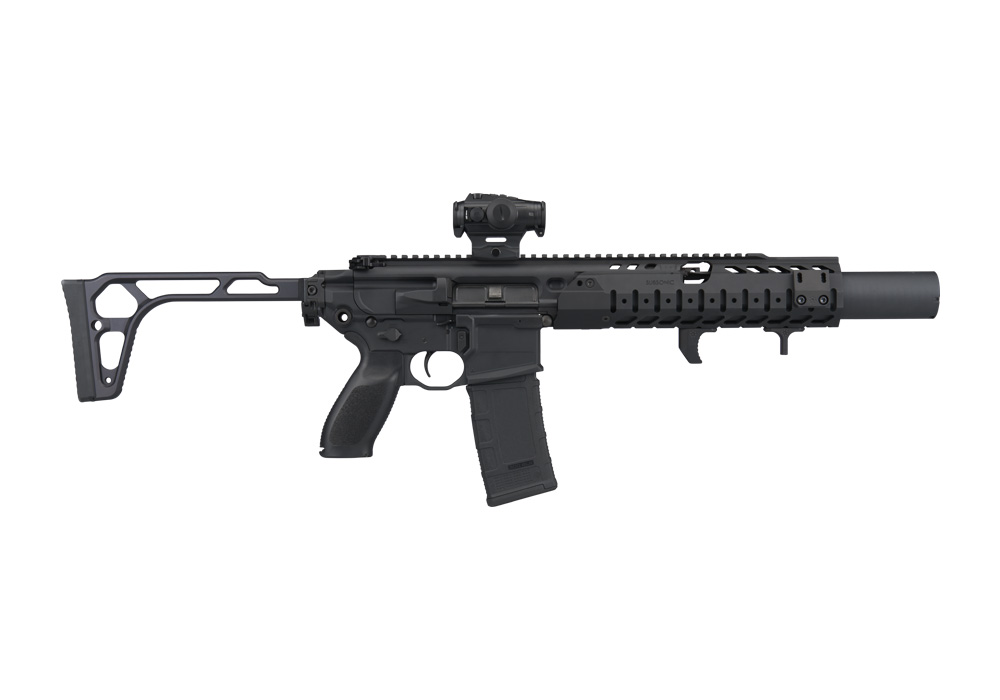
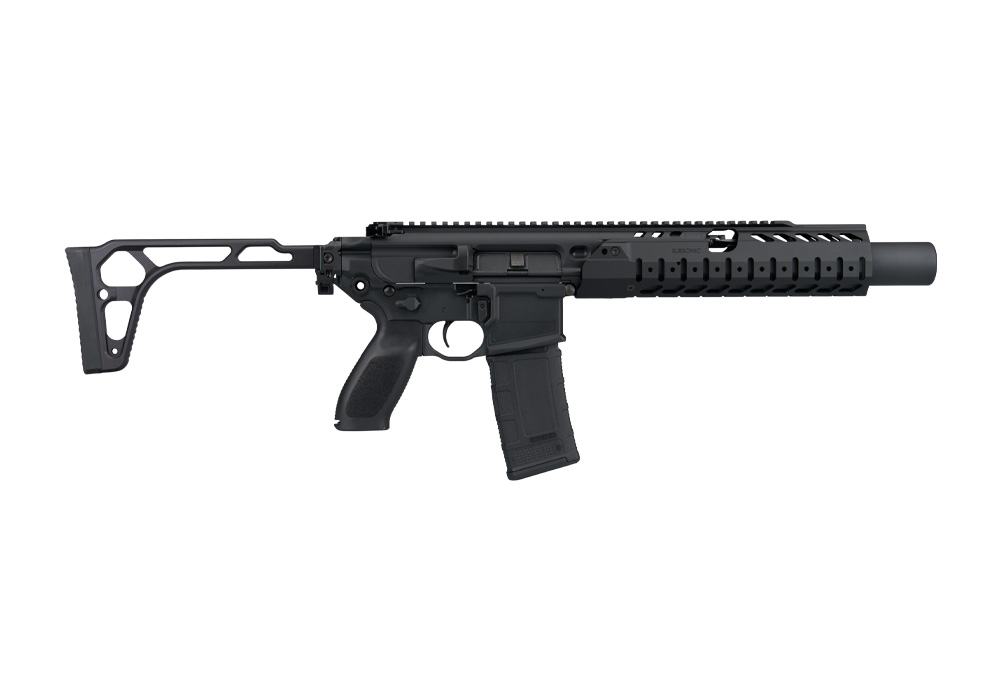
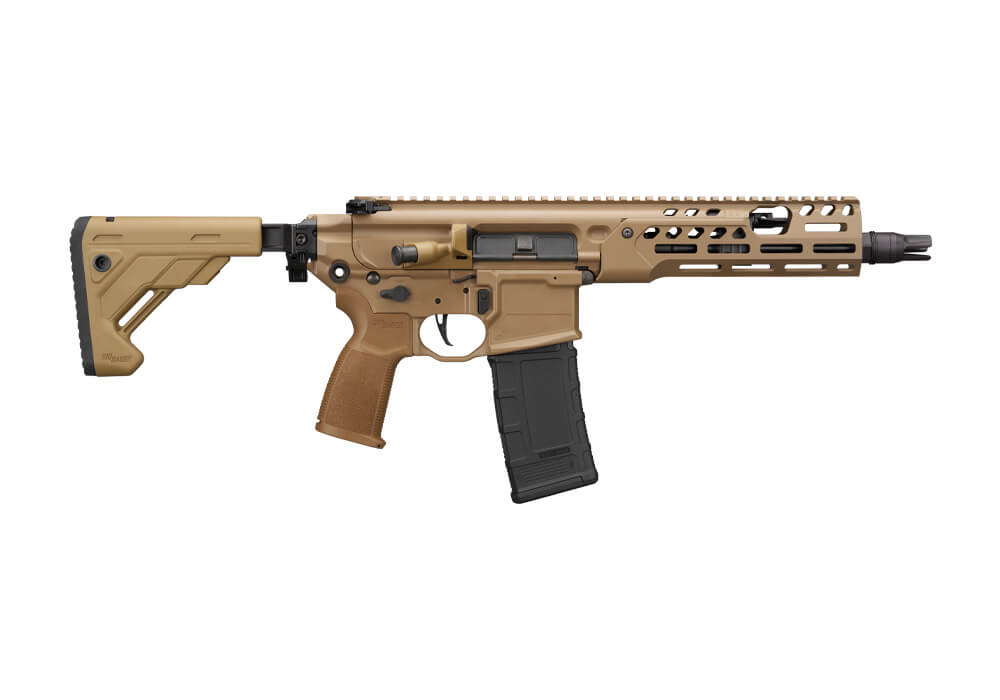
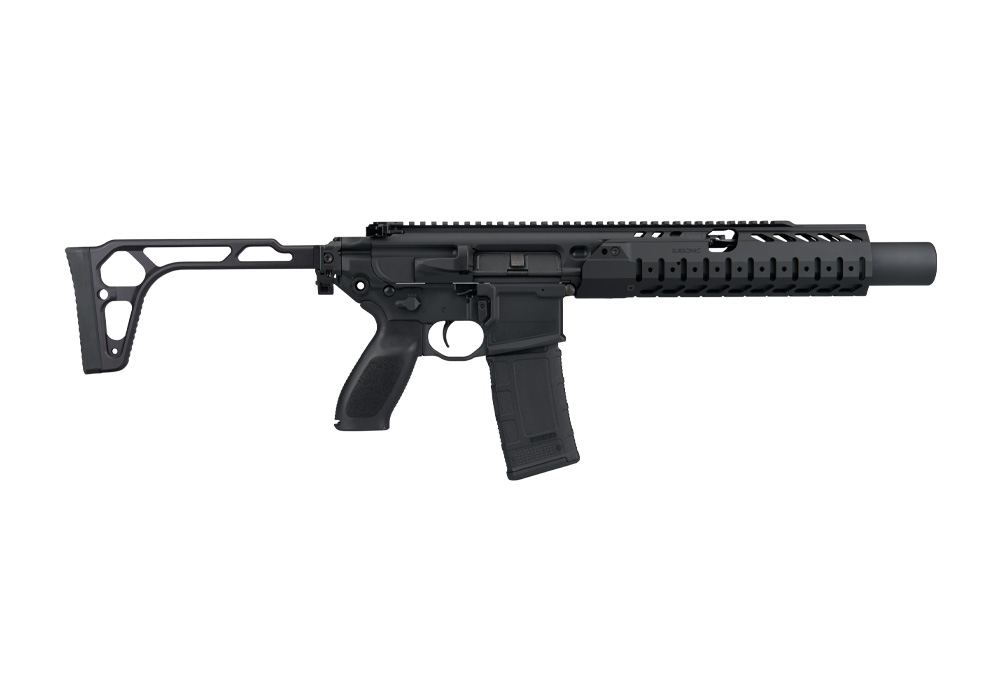
An adjustable-stock .300 Blackout rifle combines a firearm chambered in .300 AAC Blackout with a shoulder stock that allows changes to length of pull—the distance from the trigger to the rear of the buttpad. That adjustment helps accommodate different arm lengths, shoulder dimensions, and shooting positions without requiring every shooter to accept the same fixed fit. For recreational range use, supervised instruction, or hunting where the cartridge and firearm configuration are appropriate and lawful, a comfortable shoulder fit is an important part of the overall experience. A rifle that feels natural from a supported bench position may feel different when held upright, and a stock with several clearly defined positions offers flexibility across those settings. Length adjustment and cheek-height adjustment are separate features: a collapsible stock may change how far the buttpad extends without changing the height of the cheek support. Models with an adjustable cheekpiece offer another fit consideration, particularly when sight height varies. The .300 Blackout chambering is associated with both subsonic and supersonic ammunition, but those categories have different characteristics and are not interchangeable in purpose simply because they share a cartridge designation. Ammunition suitability depends on the firearm manufacturer’s specifications and the intended lawful activity. An adjustable stock does not alter the chambering, replace appropriate ammunition selection, or guarantee a particular result. Its primary value is the connection between shooter and rifle: a shoulder contact surface that feels secure, a cheek surface that remains comfortable, and dimensions that suit the person using it. For someone comparing rifles in this category, those everyday contact points deserve as much attention as an overall weight specification or an exterior finish. A longer range session often reveals details that a brief handling session misses, including the shape of the buttpad, the width of the cheek support, and whether an adjustment control sits comfortably out of the way.
Construction influences how an adjustable stock feels and how well it tolerates regular handling. Reinforced polymer is common because it offers useful strength without unnecessary weight, while aluminum components can provide rigid support in rails, hinges, or other structural areas, depending on the design. Steel hardware may appear at locking surfaces and attachment points where wear resistance matters. Material names alone do not tell the whole story; the quality of the locking mechanism, the consistency of the fit, and the protection of exposed metal surfaces are equally relevant. A rubber or elastomer buttpad can provide a comfortable contact surface, although its texture and shape affect how it rests against clothing. Smooth cheek surfaces, rounded edges, and controls that are easy to identify contribute to a more comfortable ownership experience without requiring an elaborate exterior. Collapsible and folding stocks also describe different functions. A collapsible design changes length along its mounting arrangement, while a folding design pivots at a hinge; some configurations incorporate both features. Neither feature establishes universal compatibility. Receiver design, operating system, mounting interface, and required clearances determine which stock arrangements a particular rifle can accept. Even rifles with similar outlines may use different attachment systems, and a standard-looking component is not proof of a correct match. The Adjustable Carbine Stocks category provides a related place to compare stock features, with compatibility still governed by the specifications for the individual firearm and component. For a complete rifle, the relationship between its factory stock, controls, sights, and carrying points is more useful than considering the stock in isolation. A folding hinge may influence case dimensions, while a broader buttpad may affect how the rifle rests in a storage rack. These are practical ownership details rather than cosmetic distinctions. Any proposed component change warrants a review of the manufacturer’s documentation and, when needed, evaluation by a qualified gunsmith. Firearm configuration, barrel length, and overall dimensions can also carry legal requirements that should be understood before a purchase or modification.
Care and durability matter because adjustable components introduce contact surfaces and moving parts that a fixed stock may not have. Dust, grit, and residue can collect around adjustment controls, mounting hardware, and hinge areas, so routine inspection and cleaning should follow the firearm manufacturer’s instructions. Polymer surfaces, rubber pads, protective finishes, and metal hardware may require different cleaning products; a solvent suitable for one part of a rifle may not be appropriate for every surface. Excess lubricant can attract debris, while aggressive scrubbing can damage finishes or soften certain materials. A sound maintenance routine emphasizes compatible products, attention to visible wear, and professional evaluation of loose, cracked, or damaged components rather than improvised repairs. Fit checks, cleaning, and maintenance belong in an unloaded condition with ammunition kept separate, following the firearm’s safety procedures. Clear ammunition identification is particularly important for .300 Blackout ownership because cartridges of different chamberings should never be treated as interchangeable, even when firearms or magazines look similar. Locked storage and a suitable case help protect both the rifle and the people around it. For range-focused owners, comfort during repeated practice, dependable adjustment controls, and straightforward cleaning may be the strongest reasons to consider this category. Hunters may place greater emphasis on manageable weight, carry comfort, and ammunition appropriate to the game and applicable regulations. Those interested in suppressor-compatible configurations should understand that compatibility is firearm-specific, legal requirements apply, and reduced sound does not mean silent operation or eliminate the need for appropriate hearing protection. Across these uses, an adjustable-stock .300 Blackout rifle is best understood as a complete system whose fit, chambering, construction, and care requirements work together. The most meaningful differences are often tangible: how the buttpad rests against the shoulder, whether the cheek surface feels comfortable, how securely the adjustment mechanism holds its position, and whether the rifle’s dimensions suit its intended storage and transport. Those details help distinguish a configuration that merely looks appealing from one that suits responsible, regular ownership.