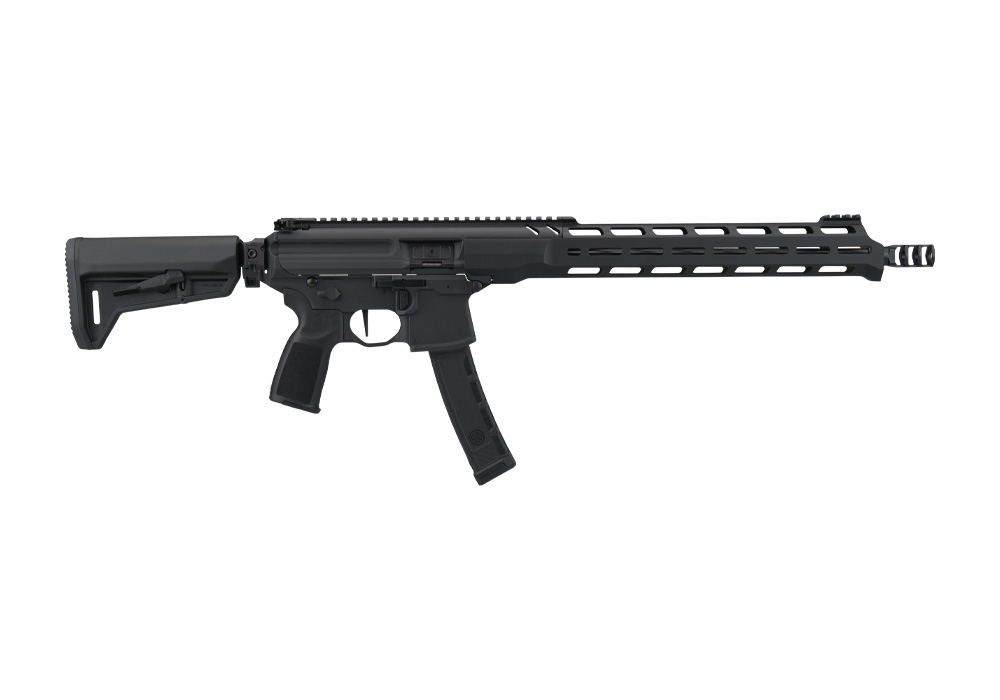
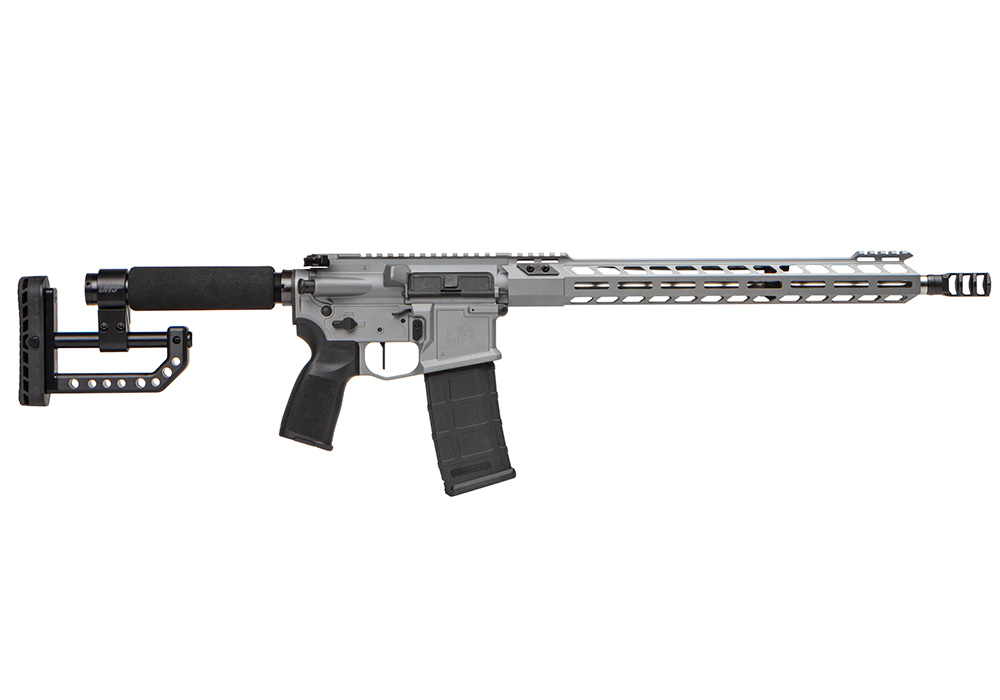
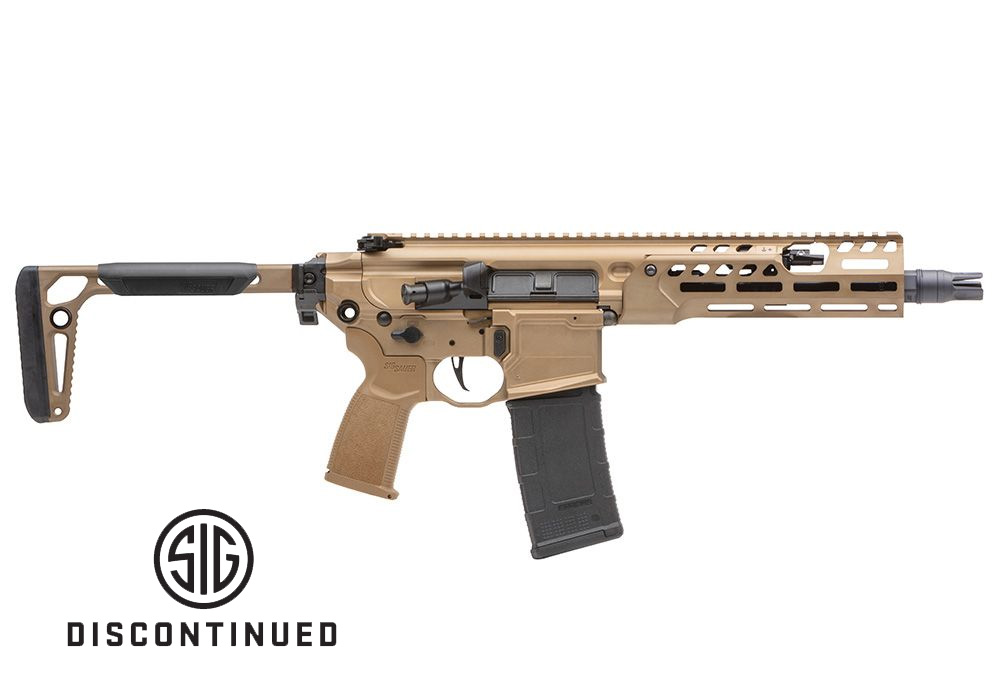
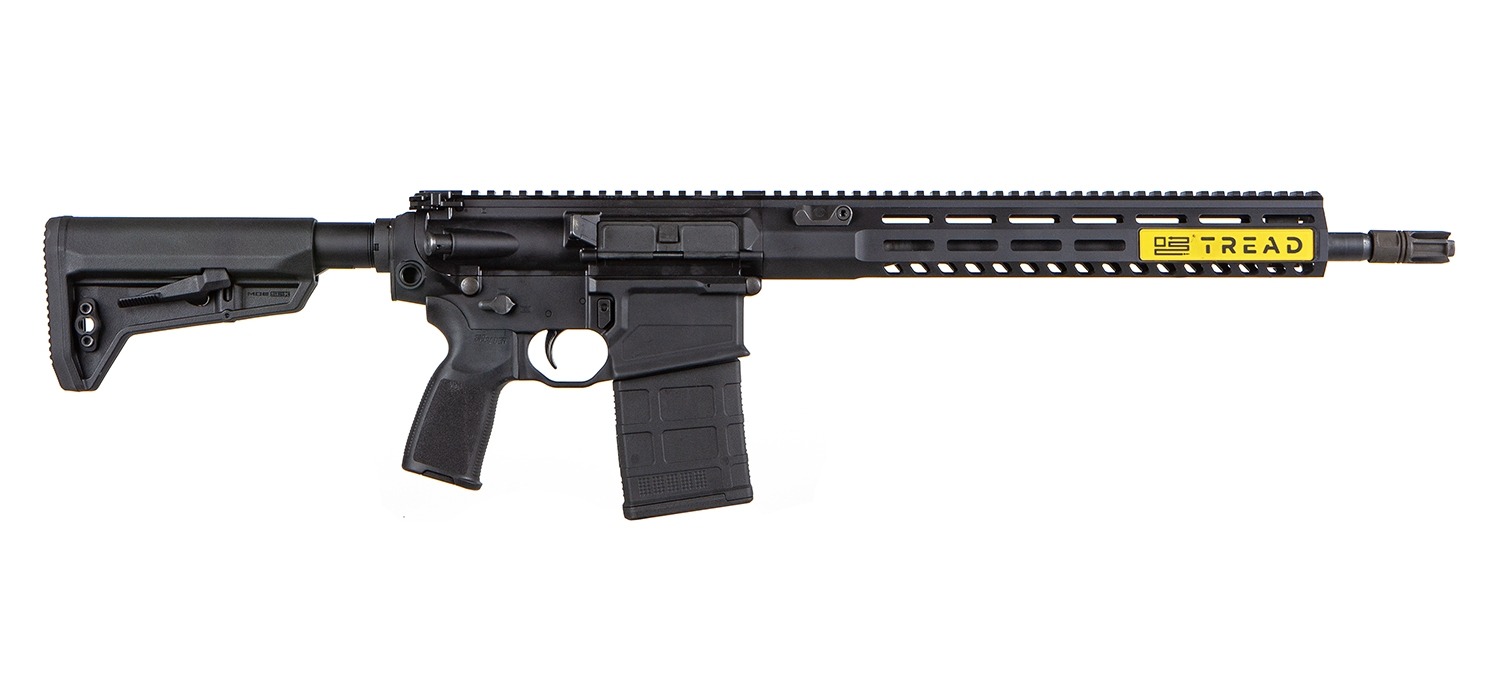
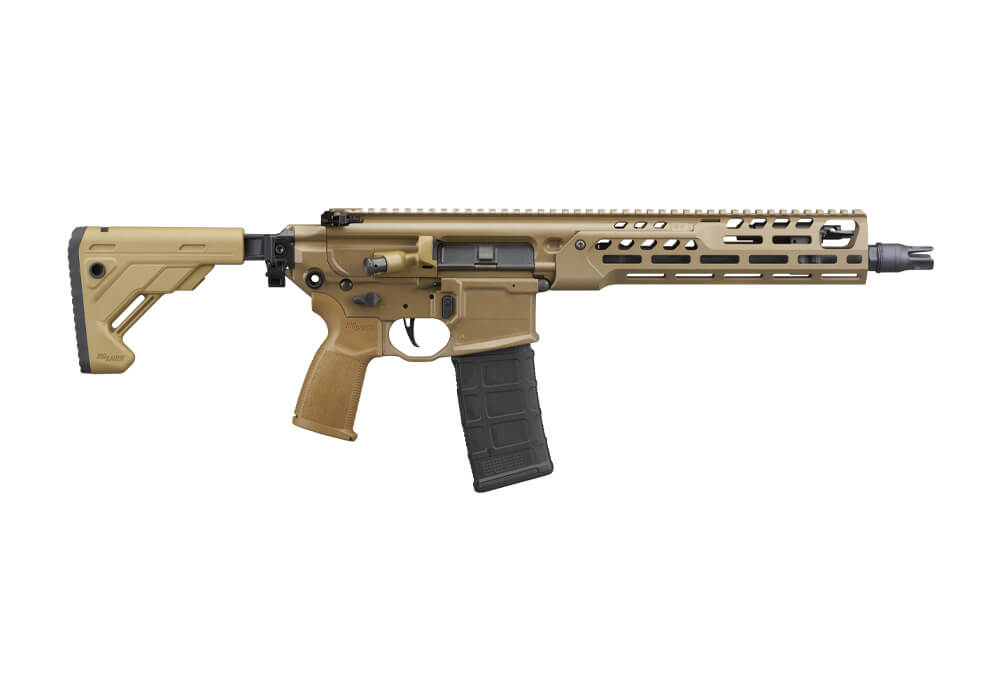
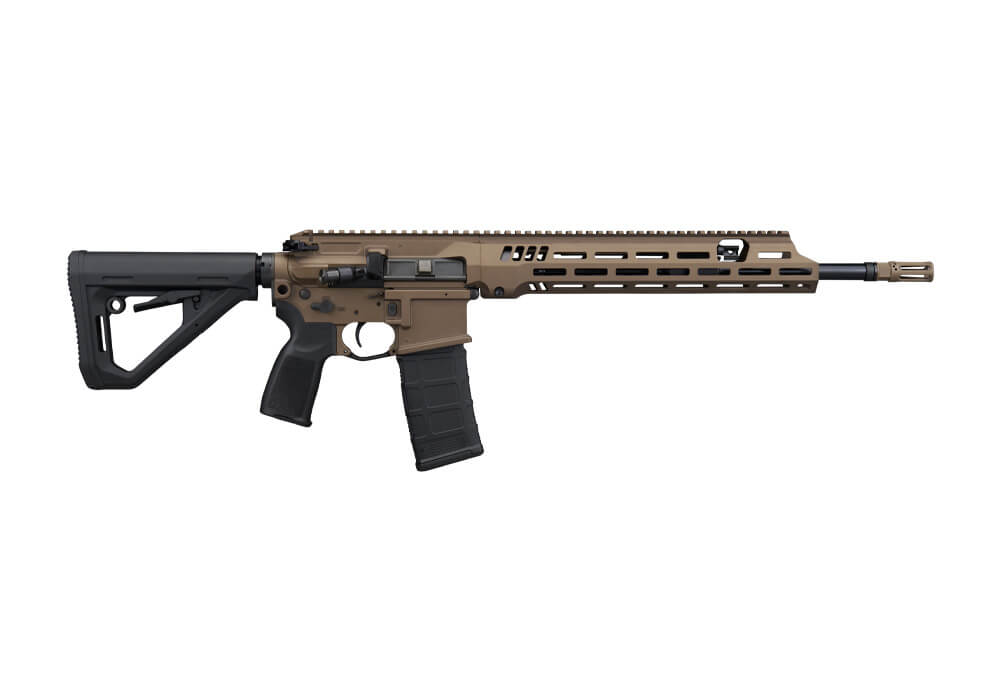
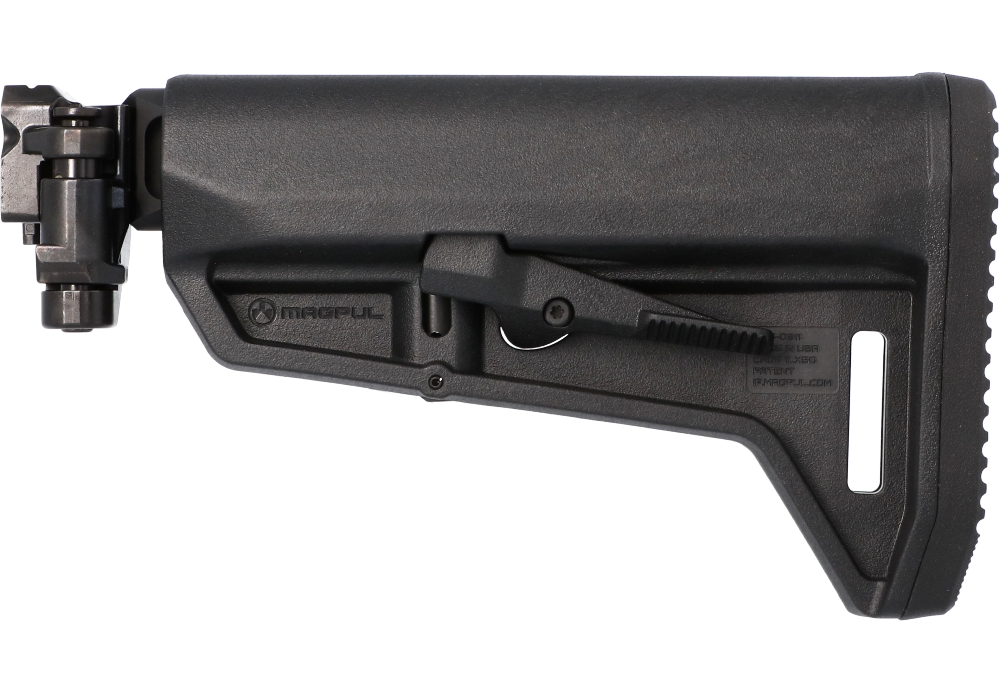
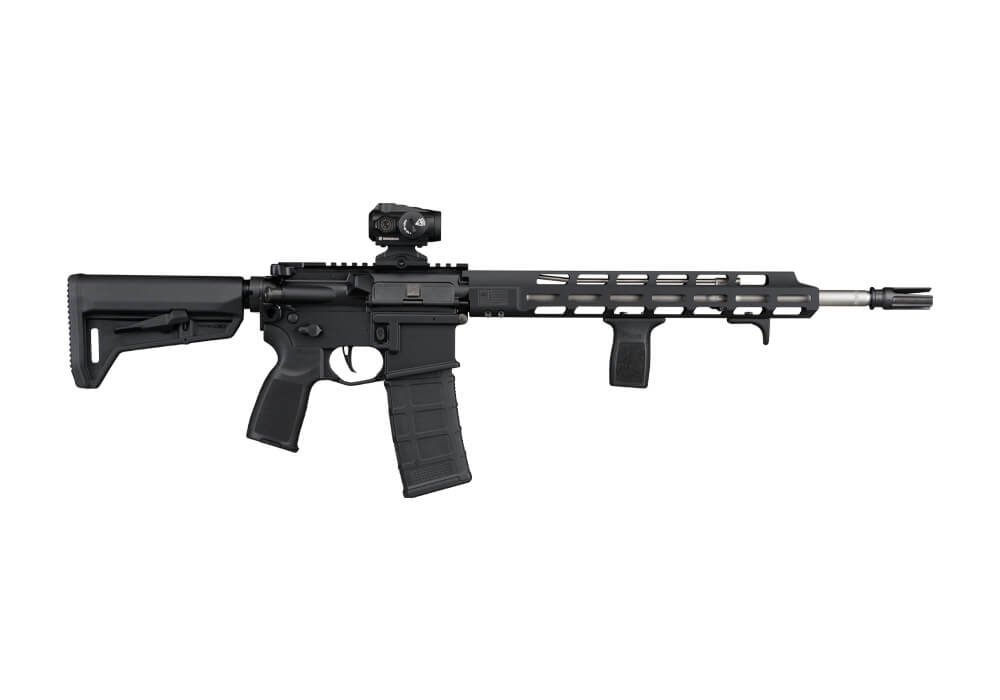
Adjustable carbine stocks are designed to give a rifle a more adaptable fit by allowing the shooter to change the length of pull without replacing the entire stock or altering the basic configuration. That flexibility can make a noticeable difference when a rifle is used by more than one person, carried with different layers of clothing, or set up for changing shooting positions. A shorter setting may feel more manageable when moving through confined spaces or wearing a plate carrier, while a longer setting can provide a more natural shoulder position when shooting from a bench, standing in an open range bay, or settling into a prone position. During the cooler months, even a familiar rifle can feel different when a heavy jacket or additional layers change the distance between the shoulder and the controls. An adjustable stock helps account for that difference with a quick, repeatable adjustment. It can also make transport and storage more convenient by allowing the stock to collapse when the rifle is secured in an appropriate case or storage location. For shoppers comparing adjustable carbine stocks, the goal is not simply to find the smallest or lightest option; it is to select a configuration that supports a comfortable cheek position, a consistent shoulder weld, reliable operation, and safe handling. A well-fitted stock should help the shooter maintain control while keeping the rifle positioned naturally, without forcing the head too far forward or making the trigger reach feel awkward. These benefits make adjustable stocks useful for recreational range shooters, hunters whose clothing and field positions change throughout the day, training professionals, and responsible firearm owners who want a more adaptable setup. They may also be a practical gift for an experienced shooter who is refining an existing rifle, provided the recipient’s rifle compatibility and local requirements are understood before purchase. For additional configurations in this category, explore Rifle Carbine Stocks.
Compatibility is one of the most important purchase considerations. Before choosing an adjustable carbine stock, verify the type and specifications of the buffer tube or receiver extension installed on the rifle. A stock intended for a Mil-Spec tube may not fit a commercial tube correctly, and the two standards should not be treated as interchangeable simply because they look similar at a glance. Checking the rifle’s owner’s manual, consulting the manufacturer’s specifications, or having a qualified gunsmith confirm the setup can prevent an uncomfortable fit or an unsuccessful installation. Buyers should also consider how the stock locks into position. A secure adjustment mechanism should resist unwanted movement during normal use while still allowing the shooter to change settings deliberately. Some designs emphasize a slim, minimalist profile to reduce bulk and weight, which can be appealing on a lightweight carbine or a rifle carried over distance. Others provide a broader cheek rest for a more supported facial position, a fuller shoulder contact area, or enclosed storage compartments for compatible batteries and small accessories. Additional features can be useful, but they may add weight or increase the overall footprint. Think about the rifle’s intended role, the type of sling and optic being used, and whether the stock must clear other equipment. A compact setup may be easier to maneuver and store, while a more substantial design can feel steadier against the shoulder and more comfortable during extended range sessions. The best choice often becomes clear when the stock is considered as part of the complete rifle rather than as an isolated component. A shooter using a red dot, magnified optic, or backup sights may prefer a particular cheek height, and someone using a fixed shooting position may value support differently than someone who practices multiple positions. Whenever a stock is installed or adjusted, confirm that it is locked in place and that the rifle is unloaded before inspecting fit, function, or controls. Any installation that involves changes beyond a straightforward compatible replacement should be handled according to the firearm and accessory instructions or by a qualified professional.
The everyday value of an adjustable carbine stock comes from small fit improvements that add up over time. At the range, a shooter may begin with the stock fully extended for a steady standing position, then shorten it slightly when practicing from a supported position or wearing an extra layer. Another user may keep a preferred setting marked mentally or by position count, making it easier to return to a familiar fit after transporting the rifle. For households where more than one responsible adult uses the same carbine, adjustment can help accommodate differences in arm length and shoulder position, though every user should receive appropriate instruction and handle the firearm only in accordance with applicable laws and established safety rules. A stock that collapses can also make it easier to place a rifle in a suitable locked case for travel or secure storage, while its adjustment range can help the rifle sit more naturally in a safe storage arrangement. These products are not a substitute for training, proper maintenance, or a secure storage plan, and a stock should never be adjusted while the rifle is pointed in an unsafe direction or in a condition that is not confirmed unloaded. When comparing options, pay attention to adjustment range, lockup, cheek support, shoulder contact, sling attachment points, material, finish, weight, and compatibility with the existing tube. Consider whether standard or extended capacity battery storage is useful for the intended setup, and avoid selecting features that add bulk without serving a clear purpose. A thoughtfully chosen adjustable carbine stock can give a familiar rifle a more personal fit, whether it is used during a crisp outdoor range session, from a bench under changing conditions, or as part of a carefully maintained collection. With the right match between the stock, rifle, shooter, and intended use, adjustment becomes a practical tool for control, comfort, transport, and consistency.