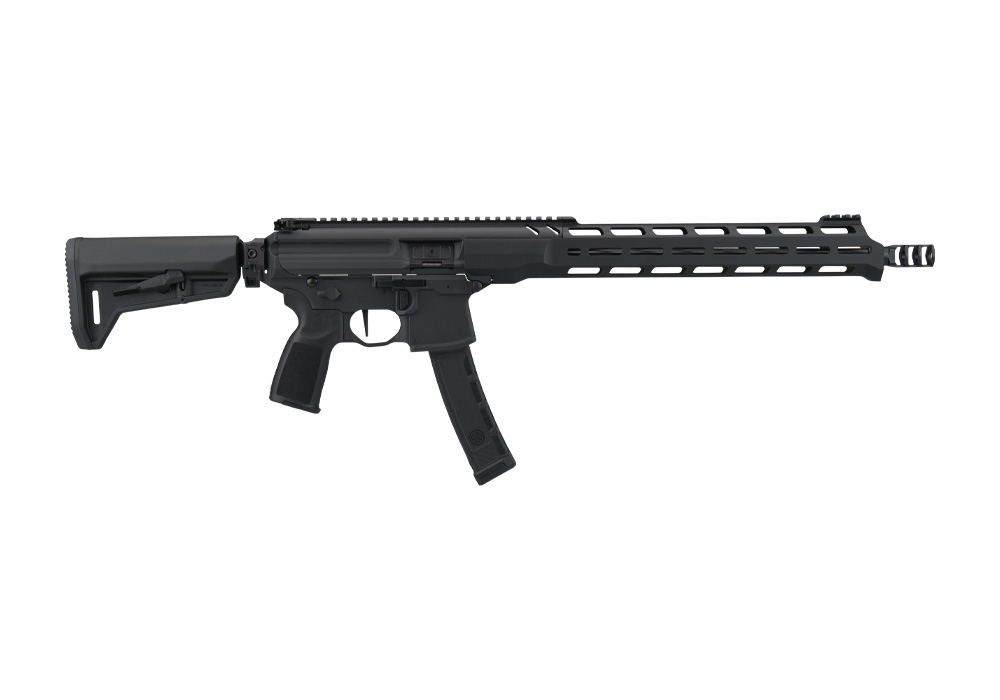
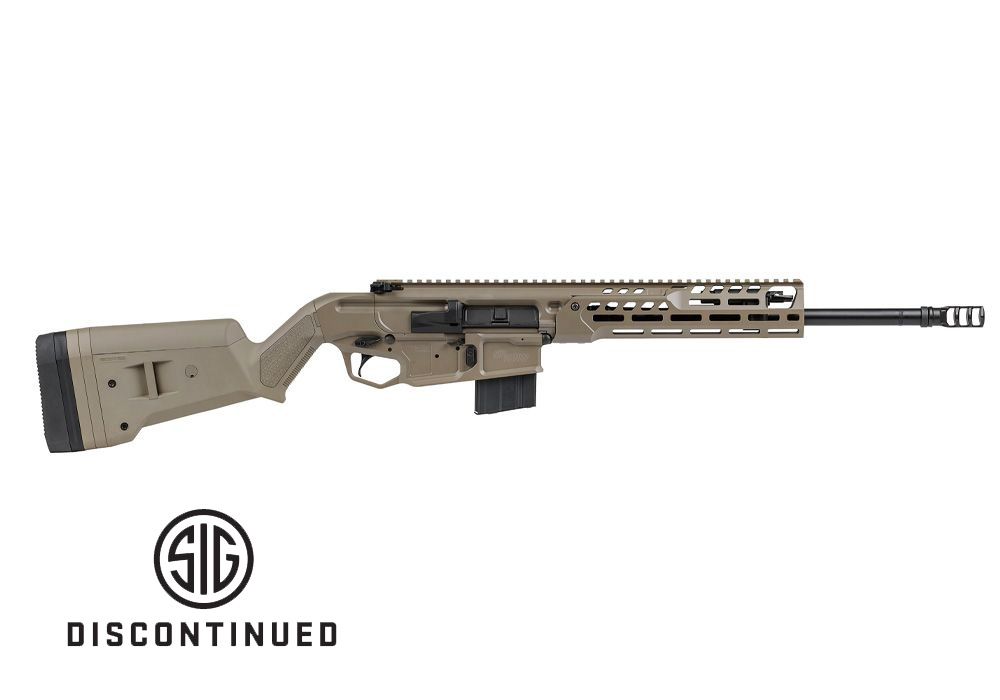
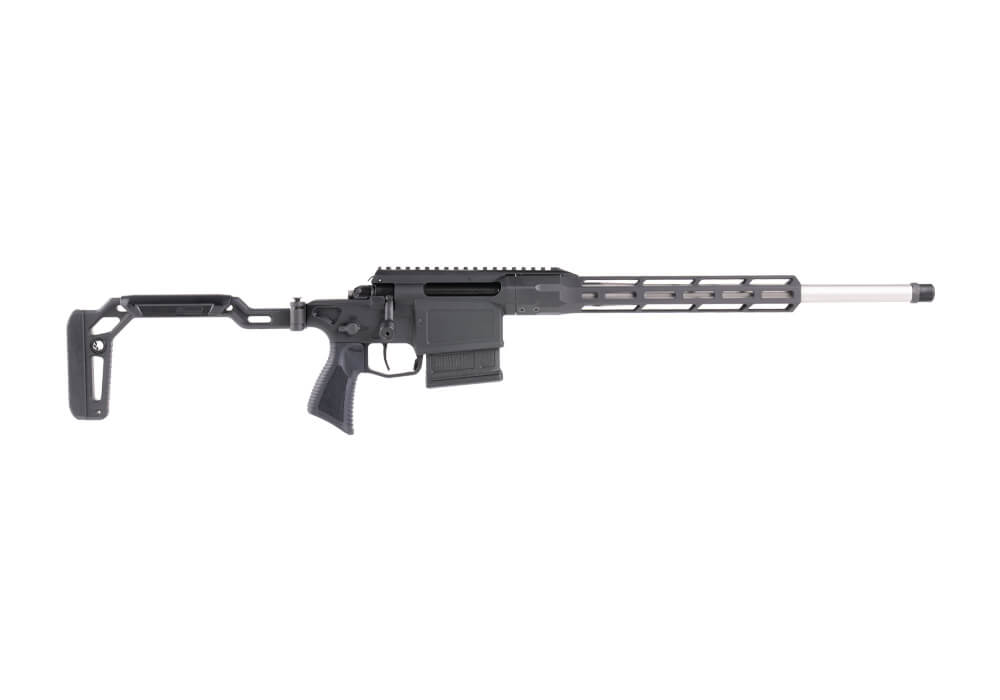
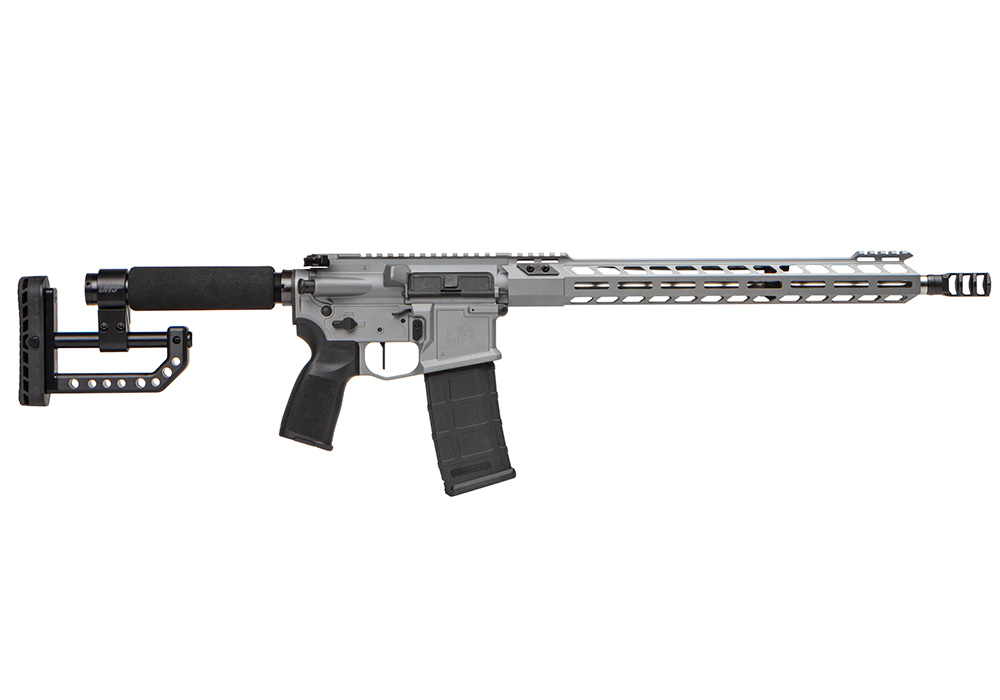
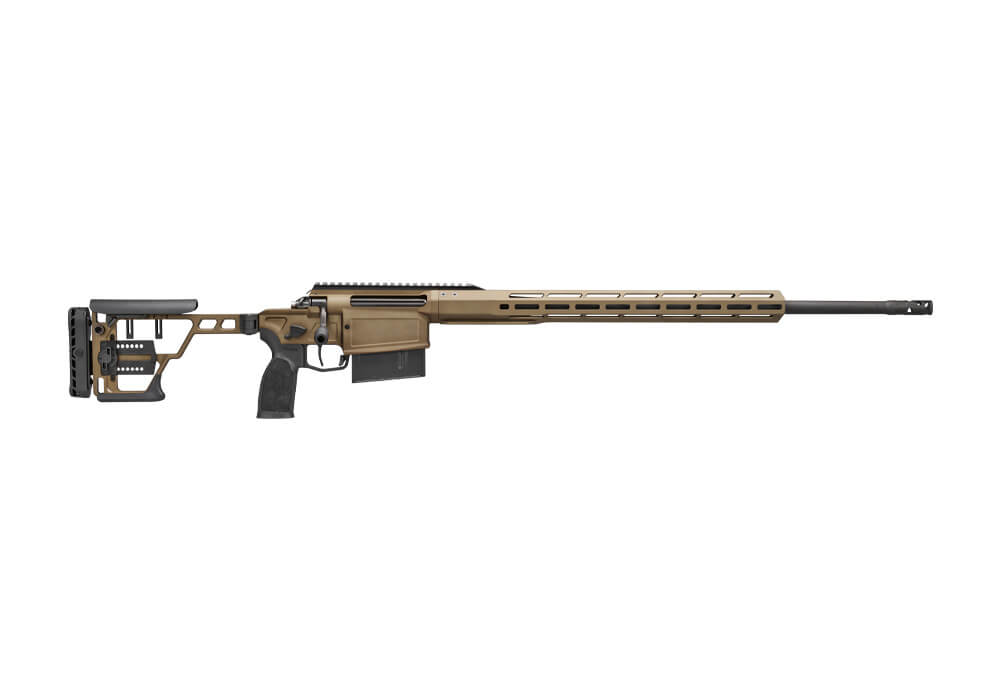
Rifle carbine stocks are the rear shoulder assemblies that provide a point of contact between a rifle and the shooter. Their shape, length, and construction influence how the firearm rests against the shoulder, where the cheek meets the comb, and how comfortably the rifle fits its user. A carbine is generally a shorter rifle configuration, but the term does not identify a single attachment system or universal fit. Within this category, fixed, collapsible, and adjustable designs serve different preferences for handling, simplicity, and comfort. Fixed designs maintain one length and appeal to shooters who prefer a straightforward shoulder interface with fewer moving parts. Collapsible designs offer selectable length settings, while some adjustable configurations also provide changes to cheek support or buttpad position. Length of pull—the distance from the trigger to the rear of the buttpad—is a central fit consideration. A suitable length should allow a comfortable shoulder position without forcing an exaggerated reach or a cramped posture. Cheek support matters for a similar reason: a comb that suits the rifle’s sight arrangement can help the shooter maintain a natural head position rather than stretching upward or pressing downward to see clearly. For recreational range use, organized target shooting, or lawful hunting, these details can influence comfort over an extended session. Someone who primarily shoots from a bench may value a broad, supportive cheek surface, while someone carrying a rifle between designated shooting areas may prefer a slimmer profile and less overall weight. Neither approach is inherently better; the useful distinction is how the design fits the firearm and its intended role. Rounded edges, an accessible adjustment latch, and a shoulder pad that sits comfortably against clothing are often more noticeable in regular use than an elaborate appearance. A clean, uncomplicated profile can be especially appealing to owners who want familiar handling and easy routine care.
Compatibility is the first practical distinction among rifle carbine stocks, and outward similarity is not enough to establish a correct fit. On platforms that use a receiver extension, commonly called a buffer tube, the extension’s dimensions and configuration must match the requirements of the shoulder assembly. Mil-spec and commercial-pattern carbine extensions differ in outside diameter, so their corresponding components should not be treated as interchangeable. The label also does not establish compatibility with every firearm described as a carbine. For a closer look at this particular fit category, Mil Spec Carbine Stocks provides a related selection to consider alongside the firearm manufacturer’s specifications. Other platforms use proprietary interfaces, and some configurations rely on dedicated hinges or mounting hardware. Confirming the exact platform, attachment standard, and manufacturer-stated compatibility avoids assumptions based on photographs alone. Material choice adds another layer to the comparison. Reinforced polymer is common because it combines relatively low weight with corrosion resistance and considerable flexibility in shaping cheek surfaces, adjustment controls, and sling attachment points. Aluminum can provide rigidity in structural sections, while composite construction may offer another balance of weight and stiffness. The material name alone does not establish durability; wall thickness, reinforcement, hardware quality, and the design of moving joints also matter. A lightweight assembly may suit a rifle carried frequently, whereas a heavier rear assembly can change the firearm’s overall balance in ways some users prefer. Buttpad texture deserves attention as well. A pronounced pattern may grip clothing firmly, but comfort also depends on the pad’s shape, surface area, and edge treatment. Sling provisions vary between molded slots and sockets intended for quick-detach swivels, with compatibility determined by the specified attachment system. Integrated compartments, where included, add convenience for small accessories but also introduce covers or seals that require attention during routine care. Each feature is most useful when it answers an actual need rather than simply adding complexity.
Durability in everyday ownership includes more than resistance to visible wear. Adjustment mechanisms should retain their intended function, attachment points should remain sound, and the surfaces that contact the shoulder and cheek should stay comfortable through repeated use. A small amount of movement can vary by design and fit, so expectations are best grounded in the manufacturer’s specifications rather than a blanket promise that every adjustable assembly will feel identical. Fixed configurations have fewer adjustment interfaces to monitor, while collapsible and more extensively adjustable designs offer flexibility in exchange for additional moving parts. Routine care generally centers on removing dust and grit, wiping exposed surfaces with a suitable cloth, and using only cleaning products approved for the relevant materials. Strong solvents intended for other firearm components may be unsuitable for certain polymers, rubber pads, adhesives, or finishes. Recesses around latches, sling sockets, and compartment covers deserve particular attention because debris can collect in places that are easy to overlook. Follow the manufacturer’s maintenance guidance, and have unusual looseness, damaged hardware, or a control that no longer functions normally assessed by a qualified professional. Any inspection or maintenance should begin with the firearm unloaded and handled according to its safety instructions. For storage and transport, consider the rifle’s complete dimensions and the space needed for a protective case without pressure on adjustment controls or attached accessories. A compact setting can affect case fit, but it does not replace secure storage or applicable transport requirements. These assemblies are relevant to experienced firearm owners, recreational target shooters, and hunters seeking a suitable replacement or a different ergonomic fit. As a gift, compatibility makes them less straightforward than general range accessories; an exact platform specification and a clear understanding of the recipient’s preferences are essential. The most satisfying choice is usually one whose dimensions, materials, and controls suit the owner without demanding constant attention. Clear fit information, appropriate construction, and manageable upkeep give rifle carbine stocks lasting practical value beyond their appearance.