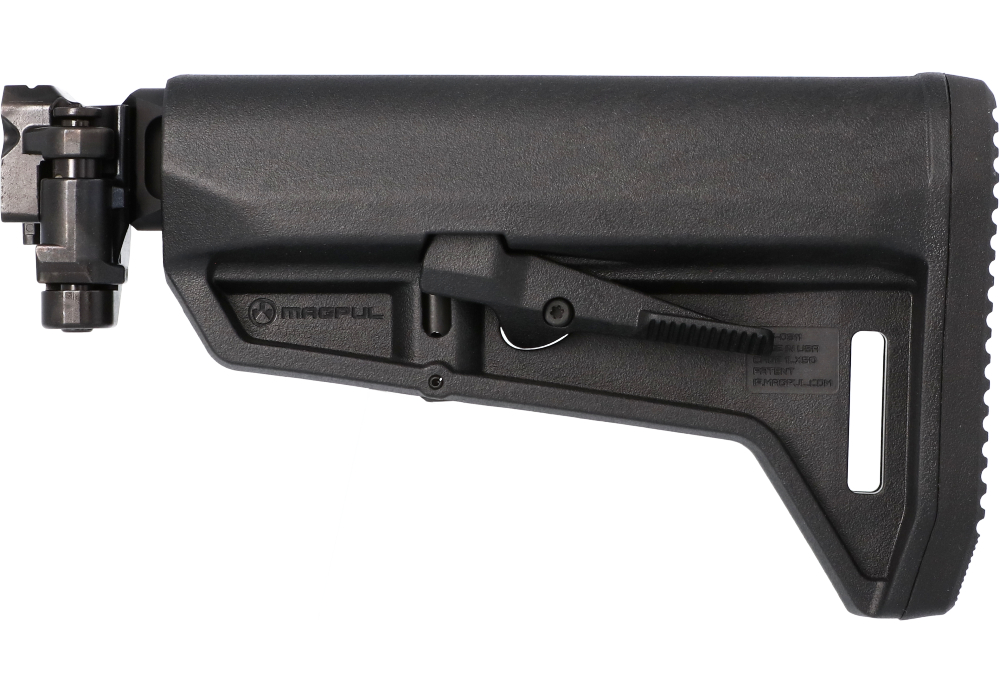
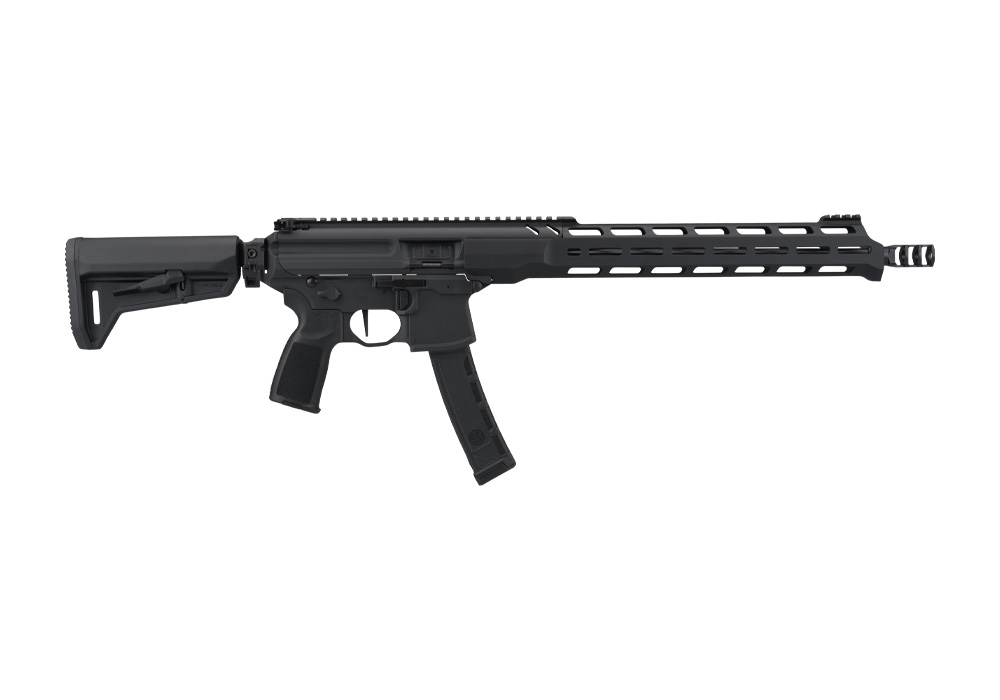
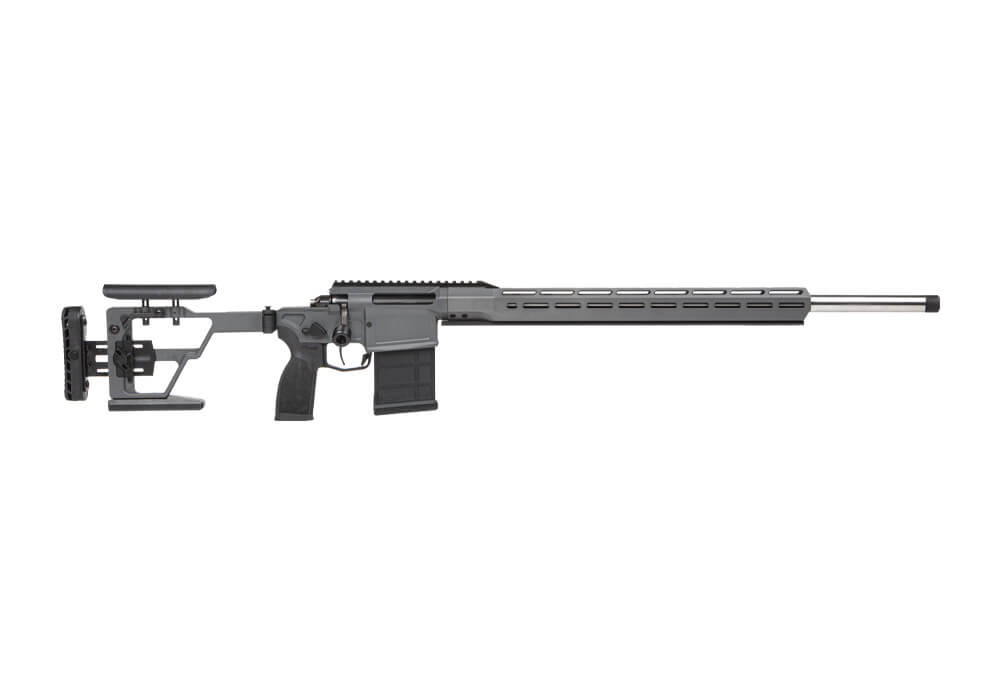
Rifle replacement stocks offer a practical way to refresh the fit, handling, and appearance of a compatible firearm without replacing the entire rifle. A stock can influence how naturally the rifle settles into the shoulder, how consistently the shooter aligns the eye with an optic, and how comfortably the firearm carries through a full day in the field or on the range. When choosing among replacement options, start with exact compatibility rather than appearance alone. Confirm the rifle’s make, model, action length, receiver configuration, barrel contour, barrel length, and bottom metal arrangement. The action inlet must match the firearm precisely, while the barrel channel should accommodate the profile of the existing barrel. A stock intended for a sporter contour may not fit a heavier varmint or match barrel, and differences in magazine systems or floorplate dimensions can prevent an otherwise appealing option from installing correctly. Length of pull, comb height, cheek-piece shape, grip angle, and buttpad design also deserve attention. A traditional-style stock may suit a classic hunting rifle or restoration project, while an adjustable chassis can be useful for shooters who share a rifle, change clothing layers during the cooler months, or move between prone, bench, and supported field positions. Laminated wood and hardwood options provide a familiar feel, visual character, and a solid balance in the hands. Fiberglass and carbon-fiber stocks are often selected by hunters and backcountry shooters who want to manage overall weight while maintaining a rigid platform through changing weather and demanding terrain. Aluminum chassis systems may appeal to precision-oriented users who value adjustability, accessory mounting points, and a more technical interface. Thumbhole configurations, vertical grips, adjustable cheek rests, and textured grip surfaces each change the way a shooter interacts with the rifle, so the best choice is the one that supports the intended use and feels natural when shouldered. A replacement stock can also be a thoughtful gift for a dedicated rifle owner, especially someone restoring a family firearm, refining a favorite hunting setup, or building a rifle around a specific fit preference. For gifting, it is wise to verify the exact firearm details first, since a stock that looks similar across several models may have completely different inlet dimensions. Additional options can be found among compatible Rifle Stock Kits, making it easier to compare configurations intended for different platforms and shooting styles.
Installation should be approached as a precision task, even when the process appears straightforward. Before beginning, unload the rifle completely, remove the ammunition source where applicable, open the action, and visually and physically verify that the chamber is empty. Follow the firearm and stock manufacturer’s instructions, work on a stable surface, and use the correct bits to avoid damaging action screws or the surrounding finish. In a typical installation, the action screws are removed so the barreled action can be lifted from the original stock, then the action is carefully seated into the replacement stock’s inlet. Do not force the receiver into position, and pay close attention to the recoil lug, magazine well, trigger area, and bottom metal. Action screws should be tightened evenly and to the manufacturer’s specified torque using a reliable inch-pound torque wrench; values commonly encountered in rifle stock installations may fall around 45–55 inch-pounds, but the published specification for the exact firearm and stock should always take priority. After tightening, inspect the barrel channel along its full length to confirm that the barrel is free-floating where the design calls for clearance and is not pressing unevenly against one side. Check that the safety, trigger, bolt, magazine, floorplate, and release controls operate normally, and make sure the bolt cycles without interference. Any bedding work, inlet correction, unusual resistance, or uncertainty about fit is best handled by a qualified gunsmith. Once installation is complete, confirm that the optic has not shifted, inspect all fasteners again, and test the rifle safely before relying on it for hunting or other important use. A new stock may change the rifle’s point of impact, balance, and shooting position, even when the barreled action and optic remain the same, so careful function checks and a fresh zero are essential. During warmer outdoor conditions, a stable stock can help maintain a consistent feel through long practice sessions; during the cooler months, an appropriate length of pull and comfortable cheek position can make layered clothing and extended glassing more manageable. Whether the goal is to restore a well-used rifle, improve ergonomics, reduce carry weight, or create a more adaptable precision setup, a properly matched replacement stock gives the firearm a renewed foundation while preserving the familiar action its owner already knows.