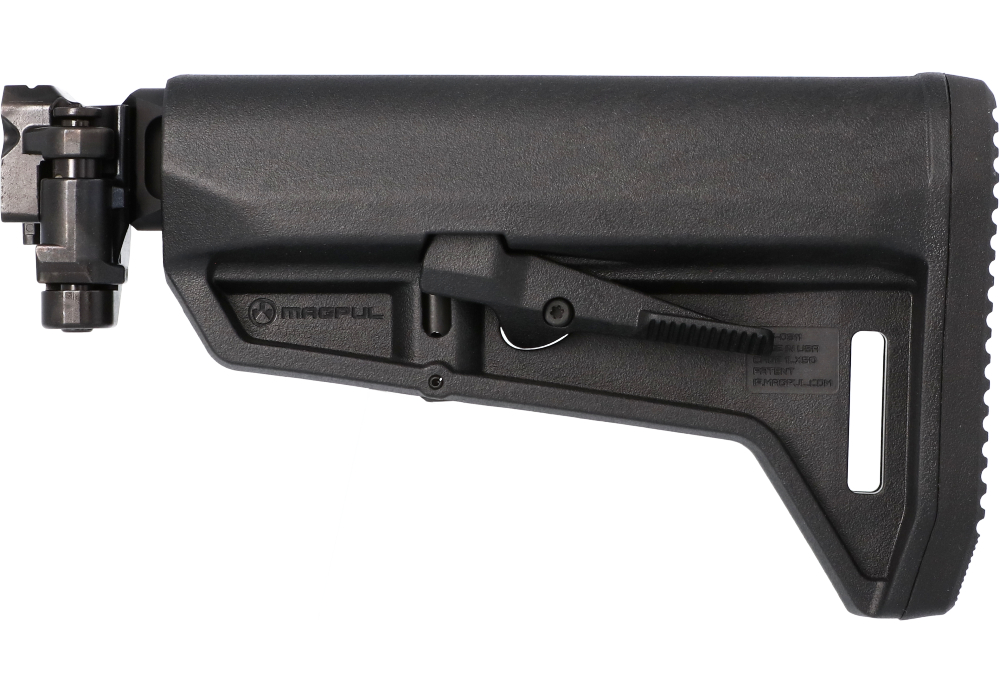
Rifle stock kits offer a practical way to refresh, complete, or refine a rifle’s fit and handling without approaching the project as a collection of unrelated parts. Depending on the firearm and the intended use, a kit may include the stock body along with the hardware needed for installation, such as a receiver extension, buffer spring, buffer weight, castle nut, end plate, action screws, or other mounting components. The exact contents vary by platform, so compatibility should be the first consideration. Before selecting a rifle stock kit, confirm the rifle’s make, model, action type, stock interface, and any required generation or configuration details. A kit designed for a modular semi-automatic rifle may use a receiver extension and recoil system, while a kit for a bolt-action rifle may attach directly to the action with specific action screws and bedding surfaces. Even similar-looking rifles can use different mounting dimensions, so checking the manufacturer’s specifications and comparing them with the rifle in hand helps prevent an otherwise avoidable mismatch. It is also useful to consider the rifle’s existing configuration, including barrel contour, trigger design, magazine system, sling attachment points, and optic height. A stock that accommodates a heavier barrel or detachable magazine may provide a very different experience from one intended for a slimmer hunting setup. For those who want a broader view of available configurations, Rifle Replacement Stocks can help frame the distinction between a complete kit and a stock intended to replace an existing component. Whether the goal is to restore an older rifle, improve ergonomics, or assemble a more personalized configuration, the right kit should work as a complete system rather than simply look appealing on a product page.
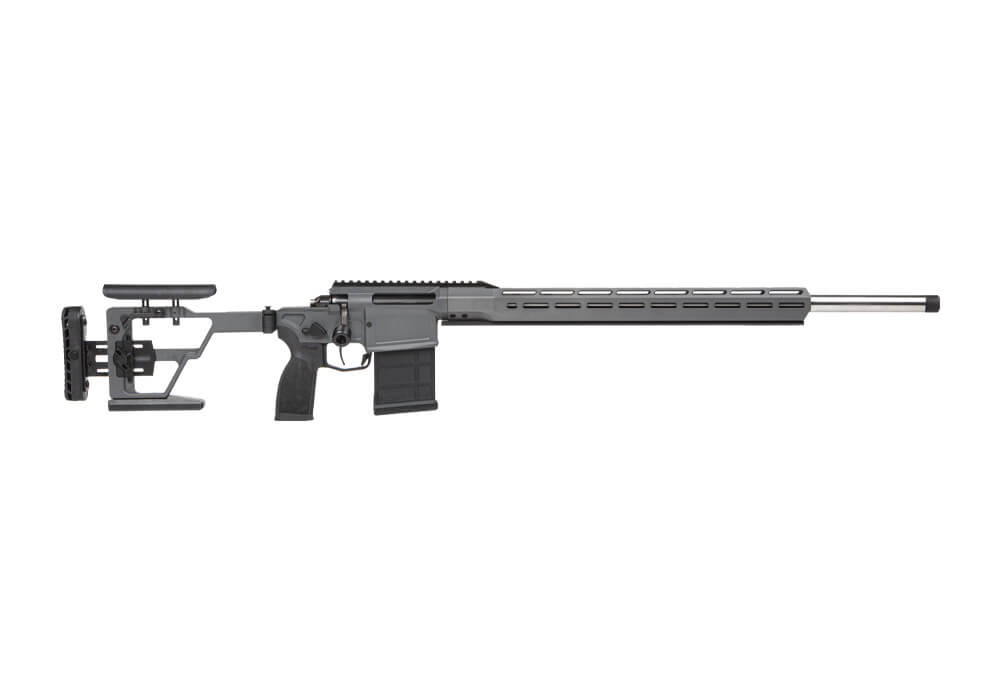
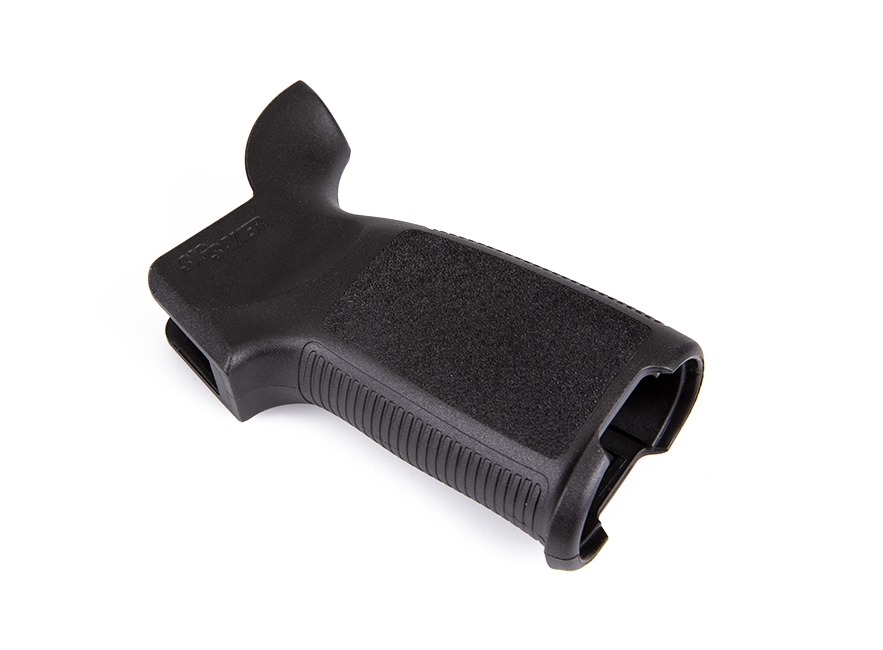
The choice between a fixed stock, an adjustable stock, and a precision-oriented chassis or stock system usually comes down to fit, stability, portability, and the way the rifle will be used. Fixed stocks provide a solid, consistent shoulder position and a straightforward feel that many hunters, range shooters, and traditional rifle users appreciate. Their rigid construction can feel especially steady from a bench, supported field position, or prone setup, and their simple design may suit a rifle that is carried through timber, along a trail, or across uneven ground during the cooler months. Adjustable stocks allow the length of pull or cheek position to be tailored to the shooter, which can be helpful when using different layers of clothing, changing between standing and prone positions, or sharing a rifle among properly trained users. An adjustable cheek riser can help align the eye with an optic, while an adjustable buttpad can improve shoulder placement and comfort during extended range sessions. Precision chassis systems often add a rigid foundation, modular attachment points, an adjustable cheekpiece, and a more structured interface for supported shooting. These features can be valuable for long-range practice, competition, or a carefully prepared varmint or target setup, although additional weight may matter to someone who spends long days carrying a rifle in the field. Material, texture, and shape also deserve attention. A textured grip area can be reassuring in damp weather, a wider fore-end may sit more naturally on a rest or pack, and a well-shaped buttpad can make recoil feel less abrupt. Balance matters as well: a stock that shifts too much weight toward the rear or front can change how quickly the rifle comes to the shoulder and how naturally it tracks. For a hunting rifle, a comfortable length of pull and snag-resistant profile may matter more than extensive adjustability. For a dedicated range rifle, repeatable cheek placement, rigid support, and accessory compatibility may take priority. These details are personal, and the best choice is often the one that makes the rifle feel familiar and controllable through a full day of handling.
Rifle stock kits can appeal to experienced owners completing a careful upgrade, new shooters working with a properly selected platform, hunters preparing a rifle for changing conditions, and families looking for a thoughtful gift for a responsible firearm enthusiast. A kit can be a particularly useful gift when the recipient already knows the rifle’s exact make and model but has mentioned wanting a different length of pull, a more comfortable cheek weld, or a stock better suited to a specific style of shooting. Because fit is so individual, gift buyers should avoid guessing at compatibility or assuming that a universal-looking part will fit every rifle. A gift card, a conversation about the intended rifle, or assistance confirming the model and interface can be more useful than choosing based on appearance alone. Installation may be straightforward for an experienced owner, but the work can involve small springs, stored mechanical energy, action screws, torque requirements, or alignment concerns depending on the platform. The rifle should be unloaded, separated from ammunition, and handled in accordance with the owner’s manual and applicable laws before any inspection or installation begins. When the kit includes a receiver extension or recoil-system components, correct assembly and function checks are essential; when it includes an action-mounted stock or chassis, proper screw sequence and torque can affect consistency and safety. Anyone who is uncertain about fit, tools, or procedure should use a qualified gunsmith. After installation, a careful inspection at a safe range can confirm that the stock locks securely, the controls remain accessible, the optic still aligns naturally, and the rifle cycles and functions as intended. Small adjustments often make a noticeable difference: a slightly shorter length of pull may improve control in heavy clothing, a higher cheek position may make an optic easier to acquire, and a more stable fore-end may settle the rifle more naturally on a rest. From an older hunting rifle brought back into regular use to a purpose-built range configuration prepared for crisp mornings and longer practice sessions, a well-matched rifle stock kit can make the firearm feel more comfortable, more consistent, and better suited to the person behind it.