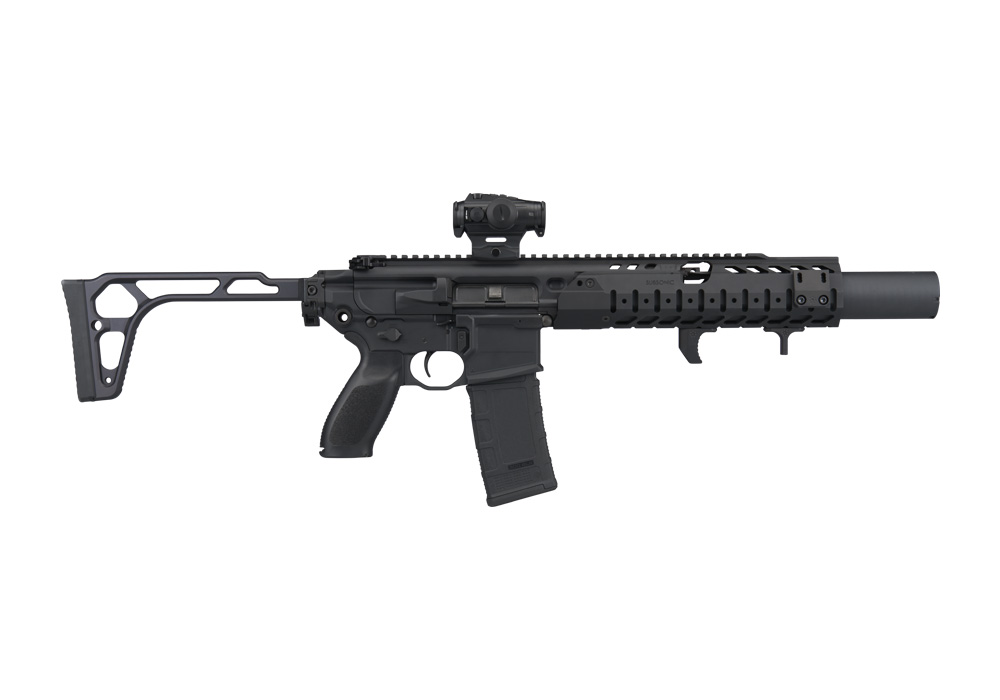
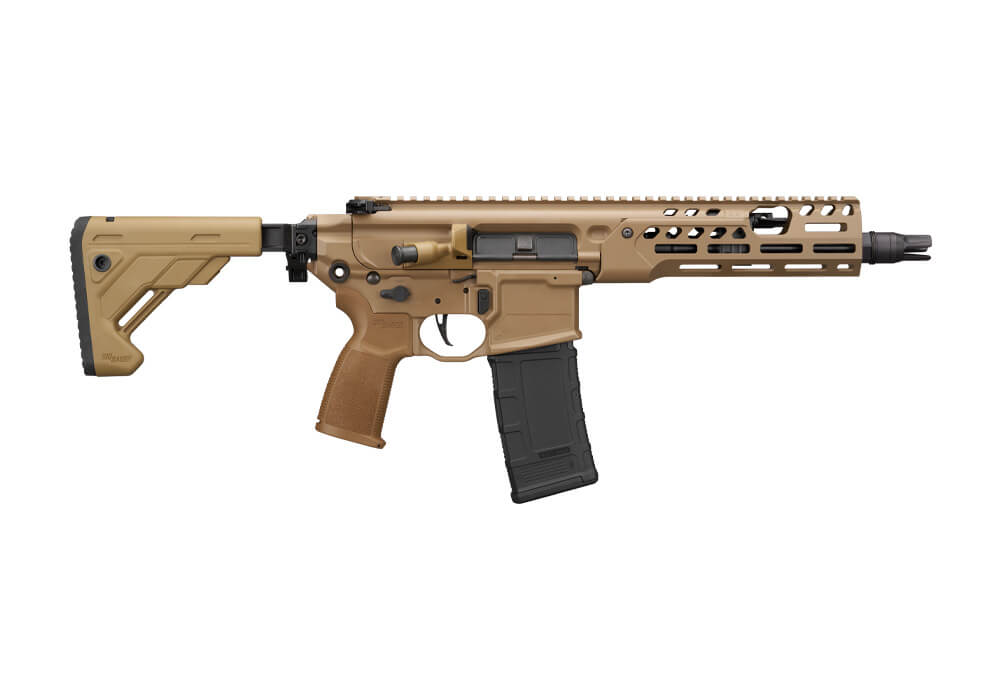
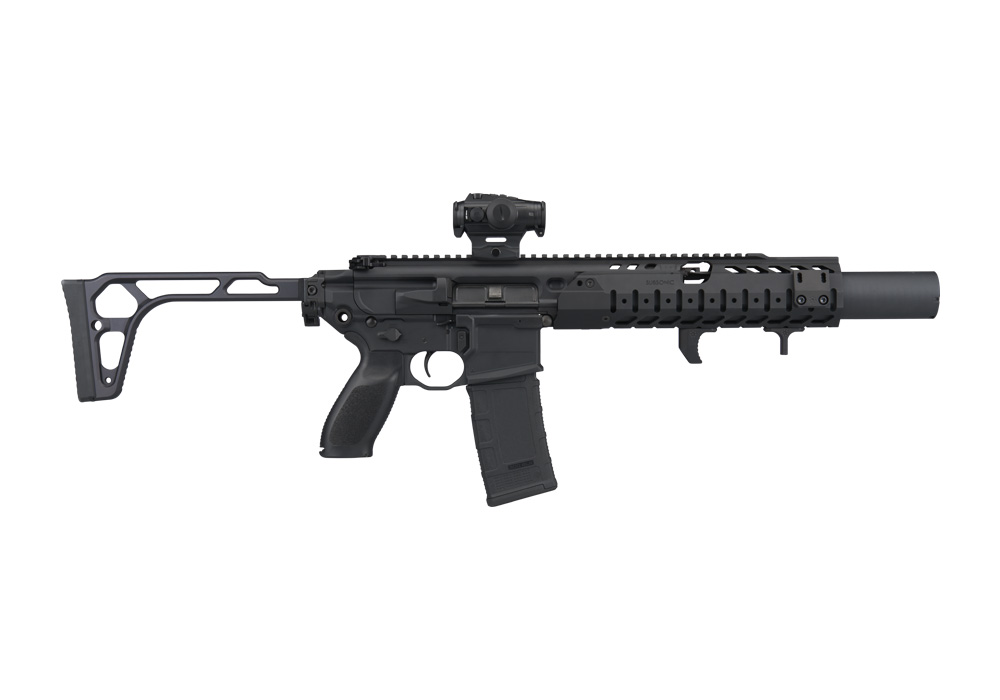
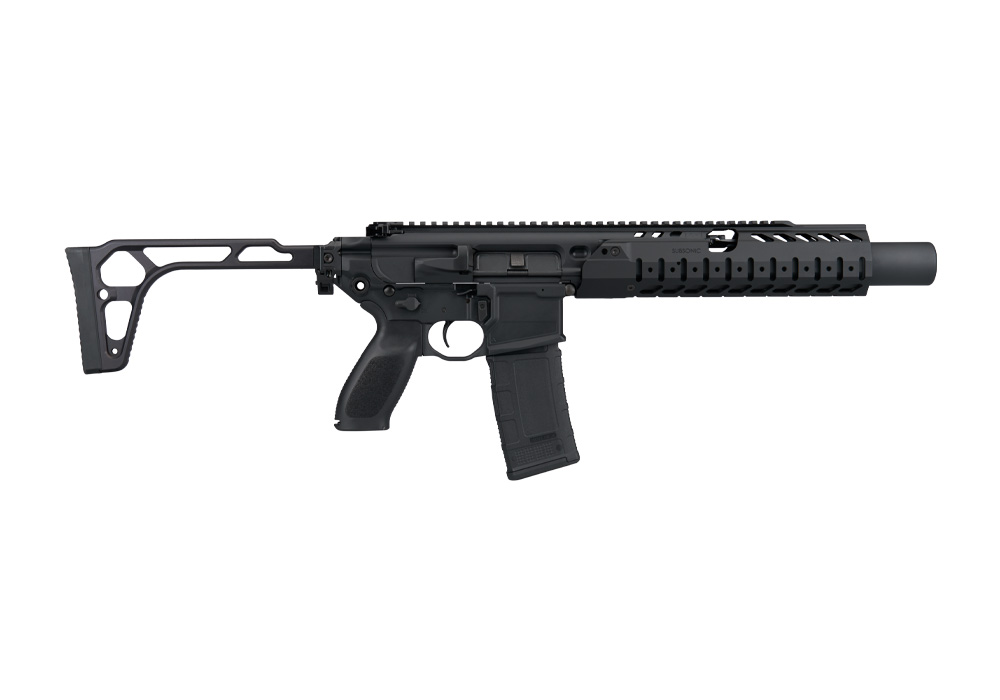
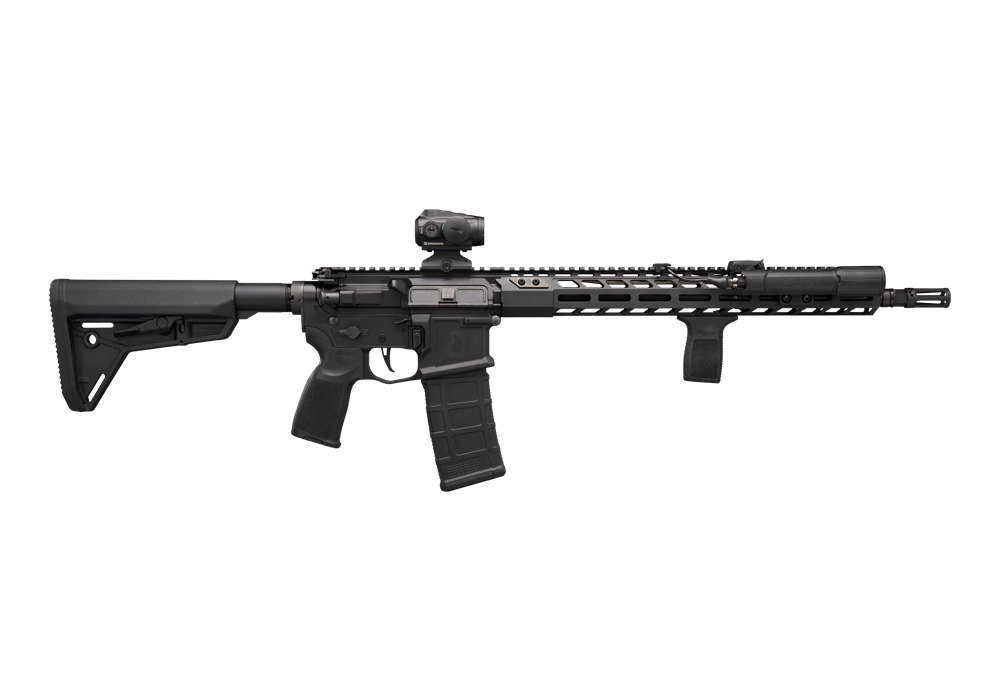
Modern sporting 300 Blackout rifles are compact, adaptable firearms chambered for the .300 AAC Blackout cartridge, a cartridge developed around the familiar AR-style platform and valued for its flexibility at close to intermediate distances. They are commonly selected by range shooters, hunters, preparedness-minded owners, and experienced firearm users who want a maneuverable rifle with the ability to fire both subsonic and supersonic ammunition. Subsonic loads are designed to remain below the speed of sound, which can reduce the sharp crack associated with a sonic report, especially when used with a properly installed suppressor. Supersonic loads offer a faster, flatter-shooting option with greater energy for applications that call for more reach or impact. The same rifle can often accommodate both types of ammunition, but they do not produce identical points of impact, cycling behavior, or external ballistics. A shooter moving between loads should confirm the ammunition specification, observe the rifle’s function, and verify zero at the range. Many .300 Blackout rifles use familiar AR-pattern controls, magazines, bolt components, and lower-receiver layouts, although compatibility is never something to assume without checking the manufacturer’s specifications. This shared design language can make the platform approachable for someone already comfortable with a 5.56-style rifle, while still offering a distinct shooting experience. Barrel length is another important consideration. The cartridge is well suited to compact configurations, and many shooters choose barrels in the short-to-midrange lengths where .300 Blackout can burn powder efficiently without the overall package becoming cumbersome. A shorter configuration may be easier to maneuver around vehicles, blinds, indoor ranges, or tight shooting positions, while a longer barrel can offer additional velocity with selected supersonic ammunition and may be preferable for a more traditional rifle setup. Buyers should consider whether they are shopping for a conventional rifle, a pistol configuration, or a short-barreled rifle, since the product category affects handling, accessories, storage, and compliance requirements. A short-barreled rifle may require approval and registration under applicable federal law, while state and local rules can impose additional restrictions. Firearm ownership, transport, hunting use, magazine limitations, suppressor possession, and transfers also vary by jurisdiction, so reviewing current regulations before purchase is an essential part of selecting the right configuration.
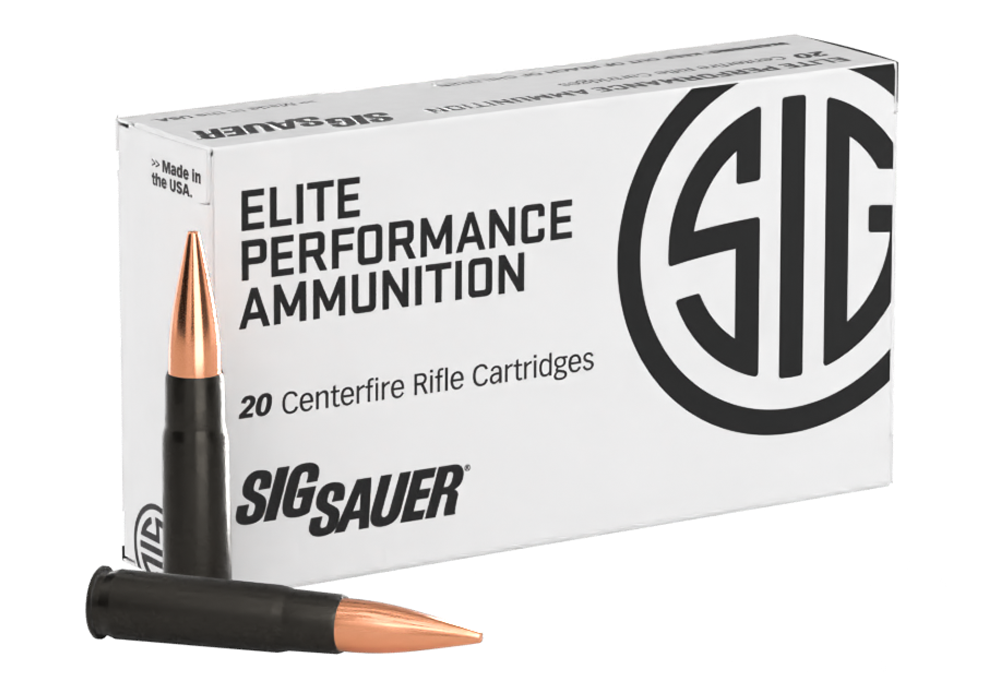
A 300 Blackout rifle can serve as a practical range companion, a compact hunting arm where legal and appropriate, or part of a carefully planned home-defense setup for a trained adult. Its appeal often comes from the balance between a short overall package and useful cartridge performance rather than from one single feature. In a hunting context, supersonic loads may be chosen for suitable game and distances within the shooter’s local regulations and ethical capabilities; ammunition selection should always follow the projectile manufacturer’s guidance and the recommendations for the intended game. On the range, the platform provides an opportunity to practice with familiar controls while exploring the differences between subsonic and supersonic trajectories. Subsonic ammunition can be pleasant for controlled practice, particularly when paired with hearing protection and, where legally permitted, a suppressor, but “quieter” does not mean silent and safe handling remains unchanged. A suppressor can also alter balance, point of impact, gas behavior, and maintenance requirements, so the rifle should be tested in its final configuration rather than assuming that a sight-in without the suppressor will carry over. Optics deserve equal attention. A compact red dot may complement a short, fast-handling setup, while a low-power variable optic or compact magnified optic can help a shooter distinguish targets and place shots at longer practical distances. Backup sights, a dependable weapon light, a sling that fits the user’s carry style, and an appropriately sized stock or brace can further shape the rifle’s handling, subject to the rules governing the selected configuration. Magazine choice matters as well: .300 Blackout ammunition can share magazine dimensions with common AR-pattern systems, but projectile shape, magazine construction, and the number of cartridges loaded can affect reliability. Standard-capacity magazines are often a sensible starting point, while extended-capacity options may add weight and bulk that do not suit every use. Before relying on any setup, inspect cartridges carefully, keep .300 Blackout ammunition separate from visually similar cartridges, and mark storage containers clearly. The different cartridges can appear deceptively alike, making disciplined ammunition organization one of the most important habits for any owner.
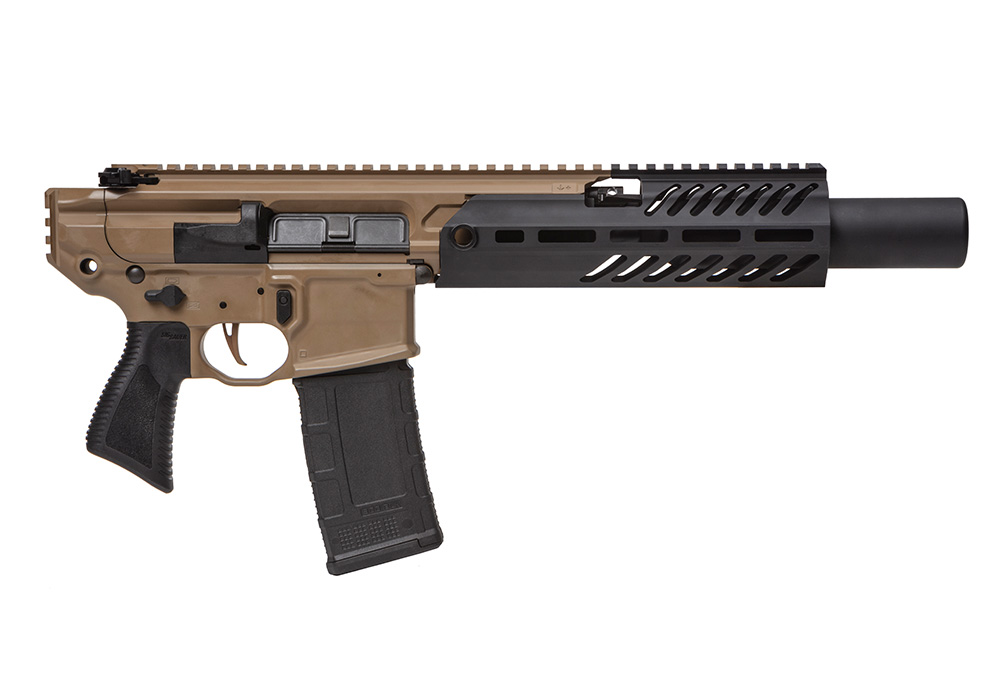
Choosing among modern sporting 300 Blackout rifles usually comes down to intended use, preferred dimensions, operating system, accessory compatibility, and the level of familiarity the shooter already has with the platform. A first-time owner may appreciate straightforward controls, an adjustable stock, a threaded muzzle, and an optic-ready upper that leaves room to tailor the rifle gradually. An experienced AR user may place greater emphasis on weight, ambidextrous controls, folding or compact features, gas-system tuning, handguard length, or compatibility with an existing collection of magazines and accessories. Those shopping for a gift should treat a firearm as a highly personal purchase: fit, legal eligibility, training background, storage plans, and intended use matter more than appearance, and a gift card or supervised selection process may be more appropriate than choosing a firearm without the recipient’s input. Safe storage should be planned before the rifle arrives, with a locked container or other secure method that prevents unauthorized access and keeps ammunition organized. New owners benefit from professional instruction covering loading, unloading, clearing malfunctions, sight use, sling adjustment, and safe movement with a compact rifle. Even seasoned shooters should confirm the manual, function-test the rifle with the exact ammunition and accessories they intend to use, and establish a reliable zero before field use. For those who prefer a smaller, pistol-style configuration rather than a traditional rifle format, the selection of High Performance 300 Blackout Pistols offers another way to explore the cartridge’s compact handling characteristics. Whether used during a quiet range session as the weather warms or carried through a legal hunting season during the cooler months, a well-matched .300 Blackout setup rewards careful selection and consistent practice. The best configuration is the one that the owner can operate safely, store responsibly, maintain properly, and shoot with confidence.