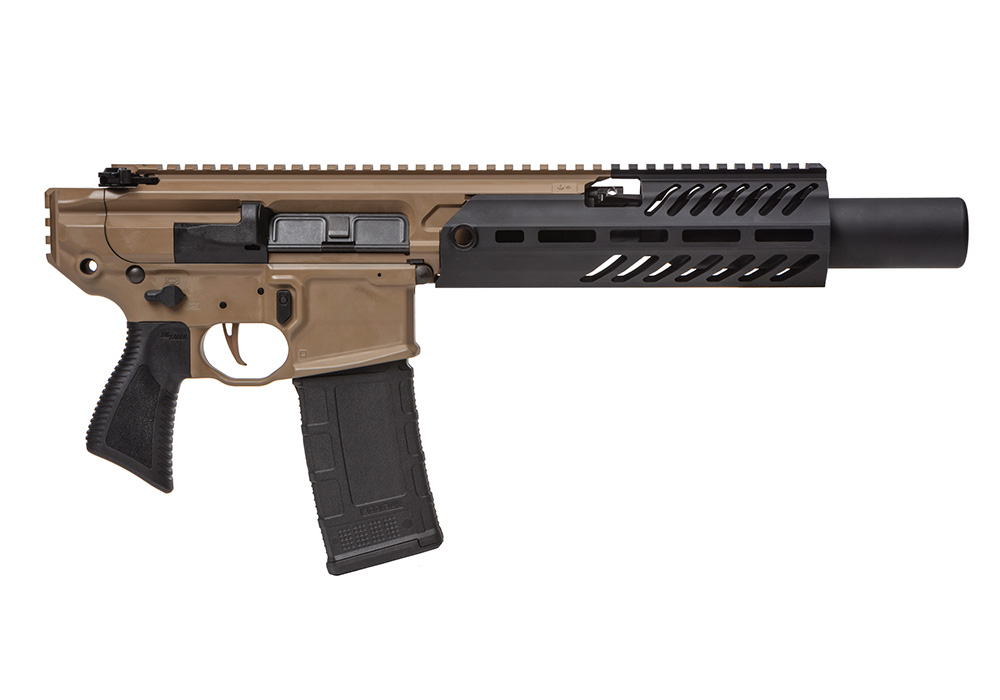
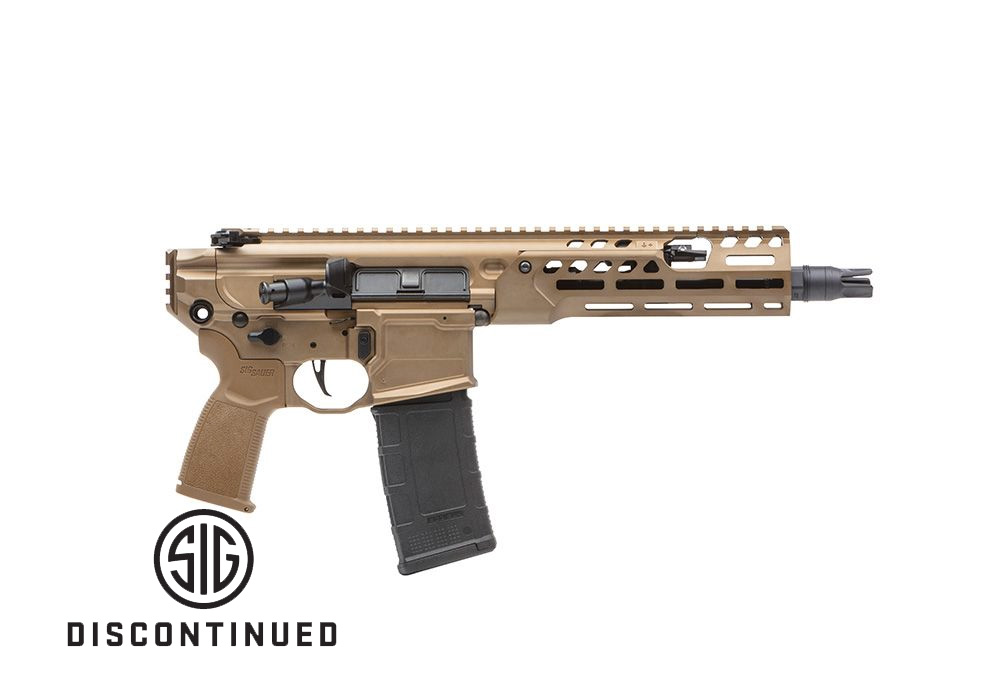
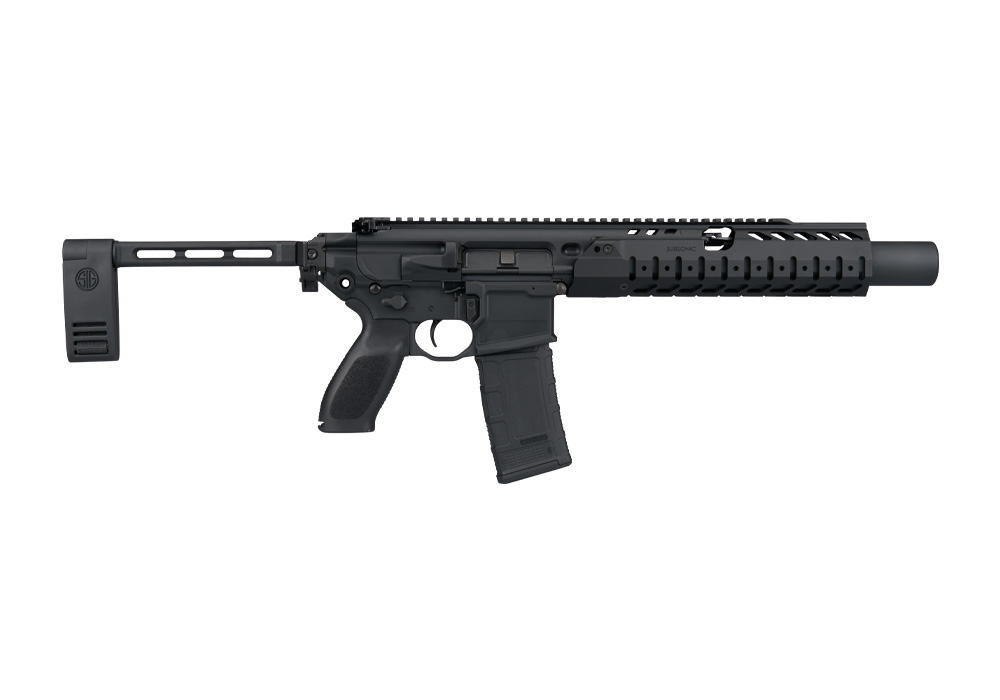
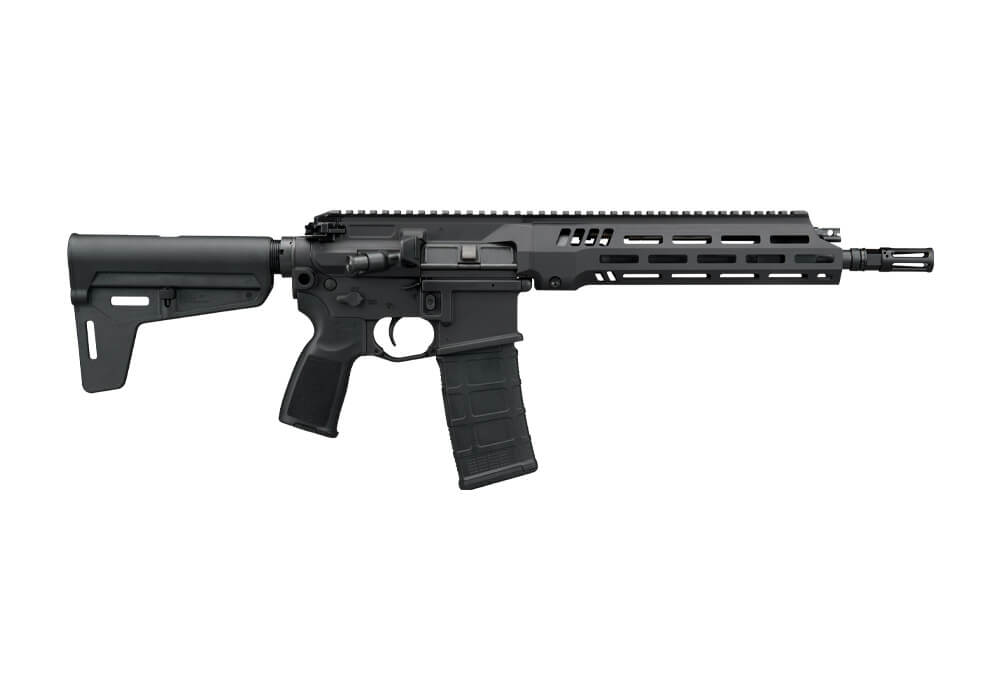
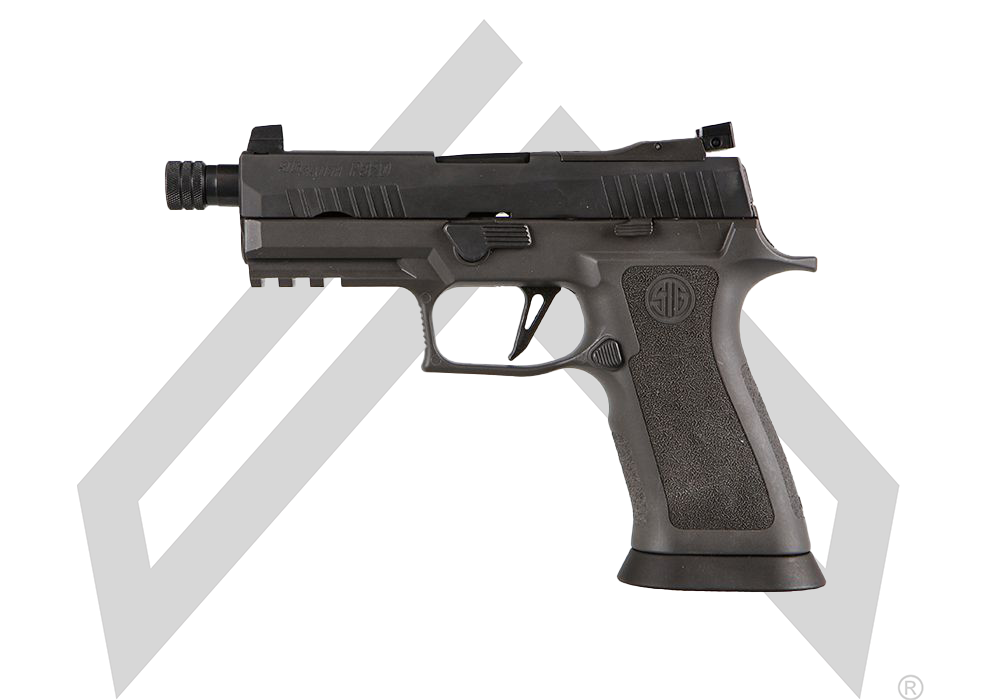
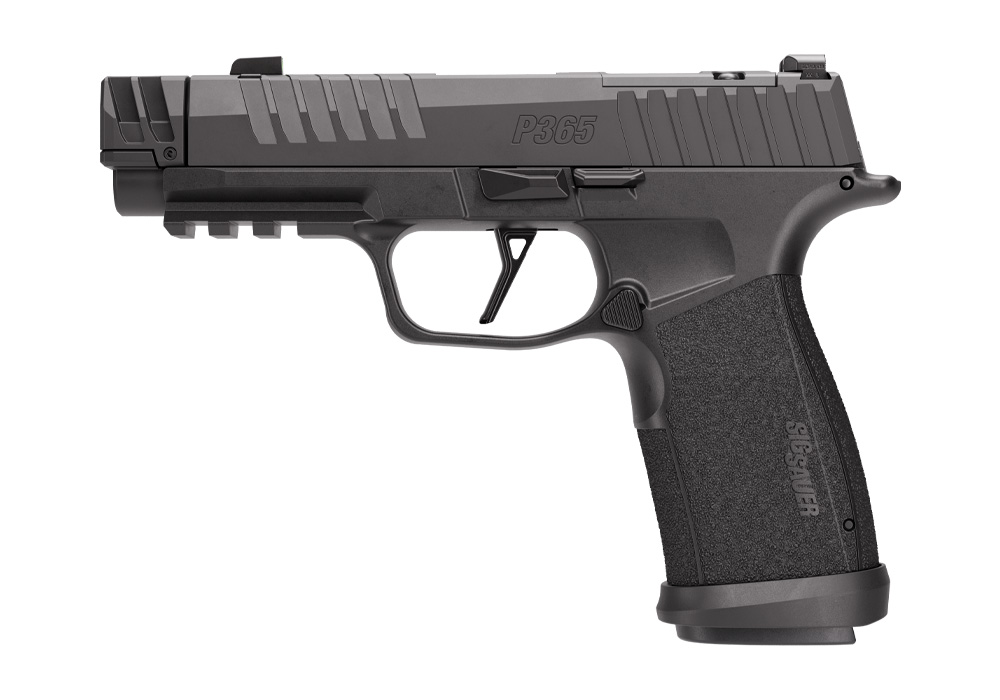
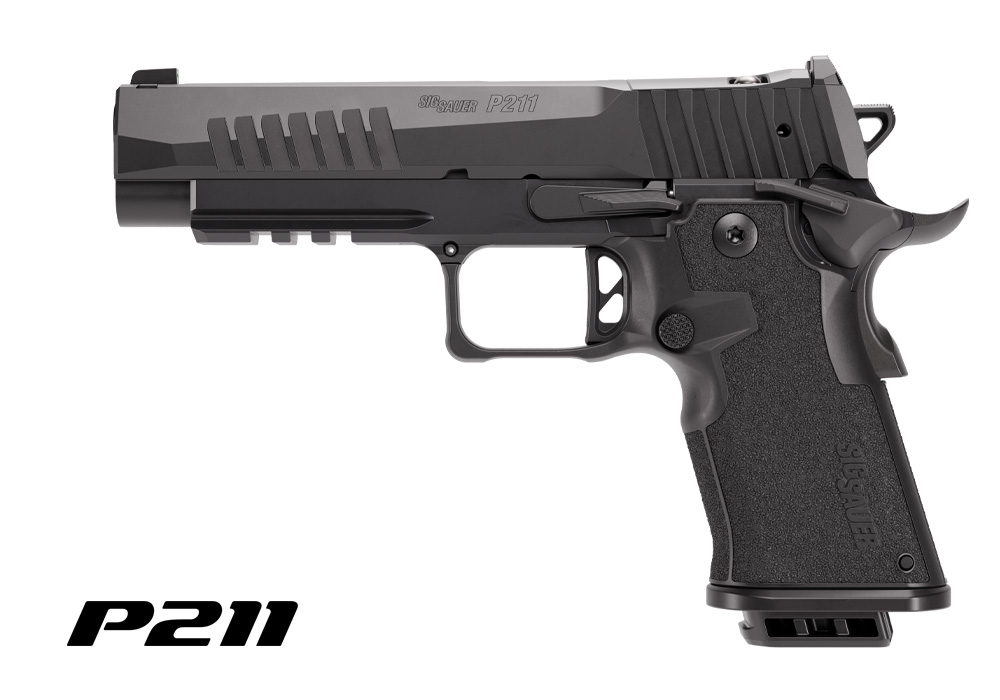
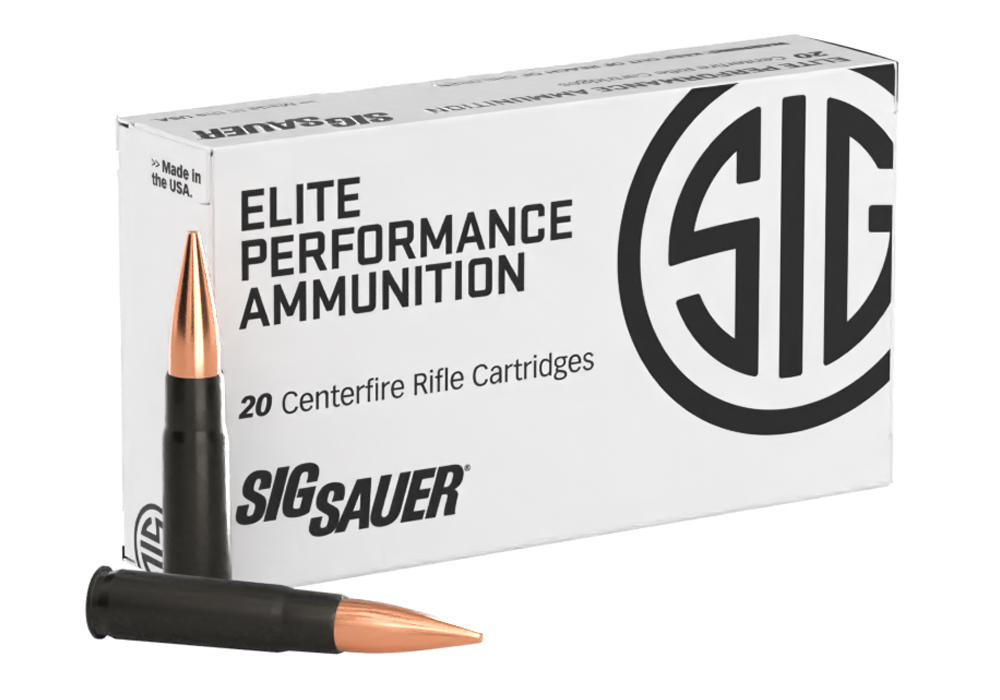
High-performance .300 Blackout pistols combine a compact firearm configuration with a cartridge developed to work effectively in shorter barrels and support both supersonic and subsonic ammunition. Their appeal lies in that combination: manageable overall dimensions, a broad range of ammunition choices, and configurations that can accommodate compatible suppressors where lawful. Performance, however, means more than a short barrel or a distinctive profile. Reliable function, consistent accuracy, durable construction, and controls that suit the shooter all contribute to a firearm that feels predictable at the range. The .300 AAC Blackout cartridge offers two notably different shooting experiences. Supersonic loads emphasize higher velocity, while subsonic loads remain below the speed of sound and are frequently associated with suppressed shooting. Neither ammunition type guarantees the same behavior across every firearm, and a pistol’s operating characteristics depend on its design, ammunition compatibility, and configuration. Manufacturer documentation and ammunition specifications provide a more useful basis for comparison than broad claims about power or quietness. A suppressor can reduce sound, but it does not make a firearm silent or eliminate the need for appropriate hearing protection. It also changes overall length, weight, and balance, so the complete configuration matters more than the barrel measurement alone. For shoppers comparing a smaller footprint, Compact 300 Blackout Pistols offer a related perspective on dimensions and handling within this cartridge family. These firearms may interest experienced recreational shooters, enthusiasts who value compact engineering, and qualified owners evaluating lawful personal-protection options. The strongest choice is not necessarily the shortest or the lightest. It is the configuration whose documented capabilities, fit, and handling characteristics match the owner’s experience and intended use. A dedicated range firearm, for example, may place greater emphasis on a comfortable grip and repeatable sight picture than on minimizing every ounce. An owner who regularly uses a compatible suppressor may give greater attention to the firearm’s documented support for that configuration and its balance as a complete system.
Materials and construction help distinguish a carefully engineered .300 Blackout pistol from one that simply looks compact. Aluminum receiver components can limit unnecessary weight, while steel barrels and other highly stressed components provide strength where the design requires it. Material names alone do not tell the whole story; manufacturing consistency, protective finishes, component fit, and quality control influence long-term performance. An anodized surface or protective coating can help resist wear and corrosion, but no finish removes the need for routine inspection and care. Look beyond exterior styling to the details encountered during ordinary handling: whether the grip feels secure without forcing the hand into an awkward position, whether controls are accessible without an exaggerated reach, and whether the firearm’s weight feels balanced rather than concentrated at one end. During a supervised, unloaded fit assessment, these differences can become more apparent than they are in photographs. A textured grip may provide useful purchase, yet an excessively abrasive surface can become distracting through an extended range session. Likewise, a compact handguard may keep dimensions trim, but usable space and a comfortable, manufacturer-approved hand position remain important. Trigger characteristics also affect the shooting experience. A clear, consistent feel can support deliberate shooting, although safe handling and sound fundamentals matter more than a particular specification. Sight visibility and compatible optic mounting provisions deserve similar attention. The goal is a sighting arrangement that is easy to see and suitable for the intended setting, not a collection of accessories that overwhelms the firearm’s compact proportions. Added equipment contributes weight and can alter balance, access to controls, and storage requirements. Factory specifications and documented compatibility should govern those decisions rather than assumptions based on appearance. Two pistols chambered for the same cartridge can differ substantially in operating system, control layout, accessory interfaces, and recommended ammunition. Those distinctions explain why meaningful comparisons involve the entire firearm, not just a shared chambering or a single headline feature. Clear specifications help shoppers separate genuinely useful characteristics from details that have little bearing on their own range habits.
Durability becomes most meaningful over repeated use, when a firearm continues to function consistently and remains straightforward to inspect and maintain. For a .300 Blackout pistol, routine care should follow the manufacturer’s manual, including its guidance on cleaning, lubrication, inspection, and service intervals. Ammunition choice and suppressed use can influence fouling and maintenance needs, so a single cleaning schedule will not suit every configuration or shooting routine. Accessible documentation, dependable service support, and clear replacement-part guidance are practical ownership considerations, particularly for someone who expects regular range time rather than occasional use. Safe ammunition identification is equally important. .300 Blackout and other cartridges associated with similar-looking firearm platforms are not interchangeable, and ammunition should remain clearly identified and separated to prevent a dangerous mismatch. Eye and hearing protection, responsible range practices, and secure storage belong alongside any discussion of performance. A locking storage solution should prevent unauthorized access and accommodate the firearm’s actual dimensions, including any lawful, compatible accessories that remain attached. Firearm classification, possession requirements, transport rules, and suppressor regulations can vary by jurisdiction and configuration; qualified guidance is important before a purchase or configuration change. For the shopper comparing high-performance .300 Blackout pistols, these ownership details are not separate from quality. They help define whether a firearm is a sensible long-term fit. A well-balanced configuration with understandable maintenance requirements and a comfortable control layout can be more satisfying than one chosen solely for an aggressive appearance. Accuracy claims also deserve context: ammunition, shooter proficiency, sighting equipment, and testing conditions all affect results. Consistency across realistic range sessions is a more useful expectation than an isolated performance claim. Taken together, sound construction, appropriate ammunition compatibility, thoughtful ergonomics, and responsible ownership provide a grounded way to evaluate this category. The result is a clearer understanding of what high performance should mean: dependable function and controlled, repeatable handling in a compact .300 Blackout firearm suited to its lawful purpose.