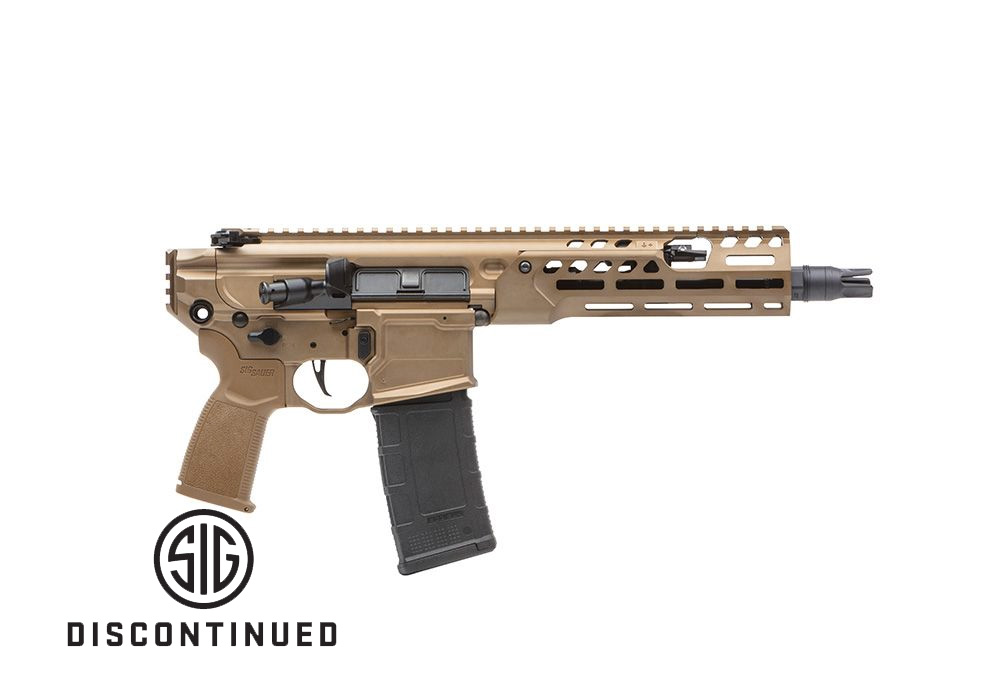
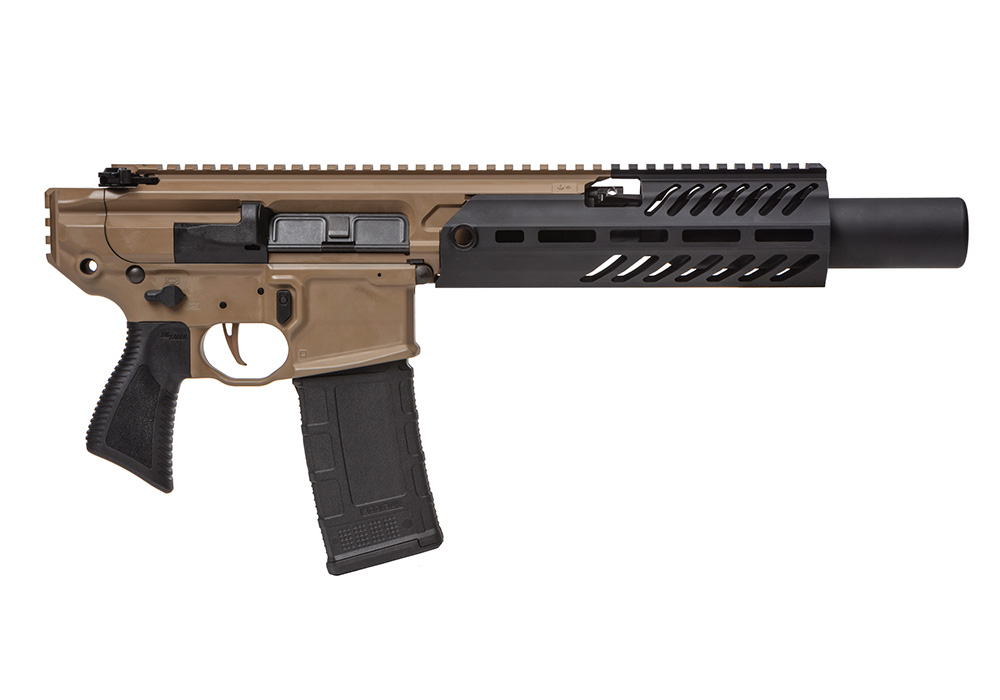
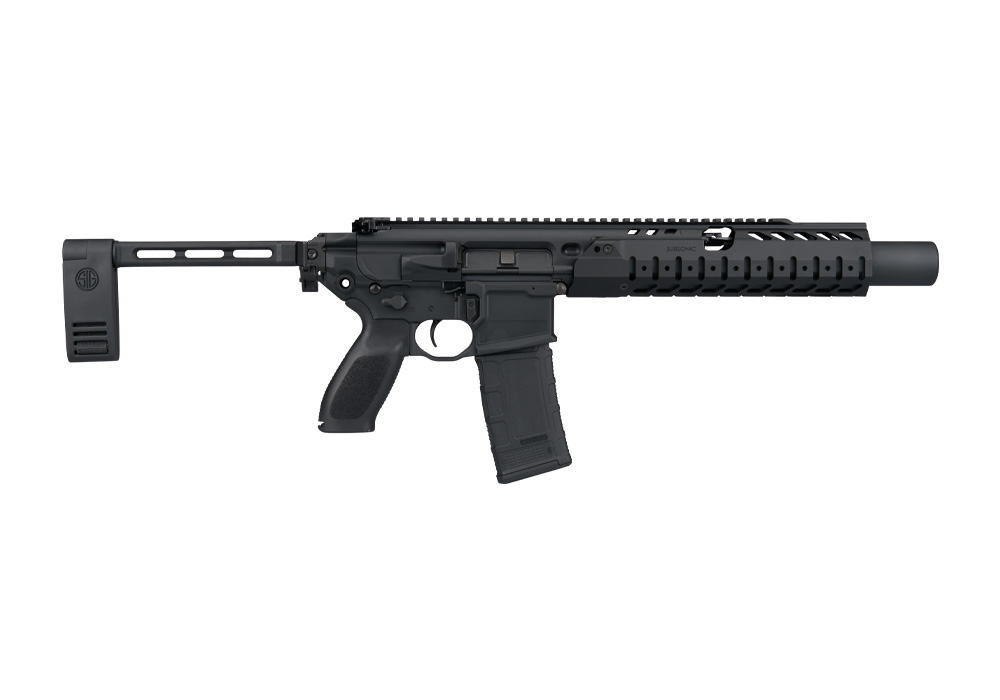
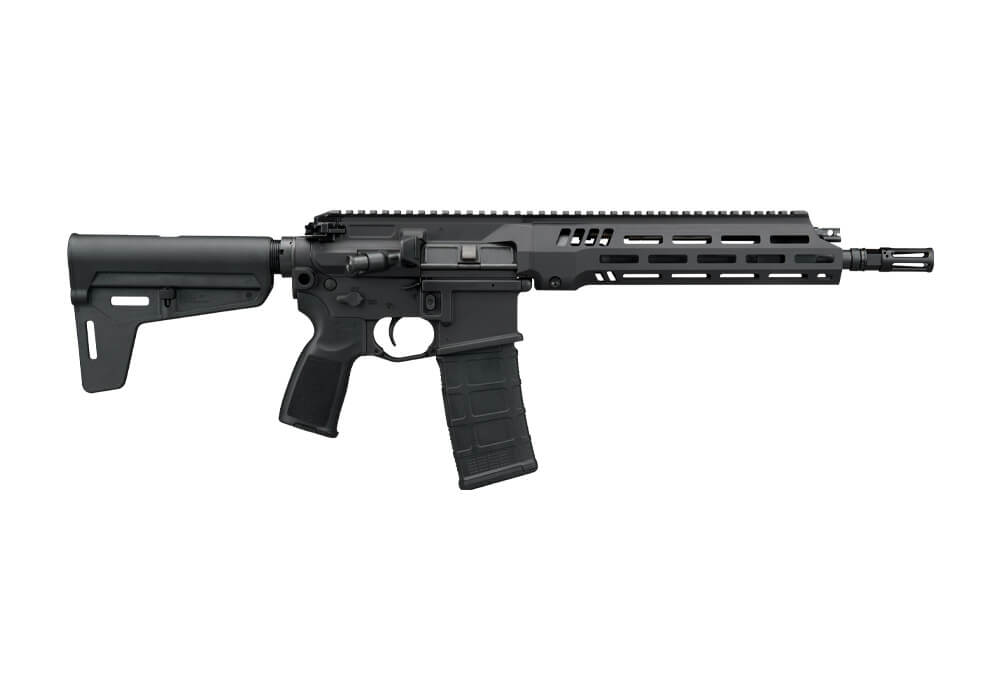
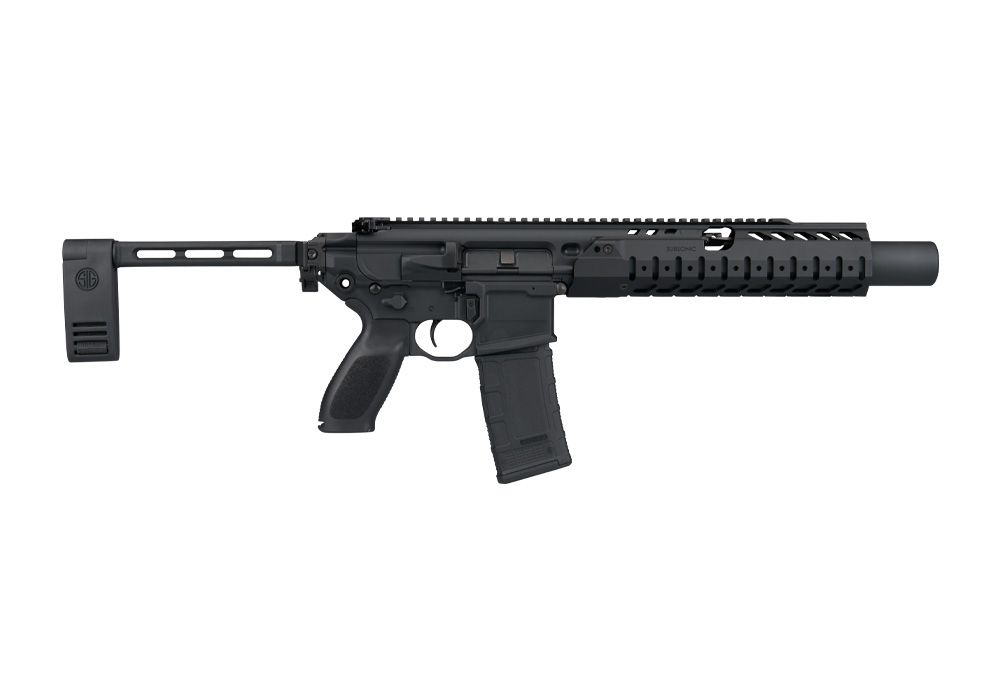
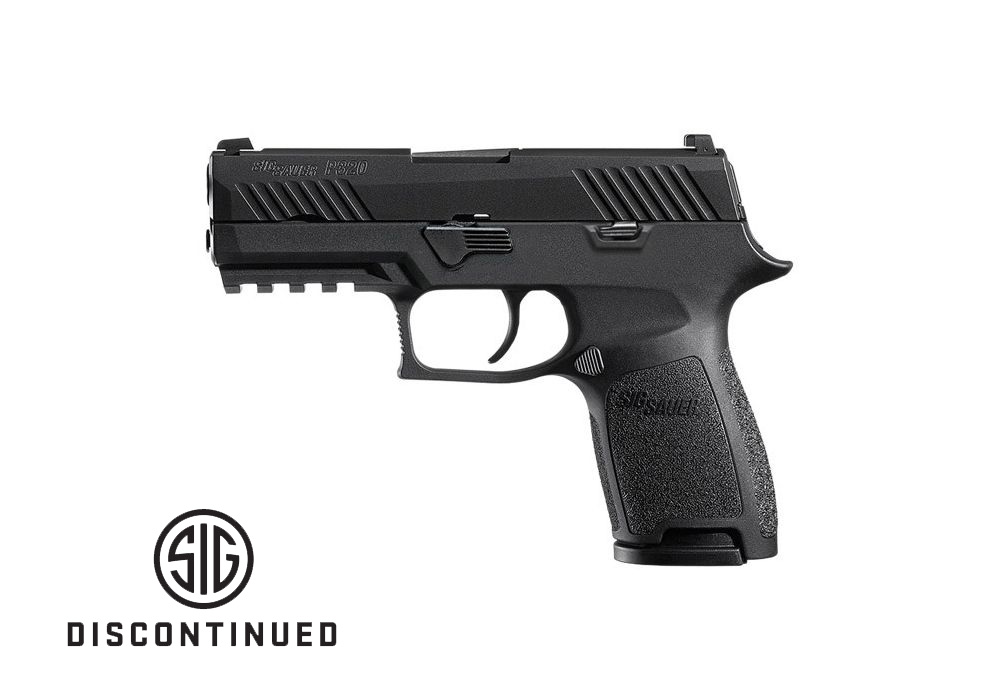
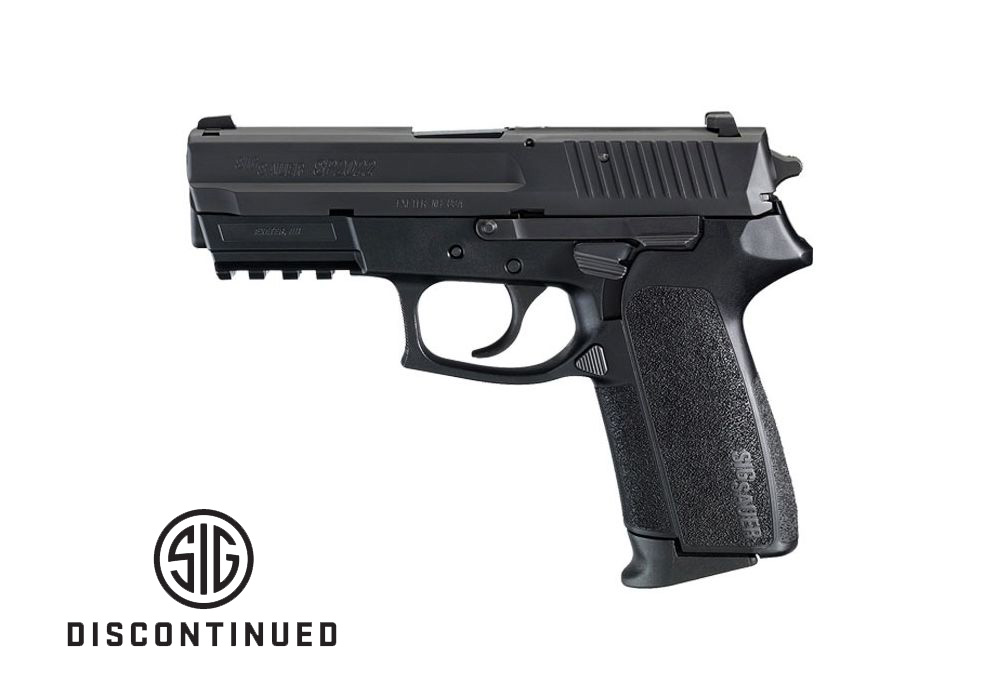
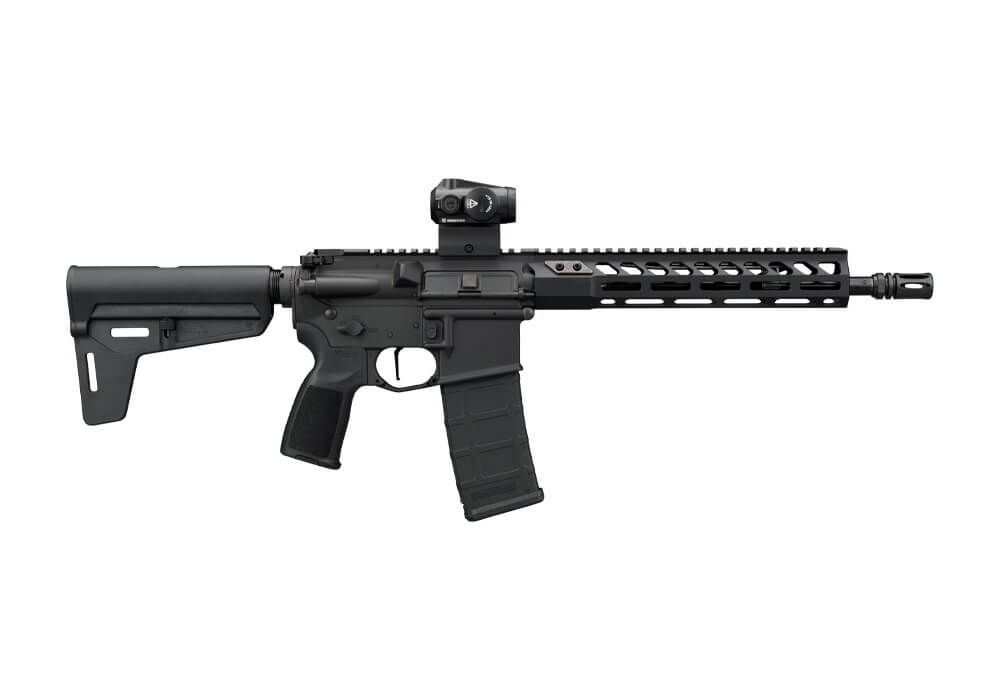
Home defense .300 Blackout pistols are compact firearms chambered for .300 AAC Blackout, a cartridge associated with shorter-barreled platforms and a choice of subsonic or supersonic ammunition. Many feature an AR-style layout, with familiar controls, modular construction, and dimensions that differ substantially from those of a conventional handgun. Their appeal begins with that combination of a compact format and a well-established cartridge, but overall length alone does not tell the full story. Weight, balance, grip shape, control placement, and the complete configuration all affect whether a firearm feels manageable to its owner. A shorter firearm can still feel heavy toward the front, while a larger-looking configuration may distribute its weight more evenly. Published measurements are therefore useful starting points rather than substitutes for an informed, hands-on assessment where permitted. The cartridge itself also deserves careful attention. Subsonic ammunition travels below the local speed of sound, while supersonic ammunition exceeds it; these categories differ in characteristics and are not interchangeable in every practical respect. Barrel length, ammunition specifications, and the operating system influence performance and function, so broad claims about every .300 Blackout pistol behaving the same way can be misleading. A compact barrel does not guarantee a particular velocity, sound level, or level of reliability. Manufacturer documentation should identify the ammunition and configurations appropriate for a particular firearm. Cartridge identification is especially important in households that also contain firearms chambered for 5.56 NATO or .223 Remington, because similar-looking ammunition and magazines can create dangerous confusion. Clearly separated, labeled ammunition storage is an essential precaution. For lawful adult owners considering this category for personal protection, the meaningful comparison is not simply which firearm occupies the least space. It is which configuration has understandable controls, suitable dimensions, documented compatibility, and maintenance requirements the owner can consistently meet. Home defense remains an intended use that demands sound judgment, secure storage, and qualified instruction, regardless of the cartridge or platform selected.
Construction and fit help distinguish .300 Blackout pistols beyond their basic chambering. Depending on the design, materials may include aluminum receivers and handguards, steel barrels and operating components, and polymer grips or other furniture. Each material serves a different purpose: steel provides strength in heavily stressed areas, aluminum helps limit weight in structural components, and polymer can offer practical gripping surfaces without unnecessary bulk. Protective finishes can help resist corrosion and everyday wear, though no finish eliminates the need for inspection and care. Look at the complete specifications rather than assuming that a particular material name guarantees durability. Assembly quality, component compatibility, and the manufacturer’s maintenance requirements matter just as much. Grip contours should feel comfortable without forcing the hand into an awkward position, and controls should be understandable and accessible to the intended user. Owners with different hand sizes or levels of dexterity may have different preferences, making fit a personal consideration rather than a universal ranking. Handguard dimensions, exposed edges, and the space required for lawful accessories also contribute to the overall feel and storage footprint. Optics and illumination equipment introduce their own considerations, including mounting compatibility, added weight, battery upkeep, and clear manufacturer instructions. They do not replace training or the responsibility to identify a situation accurately. Sound suppressors, where lawful, can reduce firearm noise, but they do not make a firearm silent or remove the need for appropriate hearing protection. They also change the complete firearm’s dimensions and maintenance needs. For a broader view of the category, the High Performance 300 Blackout Pistols collection offers another place to compare configurations and published specifications. Whether the preference is for a simpler arrangement or a more modular platform, compatibility should be established through manufacturer guidance rather than assumptions based on appearance. A well-considered selection accounts for the entire firearm as it will lawfully be owned, maintained, and stored, not just an appealing photograph or a single headline measurement.
Long-term ownership brings practical details into focus that can be easy to overlook when comparing home defense .300 Blackout pistols. A compact footprint may be convenient, but secure storage still needs enough room for the complete configuration without pressure on controls or interference from surrounding objects. In a household with children, visitors, or caregivers, preventing unauthorized access is a central requirement, not an optional accessory consideration. A suitable locked container should accommodate the firearm’s actual dimensions, and storage practices should follow applicable laws and established firearm-safety guidance. Ammunition should remain clearly identified and secured separately, with access restricted to authorized adults. Owners should also account for the ordinary demands of care: appropriate cleaning supplies, a suitable work area, access to the owner’s manual, and time for routine inspection. Follow the manufacturer’s procedures for confirming the firearm is unloaded before cleaning or maintenance, and keep ammunition away from the work area. Residue, moisture, worn components, and loose fittings warrant attention according to the manufacturer’s recommendations; unfamiliar problems belong with a qualified professional rather than improvised repairs. Durability is best understood as reliable service supported by proper care, not a promise that a firearm can be neglected indefinitely. Training adds another essential layer. Qualified instruction can help owners understand safe handling, storage responsibilities, range rules, and the legal obligations associated with firearm ownership and defensive use. Familiarity with another type of handgun does not automatically translate to familiarity with an AR-style pistol or its controls. Legal classification also depends on the complete configuration, and changes to certain components can carry significant regulatory consequences. Federal, state, and local requirements should be verified before purchase or modification. Finally, any firearm considered for home defense must be evaluated alongside the household itself: who lives there, who may enter, how access will be controlled, and what responsibilities the owner is prepared to maintain. Thoughtful selection centers on documented specifications, appropriate fit, dependable upkeep, and responsible ownership rather than exaggerated promises about size, sound, or performance.