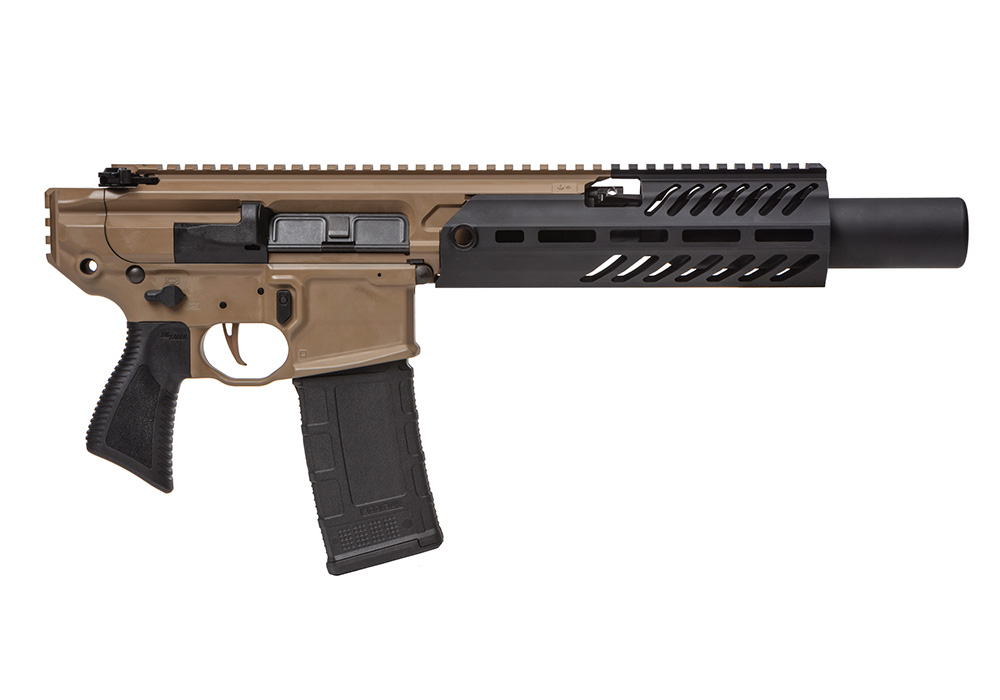
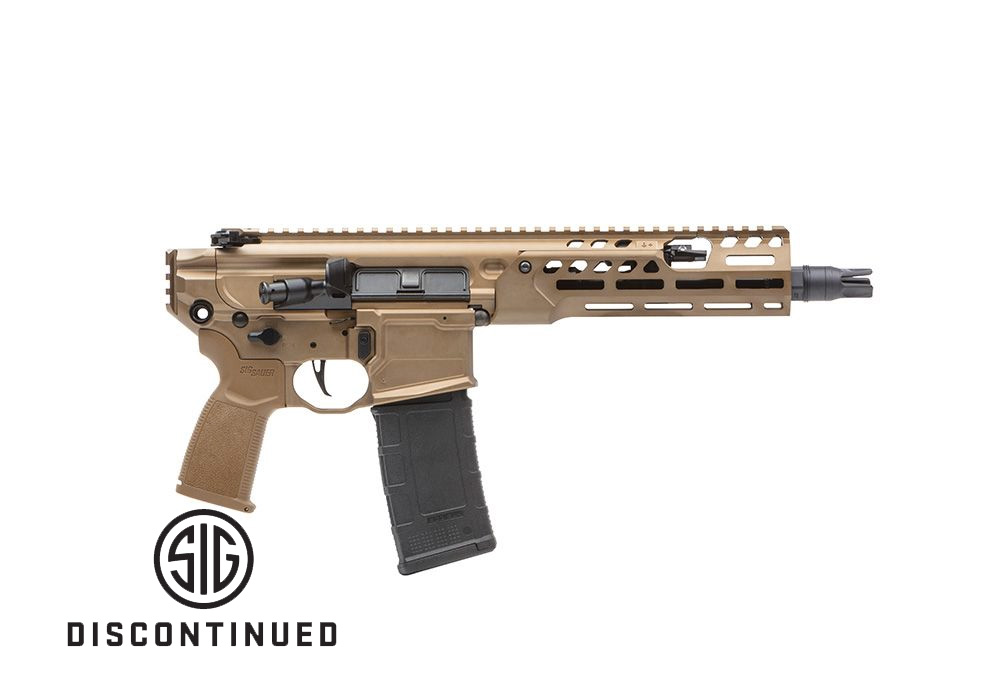
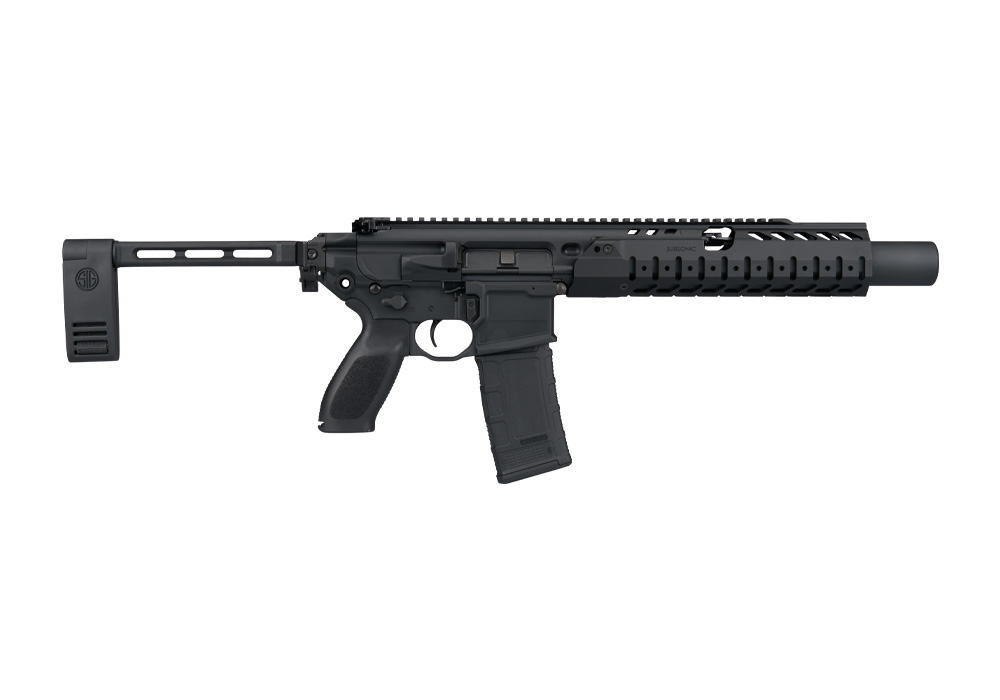
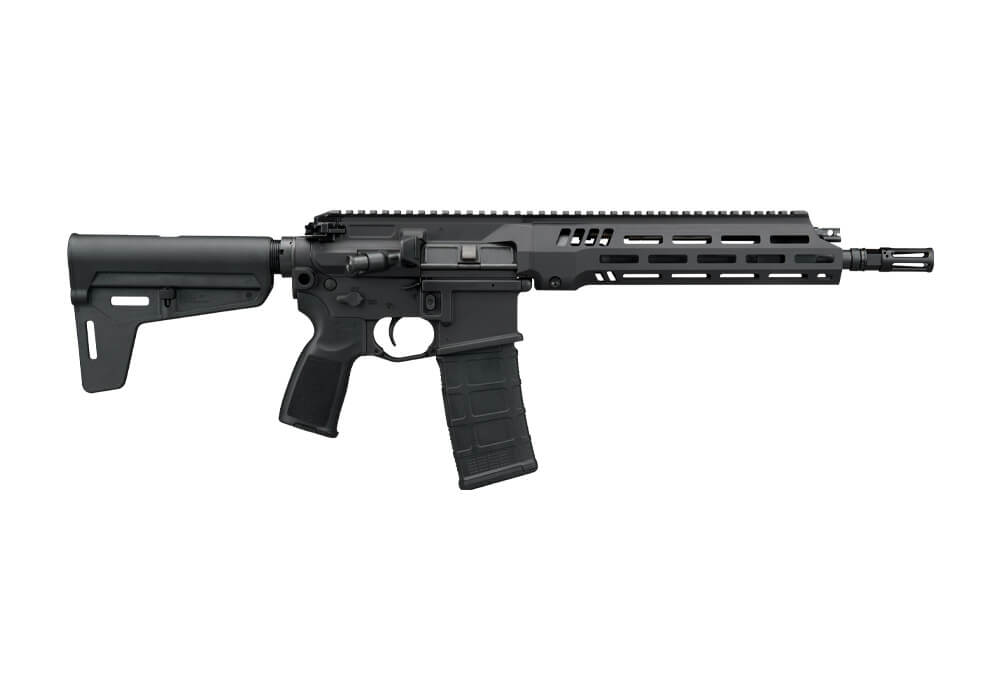
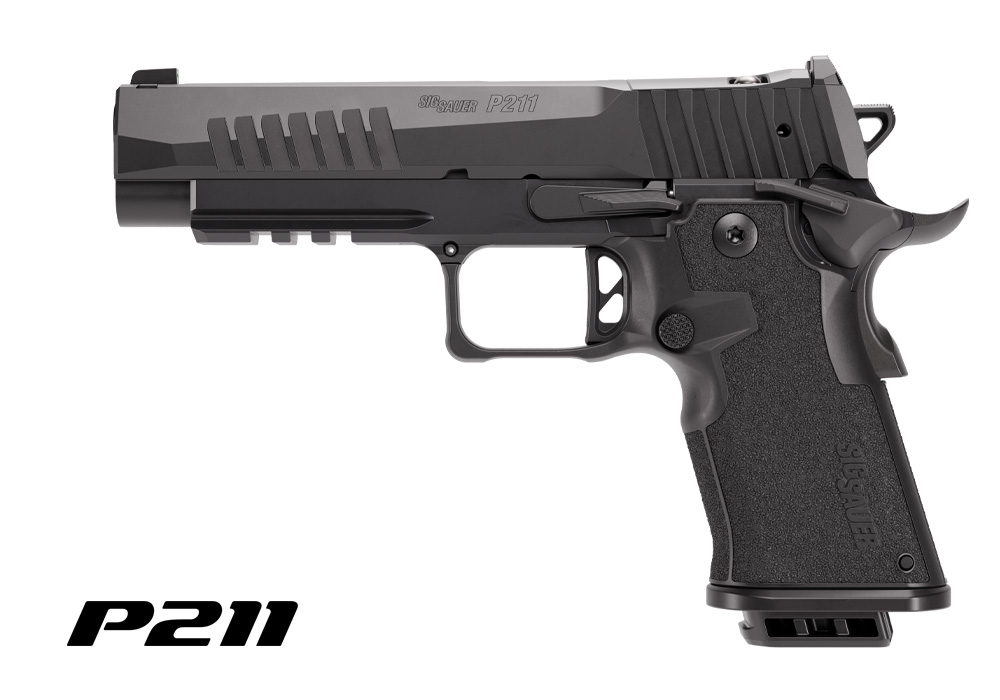
A .300 Blackout pistol can offer a compact hunting setup for wooded terrain, enclosed blinds, and other settings where space is limited. For fall hunting, that smaller footprint can be useful when carrying equipment along a brush-lined trail or settling into a position where a longer firearm would be cumbersome. Compact dimensions, however, are only one part of hunting suitability. Chambered for .300 AAC Blackout, these firearms need to be evaluated alongside the intended game, ammunition, barrel length, sighting system, and applicable hunting regulations. The cartridge supports both supersonic and subsonic ammunition, but those load types serve different purposes and should not be treated as interchangeable for hunting. Supersonic hunting loads generally offer more velocity and a flatter trajectory, while subsonic loads require particular attention to projectile design and the manufacturer’s stated performance requirements. A heavy bullet or a quiet report alone does not establish suitability for deer or other medium game. Reliable expansion depends on the projectile reaching its intended impact-velocity window, and a shorter barrel can affect the distance over which that remains possible. Roughly 100 to 150 yards is a common planning window for close-range .300 Blackout hunting, not a universal effective range or a promise of ethical performance. Actual limits may be shorter depending on the load, firearm, conditions, and hunter’s demonstrated accuracy. A narrow opening between hardwoods, a partly obscured animal, or a position that does not provide steady support can further restrict an appropriate shot. The strongest fit for this category is a hunter who values manageable dimensions while recognizing the importance of clear target identification, a safe background, and restraint. Autumn woods can provide both dense cover and unexpectedly long sightlines, so a compact firearm should be selected for the distances and conditions likely to occur rather than for size alone.
Materials, construction, and fit influence how a .300 Blackout pistol feels during a full day afield. Common construction approaches include aluminum structural components, steel barrels and operating parts, and polymer grips or other contact surfaces, with the exact combination varying by configuration. Protective finishes can help resist corrosion and surface wear, but no finish eliminates the need for care after exposure to damp leaves, rain, or condensation. A firearm that feels comfortable at a bench may feel different when carried with a pack, handled with gloves, or positioned inside a narrow blind. Overall weight, balance, grip shape, and the location of controls deserve consideration together, especially for hunters who spend more time carrying than shooting. Shorter length does not automatically mean easier handling; a front-heavy configuration or crowded accessory layout can feel awkward despite compact dimensions. Adequate room around the grip and controls helps preserve a consistent hold without interference from clothing. Sighting choices also affect the practical feel of the complete setup. A red dot sight can provide a simple aiming reference at closer distances, while a low-power variable optic can offer magnification for more deliberate viewing. Neither replaces the ability to identify game clearly, and useful sight performance depends on factors such as lens quality, reticle visibility, eye relief, and mounting compatibility. In the shaded understory of a fall woodland, an uncluttered sight picture can matter more than a long feature list. Hunters should also consider whether the sighting arrangement remains comfortable from the positions they actually use, rather than only from a shooting bench. A suppressor, where lawful, changes overall length, weight, and balance and may affect the handling advantages that initially attracted a shopper to a pistol-format firearm. It does not remove the need for appropriate hearing protection. Compatible accessories, secure attachment points, and a layout that avoids unnecessary bulk help keep the complete configuration suited to its intended field use.
Durability in a hunting firearm includes how well it holds up to ordinary use and how readily it can be inspected, cleaned, and stored afterward. Dust from a dry access road, moisture inside a hunting pack, and debris from woodland cover can all reach exposed surfaces. Manufacturer-recommended cleaning and lubrication help protect the firearm without relying on assumptions about what a particular finish or material can tolerate. After a damp outing, exterior surfaces and accessible areas should receive attention before storage, and the firearm should be stored securely once clean and dry. Ammunition also benefits from clear labeling and protected storage. Because .300 Blackout ammunition can resemble cartridges intended for other chambers, positive identification of the cartridge and the firearm’s chambering is essential; compatibility should never be assumed from appearance. Keeping ammunition organized is especially important in households where several firearm types are used. Legal suitability requires the same attention as mechanical fit. A firearm’s pistol classification does not automatically qualify it for every handgun hunting season or restricted hunting area. State rules may address cartridge requirements, firearm configuration, permitted sights, suppressor use, and the species being pursued, while additional requirements can apply on particular properties or managed lands. Those details should be confirmed before selecting a setup for a specific hunt. The High Performance 300 Blackout Pistols collection offers a related category to explore with those field requirements in mind. For experienced hunters considering a compact firearm, the most useful comparison is between complete configurations rather than isolated dimensions: the firearm, suitable hunting ammunition, sighting equipment, and carrying arrangement all contribute to the result. If a firearm is being considered as a gift, the recipient’s eligibility, preferences, and applicable transfer requirements are essential considerations. A successful choice ultimately fits the hunter’s lawful use, physical comfort, maintenance habits, and realistic shooting limits, with compactness serving the hunt rather than defining it.