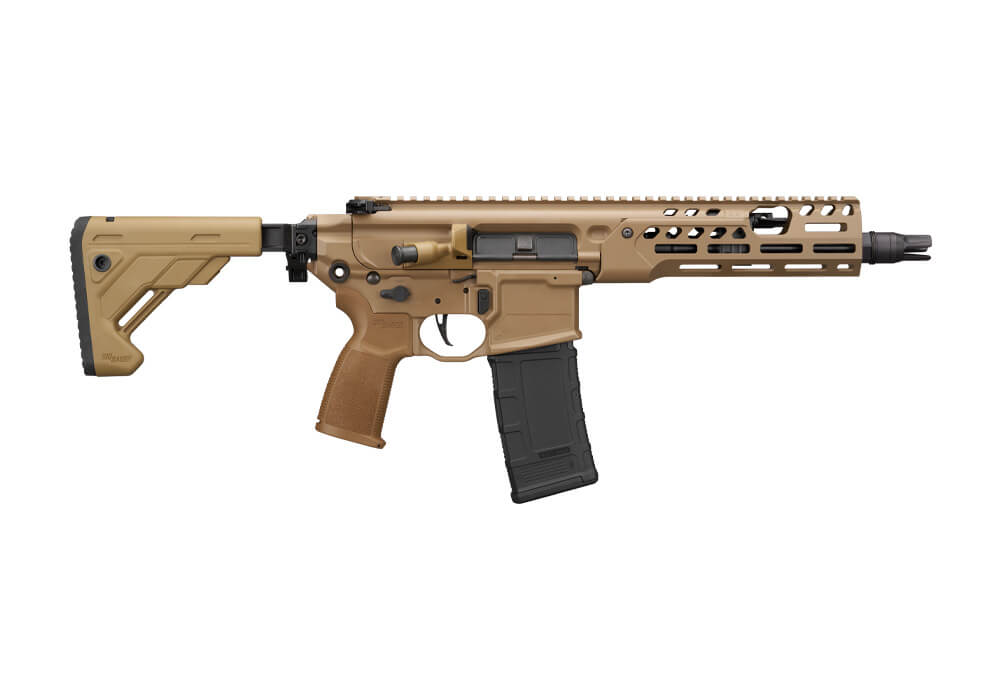
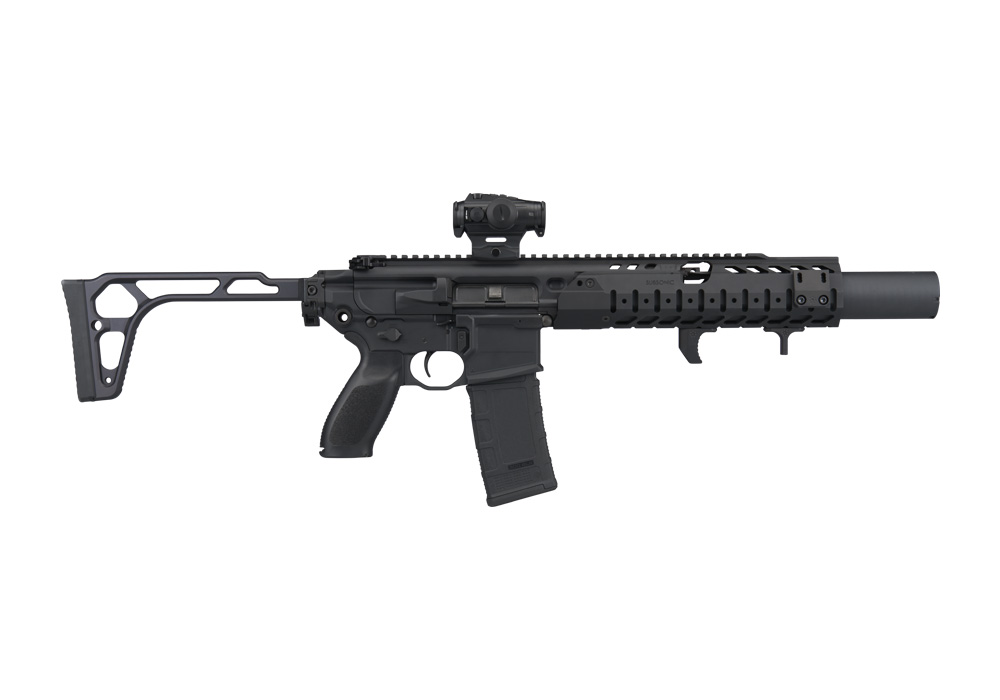
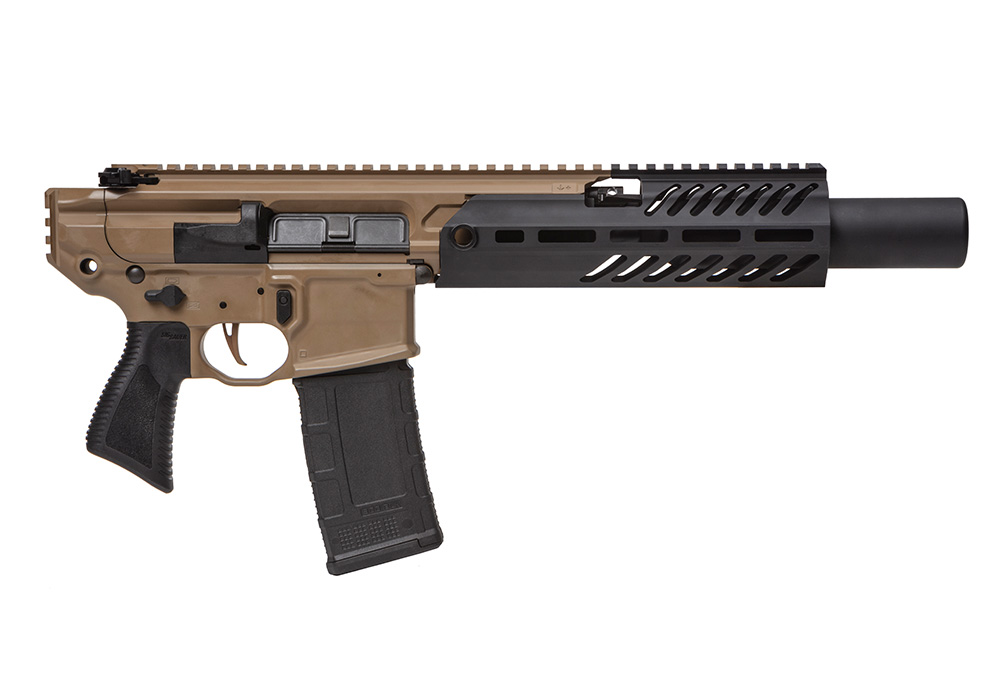
Range-ready .300 Blackout carbines are built for shooters who want a compact, adaptable platform that can serve a variety of roles at the range. The cartridge was designed to perform well from shorter barrels, making it a natural fit for compact carbines and short-barreled rifles while retaining useful performance with both subsonic and supersonic ammunition. Subsonic loads are generally selected for a softer, quieter shooting experience when paired with a properly installed suppressor, while supersonic loads provide a flatter trajectory and greater downrange energy for many recreational and training applications. That flexibility is one of the main reasons .300 Blackout remains popular with experienced shooters, first-time carbine owners, and anyone assembling a practical range setup around a compact firearm. When comparing options, consider the barrel length, operating system, stock or brace configuration where applicable, handguard space, optic mounting surface, and the controls that matter most to your shooting style. A folding stock can make transport convenient, while a rigid stock may provide a familiar and consistent cheek weld during longer practice sessions. Ambidextrous controls are useful for left-handed shooters and for anyone who trains from either side of a barricade. A well-designed handguard gives you room to mount a light, sling, or other compatible accessory without making the carbine feel unnecessarily bulky. Shooters often appreciate how a compact .300 Blackout setup settles naturally into the shoulder during drills, moves easily between targets, and remains manageable when practicing from a bench, standing position, or supported field stance. For those exploring an even more compact configuration, the collection of Compact 300 Blackout SBRs offers a focused way to compare products built around the same short-platform advantages, subject to all applicable laws and regulations.
A key purchase consideration is how you plan to use the carbine and which ammunition you expect to shoot most often. Before loading, confirm that the firearm is chambered specifically for .300 Blackout and that every magazine is clearly marked for that cartridge. .300 Blackout and 5.56x45mm ammunition can use similar-looking magazines and may appear deceptively alike at a glance, but they are not interchangeable in every firearm; keeping dedicated, unmistakably labeled magazines is an important safety practice. It is also wise to separate ammunition by caliber in storage and at the range, and to verify the headstamp or packaging before each session. If you intend to alternate between heavy subsonic loads and lighter supersonic loads, pay close attention to the manufacturer’s recommendations for ammunition, gas settings, and suppressor use. Some configurations include adjustable gas regulation, which can help tune cycling when changing between ammunition types or shooting with and without a suppressor, but adjustment procedures should always follow the owner’s manual. A suppressor can change the sound, balance, back pressure, and handling characteristics of a firearm, so allow time to confirm reliable function and point of impact before beginning a serious practice session. Optics deserve equal attention. A compact red dot can keep the sight picture quick and uncluttered at typical carbine distances, while a low-power variable optic may be useful for shooters who want more flexibility as distances increase. Whatever sighting system you choose, check that the mount is secure, the reticle is easy to see in the lighting conditions where you shoot, and the zero is confirmed with the ammunition you plan to use. Range-ready does not mean every setup fits every shooter immediately; the best choice is the one that feels balanced, places the controls within reach, and supports repeatable fundamentals without excessive adjustment.
These .300 Blackout carbines can appeal to a wide range of responsible owners, from a recreational shooter looking for a compact platform for weekend practice to an experienced enthusiast refining a suppressed setup or building a dedicated training rifle. They can also be thoughtful gifts for an eligible adult who already participates in shooting sports, provided the transfer, ownership, storage, and background-check requirements in the recipient’s jurisdiction are fully understood. A firearm should never be given casually or without confirming that the recipient can lawfully possess it and has access to appropriate instruction, secure storage, and suitable range facilities. For a new owner, useful additions may include clearly labeled magazines, quality eye and ear protection, a sturdy case, a properly fitted sling, a safe storage solution, and professional instruction from a qualified trainer. During the warmer part of the year, a compact carbine is easy to bring to an outdoor range for slow-fire zeroing, positional practice, and controlled drills; during cooler months, it remains a practical choice for indoor range sessions and structured training days where space and maneuverability matter. Take time to establish a safe loading and unloading routine, keep the muzzle pointed in a safe direction, maintain trigger-finger discipline, and inspect the firearm before and after use. A simple first session can be as rewarding as an ambitious drill: settle behind the rifle, confirm the optic, fire a careful group, and note how the carbine tracks and returns to the target. From there, you can evaluate recoil, trigger feel, magazine changes, sling placement, and suppressed or unsuppressed performance at a measured pace. Selecting a .300 Blackout carbine with dependable controls, a comfortable configuration, and compatibility with your intended ammunition gives you a solid foundation for safe, repeatable range time through every season.