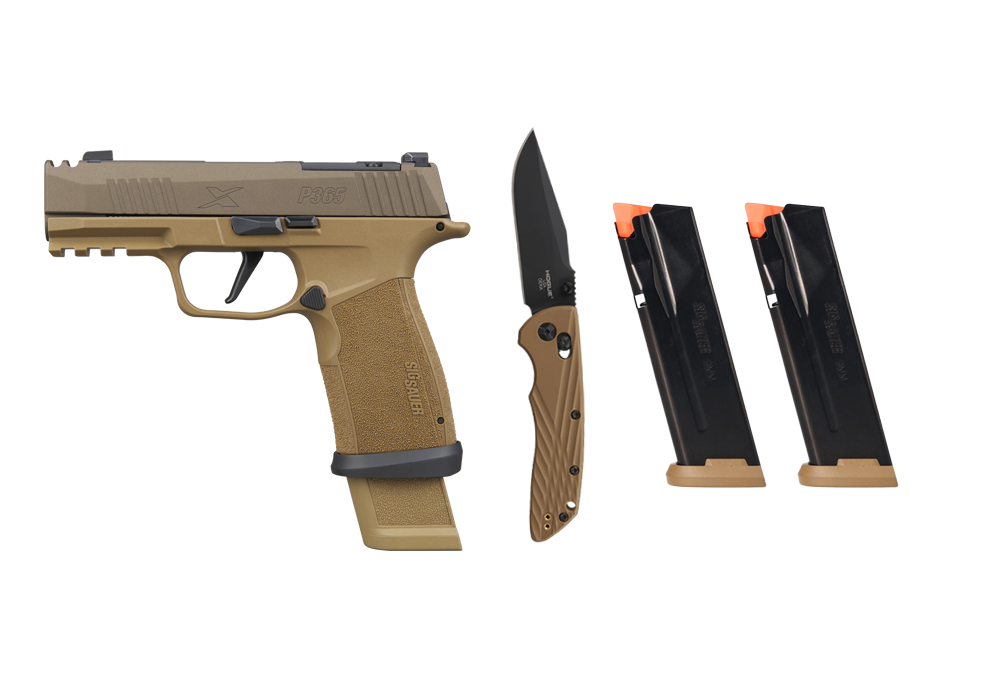
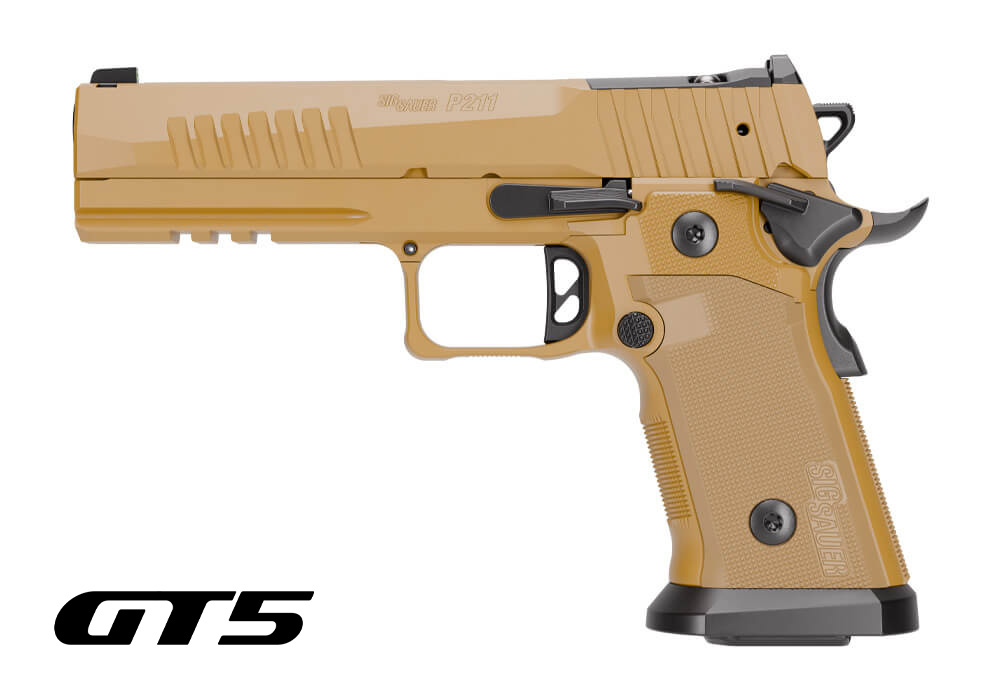
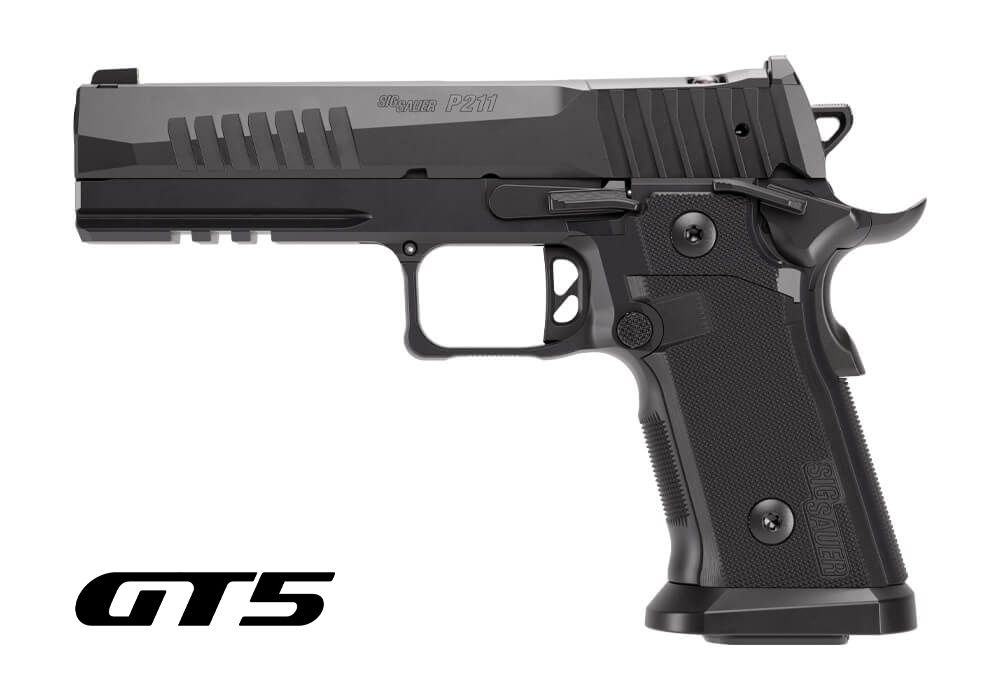
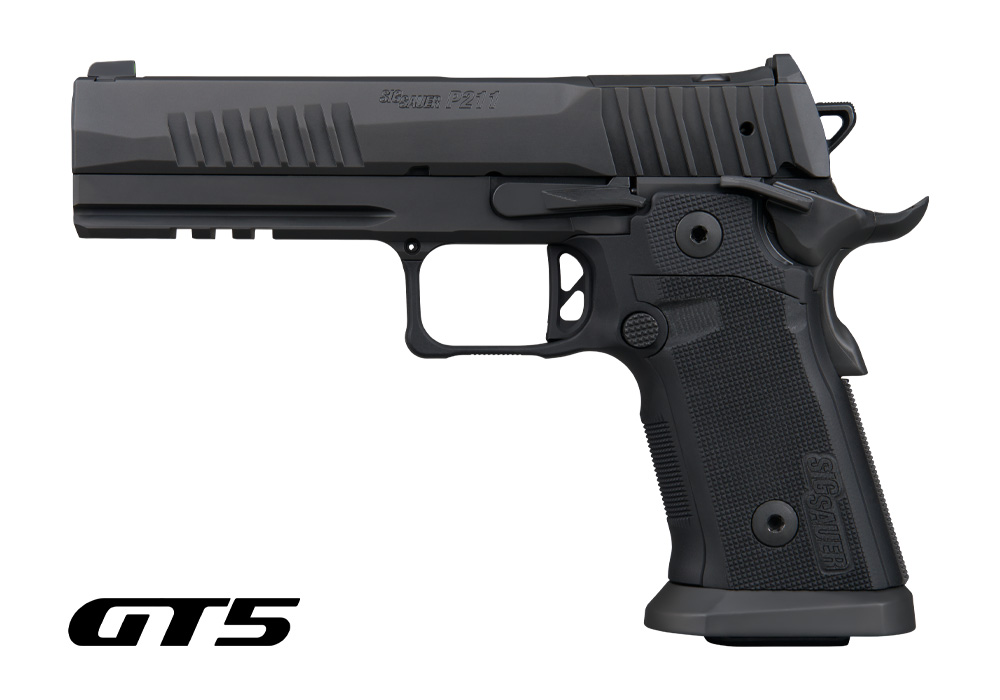
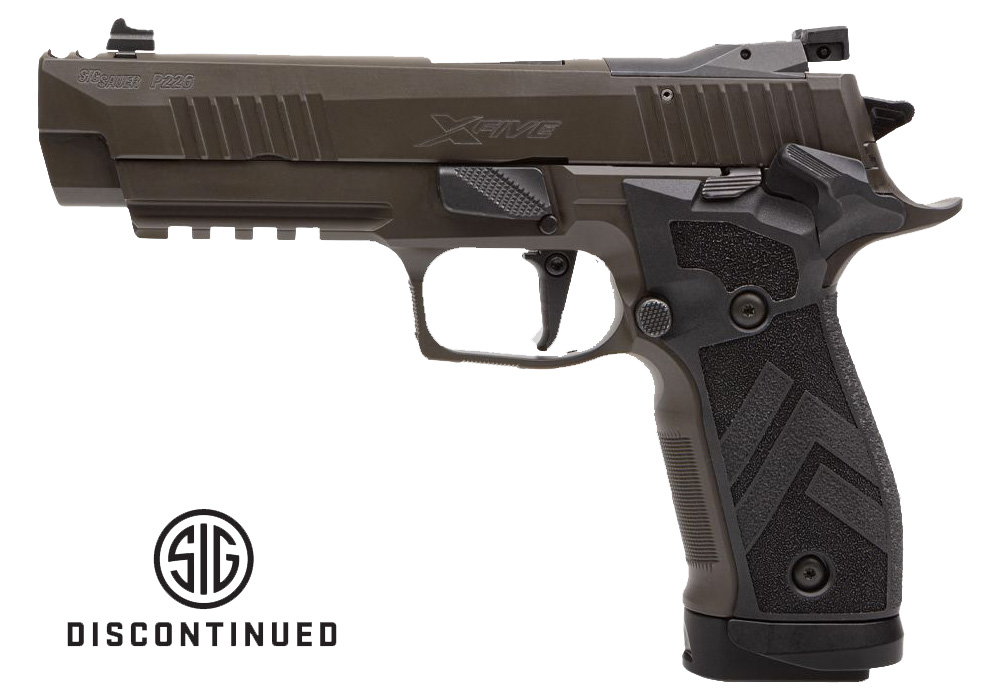
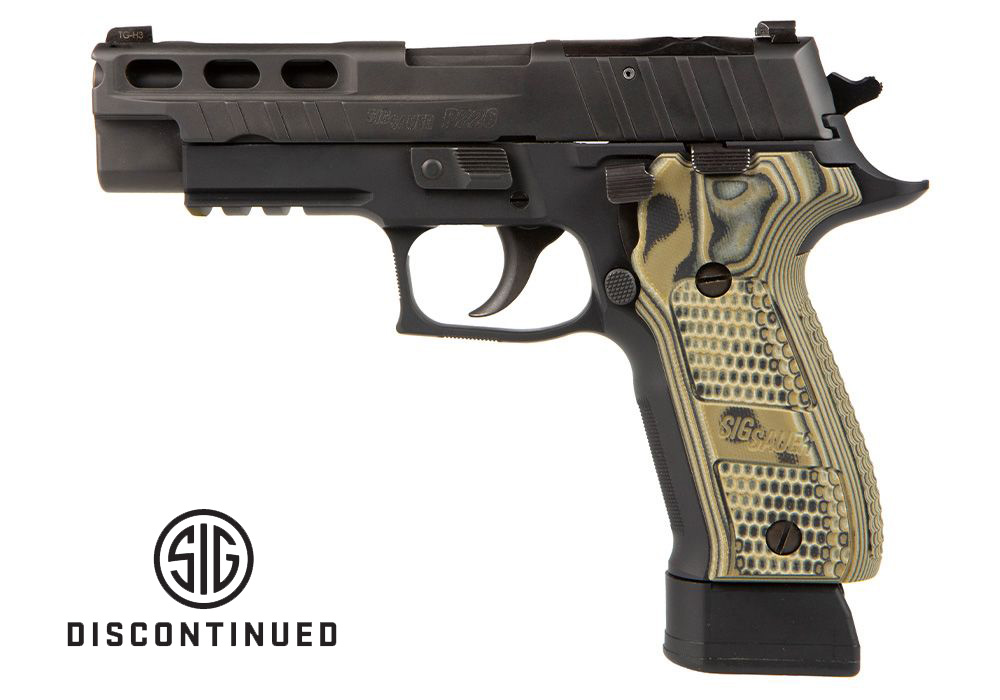
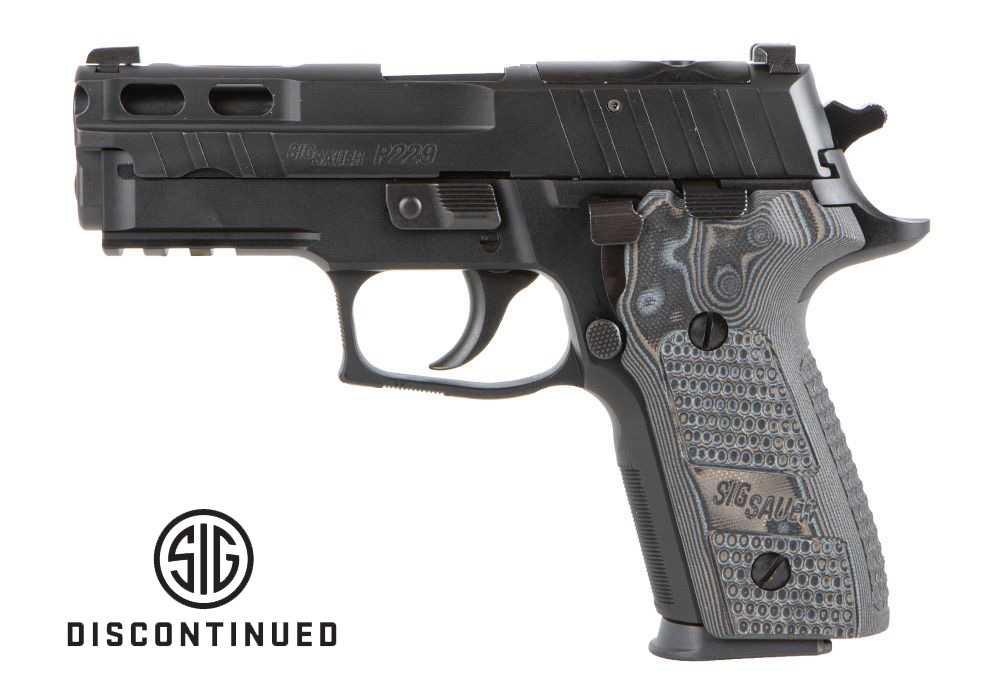
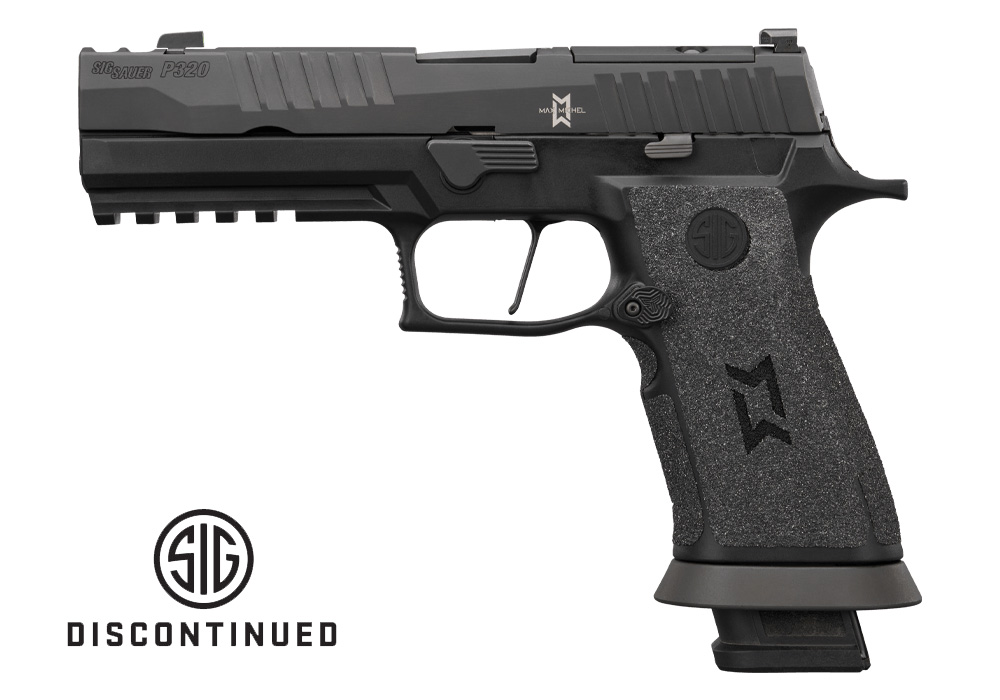
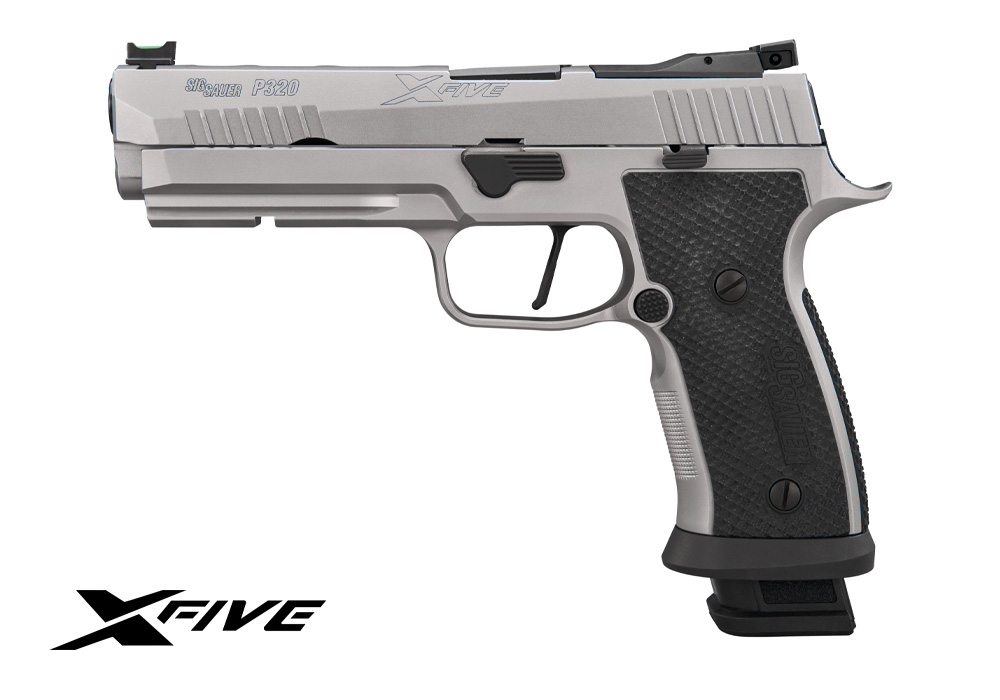
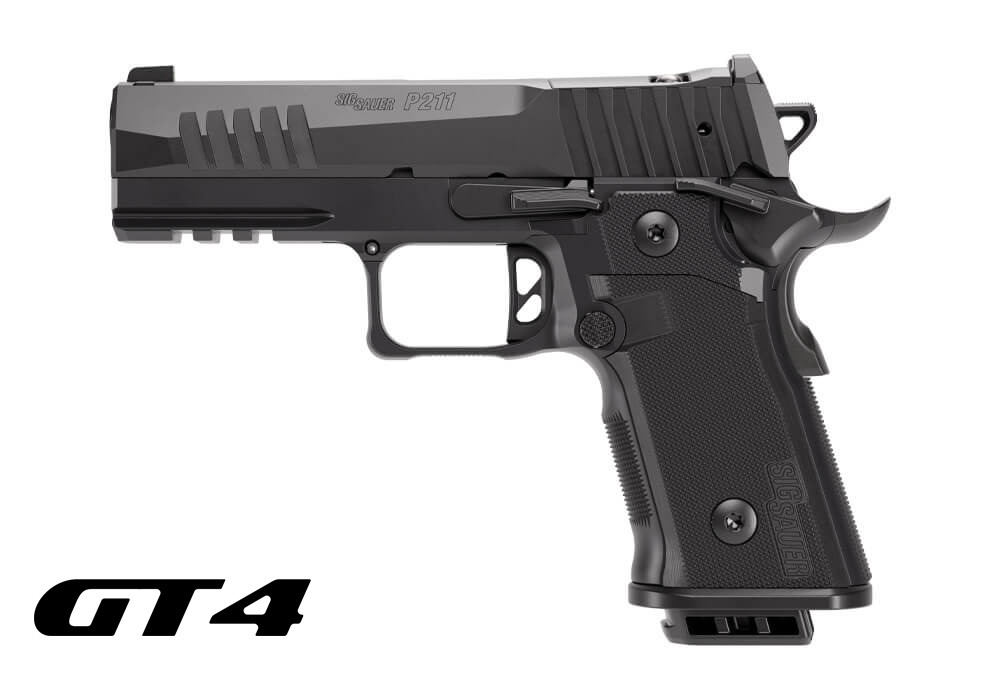
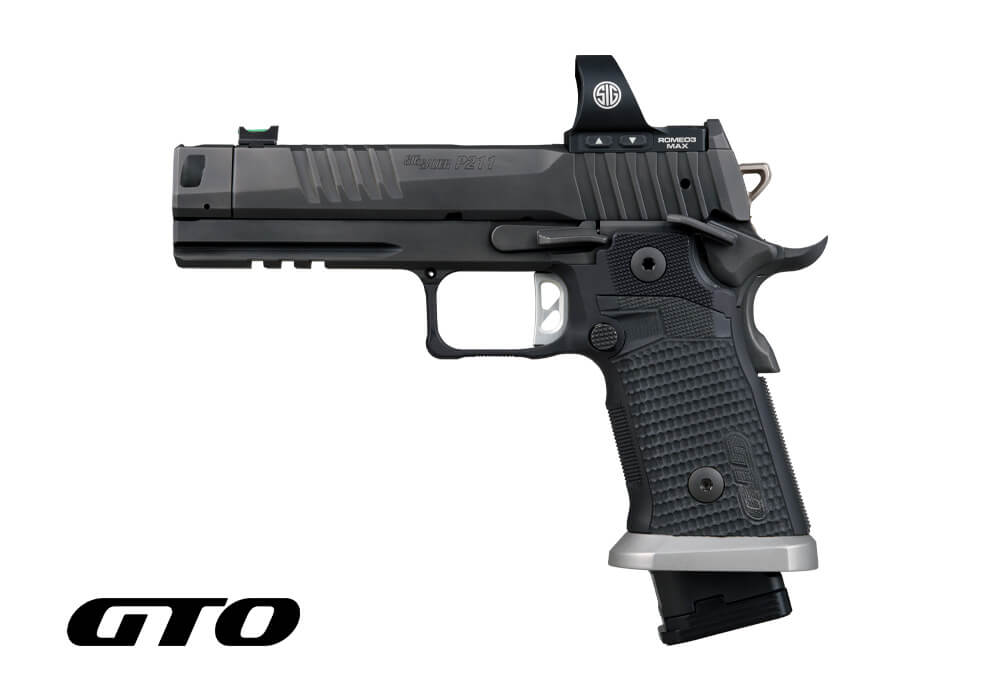
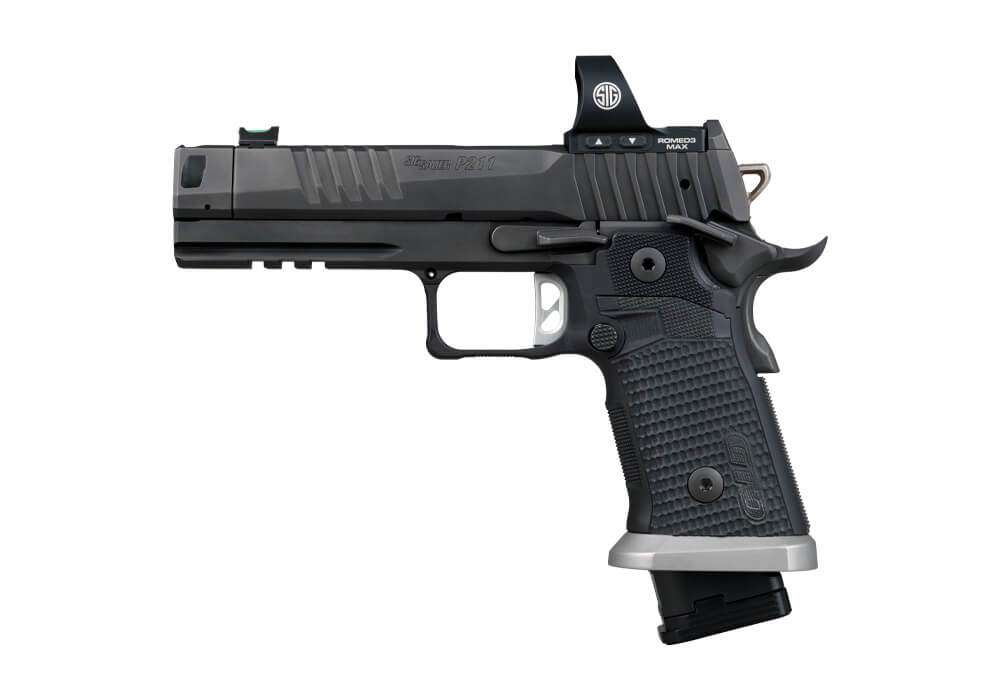
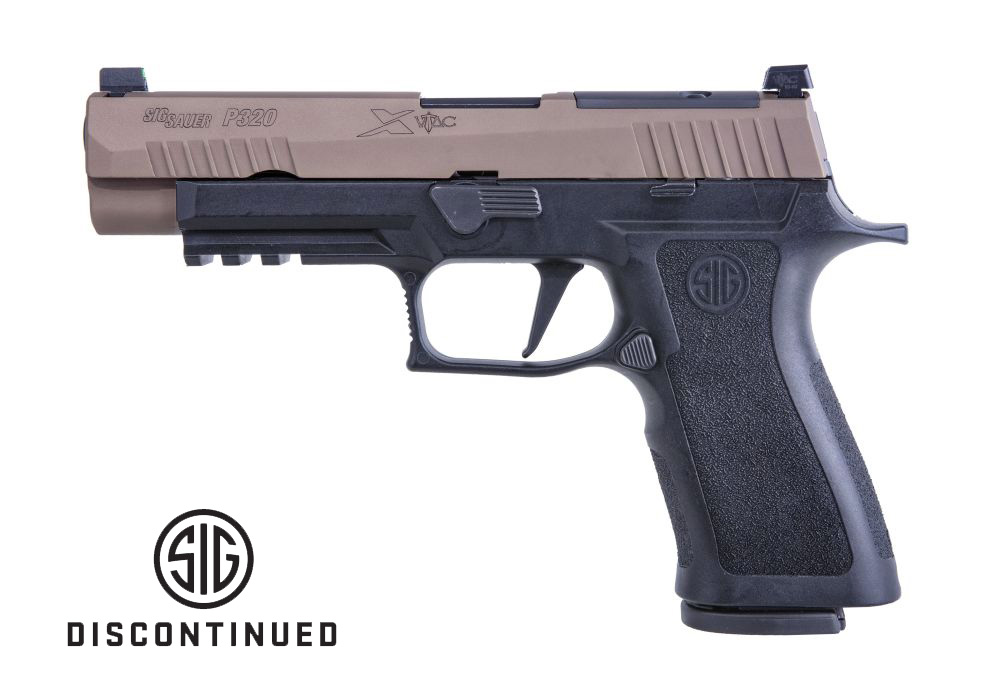
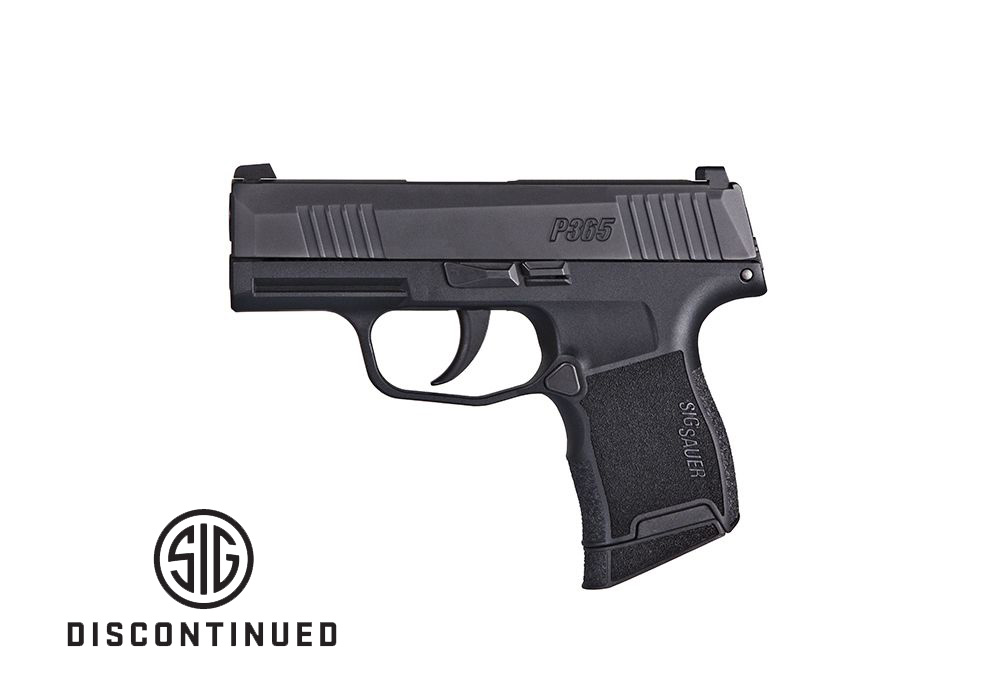
9mm pistols with tactical advantages bring together the practical features many shooters look for in a modern defensive or duty-oriented handgun. The 9mm cartridge offers a useful balance of manageable recoil, effective performance, broad ammunition availability, and compact dimensions that allow many pistols to provide a generous standard or extended capacity without an oversized grip. For new shooters, that manageable recoil can make it easier to maintain a consistent sight picture and deliver accurate follow-up shots during structured practice. For experienced users, it can help reduce fatigue during longer training sessions, especially when working through drills that involve movement, positional changes, or repeated presentations from a holster. The best choice depends on how the pistol will be used, where it will be carried or stored, and which controls feel natural in the hand. Pay close attention to grip circumference, texture, trigger reach, slide serrations, and the location of the magazine release and slide stop. A pistol should feel secure without requiring excessive pressure from the fingers, and the controls should be accessible without forcing the hand out of position. Interchangeable backstraps or grip modules can be particularly useful for accommodating different hand sizes or refining the fit for a specific shooter. A well-fitting 9mm pistol often inspires more confident practice: the draw feels repeatable, the front sight settles quickly, and the shooter can concentrate on fundamentals instead of managing discomfort.
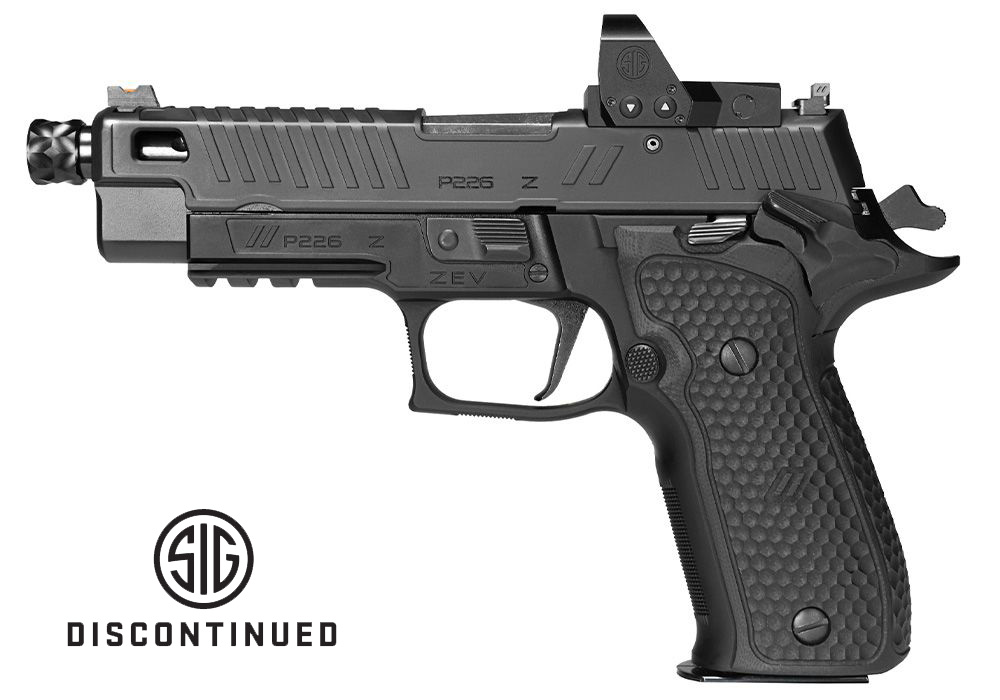
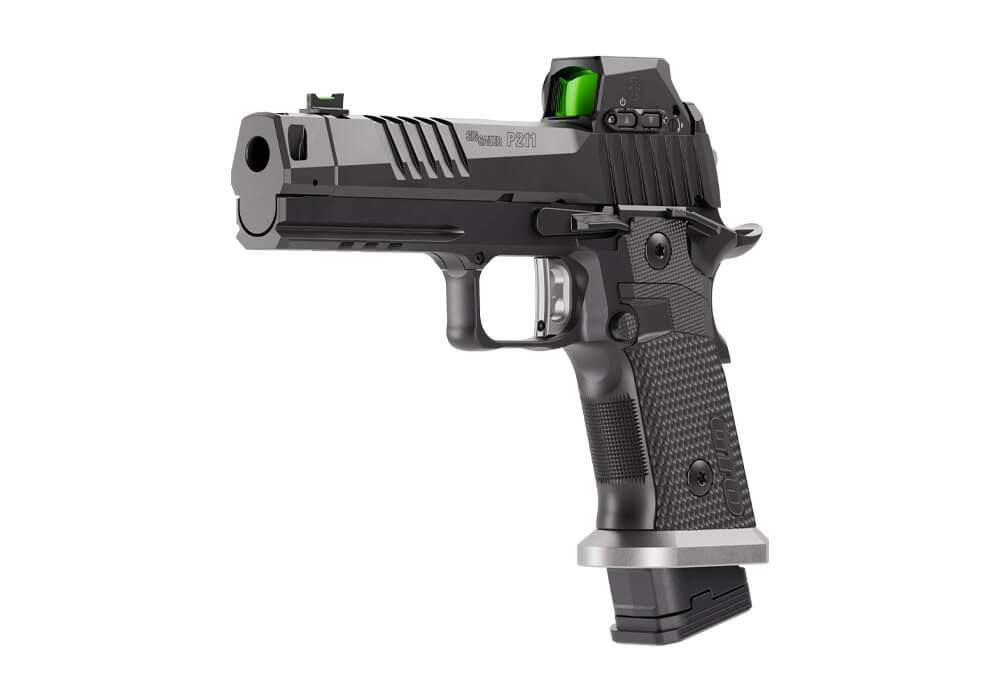
Tactical-ready features can make a 9mm pistol more adaptable as equipment needs change. An optics-ready slide allows a compatible miniature red dot sight to be mounted directly through a properly fitted plate system, giving users another aiming option and helping many shooters acquire the sight picture quickly. A pistol selected for optics use should be evaluated for mounting footprint compatibility, sight height, backup sight arrangement, and the availability of a durable, holster-friendly optic. Integrated accessory rails support weapon-mounted lights and other compatible equipment, which can be useful for authorized home-defense setups, professional applications, and training environments where positive target identification is essential. A rail-mounted light should be selected with attention to activation controls, battery access, holster compatibility, and safe handling procedures; illumination is not a substitute for identifying what lies beyond a potential target. Threaded-barrel configurations may accommodate compatible sound suppressors or compensators where legally permitted, while suppressor-height sights can preserve a usable sight picture when an accessory is installed. These features are not necessary for every owner, and additional equipment can affect balance, maintenance, concealment, and overall cost. Consider the complete system rather than focusing on a single specification. The pistol, magazines, optic, light, holster, belt, and ammunition should work together reliably, and any modification should be installed according to the manufacturer’s instructions by a qualified professional when appropriate. During the cooler months, layered clothing and changing outdoor conditions may also influence holster selection, grip access, and the way equipment is carried during range practice. A straightforward setup that is comfortable, dependable, and easy to inspect is often more useful than a collection of accessories that adds complexity without supporting the intended role.
These pistols may suit responsibly trained adults who want a versatile platform for range work, lawful personal protection, competition, professional duty, or preparedness. They can also be considered as a gift for an experienced shooter, provided the recipient’s preferences, local laws, and transfer requirements are fully respected. Firearms should never be given casually or shipped directly to an individual outside the required legal process; the recipient should be able to complete any applicable background check, waiting period, registration, or licensing steps through a properly authorized dealer. New owners benefit from professional instruction that covers the four fundamental rules of firearm safety, loading and unloading procedures, storage, malfunction response, and safe holster use. Regular practice with quality training ammunition helps build familiarity, while occasional testing with the chosen defensive load can confirm reliable feeding and realistic point of impact. Inspect magazines, sights, optics, screws, and mounting hardware as part of a consistent maintenance routine, and follow the care instructions supplied with the pistol. Secure storage is equally important: use a suitable locked container or approved locking device, keep ammunition controlled, and prevent unauthorized access by children, visitors, or anyone who should not handle the firearm. Buyers comparing options in this category may also want to review related configurations through 9mm Pistols With Heightened Performance while considering the balance of size, controls, sighting system, accessory support, standard or extended capacity, and total ownership cost. Whether the pistol remains in a range bag, rides in an approved holster, or serves as part of a carefully planned home-defense arrangement, its greatest advantage comes from a sound fit, responsible ownership, and practice that makes safe handling automatic.