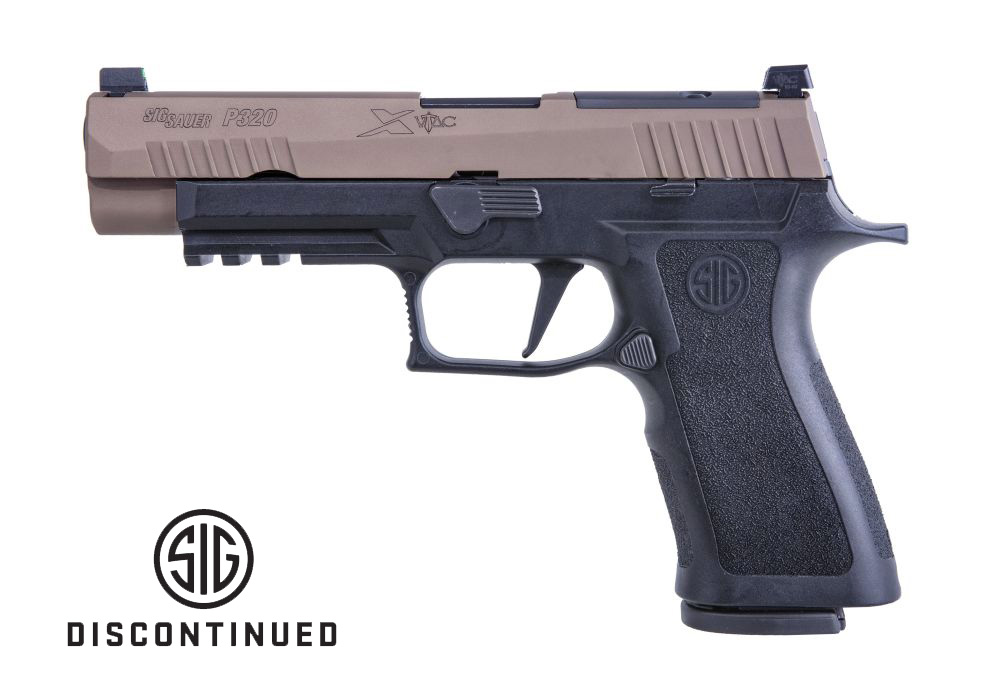
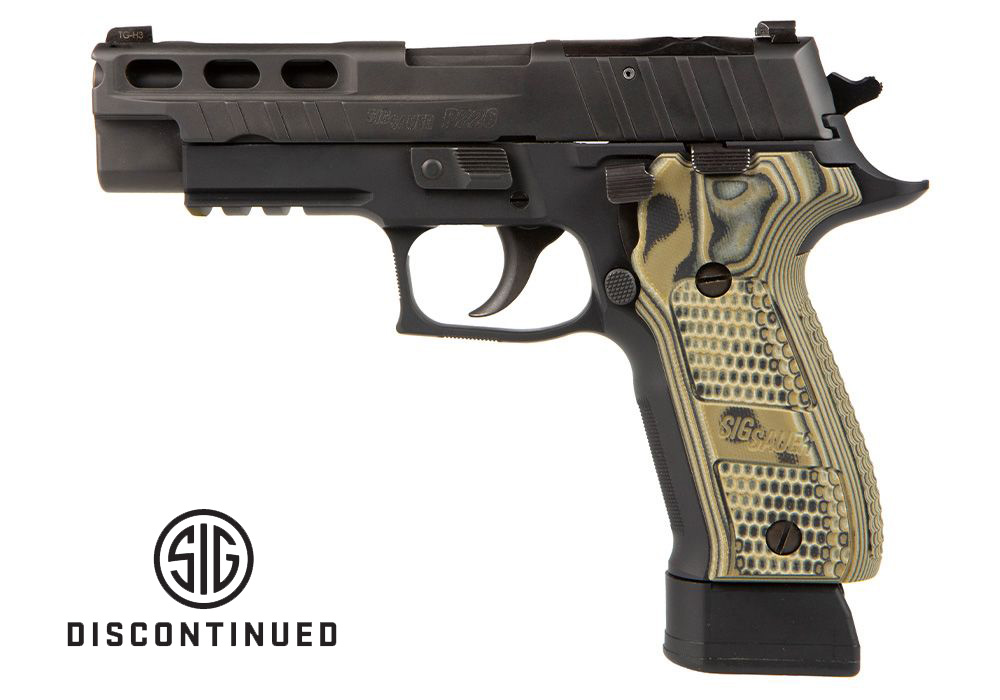
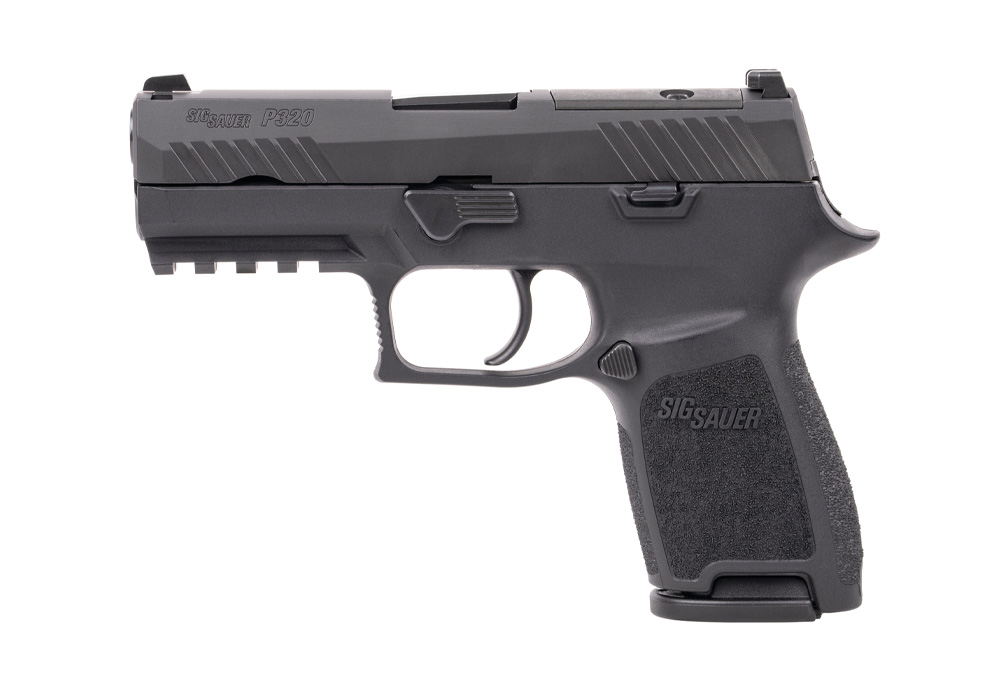
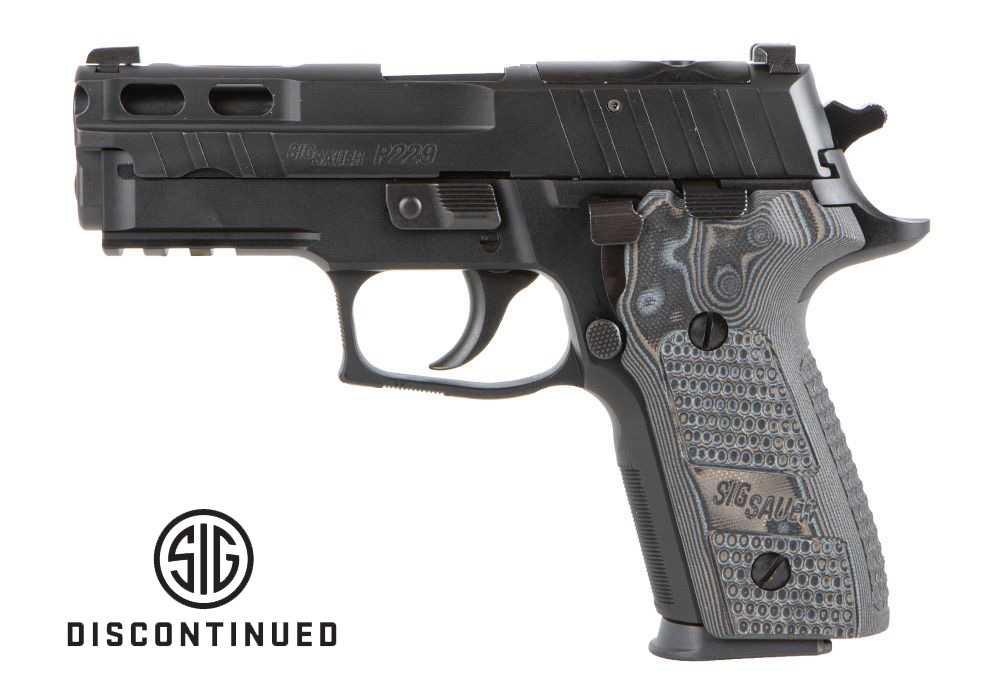
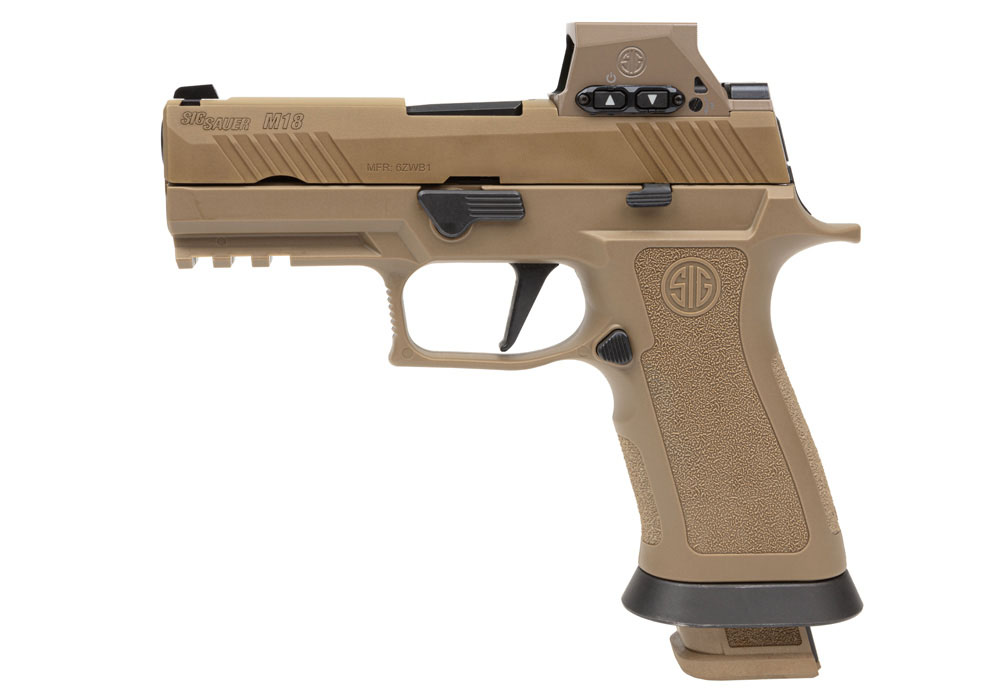
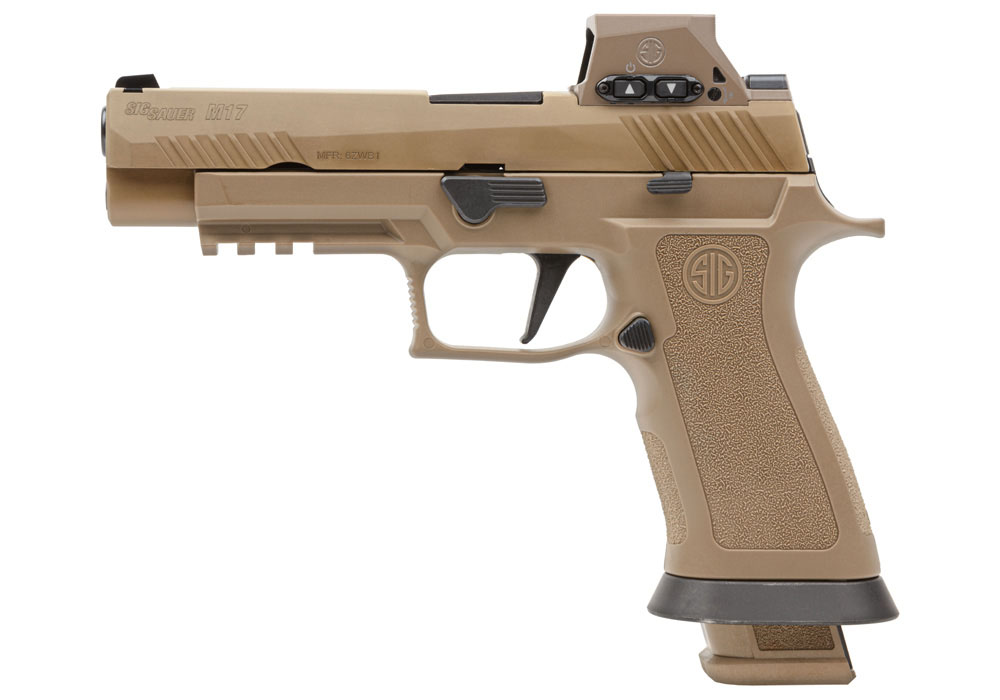
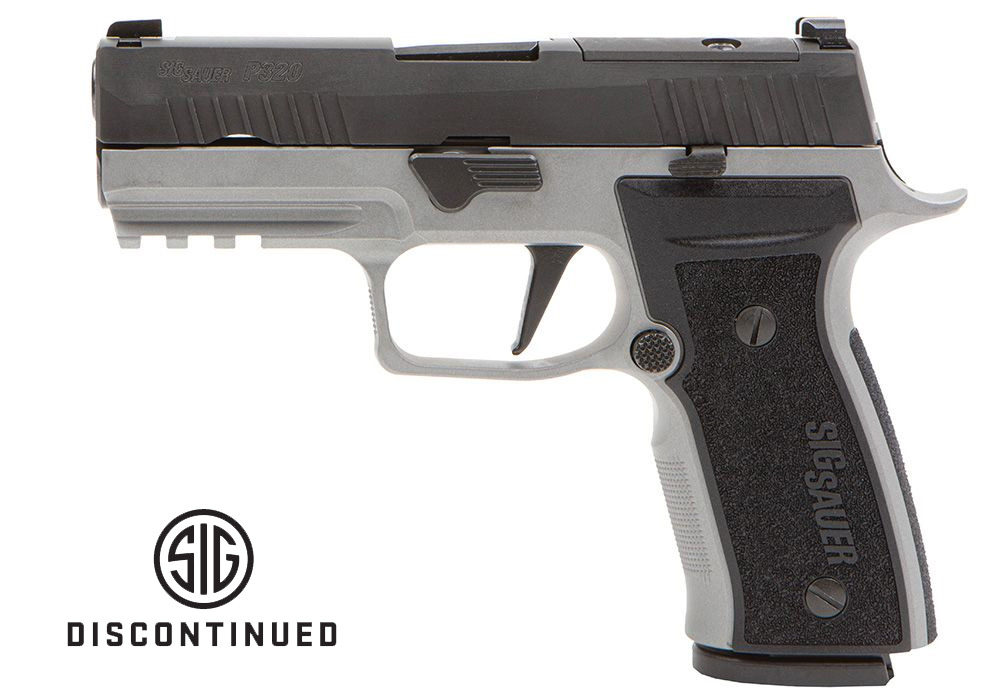
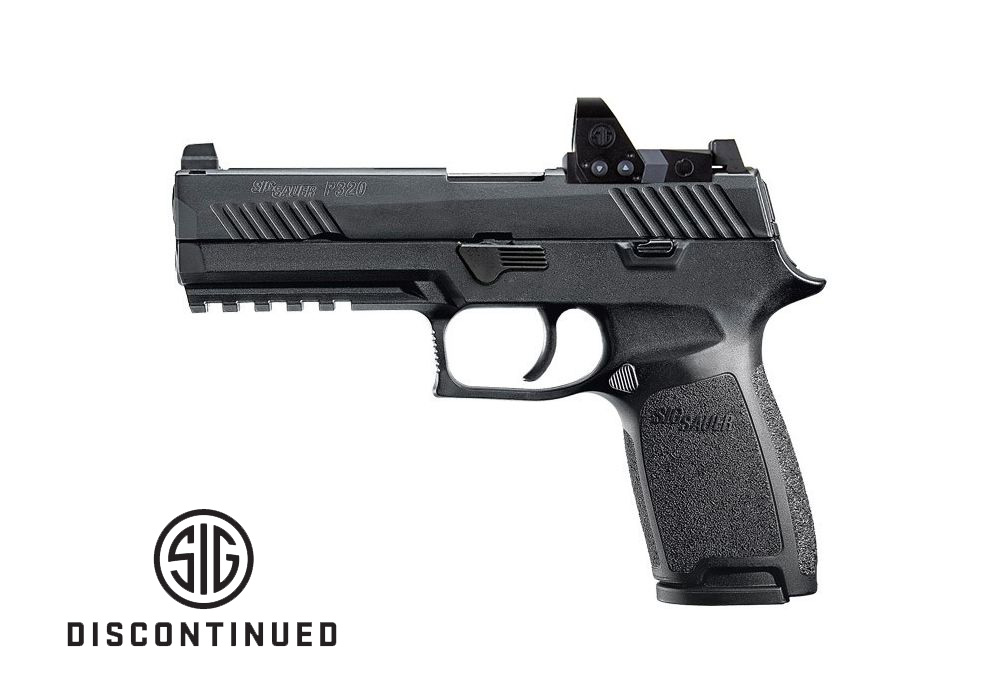
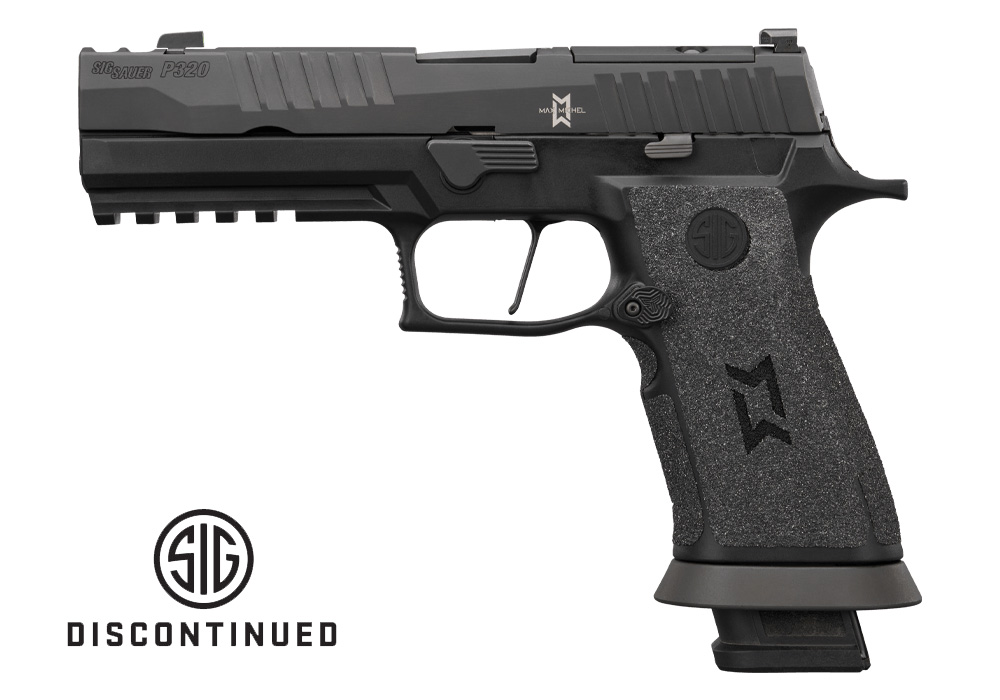
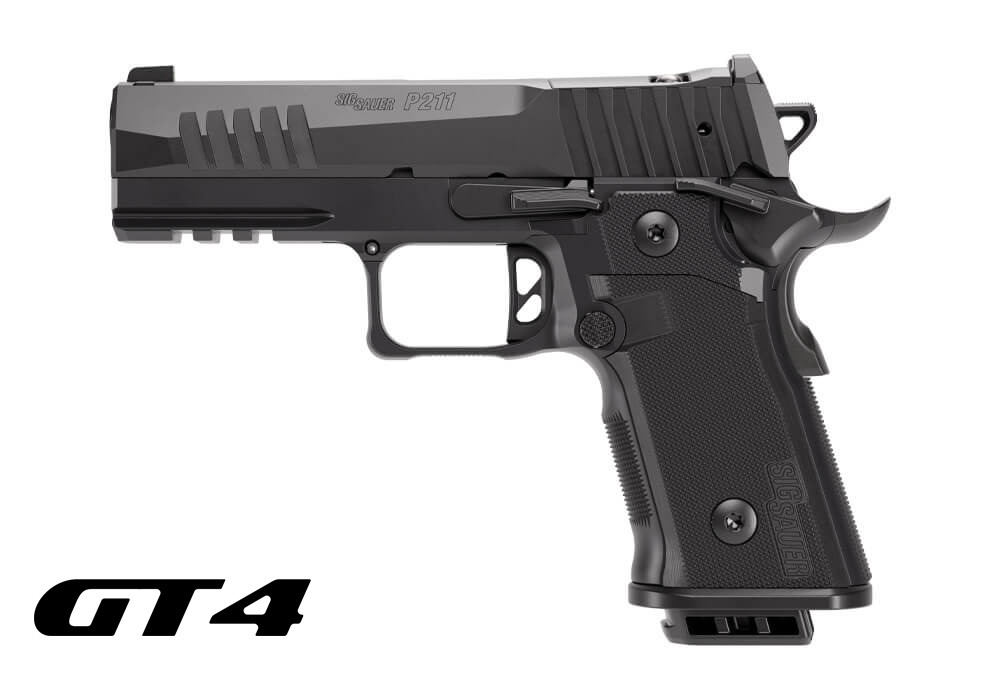
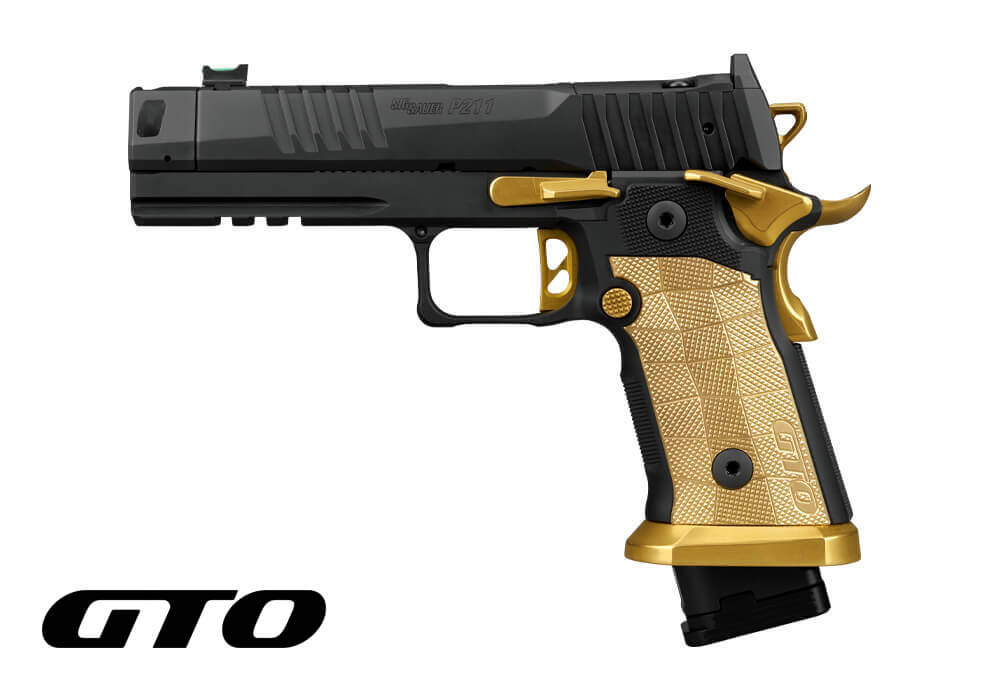
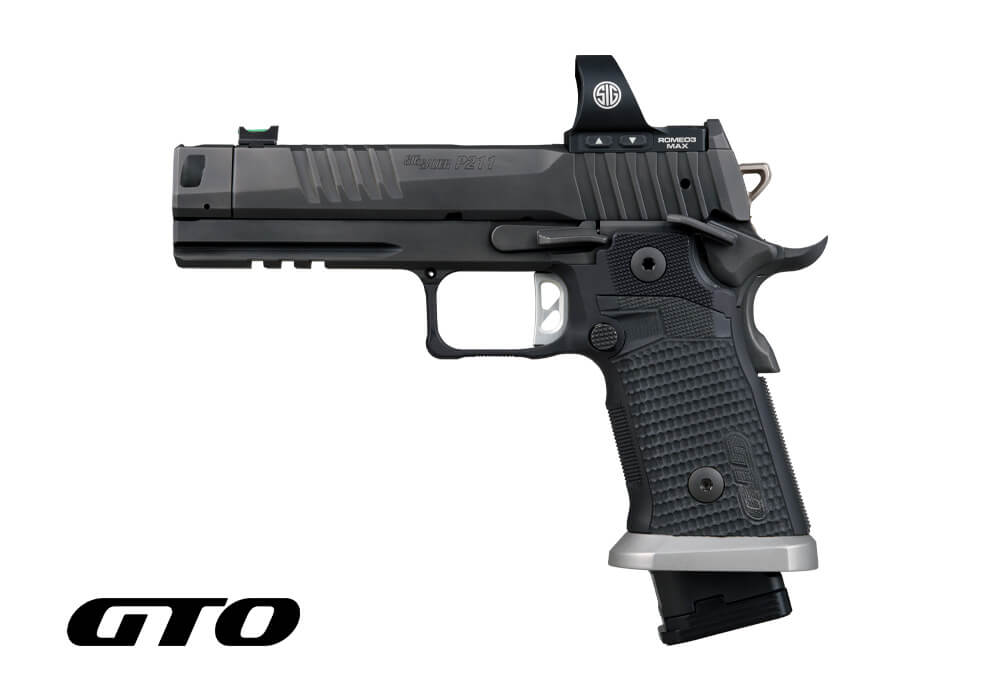
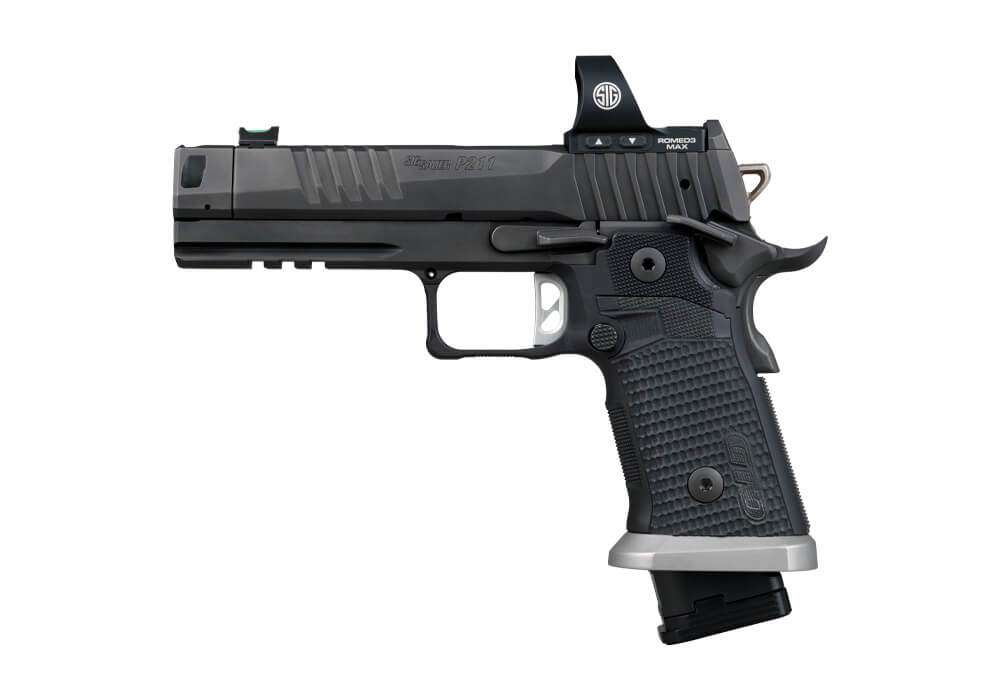
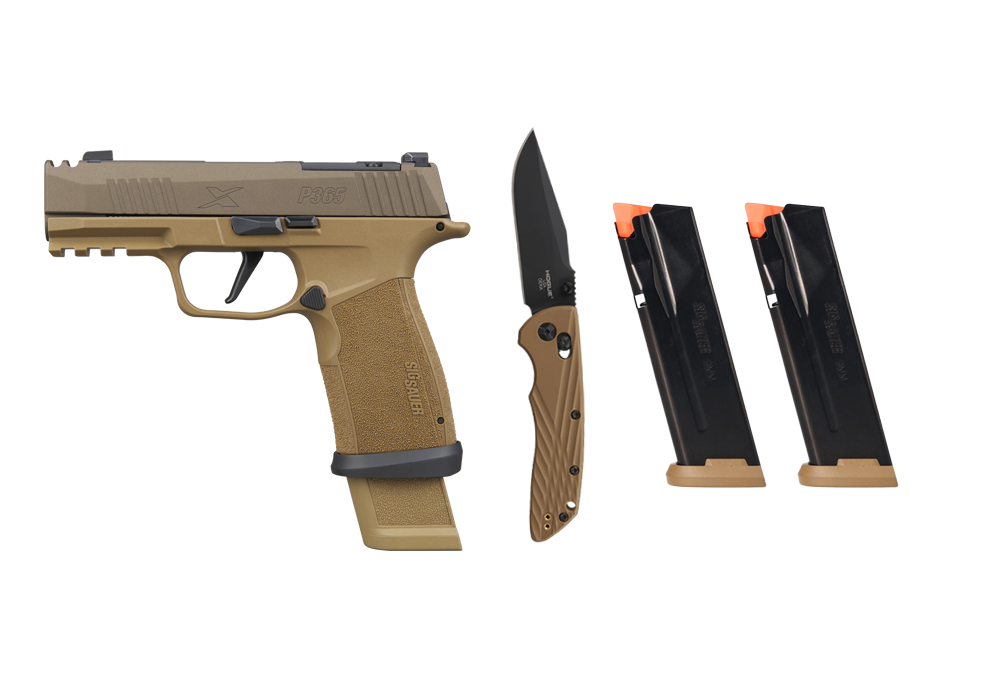
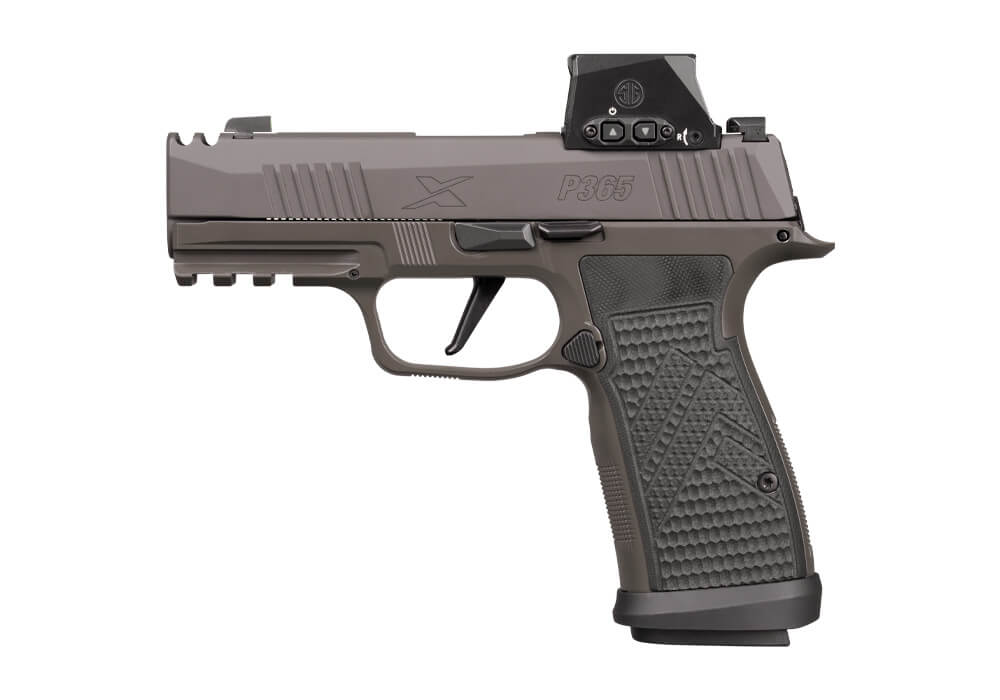
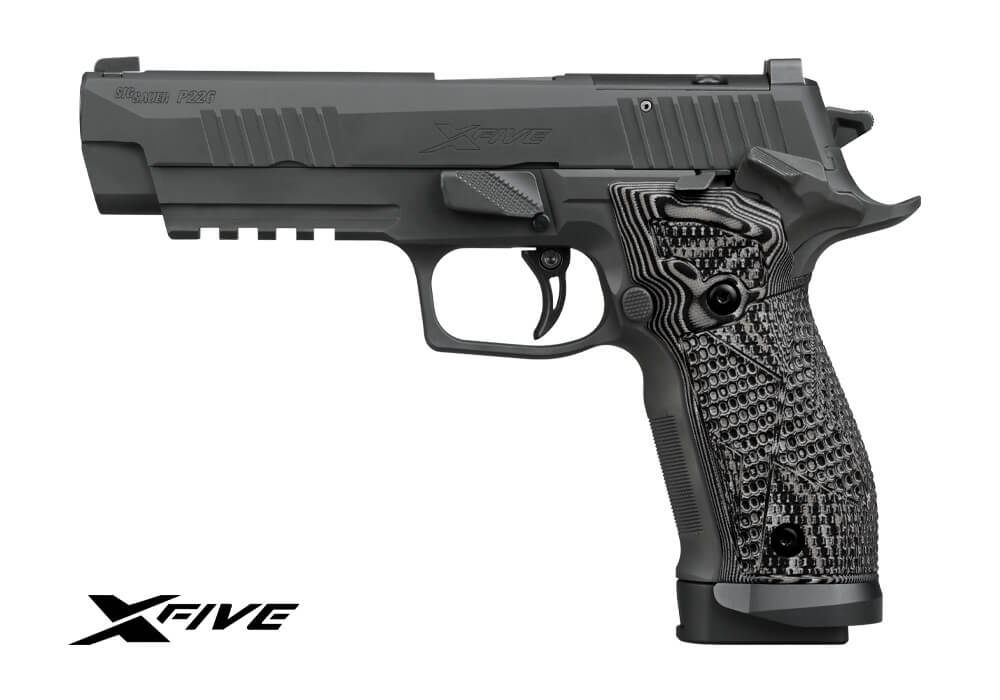
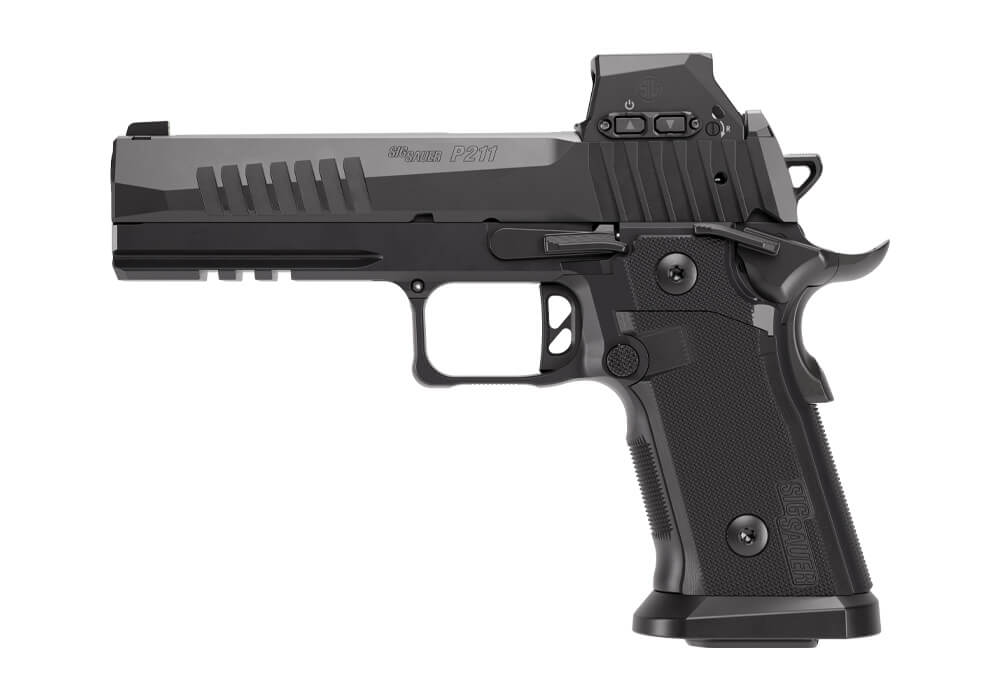
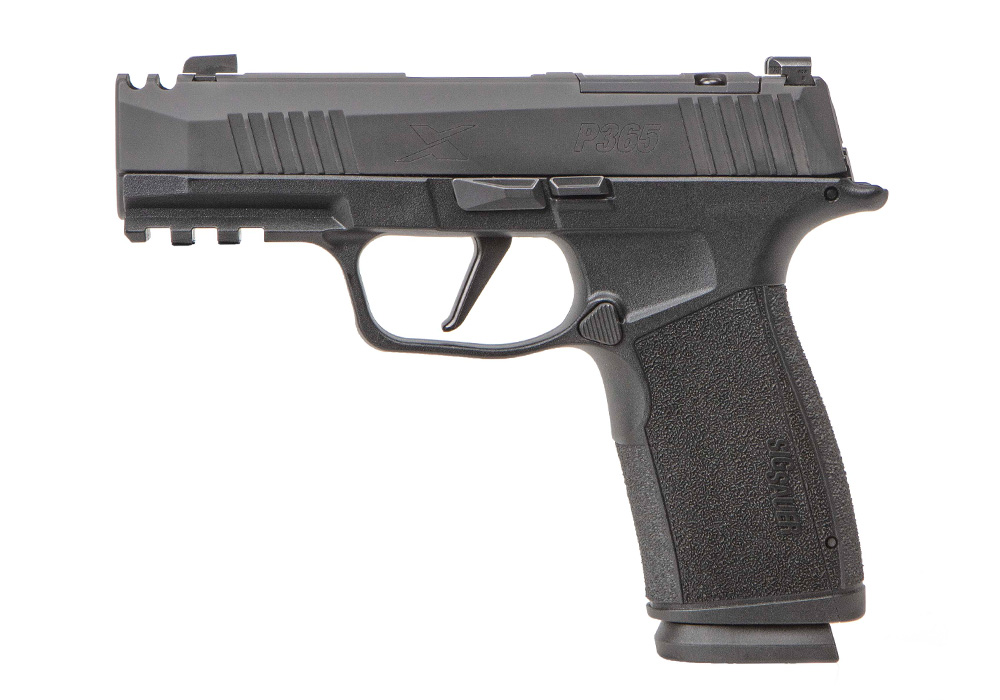
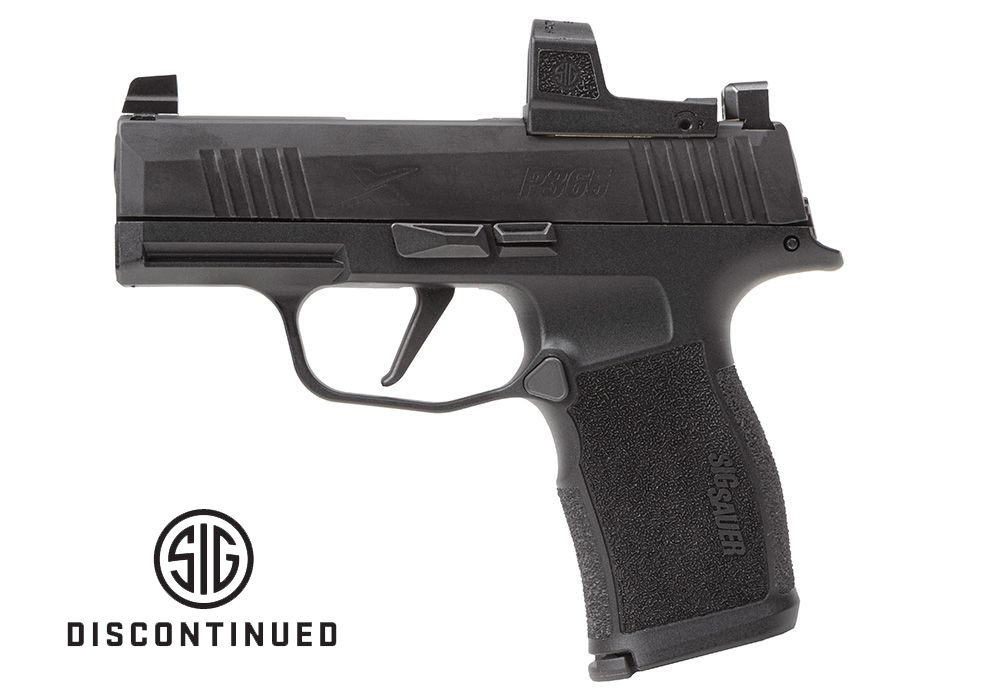
9mm pistols with tactical features combine the familiar handling characteristics of a widely used handgun caliber with equipment-oriented details such as optics-ready slide cuts, accessory rails, threaded barrels, and integrated compensators. Depending on the configuration, these features can support an electronic sight, a compatible light or laser, suppressor compatibility, or reduced muzzle movement. Not every pistol includes every feature, and the term “tactical” describes a collection of design choices rather than a single technical standard. The most meaningful differences are often visible in the relationship between the slide, frame, sights, and controls. An optics-ready slide provides a mounting interface for compatible sights, but mounting patterns, plate requirements, and sight heights vary. An accessory rail provides an attachment interface, though rail dimensions and accessory fit still matter. A threaded barrel introduces additional compatibility considerations, including thread specifications and the requirements of any intended accessory. Integrated compensators address muzzle movement through the pistol’s design, with performance dependent on the overall configuration and ammunition. These details sit alongside fundamentals that remain important on any handgun: comfortable grip dimensions, clearly defined controls, dependable function, and construction suited to its intended role. Polymer frames can help limit overall weight, while metal frames may offer a different balance and a more substantial feel in the hand. Steel slides and barrels, protective finishes, and wear-resistant contact surfaces contribute to long-term service, although no material or finish eliminates the need for care. Grip texture, slide serrations, and the shape of the trigger guard also influence everyday handling. A pronounced texture may feel reassuring in the hand yet abrasive against clothing, while a broader grip can distribute contact comfortably but feel less natural to someone with smaller hands. Together, these characteristics distinguish a feature-rich 9mm pistol from one whose appeal rests primarily on a simpler profile. They also explain why a longer list of features does not automatically translate into a better fit for every owner or every setting.
The intended role of a tactical 9mm pistol helps give those features practical context. Range-focused owners may appreciate a comfortable grip, a clear sight picture, and controls that remain accessible throughout a supervised practice session. For professional users, suitability also depends on agency requirements, approved equipment, and compatibility with established training standards. Lawful personal-defense ownership brings its own considerations, including secure storage, manageable dimensions, and the responsibility of maintaining familiarity with the firearm. A full-size frame generally provides more grip surface, while a shorter configuration can reduce the space the pistol occupies. Neither format guarantees better handling; hand size, finger reach, balance, and the complete equipment setup all influence comfort. For a smaller overall footprint, Compact Pistols With Tactical Features offers a related category to explore. Compact dimensions can change the feel of the grip and the accessibility of controls, making size more than a measurement on a specification sheet. Interchangeable grip components, where included, may accommodate different hand shapes, but adjustment options vary by design. Ambidextrous or reversible controls can be relevant to left-handed owners, provided their placement suits the individual and their operation is understood. The same attention applies to the pistol’s relationship with supporting equipment. An optic, rail-mounted accessory, or different sight profile can alter the space needed in a holster or storage case. A compatible holster should match the exact firearm configuration, cover the trigger guard, and provide appropriate retention; a similar-looking outline is not enough to establish fit. Even without accessories attached, frame contours and slide dimensions can affect compatibility. The practical appeal of tactical features therefore extends beyond appearance. A pistol that feels balanced at a range bench, fits its supporting equipment, and presents accessible controls offers a more coherent ownership experience than a configuration selected solely for its visual impact. Familiarity, qualified instruction, and consistent safe handling remain essential regardless of how extensive the feature set appears.
Care and durability are equally important parts of the picture, especially when a pistol includes several different materials, mounting interfaces, or external accessories. Protective finishes help resist surface wear and corrosion, but repeated handling, holster contact, and cleaning can leave visible signs of use. Polymer, coated metal, optical lenses, and grip surfaces may require different cleaning products, so the firearm and accessory manufacturers’ maintenance guidance should govern routine care. Aggressive solvents and abrasive tools can damage surfaces that otherwise hold up well under normal use. Maintenance belongs in a designated area with the firearm unloaded and ammunition kept away from the work space. Beyond cleaning, routine inspection can reveal unusual wear, damaged components, or changes that call for evaluation by a qualified professional. Optics-ready configurations introduce additional interfaces whose condition matters, while threaded barrels and compensating features can have their own maintenance requirements. Those details are reasons to follow the relevant documentation, not to assume that all tactical pistols share the same care routine. Compatibility also remains important over time. Replacement magazines, sights, holsters, and other components must correspond to the firearm’s exact specifications rather than simply its caliber or general size. Ammunition selection should follow the firearm manufacturer’s recommendations, since the 9mm designation alone does not establish suitability for every load. Secure storage is another part of preserving both the firearm and a responsible ownership environment, with access restricted to authorized individuals and ammunition stored separately. Electronic sights and accessories bring their own battery and inspection needs, and their presence never replaces safe handling or sound judgment. Applicable laws and range rules may affect particular configurations or accessories, especially suppressors. Viewed as a complete system, a tactical 9mm pistol combines materials, dimensions, equipment compatibility, and ongoing care. The lasting value of those features lies in how well they support the owner’s lawful purpose, physical fit, training background, and ability to maintain the firearm responsibly—not simply in how many accessories the design can accommodate.