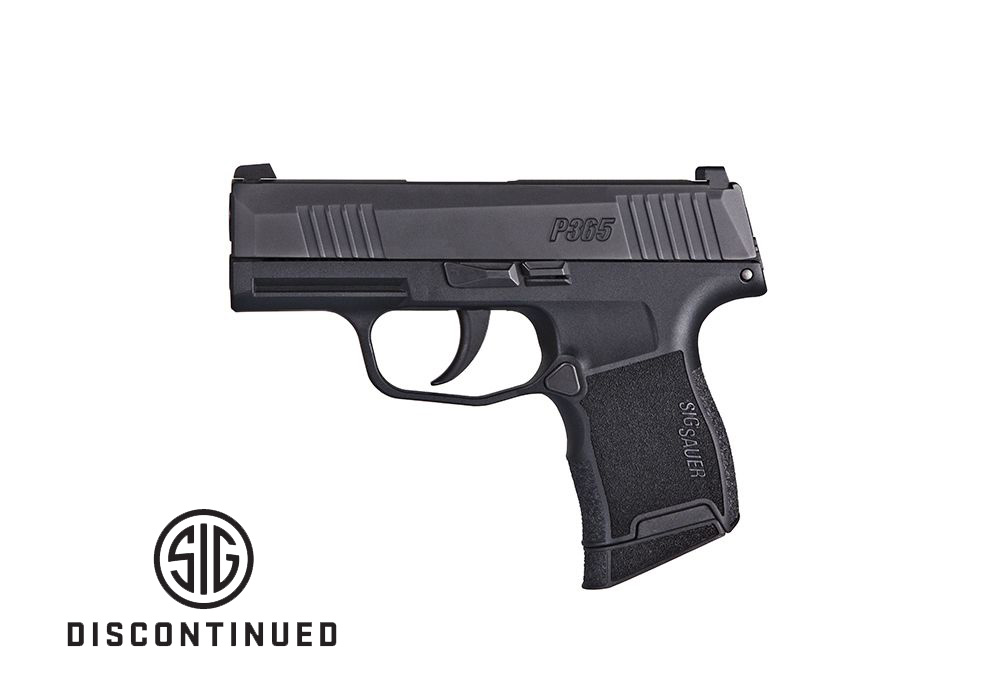
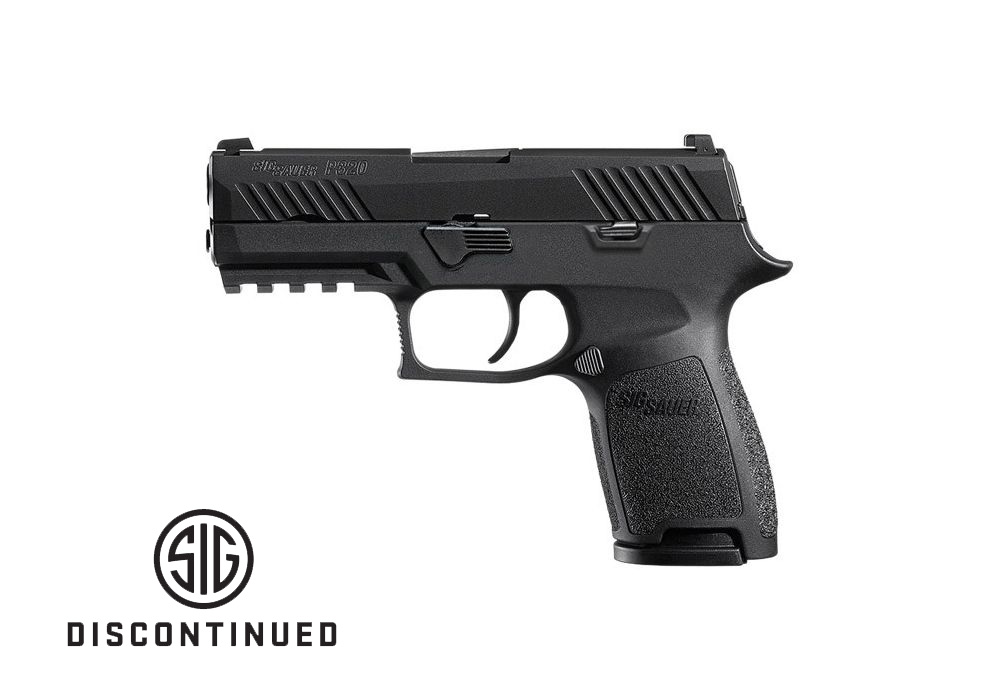
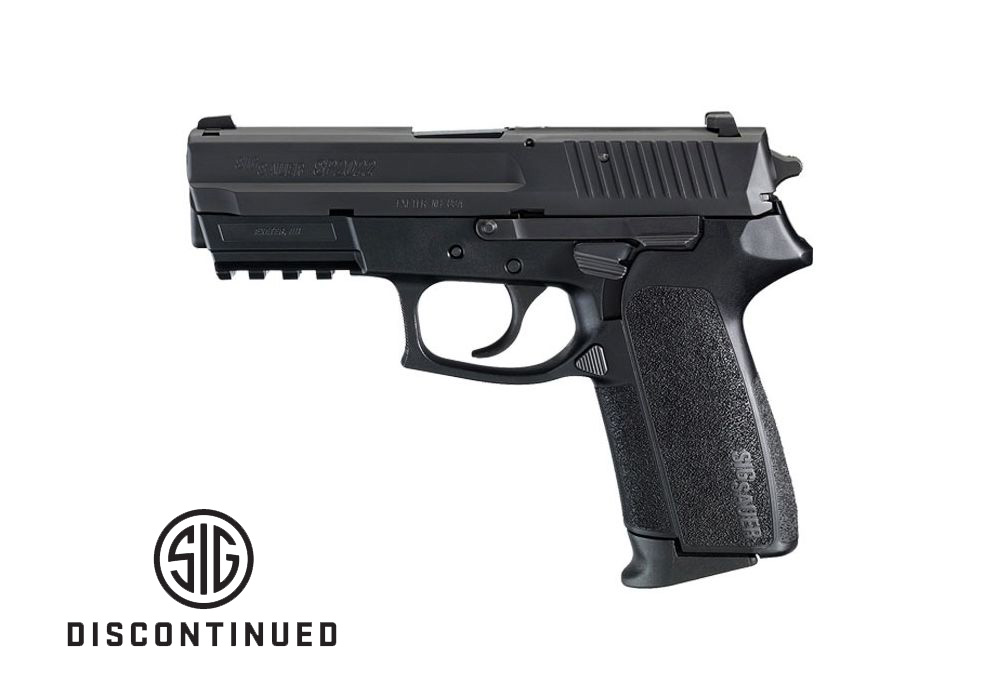
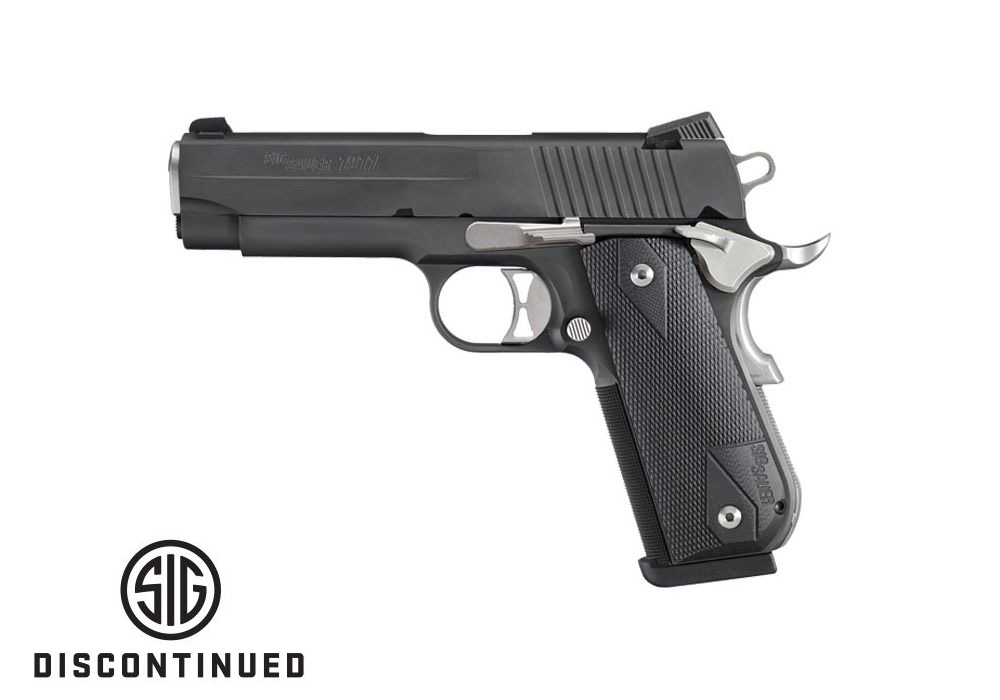
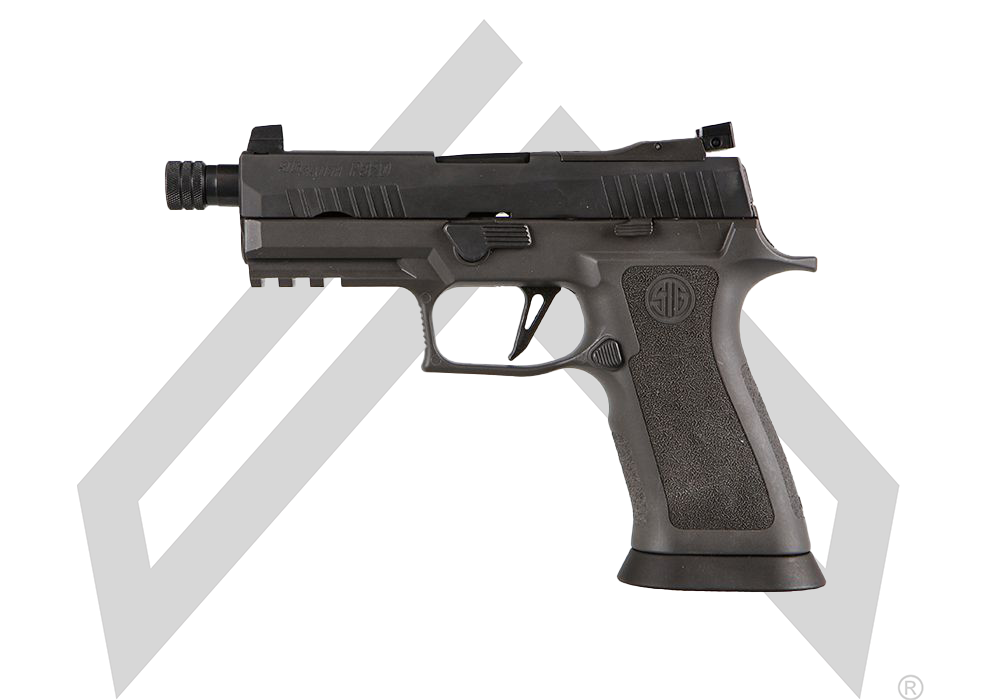
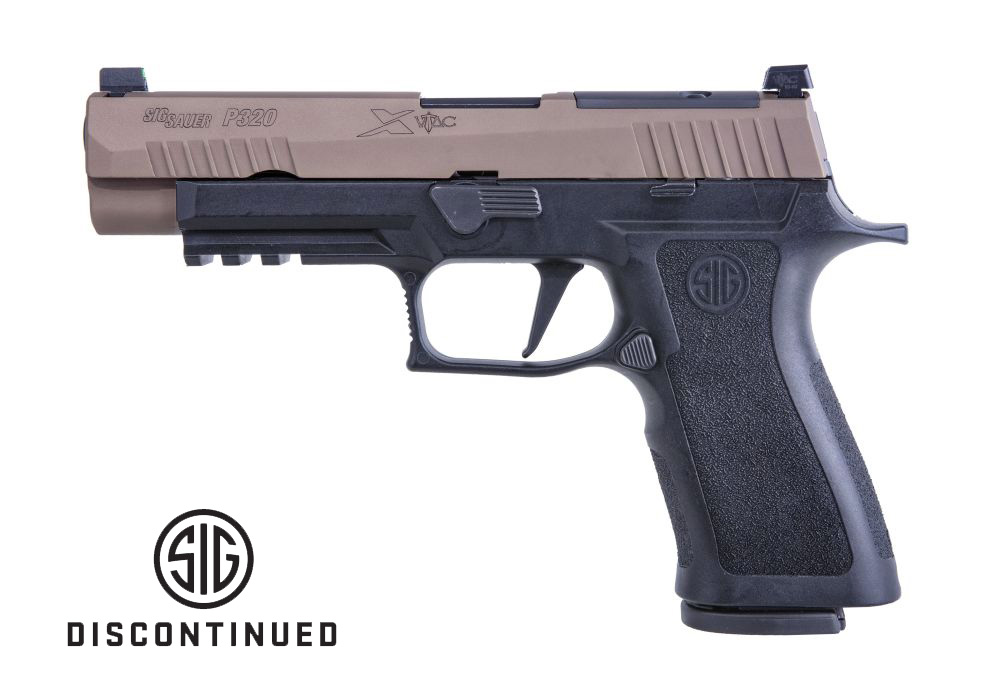
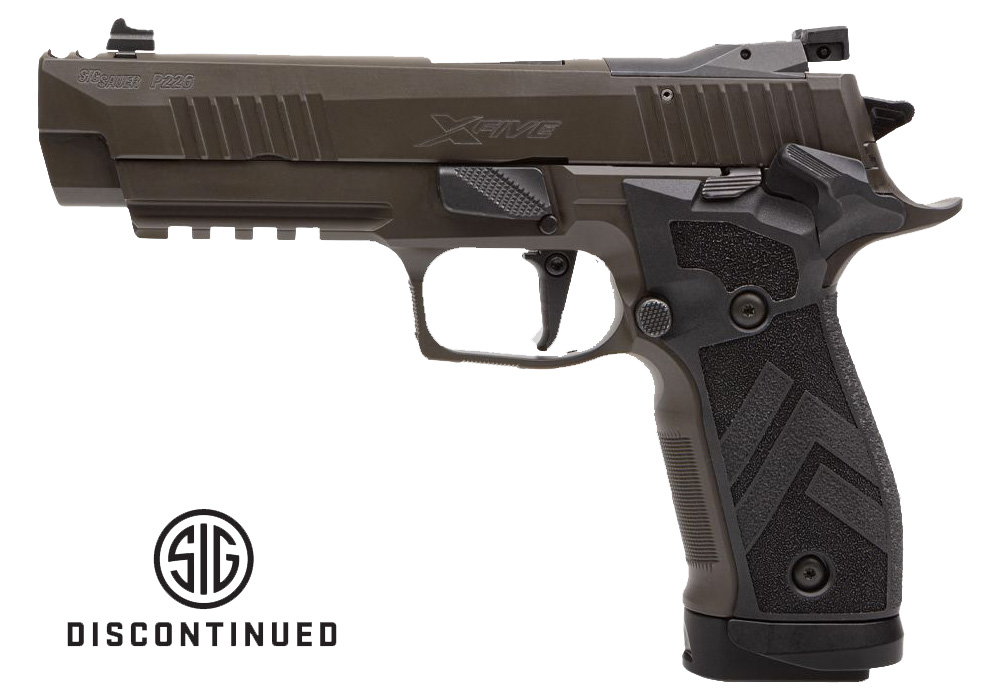
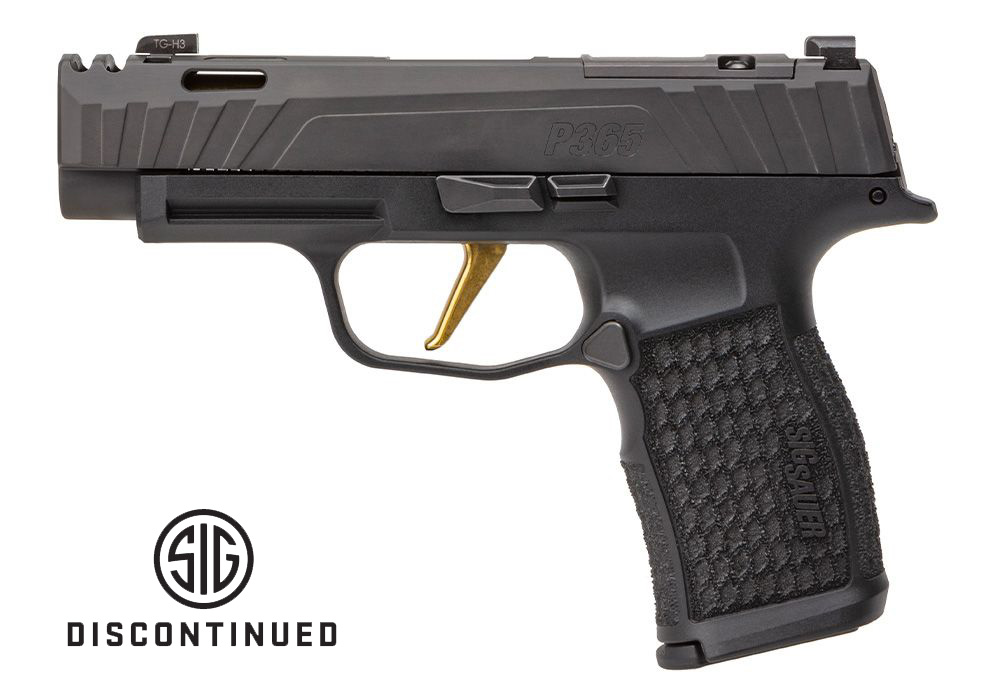
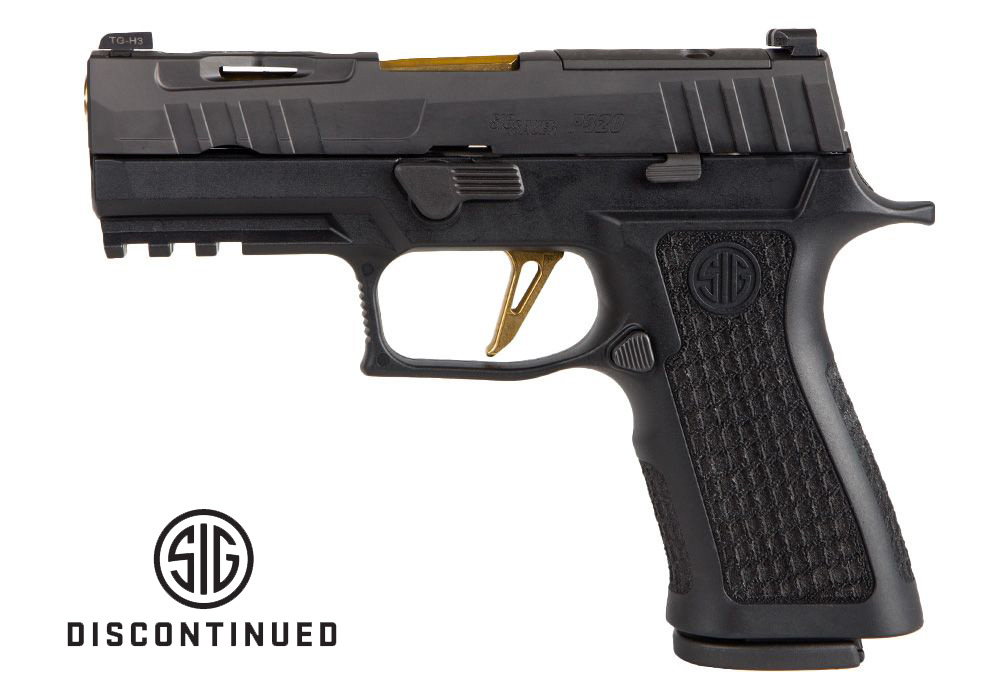
Compact pistols with tactical features combine manageable dimensions with practical provisions such as optics-ready slides, accessory rails, clearly visible sights, and, in some configurations, threaded barrels. Rather than describing a single size or operating system, the category brings together handguns that balance a compact profile with features suited to lawful personal protection, concealed carry, and regular range practice. Compact is a relative description, so overall length, height, width, and weight are more useful than the label alone when comparing designs. A shorter grip can reduce the visible outline beneath clothing, while slide length and frame shape influence how a pistol fits a compatible holster. The tactical features also deserve a closer look beyond their names. An optics-ready slide has a mounting arrangement intended for compatible pistol optics, but the footprint, required mounting hardware, and relationship between the optic and sights vary by design. An accessory rail provides a potential mounting point for a compatible light or other permitted accessory; its dimensions and the firearm’s overall configuration still matter. Threaded barrels introduce separate fit and legal considerations and should not be treated as universally compatible with muzzle accessories. Clear sight visibility, accessible controls, and a grip texture that feels secure without being excessively abrasive can be just as meaningful as a more conspicuous feature. The most useful comparison is therefore the complete configuration rather than a checklist of attachments. A pistol intended for discreet daily carry may call for a different balance of bulk and convenience than one used primarily for supervised practice. Additional equipment can change weight, dimensions, holster compatibility, and upkeep requirements, even when the base firearm remains compact. Looking at those relationships helps distinguish a practical configuration from one that simply has more visible hardware.
Fit starts with the interaction between the shooter’s hand and the firearm’s frame. A grip that suits one person can feel crowded or oversized to another, particularly around the trigger reach and the placement of the magazine release or slide controls. Hand size alone does not settle the matter; palm shape, finger length, and limitations in strength or dexterity can affect comfort and access. Where lawful and permitted, a supervised fitting or rental session with a qualified professional can help confirm whether the dimensions and control layout suit the intended owner. All handling should follow the facility’s rules and established firearm safety practices. Texture, contours, and control placement deserve attention during that evaluation, especially where the frame meets the palm or a pronounced edge creates an uncomfortable pressure point. Compact dimensions should not be mistaken for an assurance of easy handling, and an attractive feature list cannot substitute for appropriate instruction. For someone who carries lawfully, the holster is part of the overall fit: it should be designed for the exact firearm configuration, fully cover the trigger guard, provide appropriate retention, and remain secure during normal movement. A holster intended for a configuration without accessories may not accommodate an optic, a taller sight, or a mounted light. A person who spends much of the day seated may notice different comfort concerns than someone who is on their feet, making the complete carry arrangement more relevant than dimensions on paper alone. Shoppers comparing control layouts can also explore Compact Pistols With Safety Features, while remembering that mechanical safeguards do not replace responsible handling, secure storage, or training. Familiarity with the selected firearm matters more than assumptions based on another handgun, especially when controls or operating characteristics differ. Applicable purchase, possession, transport, and carry requirements should be checked for the places where the firearm will be kept or used.
Materials and care influence how a compact pistol holds up over years of responsible ownership. Polymer frames can help limit weight, while metal frames have a different feel and balance; neither material alone determines overall quality or suitability. Steel slides, barrel materials, surface treatments, and the construction of small controls all contribute to the complete design. Protective finishes help resist wear and corrosion, but they do not eliminate maintenance. Repeated holster contact may leave visible marks, and residue from range practice, skin oils, or perspiration can require attention even when a firearm looks clean at a glance. Follow the manufacturer’s manual for cleaning, lubrication, inspection, and service intervals, using products appropriate for the firearm’s materials and finish. Any uncertainty about damage, unusual wear, or proper function warrants evaluation by a qualified professional rather than improvised repairs. Optics and powered accessories introduce their own care requirements, including lens maintenance, battery checks, and inspection according to the relevant manufacturer’s directions. Those responsibilities belong in the ownership decision alongside size and handling. Secure storage is equally important: firearms should be stored unloaded in a locked container or other suitable locking storage system, inaccessible to unauthorized people, with ammunition stored separately. A compact profile is not a substitute for a secure storage arrangement at home or lawful transport elsewhere. Long-term ownership also includes regular instruction and appropriate range practice. Experienced shooters may want a smaller handgun with a familiar control layout, while newer owners may benefit from straightforward operation and professional support as they develop sound habits. Neither group benefits from choosing complexity for its own sake. A well-considered compact pistol brings together suitable dimensions, comfortable ergonomics, durable materials, and features that serve a clear purpose, supported by consistent care and responsible ownership.