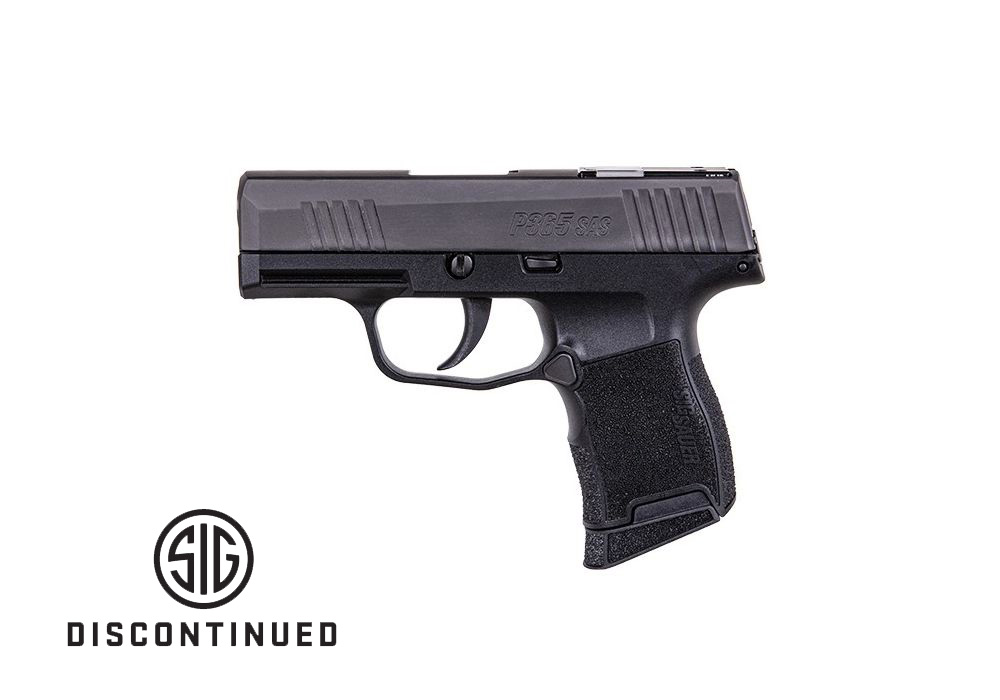
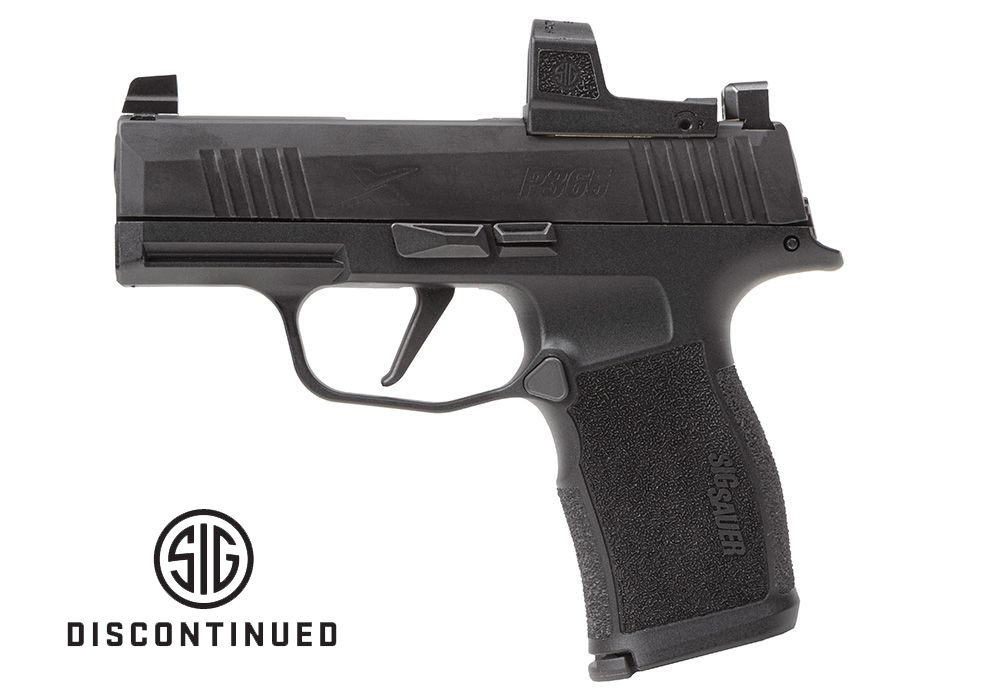
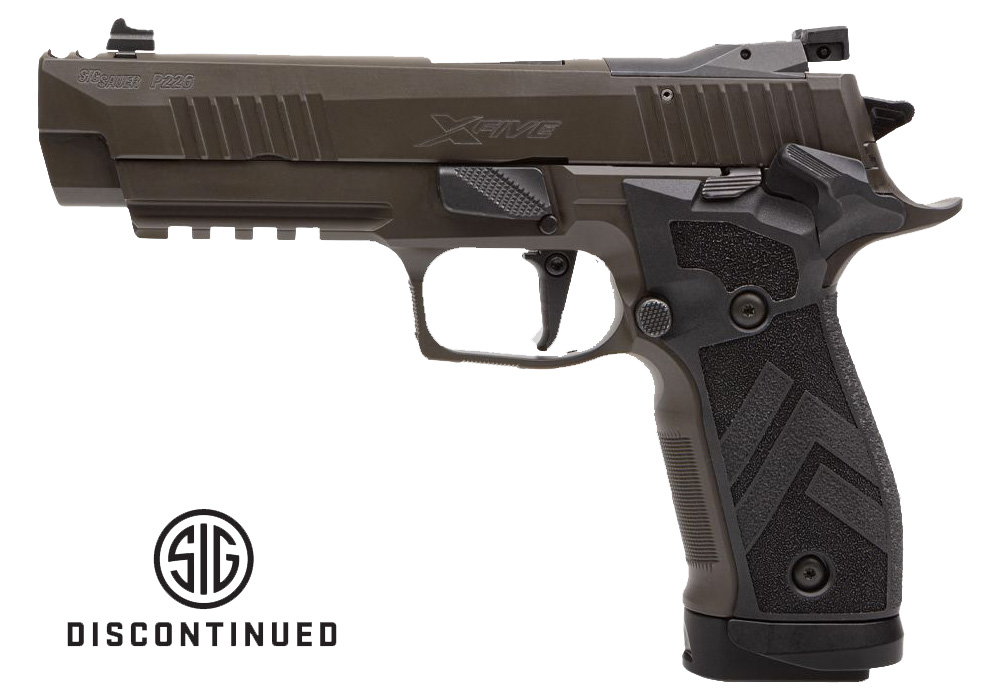
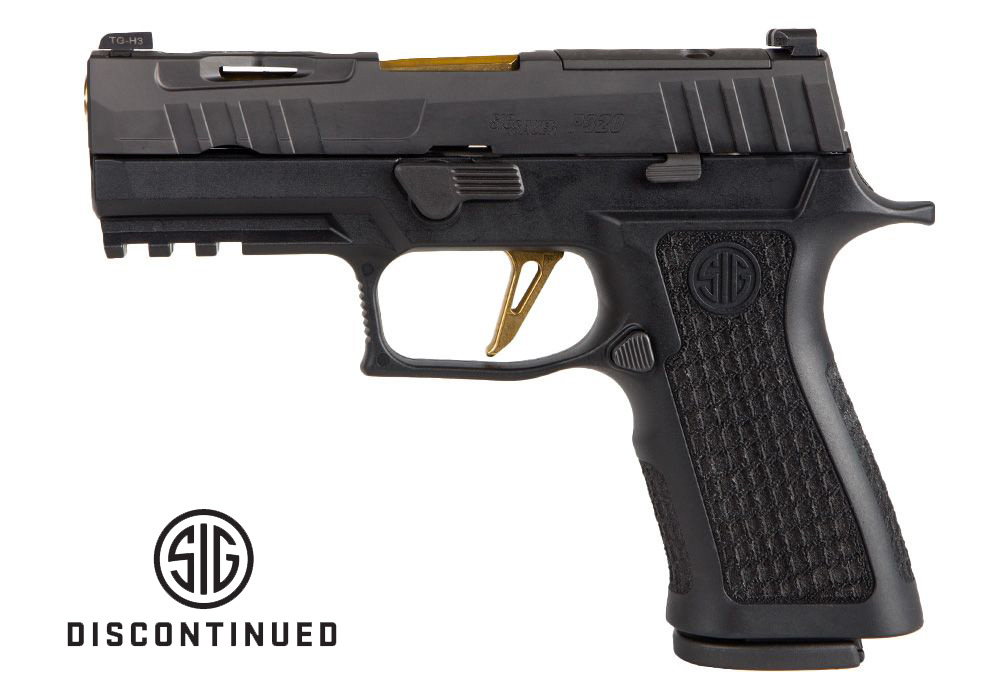
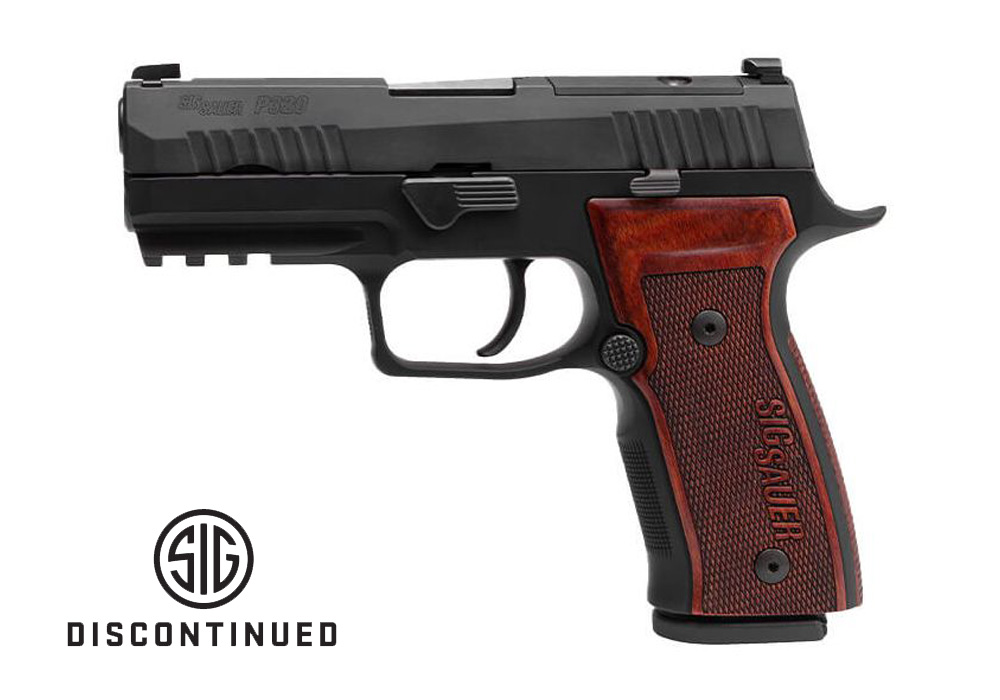
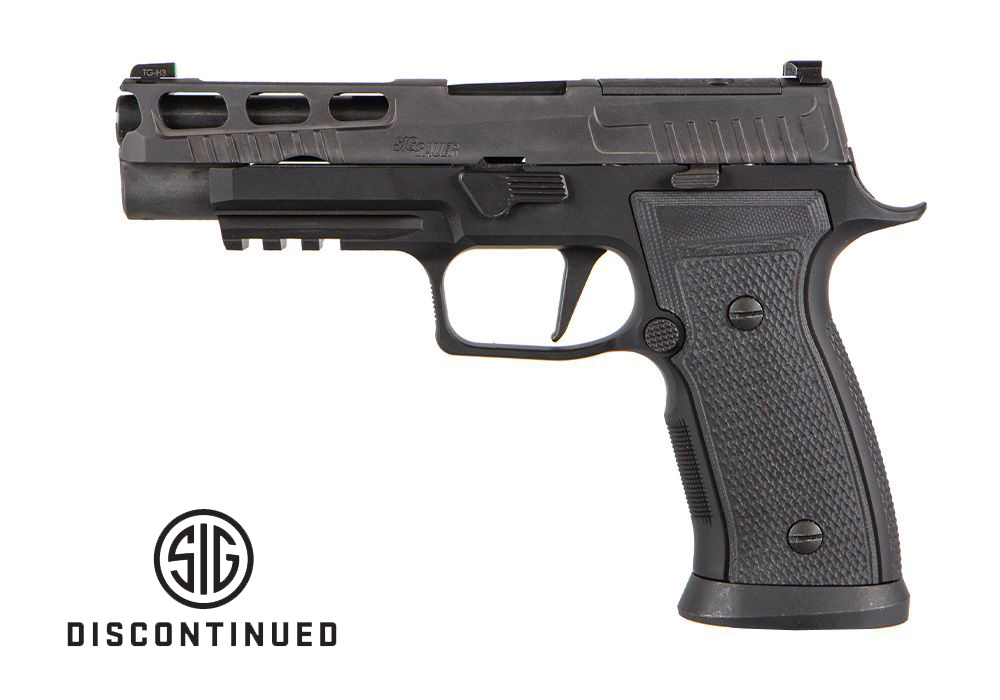
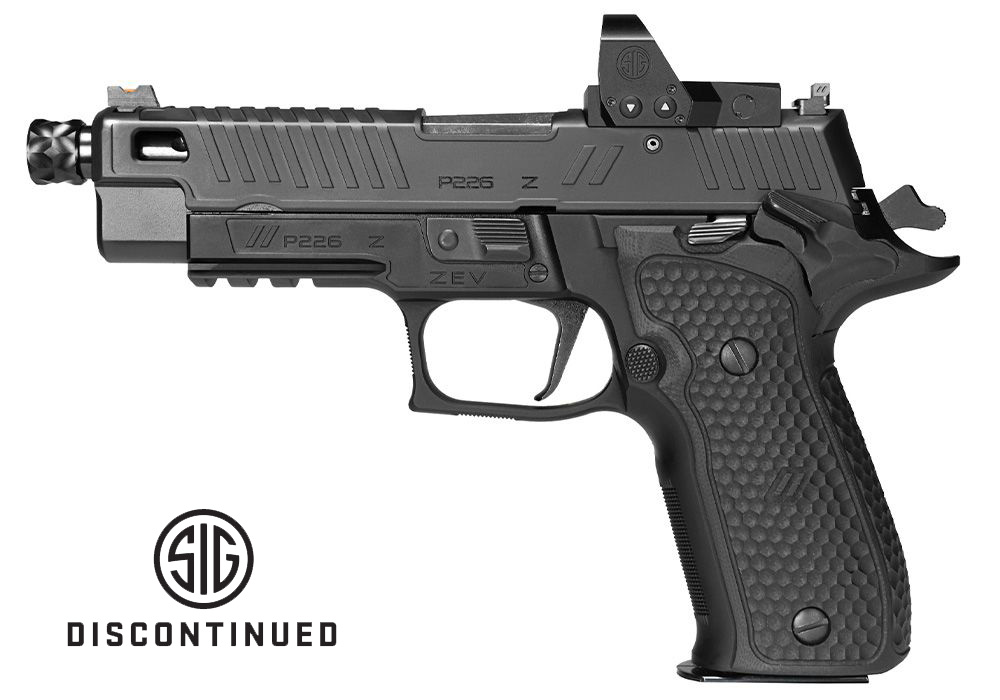
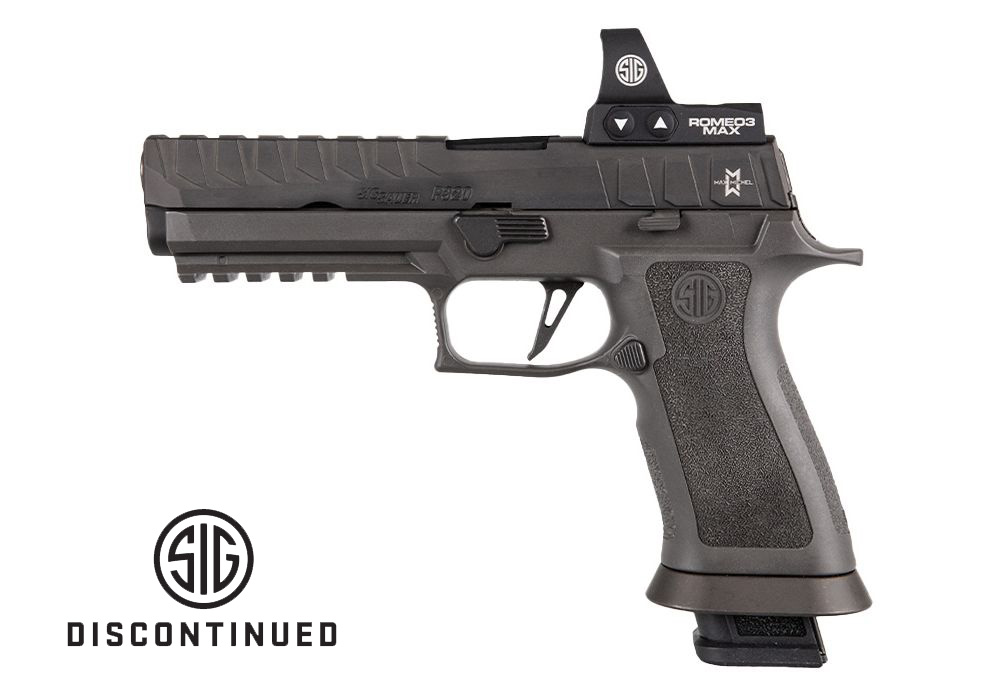
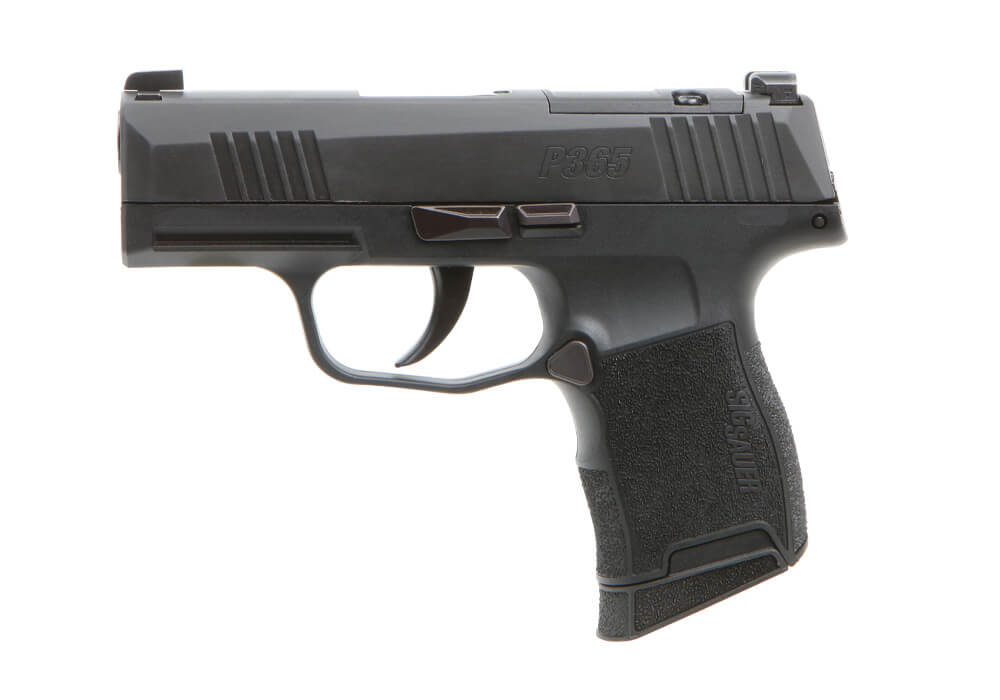
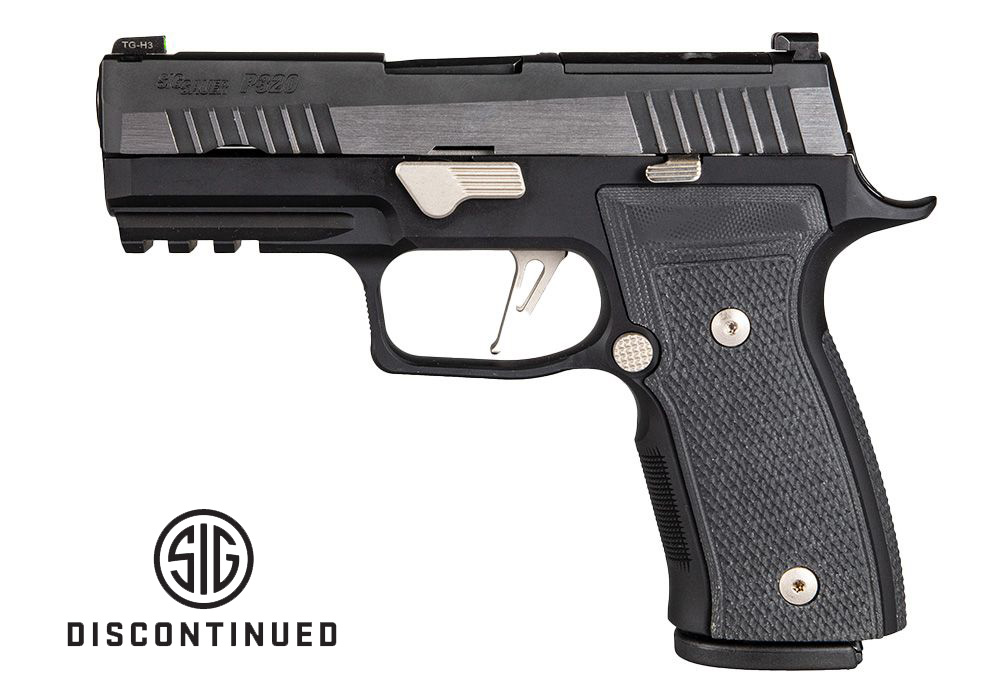
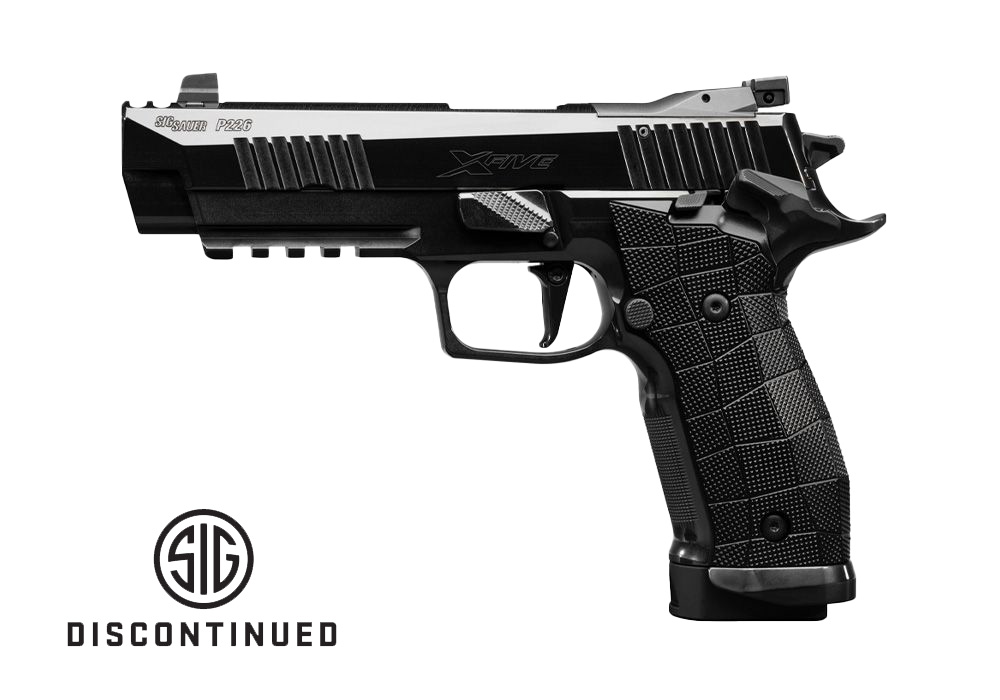
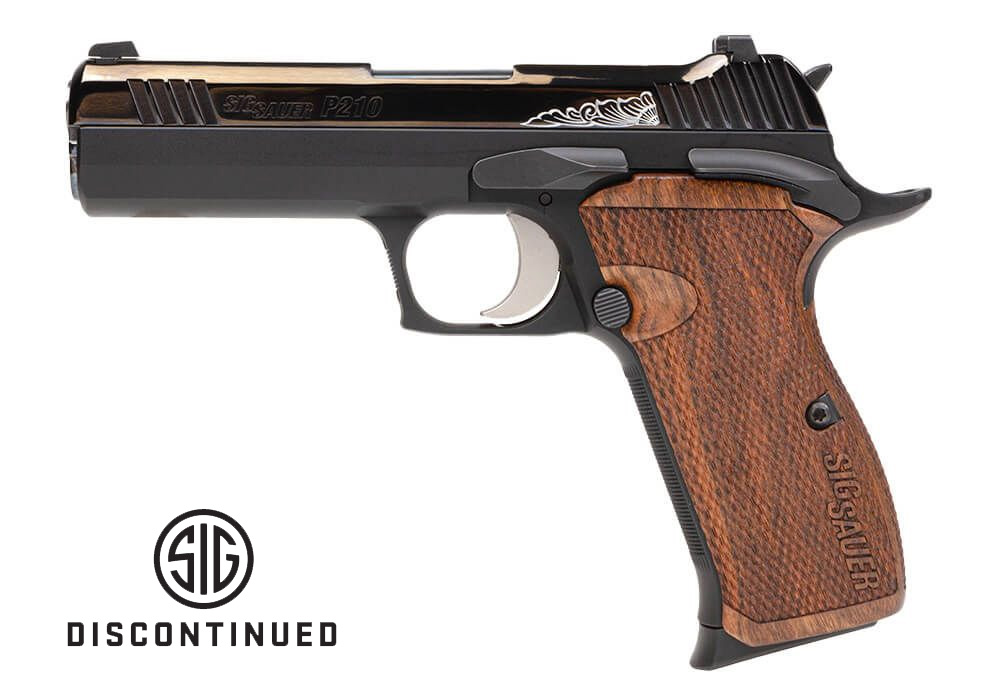
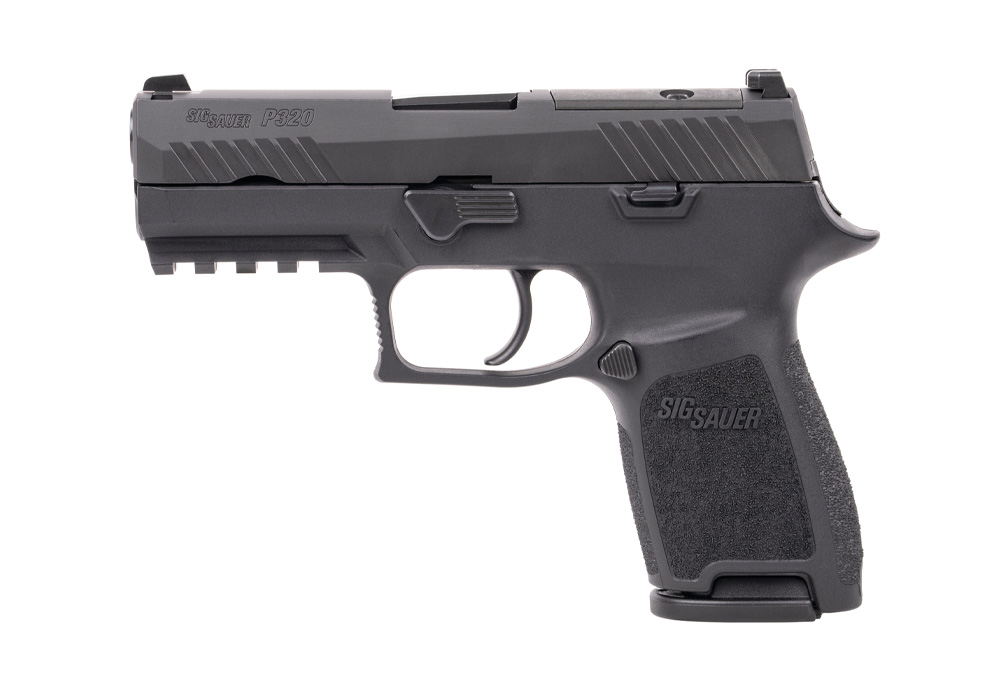
9mm pistols with modern design combine contemporary materials, considered ergonomics, and features that support a range of lawful shooting activities. Common characteristics include polymer or metal frames, textured gripping surfaces, accessible controls, and slide profiles that balance practical handling with clean lines. Depending on the design, a pistol may also feature a modular fire control unit, an optics-ready slide, an accessory rail, or an integrated compensator. These features are not universal, and their usefulness depends on the firearm’s intended role rather than appearance alone. A full-size pistol can offer a longer grip and sight radius for target practice, while compact and smaller formats place greater emphasis on portability and concealment. For someone spending an afternoon working through paper targets at an established range, grip comfort and a clear sight picture may matter more than the smallest possible dimensions. For someone considering lawful concealed carry, overall width, grip length, weight, and compatibility with a secure holster become especially relevant. Polymer frames generally help limit weight, while aluminum and steel frames offer different combinations of weight, rigidity, and feel. A heavier pistol may feel steadier to some shooters, but frame material alone does not determine comfort, reliability, or shooting performance. Balance, grip geometry, ammunition compatibility, and the complete design all contribute. Many contemporary 9mm pistols use striker-fired mechanisms, while hammer-fired designs remain another option with their own control layouts and trigger characteristics. Neither configuration defines modern design by itself. More meaningful distinctions include how naturally the pistol fits the hand, how clearly its sights appear, and how consistently its controls can be reached. Even the visual details often serve a practical purpose: slide serrations provide gripping surfaces, contoured frame edges can reduce pressure against the hand, and carefully shaped grip panels can support a secure hold. The strongest designs connect those details to an identifiable purpose, whether that is routine range practice, organized competition, professional use, or personal protection within applicable laws.
Fit is one of the most important distinctions among modern 9mm handguns because similar exterior dimensions can feel surprisingly different in the hand. Grip circumference, front-to-back depth, trigger reach, and the shape beneath the trigger guard all influence comfort. Interchangeable backstraps or compatible grip modules, where offered, can accommodate different hand sizes without requiring every shooter to accept the same grip profile. Texture matters just as much as shape. A pronounced pattern may provide a firm purchase during extended practice, while a less abrasive surface may be more comfortable against clothing during lawful concealed carry. Controls deserve the same attention: slide stops, magazine releases, and manual safeties, when present, should suit the owner’s reach and training. Ambidextrous or reversible controls can be useful for left-handed shooters, although those terms describe different arrangements and should not be treated as interchangeable. Sight systems are another defining part of this category. Traditional iron sights provide a familiar reference, while optics-ready slides accommodate compatible electronic sights through a specified mounting arrangement. An optics cut does not mean every optic will fit; the mounting footprint, plate system, sight dimensions, and manufacturer requirements remain important. Some pistols also include integrated compensators or other factory-engineered features intended to influence recoil behavior. Such features can affect cleaning needs, overall dimensions, and holster compatibility, so they belong in the broader assessment of the firearm rather than serving as a stand-alone reason to select it. Accessory rails similarly add flexibility without guaranteeing compatibility with every accessory. For a closer look at designs emphasizing accessory support and related configurations, 9mm Pistols With Tactical Features provides a related category to explore. Across these configurations, a coherent setup matters more than the number of features. A comfortable grip, compatible sights, and a holster designed for the exact firearm configuration are more useful together than an assortment of features that do not suit the owner’s needs.
Durability and straightforward care help distinguish a modern pistol that remains practical beyond its first range session. Slide finishes, frame materials, internal construction, and replaceable wear components each contribute to long-term ownership, but no finish eliminates the need for inspection and maintenance. Surface treatments can help resist corrosion and wear, while residue, moisture, and repeated handling still require attention according to the manufacturer’s care instructions. Textured grips, slide serrations, sight recesses, and accessory interfaces can collect debris, making accessible surfaces and clear maintenance documentation valuable details. Cleaning products and lubricants should be compatible with the firearm’s materials and applied only as directed; more lubricant is not automatically better. Manufacturer-specified inspection and service intervals also matter, particularly for pistols used frequently in training or competition. Magazine condition and ammunition suitability are part of the same ownership picture. The exact chamber marking and manufacturer guidance determine appropriate ammunition, and similar-looking cartridges should never be assumed interchangeable. For newer shooters, a manageable grip, understandable controls, and access to qualified instruction can be more valuable than an especially compact profile or an elaborate feature set. Experienced owners may instead be looking for a different balance, a compatible sight arrangement, or dimensions better suited to a particular shooting discipline. Someone returning to regular range practice may appreciate a pistol that remains comfortable through a longer session, with sights that are easy to distinguish against a target and controls that do not require an awkward change in grip. Whatever the intended use, responsible ownership includes secure storage, restricted access by unauthorized people, and compliance with applicable purchase, possession, transport, and carry requirements. Firearms should be stored unloaded in an appropriate locked container, with ammunition secured separately, and handled according to established firearm safety rules. Modern design is most useful when it supports that complete ownership experience: a firearm that fits its user, suits a clearly defined purpose, accepts the intended compatible equipment, and can be maintained properly over time.