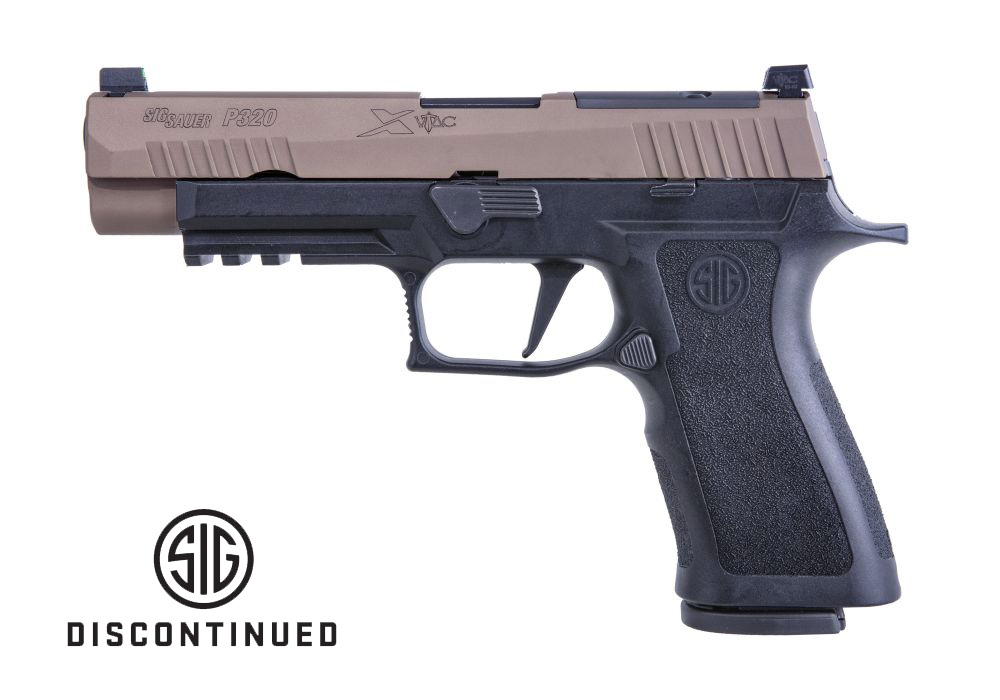
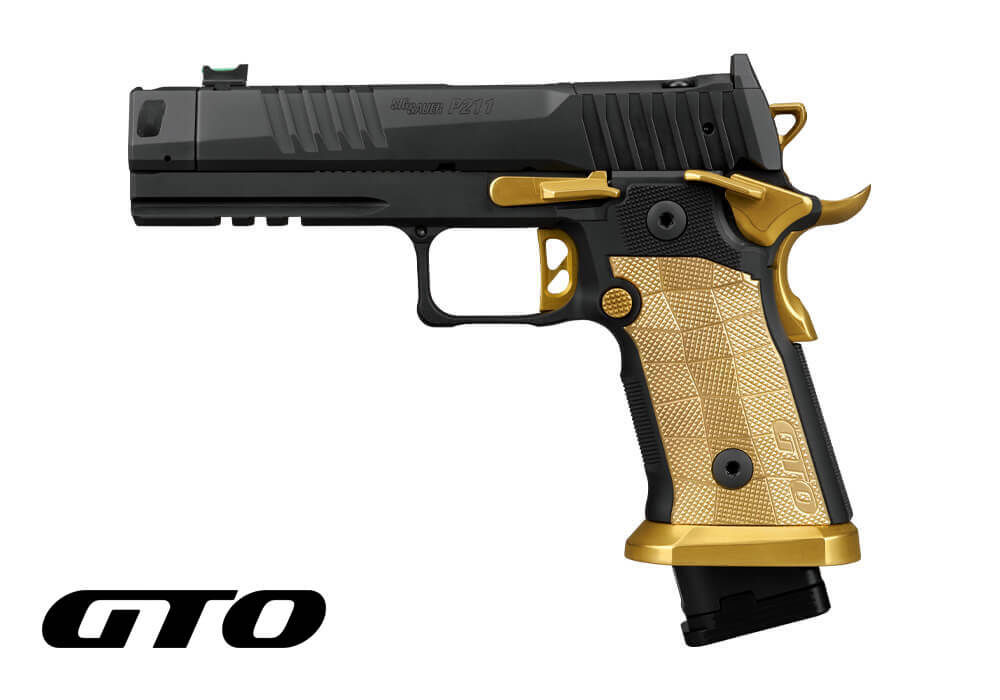
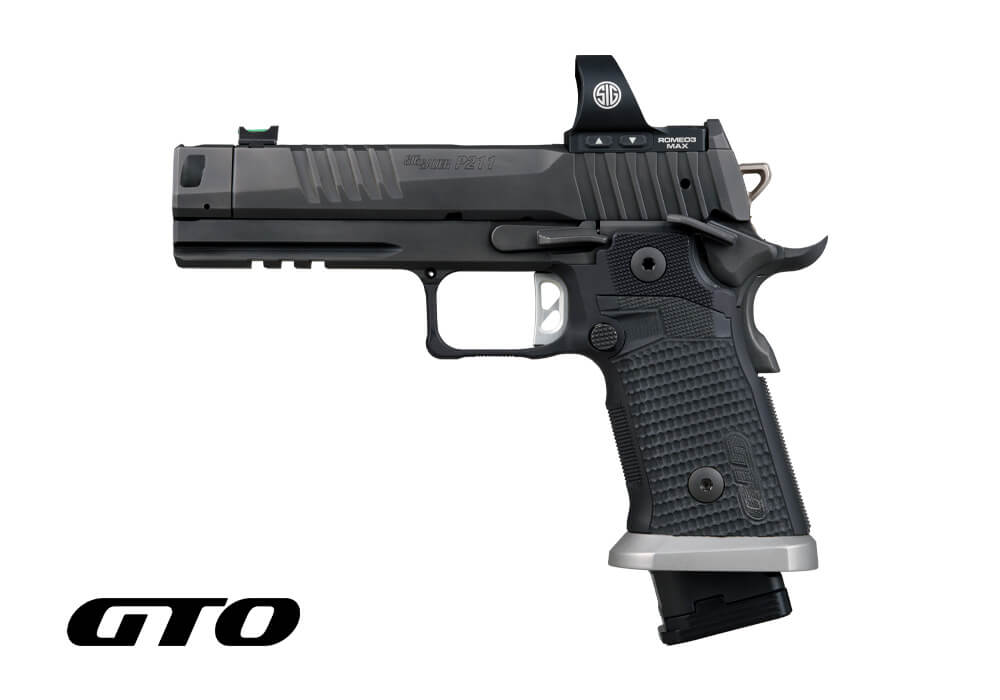
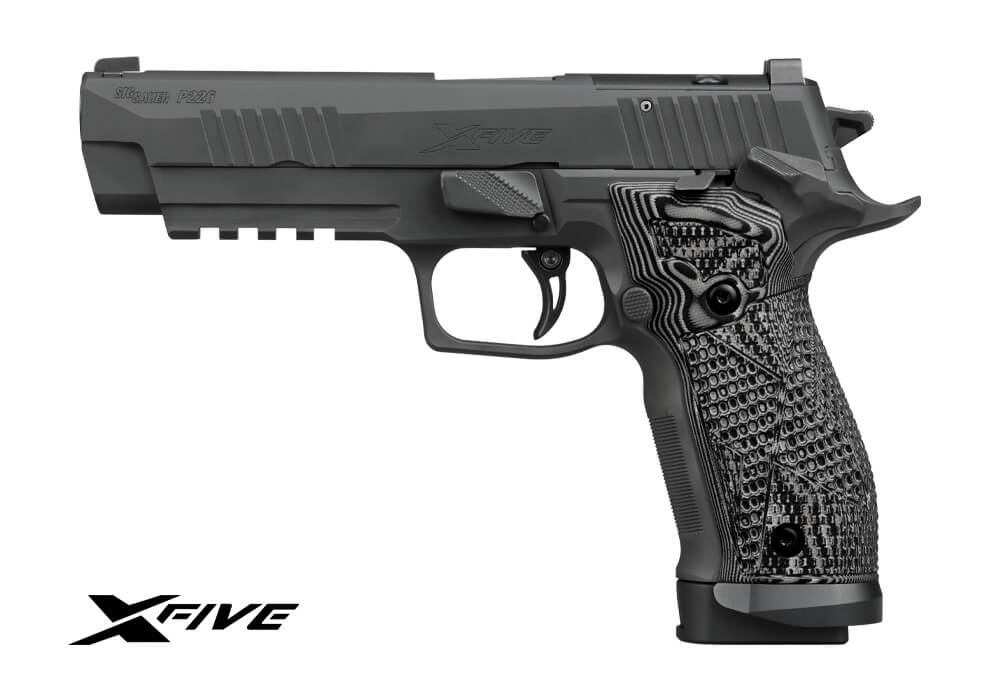
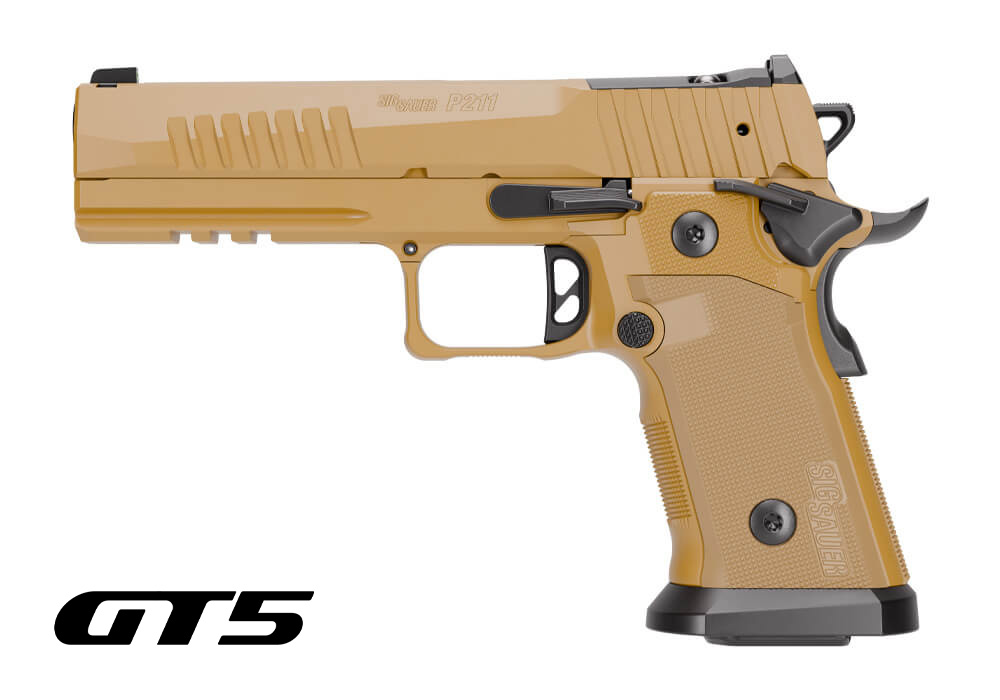
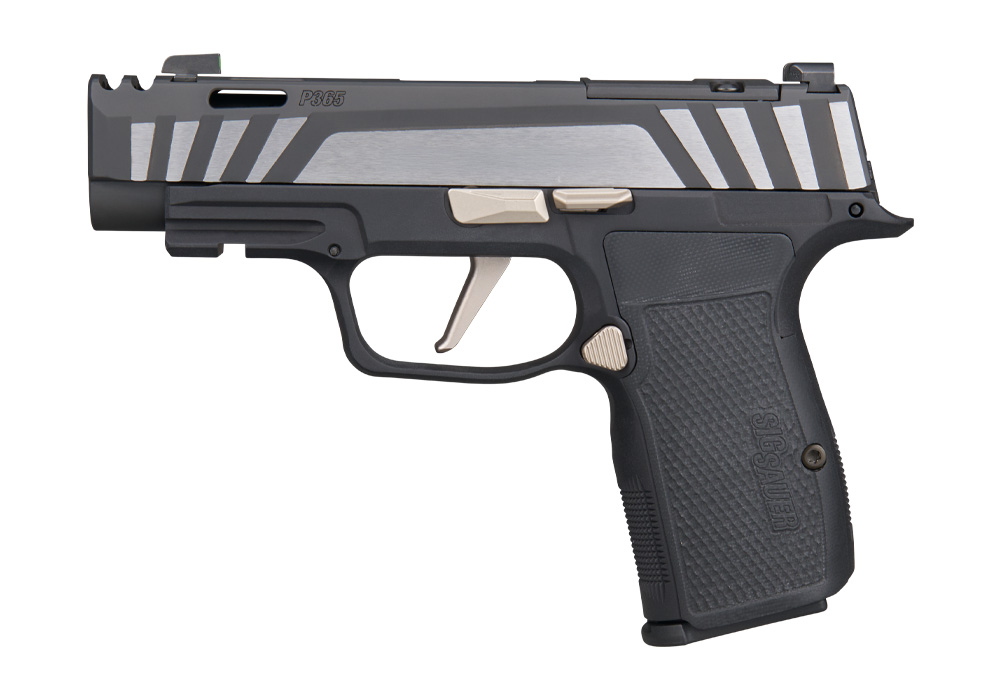
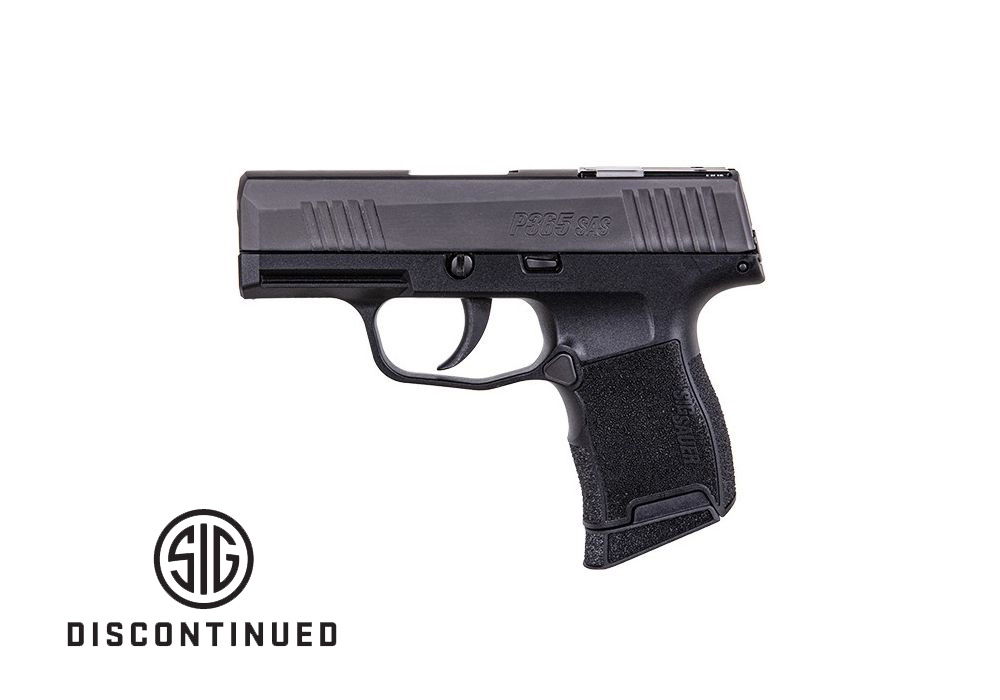
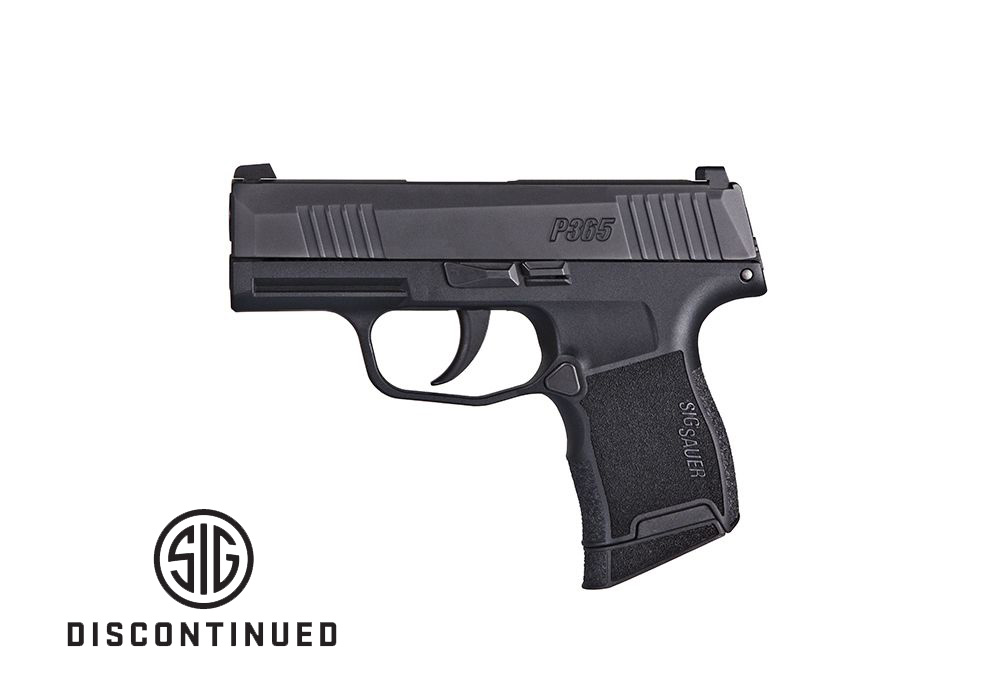
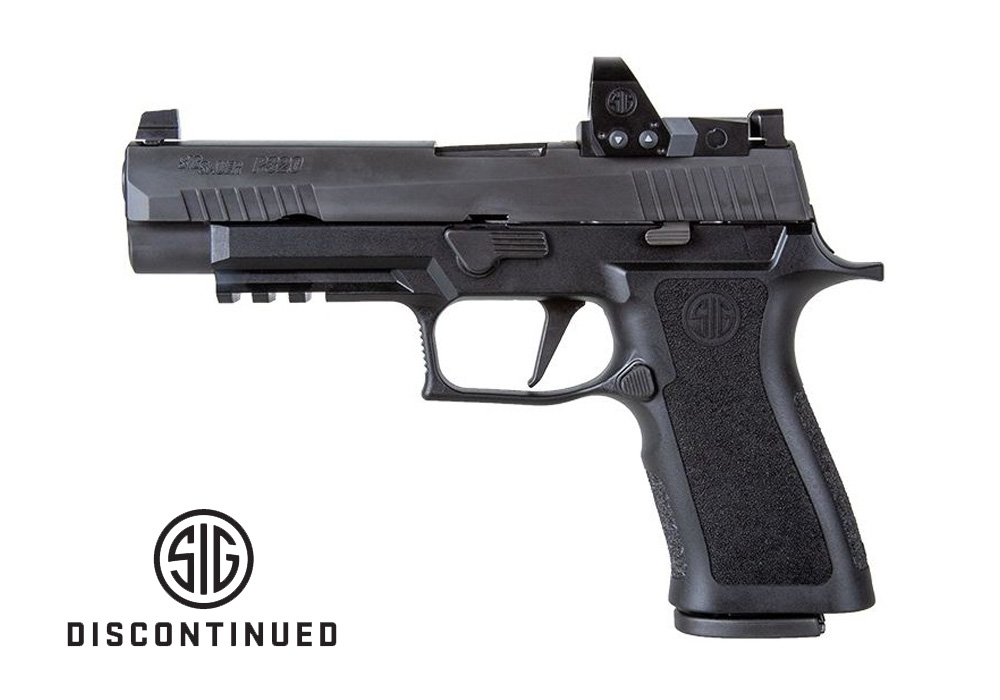
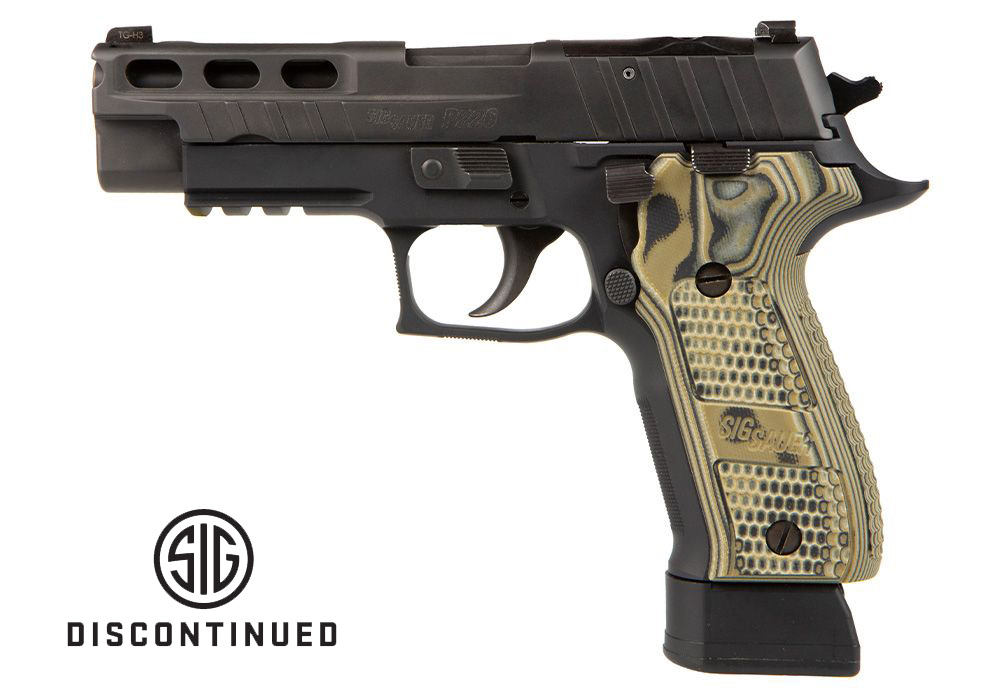
9mm pistols with heightened performance are designed for shooters who want more than a basic handgun configuration. This category typically brings together practical improvements that can make a pistol easier to control, faster to operate, and more adaptable to different types of shooting. Common features include match-grade triggers with a clean break and short reset, integrated compensators that help direct expanding gases upward to reduce muzzle movement, optics-ready slides for direct mounting of compatible red-dot sights, and ergonomic grips shaped to provide a more secure purchase during rapid follow-up shots. Some models use lightweight polymer frames for comfortable everyday carry, while others incorporate aluminum or steel components that add weight and help absorb recoil. The result is a selection suited to a wide range of purposes, including personal protection, duty use, recreational range practice, structured training, and competitive shooting. A shooter who spends a quiet afternoon working through paper targets can appreciate the difference a predictable trigger and balanced grip make, while someone practicing defensive drills may value quicker sight recovery and consistent control between shots. Although 9mm ammunition is widely available and generally offers manageable recoil, individual pistol design still has a meaningful effect on the shooting experience. Slide weight, barrel length, grip circumference, texture, trigger characteristics, and the placement of controls all influence how naturally a handgun points and how confidently it can be operated. These pistols are not defined by one feature alone; heightened performance comes from the way the platform’s components work together.
When comparing 9mm pistols in this category, begin with the way the firearm fits your hand and the role you expect it to fill. A compact pistol with a shortened grip may be easier to carry and conceal, while a full-size frame usually provides a longer sight radius, a steadier shooting platform, and more room for the shooter’s hand. Slim profiles can be helpful when comfort and discreet carry are priorities, but a broader grip may offer better leverage for managing recoil. Extended capacity magazines can reduce the frequency of reloads during training or competition, while standard capacity options may be preferred for certain carry arrangements or local requirements. Always confirm applicable federal, state, and local laws before purchasing, transporting, carrying, or using a firearm, and review any restrictions that may apply to magazine capacity, configuration, storage, and accessories. An optics-ready slide can add flexibility for shooters who want to use a compact red-dot sight, but it is important to verify the mounting footprint, plate system, sight height, and compatibility with the chosen holster. Integrated compensators may help keep the muzzle flatter during fast strings of fire, though they can also influence overall length, sound, flash, and holster selection. Trigger upgrades and refined factory trigger systems can support precise shooting, yet a crisp trigger demands disciplined handling and strict adherence to the fundamental rules of firearm safety. Before relying on any pistol, become familiar with its controls, confirm that it functions reliably with the intended ammunition, and practice from a safe, stable position under the supervision of a qualified instructor when appropriate. A careful fitting session at a reputable dealer or range can reveal details that specifications alone cannot, such as whether the magazine release is easy to reach, whether the slide can be manipulated comfortably, and whether the grip remains secure with sweaty or gloved hands.
These 9mm pistols may appeal to experienced owners refining a competition setup, professionals selecting equipment for duty-related use, or newer shooters looking for a capable platform to learn on with proper instruction. They can also be meaningful gifts for an adult family member or shooting partner who already has the necessary legal eligibility, secure storage, and training plan, although a firearm should never be presented as a surprise without first confirming the recipient’s preferences, local laws, and ability to take possession lawfully. For many owners, the best use begins with a structured introduction: learning the four universal safety rules, practicing safe loading and unloading procedures, and building comfort with stance, grip, sight alignment, trigger control, and recoil management. During the warmer part of the year, outdoor ranges can provide room for deliberate practice at varied distances, while cooler months often invite shorter, more focused sessions devoted to draw mechanics, reloads, or sight confirmation from a covered firing line. Regardless of season, safe storage remains essential. Use a quality locking device or secure firearm storage solution, keep ammunition stored appropriately and separately when required, and prevent unauthorized access by children, visitors, and anyone who should not handle the firearm. Maintenance is equally important: follow the manufacturer’s instructions for inspection, cleaning, lubrication, and replacement of wear items, and pay attention to unusual wear, inconsistent cycling, or changes in accuracy. Shooters who want to explore sighting options can also compare these models with 9mm Pistols With Enhanced Sighting to evaluate how different sight configurations support target acquisition. Whether the priority is a comfortable carry profile, a stable competition platform, a refined trigger, reduced muzzle rise, or flexible optics compatibility, selecting the right 9mm pistol means matching features to realistic needs and committing to responsible training, storage, and handling.