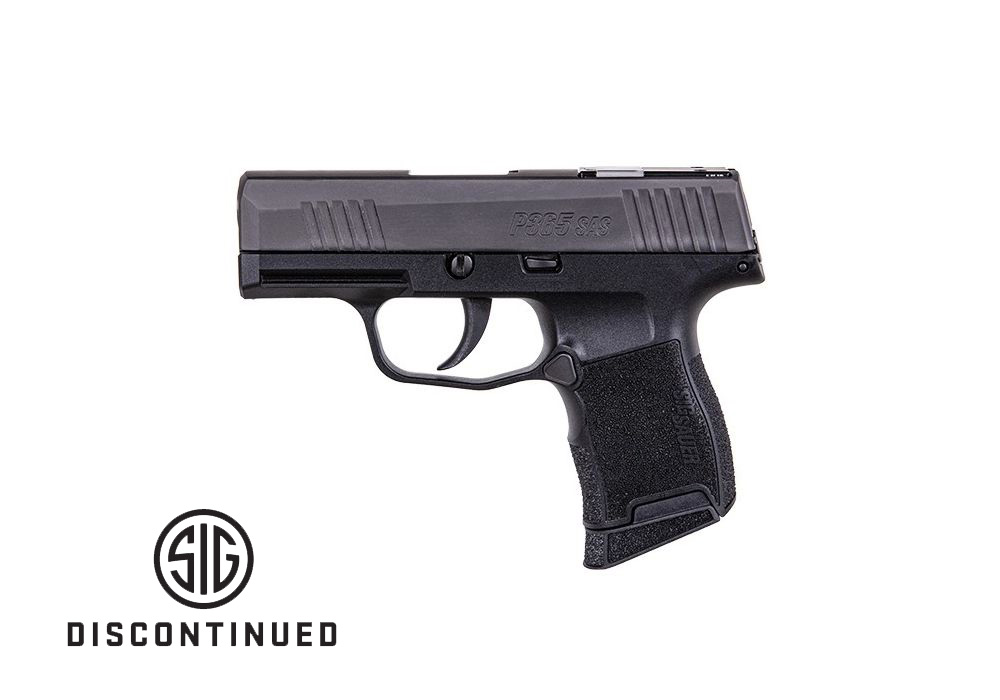
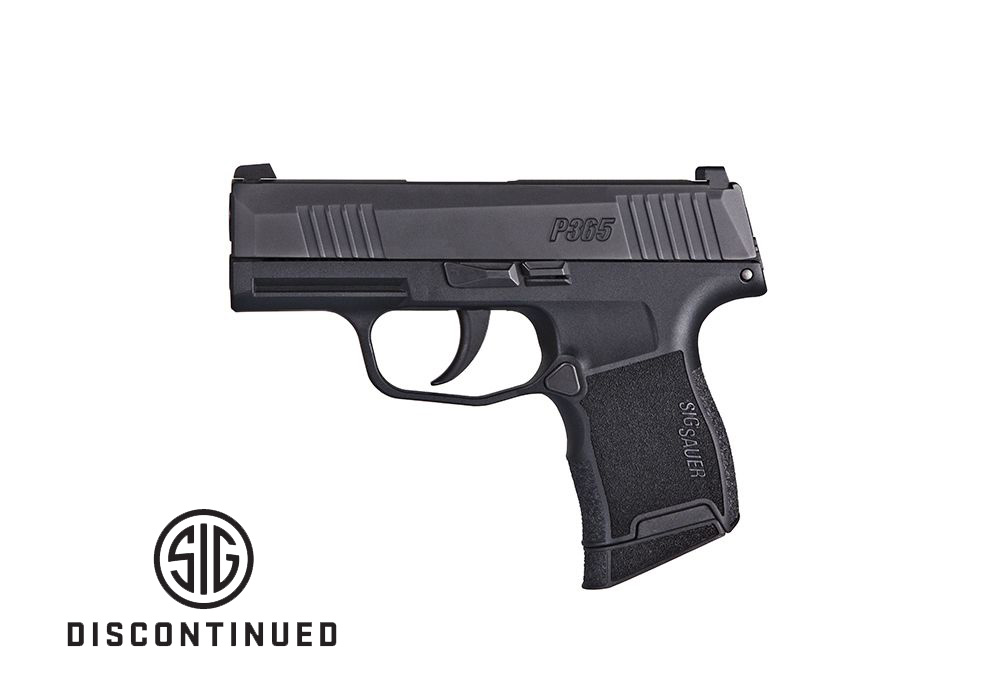
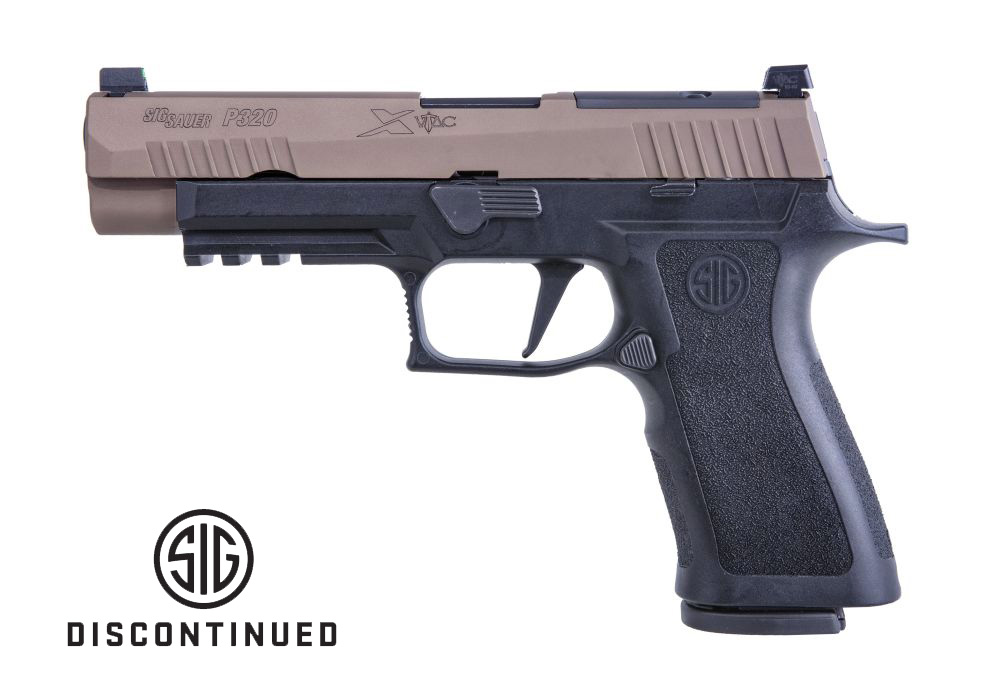
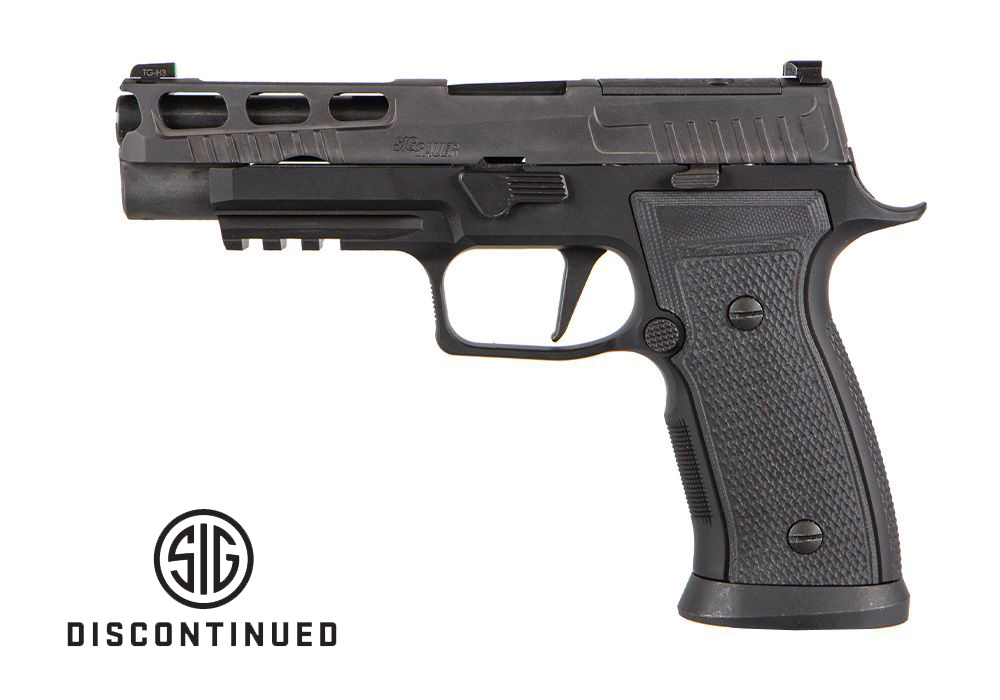
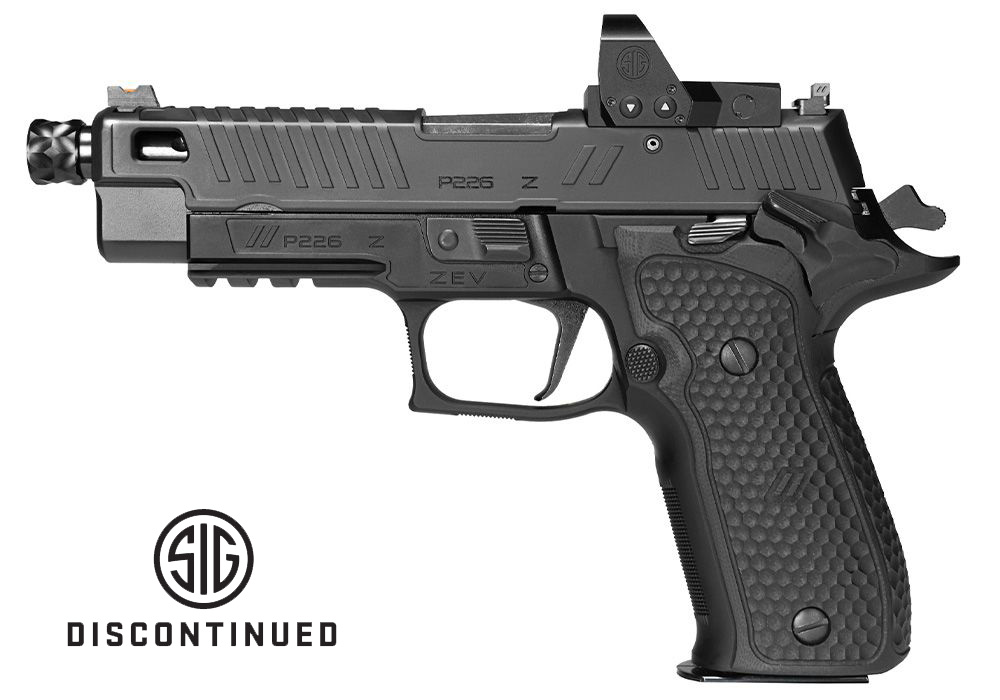
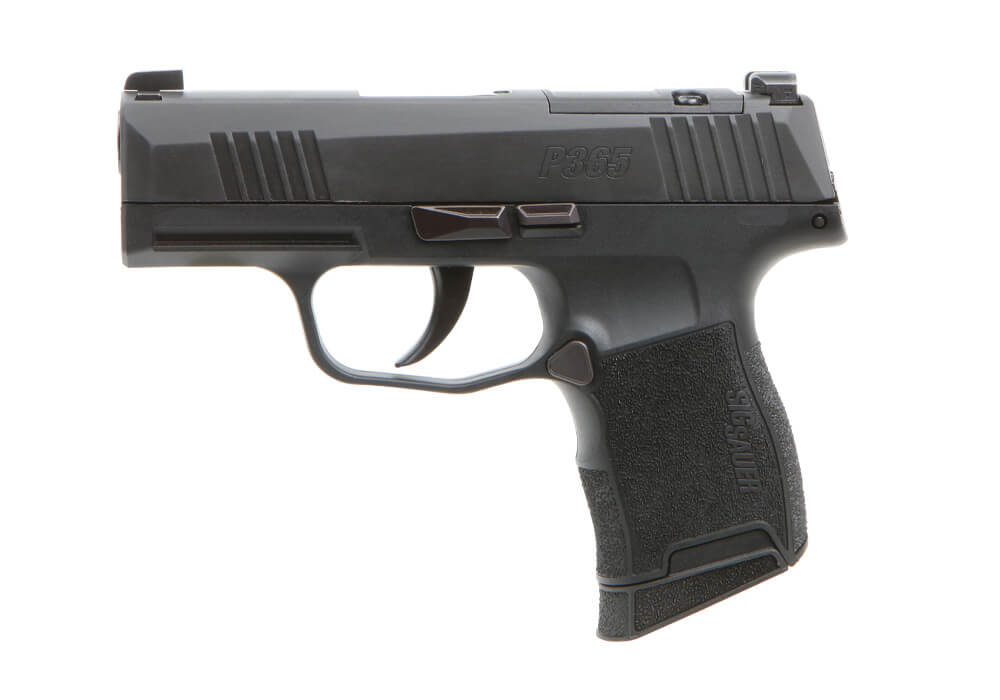
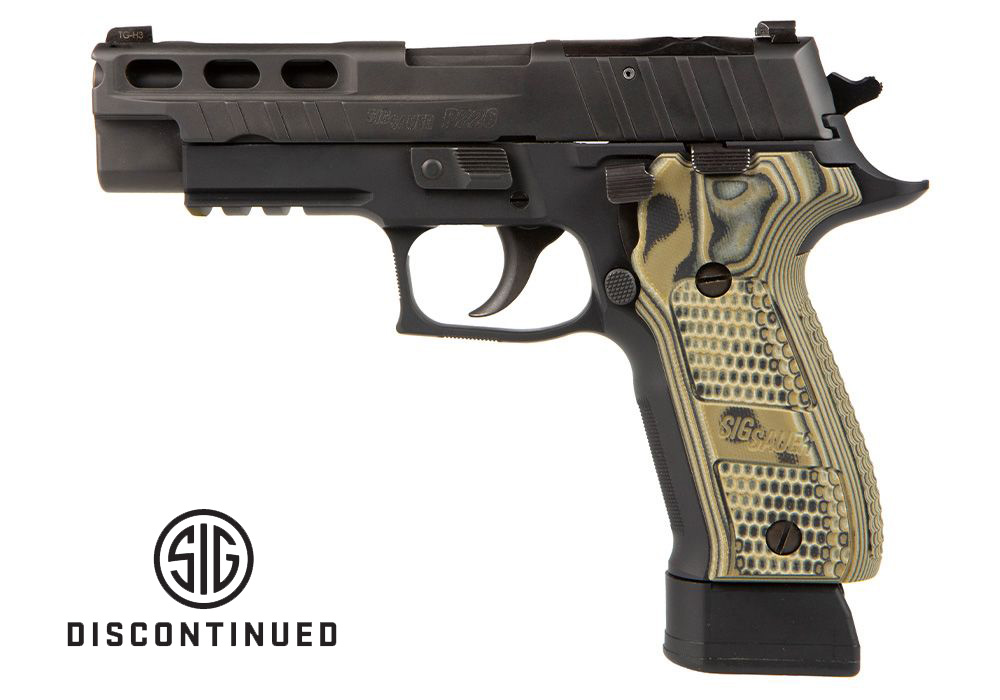
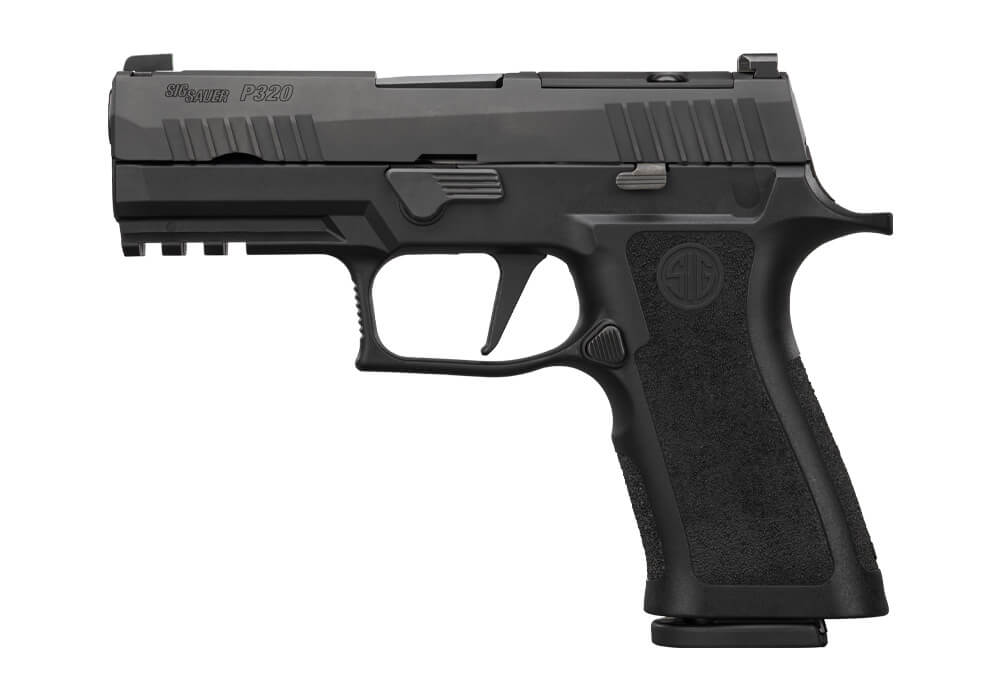
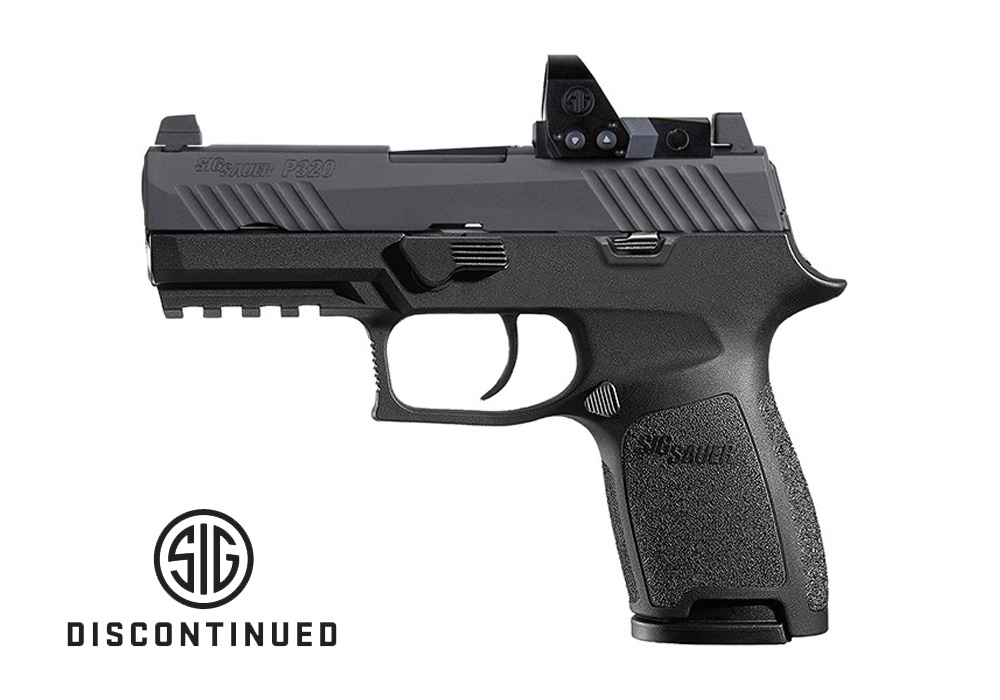
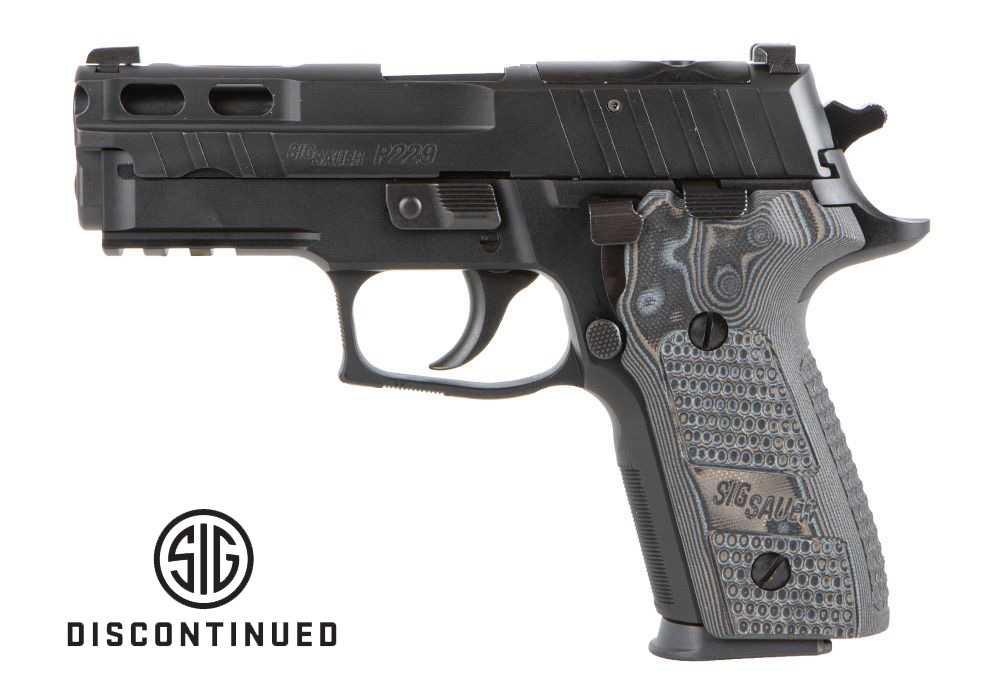
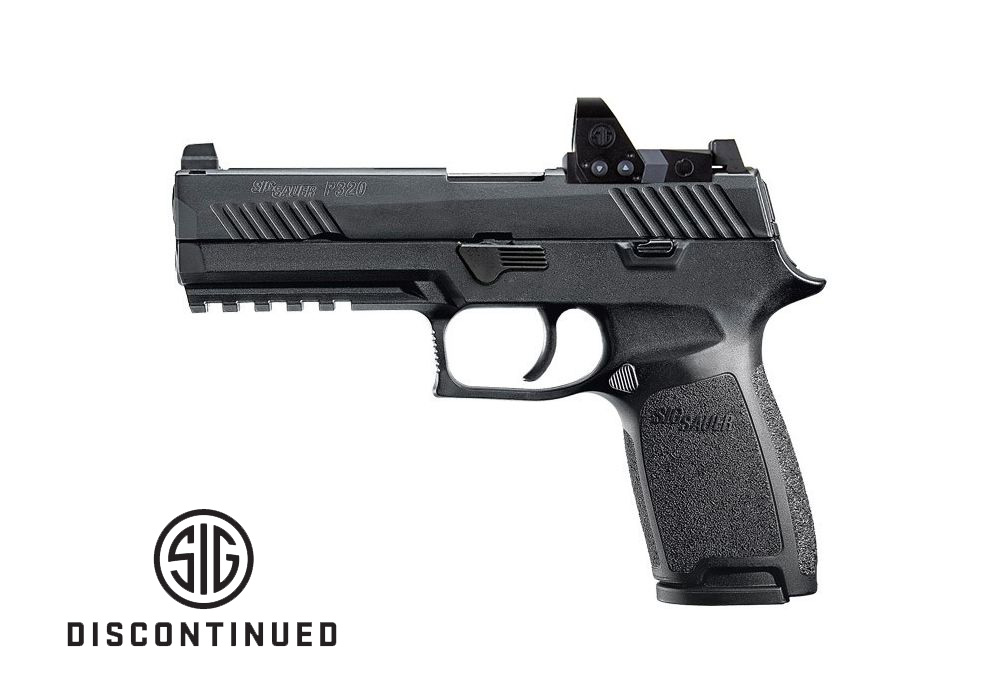
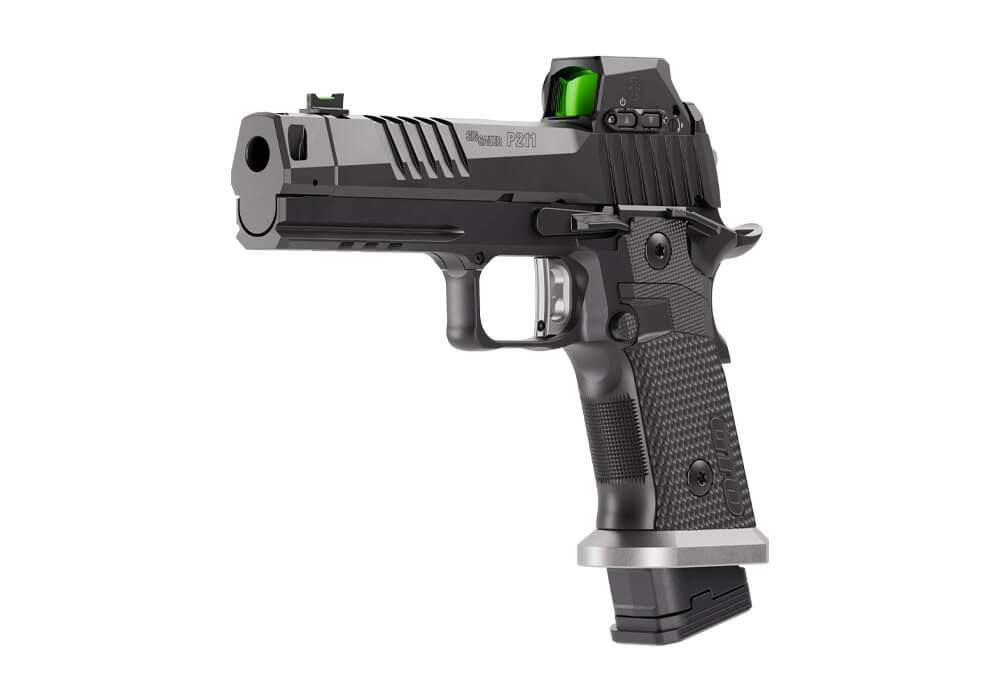
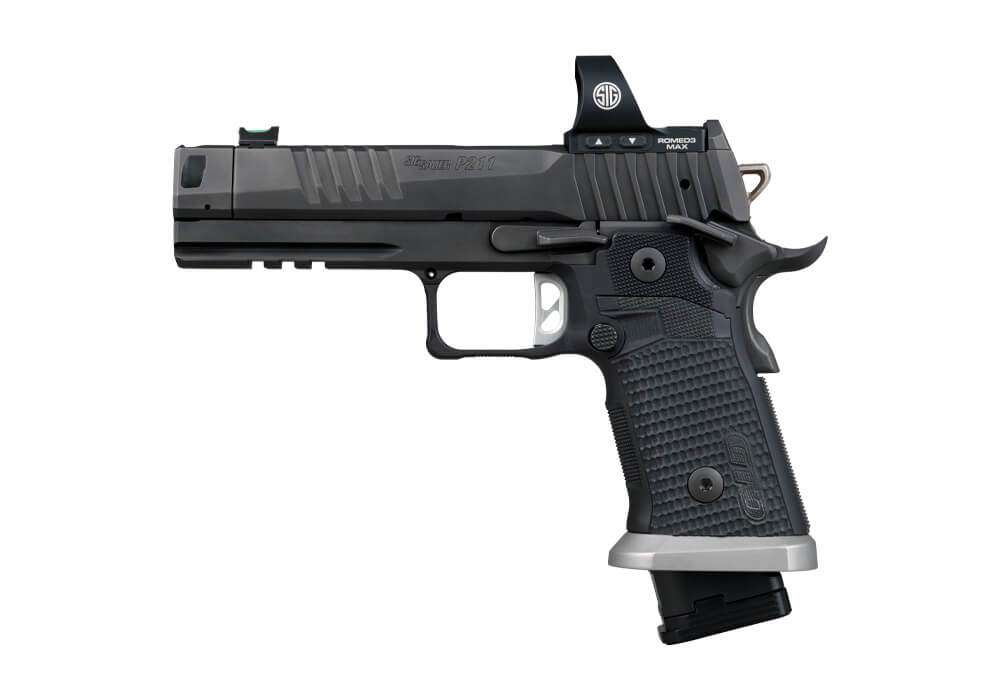
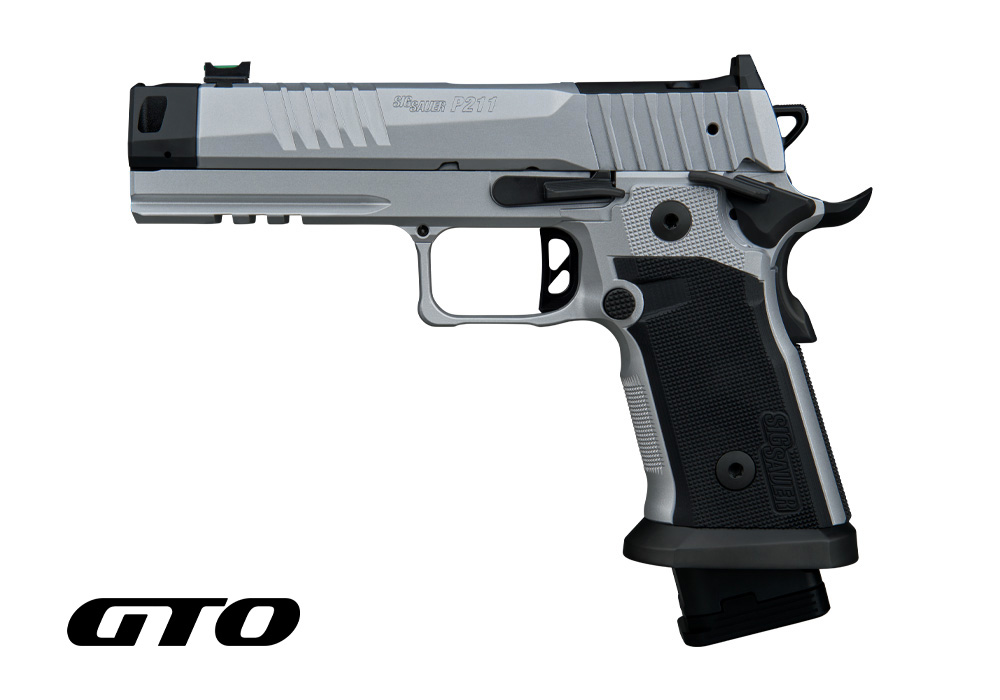
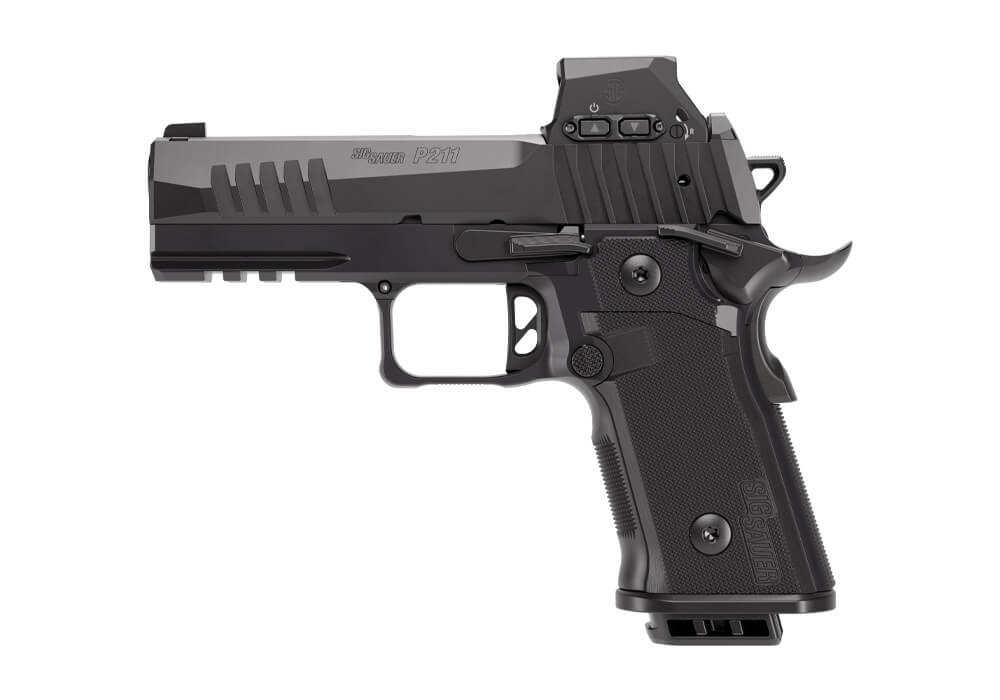
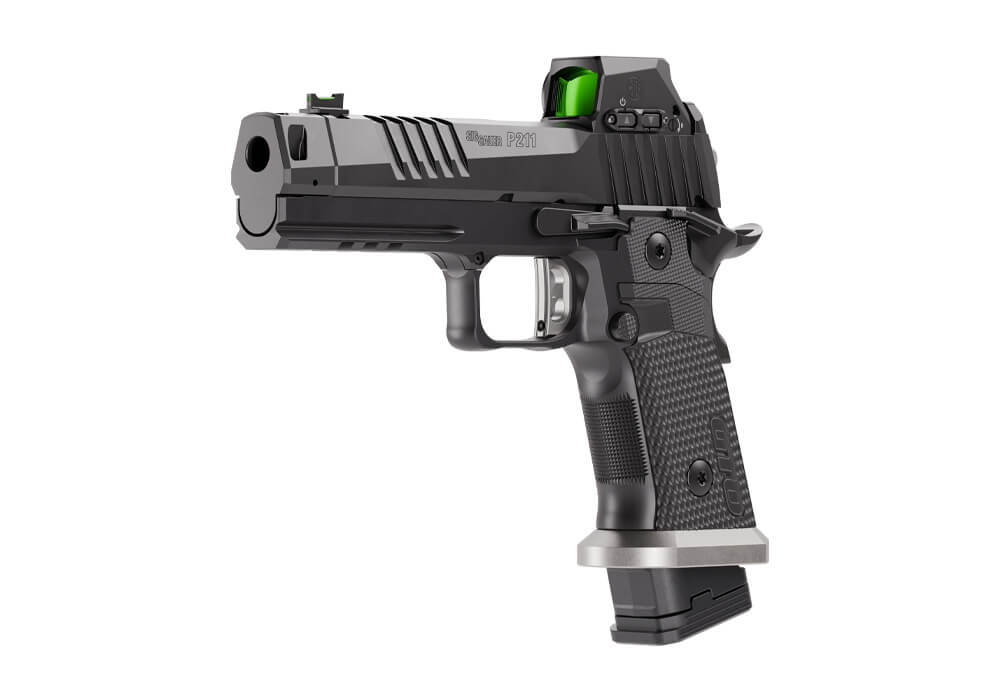
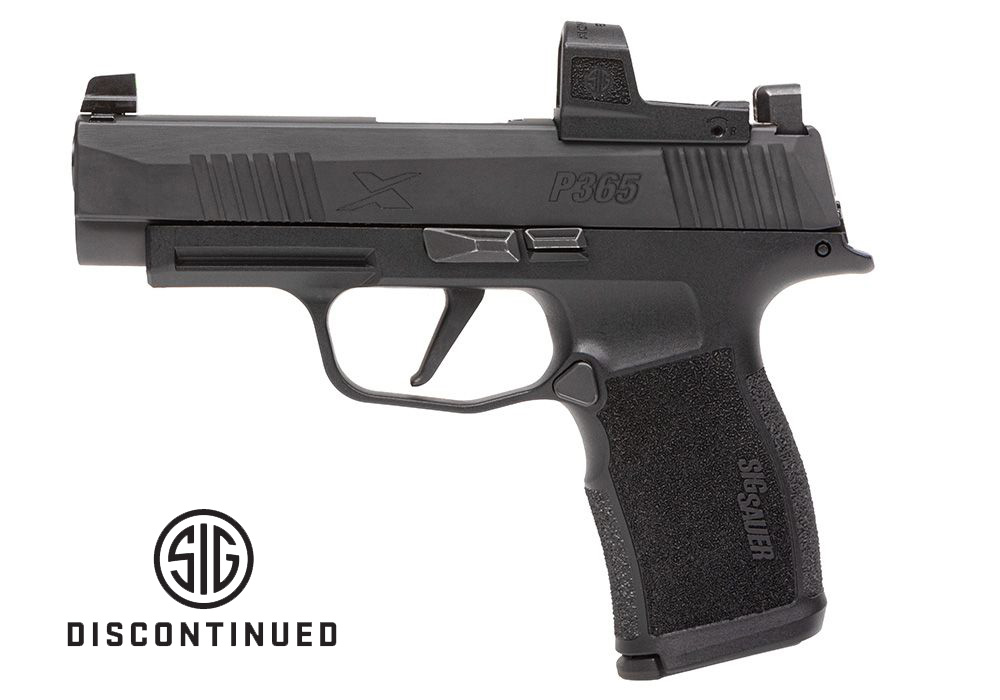
9mm pistols with enhanced sighting give shooters a practical blend of familiar handling, manageable recoil, and a clearer visual reference for aiming. This category may include compact, full-size, and competition-oriented configurations with factory-installed reflex optics, optics-ready slides, or enhanced iron sights such as high-visibility front posts, tactical U-notch rears, and low-light sight elements. Each setup supports a different style of use. A compact pistol with a streamlined optic can suit concealed carry, while a larger frame may offer a longer sight radius, a steadier grip, and more comfortable sessions at the range. For home protection, many people look for a sighting arrangement that is easy to locate under stress without adding unnecessary complexity. Those who spend time practicing on paper or steel often appreciate a crisp aiming reference that helps them track the target through each controlled shot. The best choice starts with the way the pistol will be carried, stored, and practiced with, followed by a careful look at the sight system itself. A factory-mounted optic can simplify setup, while an optics-ready slide gives the owner room to choose a preferred footprint later. Traditional iron sights remain dependable and familiar, and some enhanced configurations pair them with an optic so the shooter has a usable aiming reference if the electronic sight is unavailable.
When comparing these pistols, begin with fit and visibility rather than selecting a sight solely because it looks advanced. Stand in a safe, supervised setting with an unloaded pistol and check whether the grip fills the hand naturally, the controls are easy to reach, and the front sight or optic appears quickly when the pistol is brought into a proper aiming position. A small reflex window may feel fast and intuitive for one shooter, while another may prefer a bright front sight and a defined rear notch. Lens size, reticle brightness, battery access, automatic illumination settings, and the ability to co-witness with iron sights all deserve attention. For low-light use, consider how the sight picture appears against darker backgrounds and whether the chosen system complements a handheld or weapon-mounted light. Holster compatibility is equally important, especially for concealed carry. An optic-equipped slide may require a dedicated holster with enough clearance around the sight, and the overall profile should remain comfortable beneath everyday clothing. Grip texture, trigger feel, slide serrations, frame size, and barrel length also influence practical control. Standard and extended magazine options can affect reload frequency and grip length, so shoppers should review local rules and select an arrangement that suits both lawful storage and intended practice. Anyone new to enhanced sighting may benefit from professional instruction, beginning with slow presentation drills before working toward faster strings. A few quiet minutes spent confirming sight alignment, trigger control, and follow-through often prove more valuable than rushing through a full box of ammunition.
These pistols can serve experienced owners, new shooters building a training routine, or a responsible recipient who has expressed a clear interest in sport shooting or personal protection. They can also be a thoughtful gift when the recipient’s preferences, lawful eligibility, and local transfer requirements are fully understood; a safe, secure storage solution, quality eye and ear protection, training, and a properly fitted holster may be more useful additions than choosing a configuration without their input. Before purchase, confirm applicable laws, permit requirements, transport rules, and any restrictions affecting optics, magazines, or private transfers. Store the pistol unloaded when appropriate, keep it secured from unauthorized access, and follow the handling practices taught by a qualified instructor. Regular inspection helps keep the sighting system ready for practice: check that mounting hardware remains secure, inspect the optic window for dust or scratches, verify battery condition where applicable, and confirm zero at a suitable range. A simple routine can be reassuring during the cooler months, when shorter daylight hours may make low-light practice especially relevant, while indoor range time offers a comfortable way to maintain consistency as weather changes. Whether the goal is discreet carry, home readiness, skill development, or organized competition, enhanced sighting should support sound fundamentals rather than replace them. Explore related options in 9mm Pistols With Heightened Performance to compare additional configurations focused on handling, control, and dependable performance.