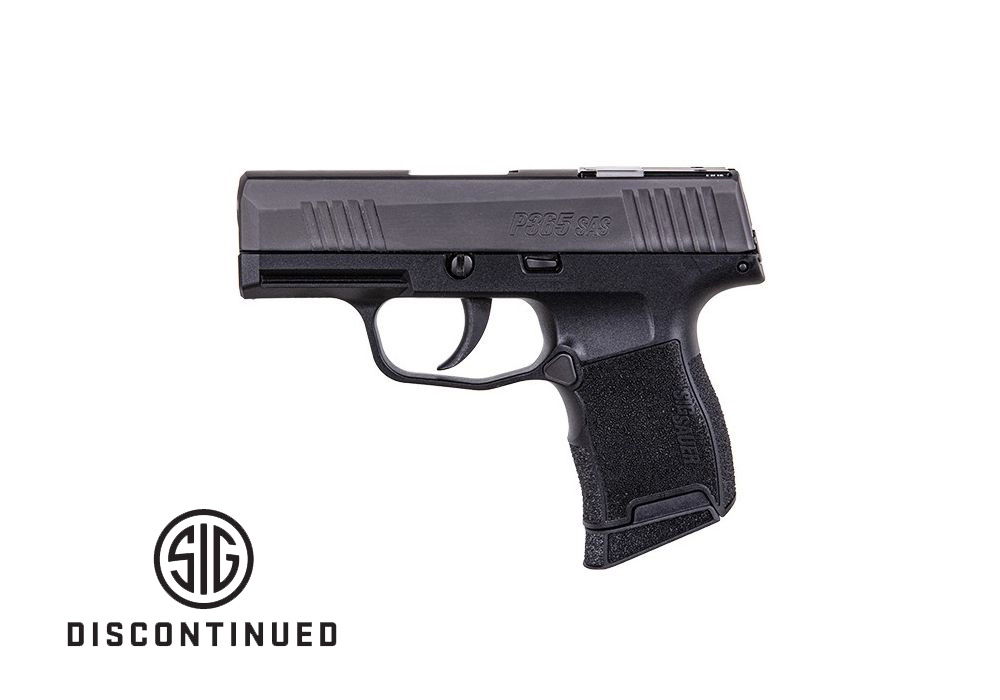
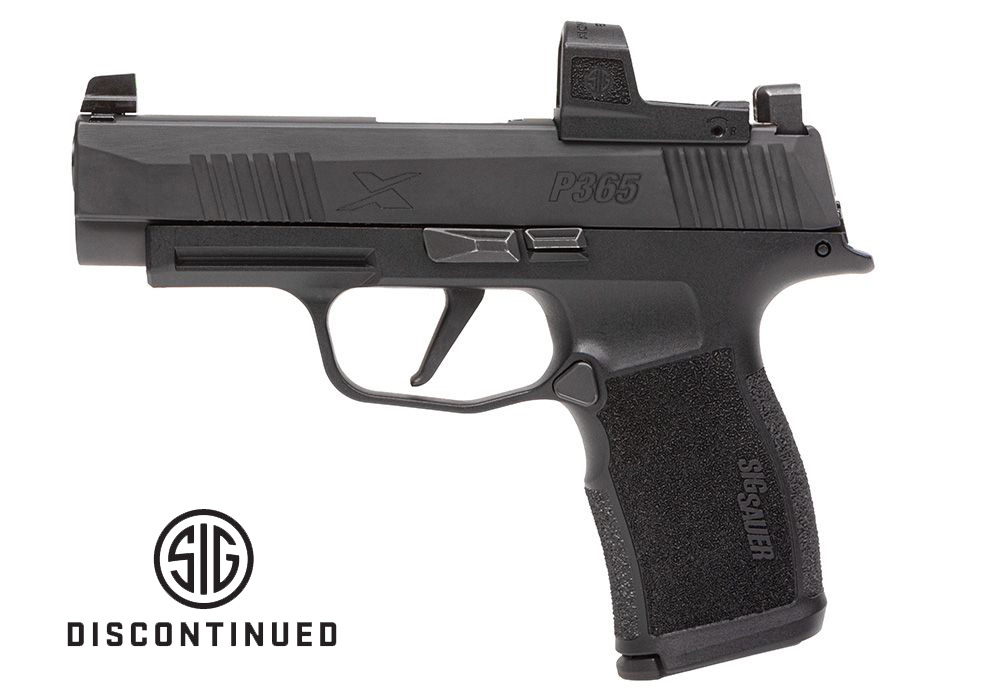
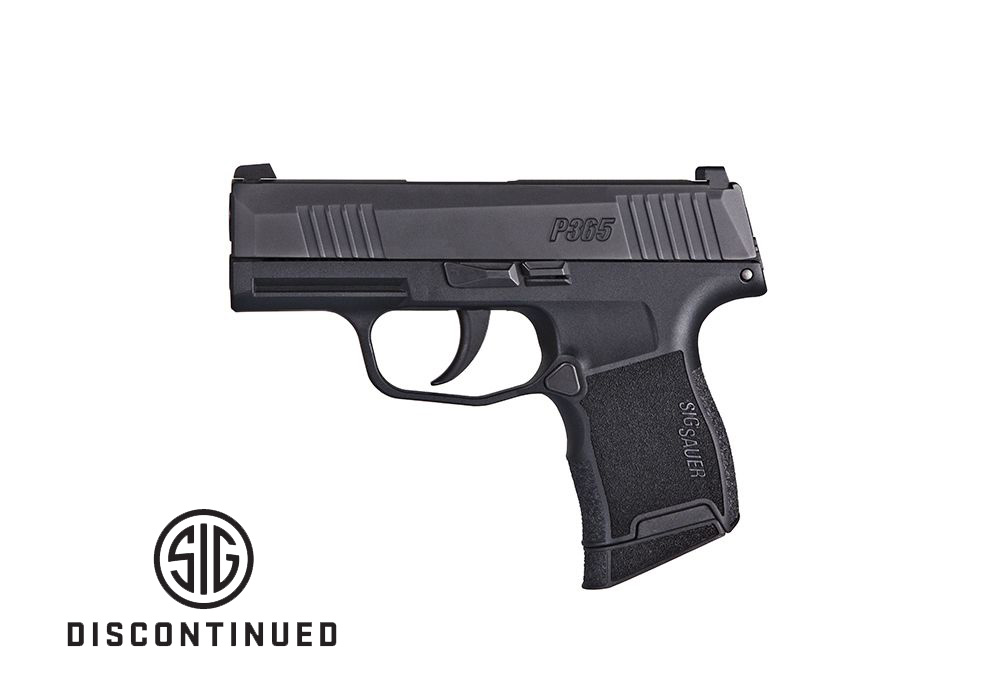
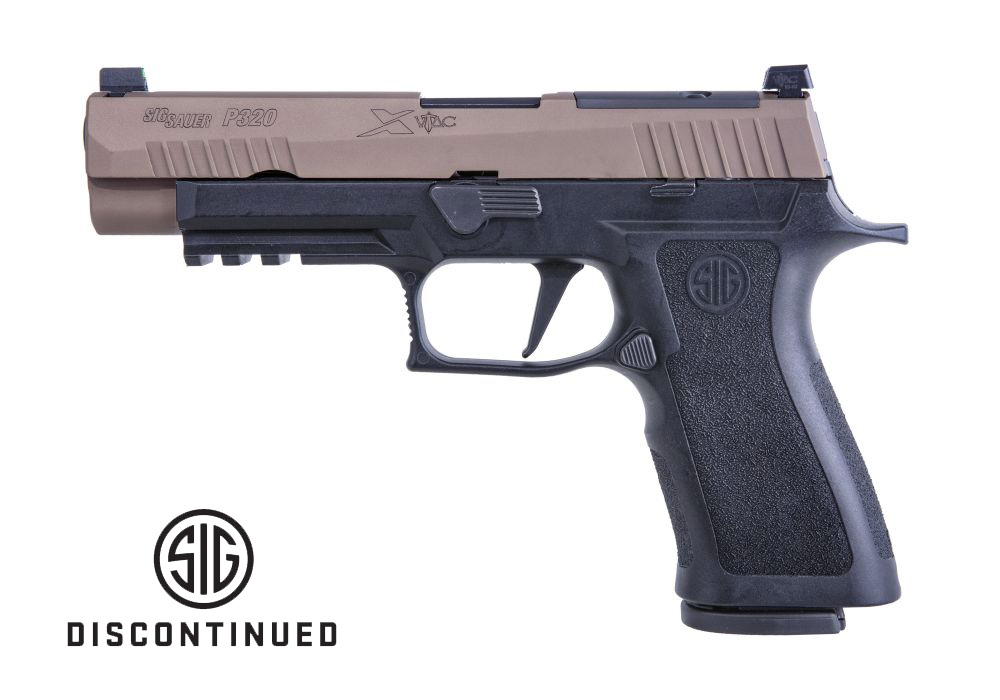
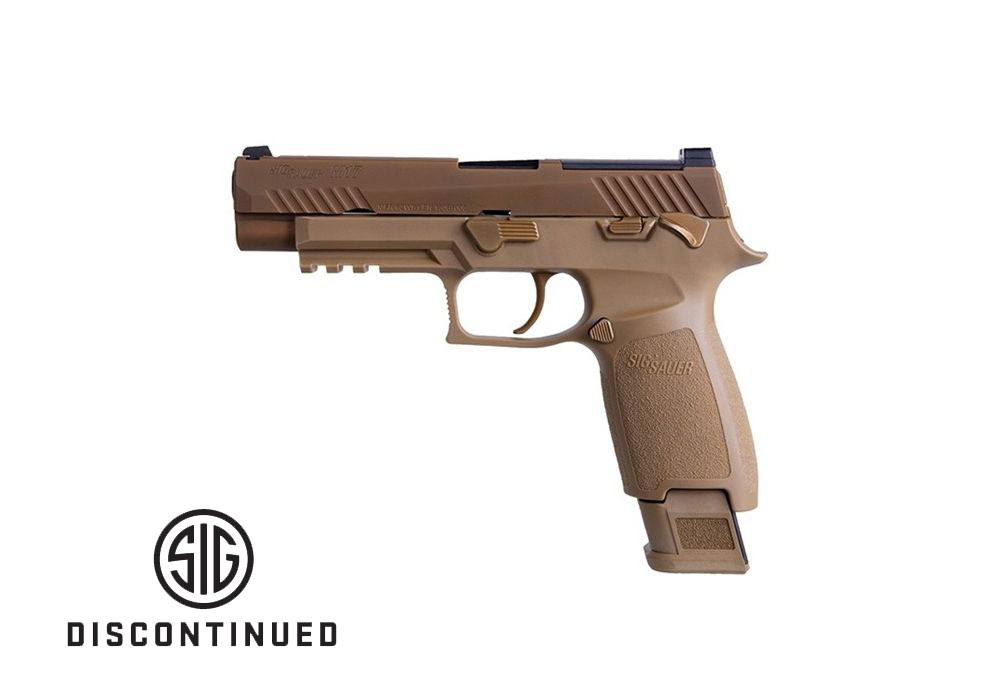
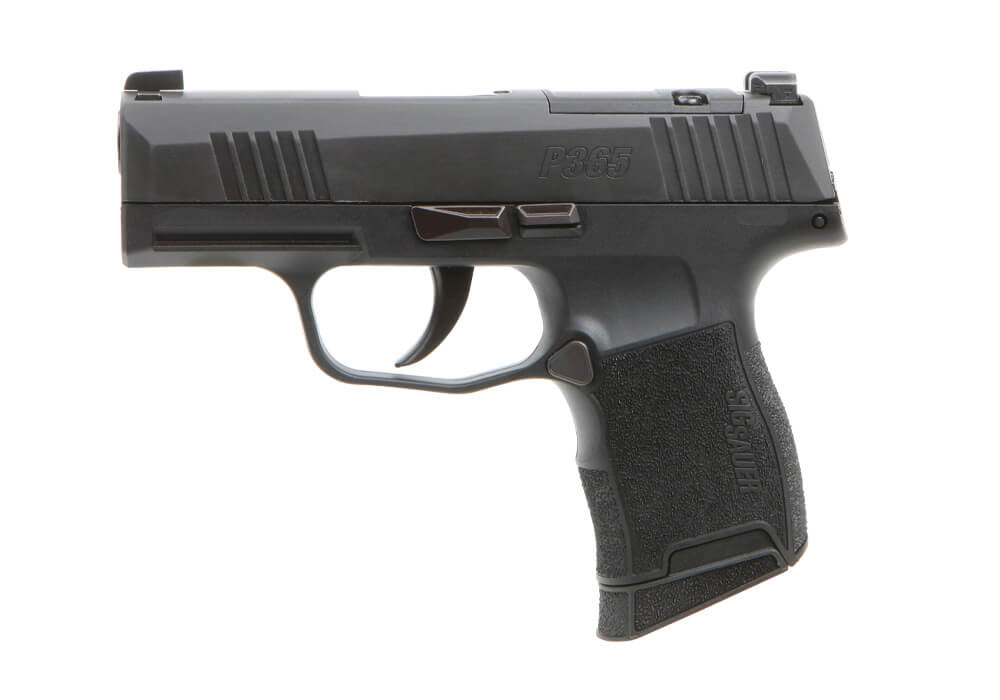
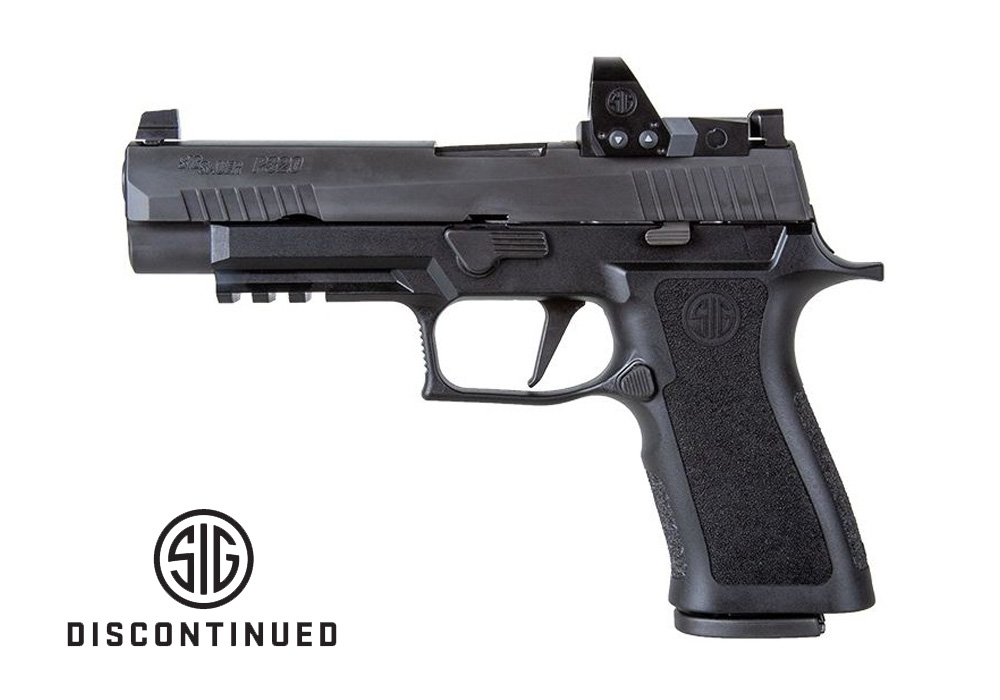
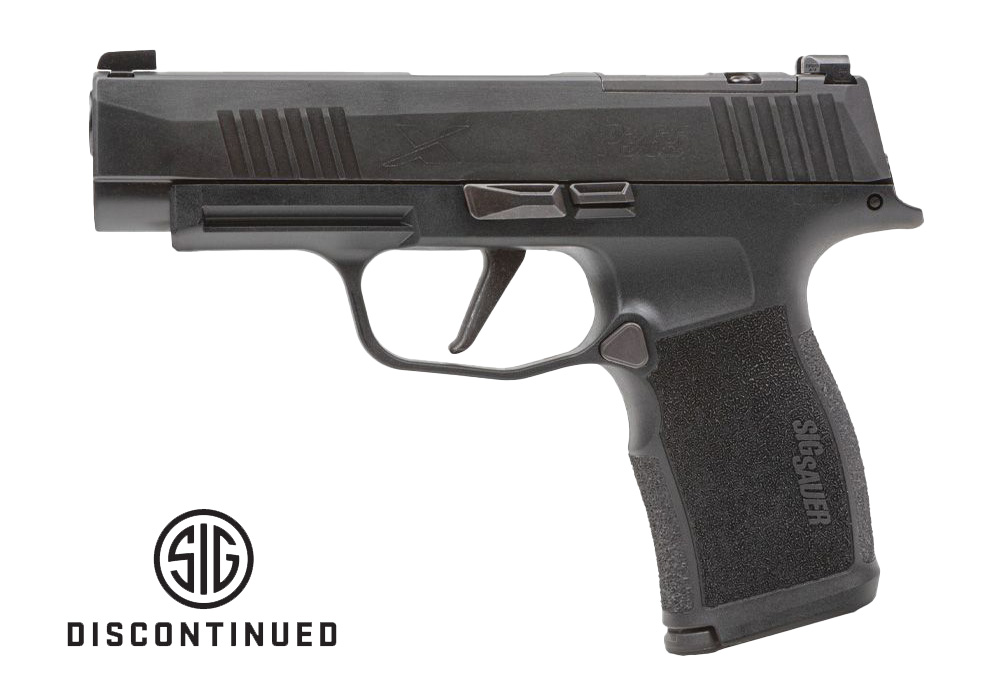
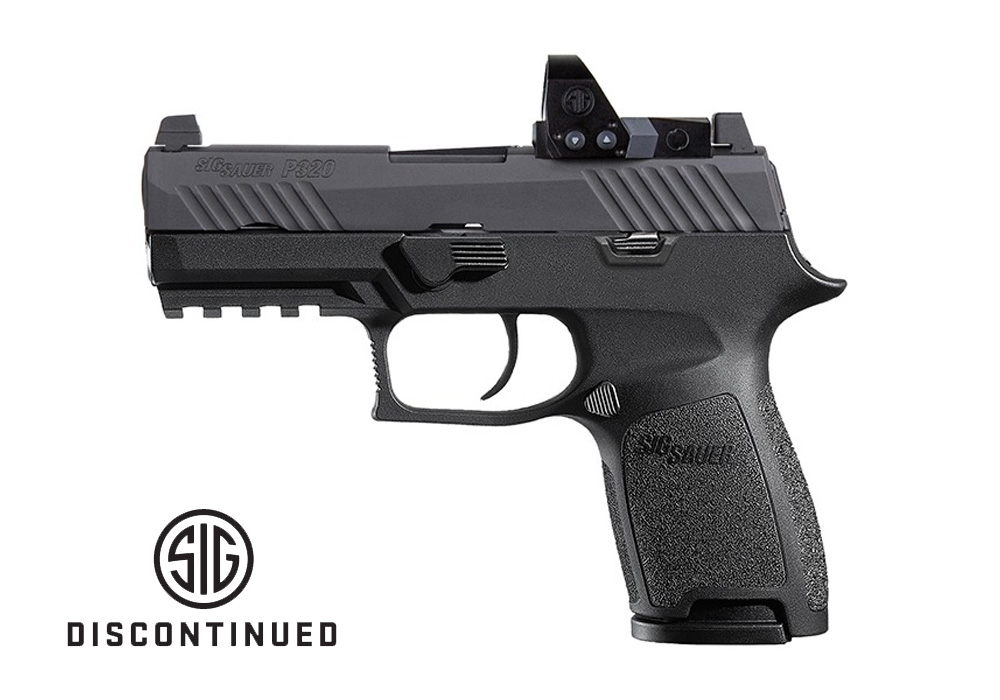
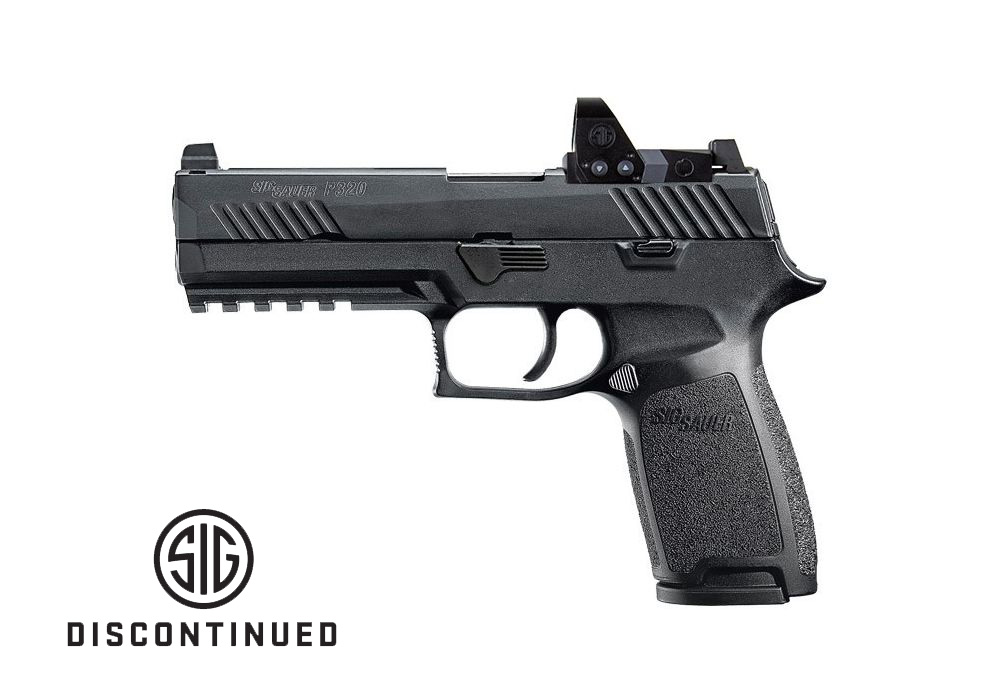
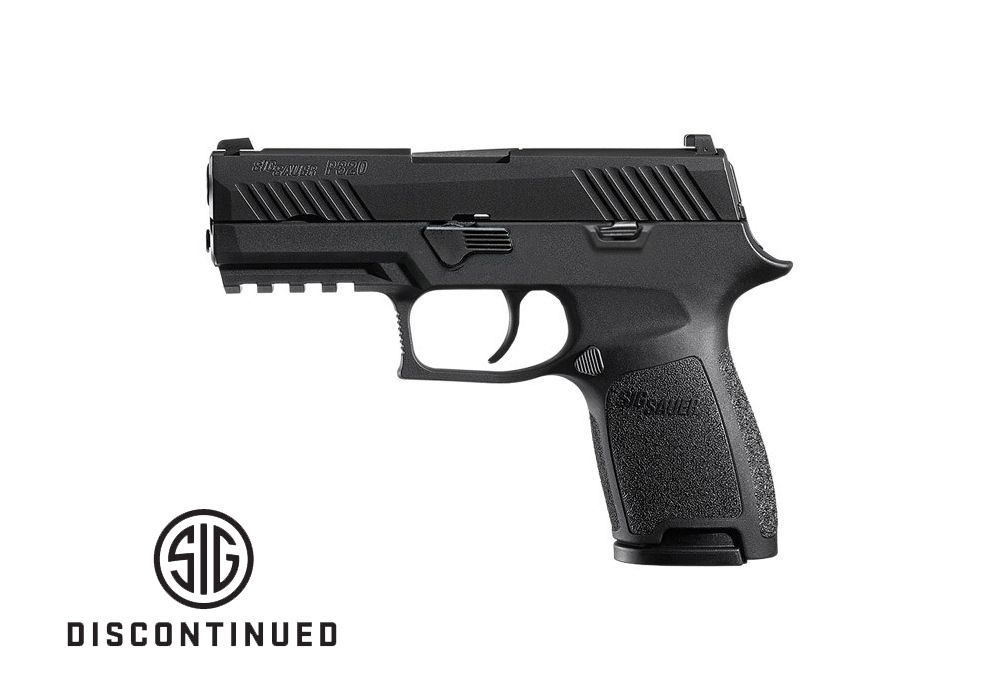
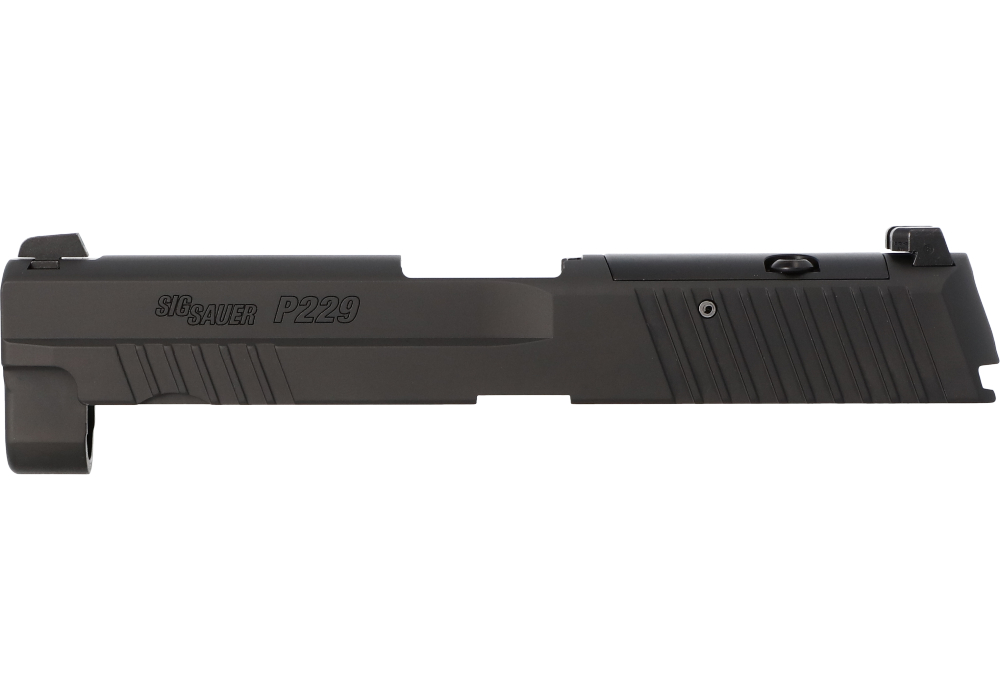
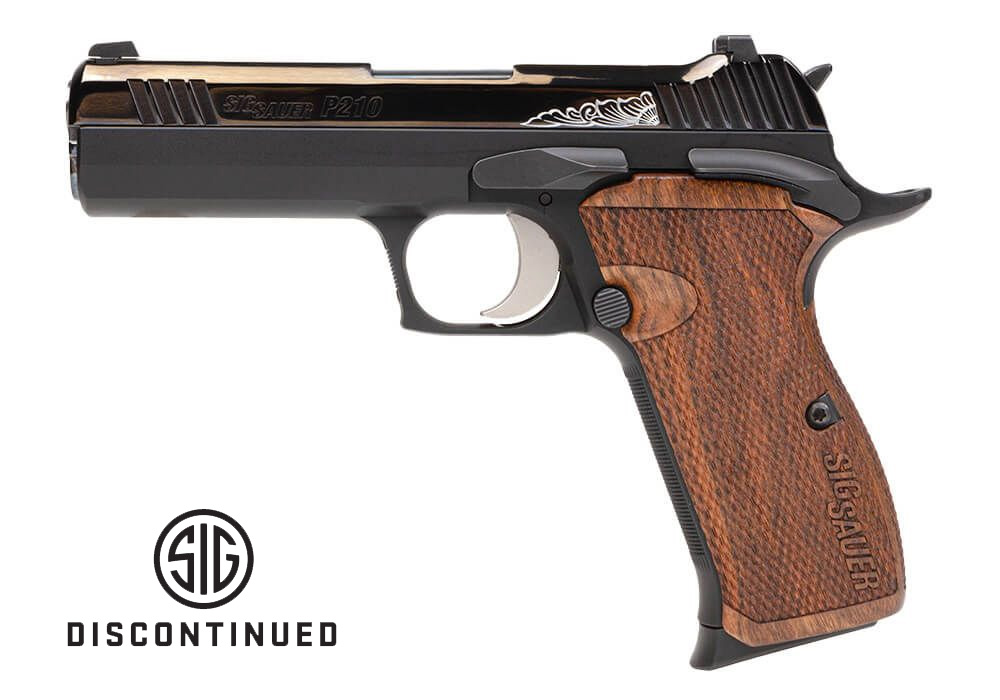
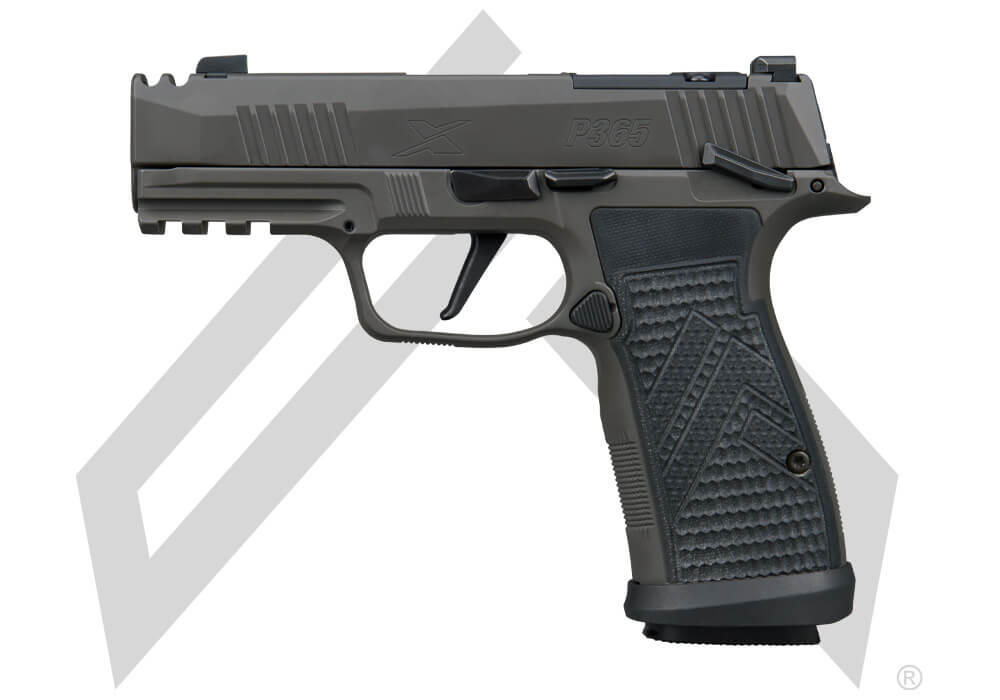
9mm pistols with night sights are designed for shooters who want a clear, usable sight picture when daylight fades or lighting conditions change. A factory-installed night sight system typically uses small, self-illuminating tritium elements that remain visible without batteries, switches, or charging. This can be especially helpful when moving from a bright outdoor setting into a dim interior, checking equipment during the cooler months when evenings arrive earlier, or practicing on a range with reduced lighting. Many designs use a bright front reference paired with a subdued rear, helping the eye find the front sight quickly while maintaining a familiar iron-sight picture. Other configurations use a three-dot arrangement or combine tritium with a high-visibility outline for easier alignment during the day. Since a night sight is part of the pistol rather than a removable accessory, it can simplify setup and provide a consistent aiming system from the first time the firearm is handled. Shoppers comparing 9mm pistols with night sights should look closely at sight shape, dot color, rear-notch design, sight height, and the way the system fits the intended use. A wide, bright front sight may be appealing for close-range defensive practice, while a more precise rear notch can benefit deliberate target work. The right choice often comes down to the shooter’s eyesight, grip, training habits, and the environments in which the pistol may be used.
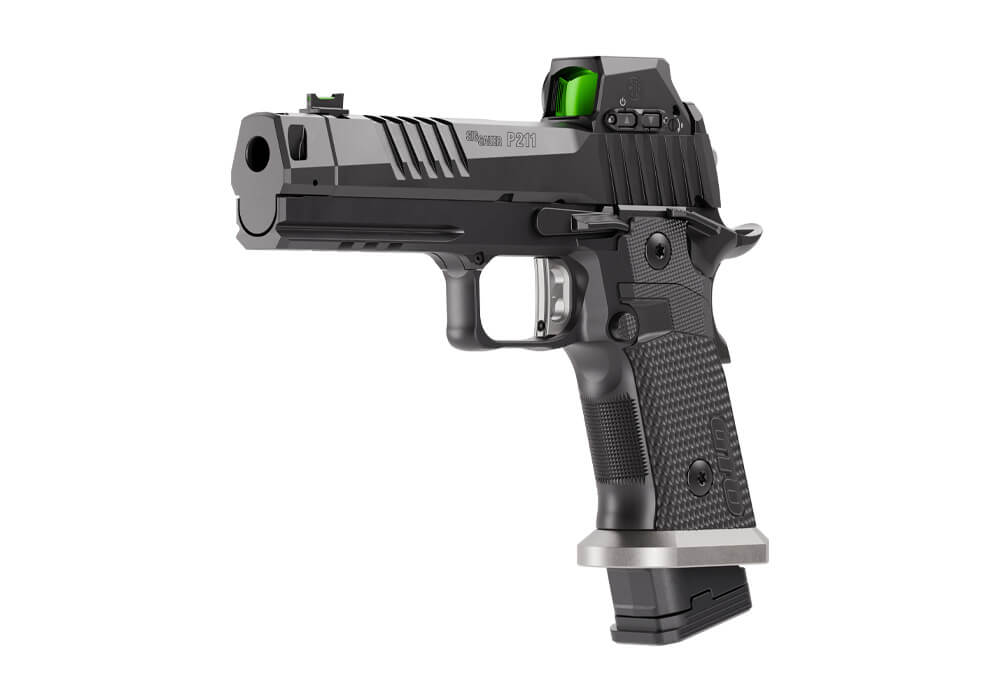
Size and handling are equally important when selecting a 9mm pistol with night sights. Compact and subcompact models are often chosen for discreet carry because their shorter slides and reduced dimensions can be easier to conceal, while compact and full-size configurations may offer a longer sight radius, a more substantial grip, and a steadier feel during extended range sessions. Standard or extended capacity magazines can provide flexibility depending on local regulations, carry preferences, and training needs, but a magazine should always be checked for reliable fit, easy operation, and comfortable concealment. Pay attention to the grip circumference, texture, trigger reach, controls, and the weight of the pistol with a loaded magazine. A firearm that feels natural in the hand is more likely to be carried responsibly and practiced with consistently. Some modern 9mm pistols with night sights are also optics-ready, allowing a compatible compact reflex sight to be added while retaining iron sights as a backup when the configuration is designed for that purpose. This can be useful for shooters building a versatile setup over time, though any optic, mounting plate, or taller sight arrangement should be installed according to the manufacturer’s specifications and confirmed at the range. Those seeking a broader selection of sighting features can also explore 9mm Pistols With Enhanced Sighting to compare configurations intended to improve visibility and aiming confidence.
These pistols may suit experienced owners refining a carry setup, new shooters choosing a first centerfire handgun, or responsible adult recipients receiving a firearm as a meaningful gift. A gift selection should be made with the recipient’s knowledge and consent, and all applicable laws, transfer requirements, waiting periods, storage rules, and age restrictions should be observed. Fit matters more than appearance: a pistol that can be safely gripped, operated, loaded, unloaded, and stored is a better choice than one selected solely for its compact profile or sight style. Night sights are not a substitute for a flashlight, safe identification, sound judgment, or formal instruction, and they do not illuminate a target or reveal what lies beyond it. Tritium elements glow continuously in darkness, while fiber-optic elements gather available ambient light and are generally brightest in daytime conditions; combination day/night systems are intended to bridge those environments. Tritium gradually becomes less luminous over time, with many systems showing noticeable dimming after roughly a decade, so owners should inspect their sights periodically and replace them when visibility declines. Before relying on any 9mm pistol with night sights, practice from a safe, stable position and from realistic ready positions, confirm the point of aim and point of impact, learn the controls, and become familiar with loading, unloading, malfunction procedures, and safe storage. During brighter practice sessions, the same pistol can be used to build a dependable presentation and sight-alignment routine, making the transition to low light more deliberate rather than unfamiliar. Store the firearm unloaded when appropriate, secure it from unauthorized access, and use a quality holster that fully protects the trigger guard when carrying. With the right fit, dependable equipment, and consistent training, night sights can add useful visibility to a 9mm platform without complicating the fundamentals of safe firearm handling.