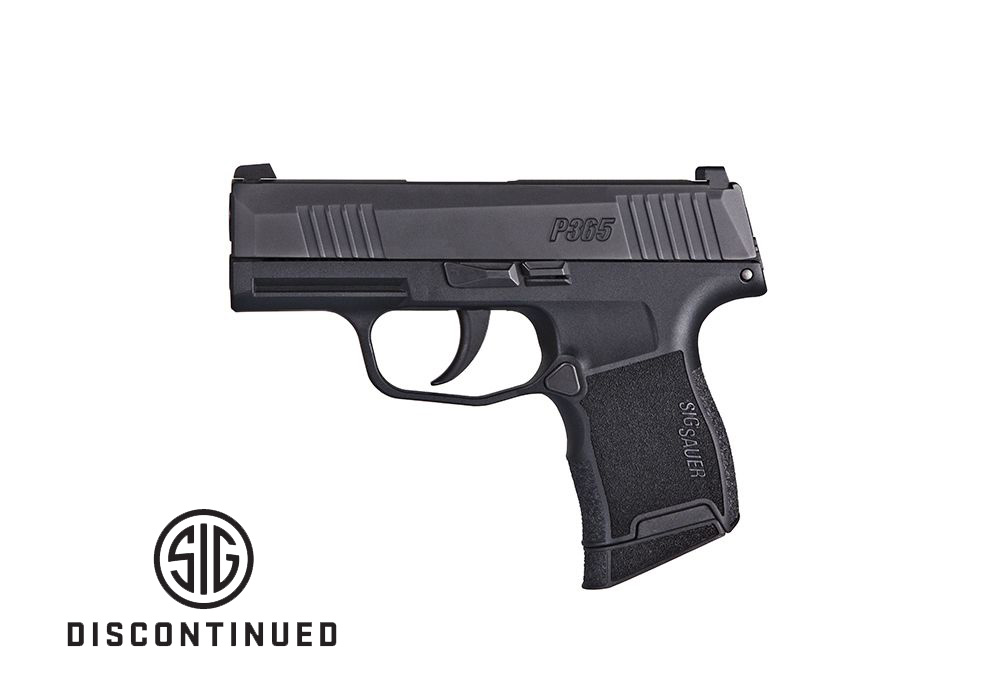
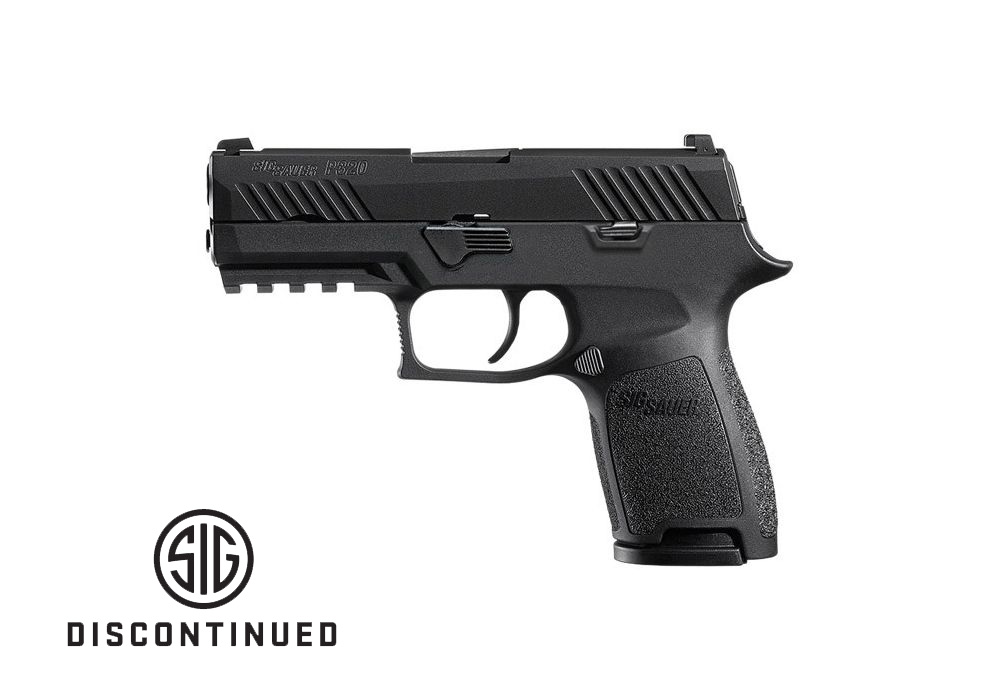
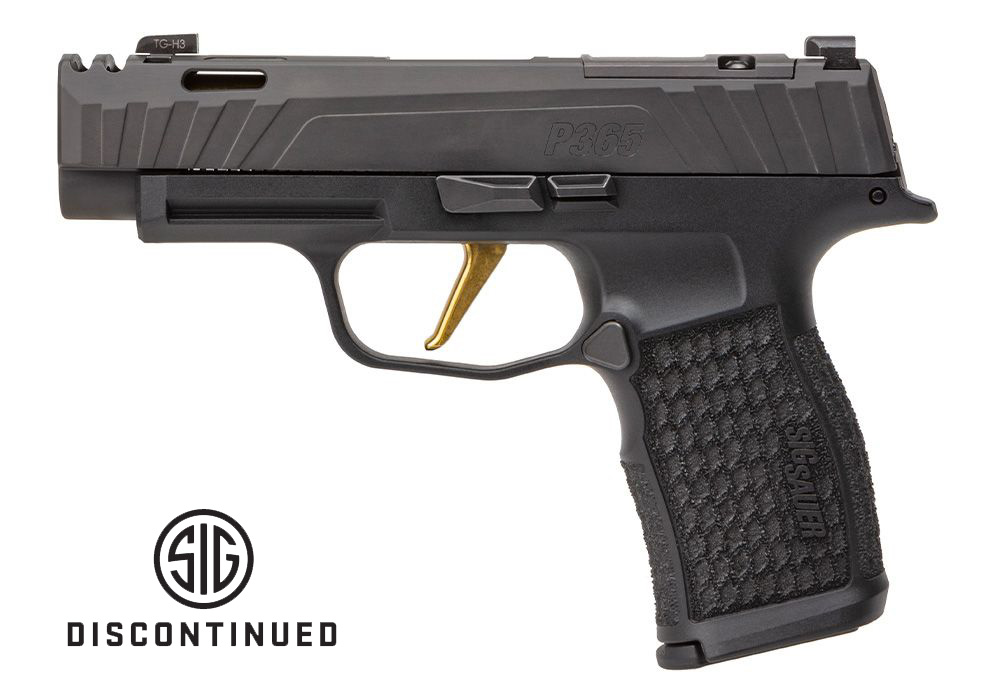
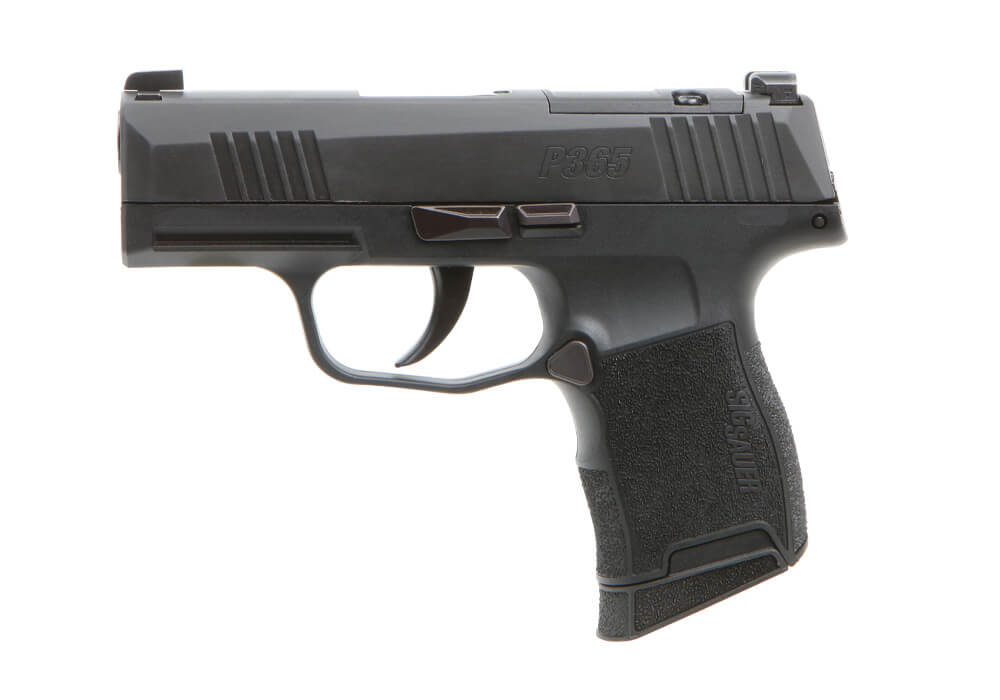
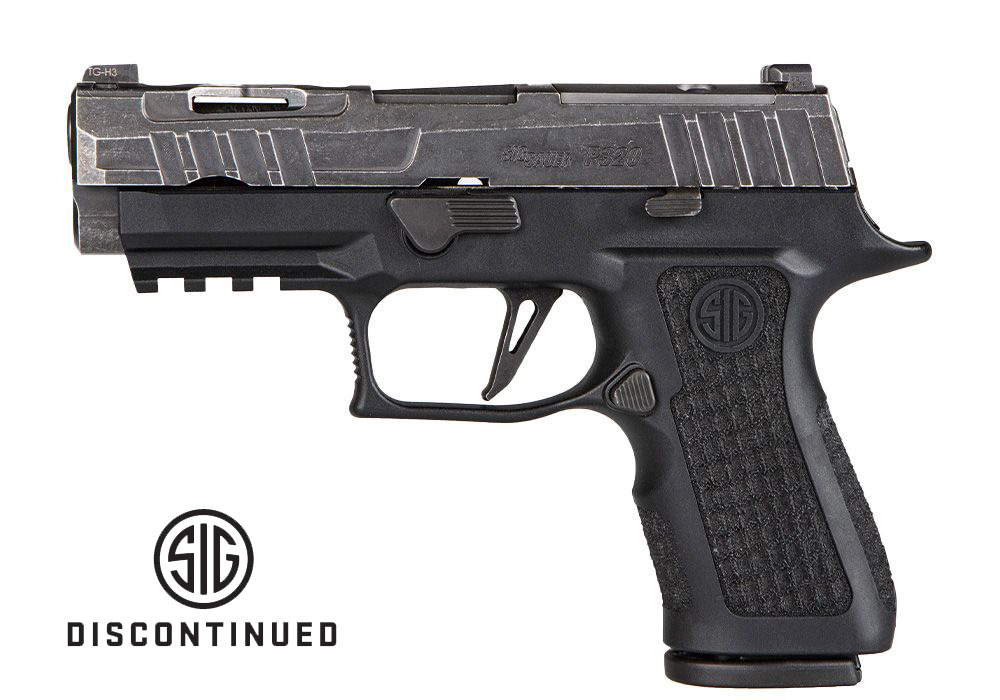
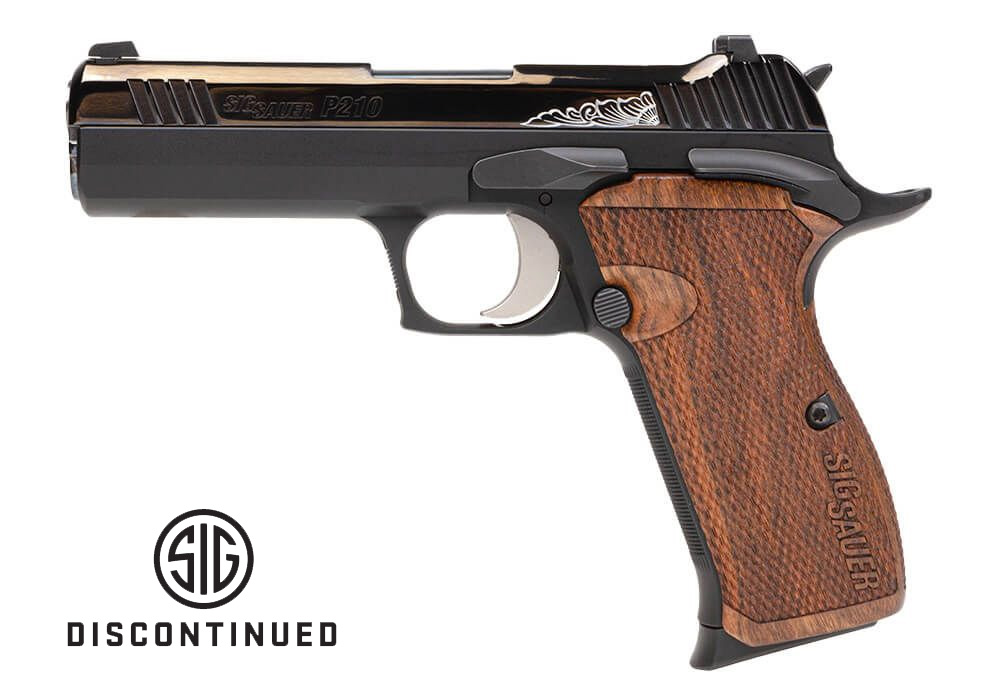
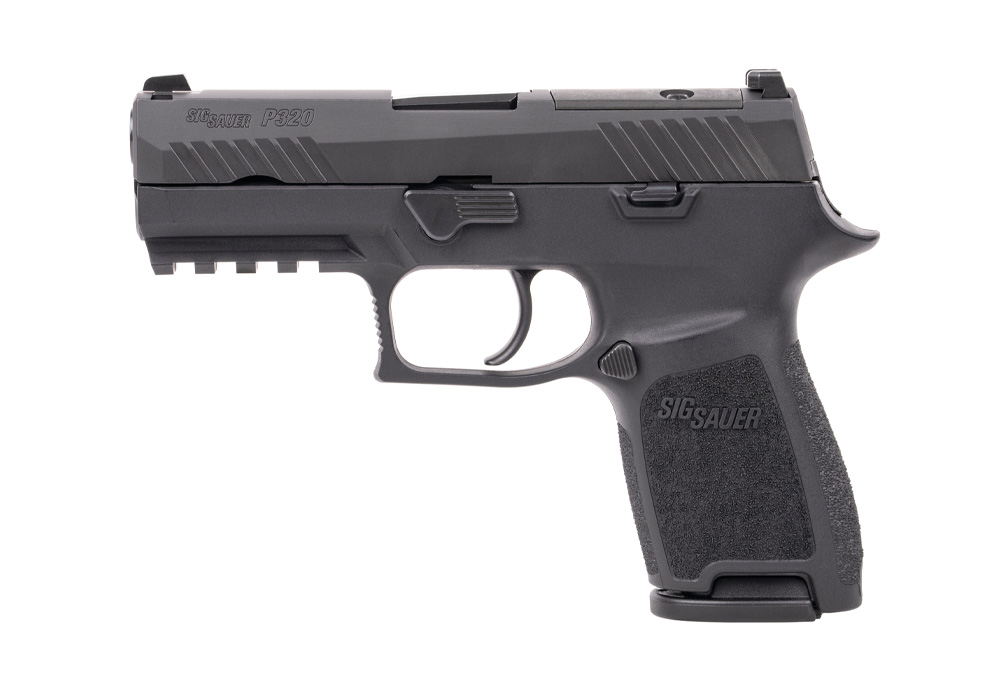
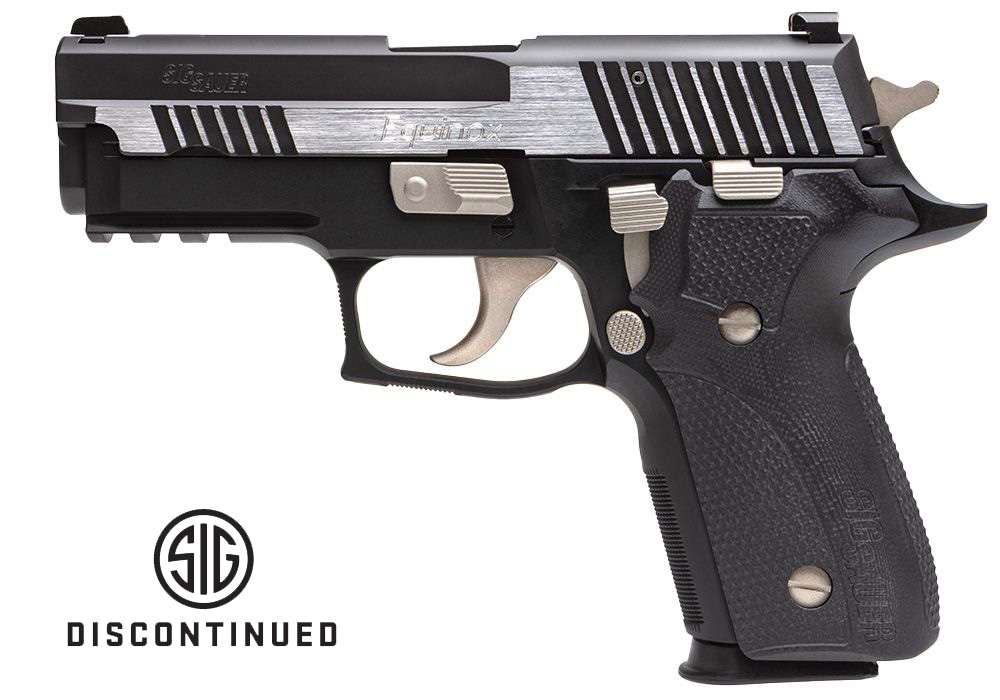
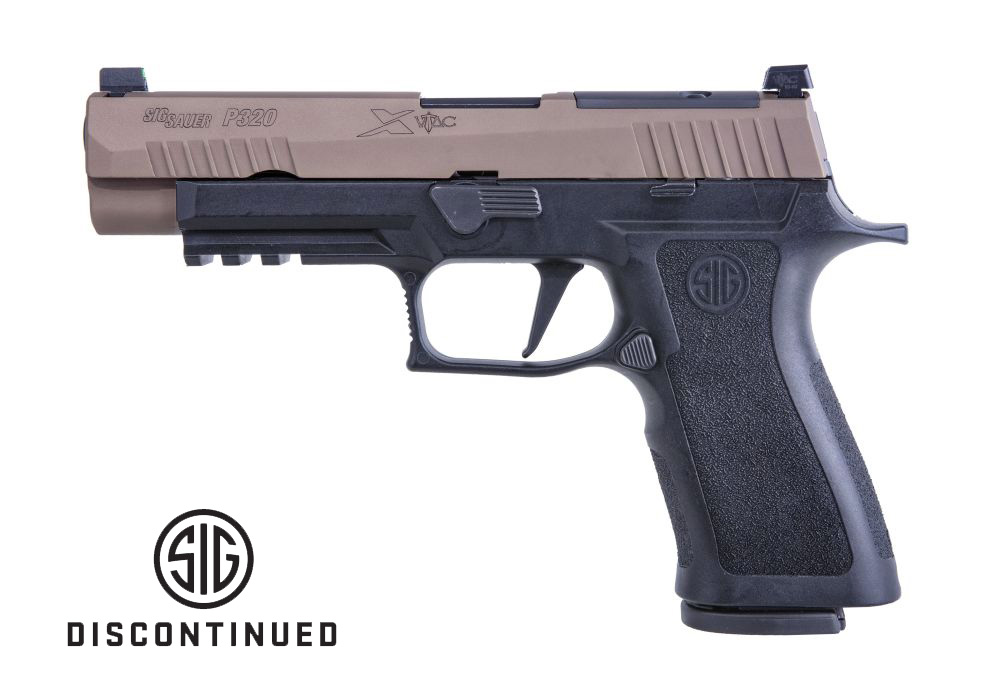
Compact pistols with night sights combine a smaller handgun profile with sight references designed to remain visible in reduced light. Their appeal extends beyond size alone: a compact frame can be practical for lawful concealed carry, while clearly defined front and rear sights support a consistent sight picture during supervised range practice. True tritium night sights contain sealed, self-illuminating capsules that glow without batteries or prior exposure to a light source. Some designs pair those illuminated elements with a bright outline around the front sight, giving the eye a distinct reference in daylight as well as dim surroundings. Other configurations use an illuminated front sight with a simpler rear notch, so the presence of night sights does not necessarily mean that every sight element glows. Fiber-optic sights work differently, gathering surrounding light to create a bright aiming reference; fiber-optic material alone does not provide illumination in complete darkness. Photoluminescent markings are different again, requiring exposure to light before glowing for a limited period. These distinctions matter because a colorful sight insert and a self-illuminating sight are not interchangeable features. Actual visibility depends on the sight design, ambient light, the condition of the illumination elements, and the person viewing them. Night sights illuminate sight references, not the surroundings or the target. They do not replace adequate lighting, positive target identification, or responsible judgment. Within this category, compact and subcompact descriptions generally indicate smaller dimensions than a full-size handgun, but those labels are not uniform measurements across designs. Overall length, grip height, width, and unloaded weight provide a clearer picture of how a pistol may fit its intended role. A shorter grip may be easier to conceal yet offer less room for the hand, while a somewhat larger compact frame may feel more settled during range sessions. The strongest match is a combination of manageable dimensions, comfortable handling, and sights that remain distinct to the individual using them.
Materials and construction influence how a compact pistol feels in the hand and how it holds up to regular use. Polymer grip frames can help limit weight, while metal frames offer a different balance and tactile feel. Steel slides, protective finishes, and corrosion-resistant components contribute to durability, although no finish eliminates the need for care. Sight housings also deserve attention: sturdy metal construction can help protect the sight elements during ordinary handling, but illuminated inserts still require appropriate treatment. Fit is equally important because small differences in grip shape become noticeable on a compact handgun. A grip that feels comfortable during a brief inspection may feel different after a full range session, particularly where textured surfaces contact the palm or where the trigger guard meets the fingers. Interchangeable grip components, when included in a design, can accommodate different hand sizes without assuming that the smallest frame is automatically the easiest to use. Trigger reach, control placement, and the effort required to operate the slide all contribute to whether a pistol suits an individual owner. These are useful points to evaluate in person with qualified assistance and, where possible, through supervised rental experience. Sight proportions deserve the same attention as grip dimensions. A prominent front outline may be easier for some eyes to distinguish, while others prefer a finer reference and a less visually busy rear sight. Corrective lenses and individual vision can change how sharp those elements appear, so brightness alone does not determine suitability. For a related emphasis on sight definition, Compact Pistols With Precision Sights provides another category to consider. Night visibility and precision are not opposing qualities, but sight width, notch shape, contrast, and intended use affect the overall experience. A useful sight picture should feel understandable rather than crowded, with features that suit the owner's vision and typical range environment.
Care and ownership considerations remain important long after the initial selection. Compact pistols used for lawful carry can encounter perspiration, lint, and residue from routine handling, while range use adds fouling that requires attention according to the owner's manual. Regular inspection helps reveal finish wear, debris around the sights, or a sight element that no longer appears as it should. Cleaning products should be compatible with the firearm's finish and sight materials; aggressive chemicals and abrasive treatment can damage surfaces or illuminated components. Tritium illumination gradually diminishes over time, so night sights are not a permanent, maintenance-free source of brightness. Inspection and any needed service should follow the manufacturer's recommendations, with damaged or questionable components evaluated by a qualified professional. Keeping the sight faces clean can preserve their contrast, but sealed illumination elements should not be opened or altered. Carry equipment is another part of the ownership picture. A holster must fit the particular firearm configuration, securely retain it, and fully cover the trigger guard without interfering with the sights or controls. Similar dimensions do not establish compatibility, and fit should be confirmed rather than assumed. Secure storage is essential whenever a firearm is not under the owner's direct control, especially in homes where children, visitors, or other unauthorized people may be present. Applicable laws, transport requirements, and training needs also belong in the decision. These pistols may suit experienced owners seeking a smaller handgun, licensed carriers where licensing is required, or adults developing familiarity through qualified instruction. None of those roles removes the value of regular practice and safe handling habits. For someone who divides time between structured range sessions and lawful everyday carry, comfort, durability, clear sights, and practical maintenance requirements all matter more than any single feature in isolation. A compact pistol with night sights is best understood as a complete firearm whose dimensions, controls, construction, and sight system need to work together for its intended owner.