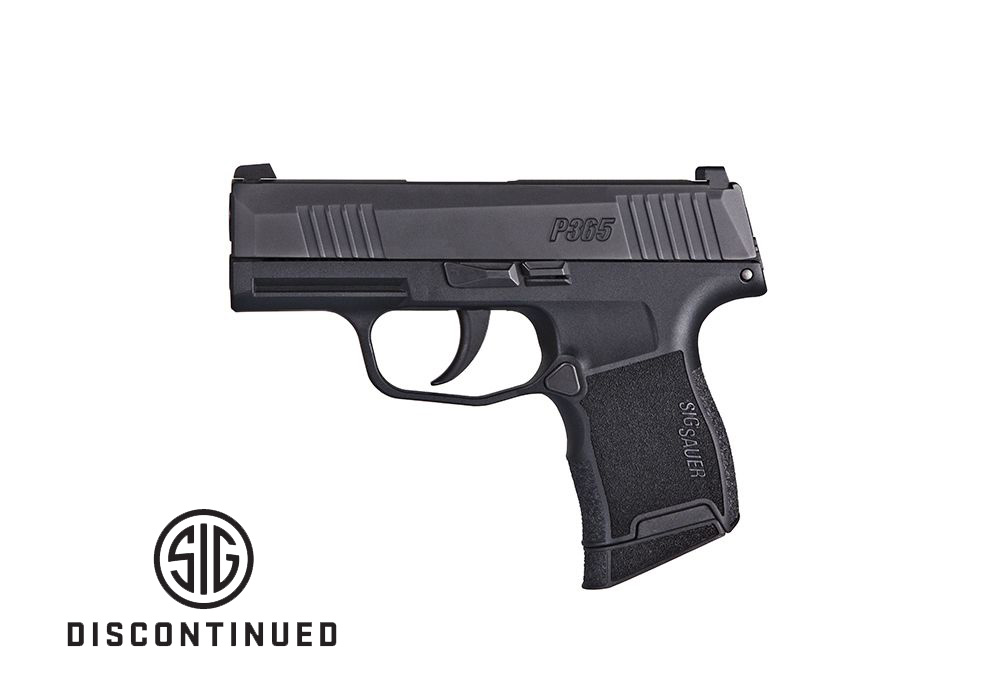
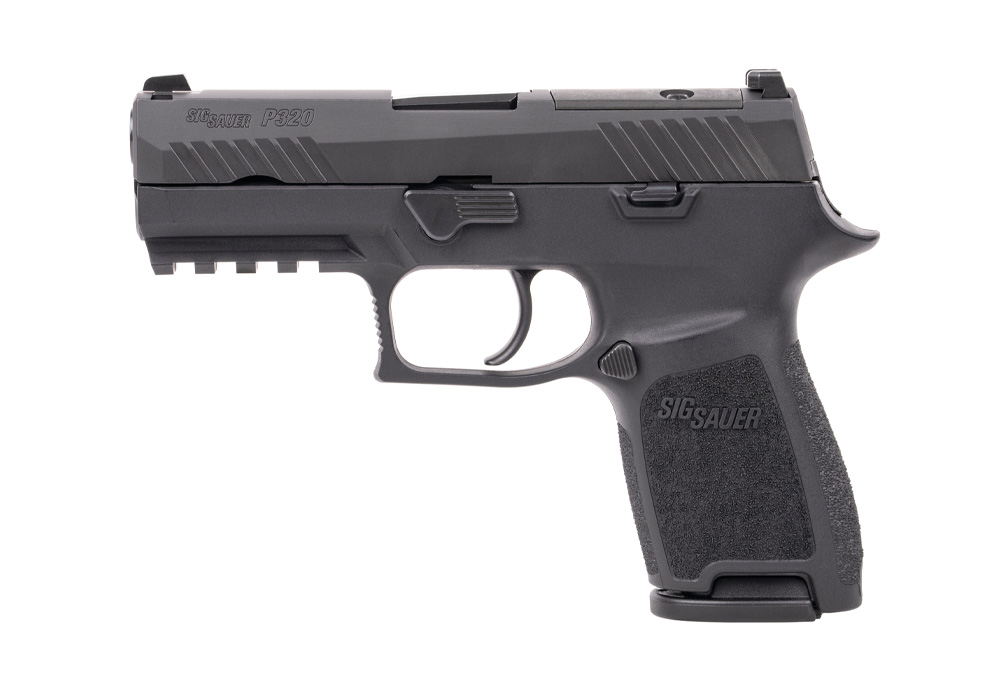
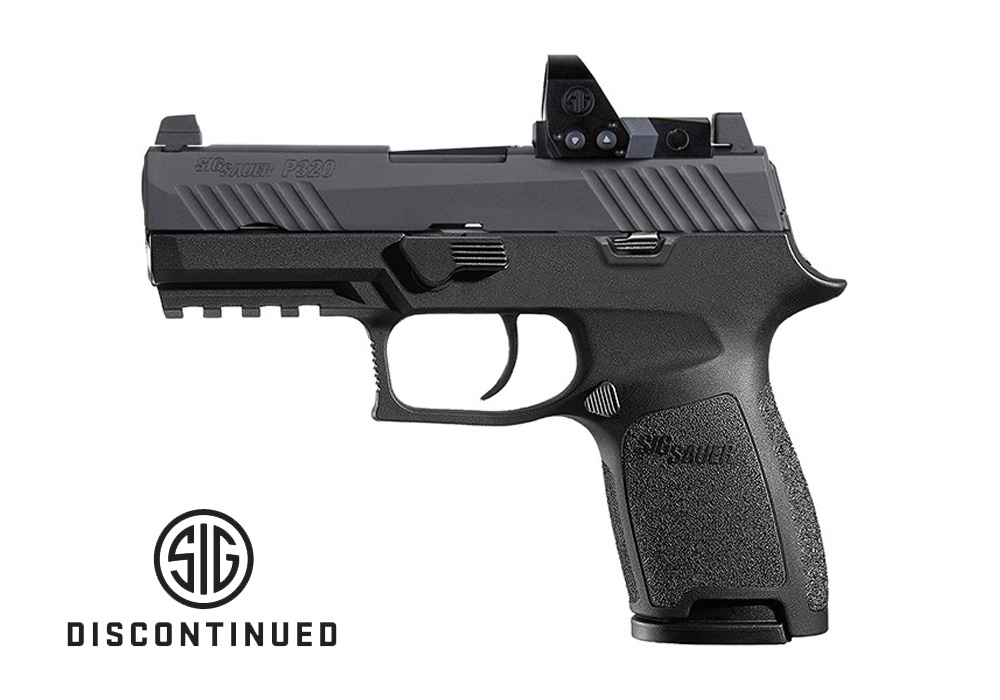
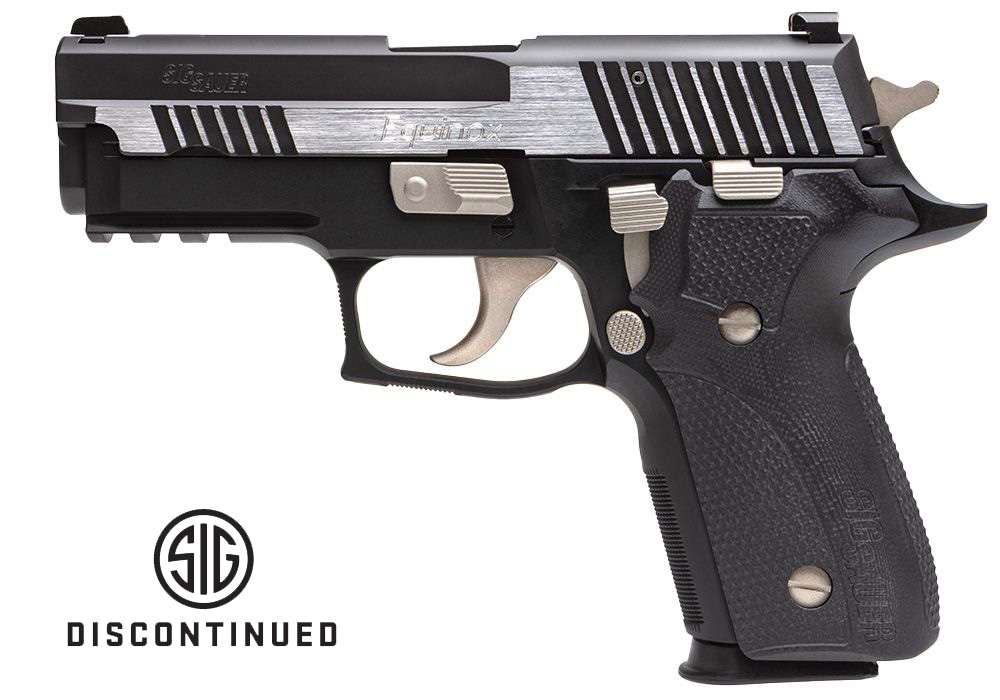
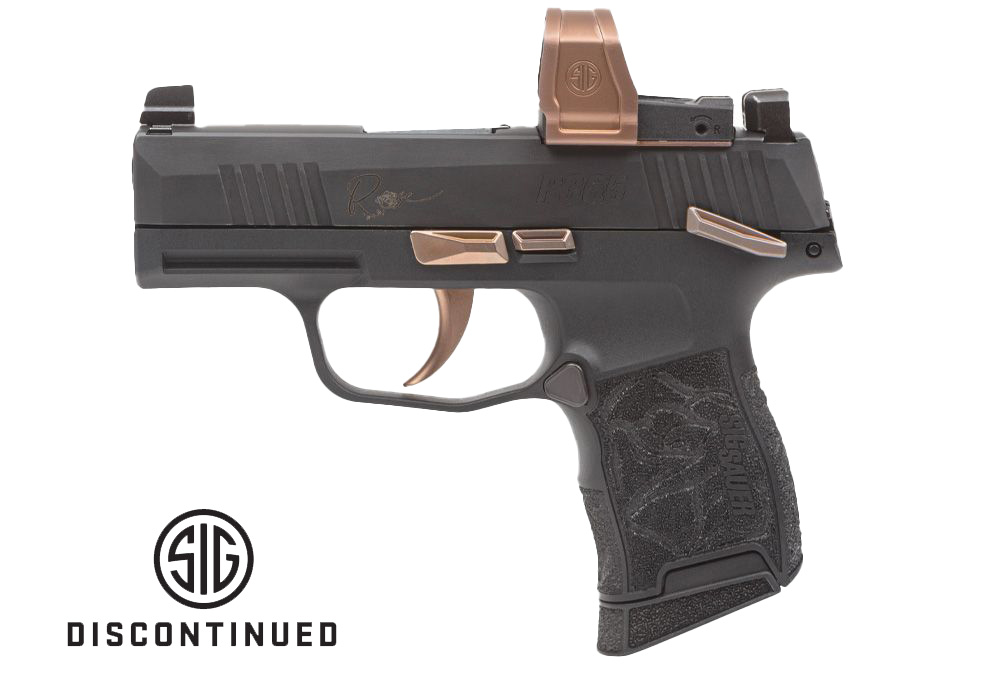
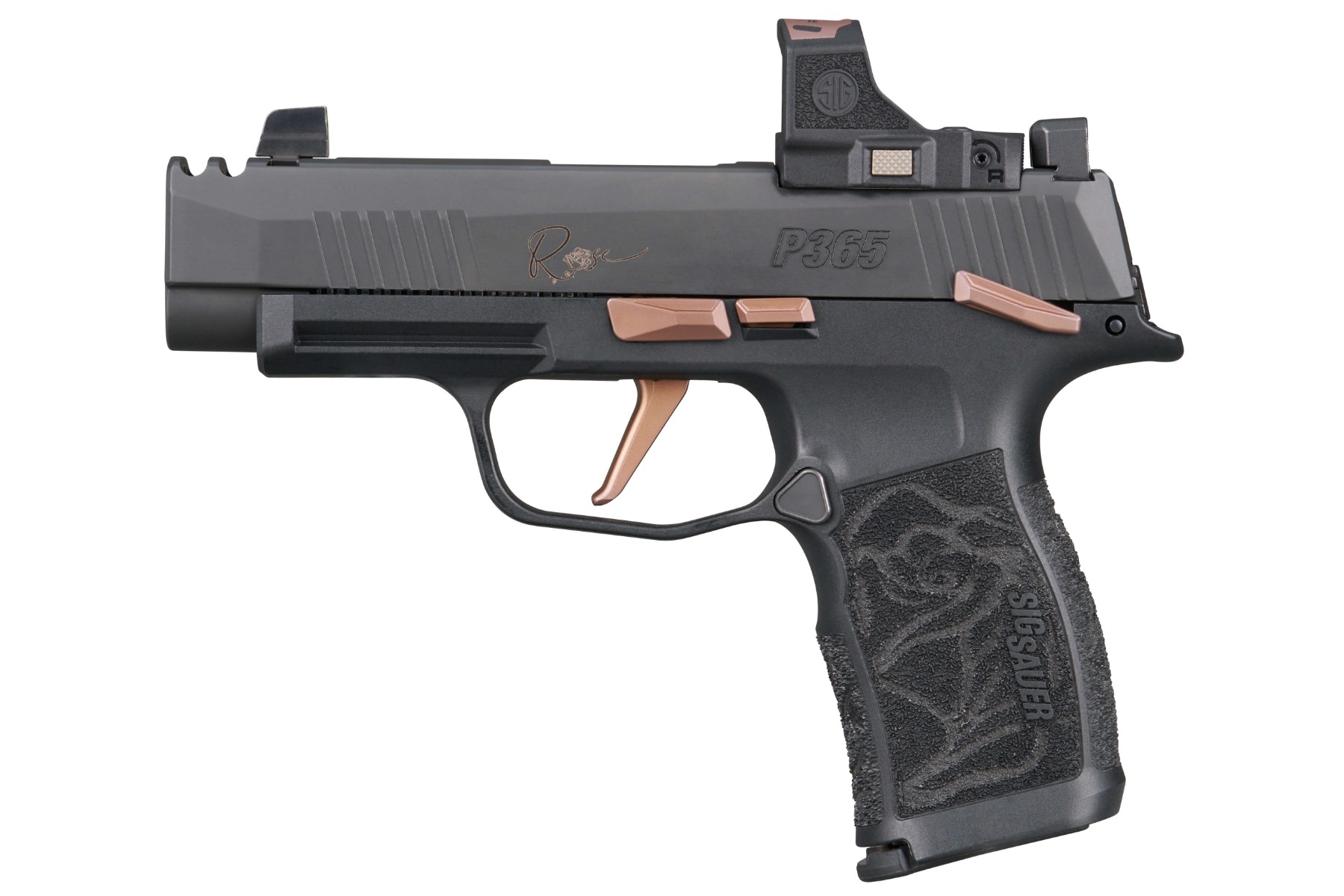
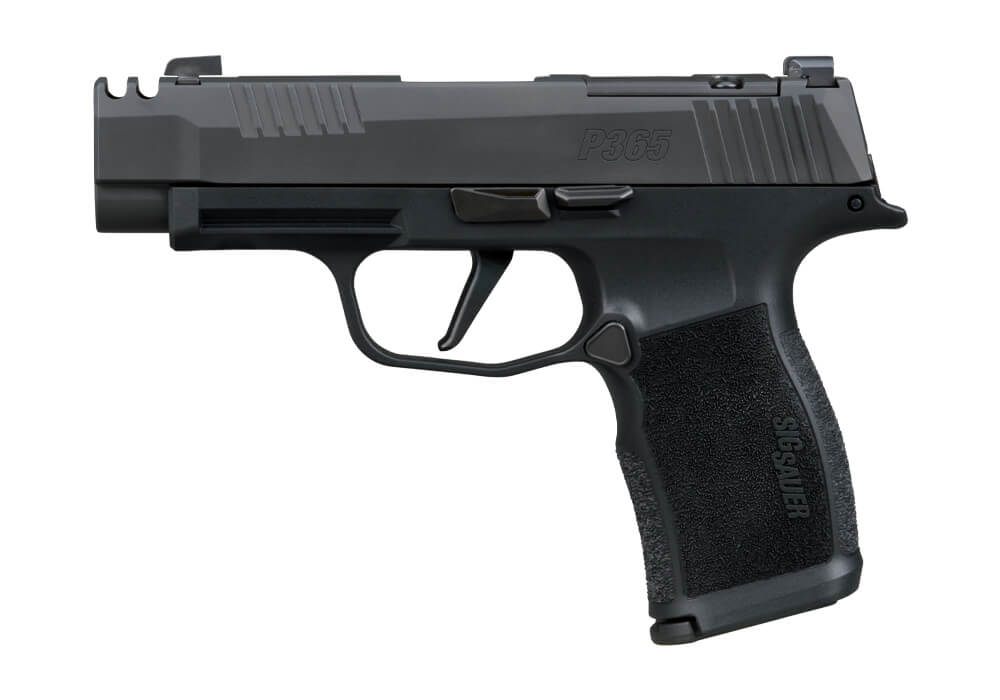
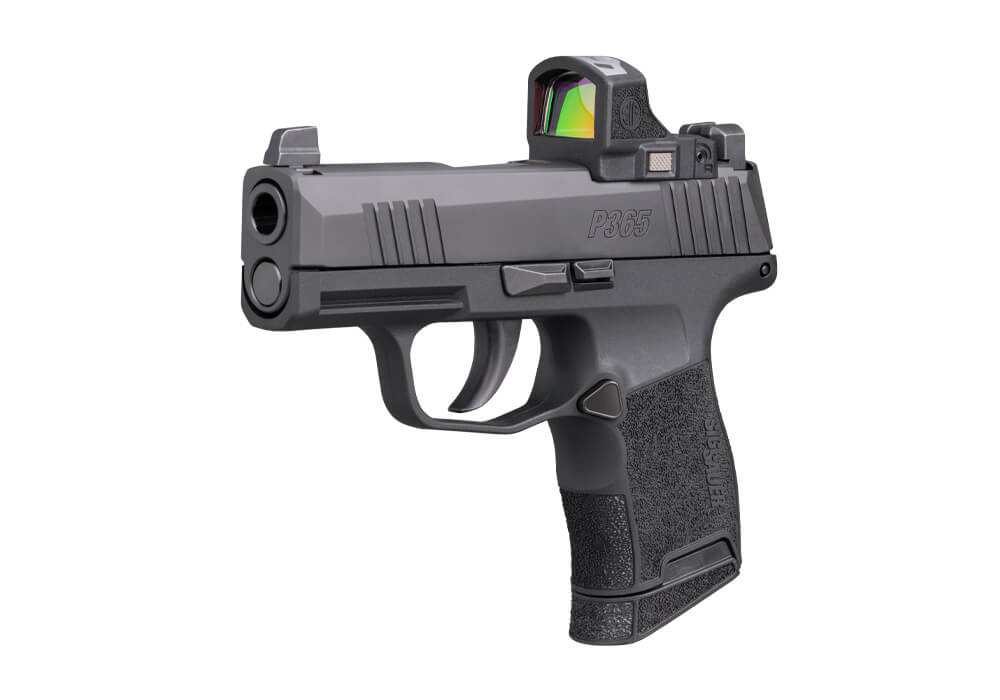
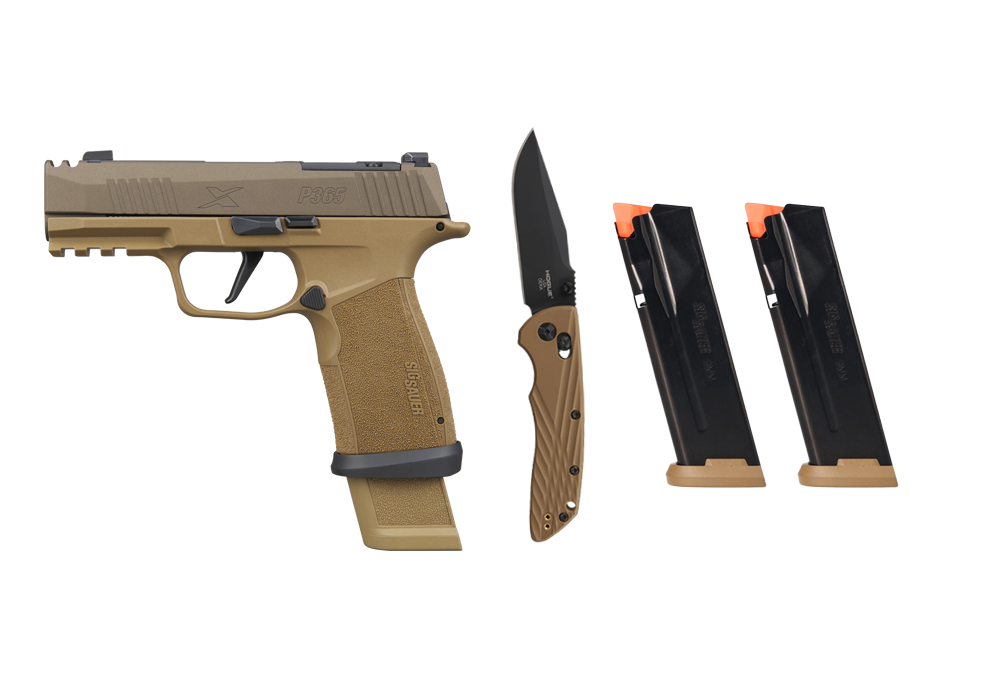
Compact pistols with enhanced sights combine a relatively compact frame with sighting features designed to make the aiming reference easier to distinguish. High-contrast iron sights, tritium night sights, fiber-optic elements, and compatibility with micro red dot optics offer different ways to improve sight visibility. Their benefits depend on lighting, the shooter’s vision, and the overall configuration of the pistol. A bright front sight can be easier to distinguish against a dark target, while a clearly defined rear sight provides a consistent visual reference during supervised range practice. Tritium elements emit their own light without batteries, helping the sight markings remain visible when ambient light is limited. Fiber-optic elements gather available light and can appear especially vivid in well-lit environments, but they do not provide independent illumination in darkness. Painted dots and contrasting outlines offer another approach, using differences in color and shape to help separate the sights from the background. None of these features illuminates or identifies a target, and enhanced visibility does not replace safe handling or appropriate instruction. For people who prefer an electronic aiming reference, a compatible micro red dot can provide an illuminated point within an optical window. An optics-ready slide, however, does not necessarily include an optic, and compatibility depends on the specific mounting interface and manufacturer requirements. Some configurations also use taller iron sights intended to remain visible with a compatible optic installed. The appeal of these options extends to recreational target shooters, people attending handgun classes, and lawful owners considering a compact pistol for personal protection. Someone whose corrective lenses leave a small front sight looking indistinct may value a different sight profile than someone who prefers a simple, uncluttered arrangement. Sight color, dot size, rear-sight shape, and electronic brightness controls all contribute to how comfortably a particular setup suits an individual’s vision. The most useful enhancement is not necessarily the most elaborate one; it is the configuration that remains clear, familiar, and manageable for its intended user.
The pistol around the sights matters just as much as the sighting system itself. Compact dimensions can make a handgun less cumbersome to carry, but overall fit involves more than slide length or frame width. Grip shape, trigger reach, control placement, and the amount of usable gripping surface influence how comfortably a person can handle the firearm. A frame that feels comfortable during a brief inspection may feel different over an extended supervised practice session, especially if a pronounced texture presses against the hand. Likewise, an optic housing or taller sight profile can change the space the pistol requires inside a compatible holster. Holster selection should account for the exact firearm configuration, provide appropriate retention, and fully cover the trigger guard. People comparing sight features alongside handling characteristics may also find relevant options on the Compact Pistols With Enhanced Grip page. These considerations work together: a highly visible front sight cannot compensate for a grip that is uncomfortable or controls that are difficult for the intended user to reach. Materials also shape the ownership experience. Depending on the design, compact pistols can combine steel slides and barrels with polymer or metal frames, each bringing a different balance of weight, surface feel, and maintenance needs. Protective finishes help resist wear and corrosion, although no finish eliminates the need for care. Steel sight bodies can offer durability, while other sight materials may provide different weight or cost characteristics without changing the importance of sound construction. Rounded exterior contours may feel less abrasive against clothing, and recessed or protected sight elements can be less exposed to routine contact. For an electronic optic, housing construction, lens protection, battery access, and stated environmental ratings deserve attention. An optic intended for regular carry encounters different handling demands than one used only during occasional range visits. Published specifications and the manufacturer’s stated use conditions provide a better basis for comparison than appearance alone.
Consistent care helps preserve the visibility and condition of enhanced sights over time. Lint, fingerprints, dust, and cleaning residue can obscure an optic window or reduce the contrast of a sight face, even when the firearm otherwise looks clean. Following the firearm and sight manufacturers’ care instructions is important because a cleaner suitable for one surface may harm a lens coating, painted marking, or fiber-optic component. Routine inspection and cleaning should take place only with the firearm unloaded and handled according to its manual, with ammunition kept separate from the work area. A suitable lens cloth and an approved cleaning product can help protect optical surfaces, while abrasive materials may leave marks that are especially noticeable under bright lighting. Battery-powered sights add a maintenance consideration that iron sights do not share: battery condition and replacement intervals need attention according to the optic manufacturer’s recommendations. Tritium illumination gradually diminishes over its service life, and any assessment or replacement of sealed illumination components belongs with the manufacturer or an appropriately qualified service provider. Loose, damaged, or visibly shifted sight components also warrant professional evaluation rather than improvised repair. For frequent range use, straightforward cleaning access and a sight picture that remains comfortable through a longer session can be practical advantages. For lawful carry, the complete setup must also suit the owner’s holster, storage arrangements, training, and applicable laws. A compact pistol with enhanced sights is still a firearm requiring responsible access control, secure storage, and continuing familiarity with its operation. A supervised opportunity to compare different sight styles can be especially useful before choosing between a bold front marking, a restrained iron-sight layout, or an electronic reference. Across these configurations, durable materials, a comfortable fit, clear sight visibility, and realistic maintenance requirements are more meaningful than a long feature list. Together, they help define a compact pistol that suits its owner’s needs without treating enhanced sights as a substitute for sound judgment and regular practice.