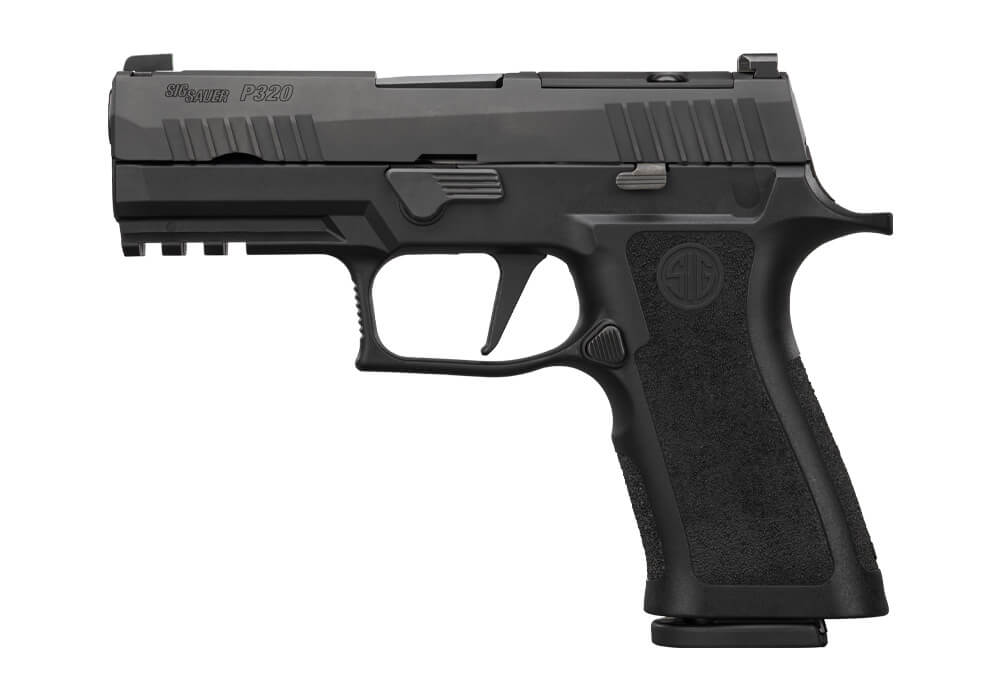
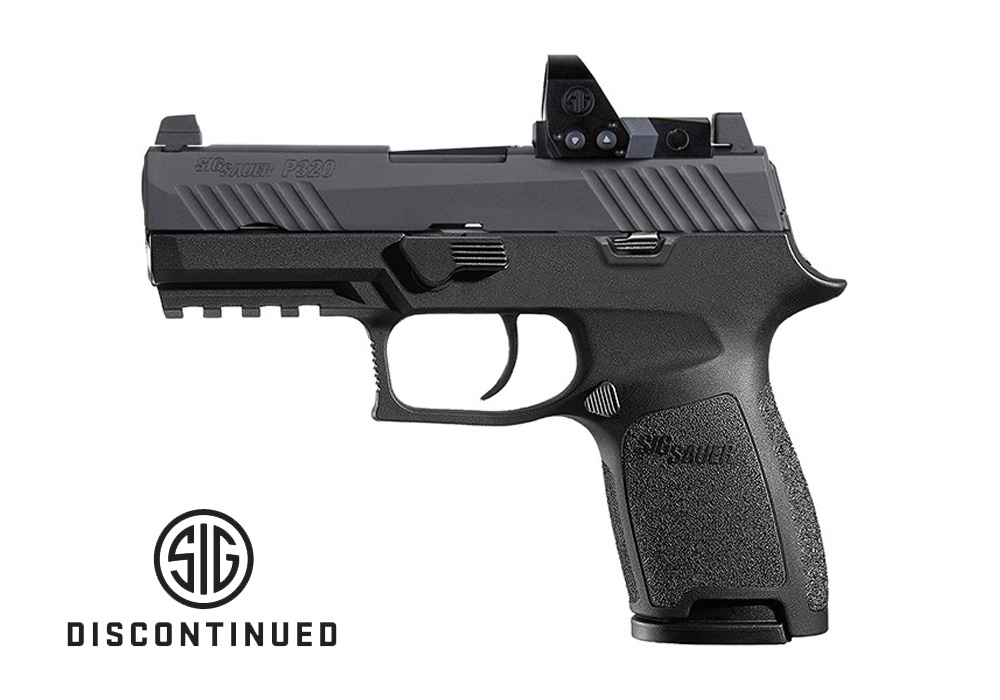
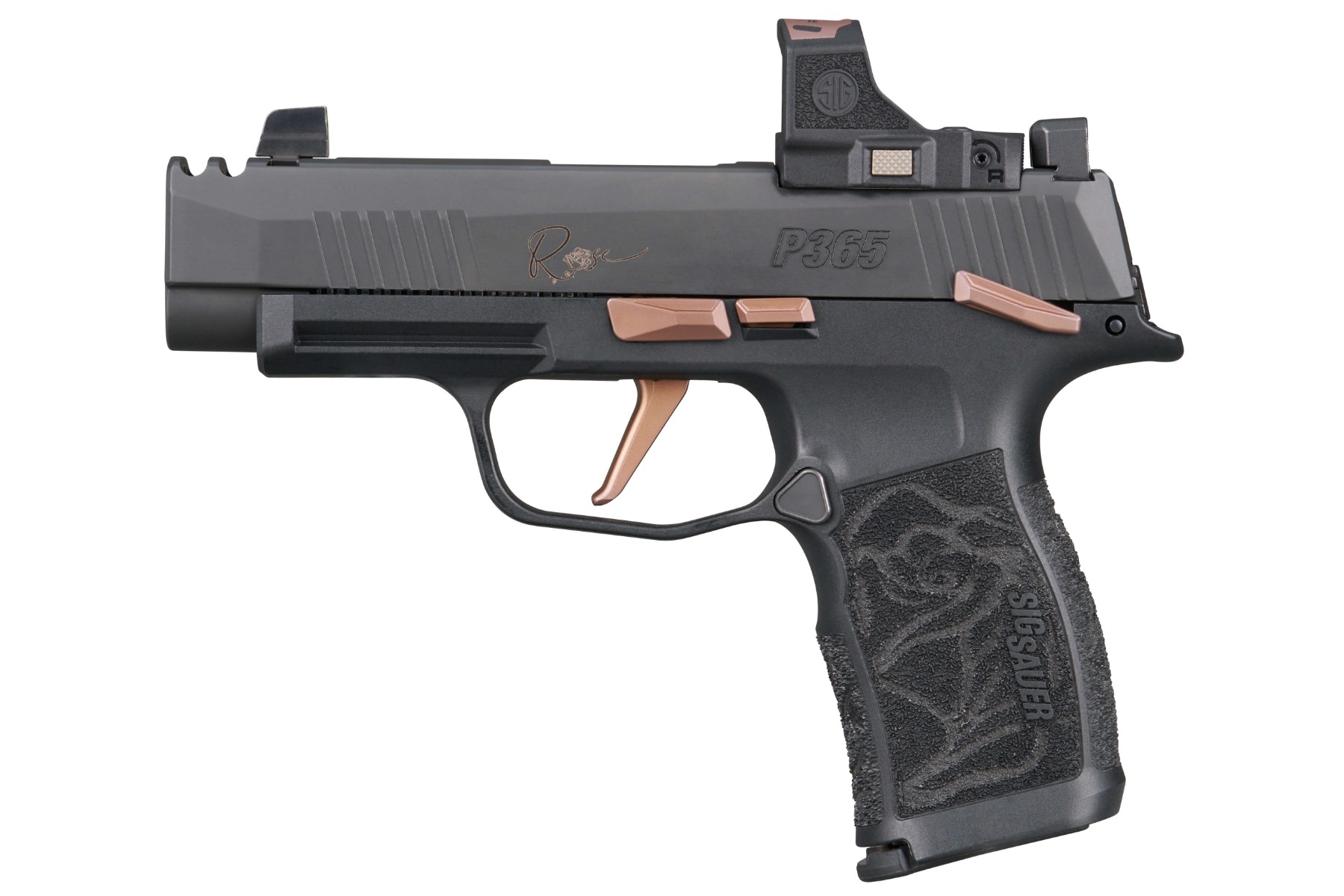
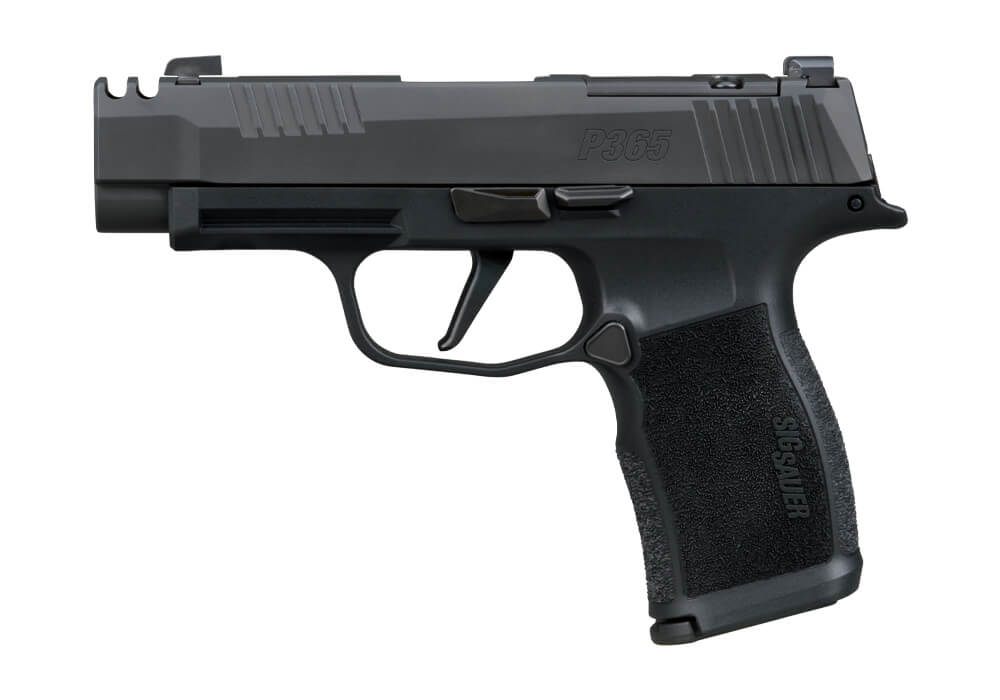
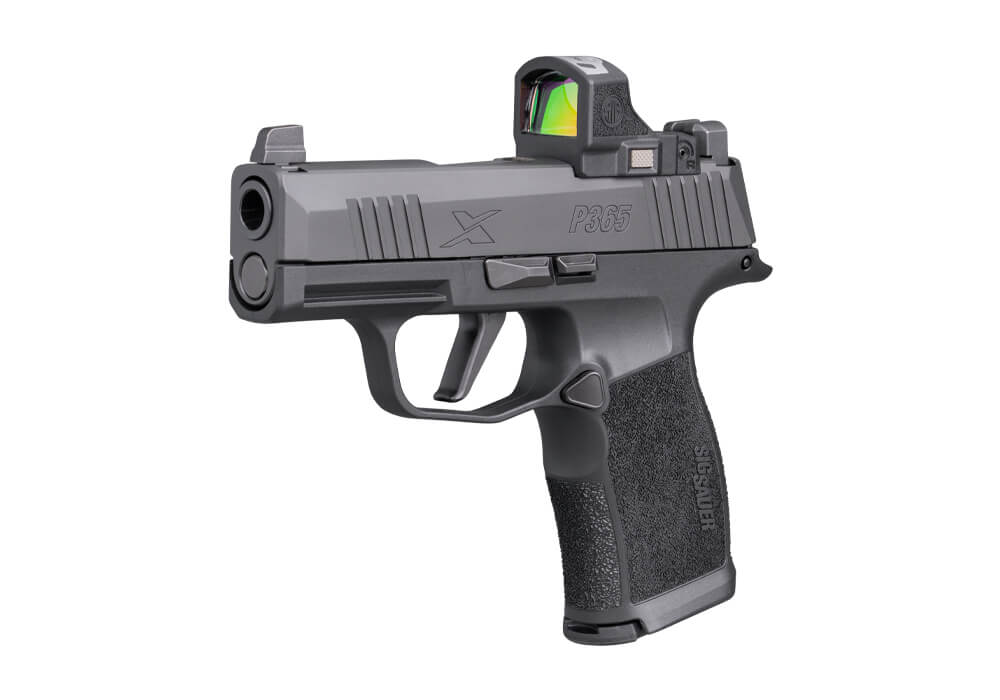
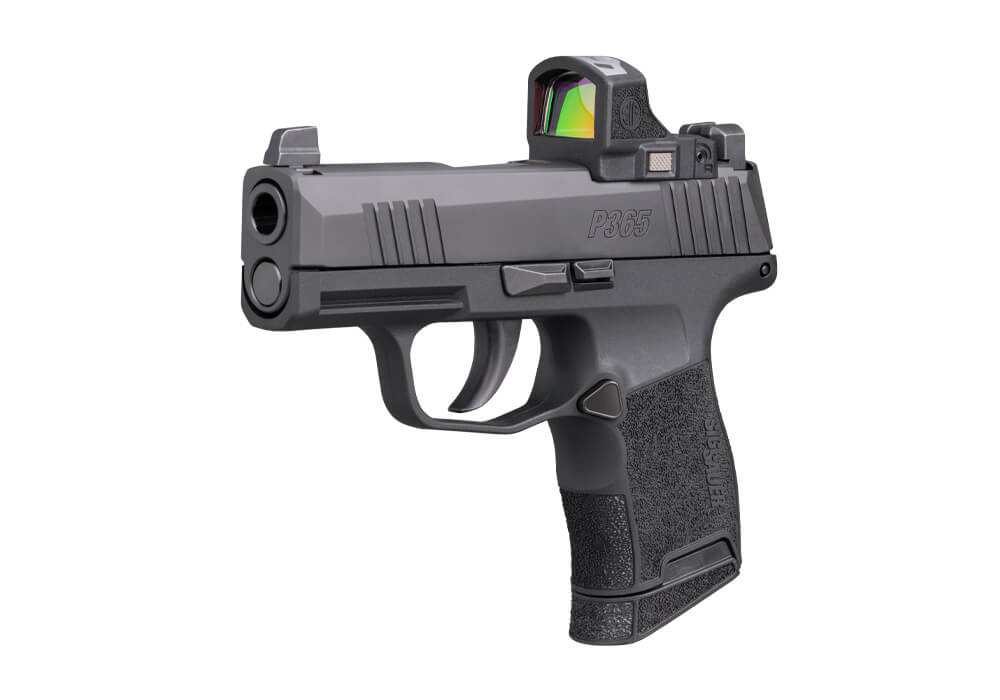
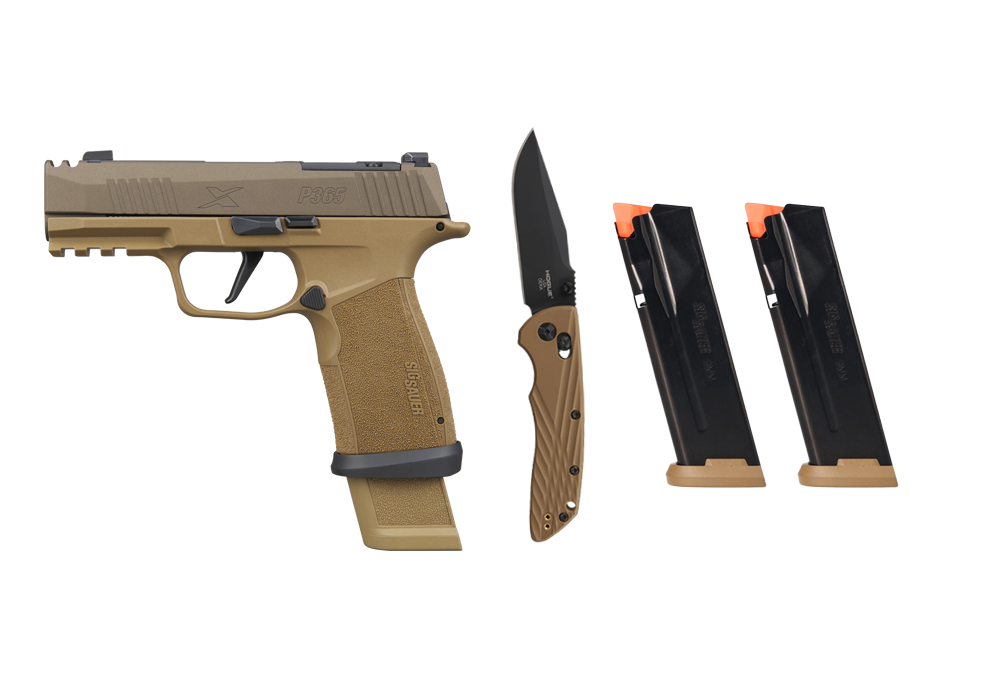
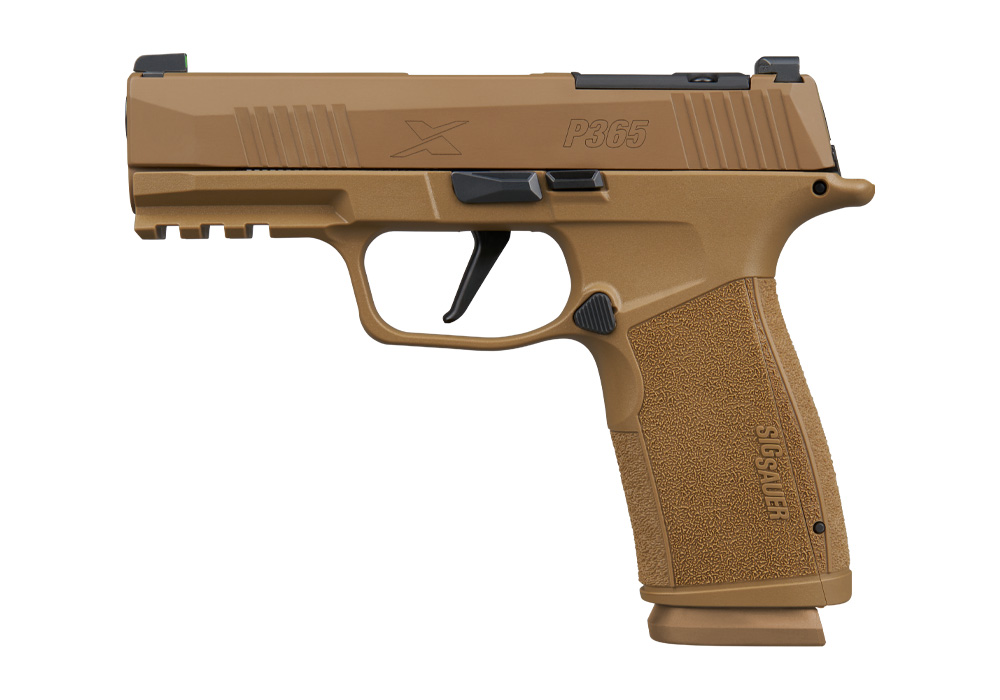
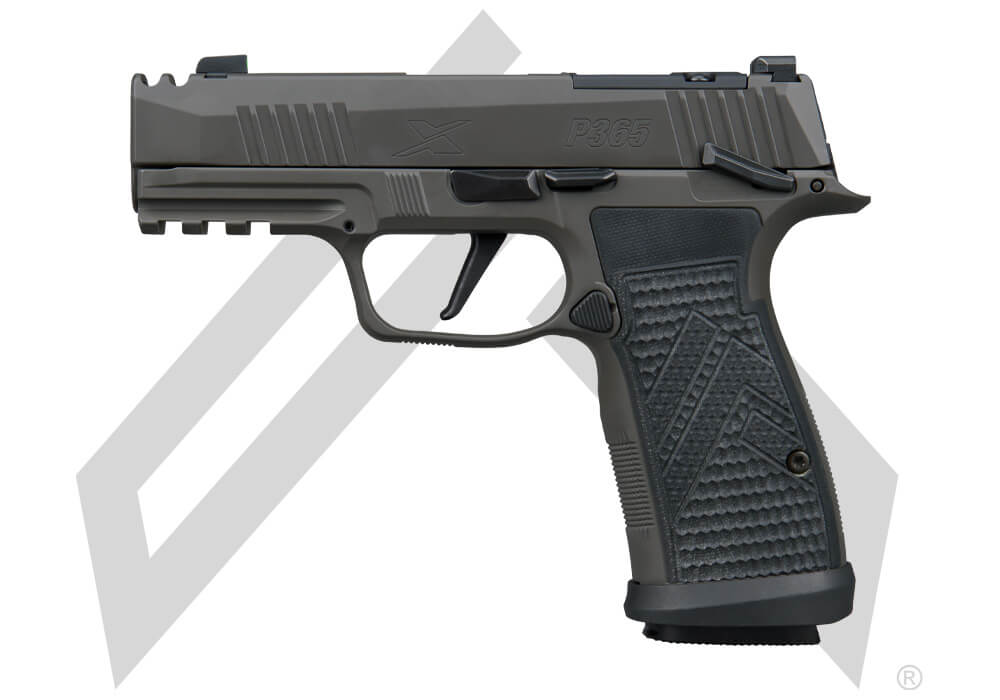
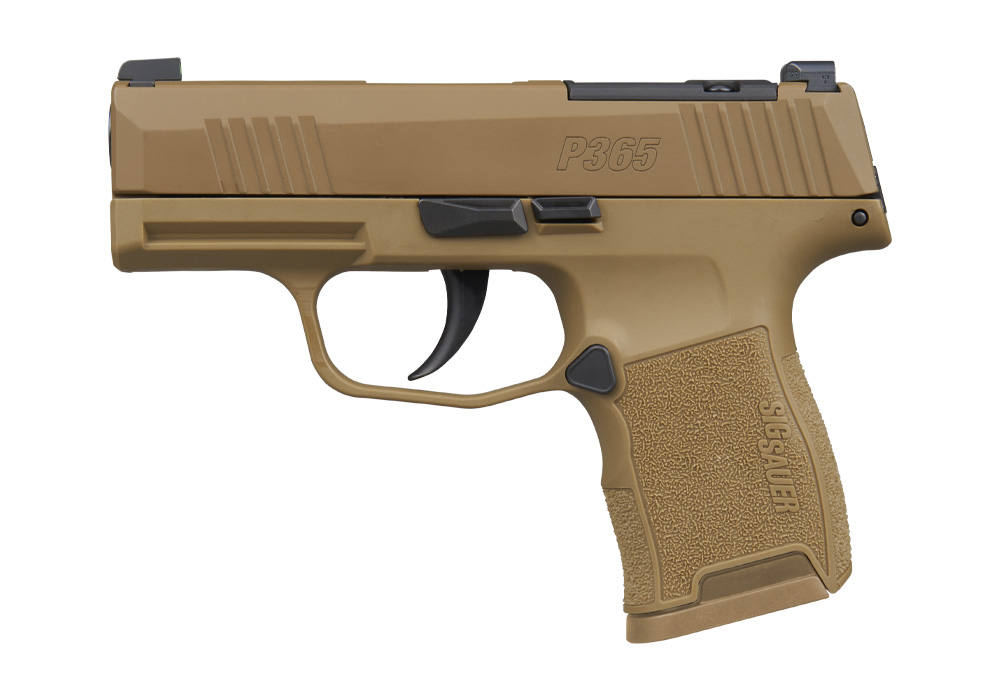
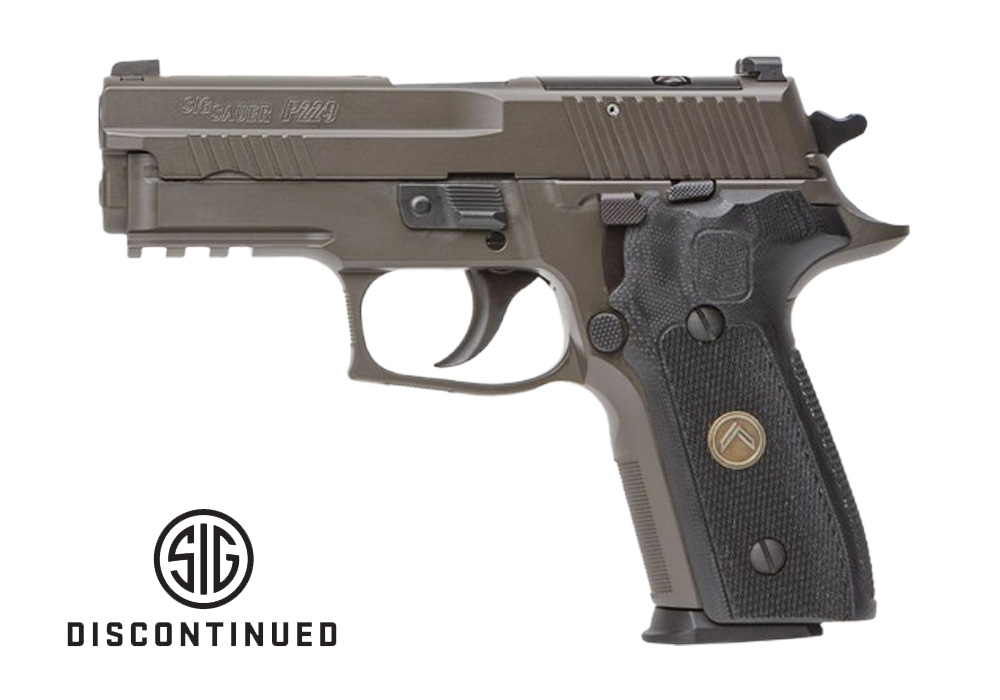
Compact pistols with high visibility sights combine a smaller handgun profile with aiming references that are easier to distinguish against varied backgrounds. Their appeal extends beyond a bright front dot: sight shape, contrast, illumination, and the relationship between the front and rear sights all influence how clearly the sight picture appears. High-contrast painted sights use color to help the front sight stand apart from its surroundings. Fiber-optic sights gather ambient light through a small rod, creating a bright aiming reference in daylight or well-lit indoor spaces; they do not generate their own illumination in darkness. Tritium night sights provide a self-illuminated reference without batteries or prior exposure to light, although their brightness diminishes over time. Day/night configurations often combine a contrasting outer ring with a tritium insert, supporting visibility across a broader range of lighting conditions. These technologies serve different purposes, so a vivid daytime appearance does not necessarily indicate nighttime illumination. A brightly colored front ring can be especially noticeable against dark paper targets, while a subdued rear sight can keep the visual emphasis on the front reference. Other configurations use visible references at both the front and rear, providing a different presentation that some shooters find more familiar. Color perception, corrective lenses, and individual eyesight can affect which arrangement appears clearest. The shorter distance between the front and rear sights on many compact handguns also makes the definition of those references worth attention. A large dot can be easy to locate, but its apparent size may obscure more of a small target than a finer reference would. Neither approach is universally better; the practical difference is how the sights look to the person using them. Importantly, illuminated sights help reveal the aiming reference, not the target or its surroundings. Clear target identification remains essential, regardless of how visible the sights appear. This combination of compact dimensions and distinct sight references suits shoppers seeking a manageable handgun for lawful concealed carry, recreational range use, or personal protection, with appropriate training and secure storage remaining central to responsible ownership.
Physical fit matters just as much as sight visibility in a compact pistol. A shorter grip can reduce the handgun’s overall profile, but it may also leave less room for the little finger or create a different feel than a larger frame. Grip circumference, contour, and texture affect comfort, especially during an extended range session. A pronounced texture can provide a secure feel without being comfortable against every person’s skin or clothing, while a smoother surface may feel less abrasive during carry. Trigger reach and access to the controls also vary, and a compact designation alone does not establish that a handgun will suit smaller hands. Dimensions and proportions tell more than a size label. Materials contribute another part of the experience: polymer frames can help limit weight, while metal frames offer a different balance and feel. Steel slides, protective finishes, and robust sight housings are common durability considerations, though their specifications vary by configuration. A corrosion-resistant finish can help protect surfaces exposed to routine handling and perspiration, but it does not eliminate the need for care. Sight construction deserves similar attention. A protected fiber-optic rod and a securely housed luminous insert address different design needs, and neither should be treated as impervious to wear or impact. Rounded exterior contours may also be more comfortable alongside clothing than prominent edges. For carry, holster compatibility involves more than matching a general frame size: sight height, slide dimensions, and any installed accessories can affect fit. A suitable holster protects the trigger area and retains the handgun securely without interfering with its sights. Optics-ready construction is a separate consideration from high visibility iron sights. An optics-ready slide does not necessarily include an electronic sight, and taller iron sights do not automatically provide a compatible sight picture with every optic. Understanding those distinctions helps keep expectations grounded in the actual configuration rather than assumptions about appearance.
Long-term satisfaction with compact pistols with high visibility sights depends on keeping both the handgun and its sight references in sound condition. Lint, fingerprints, cleaning residue, and range debris can dull a bright ring or obscure a small insert, even when the surrounding metal still looks clean. Care should follow the manufacturer’s recommendations, including any restrictions on solvents, brushes, or other materials that contact painted surfaces, fiber-optic components, and luminous inserts. More aggressive cleaning is not necessarily more effective, particularly around small sight elements. Normal inspection can reveal a damaged rod, worn contrast markings, corrosion, or a sight that no longer appears secure; concerns about mounting or replacement belong with a qualified professional. Tritium illumination gradually weakens with age, so its useful service life is a separate consideration from the durability of the sight housing. Battery-free illumination does not mean indefinite brightness. Range experience also provides useful context that specifications cannot fully convey. A sight that looks striking beneath a display light may appear different against a pale target, a dark backstop, or the visual clutter of an indoor lane. Familiarity through supervised instruction and regular practice helps establish whether the overall fit and sight presentation remain comfortable over time. Shoppers comparing visual emphasis with a more finely defined aiming reference can also explore Compact Pistols With Precision Sights. High visibility and precision are not opposing qualities, and some sight designs address both; the distinction lies in the size, contrast, and definition of the reference rather than a promise of shooting results. For a first compact handgun or an addition to an established collection, the strongest overall fit brings together readable sights, comfortable proportions, durable construction, and manageable upkeep. Responsible ownership completes that picture through appropriate instruction, compliance with applicable laws, and locked storage that prevents unauthorized access, with firearms unloaded and ammunition secured separately. Those practical details give high visibility sights their proper context: a useful feature within a complete, carefully considered handgun.