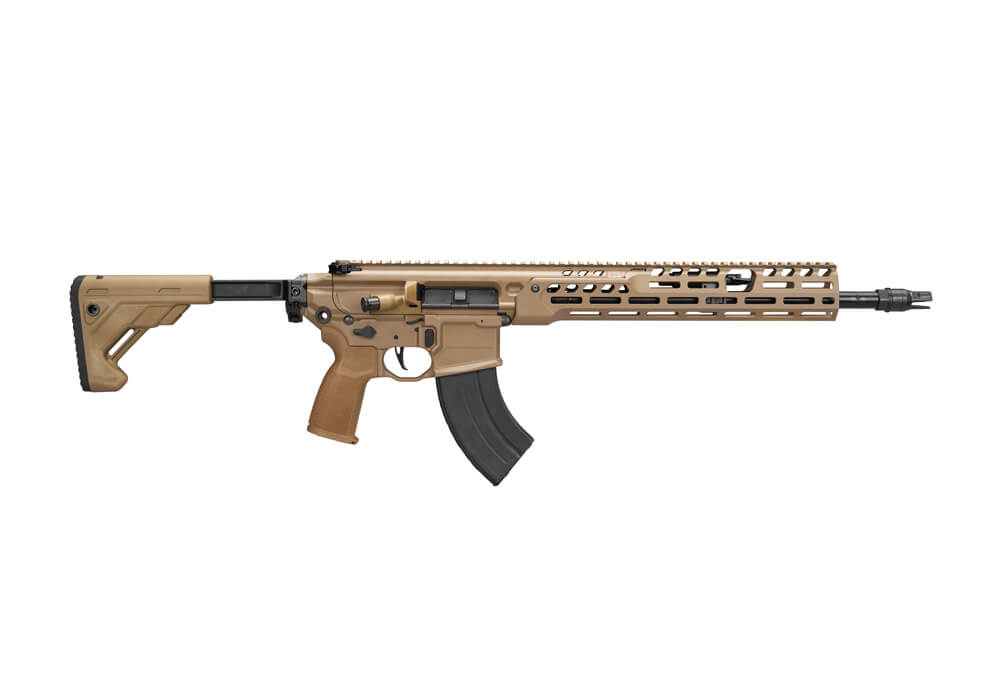
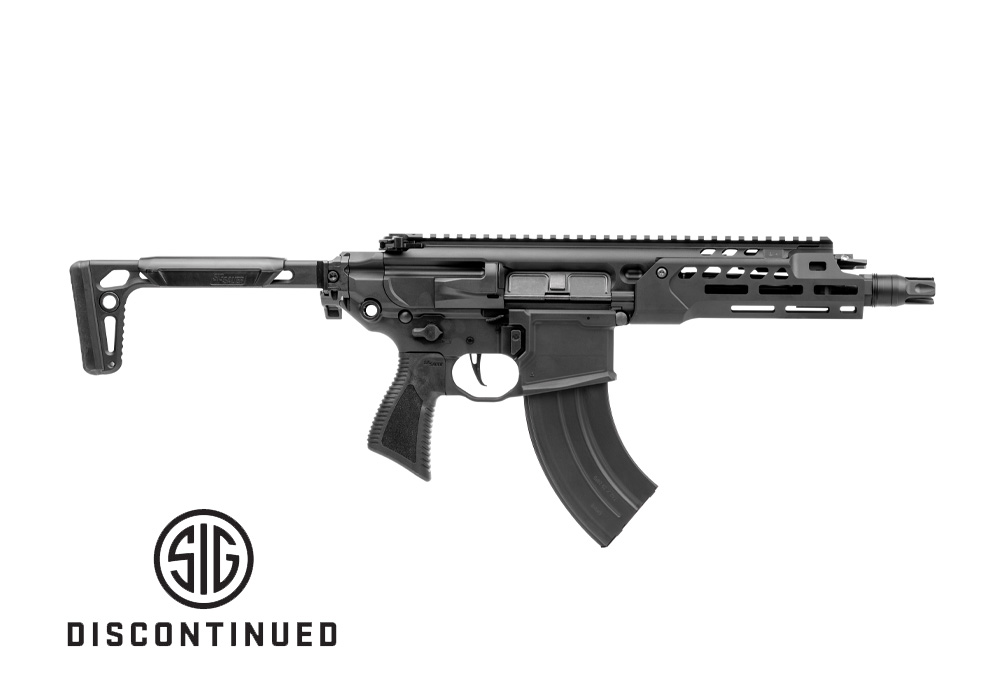
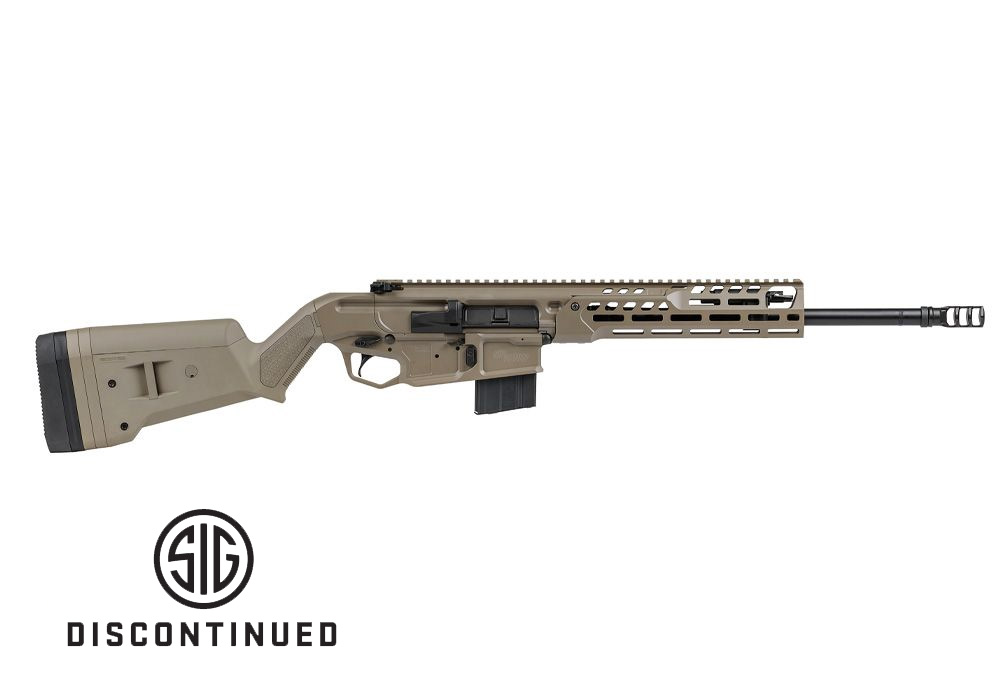
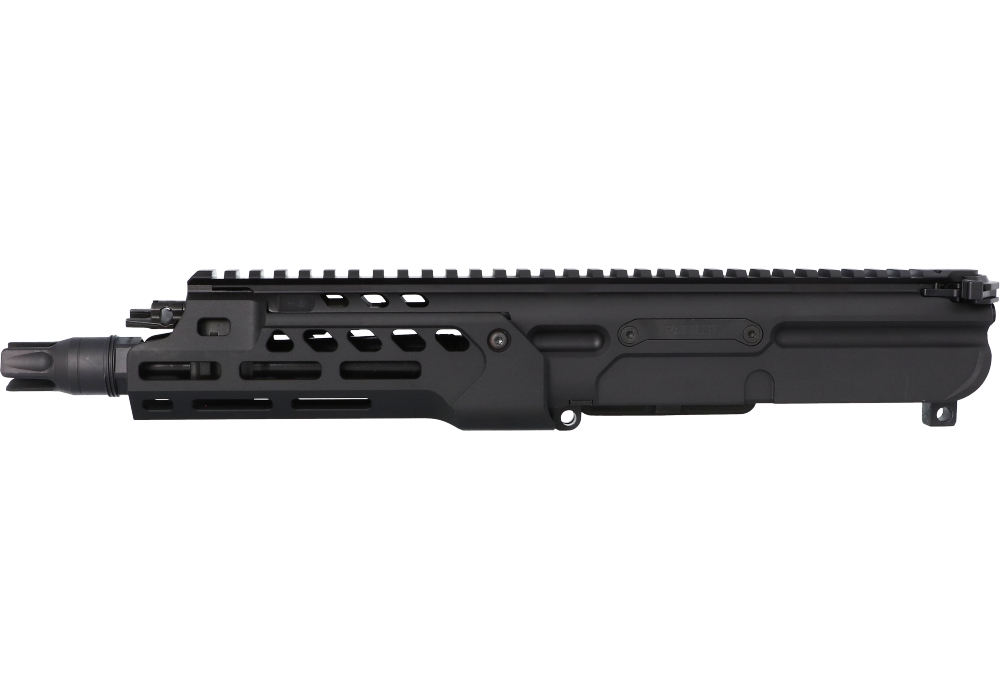
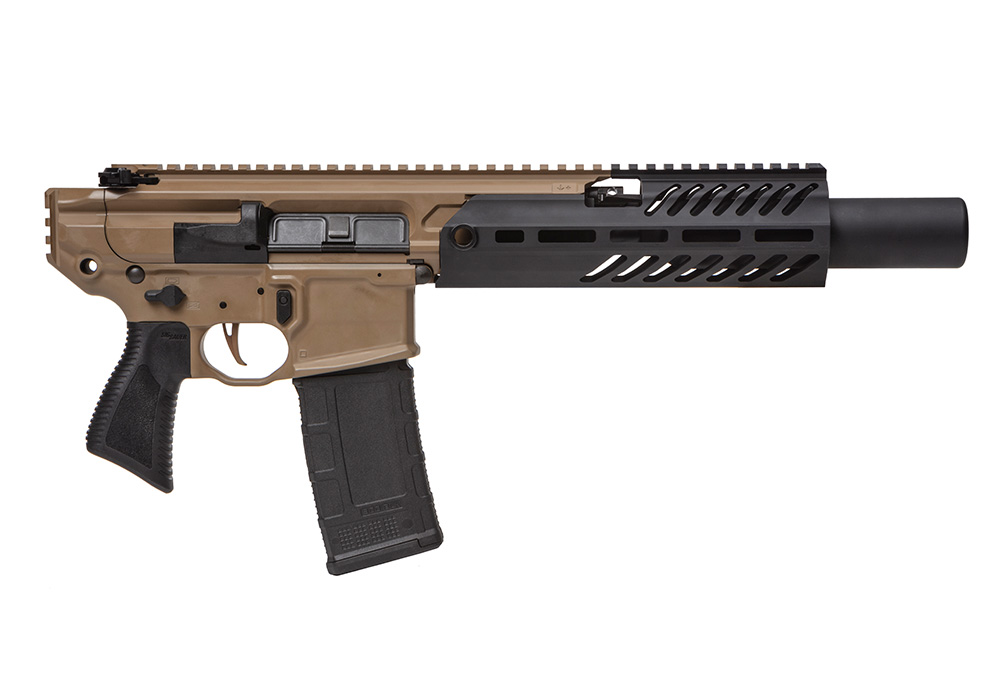
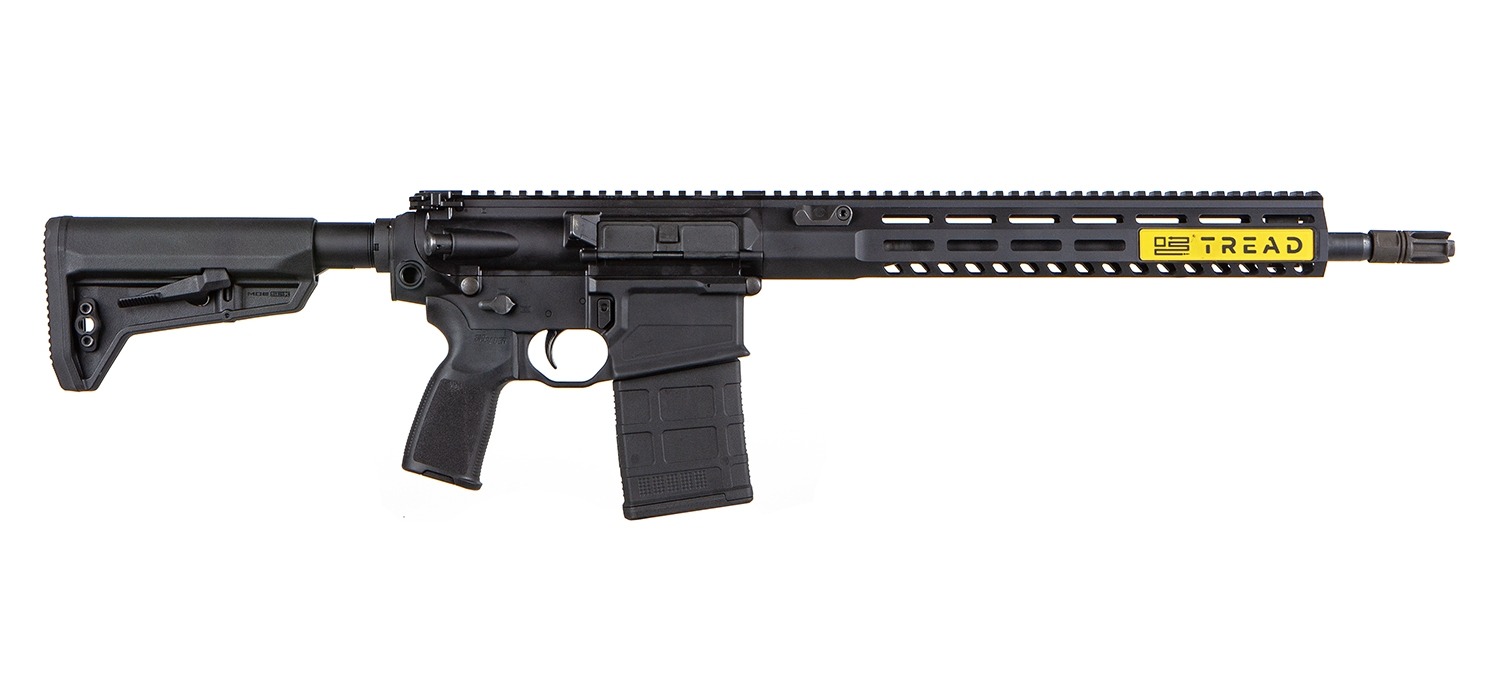
7.62x39 rifles offer a practical balance of manageable recoil, useful range performance, and economical practice for shooters who want to spend more time on the firing line. This cartridge is commonly associated with rugged semi-automatic rifles, though bolt-action options can also provide a deliberate, steady rhythm for target work. For many recreational shooters, 100 yards is a comfortable starting distance: it gives enough room to observe group size while keeping the target easy to see and the rifle simple to evaluate. With quality ammunition, a properly sighted rifle, and a consistent shooting position, groups in the 2-to-3-inch range at 100 yards can be a reasonable benchmark, although results vary with the rifle, optic, ammunition, weather, and shooter. The cartridge is generally best suited to practical target work at distances out to roughly 300 yards, where wind, trajectory changes, and sight adjustments become increasingly important. A semi-automatic design may appeal to someone who enjoys a quicker pace and the familiar feel of modern sporting rifle controls, while a bolt-action rifle can suit a shooter who prefers a slower process built around careful loading, steady breathing, and precise trigger work. When browsing 7.62 X39 Rifles for Target Shooting, consider the rifle’s overall weight, stock fit, barrel length, sighting system, and how naturally it settles into your shoulder. A longer barrel can add forward weight and a stable feel from a bench, while a shorter configuration may be easier to carry between stations or use in a compact range bay. Handguard mounting space can be useful for a bipod, sling, or other range accessories, provided each accessory is compatible and installed according to the manufacturer’s instructions. Optics also deserve attention. A low-power variable optic can help with targets at changing distances, while a simple red-dot-style sight may feel quick and intuitive for closer practice. Shooters who already use a different rifle platform may value controls and accessories that feel familiar; those beginning with this cartridge may prefer a straightforward setup with an optic, sling, and spare magazines selected for the rifle’s exact pattern.
A good purchase also starts with an honest look at the intended range routine. Someone who visits an outdoor range during the cooler months may prioritize a durable finish, easy-to-clean surfaces, and a stock that remains comfortable through several boxes of ammunition. A benchrest shooter might look for a stable forend and a trigger with a predictable break, while a recreational marksman who walks between stations may prefer a lighter rifle with a balanced center of gravity. Ammunition selection can influence both cost and results. The 7.62x39 cartridge is often less expensive to practice with than larger rifle cartridges, which can make regular sessions more approachable, but ammunition should always match the rifle’s specifications and the range’s rules. Brass-case and steel-case loads may behave differently, and bullet weight can affect point of impact, recoil, and group size. Keep a simple record of the load, distance, sight setting, and group results; even a few notes on a phone can reveal which combination performs best in a particular rifle. Before purchasing, confirm the rifle’s operating system, chamber markings, magazine pattern, optic mounting method, barrel profile, and included accessories. Buyers should also review local laws, transport requirements, storage rules, and any range-specific restrictions, then arrange any required transfer through a properly licensed dealer. A rifle can be a thoughtful gift for an experienced adult who already has a secure storage plan and a clear interest in recreational shooting, but the recipient’s preferences matter more than appearance alone. A gift certificate, range membership, training session, or protective equipment may be a better choice when the intended shooter has not settled on a platform. Every session should begin with eye and ear protection, a careful inspection of the rifle and ammunition, and a clear understanding of the range’s commands. Keep the muzzle pointed in a safe direction, keep the finger outside the trigger guard until the sights are aligned on the intended target, and store the rifle and ammunition securely when not in use. Shooters considering a different cartridge for competition-oriented practice can also browse Compact 5.56 Rifles for Competition Shooting while comparing size, recoil, optics, and range goals.