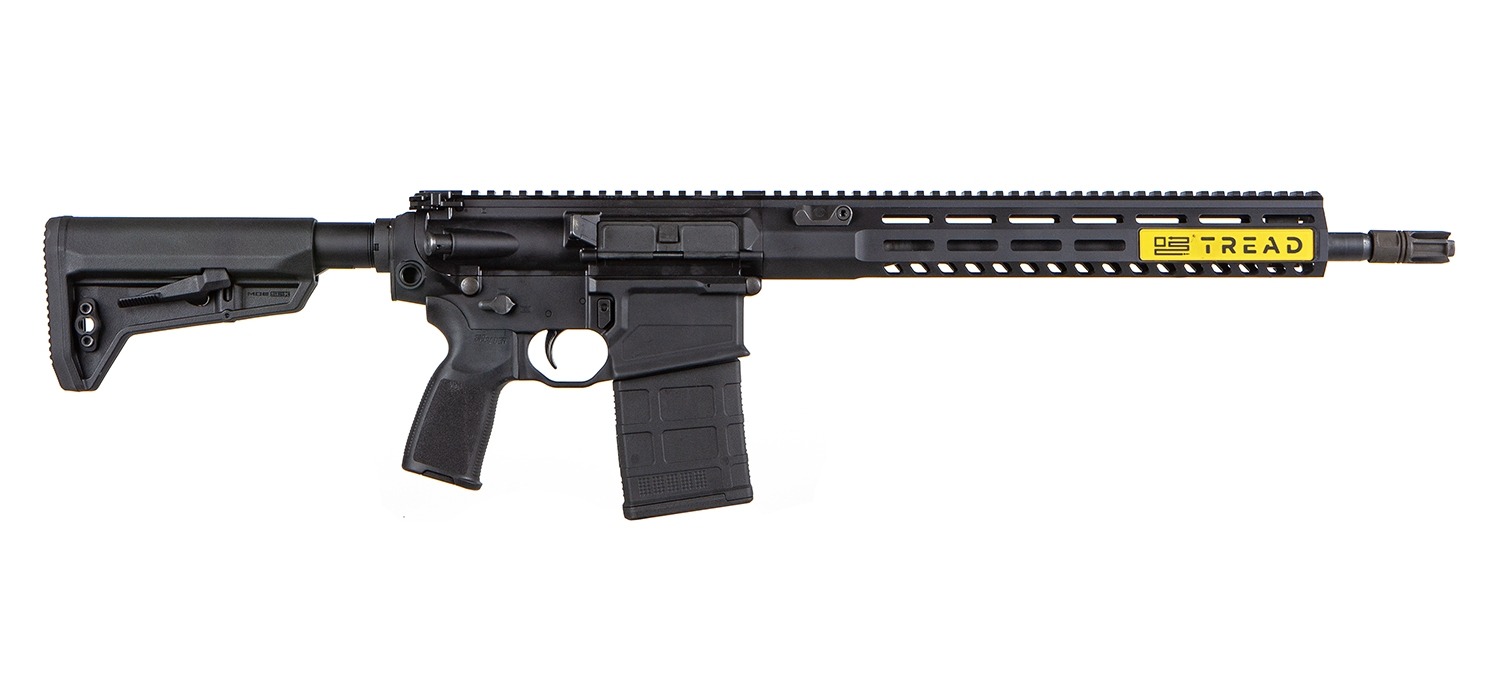
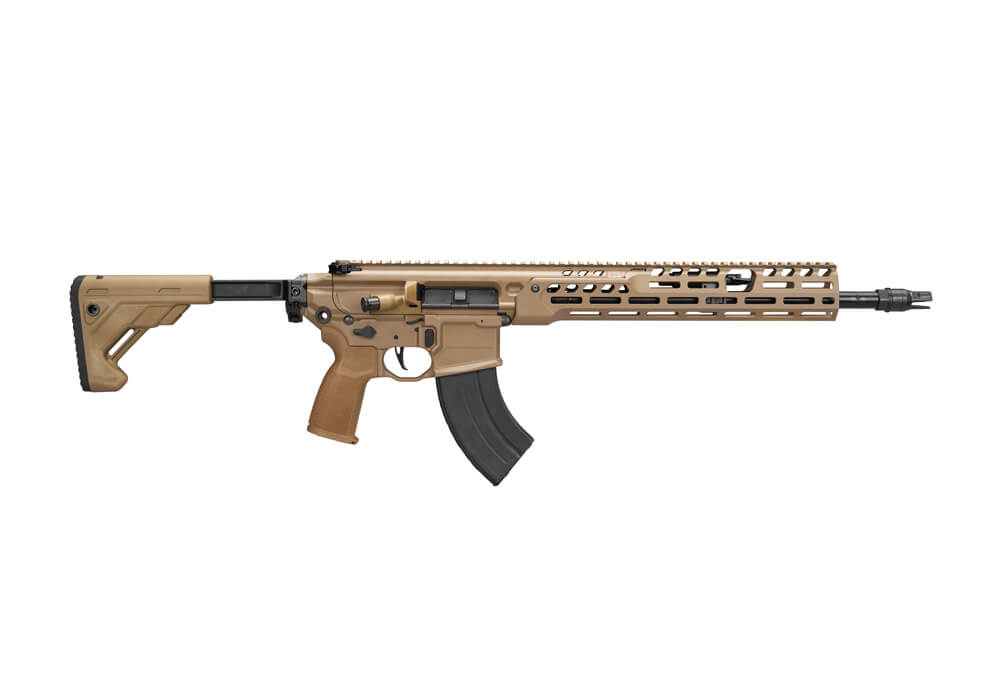
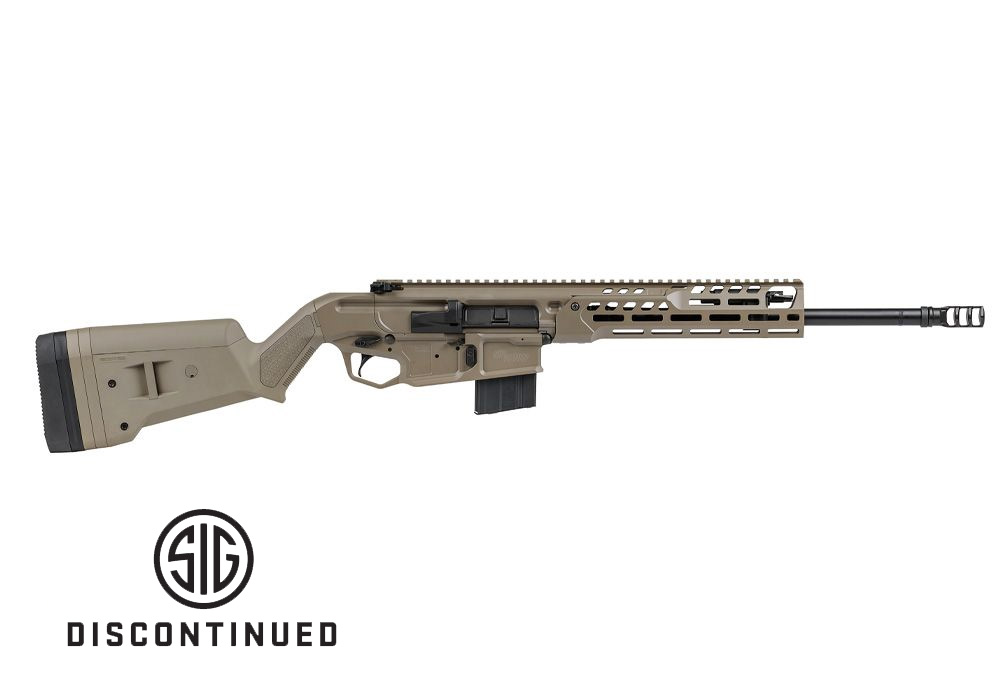
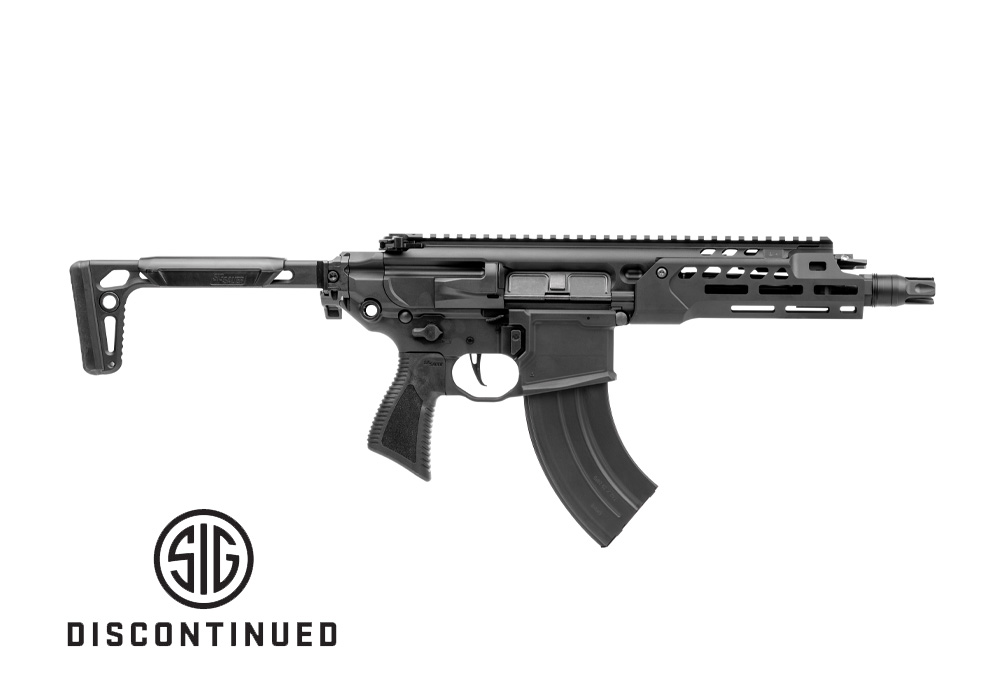
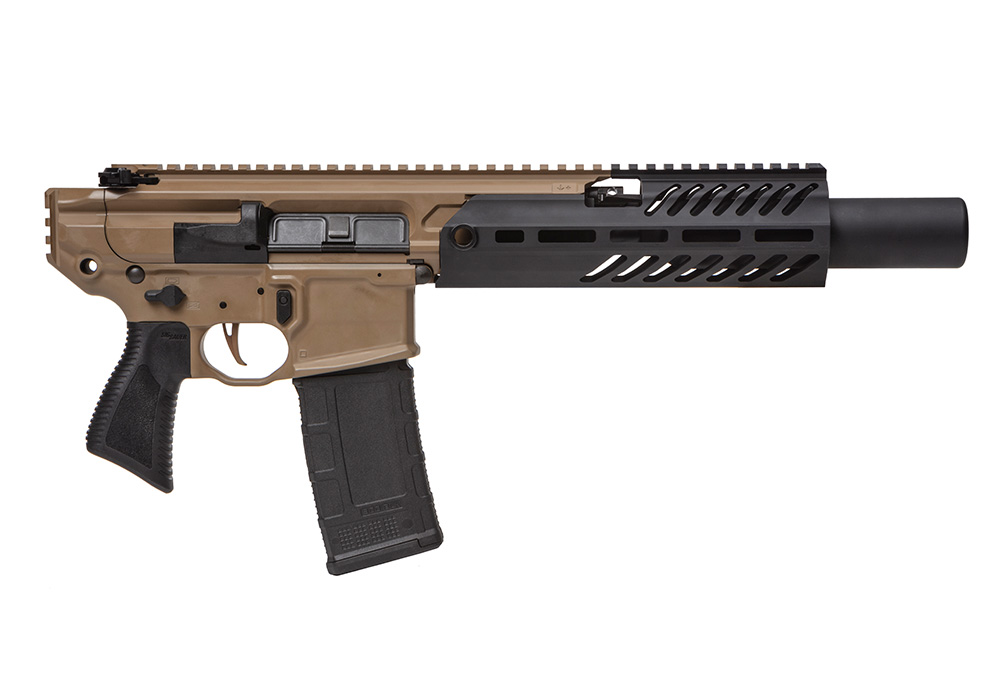
Fall hunting brings a particular kind of anticipation: damp leaves underfoot, cooler air moving through the timber, and the steady preparation that turns a rifle into a trusted field companion. This collection of Fall Hunting 7.62 Rifles is intended for hunters comparing practical, capable platforms for deer, hogs, and other lawful game during the cooler months. The 7.62 designation can refer to more than one cartridge, so understanding the chambering is the first step. A rifle chambered in 7.62x39mm is generally valued for its manageable recoil, compact handling, and suitability for close-to-moderate-range hunting in thick woods, brush, and other environments where shots are often measured in yards rather than hundreds of yards. A rifle chambered in 7.62x51mm, commonly associated with .308 Winchester dimensions and performance, offers a broader range of hunting applications, with the velocity, energy, and bullet selection many hunters prefer for open country and larger game. Cartridge choice should always match the game, terrain, expected distance, and applicable regulations. Before purchasing, confirm the exact chamber marking on the rifle and select ammunition specifically approved for that chamber. Hunting ammunition with controlled expansion, such as soft-point or polymer-tipped bullets, is typically selected for lawful game because it is designed to perform differently from full-metal-jacket ammunition. Military surplus or FMJ ammunition may not be suitable for hunting and may be restricted by local rules, so reviewing state and local regulations is an essential part of planning any hunt.
Platform design also shapes how a 7.62 rifle feels in the field. A bolt-action rifle is often chosen for its straightforward operation, consistent lockup, typically light weight, and reputation for reliable performance in wet or chilly conditions. It can be an especially comfortable choice for a hunter who spends long hours moving slowly through timber, crossing uneven ground, or sitting quietly along a field edge with the rifle carried at the ready. The deliberate cycling of a bolt-action also encourages careful shot selection, which is valuable when a clean, ethical opportunity may last only a few seconds between branches. Semi-automatic rifles offer a different balance, providing a quick follow-up capability and a familiar manual of arms for hunters who may encounter moving hogs or more than one target during a lawful hunt. They can be somewhat heavier depending on their configuration, so stock shape, barrel length, sling placement, and overall balance deserve close attention. A rifle that feels lively in the store can feel considerably different after several hours of walking with a pack, layered clothing, and other equipment. Consider the type of terrain you know best: a shorter, handier setup may be useful in dense timber, while a longer barrel and a stable stock may be advantageous when hunting across open fields or rolling country. Recoil is another personal consideration. Even a capable cartridge is less useful if the shooter anticipates recoil, struggles to maintain a comfortable position, or avoids practice. A properly fitted stock, a recoil pad, a secure sling, and a clear sight picture can make the difference between a rifle that stays in the safe and one that earns a place on every autumn outing. For hunters planning a future trip during warmer conditions, the same careful comparison can continue through Springtime Hunting Rifles.
Optics and accessories should support the rifle rather than overwhelm it. A dependable scope with magnification suited to the expected range can help a hunter identify the target and place a precise shot, while illuminated or low-light features may be useful during legal dawn and dusk periods when conditions change quickly. Rings and mounts must match the rifle’s receiver and optic, and they should be installed securely before sight-in. A sling that allows comfortable carry without interfering with the safety or controls is one of the simplest upgrades for long walks through fallen leaves and wet grass. Hunters should sight in with the exact load they expect to carry, then confirm zero again if ammunition, optic height, or major environmental conditions change. Practice from realistic field positions—standing, kneeling, sitting, and supported against a tree—can reveal more than repeated bench shooting alone. A compact cleaning kit, spare batteries for illuminated optics, weather protection, and a properly fitted case also have practical value when conditions turn cold or damp. These rifles may be a thoughtful gift for an experienced hunter, a new sportsman beginning to build a dependable hunting setup, or a family member who has been preparing for a first deer or hog season. The best gift is chosen with the recipient’s cartridge preference, physical fit, hunting environment, and experience in mind; firearms should be transferred only in accordance with applicable law, and a qualified instructor can help a new owner establish safe handling habits. Every rifle should be treated as loaded until personally verified otherwise, kept pointed in a safe direction, and stored unloaded and secured when not in use. With the right chambering, a comfortable platform, suitable hunting ammunition, and disciplined practice, a 7.62 rifle can provide a steady, capable foundation for making the most of crisp mornings, quiet woods, and responsible hunting throughout the fall and early winter season.