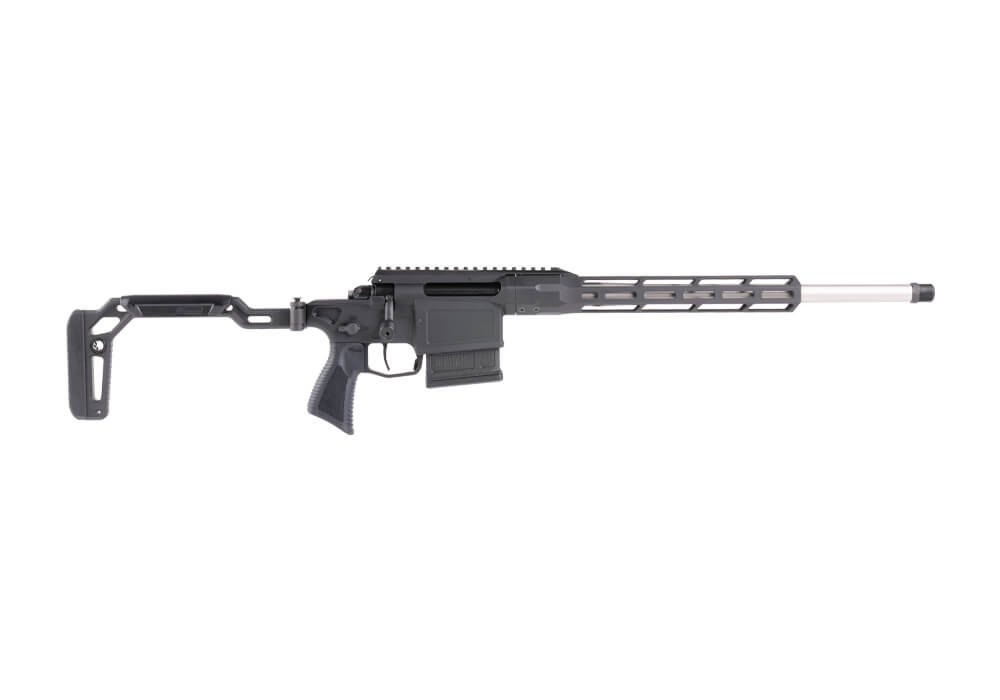
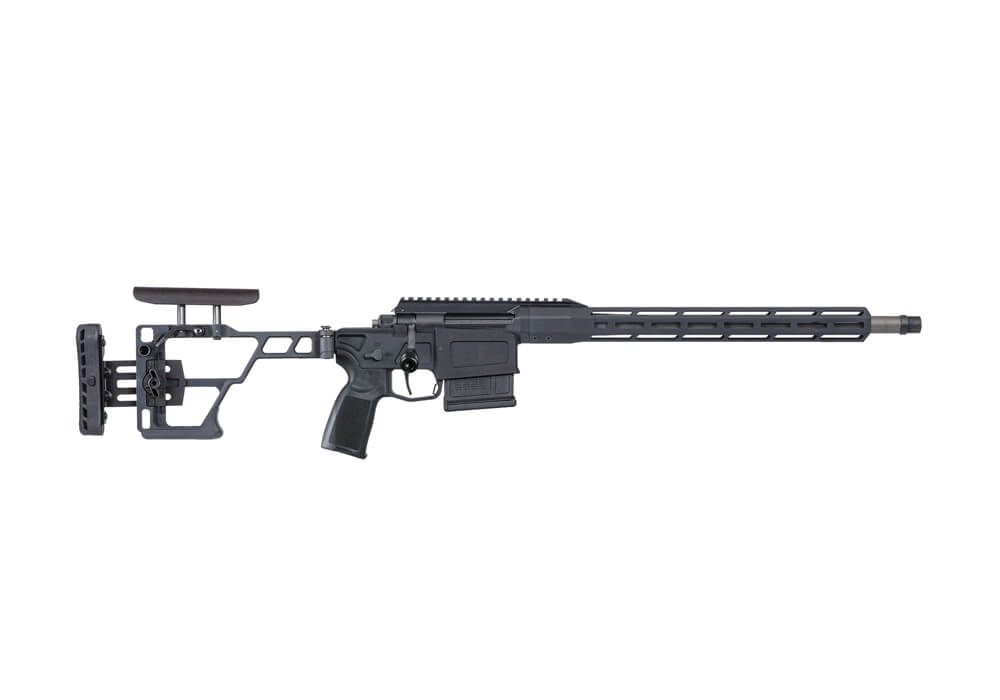
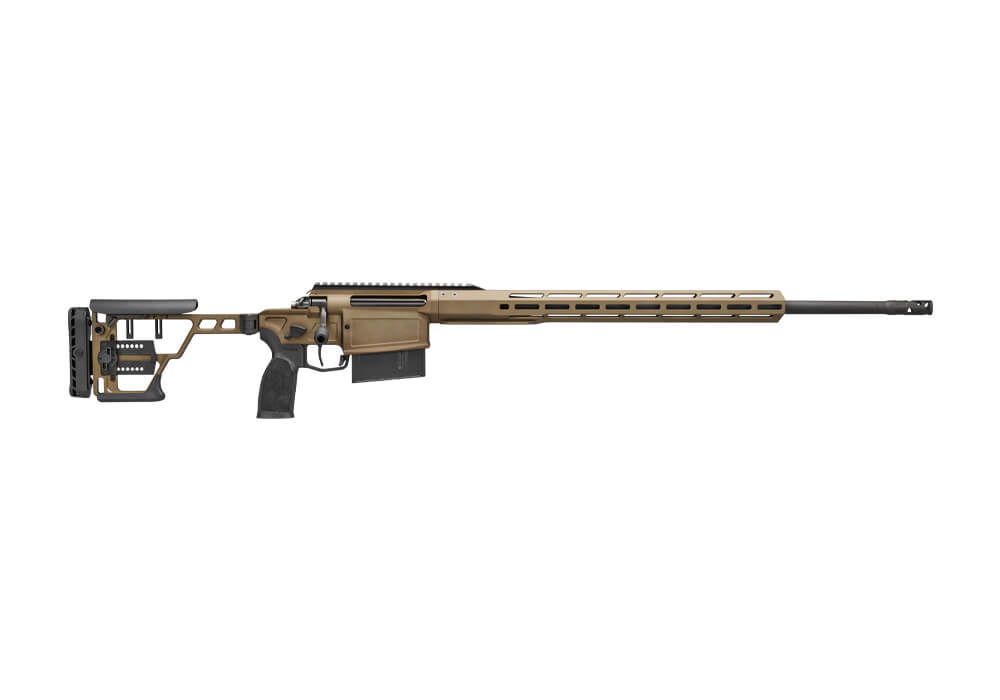
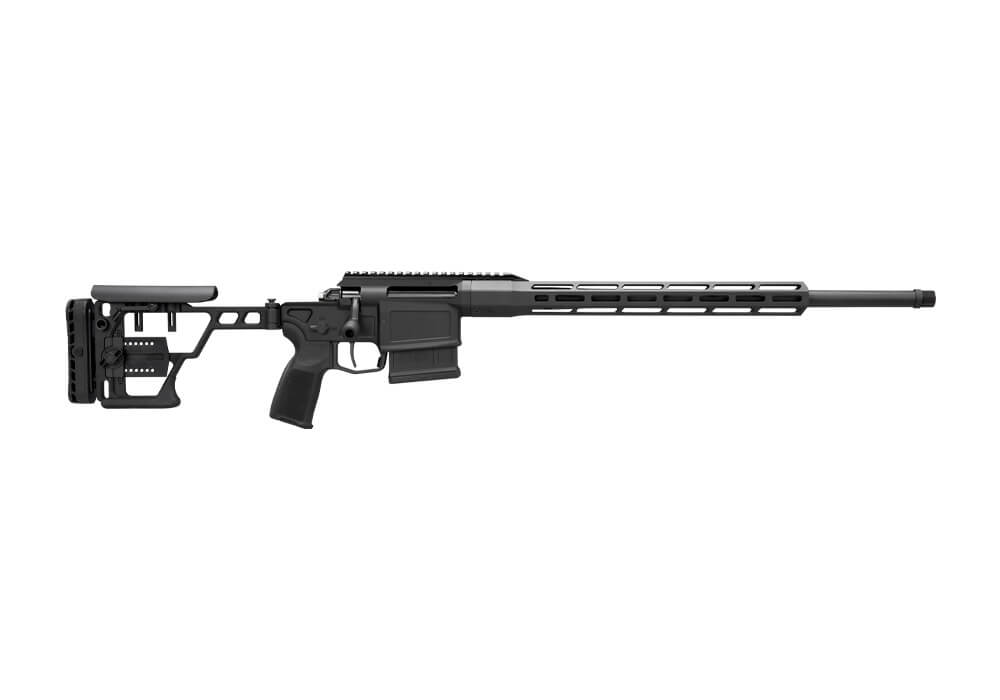
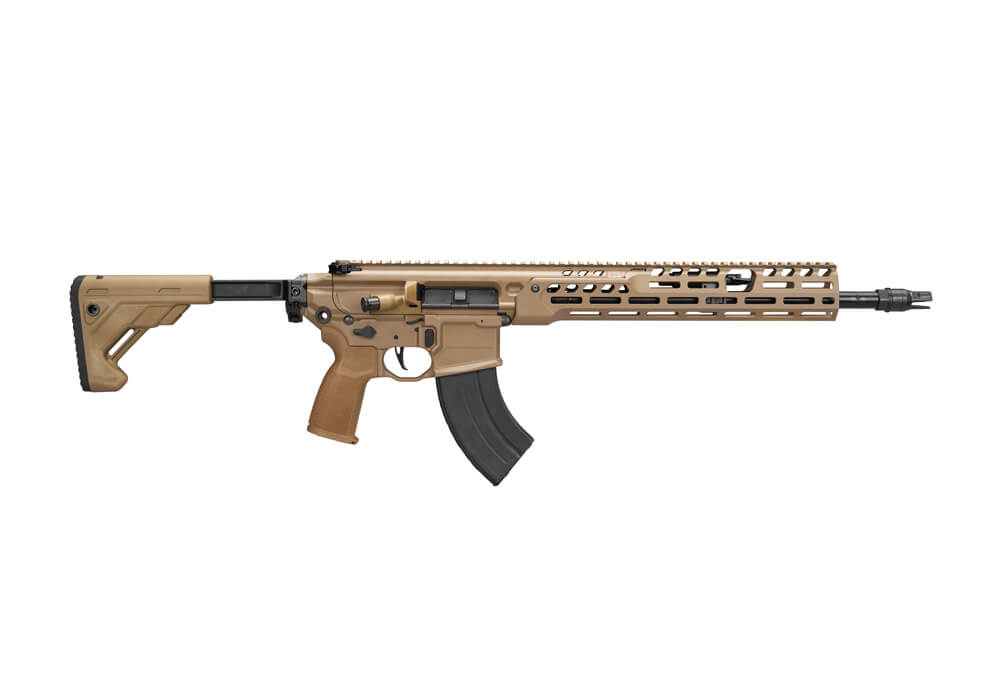
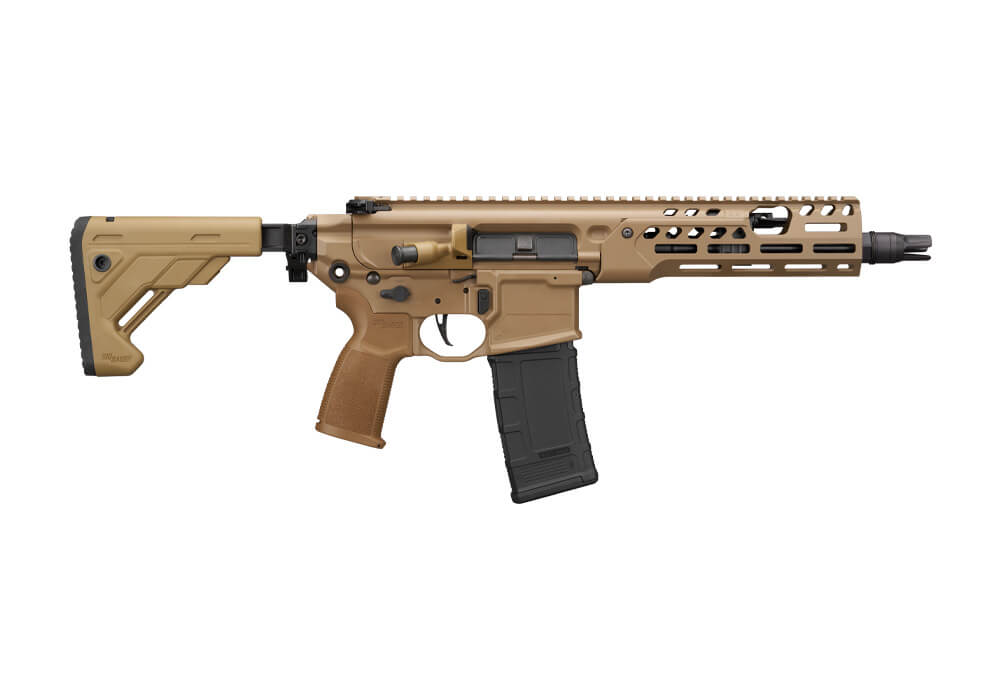
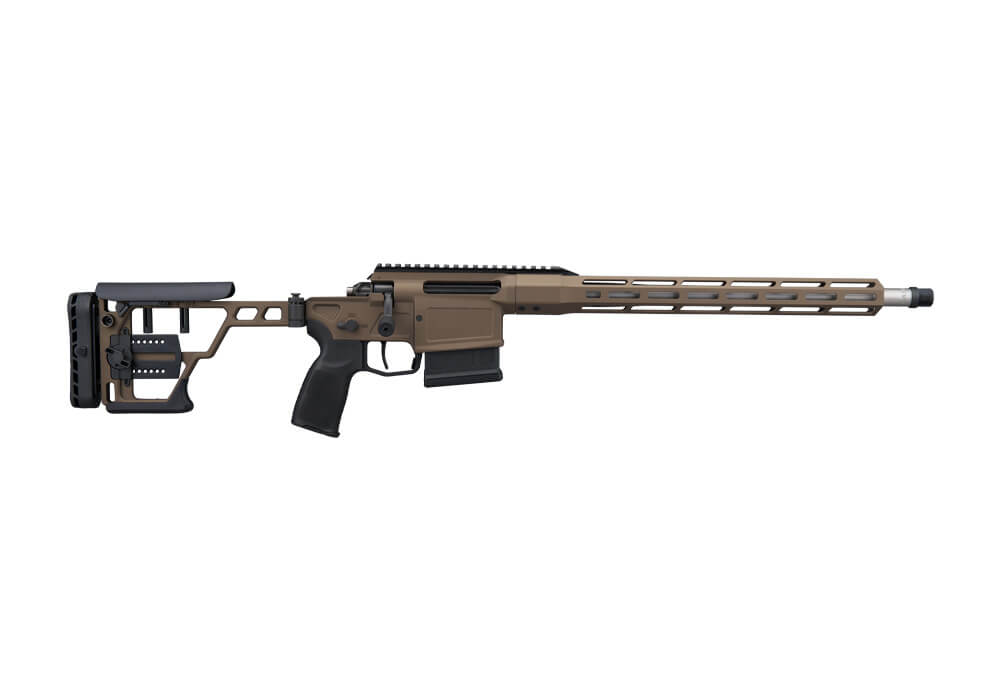
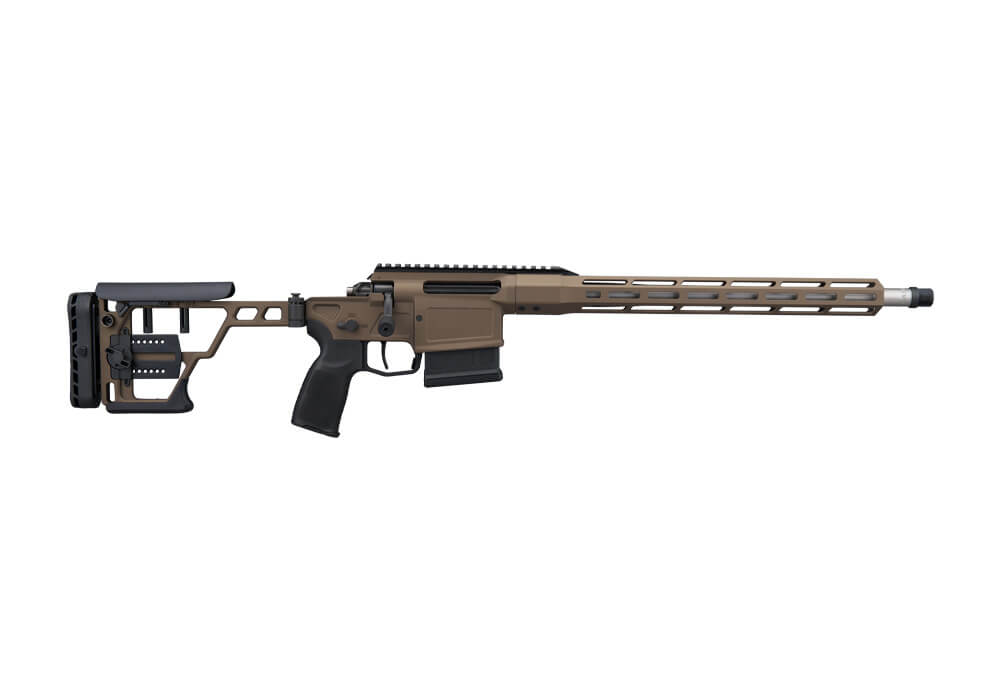
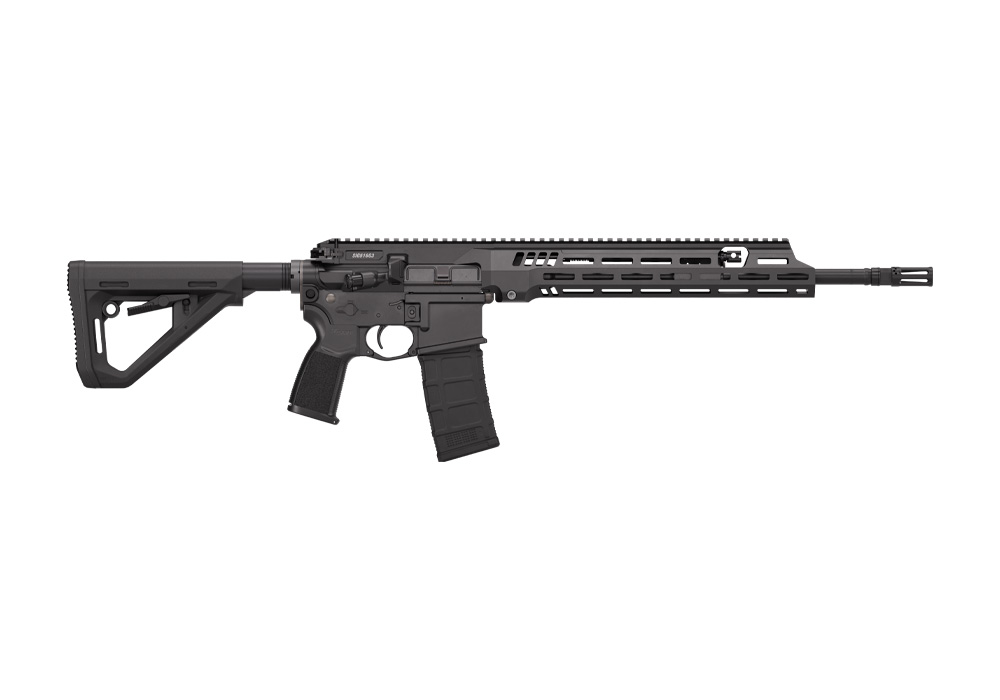
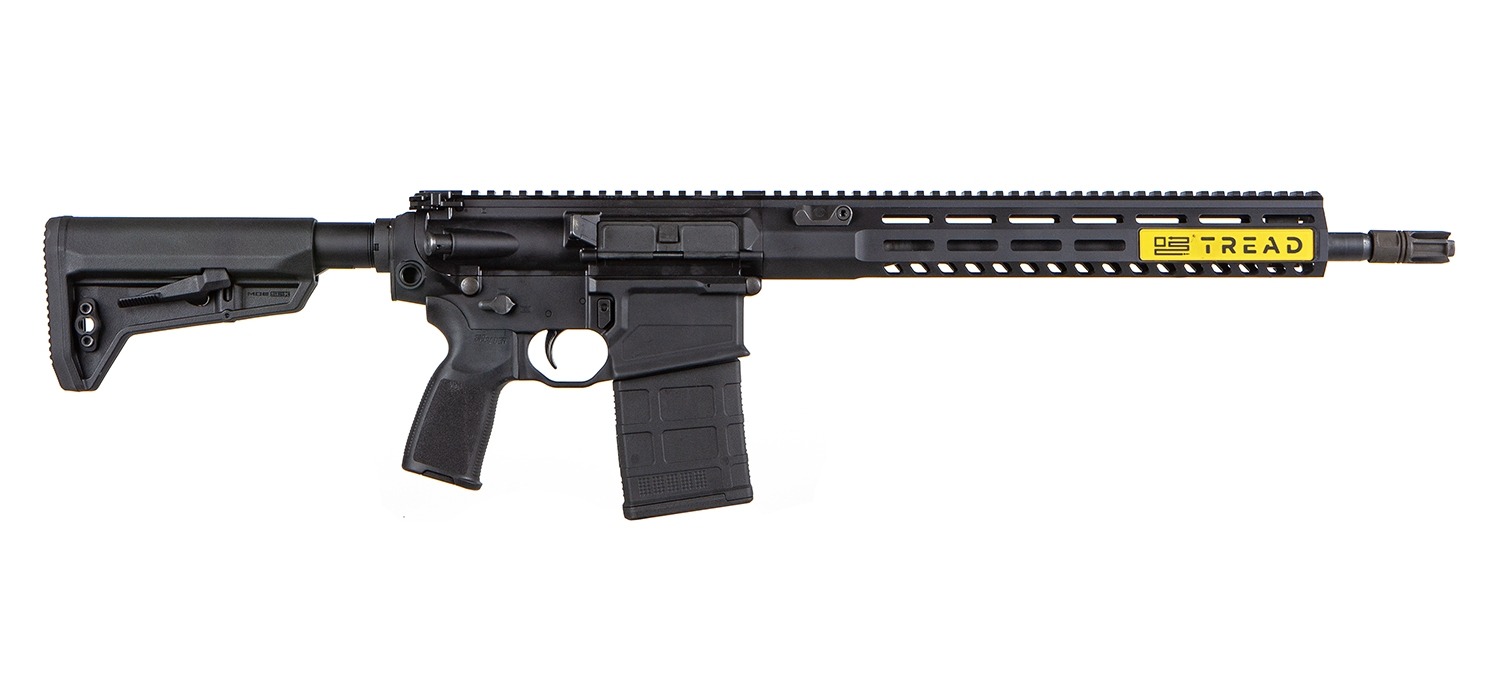
Fall hunting rifles are selected for the conditions, game, and hunting style that define the cooler months. A rifle suited to a quiet walk through thick hardwoods may feel very different from one carried across open grassland or steep western terrain, so start by considering where and how the rifle will be used. In dense woods, a manageable overall length, smooth operation, and a stock that handles naturally against heavy clothing can make the difference when a quick, careful shot presents itself between trees. In open country, hunters often place greater value on a lighter rifle that is comfortable to carry during long stalks, along with a cartridge and barrel combination capable of consistent accuracy at extended distances. Mountain hunters may appreciate every ounce saved on the climb, while hunters who spend more time from a blind or fixed rest may prefer additional weight to help steady the rifle and reduce felt recoil. Rifles in the roughly six- to seven-pound range are often appealing for spot-and-stalk use, but the lightest option is not automatically the best choice for every hunter. A heavier rifle can be easier to hold steadily from a supported position and more comfortable during repeated practice, particularly when paired with a cartridge that produces noticeable recoil. When comparing options, look closely at the action, trigger, stock shape, grip angle, recoil pad, and balance point. A bolt should run smoothly without binding, the safety should be easy to operate without disturbing the firing hand, and the controls should remain accessible while wearing gloves. A durable exterior finish is also worth considering during a season that may bring rain, wet brush, morning frost, or an unexpected dusting of snow. Stainless-style surfaces, protective coatings, and properly maintained metal can help guard against corrosion, but no finish replaces a simple field routine: wipe away moisture, inspect the bore and action, and store the rifle clean and dry after each outing.
Cartridge selection should follow the game being pursued, the expected range, local regulations, and the hunter’s ability to place accurate shots under field conditions. Popular all-around choices such as 6.5 Creedmoor and .308 Winchester are commonly considered for deer-sized game because they offer broad ammunition availability and practical performance when matched with an appropriate bullet. A cartridge such as 6.8 Western may appeal to hunters seeking a capable option for larger game and longer-range western applications, while other cartridges may be better suited to a particular rifle, hunting area, or experience level. The most powerful option is rarely the most useful if its recoil makes practice unpleasant or causes a hunter to rush the shot. Before heading into the field, spend time confirming zero from realistic positions, including seated, kneeling, and supported standing positions, and practice with the same optic, sling, and ammunition intended for the hunt. An accurate rifle also depends on a properly fitted scope and secure mounting system; the right magnification, eye relief, reticle, and low-light performance should reflect the terrain and typical shooting distance. Hunters building a complete setup can explore Fall Hunting Scopes to compare optic options that complement a seasonal rifle. A dependable sling, protective case, lens covers, spare ammunition, and a compact cleaning kit can add practical value without complicating the setup. These rifles may be purchased by experienced hunters refining a trusted field system, by new hunters preparing for their first season, or as a thoughtful gift for someone who has completed the required training and can legally possess a firearm. For any gift or transfer, follow all applicable federal, state, and local laws and use a licensed dealer when required. Safe storage, transport, and handling remain part of responsible ownership: keep the rifle unloaded until it is legal and appropriate to load, keep the muzzle pointed in a safe direction, identify the target and what lies beyond it, and secure the firearm from unauthorized access. As the weather shifts from crisp mornings to colder late-season conditions, a well-matched fall hunting rifle should feel dependable in the hand, practical to carry, and familiar enough that the hunter can focus on careful observation, ethical shot placement, and the quiet rhythm of time spent outdoors.