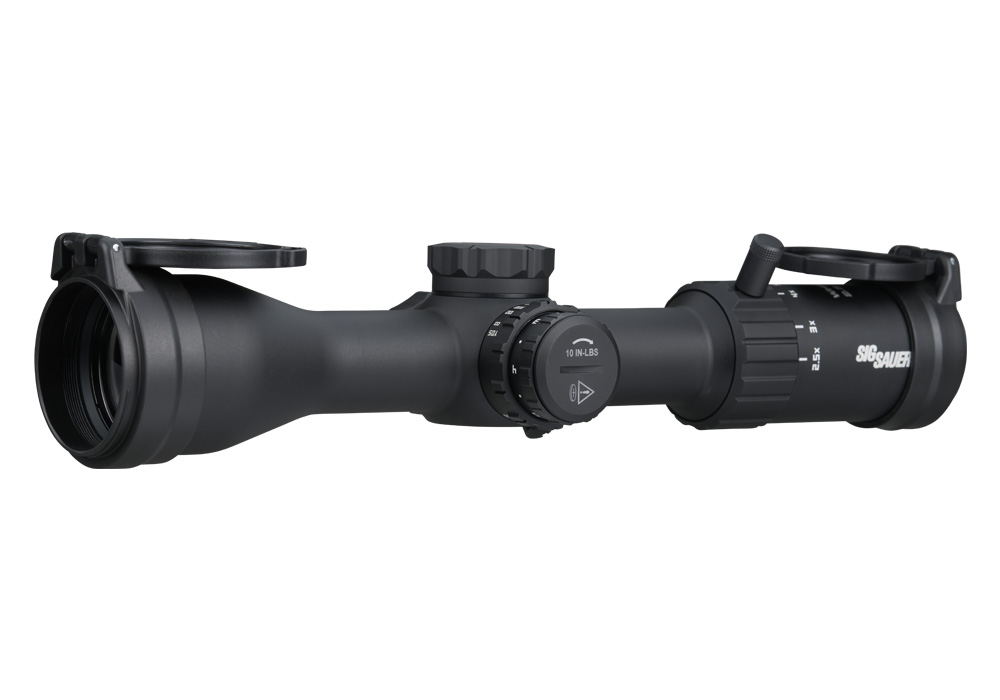
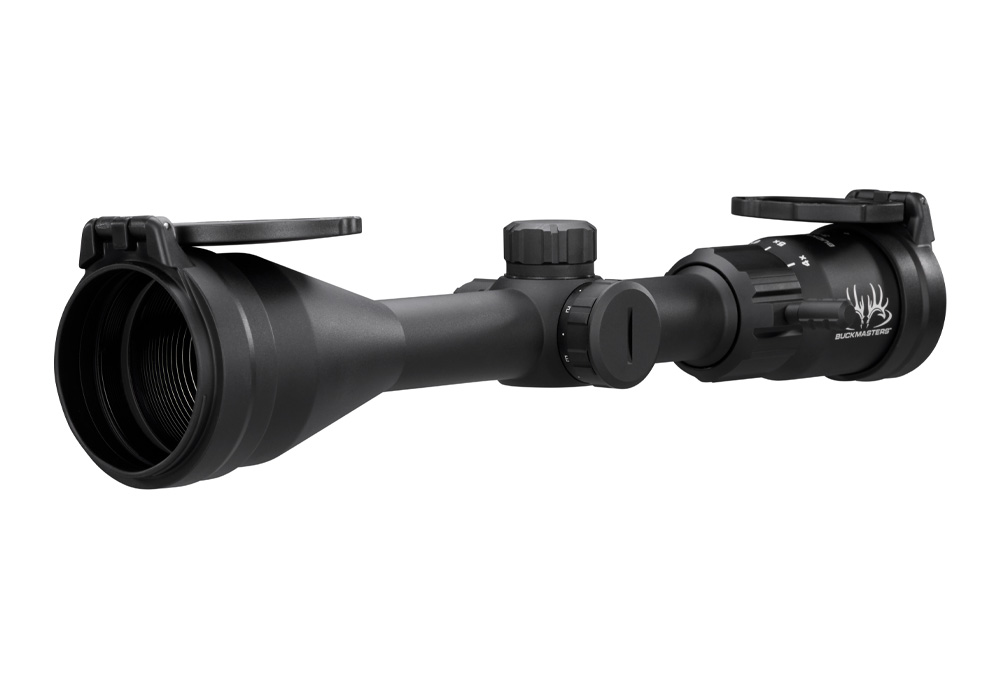
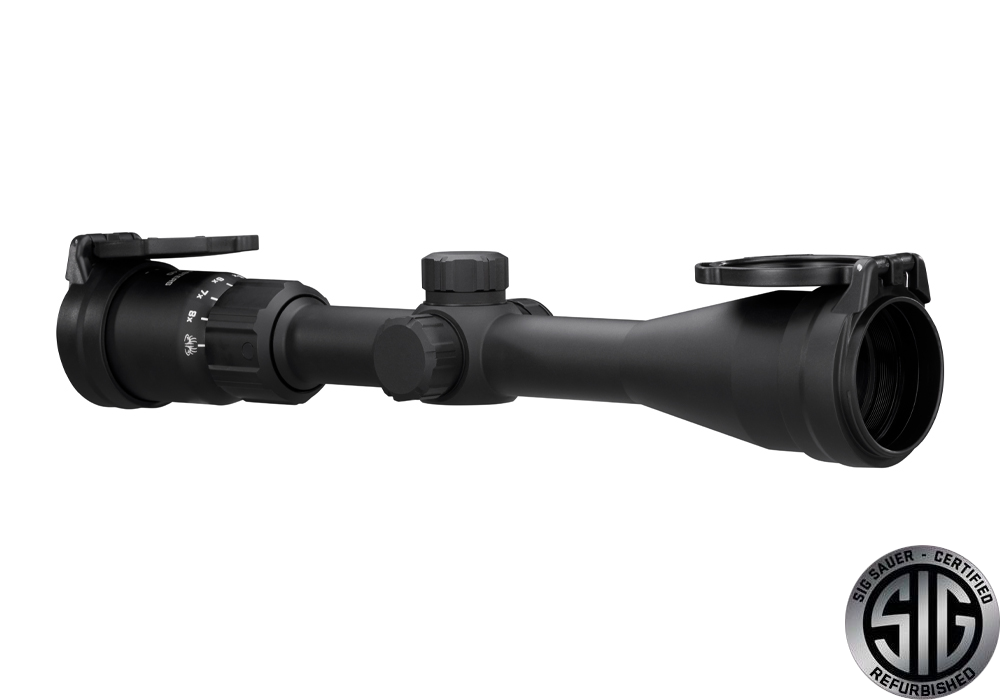
Fall hunting scopes are selected for the changing conditions that define the cooler months: muted light beneath a canopy, bright open fields after sunrise, damp air along a ridgeline, and the practical challenge of carrying dependable gear through uneven ground. This collection of Fall Hunting Optics brings together scope options for hunters who need a clear sight picture, repeatable performance, and controls that remain useful when temperatures drop and gloves become part of the routine. A versatile magnification range is often the best starting point. Scopes in the 3-9x or 4-12x class can provide a wide field of view for moving through timber while still offering additional detail across a meadow or cutover. Hunters who spend more time in open country may prefer greater magnification, while those who hunt thick woods may value a lower-power setting that makes it easier to locate game quickly. The right choice depends on the rifle, cartridge, terrain, and realistic shooting distances rather than the largest number printed on the power ring. A scope should complement the way the rifle is carried and used, not add unnecessary weight or complexity. For a compact hunting rifle that travels several miles over rolling ground, a lighter optic can make the entire setup feel more balanced by the end of the day. For a rifle used from a stationary blind or a carefully prepared overlook, additional magnification and a larger objective may be worthwhile. These scopes can also make thoughtful gifts for a new hunter, an experienced family member preparing for another season, or anyone upgrading an older optic before spending more time outdoors.
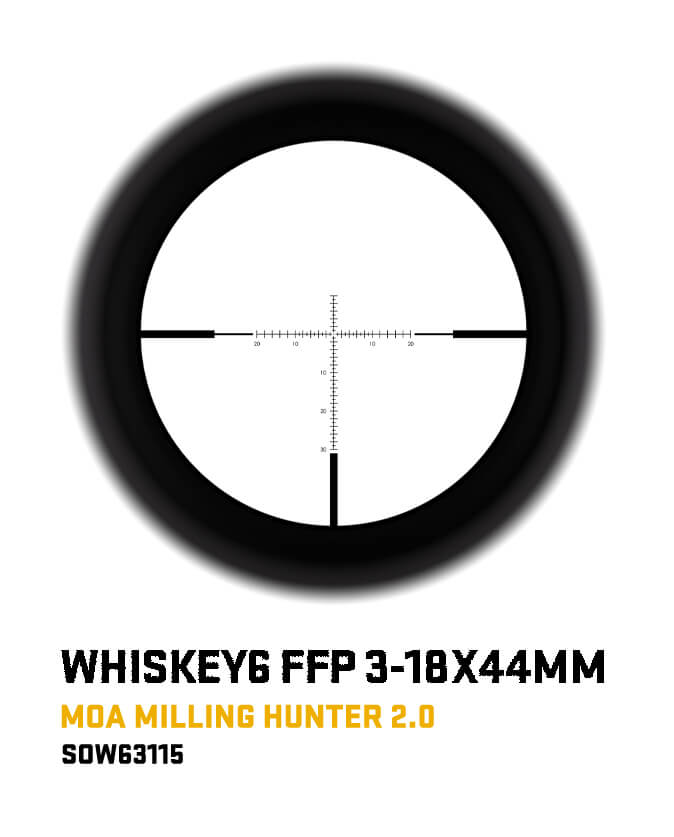
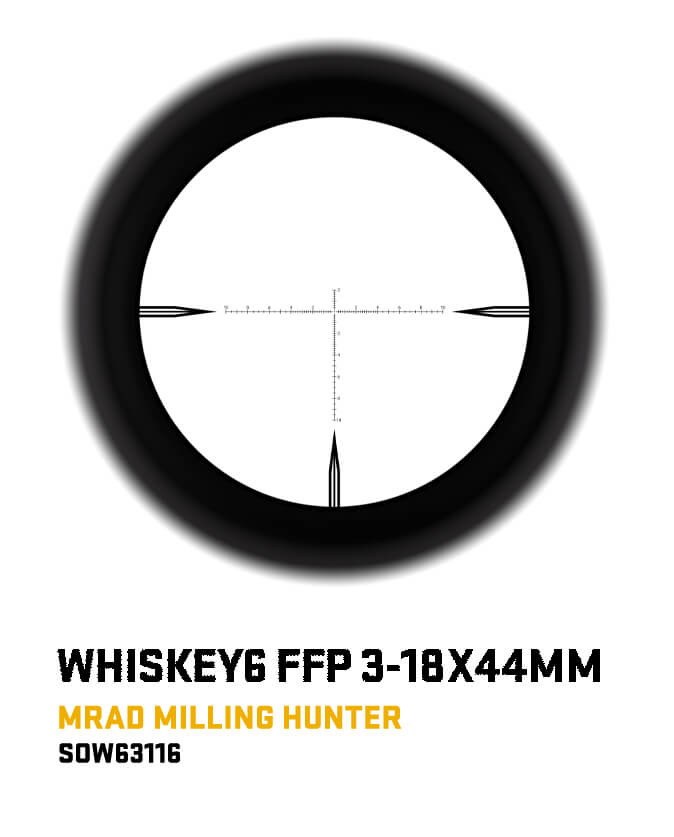
Low-light performance deserves particular attention during fall hunts because legal shooting hours often overlap with the soft, directional light of morning and evening. Objective lenses around 40mm to 50mm can help collect available light, but size alone does not determine how well a scope performs. Glass quality, lens coatings, internal construction, reticle design, and the observer’s eye position all contribute to the usable sight picture. A bright, well-defined image can make it easier to distinguish a deer from the shadowed background of brush or to place a steady aiming point against a dark tree line, while a reticle that is too fine or difficult to see may become less practical as the light fades. Hunters should also consider whether a second focal plane or first focal plane reticle better suits their habits. A second focal plane design keeps the reticle size visually consistent as magnification changes, which many hunters appreciate for straightforward aiming at familiar distances. A first focal plane design changes with magnification and can make holdovers more consistent across the power range when the reticle includes useful ballistic references. Illuminated reticles may add visibility in low-contrast settings, provided the brightness is adjusted carefully so the aiming point remains precise rather than distracting. Turret style is another consideration. Capped turrets offer a clean profile and help protect a hunting zero from brush, clothing, and transport, while exposed or adjustable turrets can be useful for shooters who routinely make verified elevation changes. Whichever style is chosen, simple, positive controls are valuable when cold fingers, rain, and limited daylight leave little room for fumbling.
A dependable fall hunting scope should be built to handle more than a quiet day at the range. Waterproof, fog-resistant, and shock-resistant construction helps protect the optic through wet walks, sudden temperature changes, and the repeated movement of a rifle being carried, set down, and returned to the shoulder. A sealed tube and durable exterior finish are practical advantages when a hunt includes damp leaves, fine dust, or a climb through thick cover. Eye relief should be generous enough to support a comfortable, repeatable cheek weld, and the scope should be mounted at a height that allows the shooter to establish a full sight picture without stretching or lifting the head. Before heading afield, confirm that the rings and base are properly matched to the rifle and scope, then sight in with the same ammunition intended for the hunt. Verify the zero from a stable position at a realistic distance, check the point of impact after transporting the rifle, and practice moving from a low-ready position to a clear sight picture without rushing. It is also worth learning the reticle and turret markings in daylight, when there is time to understand every reference point. During cooler months, a lens cloth, protective covers, and a small amount of attention to condensation can preserve clarity when moving between a warm vehicle and cold outdoor air. The recommended scopes in this collection support a range of hunting styles, from careful shots across a harvested field to close, deliberate observation in dense timber. Choosing the right combination of magnification, objective size, reticle, controls, weight, and weather resistance gives the hunter an optic that feels familiar when the woods grow quiet and the opportunity arrives.