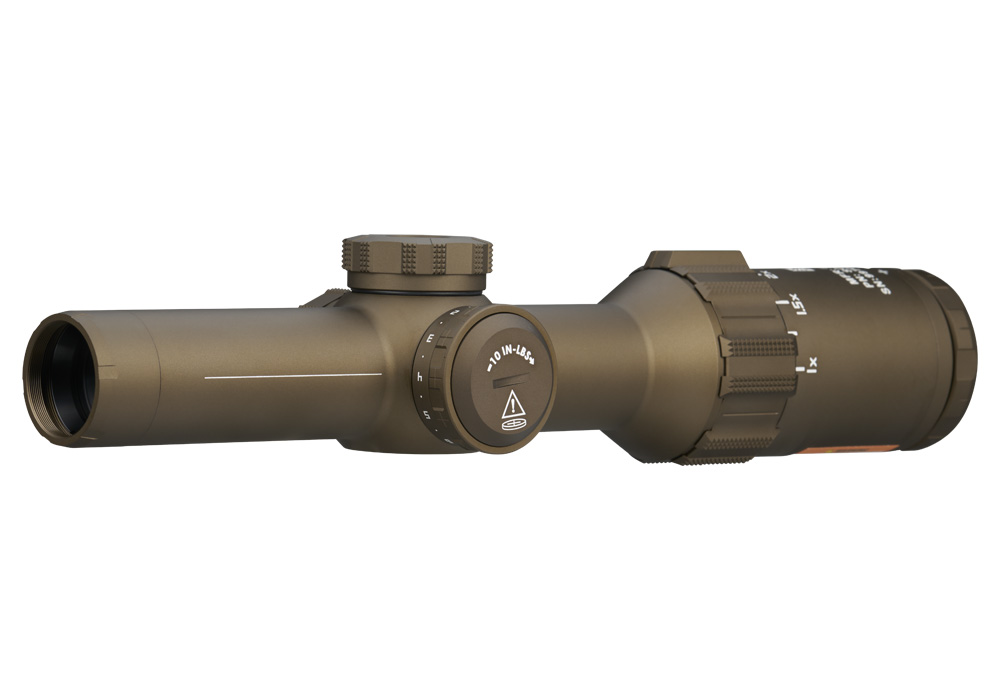
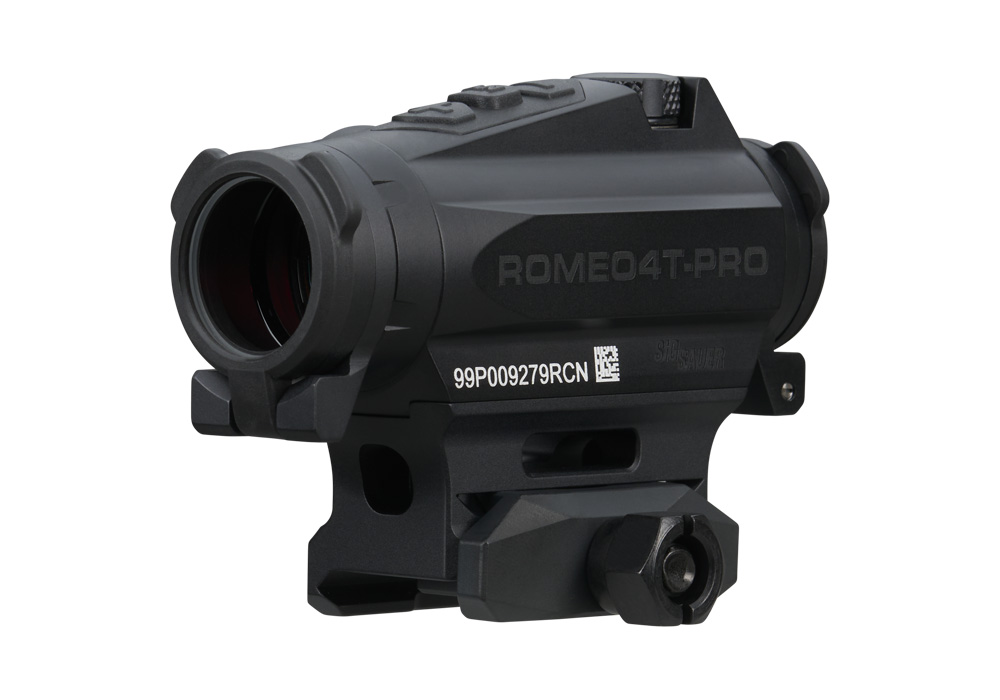
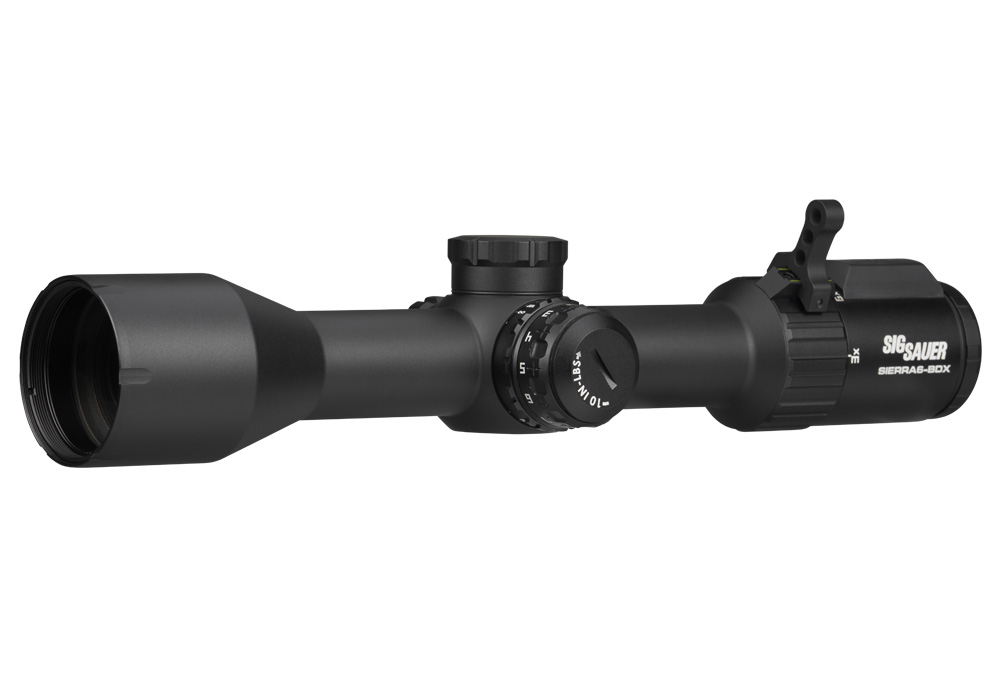
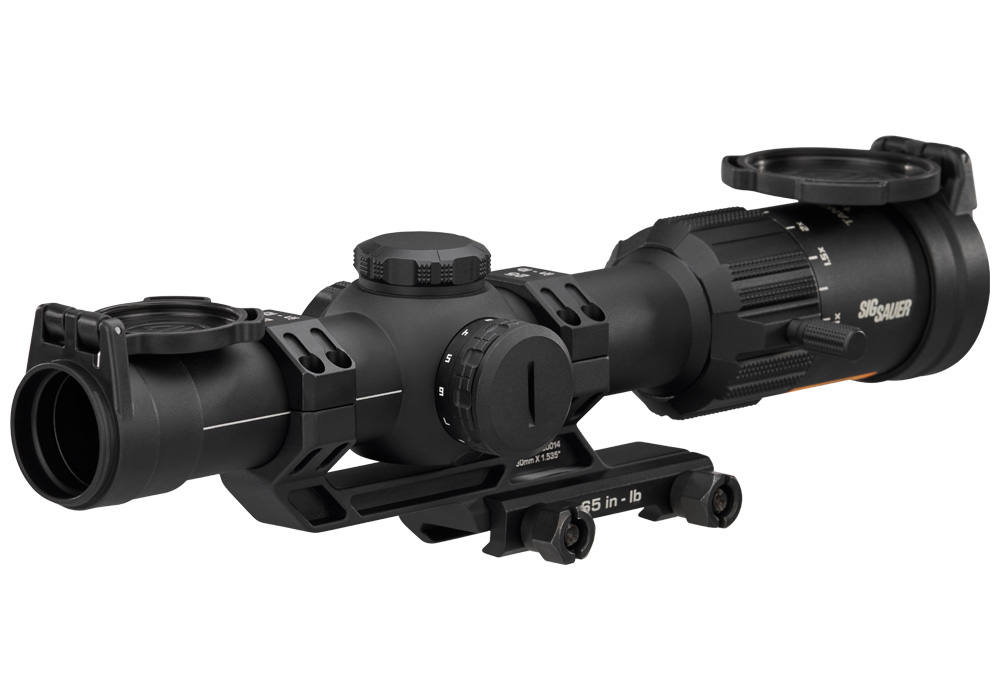
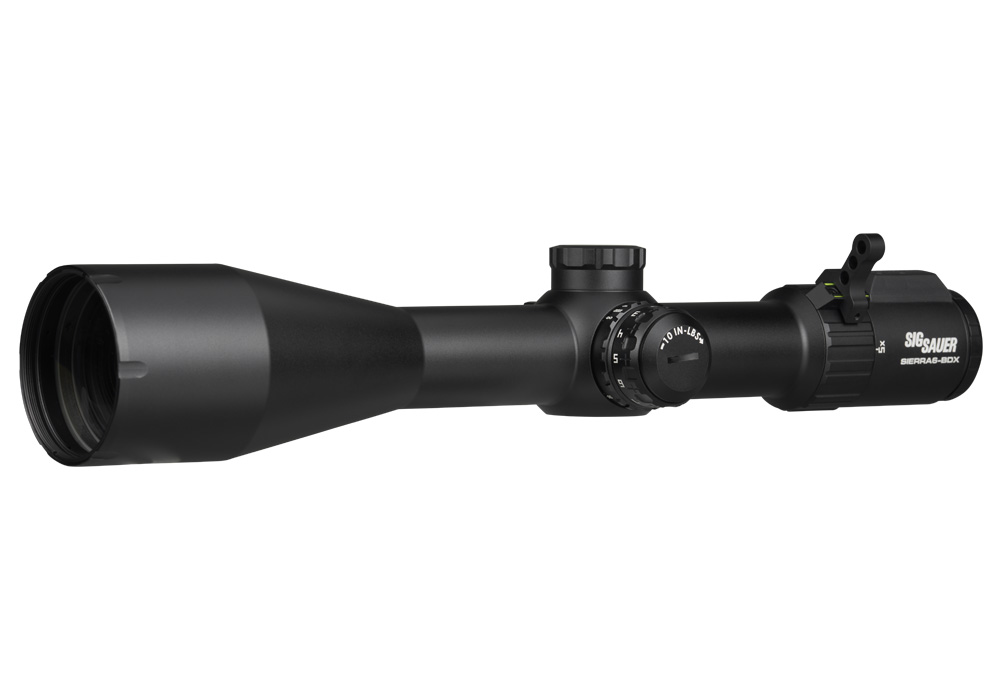
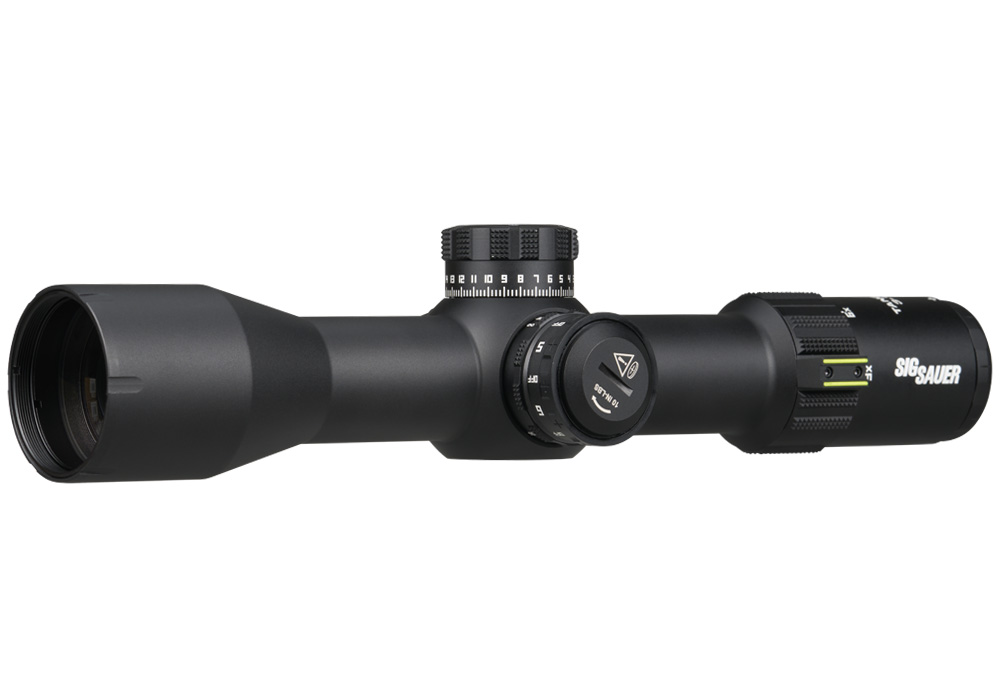
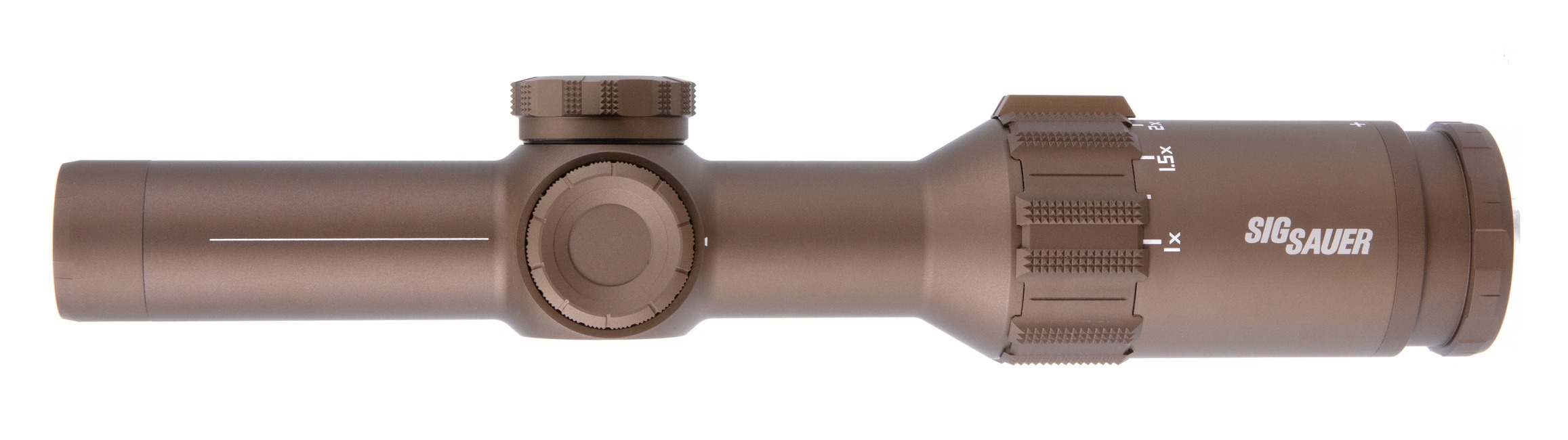
Fall shooting sports scopes serve a range of activities, from relaxed afternoons on a covered bench to organized target events on open outdoor ranges. The differences that matter most include magnification range, objective lens diameter, reticle design, optical clarity, and compatibility with the rifle and mounting system. A useful scope balances those features around its intended role rather than emphasizing the largest lens or highest power. At a wooded range, where brown leaves and deep shadows surround a paper target, good contrast can matter as much as magnification. On an open firing line, a clear view of small scoring rings may take priority. Variable magnification provides flexibility between those settings: lower power generally offers a broader field of view, while higher power reveals finer target detail but also makes movement more noticeable. Familiar ranges such as 3–9x and 4–16x illustrate different levels of flexibility, not fixed distance limits. Target size, lighting, eyesight, and shooting position all influence how much magnification feels useful. Objective diameter deserves similar context. At equal magnification, a larger objective can produce a larger exit pupil, which may help maintain a bright, comfortable view as ambient light fades. Lens coatings, internal light management, and overall optical quality also affect the image, so objective size alone does not establish low-light performance. Larger objectives can add weight and require more clearance above the rifle, creating a tradeoff between viewing characteristics and handling. A compact scope may feel more balanced on a lightweight sporting rifle, while a larger optic may suit a setup used primarily from a supported position. Across these configurations, a sharp image should include useful contrast and consistent detail, not simply an impressive view through the center of the lens. Comfortable eye placement matters throughout a full range session, especially when the afternoon includes repeated changes between observing the target, checking equipment, and settling back behind the rifle. That balance of visibility, comfort, and proportion gives fall shooting optics their practical appeal.
Construction and mechanical design help distinguish scopes intended for occasional recreation from those suited to frequent travel, repeated recoil, and demanding outdoor use. Aluminum scope bodies are common because they combine relatively low weight with structural strength, although alloy descriptions alone say little about the quality of the finished optic. Tube construction, adjustment mechanisms, lens retention, and protective finishes all contribute to durability. Water resistance and internal fog resistance are valuable considerations for fall shooting sports, when damp benches, light rain, and temperature differences between a vehicle and an outdoor range can test equipment. These features should be understood through the manufacturer’s stated specifications rather than assumed from a rugged appearance. Fit is equally important. Main tube diameter must match the rings, the mounting system must suit the rifle, and the objective bell needs appropriate clearance. Scope length, mounting space, and eye relief affect whether the optic works comfortably with the stock and the shooter’s natural head position. A combination that looks balanced on paper can still feel awkward if it requires stretching forward or lifting the cheek away from the stock. Reticle choices introduce another set of practical distinctions. A first focal plane reticle changes apparent size as magnification changes, keeping its angular measurements consistent throughout the power range. A second focal plane reticle maintains a consistent apparent size, with its marked angular measurements generally corresponding to a designated magnification. Simple reticles can provide an uncluttered target view, while more detailed designs may appeal to competitors who already use a particular measurement system. Neither format is automatically better for every sporting application. Adjustment style also affects everyday handling: capped turrets protect settings during transport, while exposed turrets provide easier access for disciplines involving frequent adjustment. Clearly marked controls, repeatable adjustments, and a dependable return to established settings are more meaningful than a crowded feature list. Where offered, adjustable parallax can help refine the target image and address apparent reticle movement associated with changes in eye position. Control placement and legible markings become especially noticeable when gloves and a busy shooting bench complicate otherwise familiar routines.
Care and storage help preserve those optical and mechanical qualities across repeated outings. Dust, windblown grit, fingerprints, and moisture are ordinary companions at an outdoor range, but they call for different treatment. Loose particles should be removed before a lens is wiped, using cleaning tools and solutions approved for optical surfaces. A dusty shirt sleeve can drag grit across a coating, while aggressive cleaning can create more trouble than a few harmless specks. Lens covers help protect exposed glass during transport and between sessions, provided they are clean and secured out of the way during use. After a damp outing, exterior moisture should be addressed according to the manufacturer’s care instructions before the equipment is enclosed for storage. Internal fog resistance does not prevent condensation from forming on the outside of a cold lens when it enters a warmer, more humid space. Allowing equipment to adjust to the surrounding temperature can help resolve that surface moisture without unnecessary rubbing. Illuminated reticles introduce battery considerations as well: battery type, access, control operation, and stated temperature limits all deserve attention, especially for equipment that spends time in a cold vehicle. For regular range participants, these everyday details often shape satisfaction more than rarely used features. Newer sporting shooters may appreciate straightforward controls and an uncluttered view, while experienced competitors may value familiar reticle measurements and consistent mechanical behavior. A scope can also be a thoughtful gift for a dedicated target shooter, although rifle compatibility and personal preferences make it worth confirming tube size, mounting requirements, and intended use beforehand. Shooters whose plans include both target practice and field outings can also explore Fall Hunting Tactical Rifle Scopes for the related hunting context. Across either setting, the strongest match is an optic that suits the rifle, remains comfortable through extended observation, and provides dependable clarity without unnecessary bulk or complexity. Those qualities remain relevant from leaf-covered range lanes to winter practice sessions, wherever local rules and conditions permit.